Introduction to Bones and Joints
 Call Kai
 Learn
Learn Practice Test
 Spaced Repetition
 Match
Match Flashcards
 Knowt Play
1/73

There's no tags or description
Looks like no tags are added yet.
Name | Mastery | Learn | Test | Matching | Spaced | Call with Kai |
|---|
No analytics yet
Send a link to your students to track their progress
74 Terms
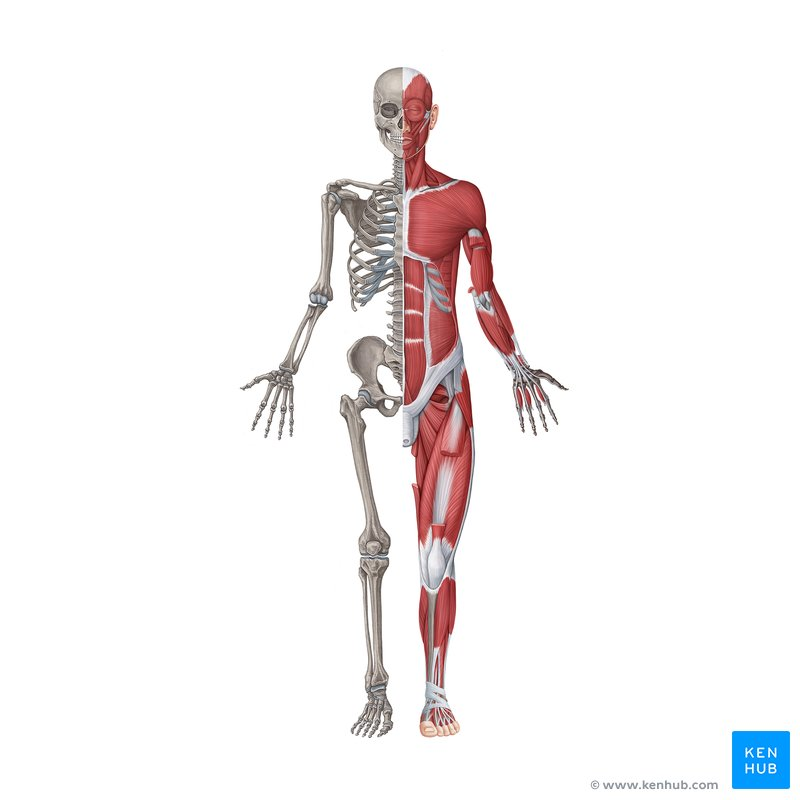
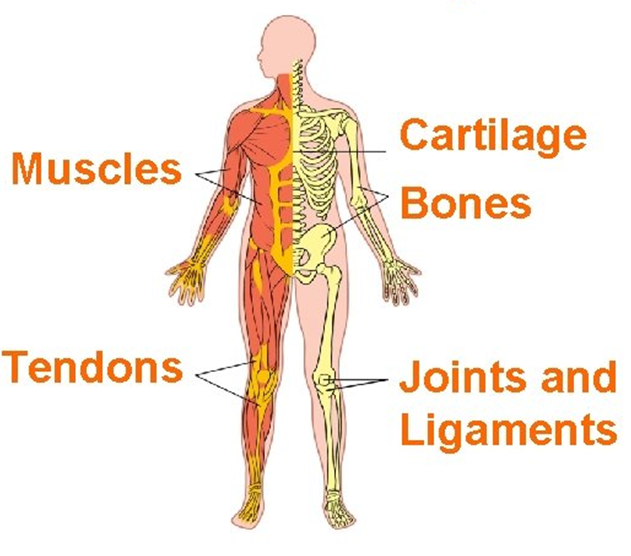
What does the musculoskeletal system include?
Bones
Muscles
Connective tissue
Cartilage
Ligaments
Tendons
What are the main functions of the musculoskeletal system?
Support
Movement
Protection
Produces blood cells
Stores minerals
What is the structure of bones?
Bones have an exterior layer and interior layer.
Exterior layer - compact
Interior layer - spongy
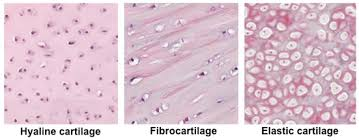
What are the 3 main structural types of cartilage?
Fibrocartilage
Elastic cartilage
Hyaline cartilage
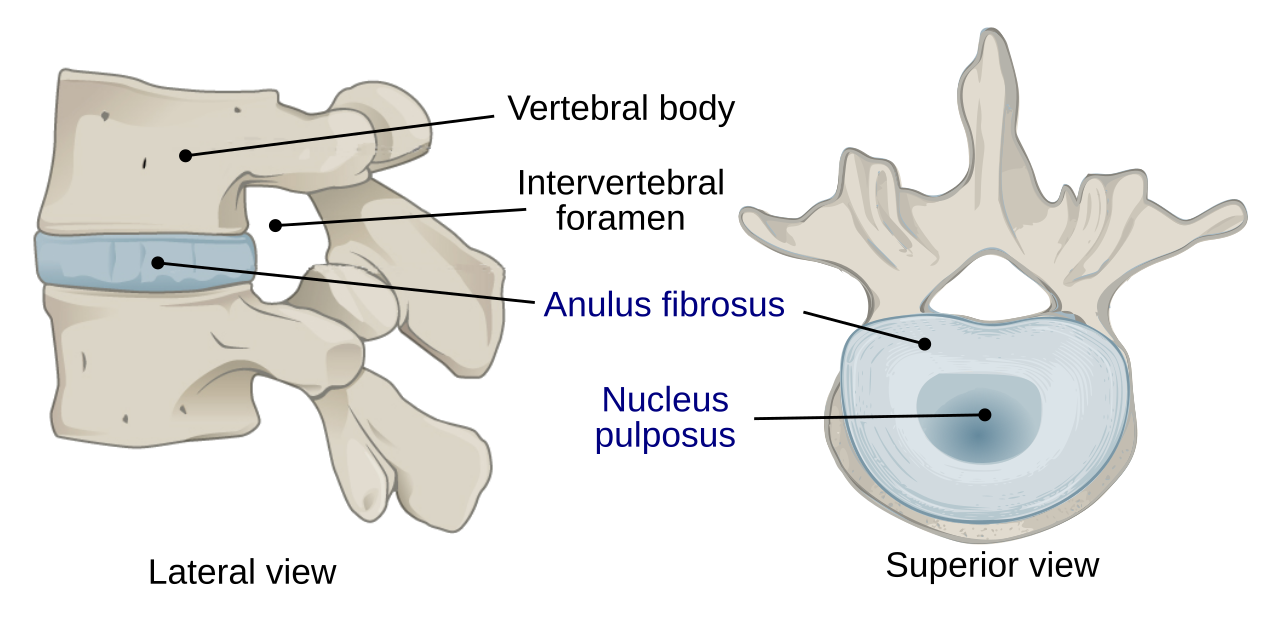
What are some examples of fibrocartilage?
Intervertebral discs
Menisci (pads) in joint spaces
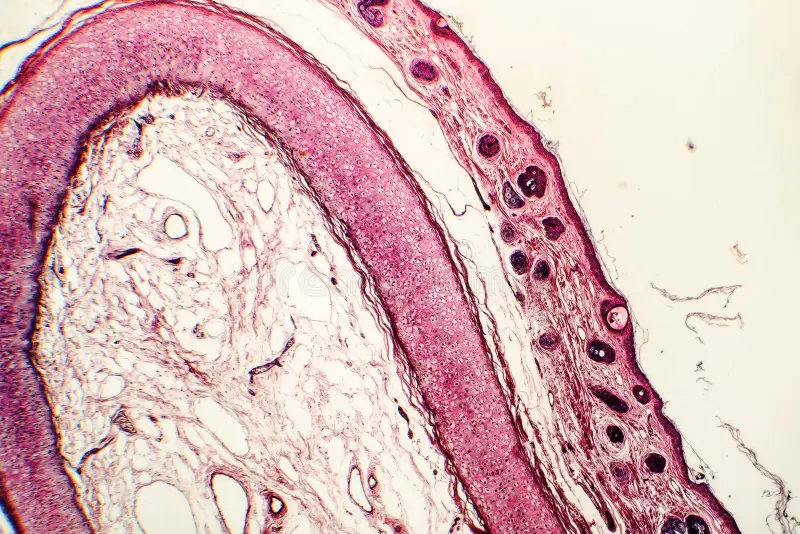
What are some examples of elastic cartilage?
External ear
Epiglottis
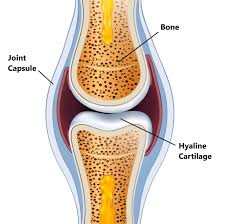
What are some examples of hyaline cartilage?
Joint surfaces
Costal cartilage
Growth plate
Temporary scaffold
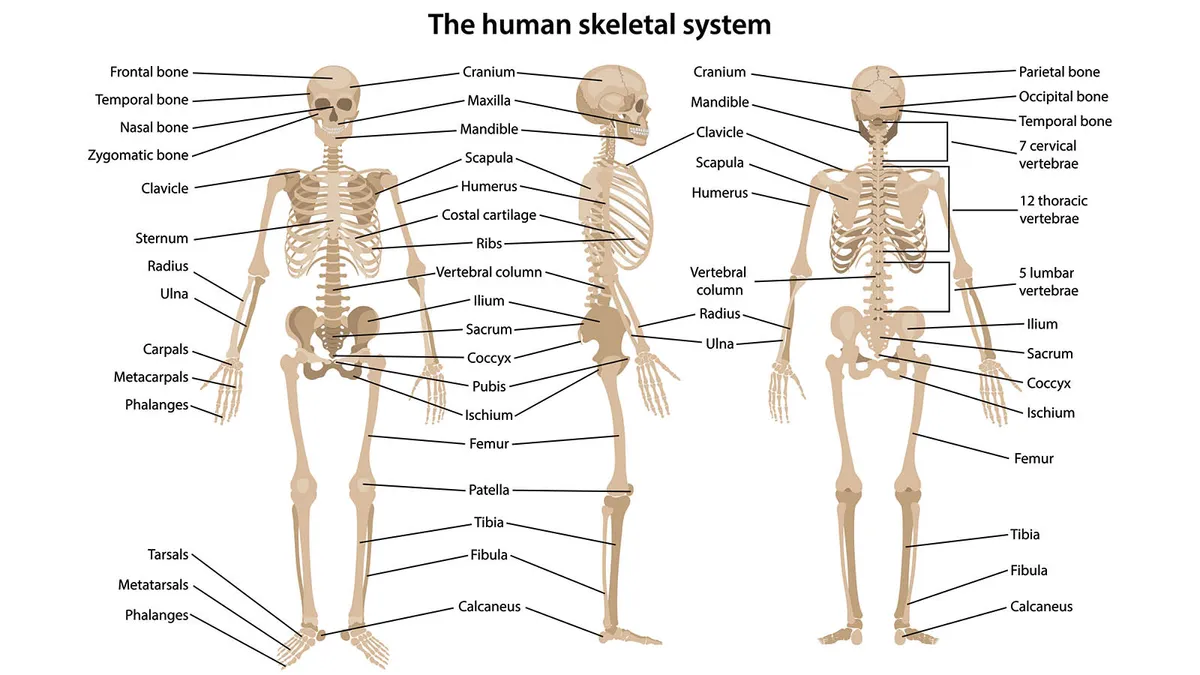
What are the functions of bones?
Support
Protection
Muscle attachment (locomotion)
Mineral reservoir
Hematopoiesis
Lipid storage
Endocrine
What is the function of cartilage?
Cartilage provides a template for bone formation, enables the growth of long bones, and forms smooth surfaces for articulating joints
What’s the composition of bone (by % of total dry weight)?
Mineral = 65%
Type I collagen = 30%
Proteoglycans/glycoproteins = 5%
What’s the composition of cartilage (% total dry weight)?
Type II collagen = 65%
Proteoglycans = 20%
Glycosaminoglycans = 10%
Glycoproteins = 5%
What cell types exist in bone?
Osteoblasts
Osteocytes
Osteoclasts
What do osteoblasts do?
Bone-forming
What do osteocytes do?
Maintains bone
(is the most abundant cell found in bone)
What do osteoclasts do?
Bone-resorbing
What cell types exist in cartilage?
Chondroblasts
Chondrocytes
How many bones are in the adult human skeleton?
206
What are the two anatomical regions of the skeleton?
Axial skeleton and appendicular skeleton.
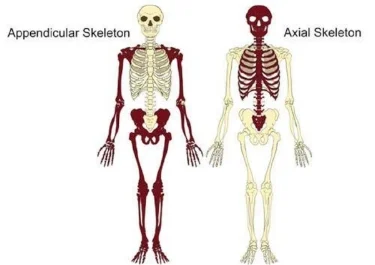
What does the axial skeleton include and how many bones does it contain?
Skull, vertebral column, and ribs
80 bones
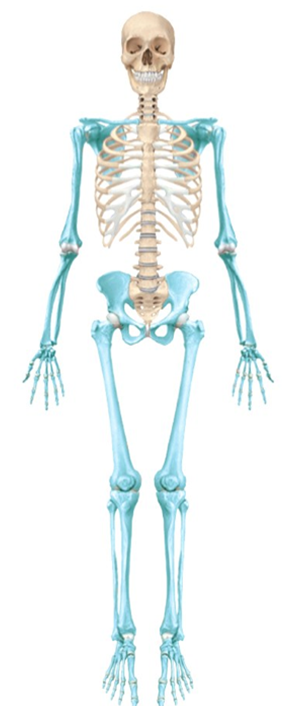
What does the appendicular skeleton include and how many bones does it contain?
Limbs, pelvis, scapula, and clavicle
126 bones
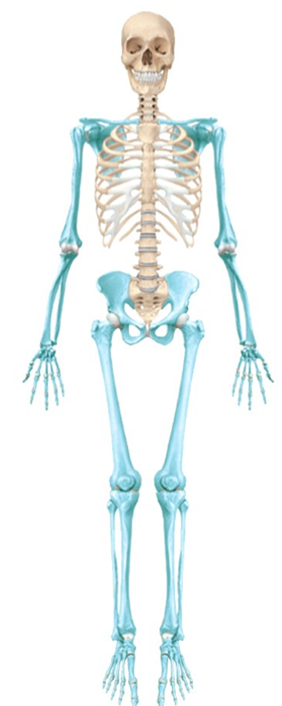
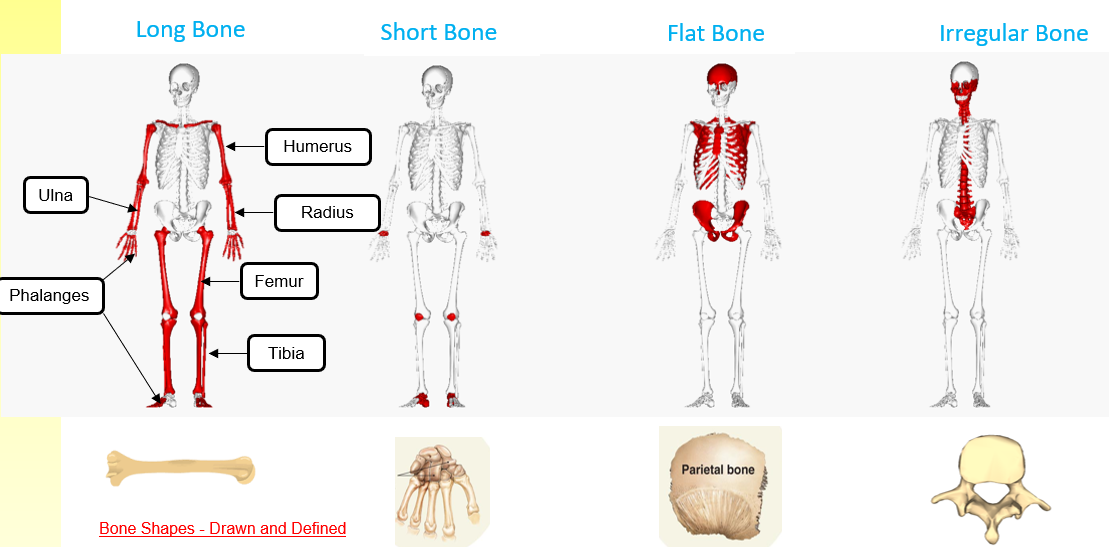
What are the words that classify bone shapes?
Long
Short
Flat
Irregular
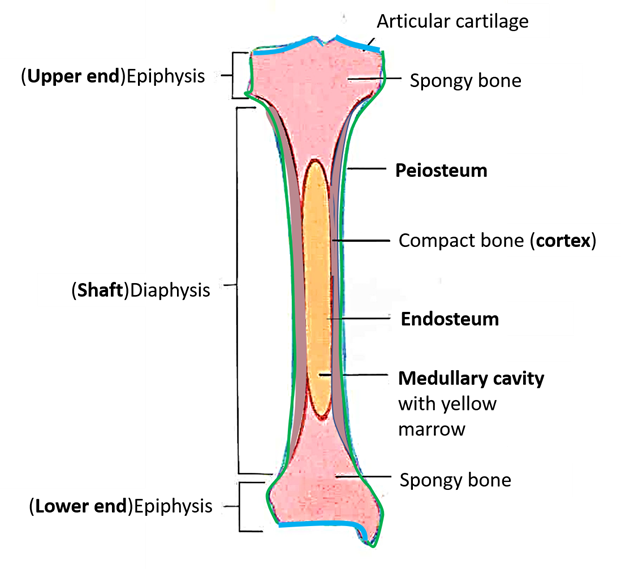
What are the 5 main structural components of a bone?
Periosteum
Compact bone
Spongy bone
Bone marrow
Endosteum
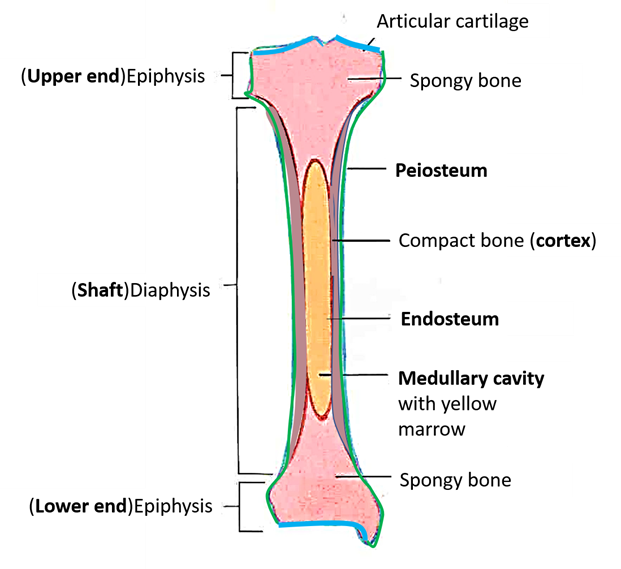
Top
Upper epiphysis
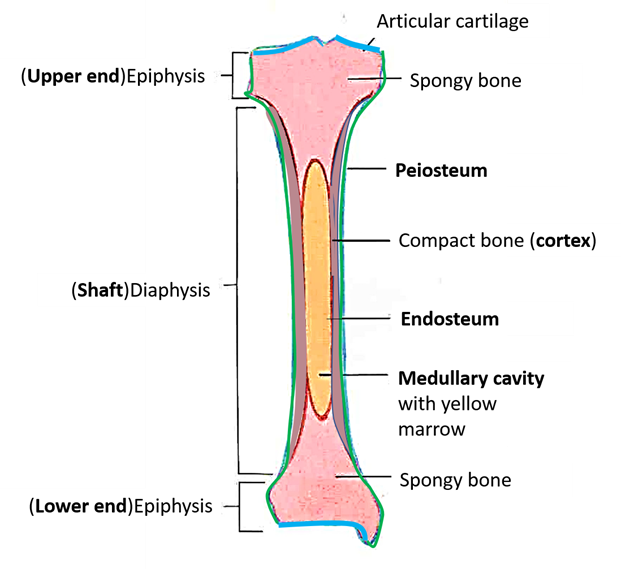
Shaft
Diaphysis
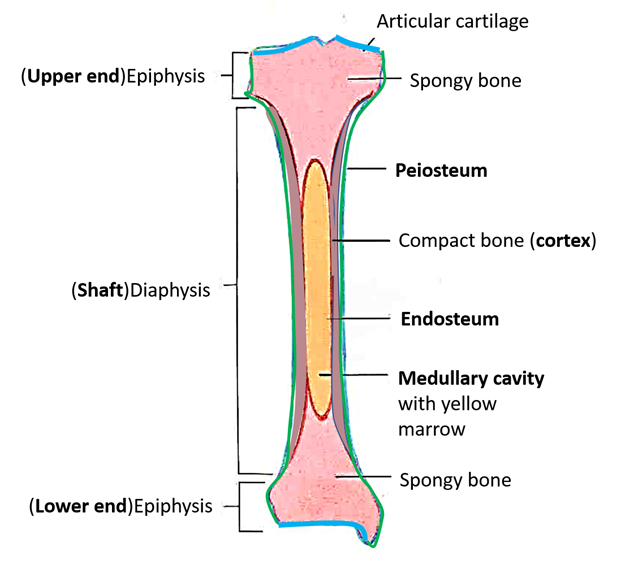
Bottom
Lower epiphysis
What is the compact bone?
The dense outer layer of most bones
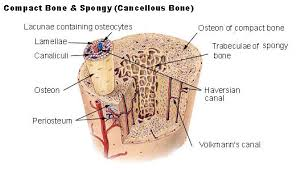
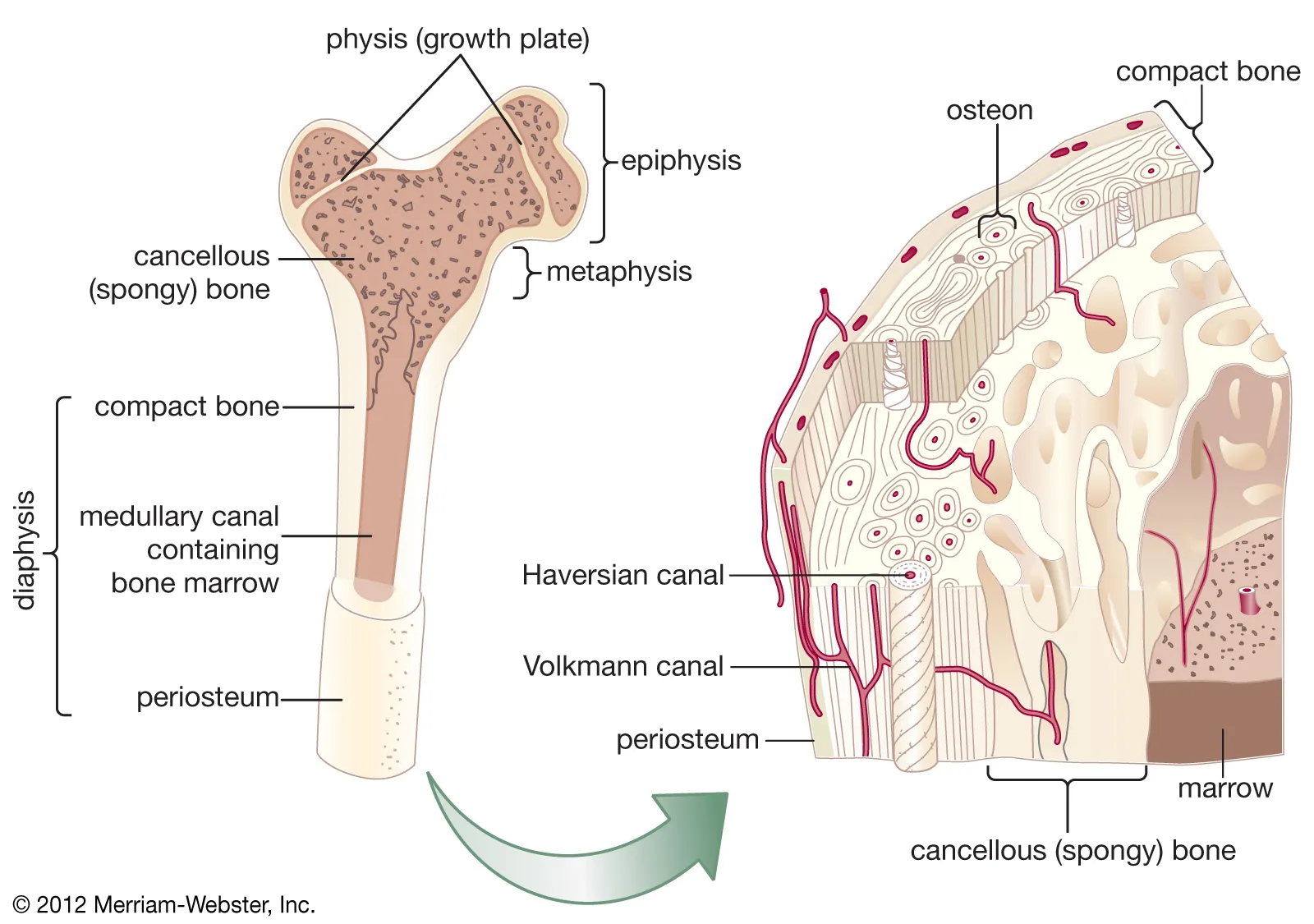
What is compact bone composed of?
Osteons
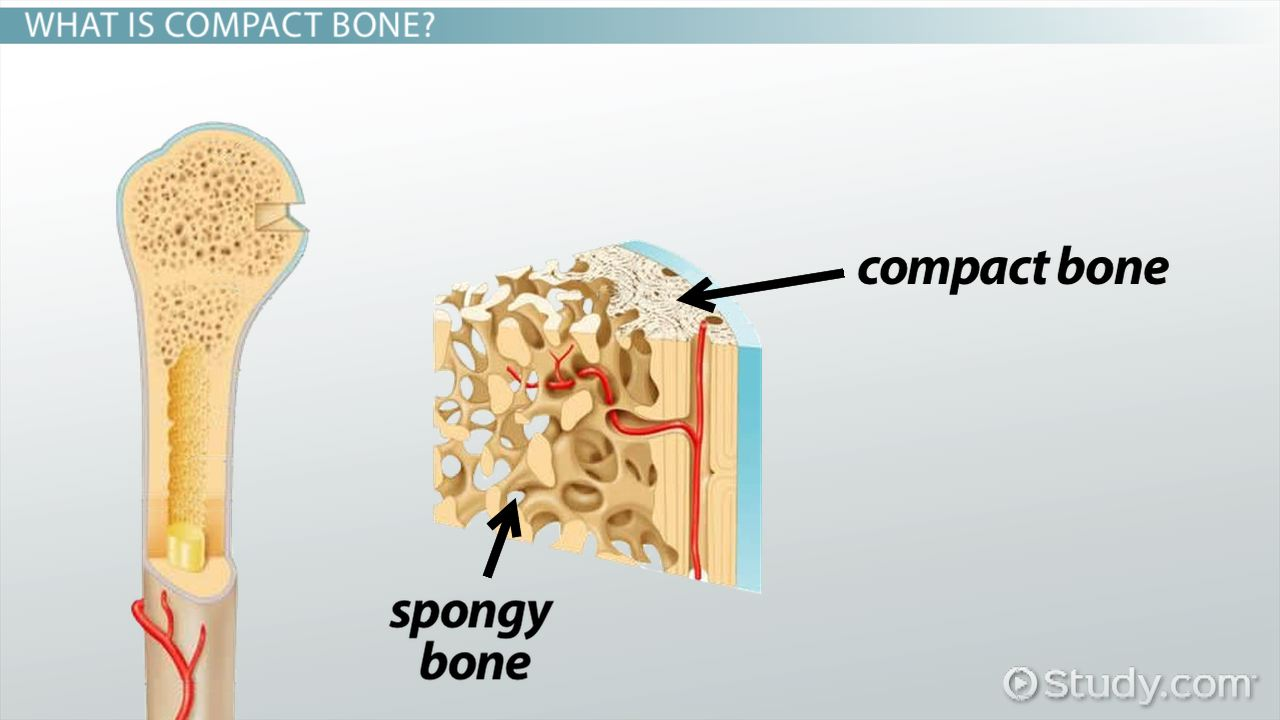
What are the functions of the compact bone?
Provides strength and support
Site of muscle attachment
What is spongy bone?
The inside of bones
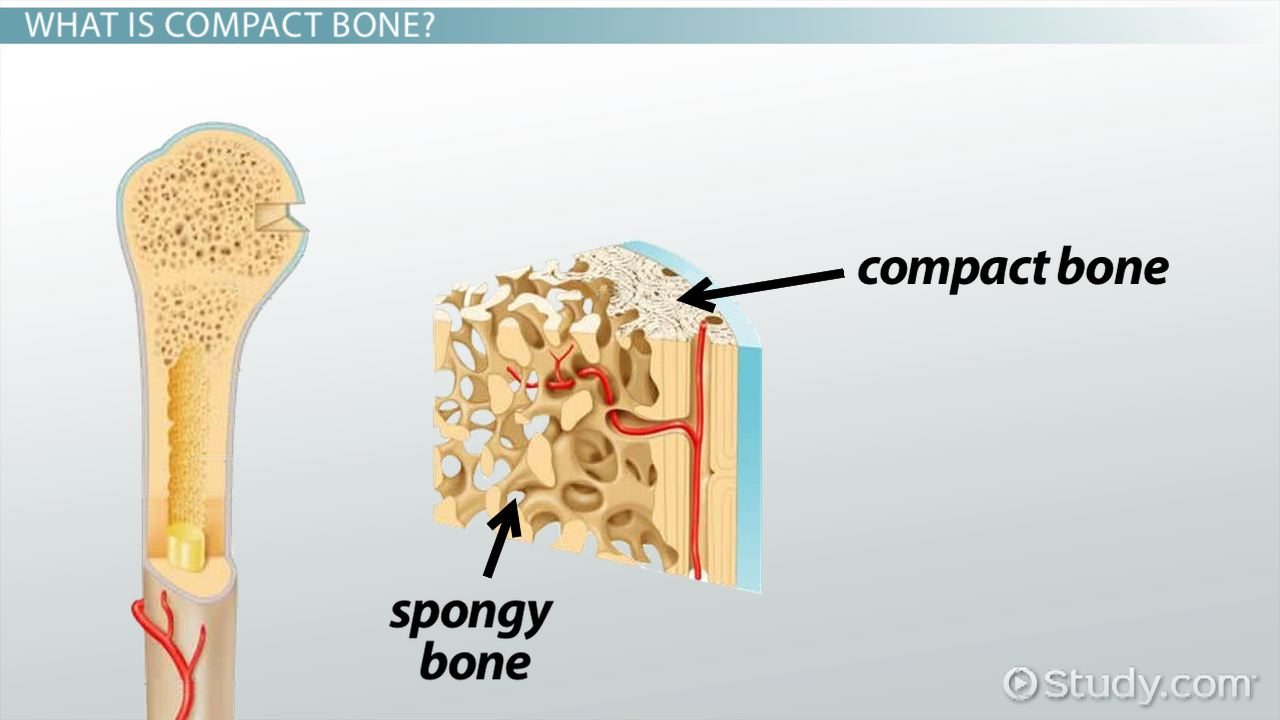
What are spongy bones composed of?
A lightweight, porous network of trabeculae
What are the functions of spongy bone?
Spongy bone reduces the weight of bones
Spongy bone contains bone marrow for blood cell formation
What is the function of bone marrow?
Blood cell formation (haematopoiesis).
Name the bone cells
Osteogenic cells
Osteoblasts
Osteocytes
Osteoclasts
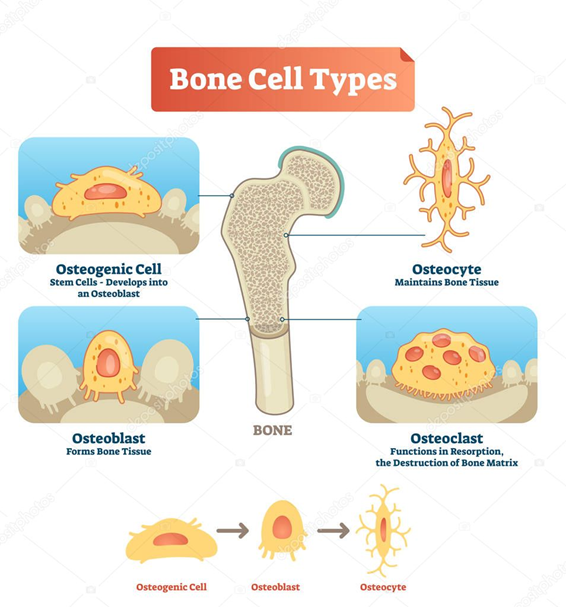
What are osteogenic cells?
Progenitor cells that differentiate into osteoblasts.
What is the function of osteoblasts?
They form new bone.
What do osteocytes do?
They maintain mature bone tissue.
What do osteoclasts do?
They break down (resorb) bone matrix.
The process of forming bones is known as….
ossification
What are the steps for ossification?
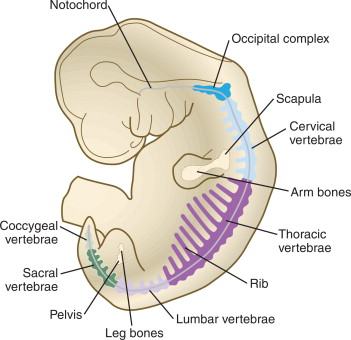
Skeleton develops from the embryonic mesenchyme
Following that, these 2 processes occur: intramembranous and endochondral ossification occurs
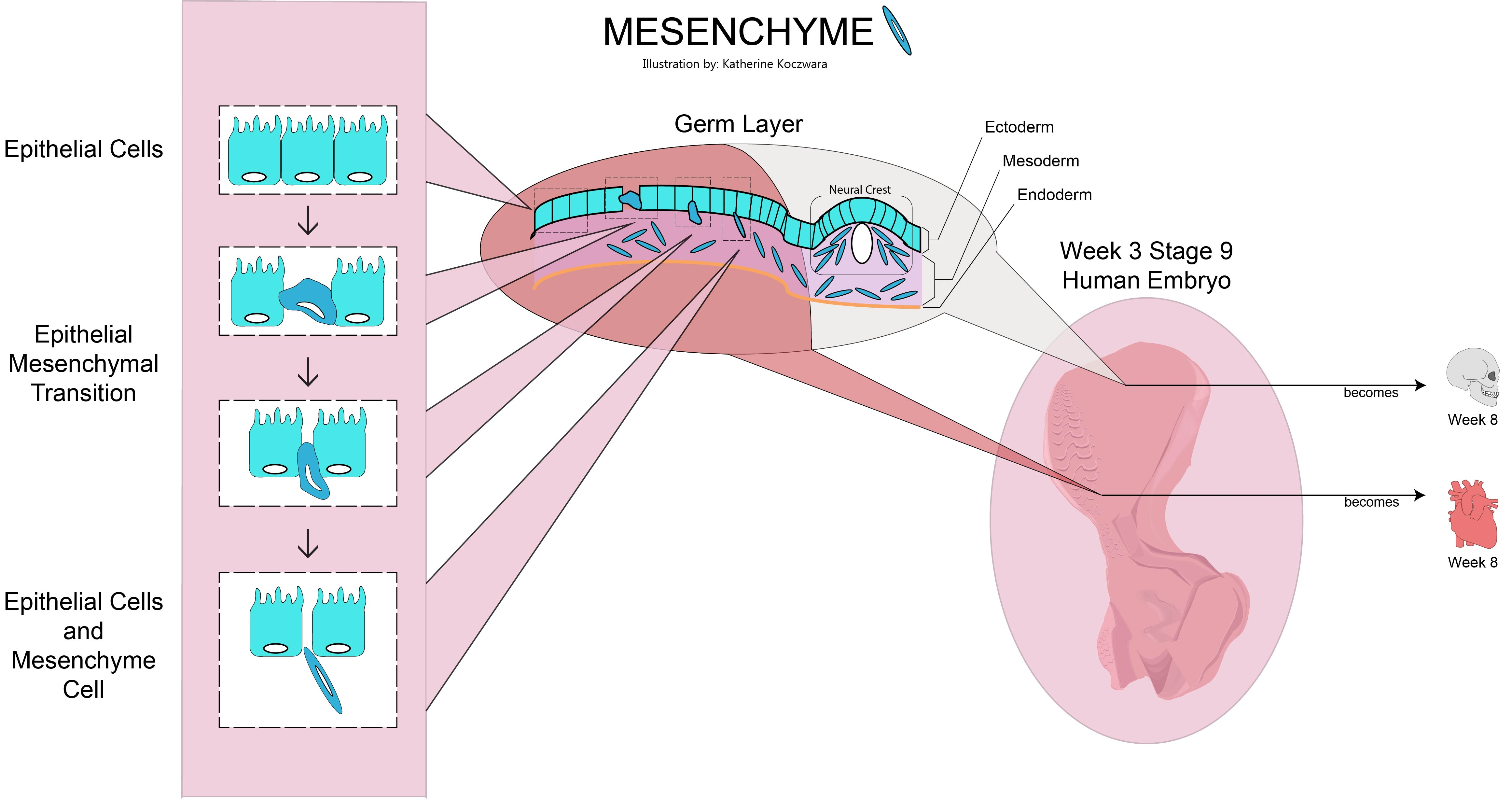
Skeleton develops from the embryonic mesenchyme. What is that? What is it used for?
Embryonic mesenchyme are unspecialised cells in a gel-like matrix
The bones develop from the embryonic mesenchyme and replace existing structures
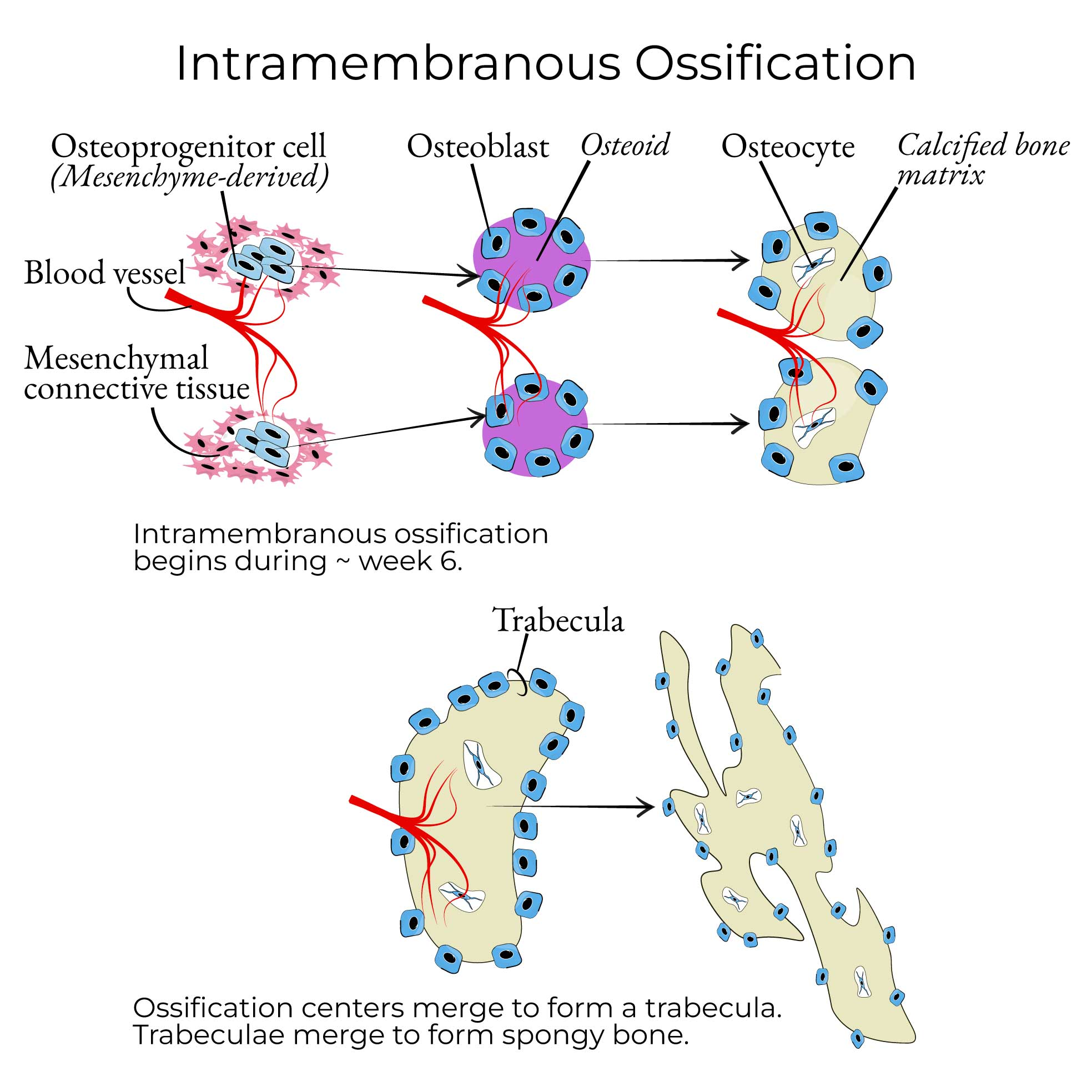
What are the steps of intramembranous ossification?
Mesenchymal cells migrate to sites of bone development and form condensations (tightly packed clusters of cells that will differentiate into bone forming cells)
An ossification centre forms within the condensation
Osteoblasts differentiate and begin depositing mineralised bone matrix (calcification)
Trabeculae form as the bone matrix is laid down
The developing structure is organised into spongy bone internally and compact bone externally, with periosteum forming around the outside
What is endochondral ossification?
A cartilage template forms. The cartilage template is replaced by bone.
What are the steps of endochondral ossification?
Chondrocytes at the centre of the growing cartilage model enlarge and then die as the matrix calcifies
Newly derived osteoblasts cover the shaft of the cartilage in a thin layer of bone
Blood vessels penetrate the cartilage. New osteoblasts form a primary ossification centre.
The bone of the shaft thickens and the cartilage near each epiphysis is replaced by shafts of bone
Blood vessels invade the epiphyses and osteoblasts form secondary centres of ossification
What are two types of bone growth?
Appositional (width)
Interstitial (length)
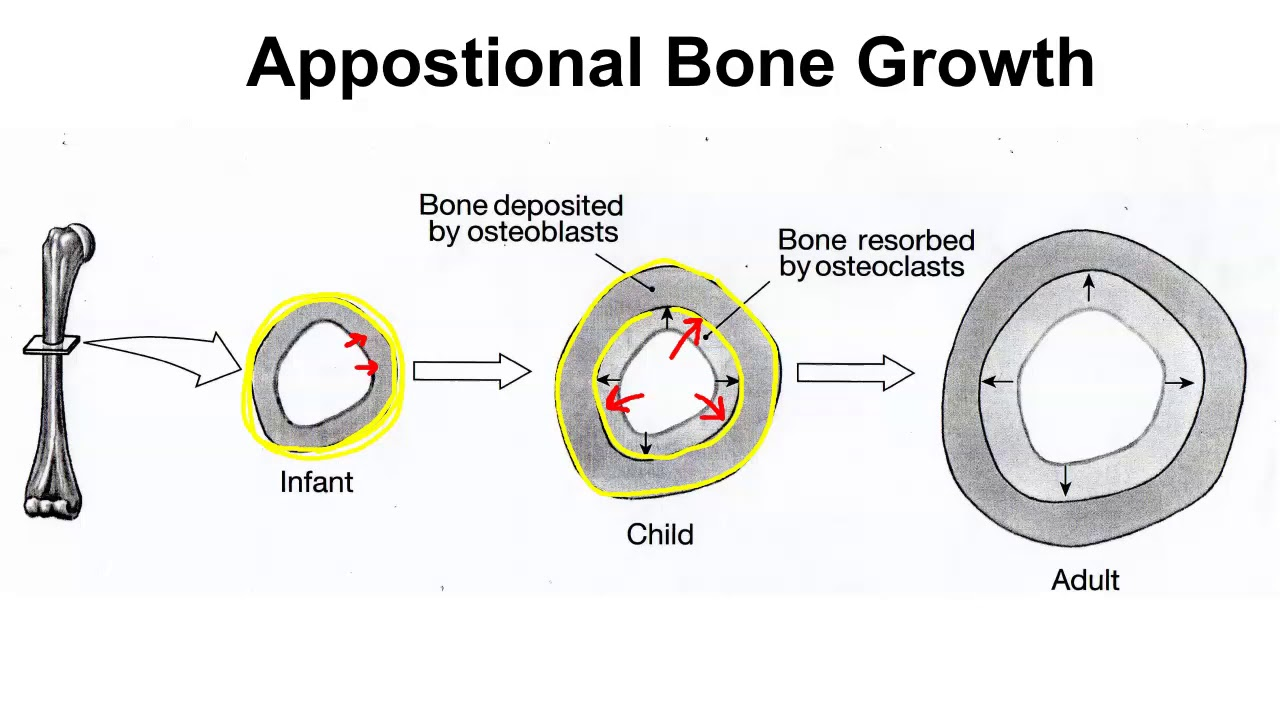
What is appositional growth of bone (growth in width)?
The periosteum on the outside of the bone contains osteoblasts that form new bone
At the same time, the endosteum lines the marrow cavity contain osteoclasts which resorb bone, making the marrow cavity larger
These processes are balanced so bone increases in thickness and medullary cavity increases in size
What is interstitial growth of bone (growth in length)?
Takes place at the epiphyseal / growth plate, which is made of cartilage
New cartilage is produced at the growth plate on the epiphyseal end, lengthening the bone
Cartilage then dies and is replaced by bone from the diaphyseal end
This continues until adulthood, when the cartilage is fully replaced by bone leaving an epiphyseal line
What happens at the growth plate in interstitial growth of a bone?
Cartilage proliferates and is replaced by bone, allowing the bone to lengthen until adulthood.
What remains after the growth plate closes?
Epiphyseal line.
What is bone remodelling?
The continuous bone breakdown and formation for repair and calcium homeostasis. This is the maintenance of adult bone.
Which cells are involved in bone remodelling?
Osteoclasts and osteoblasts.
What regulates bone remodelling?
Hormones and calcium levels.
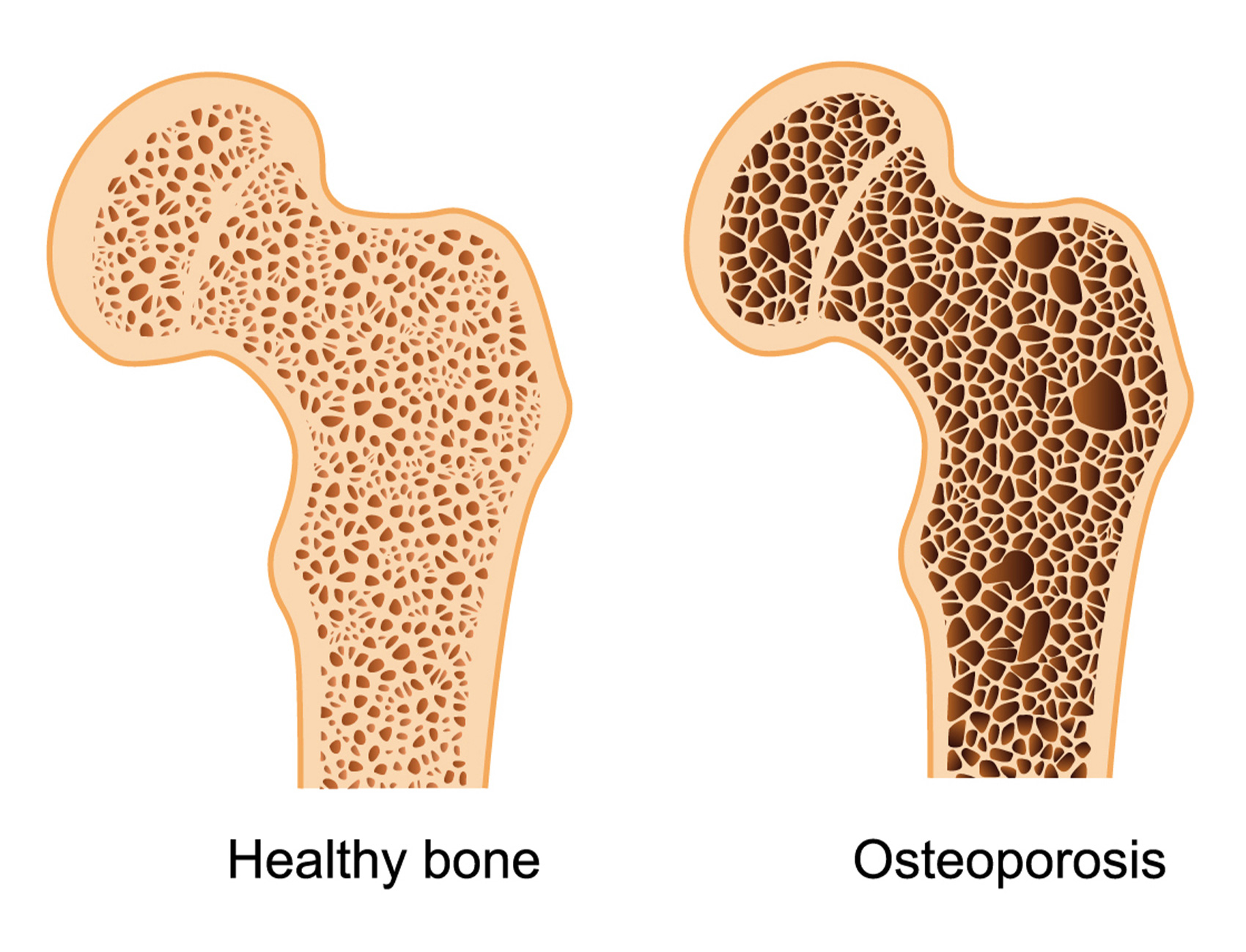
What is osteoporosis?
A condition characterised by decreased bone density, leading to increased fracture risk.
Which group is most at risk of osteoporosis?
Post-menopausal women.
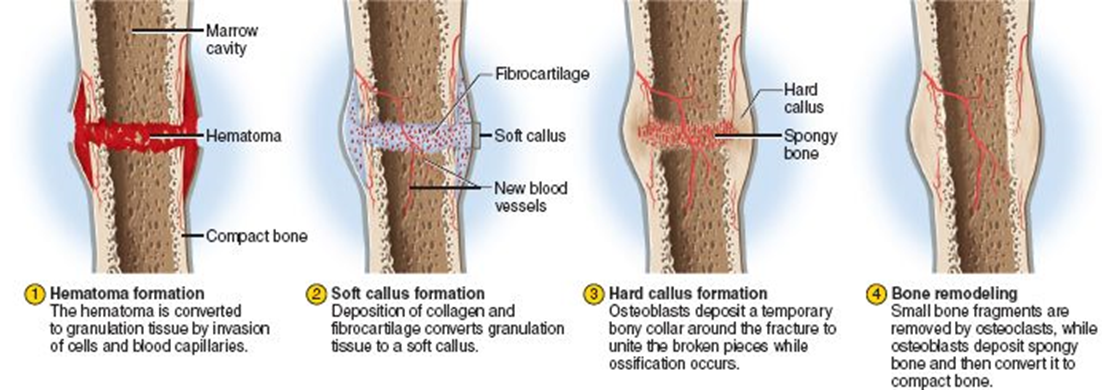
Bones can be repaired. What are some examples of bone fracture?
Transverse, linear, spiral, etc
The healing process is the same. As long as the bone is repositioned, it will heal.
Bone regeneration: Fracture healing
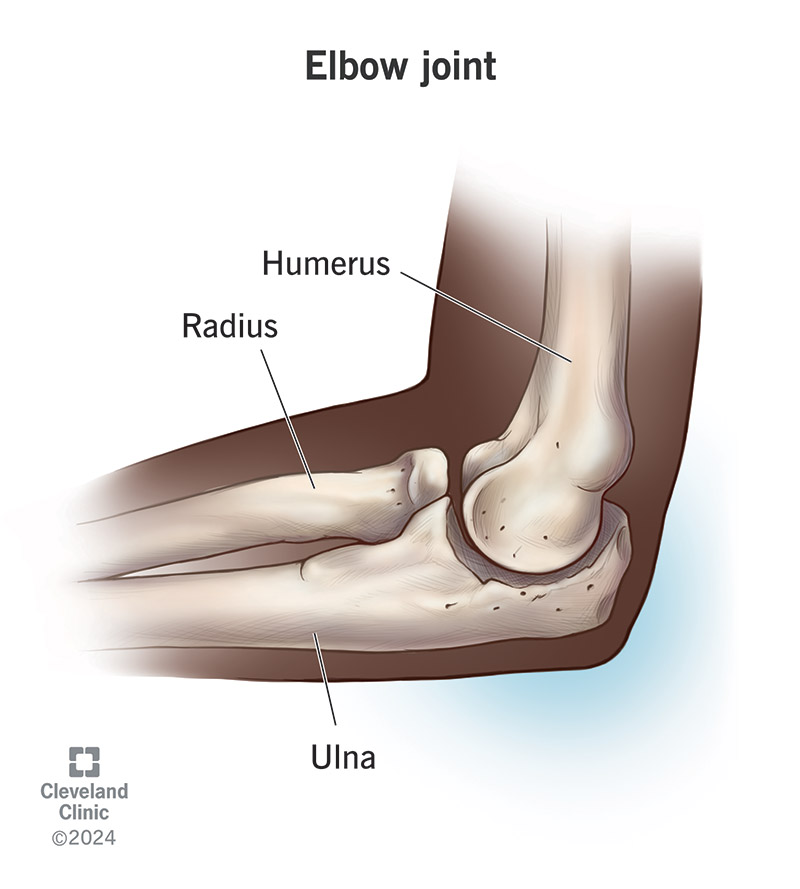
What is a joint?
A location where two or more bones meet.
How are joints classified?
Synovial, fibrous, and cartilaginous.
Which type of joint allows free movement?
Synovial joints (diarthroses).
What does diarthroses mean?
Allows free movement
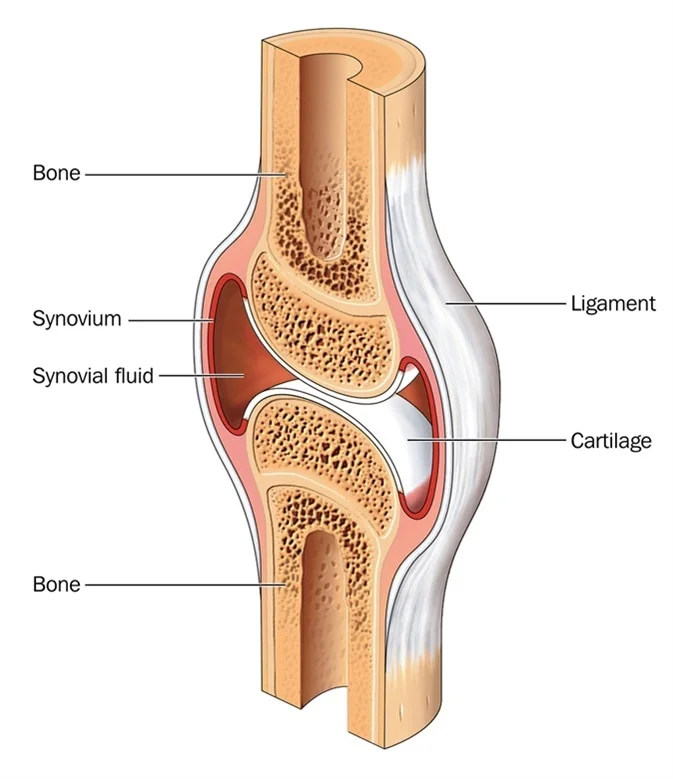
What structures are found in a synovial joint?
Articular cartilage, synovial membrane, synovial fluid, joint capsule, ligaments.
What is the function of synovial fluid?
This fluid supplies lubrication and nutrients. Joints lack blood vessels, there’s no blood supply.
Name the six types of synovial joints.
Planar
Hinge
Pivot
Condyloid
Saddle
Ball-and-socket
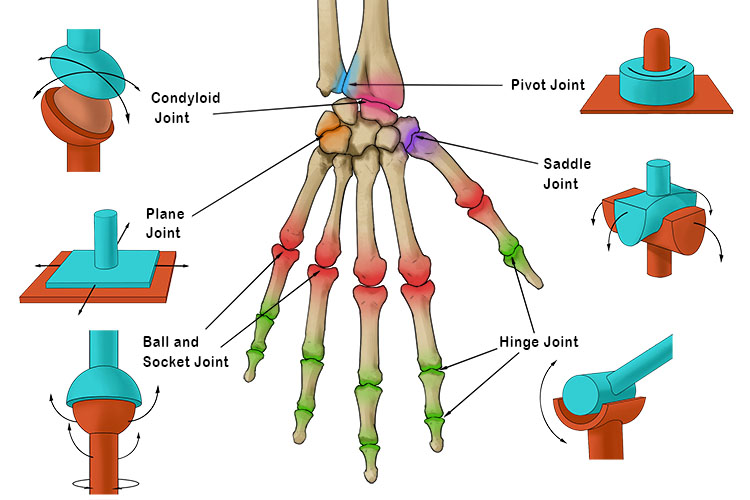
What is a uniaxial joint?
Moves along one axis.
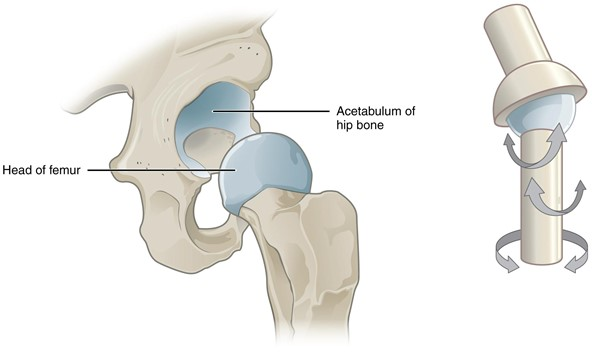
What is a biaxial joint?
Moves along two axes.
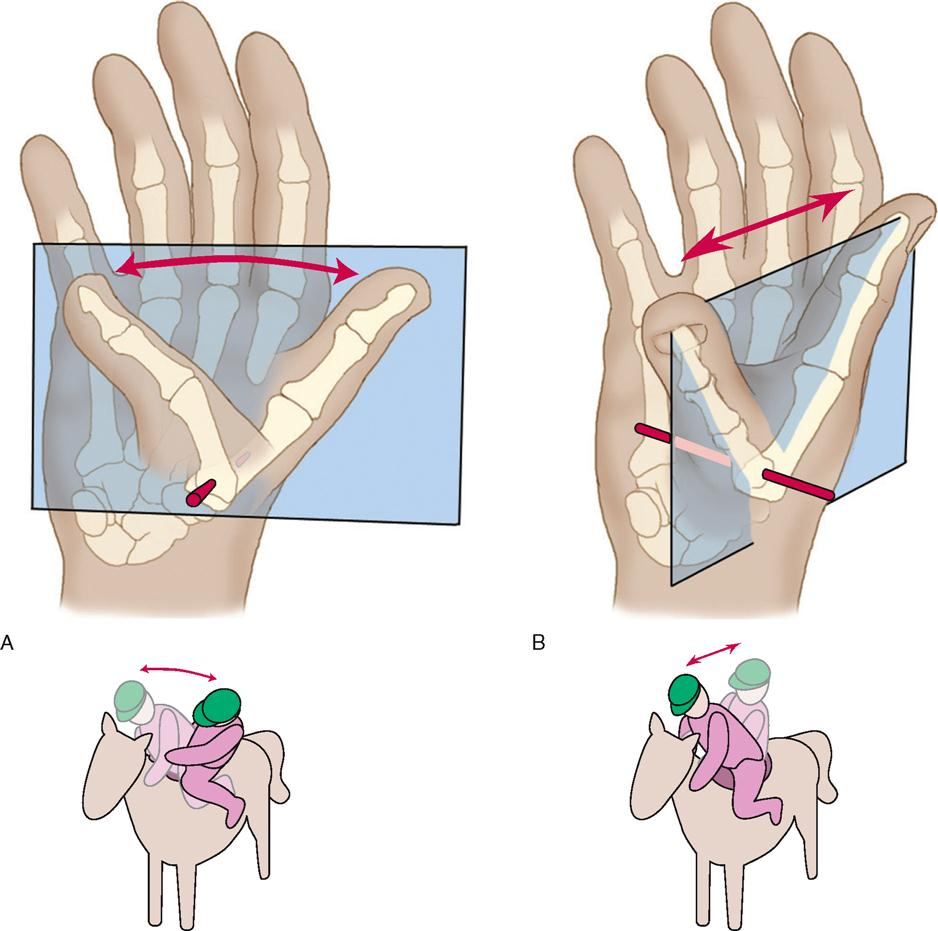
What is a polyaxial joint?
Moves along three axes.
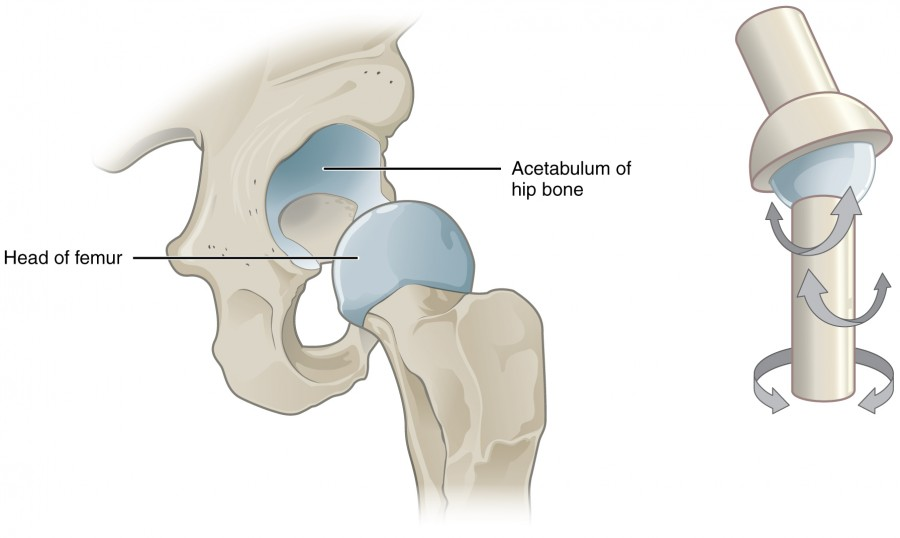
There are 3 main axis that movement are occurring along. What are they?
X axis for up and down movement
Y-axis for side to side movement
Z-axis for rotational movement
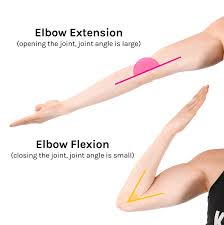
What movement occurs along the X-axis?
Flexion and extension.
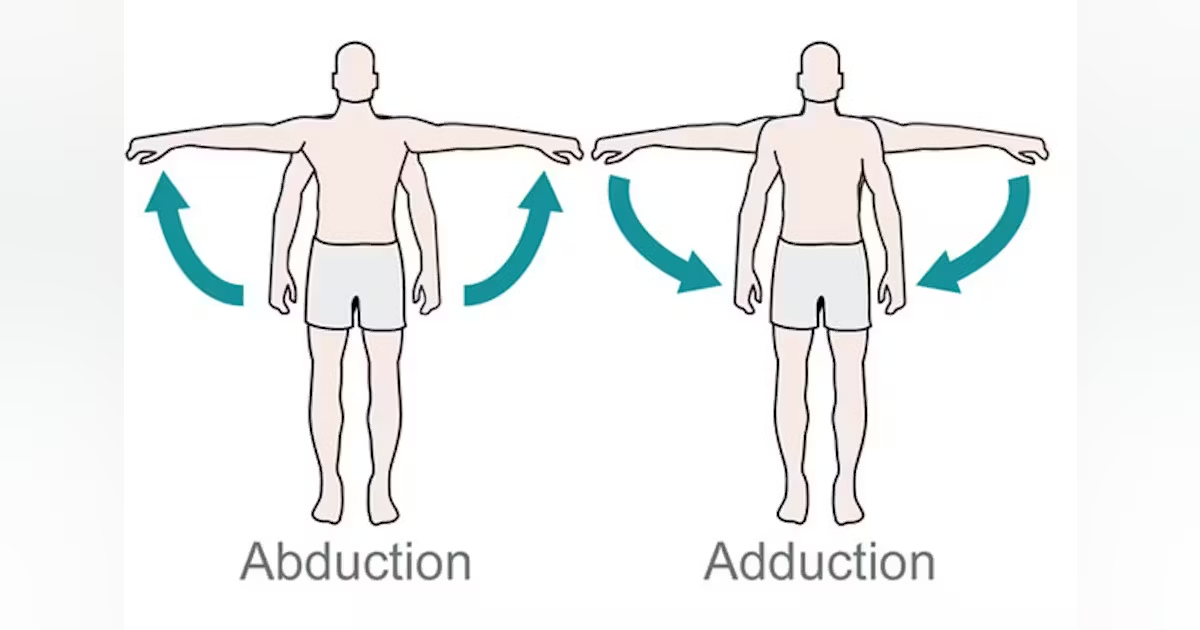
What movement occurs along the Y-axis?
Abduction and adduction.
What movement occurs along the Z-axis?
Internal and external rotation.
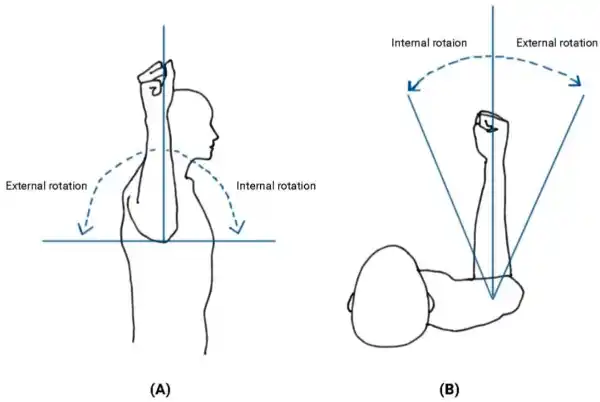
What are subtypes of synovial joint I?
Plane joint
Hinge joint
Pivot joint
What are subtypes of synovial joint II?
Condylar joint
Saddle joint
Ball and socket joint
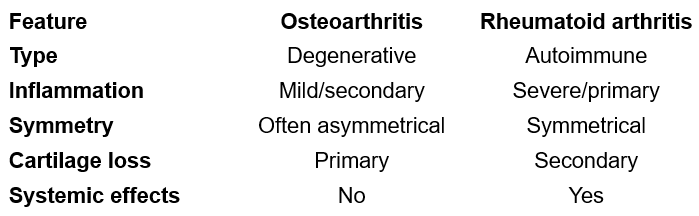
What happens in osteoarthritis?
Articular cartilage breaks down
Joint spaces narrow, bone surfaces thicken
Leads to pain, stiffness, inflammation, and limited movement
What happens in rheumatoid arthritis?
Rheumatoid arthritis is a chronic inflammatory condition in which the immune system attacks joint structure, altering it
This leads to synovial membrane thickening, joint swelling, cartilage damage, and bone erosion
It significantly impairs joint function and mobility
Osteoarthritis Vs Rheumatoid arthritis