Wild Edible Plants & Mycology - Species List/Encountered in Class
 Call Kai
 Learn
Learn Practice Test
 Spaced Repetition
 Match
Match Flashcards
 Knowt Play
1/165

There's no tags or description
Looks like no tags are added yet.
Name | Mastery | Learn | Test | Matching | Spaced | Call with Kai |
|---|
No analytics yet
Send a link to your students to track their progress
166 Terms
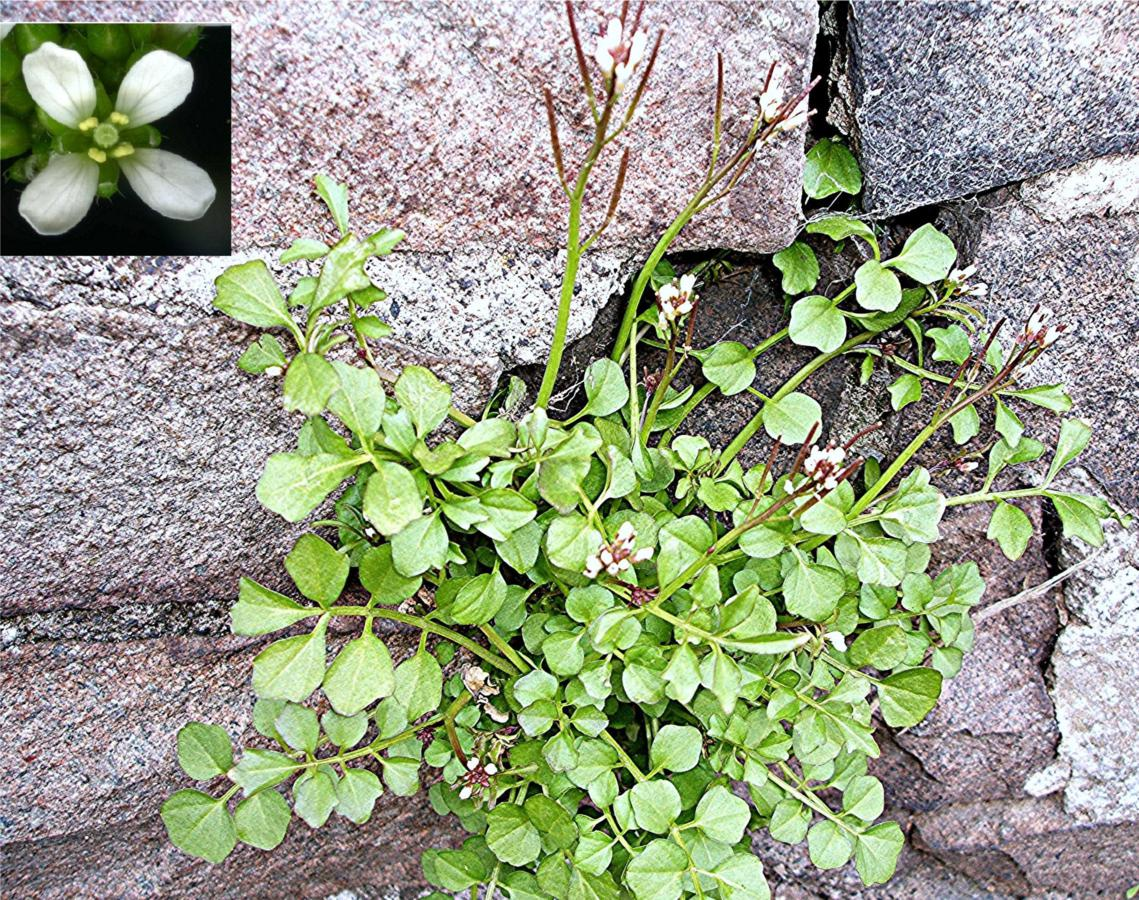
Hairy Bittercress
(Cardamine hirsuta) – Small rosette, tiny white flowers, explosive pods; lawns/disturbed soils. Autotroph.
Uses: Edible (peppery greens like cress).
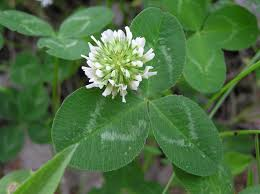
White Clover
(Trifolium repens) – Low creeping, white flower heads; lawns/fields. Autotroph + nitrogen-fixer.
Uses: Forage, soil improvement, edible flowers/leaves (tea).
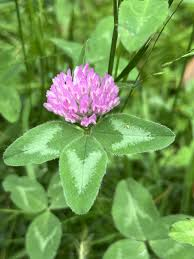
Red Clover
(Trifolium pratense) – Upright, pink-purple flowers; meadows. Autotroph + nitrogen-fixer.
Uses: Forage, medicinal tea (traditionally for respiratory/skin support).
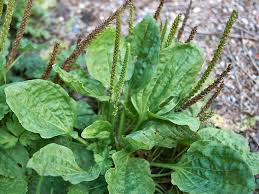
Broadleaf Plantain
(Plantago major) – Basal rosette, parallel veins; compacted soils. Autotroph.
Uses: Edible leaves; medicinal (wound poultice, anti-inflammatory).
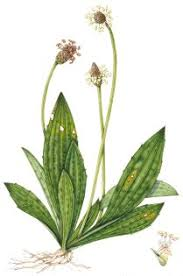
Buckhorn Plantain
(Plantago lanceolata) – Basal rosette, parallel veins; compacted soils. Autotroph.
Uses: Edible leaves; medicinal (wound poultice, anti-inflammatory).
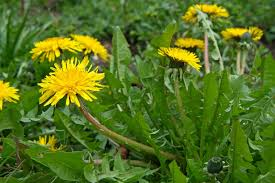
Common Dandelion
(Taraxacum officinale) – Yellow flowers, milky sap; ubiquitous. Autotroph.
Uses: Edible (leaves, roots, flowers), coffee substitute, liver tonic.
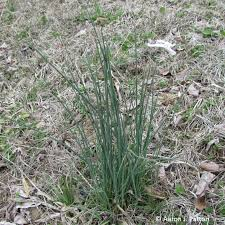
Field Garlic
(Allium vineale) – Hollow leaves, garlic smell; lawns. Autotroph.
Uses: Edible seasoning (strong garlic flavor).
Wild, American, or Canadian Garlic
(Allium canadense) – Flat leaves, onion scent; woodland edges. Autotroph.
Uses: Edible (bulbs/leaves); culinary.
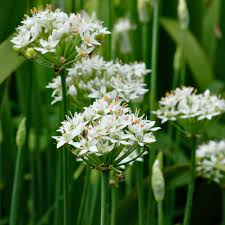
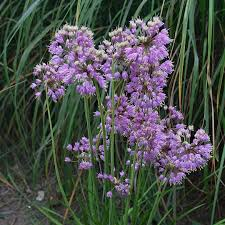
Nodding Onion
(Allium cernuum) – Drooping pink flowers; dry prairies. Autotroph.
Uses: Edible onion substitute.
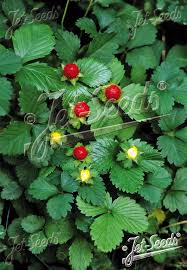
Indian or False Strawberry
(Duchesnea indica) – Yellow flowers, red bland fruit; lawns. Autotroph.
Uses: Edible but insipid; mostly ornamental/groundcover.
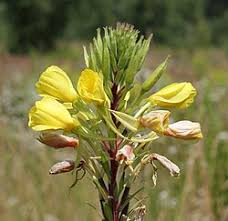
Common Evening Primrose
(Oenothera biennis) – Tall, yellow evening flowers; disturbed sites. Autotroph.
Uses: Edible roots/seeds; seed oil (medicinal, GLA source).
Wild Carrot/Queen Anne’s Lace
(Daucus carota) – Lacy leaves, white umbels; fields. Autotroph.
Uses: Edible root (young); caution—resembles poison hemlock.
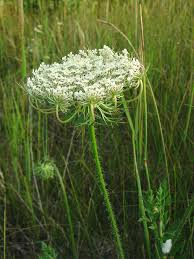
*Poison Hemlock
(Conium maculatum) – Purple-blotched stems; very toxic. Autotroph.
Uses: None (poisonous).
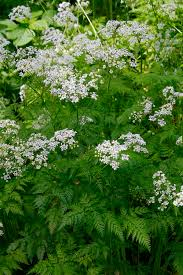
*Jimsonweed
(Datura stramonium) – White trumpet flowers, spiny pods; waste areas. Autotroph.
Uses: Historically medicinal/ritual; dangerously toxic.
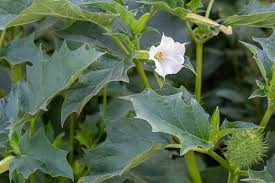
Tawny Daylily (Ditch Lily)
(Hemerocallis fulva) – Orange flowers, strap leaves; roadsides. Autotroph.
Uses: Edible buds/flowers/tubers (cooked).
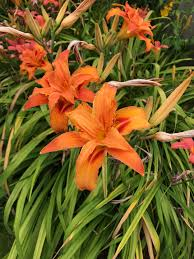
Wintercress
(Barbarea vulgaris) – Glossy leaves, yellow flowers; moist soils. Autotroph.
Uses: Edible greens (bitter when mature).
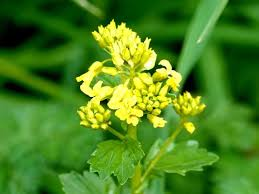
Beaked Corn Salad, Mache or Lamb’s Lettuce
(Valerianella radiata) – Small rosette; cool-season. Autotroph.
Uses: Edible salad green.
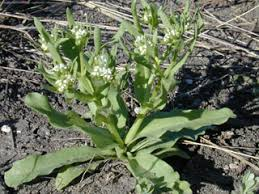
Common Chickweed
(Stellaria media) – Small, moist shady areas. Autotroph.
Uses: Edible; medicinal (skin soothing).
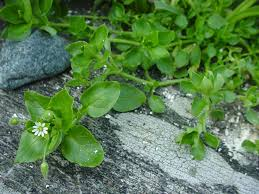
Mouse-ear Chickweed
(Cerastium fontanum) – Hairy leaves; drier soils. Autotroph.
Uses: Limited edible/medicinal use (similar to chickweed).
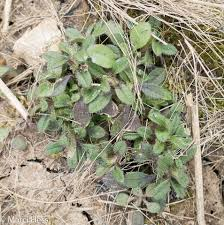
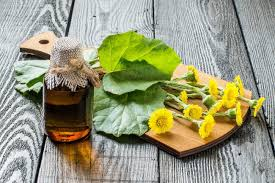
Coltsfoot
(Tussilago farfara) – Yellow flowers before leaves; moist soils. Autotroph.
Uses: Traditional cough remedy (use caution—liver toxicity concerns).
Great Angelica
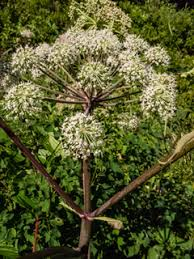
(Angelica atropurpurea) – Tall, wet habitats. Autotroph.
Uses: Aromatic/medicinal (similar to European angelica).
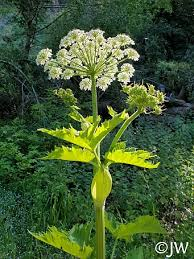
Cow-parsnip
(Heracleum maximum) – Large leaves, umbels; moist meadows. Autotroph.
Uses: Young shoots edible (careful—sap can burn skin).
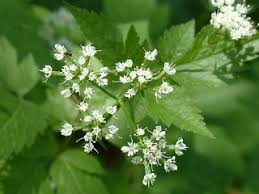
Sweet Cicely
(Osmorhiza claytonii) – Anise-scented woodland plant. Autotroph.
Uses: Edible leaves/seeds; flavoring.
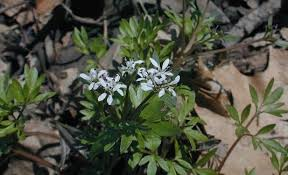
Harbinger-of-Spring, Pepper & Salt
(Erigenia bulbosa) – Tiny spring ephemeral in the carrot family; finely divided leaves and small white flowers. Rich deciduous woods. Autotroph; spring ephemeral with underground corm.
Uses: Limited edible history (corms), but mainly of botanical interest.
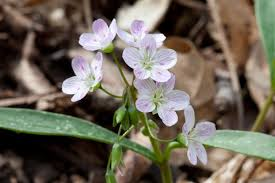
Spring Cress
(Cardamine bulbosa) – Wet habitats; white flowers. Autotroph.
Uses: Edible greens.
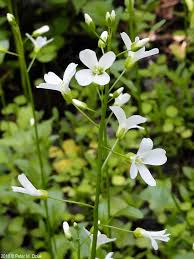
Purple Cress/Limestone Bittercress
(Cardamine douglasii) – Spring mustard with pale pink to purple flowers; often in rich woods and calcareous soils. Autotroph.
Uses: Edible peppery greens.
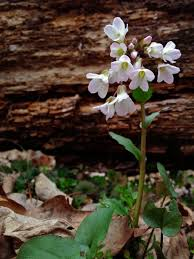
Spring Beauty
(Claytonia virginica) – Pink-striped flowers; spring woods. Autotroph.
Uses: Edible tubers (“fairy spuds”).
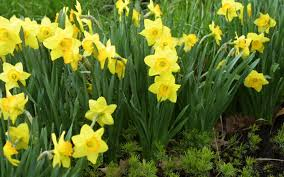
*Daffodil NIB POISONOUS
(Narcissus spp.) – Bulb plant; ornamental. Autotroph.
Uses: Ornamental only; toxic.
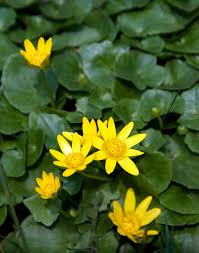
*Lesser Celandine
(Ficaria verna) – Shiny leaves, invasive in moist woods. Autotroph.
Uses: Historically medicinal; toxic raw.
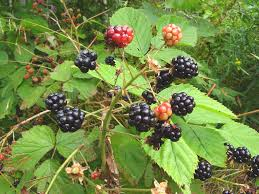
Allegheny Blackberry
(Rubus allegheniensis) – Thorny bramble; edges. Autotroph.
Uses: Edible berries; leaves for tea.
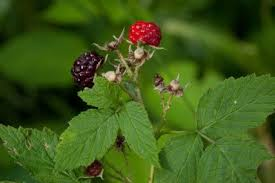
Black Raspberry
(Rubus occidentalis) – Arching canes, hollow berries. Autotroph.
Uses: Edible fruit; preserves.
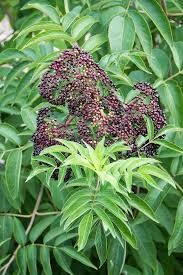
Black Elderberry
(Sambucus canadensis) – Shrub, wet edges. Autotroph.
Uses: Cooked berries/flowers (syrup, wine); medicinal (immune support).
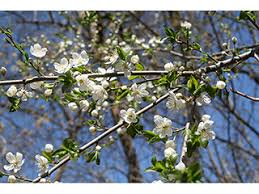
Wild Plum
(Prunus americana) – Thorny small tree; hedgerows. Autotroph.
Uses: Edible fruit (jams, preserves).
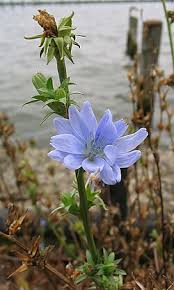
Common Chicory
(Cichorium intybus) – Blue ray flowers, stiff branching stems, basal rosette. Roadsides, fields. Autotroph.
Uses: Edible leaves/roots; roasted root used as coffee substitute.
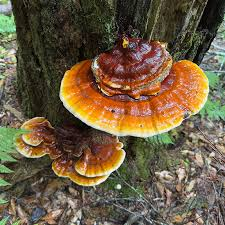
Reishi Mushroom
(Ganoderma sessile) – Shelf fungus with shiny brown upper surface and white pore underside. On hardwood logs/stumps. Saprophyte and weak parasite.
Uses: Traditional medicinal use, decorative; too tough to eat.
Bare Bottom Sunburst Lichen
(Gallowayella weberi) – Small orange-yellow foliose lichen, often on bark. Lichenized symbiosis (fungus + photosynthetic partner).
Uses: Ecological indicator; no major food use.
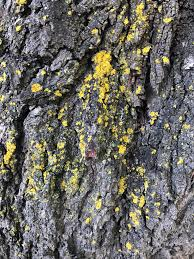
Lemon Lichen/Goldspeck Lichen
(Candelaria concolor) – Bright yellow to yellow-green foliose lichen on bark/twigs. Lichenized symbiosis.
Uses: Bioindicator of air quality.
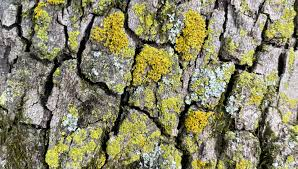
Yellow Jelly Fungus/Witches Butter
(Tremella mesenterica) – Bright yellow gelatinous masses on dead wood, especially after rain. Parasitizes other wood-decay fungi. Mycoparasite.
Uses: Not usually eaten; ornamental curiosity.
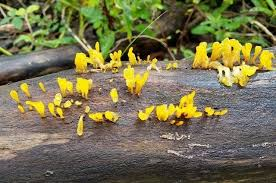
Common Powderhorn
(Cladonia coniocraea) – Small gray-green lichen with powdery stalks on wood/bases of trees. Lichenized symbiosis.
Uses: Ecological indicator.
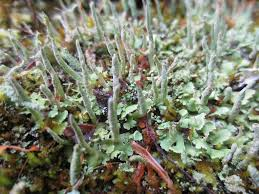
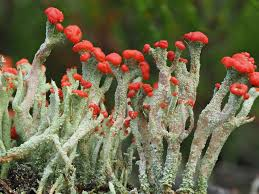
British Soldiers Lichen
(Cladonia cristatella) – Gray-green lichen with bright red fruiting tips. On rotting wood/soil. Lichenized symbiosis.
Uses: Educational/naturalist interest.
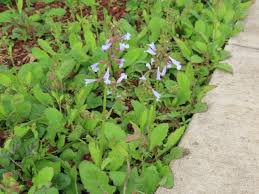
Lyreleaf Sage
(Salvia lyrata) – Basal rosette with lyrate leaves, blue-purple flowers on spikes. Lawns, open woods. Autotroph.
Uses: Ornamental, pollinator plant, minor traditional medicinal use.
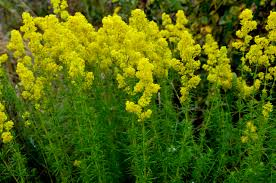
Lady’s Bedstraw
(Galium verum) – Narrow leaves in whorls, clusters of tiny yellow flowers. Sunny meadows. Autotroph.
Uses: Historically for stuffing mattresses, yellow dye, cheese-curdling.
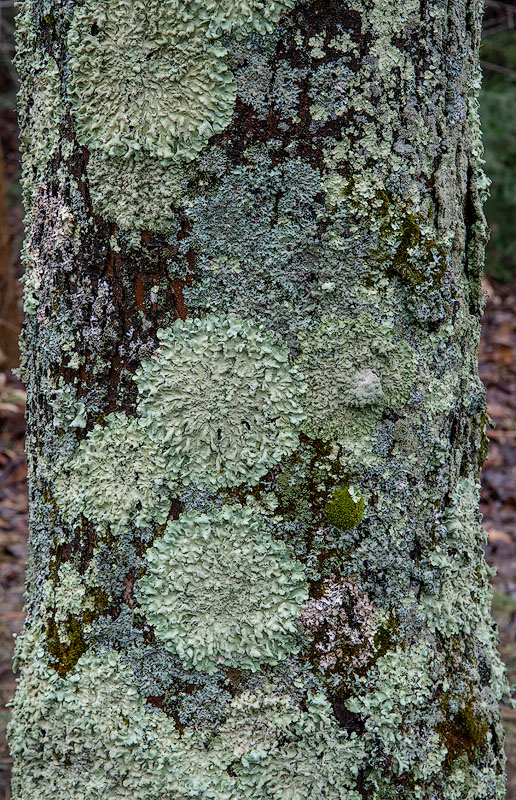
Speckled Greenshield Lichen
(Flavopunctelia flaventior) – Yellow-green foliose lichen with dotted surface; bark/wood. Lichenized symbiosis.
Uses: Air-quality indicator.
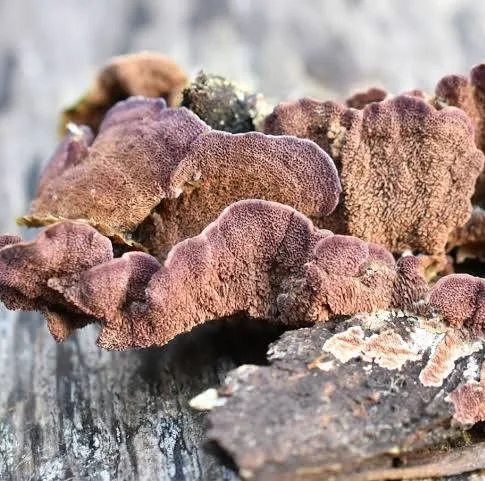
Violet Toothed Polypore
(Trichaptum biforme) – Thin bracket fungus with lilac to violet pore/teeth surface when fresh. Dead hardwood. Saprophyte.
Uses: None culinary; wood decay species.
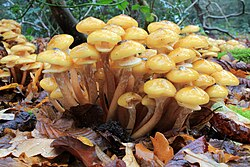
Honey Fungus
(Armillaria mellea) – Yellow-brown clustered mushrooms at wood bases; black rhizomorphs. Root pathogen and wood decomposer. Parasitic and saprophytic.
Uses: Edible when well-cooked by some, but causes reactions in others.
Brittle Cinder
(Kretzschmaria deusta) – Black crusty fungus on hardwood bases/roots. Saprophyte and pathogen.
Uses: None; important tree-hazard fungus
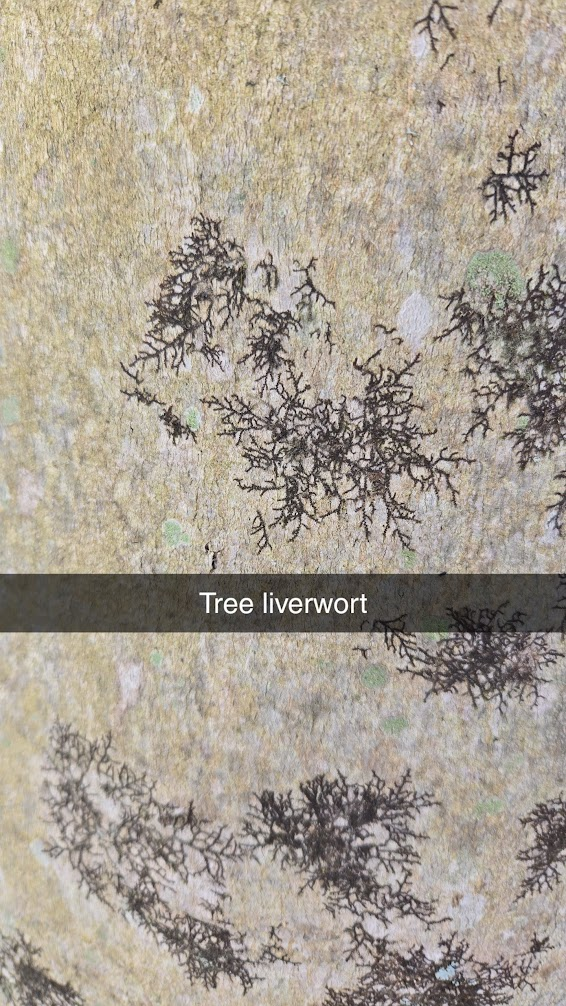
Tree Liverwort
Flat green liverwort on bark or rock, usually in moist shaded areas. Autotroph (non-vascular bryophyte).
Uses: Ecological moisture indicator; no common food use.
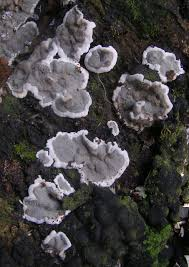
Whitewash Lichen
(Phlyctis argena) – Pale whitish crust lichen on bark, smooth and powdery-looking. Lichenized symbiosis.
Uses: Air-quality/ecology indicator.
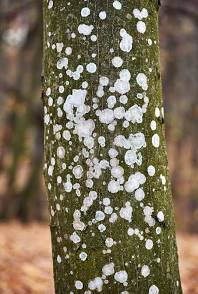
Destroying Angel
(Amanita bisporigera) – All-white amanita with ring and volva. Woodlands. Mycorrhizal.
Uses: None — deadly poisonous.
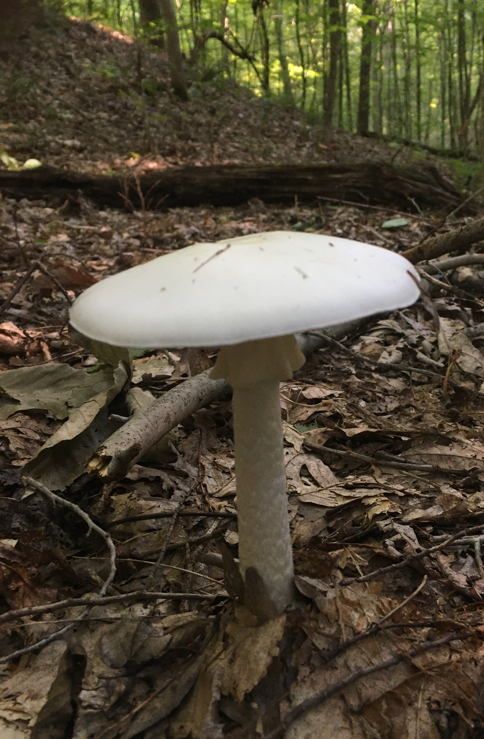
Deadly Galerina
(Galerina marginata) – Small brown mushroom on wood with rusty-brown spores. Saprophyte.
Uses: None — deadly poisonous.
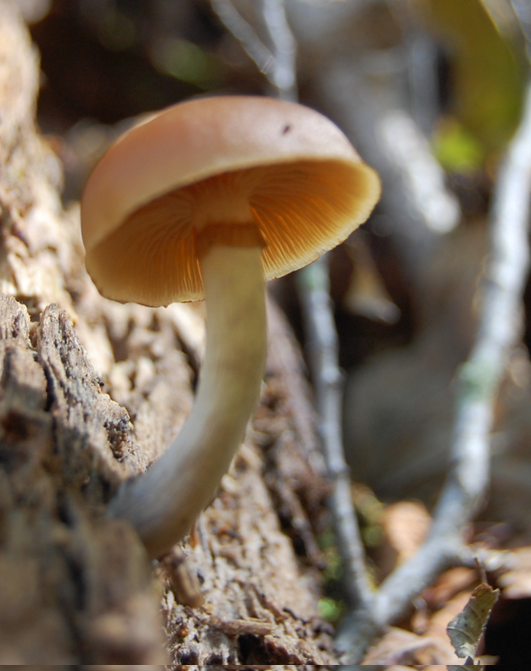
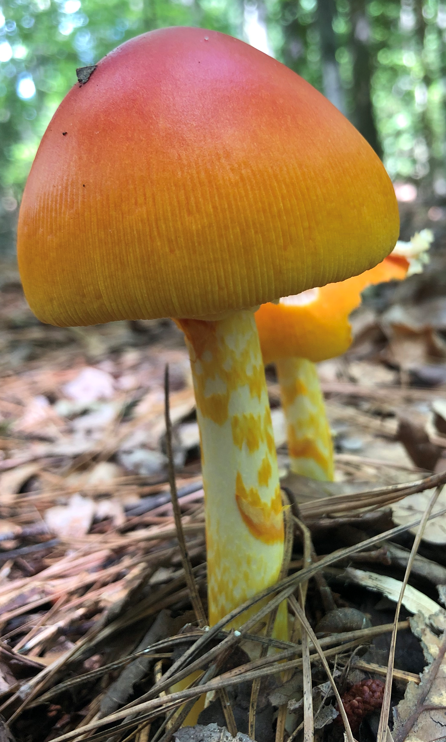
False Caeser’s Amanita/False Fly Agaric
(Amanita parcivolvata) – Orange-red cap, yellowish stem, volval remnants at base, no ring. Woodlands. Mycorrhizal.
Uses: Not recommended; amanita ID risk.
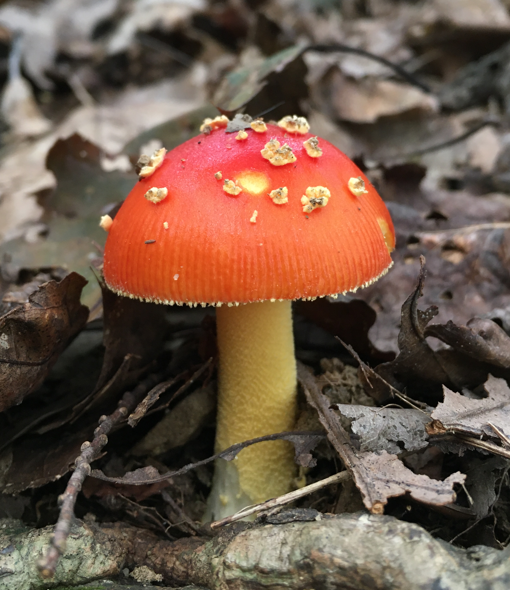
Ceaser’s Mushroom
(Amanita jacksonii) – Bright orange-red cap, yellow stem, saclike volva. Hardwood forests. Mycorrhizal.
Uses: Choice edible by experts only; dangerous amanita confusion risk.
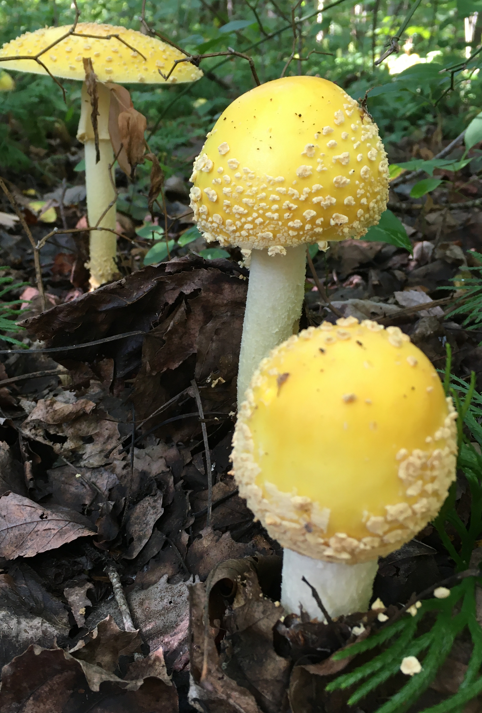
Fly Agaric
(Amanita muscaria complex) – Red to orange cap with white warts, white gills. Woodlands. Mycorrhizal.
Uses: Historically ritual/insecticidal; toxic.
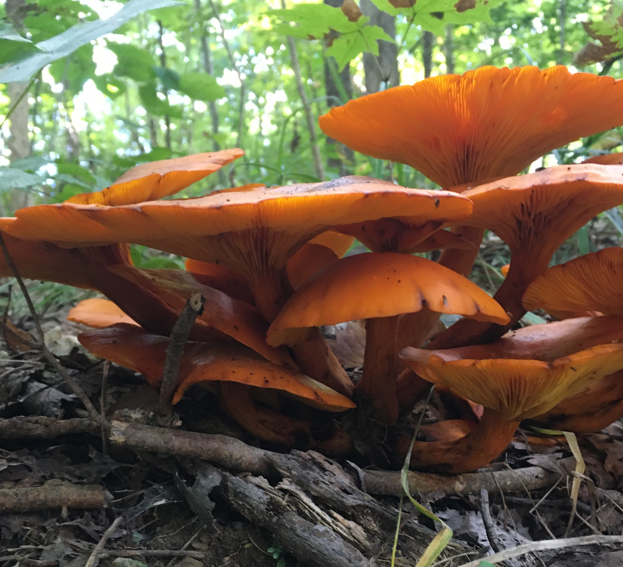
Jack-O-Lantern Mushroom
(Omphalotus illudens) – Bright orange clustered mushrooms on wood or buried roots; often bioluminescent. Saprophyte.
Uses: None — poisonous.
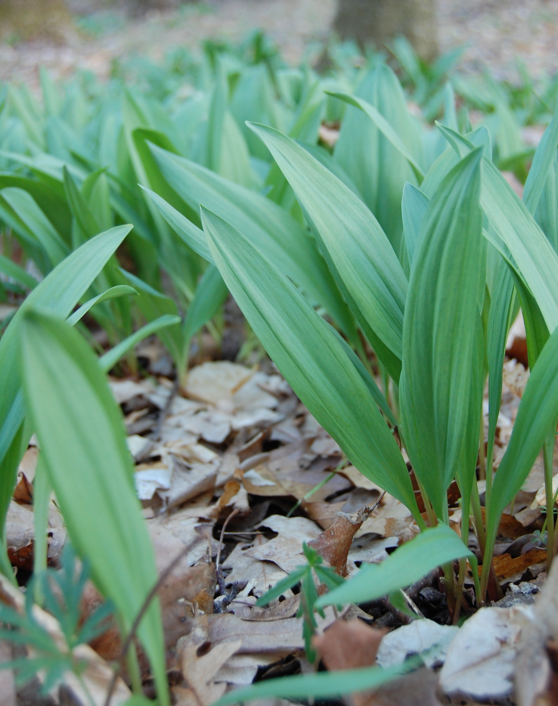
Ramps
(Allium tricoccum) – Broad spring leaves, onion-garlic smell, woodland ephemeral. Autotroph; bulb storage.
Uses: Highly valued edible leaves/bulbs.
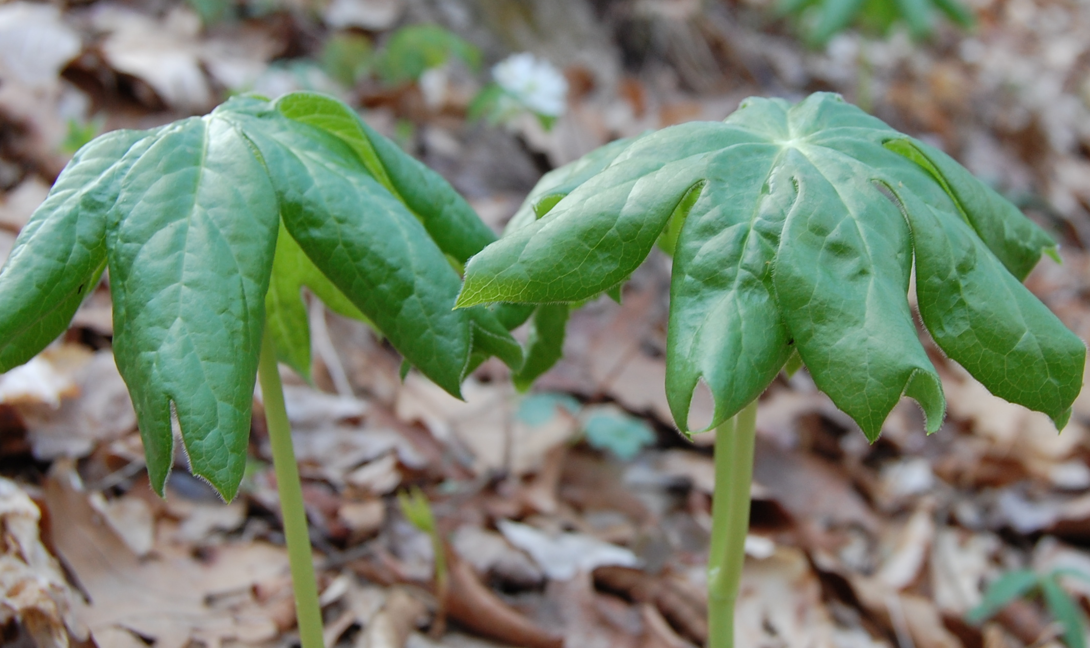
Mayapple
(Podophyllum peltatum) – Umbrella-like paired leaves, solitary white flower, yellowish fruit when ripe. Rich woods. Autotroph; rhizomatous colony-former.
Uses: Ripe fruit edible in moderation; plant otherwise toxic; medicinal compounds derived from it.
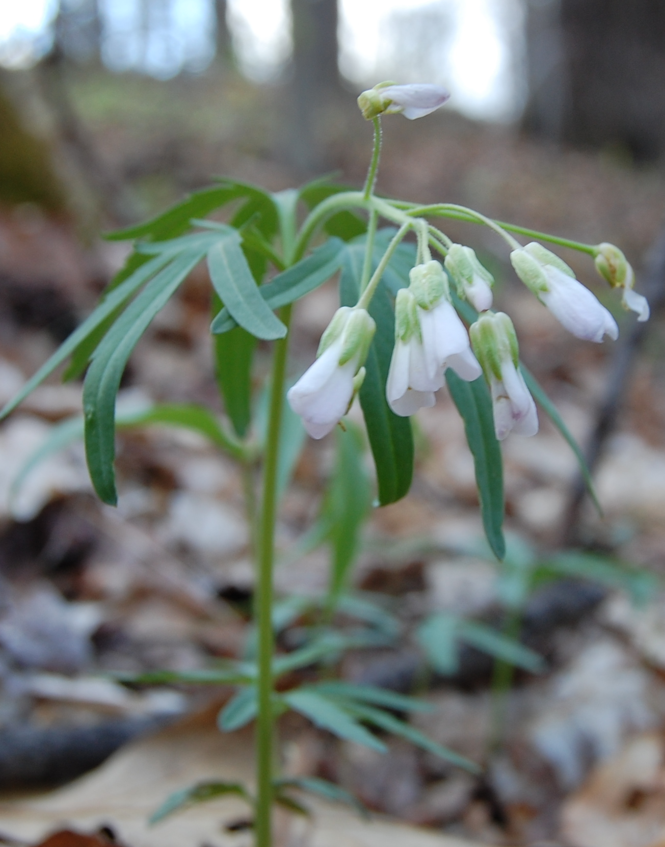
Cutleaf Toothwort
(Cardamine concatenata) – Spring mustard with deeply cut leaves and white-pink flowers. Rich woods. Autotroph; spring ephemeral.
Uses: Peppery edible greens/rhizomes.
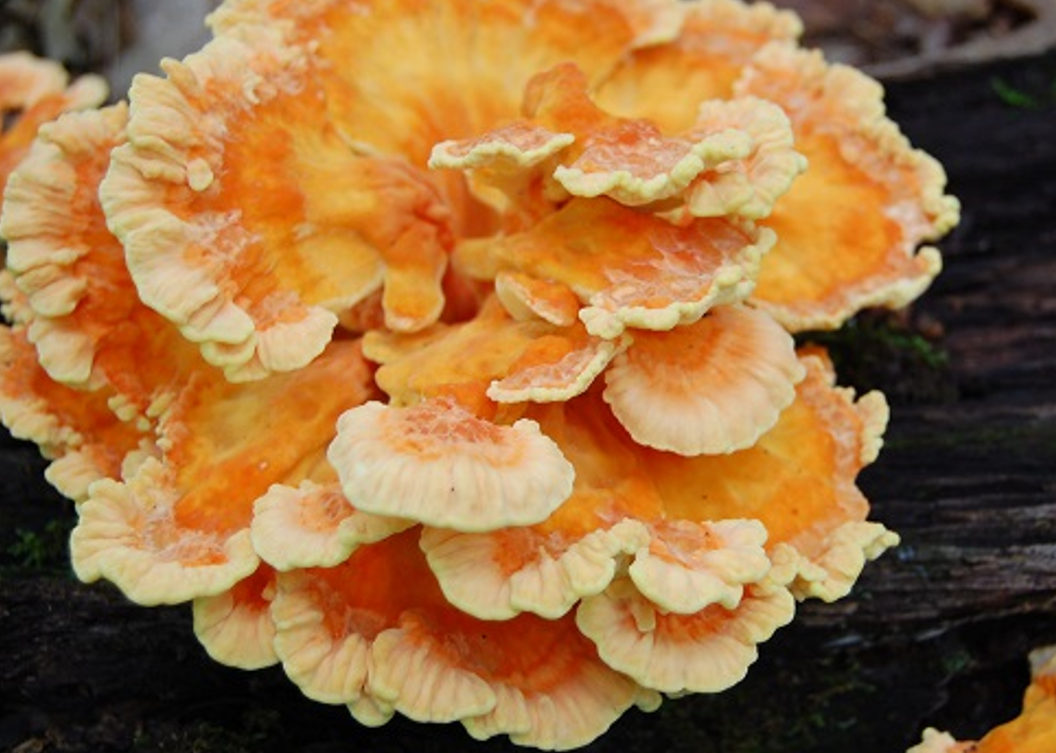
Chicken-Of-The-Woods
(Laetiporus sulphureus) – Bright orange-yellow shelf fungus on wood. Saprophyte and weak parasite.
Uses: Popular edible when young; some people react.
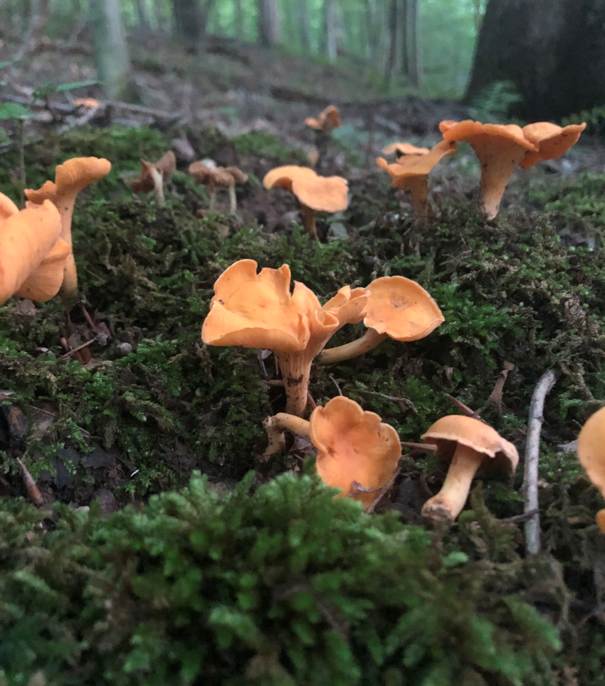
Smooth Chanterelle
(Cantharellus lateritius) – Yellow-orange chanterelle with smooth to wrinkled underside rather than sharp ridges. Hardwood forests. Mycorrhizal.
Uses: Choice edible.
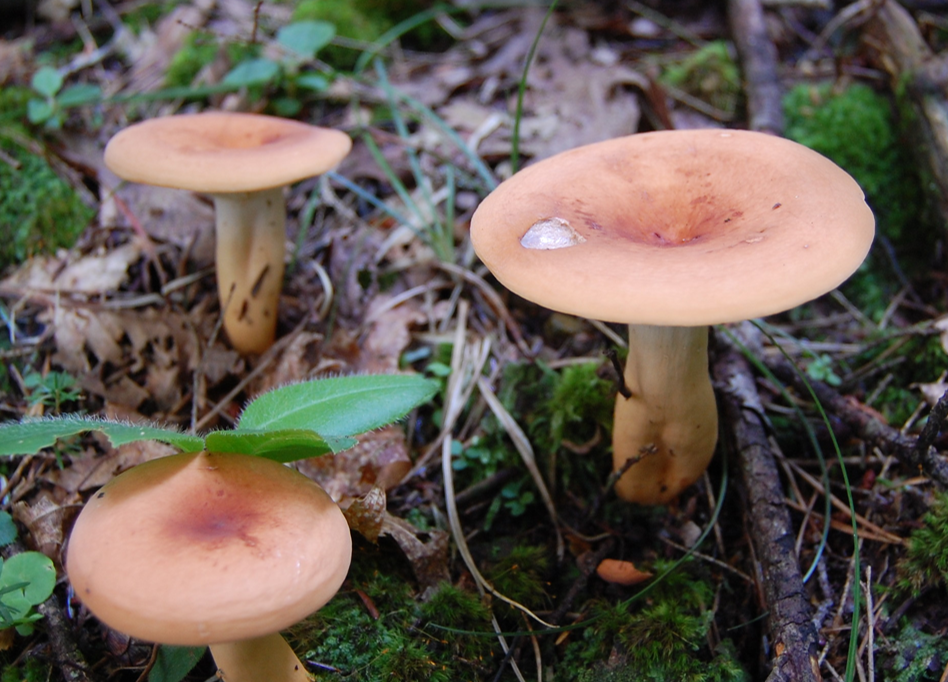
Bradley or Voluminous Milky
(Lactifluus volemus) – Orange-brown cap, abundant white latex, fishy odor when mature. Forest floor. Mycorrhizal.
Uses: Edible, often choice.
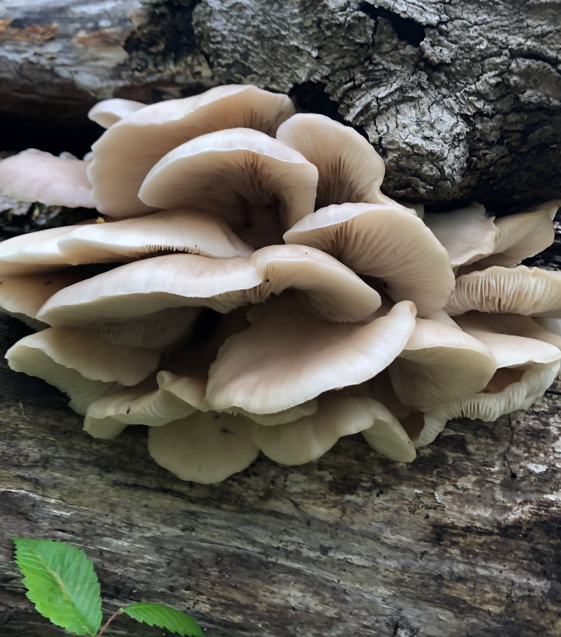
Oyster Mushroom
(Pleurotus ostreatus) – Shelf-like gray to tan mushrooms on dead wood. Saprophyte.
Uses: Excellent edible; widely cultivated.
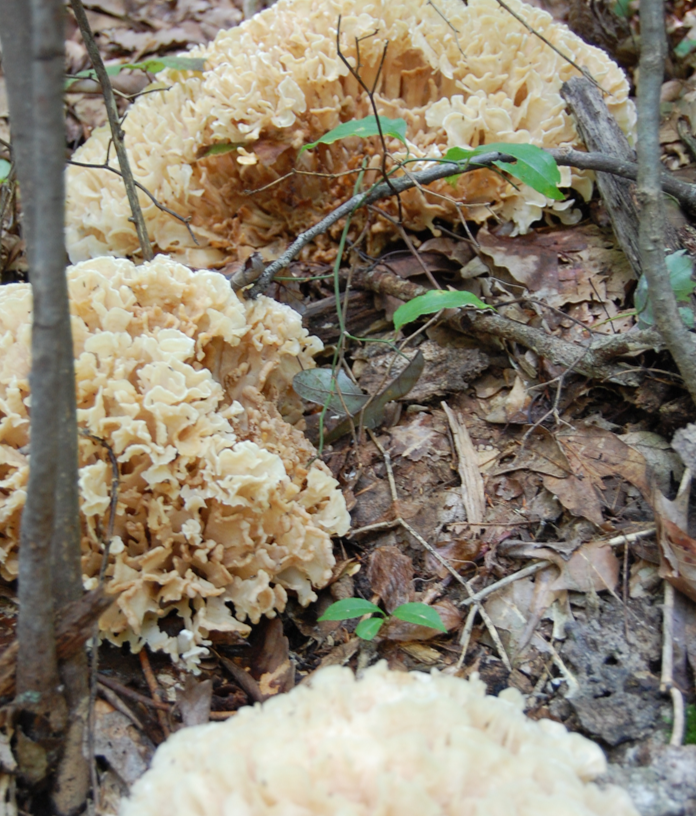
Eastern Cauliflower Mushroom
(Sparassis spathulata) – Frilly cream to tan mass at tree bases/roots. Saprophyte or weak parasite.
Uses: Edible when clean and young.
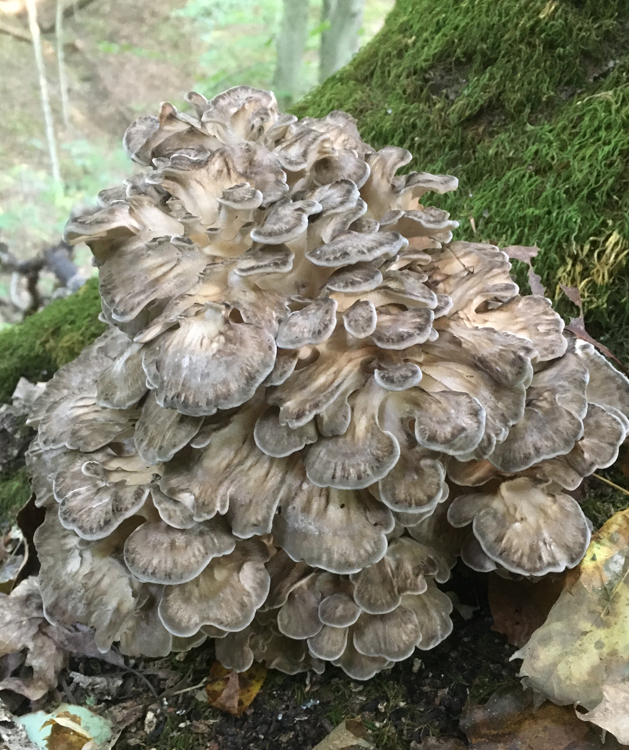
Hen-Of-The-Woods
(Grifola frondosa) – Large clustered gray-brown fronds at oak bases. Parasitic and saprophytic.
Uses: Choice edible; medicinal interest.
Shrimp-Of-The-Woods
(Entoloma abortivum) – Irregular white “aborted” forms near honey mushrooms, plus gray-brown normal form. Associated with Armillaria. Mycoparasitic relationship.
Uses: Aborted form edible when properly identified.
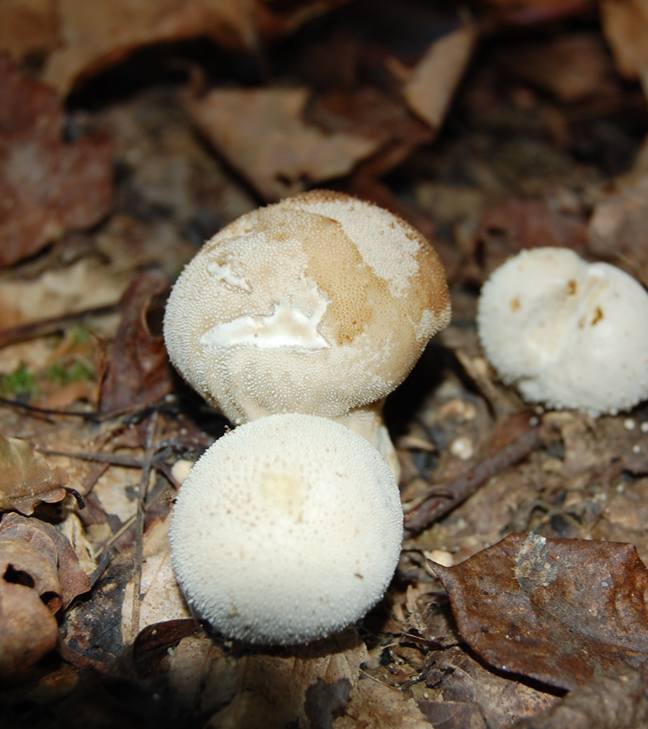
Gem-Studded Puffball
(Lycoperdon perlatum) – Pear-shaped white puffball with small spines/warts. Woods. Saprophyte.
Uses: Edible when pure white inside
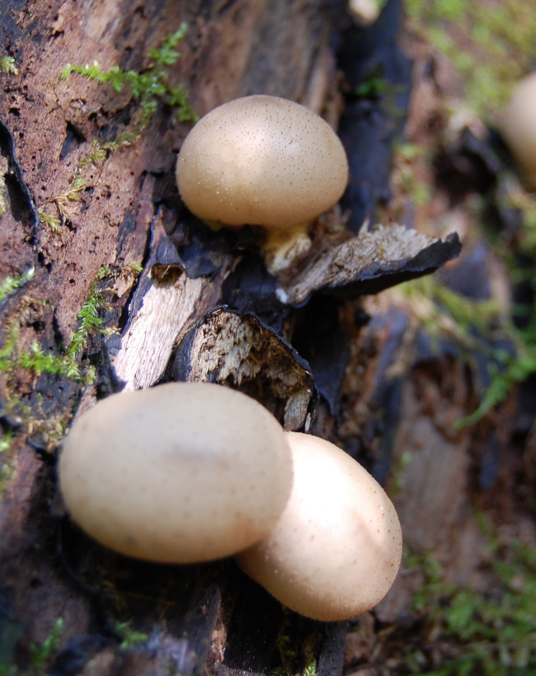
Pear Shaped Puffball
(Apioperdon pyriforme) – Clusters on wood, pear-shaped, buff to brown with age. Saprophyte.
Uses: Edible when white inside.
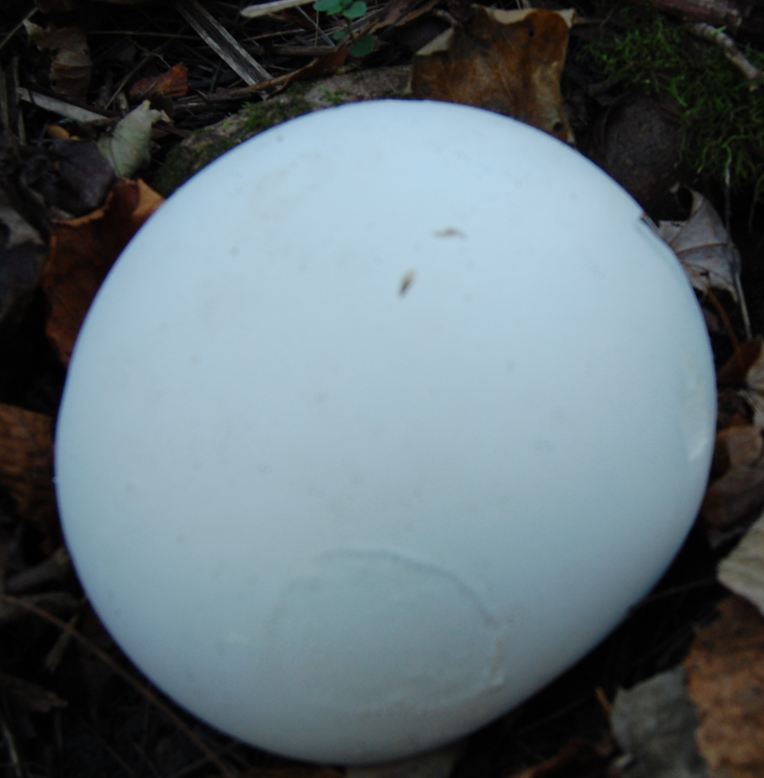
Giant Puffball
(Calvatia gigantea) – Very large white ball in fields/edges. Saprophyte.
Uses: Choice edible when interior is solid white.
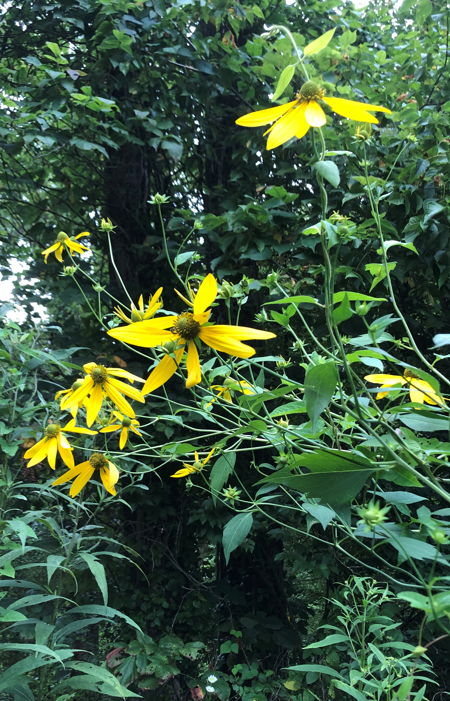
Cutleaf Coneflower
(Rudbeckia laciniata) – Tall plant with drooping yellow rays and greenish cone. Moist meadows, streambanks. Autotroph.
Uses: Ornamental, pollinator support.
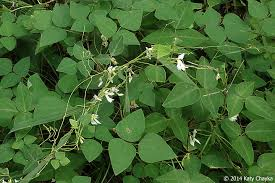
Hog Peanut
(Amphicarpaea bracteata) – Twining vine with trifoliate leaves, small pea flowers, underground and aboveground seeds. Woodland edges. Autotroph + nitrogen-fixer.
Uses: Seeds historically eaten by people and wildlife.
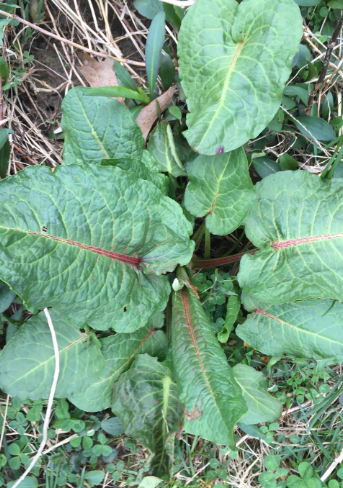
Curly Dock
(Rumex crispus) – Wavy-edged leaves, tall rusty seed stalks. Disturbed ground. Autotroph.
Uses: Young leaves edible cooked; roots used traditionally as dye/medicine.
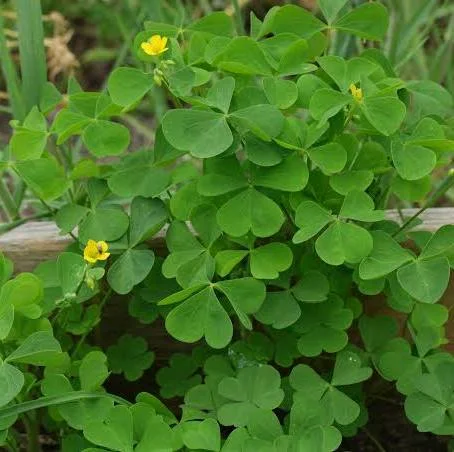
Yellow Wood Sorrel
(Oxalis stricta) – Clover-like leaves, yellow 5-petaled flowers, sour taste. Lawns/gardens. Autotroph.
Uses: Edible in small amounts; tart trailside nibble.
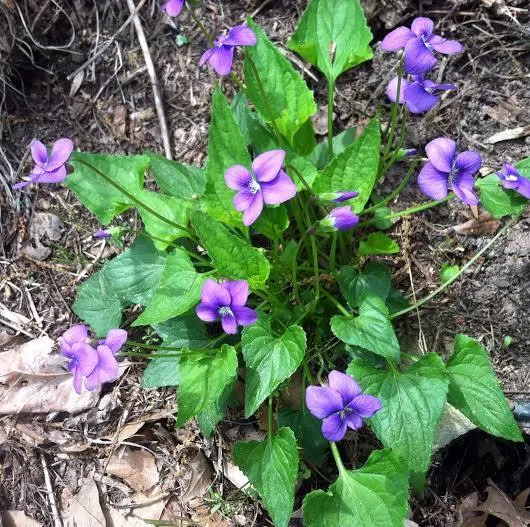
Common Blue Violet
(Viola sororia / V. papilionacea) – Heart-shaped leaves, blue-violet flowers. Lawns/woods edges. Autotroph.
Uses: Edible flowers/leaves; ornamental; host plant for fritillary butterflies.
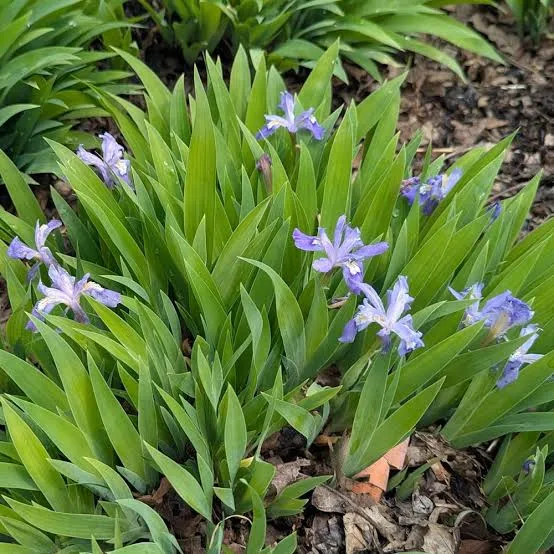
Crested Iris
(Iris cristata) – Low woodland iris with blue flowers and crested sepals. Rich woods. Autotroph; rhizomatous.
Uses: Ornamental native groundcover.
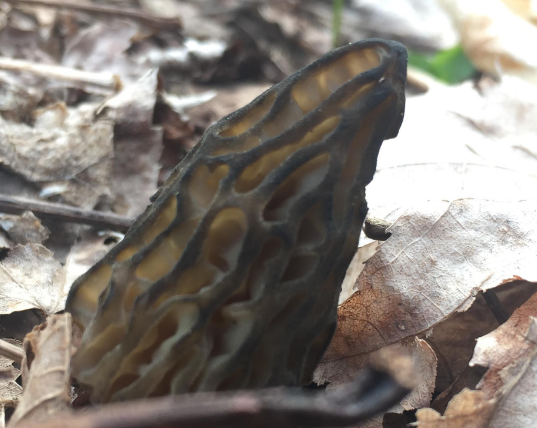
Black Morel
(Morchella angusticeps) – Dark ridged honeycombed cap attached to stem. Spring in woods/burn areas. Probably saprophytic and sometimes facultatively mycorrhizal.
Uses: Choice edible, always cooked.
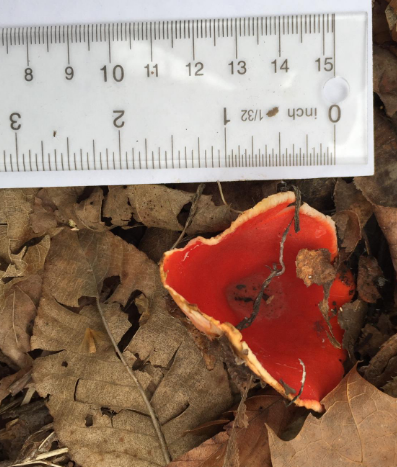
Scarlet Elfin Cup
(Sarcoscypha austriaca) – Bright red cup fungus on sticks in cool moist woods. Saprophyte.
Uses: Mostly ornamental/naturalist interest.
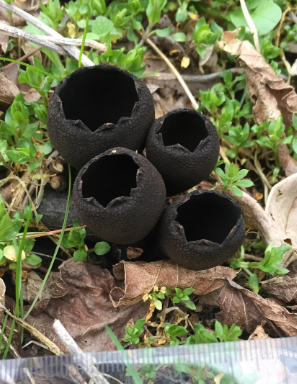
Devil’s Urn
(Urnula craterium) – Dark goblet-shaped spring fungus on buried hardwood. Saprophyte.
Uses: Not generally eaten.
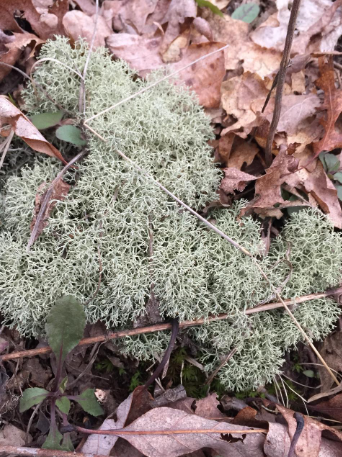
Dixie Reindeer Lichen
(Cladonia rangiferina) – Pale gray, intricately branched shrubby lichen on soil. Lichenized symbiosis.
Uses: Important wildlife forage in some regions; decorative.
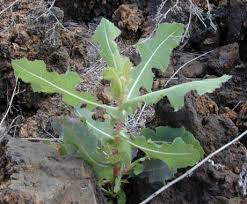
Prickly Lettuce
(Lactuca serriola) – Tall, spiny, vertical leaves; dry sites. Autotroph.
Uses: Minor edible/medicinal (wild lettuce latex mildly sedative).
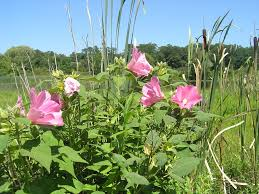
Rose Mallow
(Hibiscus moscheutos) – Large showy pink to white flowers (often with red center), tall herbaceous plant with soft hairy leaves. Found in wetlands, marsh edges, and along streams. Autotroph.
Uses: Ornamental; flowers attract pollinators. Young leaves/shoots sometimes eaten cooked (mucilaginous, like okra relatives).
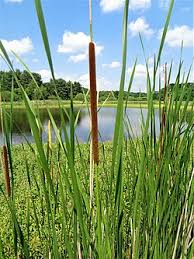
Cattail
(Typha spp.) – Tall wetland plant with long flat leaves and distinctive brown cylindrical seed heads (“cattails”). Marshes, ponds, ditches. Autotroph; rhizomatous, colony-forming.
Uses: Extremely versatile—young shoots (“cossack asparagus”), pollen as flour supplement, rhizomes for starch; leaves used for weaving (mats, baskets); fluff for insulation/tinder.
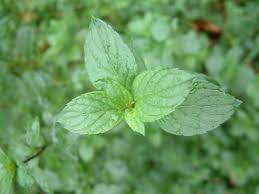
Water Mint
(Mentha aquatica) – Aromatic mint with rounded flower clusters; wet soils/stream edges. Autotroph; rhizomatous spreader.
Uses: Edible (tea, flavoring), medicinal (digestive).
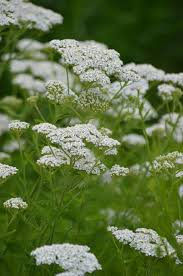
Common Yarrow
(Achillea millefolium) – Feathery leaves, flat white flower clusters. Fields, roadsides. Autotroph.
Uses: Medicinal (wound care, anti-inflammatory), tea.
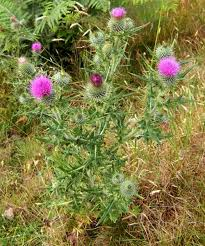
Bull Thistle
(Cirsium vulgare) – Spiny leaves, purple flower heads. Disturbed ground. Autotroph.
Uses: Limited—young stems/roots edible with effort; mostly wildlife value.
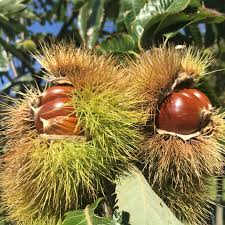
Hybrid Chestnut
(Castanea dentata × mollissima) – Tree with long serrated leaves, spiny burs. Woodlands/orchards. Autotroph; ectomycorrhizal.
Uses: Edible nuts; restoration species.
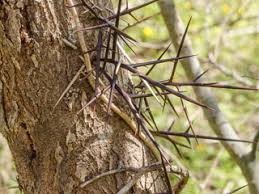
Honey Locust
(Gleditsia triacanthos) – Thorny tree, long sweet pods. Fields, edges. Autotroph; nitrogen-fixer (weak).
Uses: Sweet pod pulp edible; wood, ornamental.
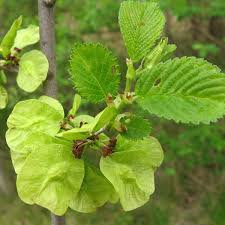
Slippery Elm
(Ulmus rubra) – Rough leaves, mucilaginous inner bark. Forests. Autotroph; mycorrhizal.
Uses: Medicinal bark (soothing GI/throat).
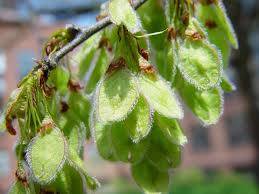
American Elm
(Ulmus americana) – Vase-shaped tree, serrated leaves. Floodplains. Autotroph; mycorrhizal.
Uses: Shade tree, wood.
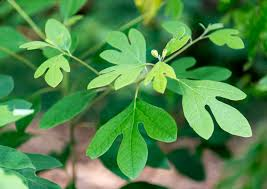
Sassafras
(Sassafras albidum) – Variable mitten-shaped leaves, aromatic. Wood edges. Autotroph; mycorrhizal.
Uses: Traditional tea (root bark), spice (filé powder).
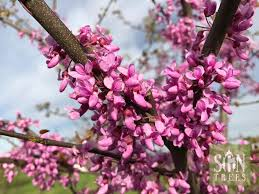
Eastern Redbud
(Cercis canadensis) – Pink spring flowers on branches, heart-shaped leaves. Forest edges. Autotroph; nitrogen-fixer.
Uses: Edible flowers; ornamental.
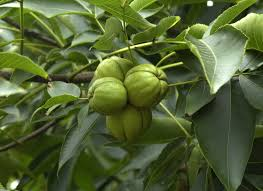
Shagbark Hickory
(Carya ovata) – Peeling bark, compound leaves. Forests. Autotroph; ectomycorrhizal.
Uses: Edible nuts; wood (smoking, tools).
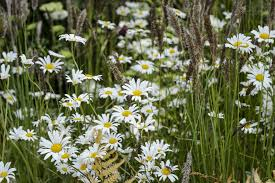
Oxeye Daisy
(Leucanthemum vulgare) – White daisy with yellow center. Fields. Autotroph.
Uses: Ornamental; minor edible use.
False Mermaidweed
(Floerkea proserpinacoides) – Delicate spring ephemeral with lobed leaves. Moist woods. Autotroph.
Uses: Limited; ecological interest.
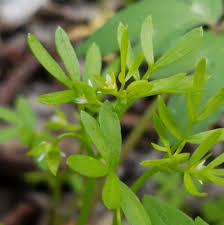
Broadleaf Toothwort
(Cardamine diphylla) – Two-leafed spring mustard. Autotroph.
Uses: Edible rhizomes (peppery).
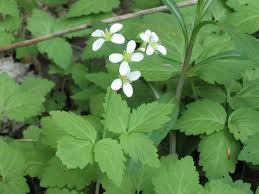
Hexagonal-pored Polypore
(Neofavolus alveolaris) – Orange-tan bracket with honeycomb pores. Dead hardwood. Saprophyte.
Uses: Not edible (tough).
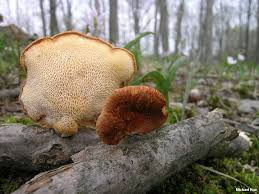
Crowned Parchment
(Stereum complicatum) – Thin orange-brown crusts on wood. Saprophyte.
Uses: None.
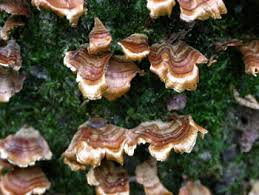
False Turkey Tail
(Stereum ostrea) – Zonate, velvety brackets (no pores). Saprophyte.
Uses: None.
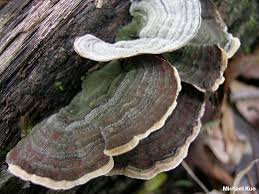
Dryad’s Saddle
(Cerioporus squamosus) – Large tan cap with dark scales, cucumber smell. Logs. Saprophyte.
Uses: Edible when young.
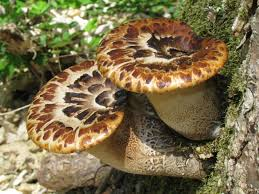
Artist’s Conk
(Ganoderma applanatum) – Large woody shelf; white underside bruises brown. Saprophyte/parasite.
Uses: Art surface, medicinal interest.
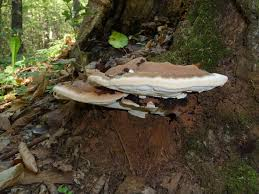
Wood Ear
(Auricularia angiospermarum) – Jelly-like brown ear-shaped fungus on wood. Saprophyte.
Uses: Edible; common in Asian cuisine.
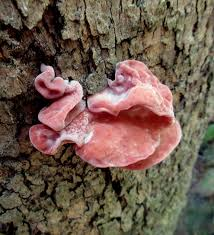
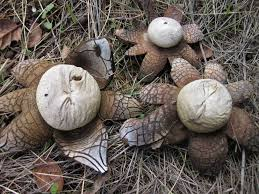
Earthstar
(Astraeus hygrometricus) – Star-like rays that open/close with moisture. Soil. Mycorrhizal.
Uses: Not commonly eaten.