Terrestrial Field Exam
 Call Kai
 Learn
 Practice Test
 Spaced Repetition
 Match
 Flashcards
 Knowt Play
1/106

There's no tags or description
Looks like no tags are added yet.
107 Terms
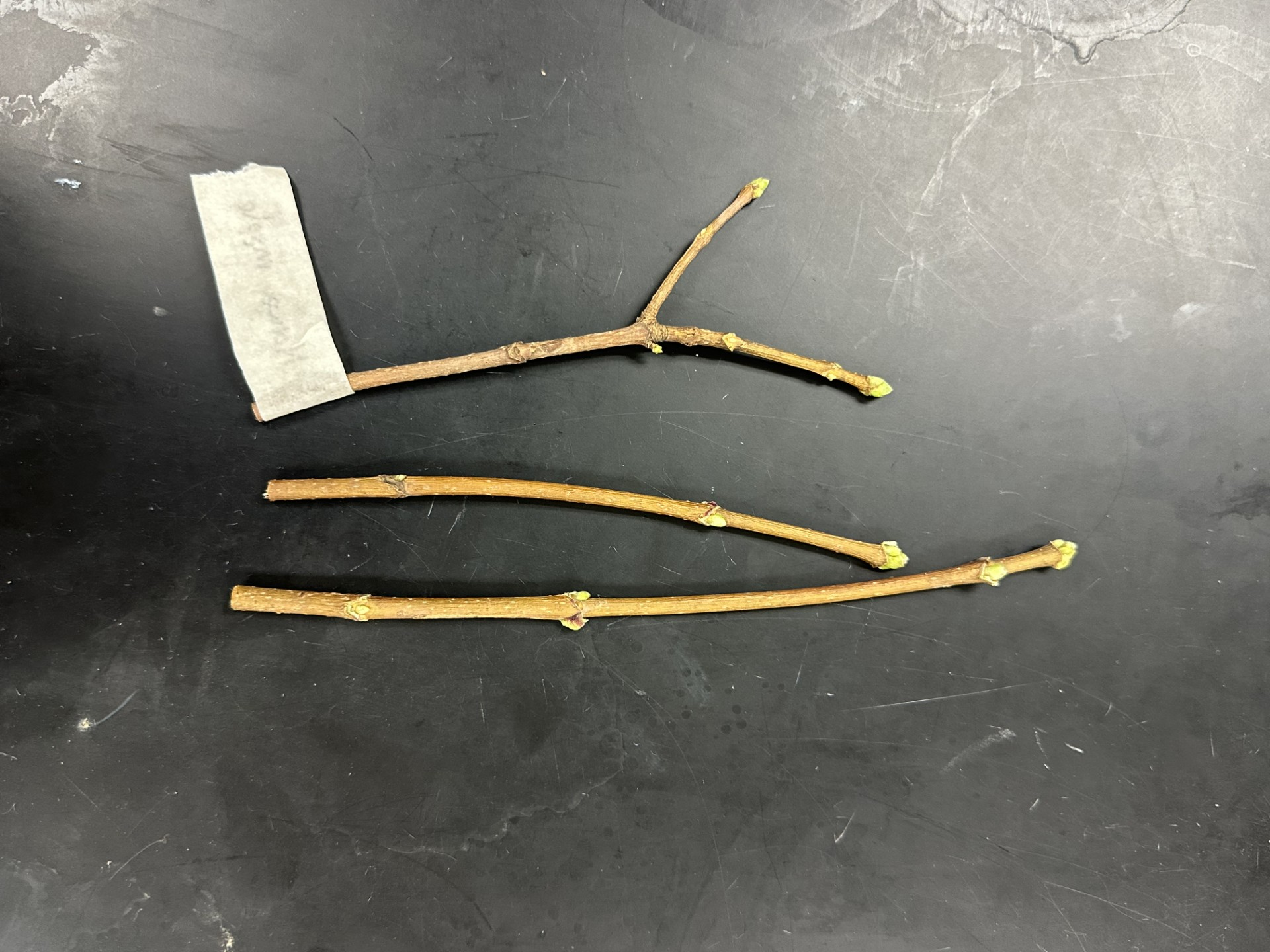
Norway maple

Witch-hazel
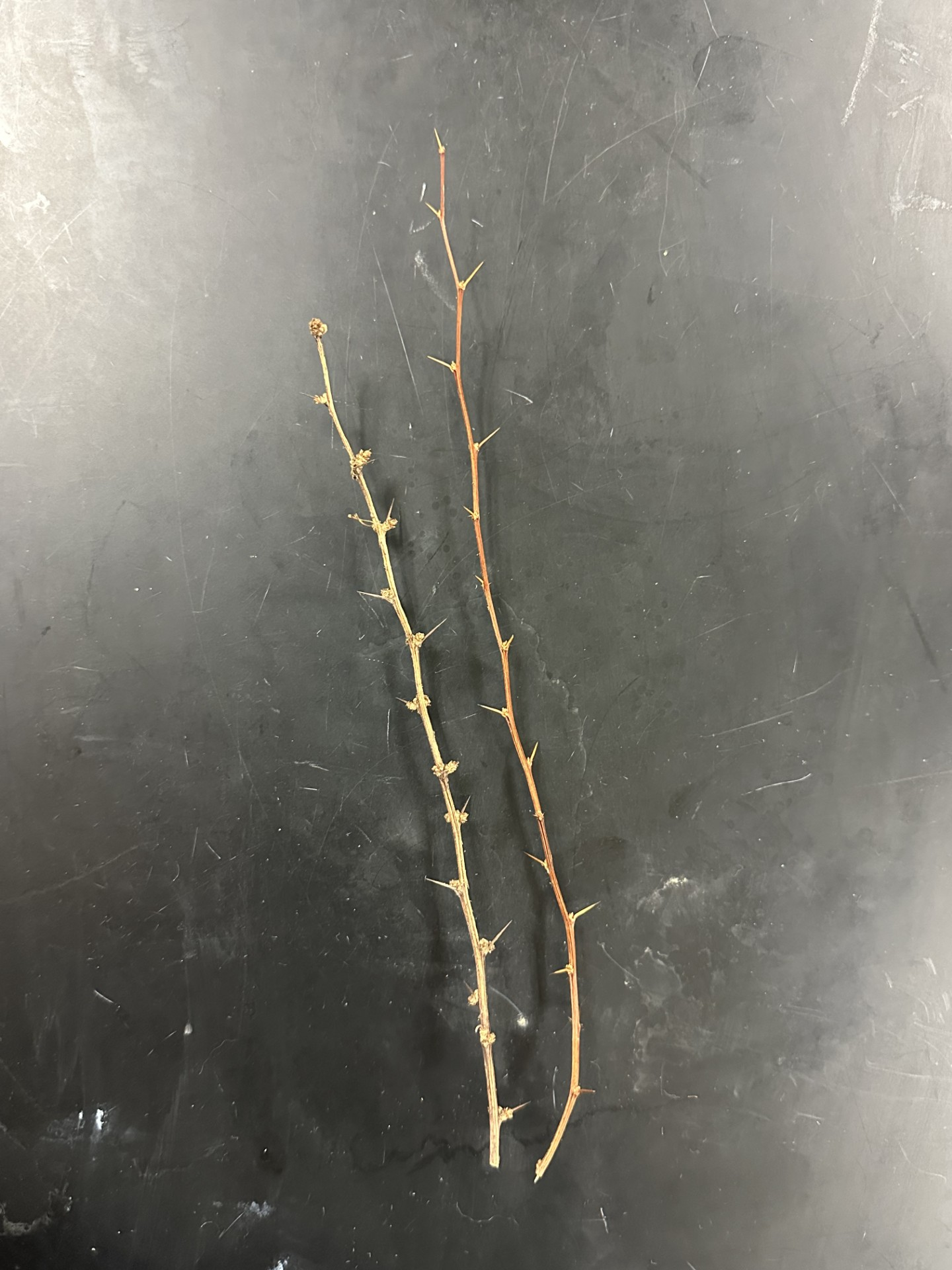
Japanese barberry

Black ash

Black oak
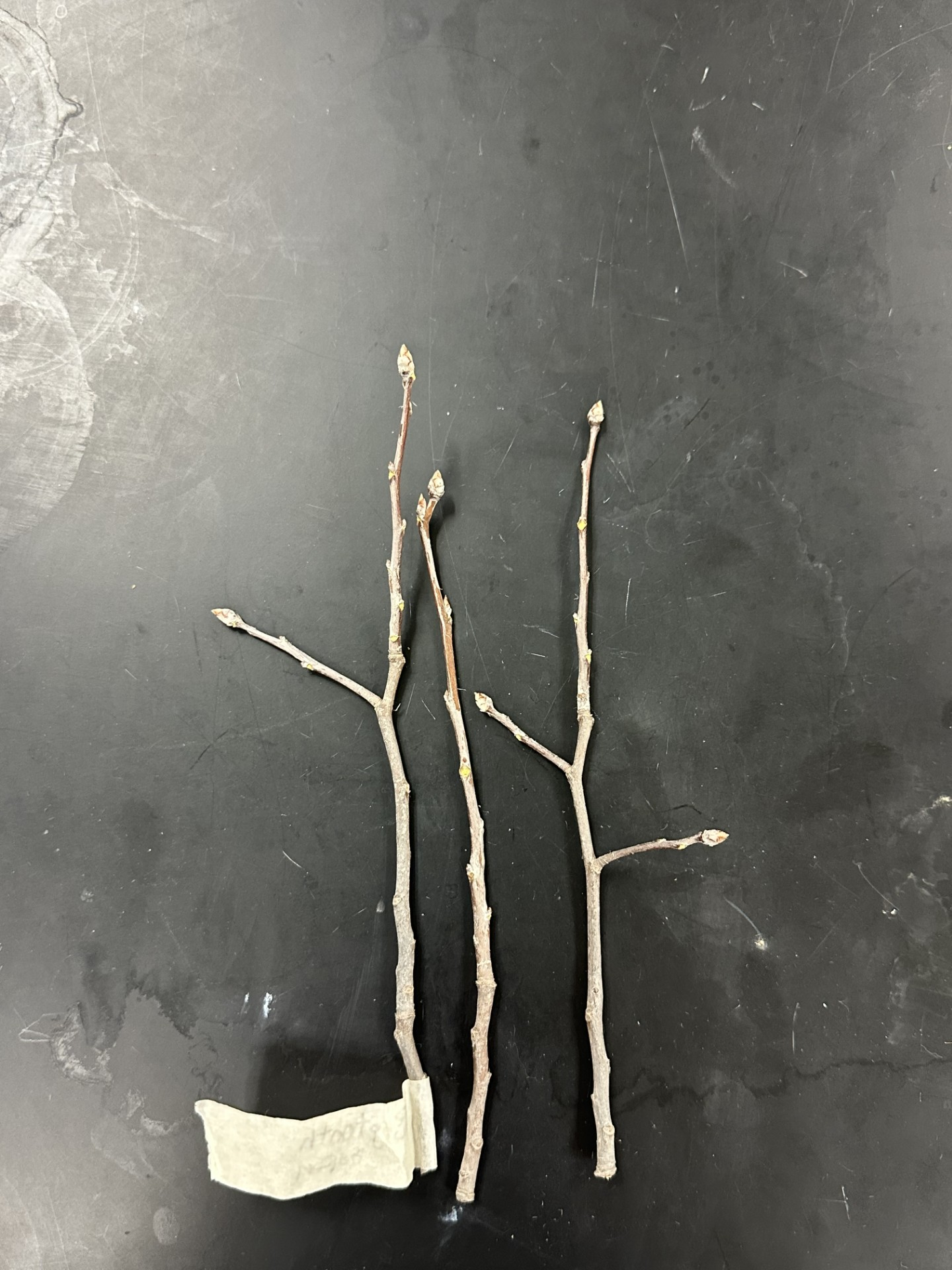
Bigtooth aspen

(mesic site indicator)
Creeping strawberry-bush

Black walnut
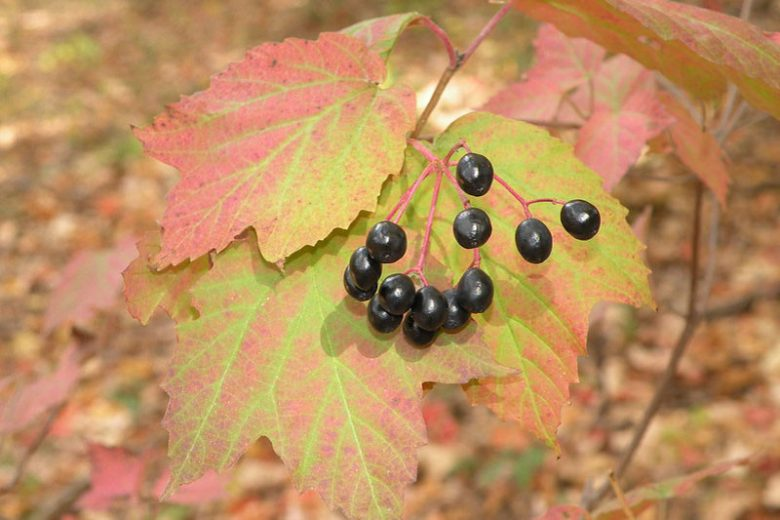
(basic site indicator)
Mapleleaf viburnum

(acid site indicator)
low-sweet blueberry

(WET site indicator)
Buttonbush
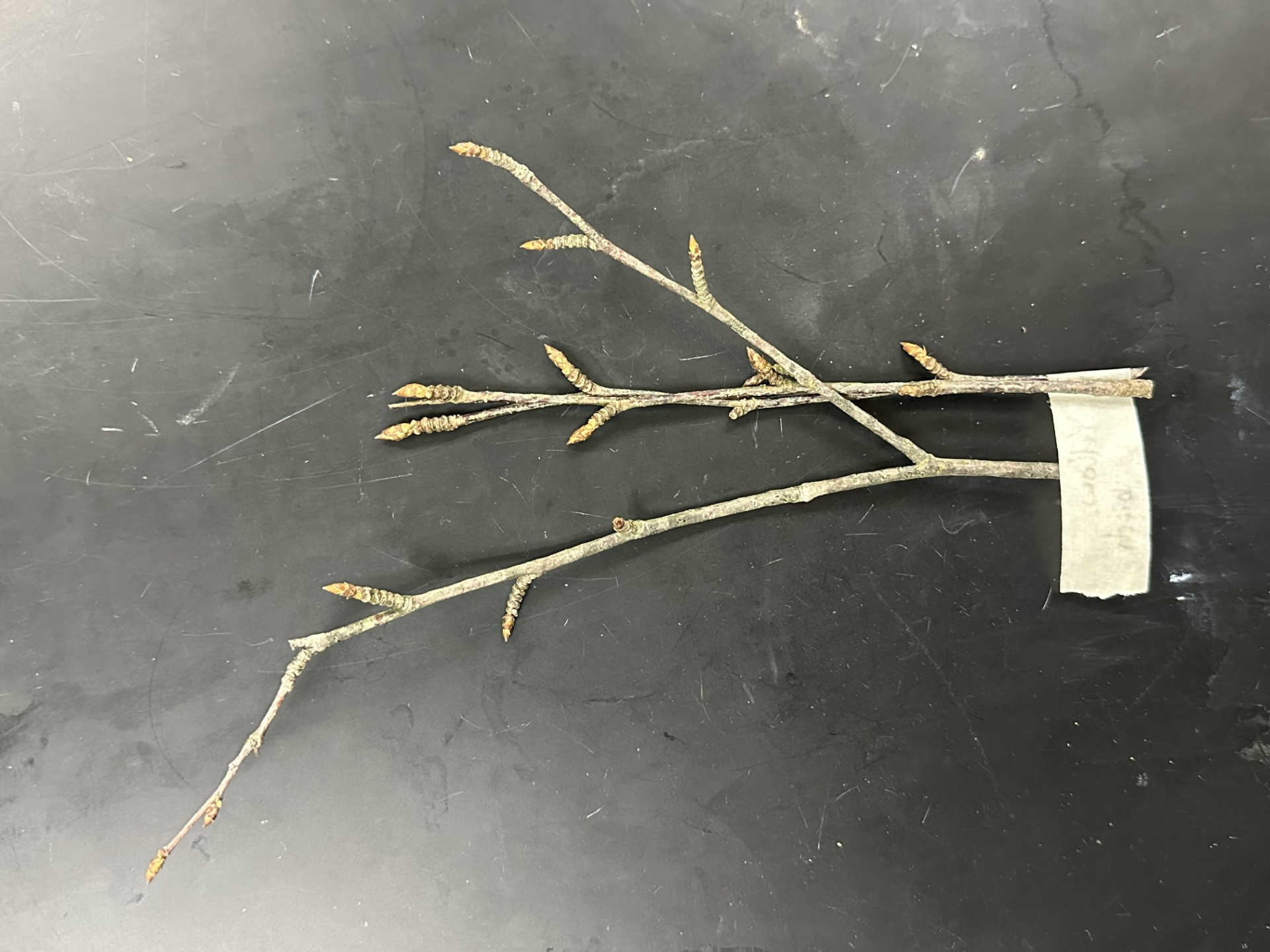
Yellow birch

American elm
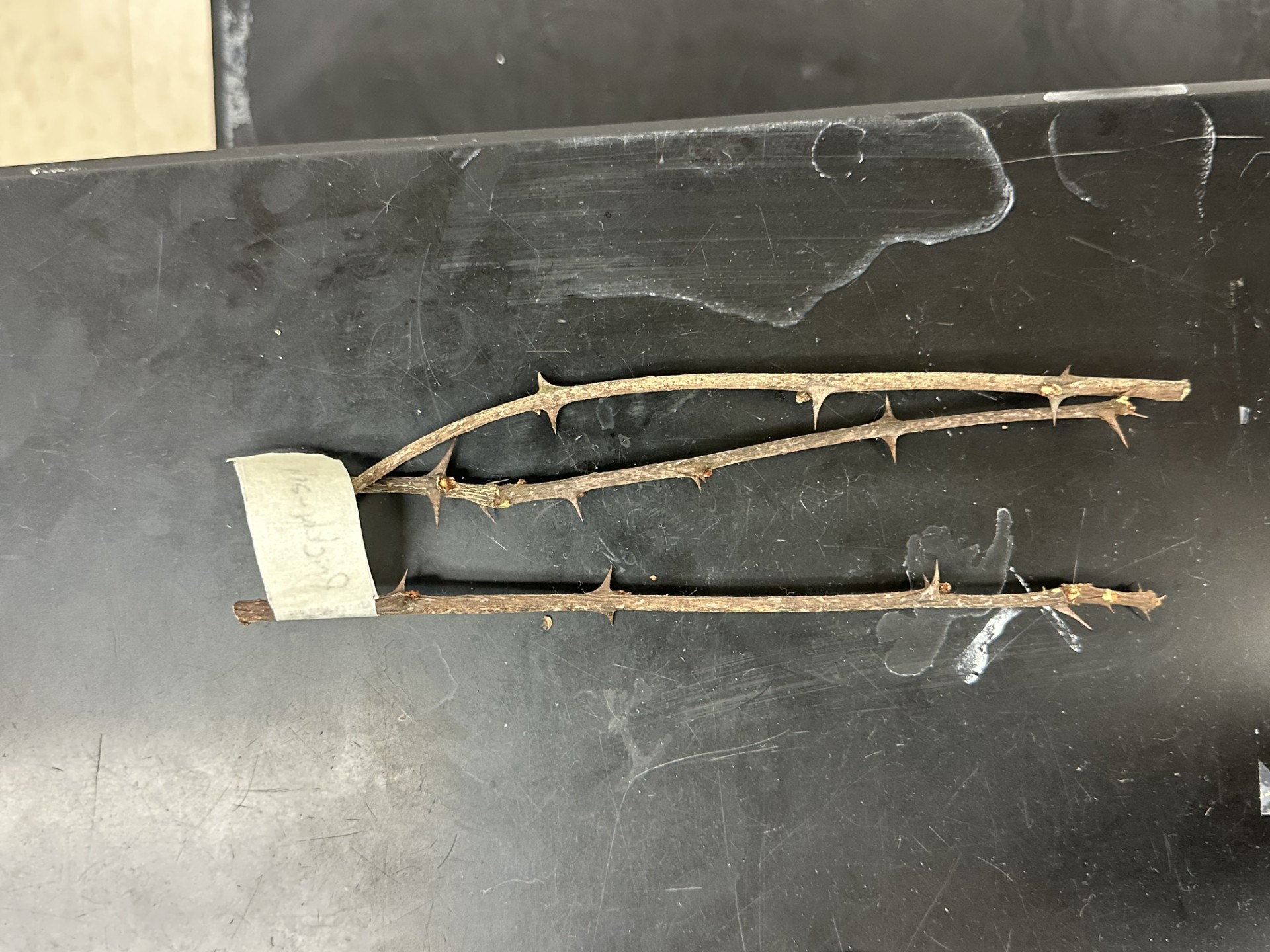
Prickly-ash
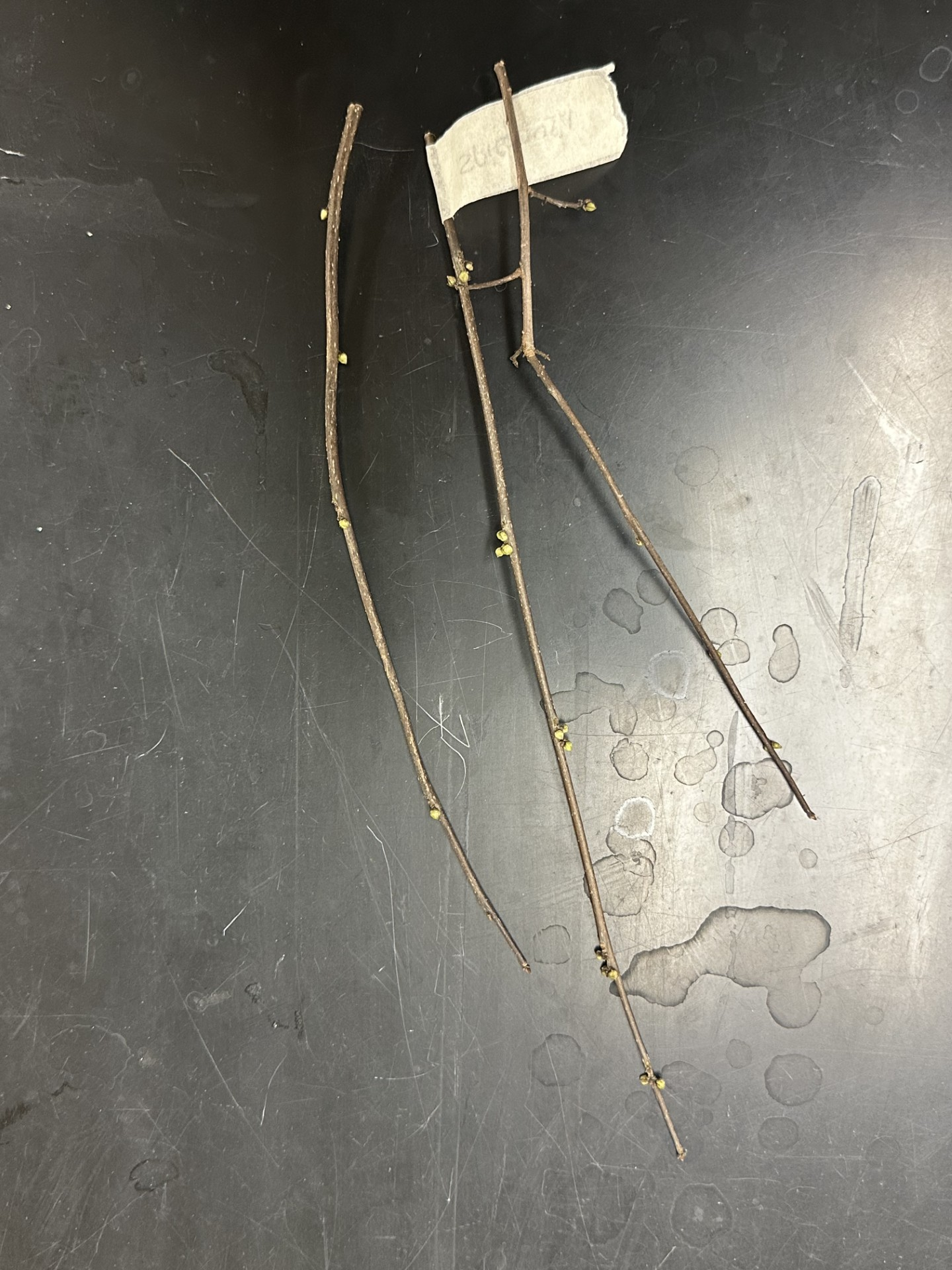
(mesic indicator)
Spicebush

Shagbark hickory

Chokecherry

Tulip tree

Pignut hickory
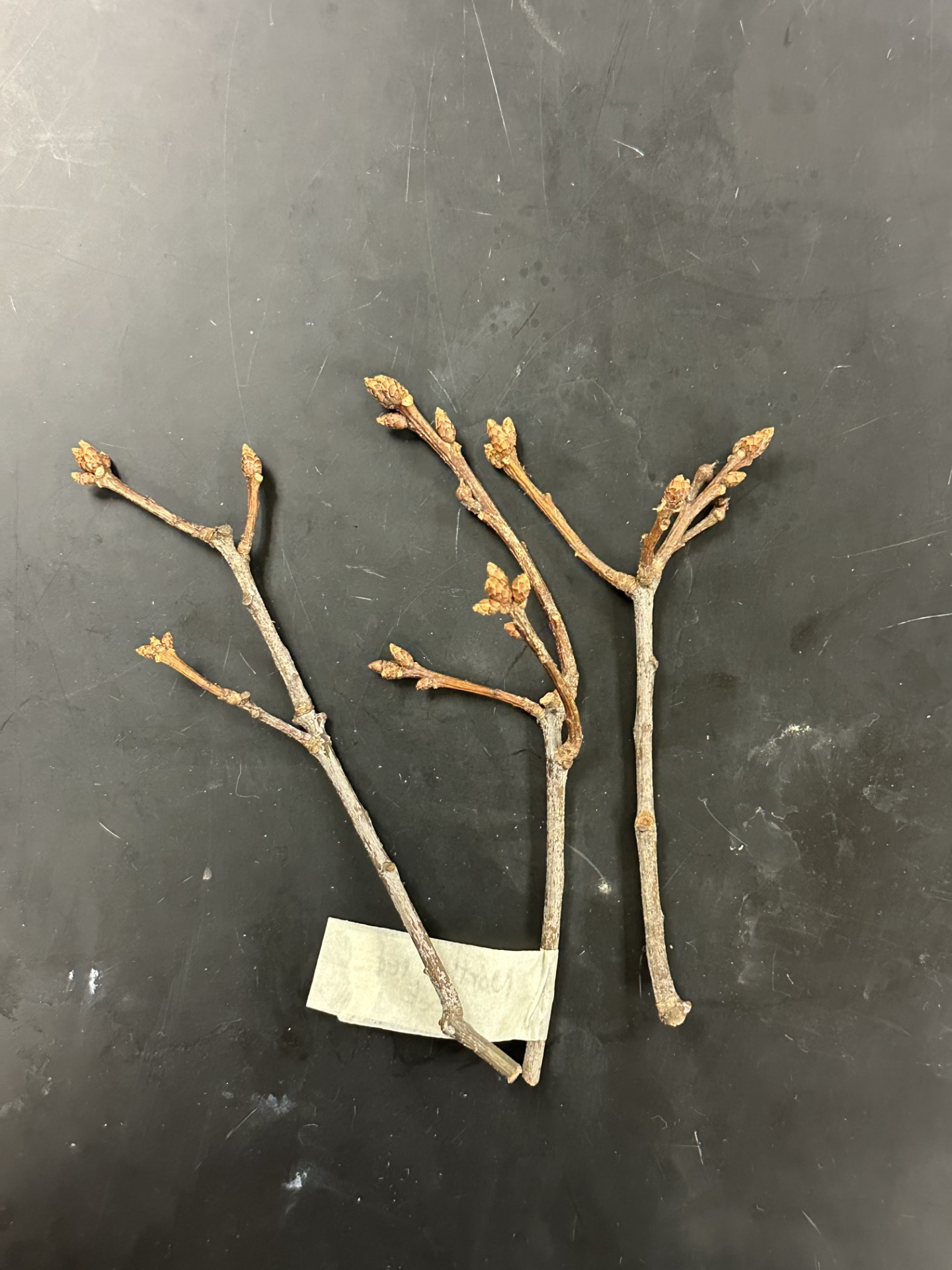
Northern red oak

Red maple

Bassword

Black cherry

Sugar maple
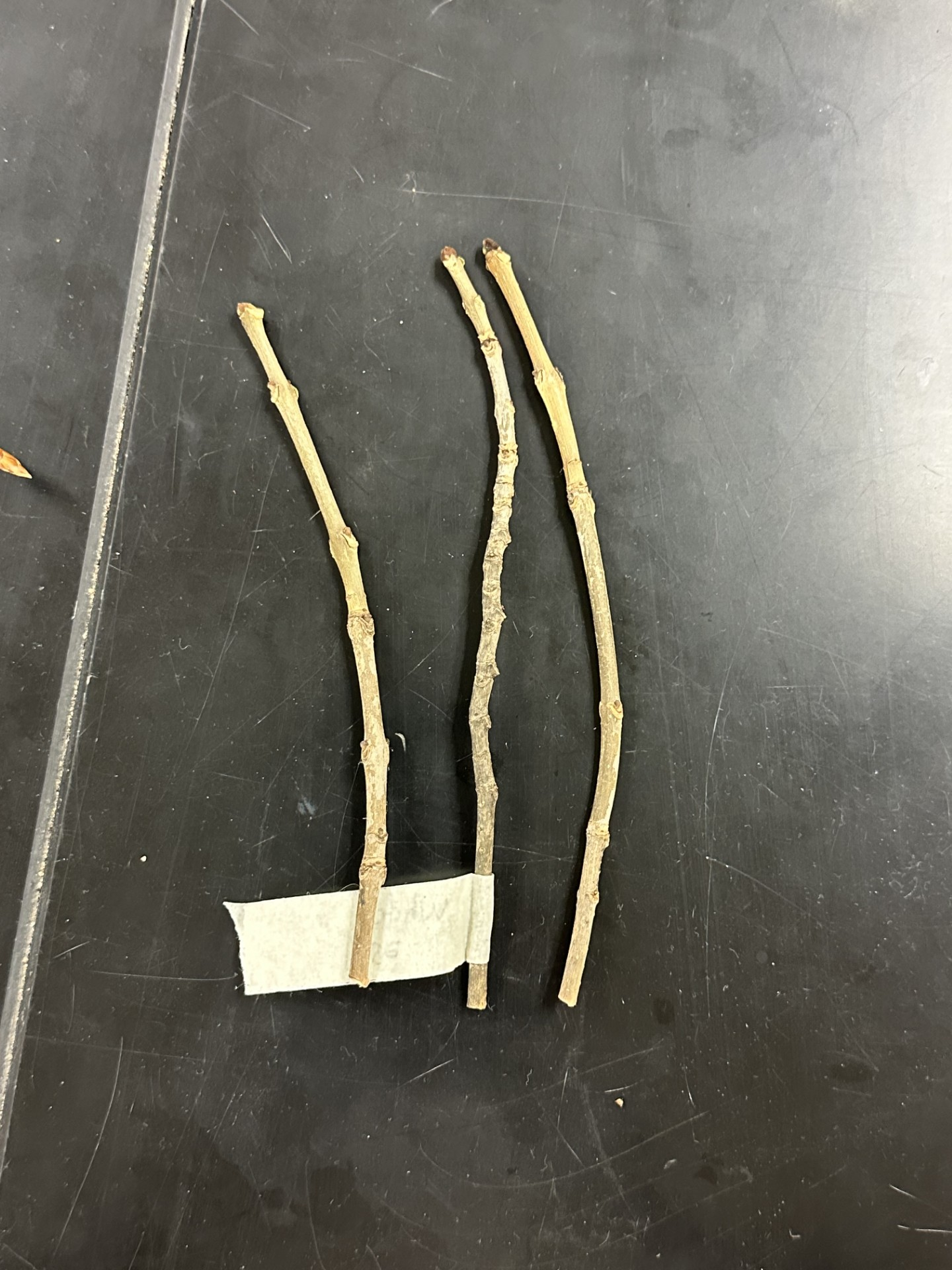
White ash

Low-sweet blueberry
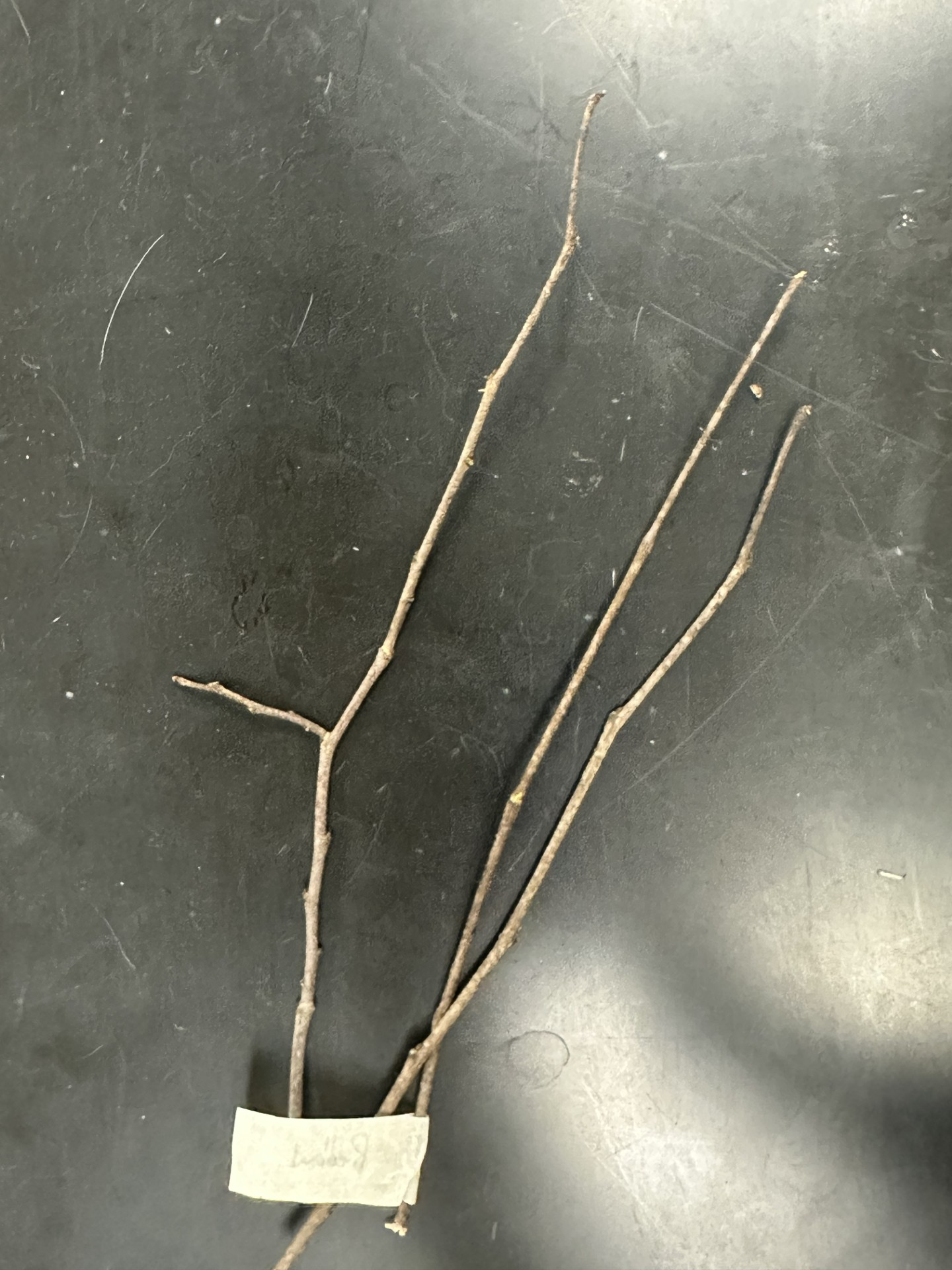
Red bud

Quaking aspen
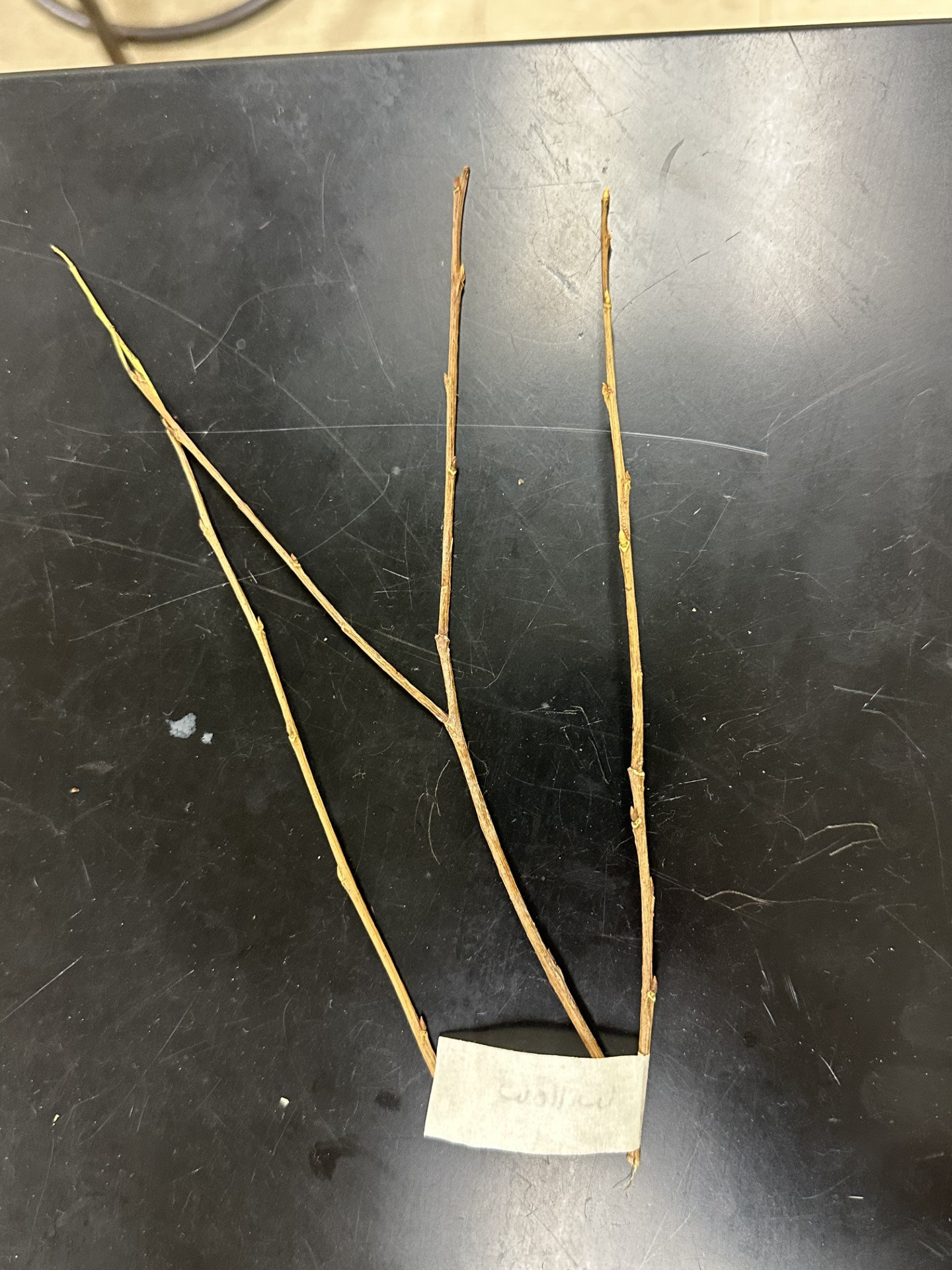
Willow
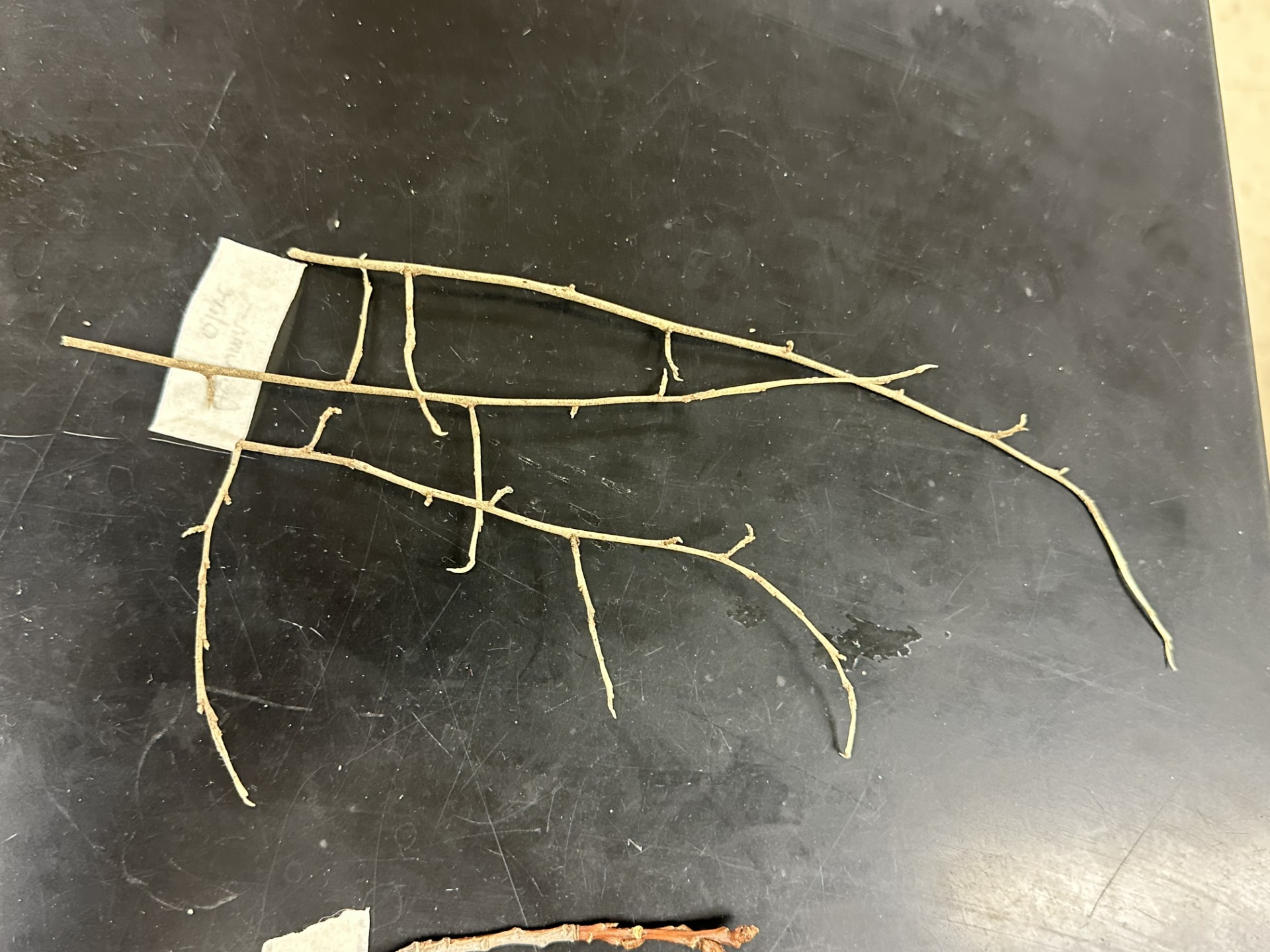
Autumn olive
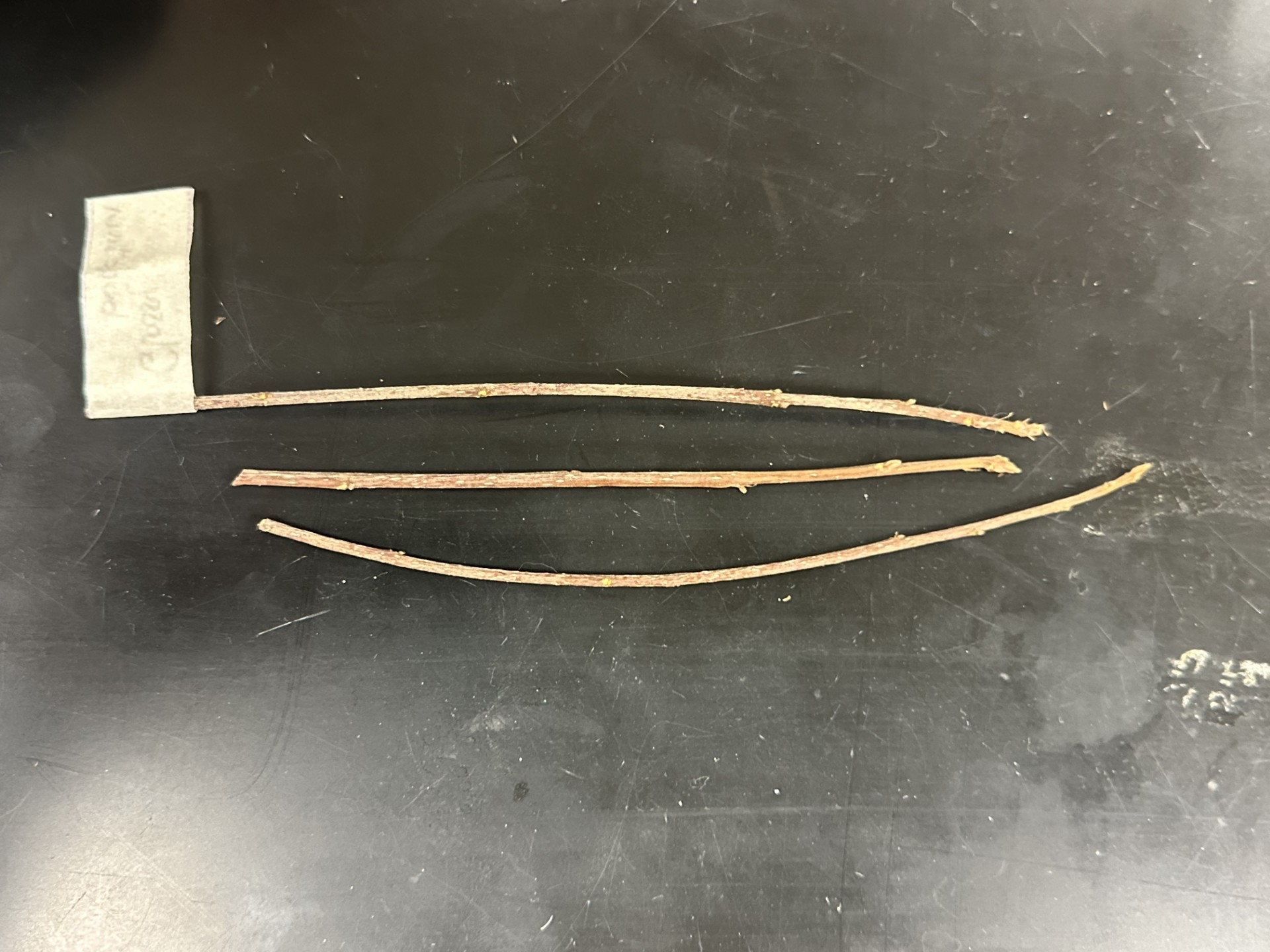
Glossy buckthorn
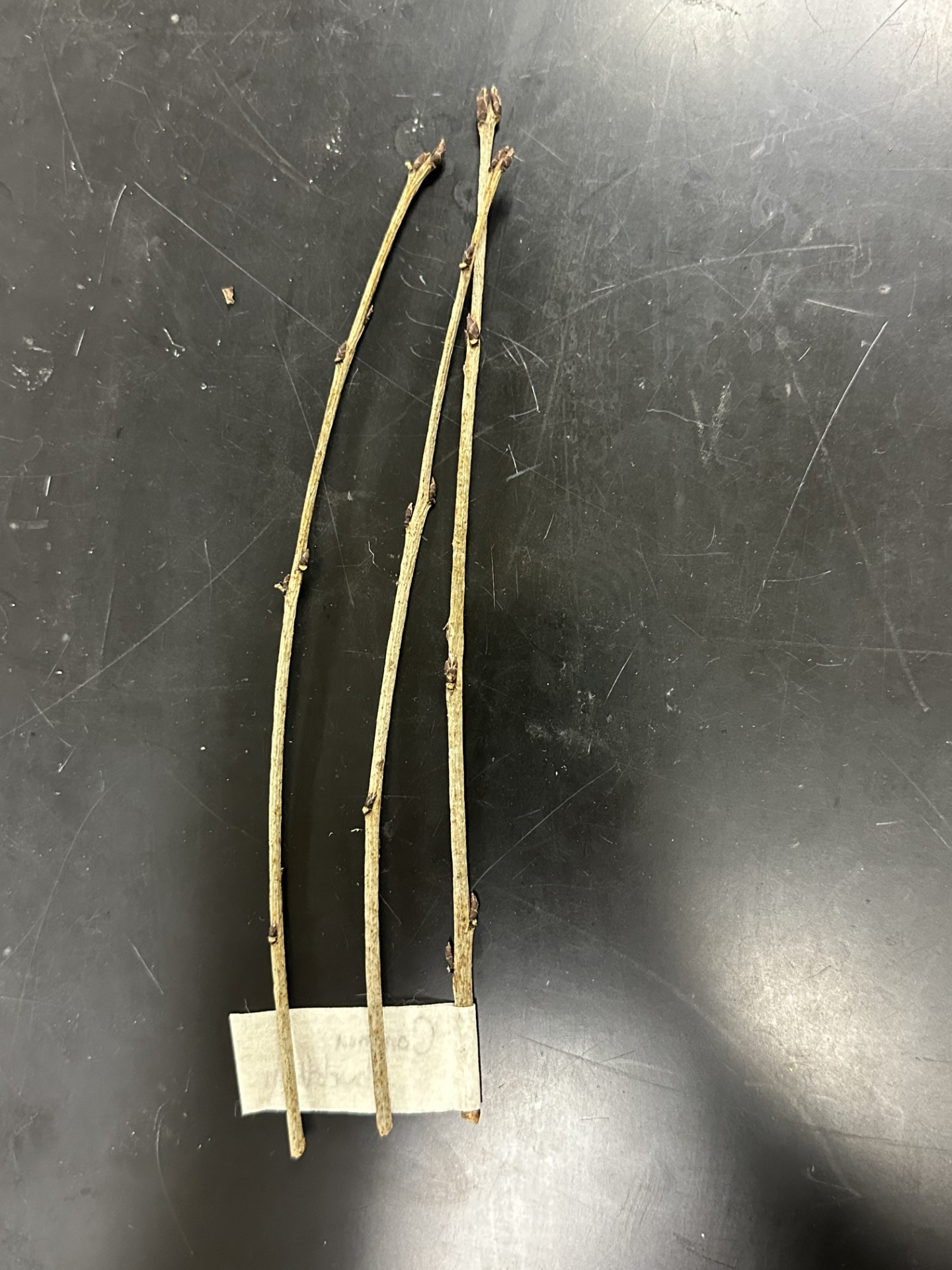
Common buckthorn
Tree-of-heaven


Eastern cottonwood

O (organic)

A

B

C
Ice laid landform
Moraine
Ice contact landforms
Kettles, kames, and eskers
O subhorizons
Oi: Slightly decomposed organic material
Oe: Moderately decomposed organic material
Oa: Highly decomposed organic material
A Subhorizon
Ap: Topsoil altered or disturbed by plowing or human activity
B Subhorizons
Bc: Concretions or hard nonconcretionary nodules
Bh: Illuvial accumulation of organic matter
Bs: Illuvial accumulation of sesquioxides (iron) and organic matter
Bt: Accumulation of silicate clay
Bw: Development of color or structural B
Sand
Can’t form a ball
5% or more sand, and the percentage of silt plus 1.5 times the percentage of clay is 15 or less. Sands are often described as very coarse, coarse, medium, medium-fine, fine, or very fine sand.
Loamy sand
Can form a ball but can’t form ribbon
At the upper limit, 85-90% sand and the percentage of silt plus 1.5 times the percentage of clay is 15 or more; at the lower limit, 70-80% sand and the percentage of silt plus 2 times the percentage of clay is 30 or less.
Sandy loam
Forms 1in ribbon, feels very gritty
20% or less clay and 52% or more sand and the percentage of silt plus 2 times the percentage of clay exceeds 30; or less than 7% clay, less than 50% silt, and 43-52% sand.
Sandy clay loam
Forms 2in ribbon, feels very gritty
20-35% clay, less than 28% silt, and 45% or more sand.
Clay loam
Forms 2in ribbon, neither smooth nor grittty
27-40% clay and 20-45% sand.
Silty clay loam
Forms 2in ribbon, very smooth
27-40% clay and less than 20% sand.
Sandy clay
Forms >2in ribbon, very gritty
35% or more clay and 45% or more sand.
Silty clay
Forms >2in ribbon, very smooth
40% or more clay and 40% or more silt.
Clay
Forms >2in ribbon, neither smooth nor grittty
40% or more clay, less than 45% sand, and less than 40% silt.
Organic soils types
fibric (>75% fiber after rubbing)
hemic (17-75% fiber after rubbing)
sapric (<17% fiber after rubbing)
O horizons
Layers dominated by organic material.
O horizons are typically separated into:
Oi (top layer, least decomposed)
Oe (moderately decomposed)
Oa (layer closest to the mineral soil, highly decomposed)
A horizon
Mineral horizons that formed at the surface or below an O horizon and
(1) are characterized by an accumulation of humified organic matter intimately mixed with the mineral fraction and not dominated by properties characteristic of E or B horizons
(2) have properties resulting from cultivation, pasturing, or similar kinds of disturbance.
A horizons may be described simply as A, or as Ap (if past plowing is evident). Transitional zones are designated AB or even AC.
E horizon
Mineral horizons in which the main feature is loss of silicate clay, iron aluminum, or some combination of these, leaving a concentration of sand and silt particles of quartz or other resistant materials. Transitional zones are designated EB.
B horizons
Horizons that formed beneath an A, E, or O horizon and are dominated by obliteration of all or much of the original rock structure and by:
(1) illuvial concentration of silicate clay, iron, aluminum, humus, carbonates, gypsum, or silica, alone or in combination
(2) evidence of removal of carbonates
(3) residual concentration of sesquioxides
(4) coatings of sesquioxides that make the horizon conspicuously lower in value, higher in chroma, or redder in hue than overlying and underlying horizons without apparent illuviation of iron
(5) alteration that forms silicate clay or liberates oxides or both and that forms granular, blocky, or prismatic structure if volume changes accompany changes in moisture content
(6) any combination of these
C horizon
Horizons or layers, excluding hard bedrock, that are little affected by pedogenic processes and lack properties of O, A, E, or B horizons.
Dry site species
Open Oak
Northern pin oak
Black oak
Dwarf chinkapin oak
Dry-mesic species
Oak-Hickory
Black oak
White oak
Northern red oak
Shagbark hickory
White ash
Black cherry
Black walnut
Witch-hazel
Low-sweet blueberry
Downy arrow-wood
Mapleleaf viburnum
Mesic species
Beech-Sugar Maple
Sugar maple
American beech
Basswood
Tulip tree
Bitternut Hickory
Northern red oak
White ash
Creeping strawberry bush
Leatherwood
Wet mesic species
Deciduous swamp
American elm
Red maple
Black ash
Yellow birch
Tamarack
Michigan holly
Spicebush
Poison sumac
Highbush blueberry
Wet species
Open bog
Tamarack
Black spruce
Leatherleaf
Periodically flooded - Floodplain species
Willow
Eastern cottonwood
Swamp white oak
Bur oak
Shagbark hickory
Basswood
Buttonbush
Periodically Flooded - 1st Bottom species
Silver maple
American elm
Red ash
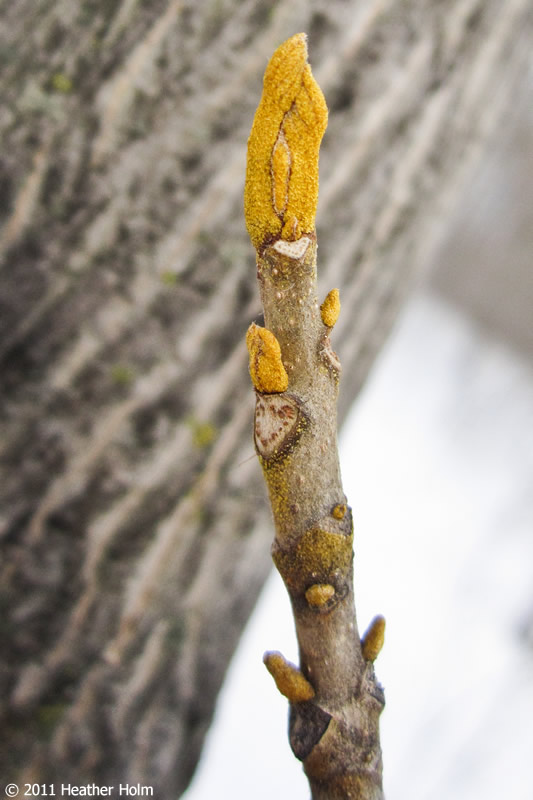
Bitternut hickory

A: Black ash
B: White ash
C: Green/Red ash

Green ash

A: Black ash
B: Green ash
C: White ash

White ash
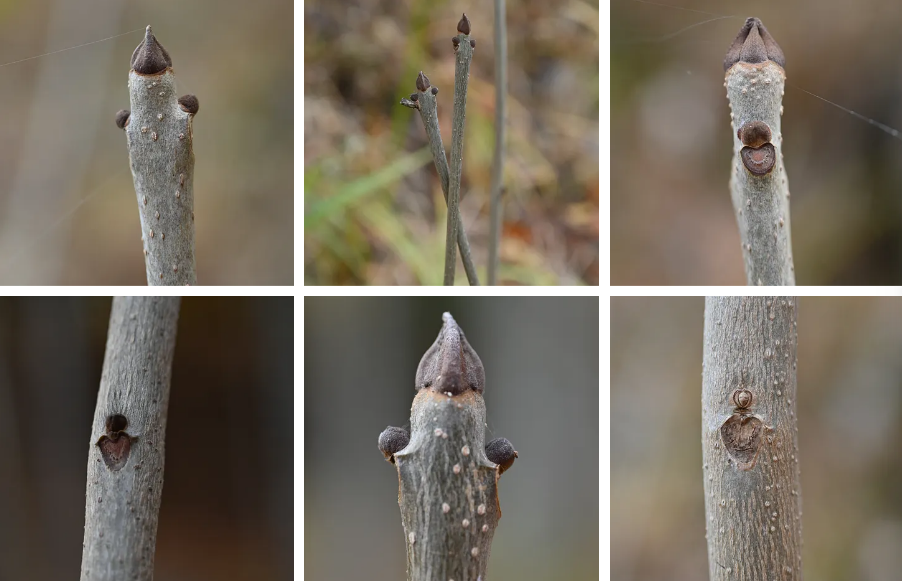
Black ash
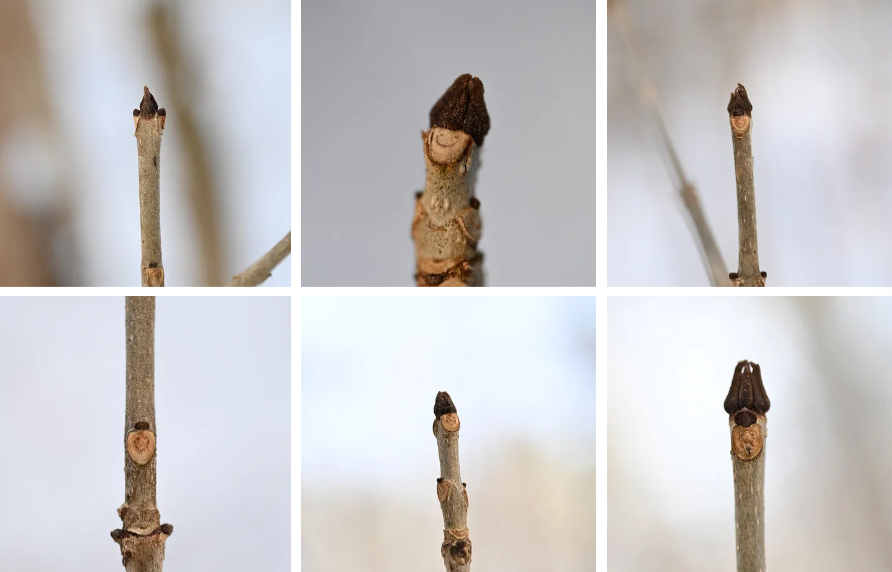
Green ash

A: Sugar maple
B: Red maple
C: Silver maple
D: Black maple

A: Red maple
B: Silver maple
C: Sugar maple
D: Norway maple

Red maple

Silver maple

Sugar maple

Northern red oak

Pignut hickory
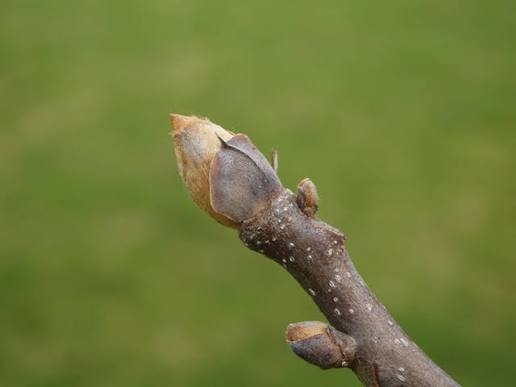
Pignut hickory

Shagbark hickory

A: Shagbark hickory
B: Bitternut hickory
C: Pignut hickory

White oak

Black oak
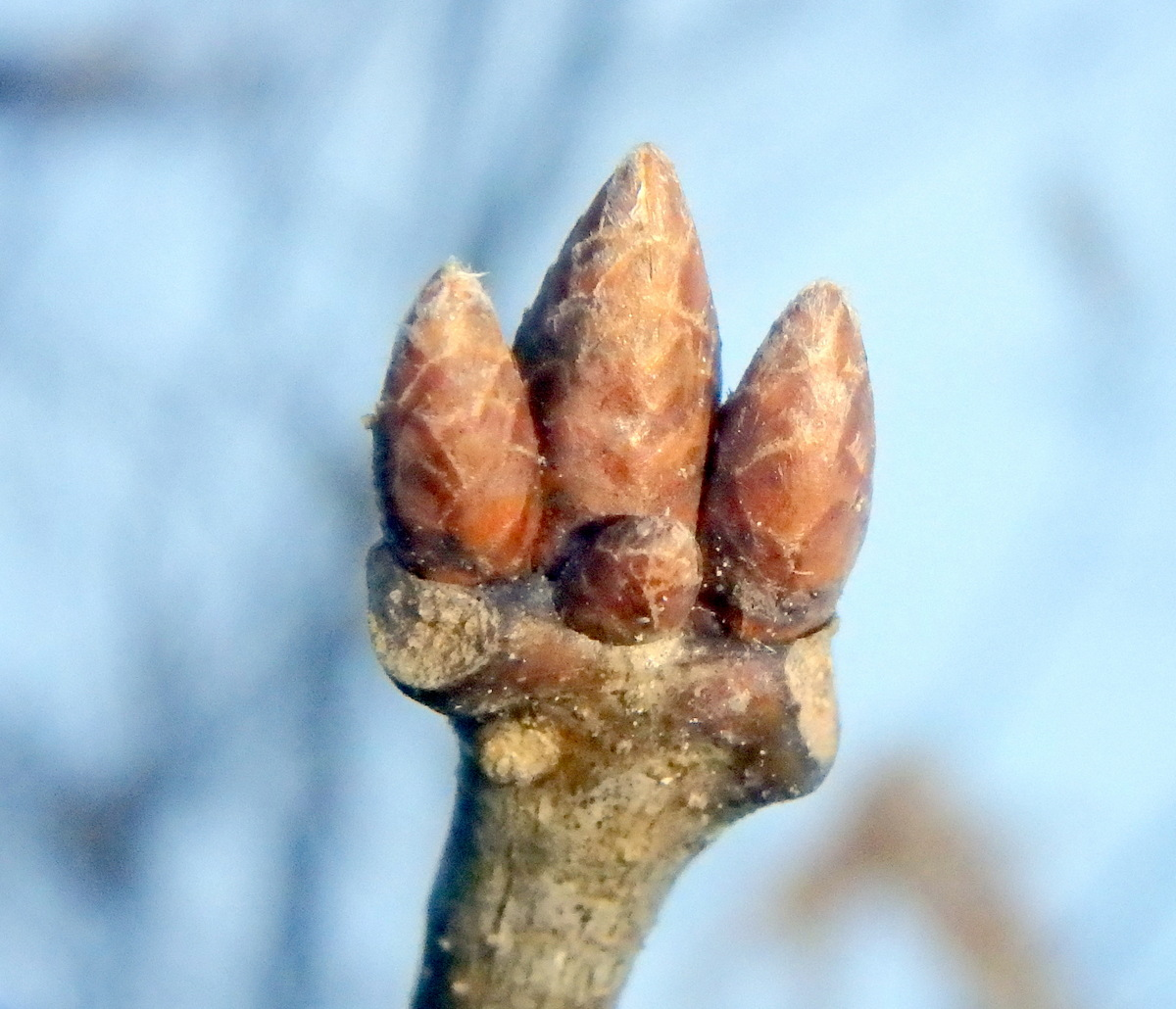
Northern red oak

Northern pin oak

Bur oak
Oak site tolerance and moisture
Northern pin oak: Dry and very shade intolerant (dry open sites)
Black oak: Dry mesic and shade intolerant
White oak: Dry mesic and mid-intolerant
Northern red oak: Mesic and tolerant
Mesophytic invaders
Red maple
Sugar maple
American beech

Balsam fir

Eastern hemlock
Mesophytes
sugar maple, American beech, red maple, American elm, basswood


Strobili
Strobili are cones: small male cones that make pollen and larger female cones that bear ovules and seeds.


idk how to quiz this but this is really helpful

Year 0, Year 1, and Year 2 - Cone reproduction
Year 0: Cone primordia initiated
Year 1: Strobili (cones) form, pollen matures, pollination occurs
Year 2: Fertilization occurs, strobili ripen into mature cones, seeds dispersed
Blips
Unpollinated collapsed ovule (Many blips suggest bad pollen year)
Seed present but empty (Cone biology)
Pollination occurred but fertilization did not (selfing?)
Ice-laid
Till (unstratified drift)
Not sorted
Ground, end, and interlobate moraines (rolling terrain)