Macromolecules AP Bio
 Call Kai
 Learn
Learn Practice Test
 Spaced Repetition
 Match
Match Flashcards
 Knowt Play
1/90

There's no tags or description
Looks like no tags are added yet.
Name | Mastery | Learn | Test | Matching | Spaced | Call with Kai | Chat |
|---|
No analytics yet
Send a link to your students to track their progress
91 Terms
Organic molecules have ___, ___ or ___ bonds
carbon, hydrogen or carbon-carbon
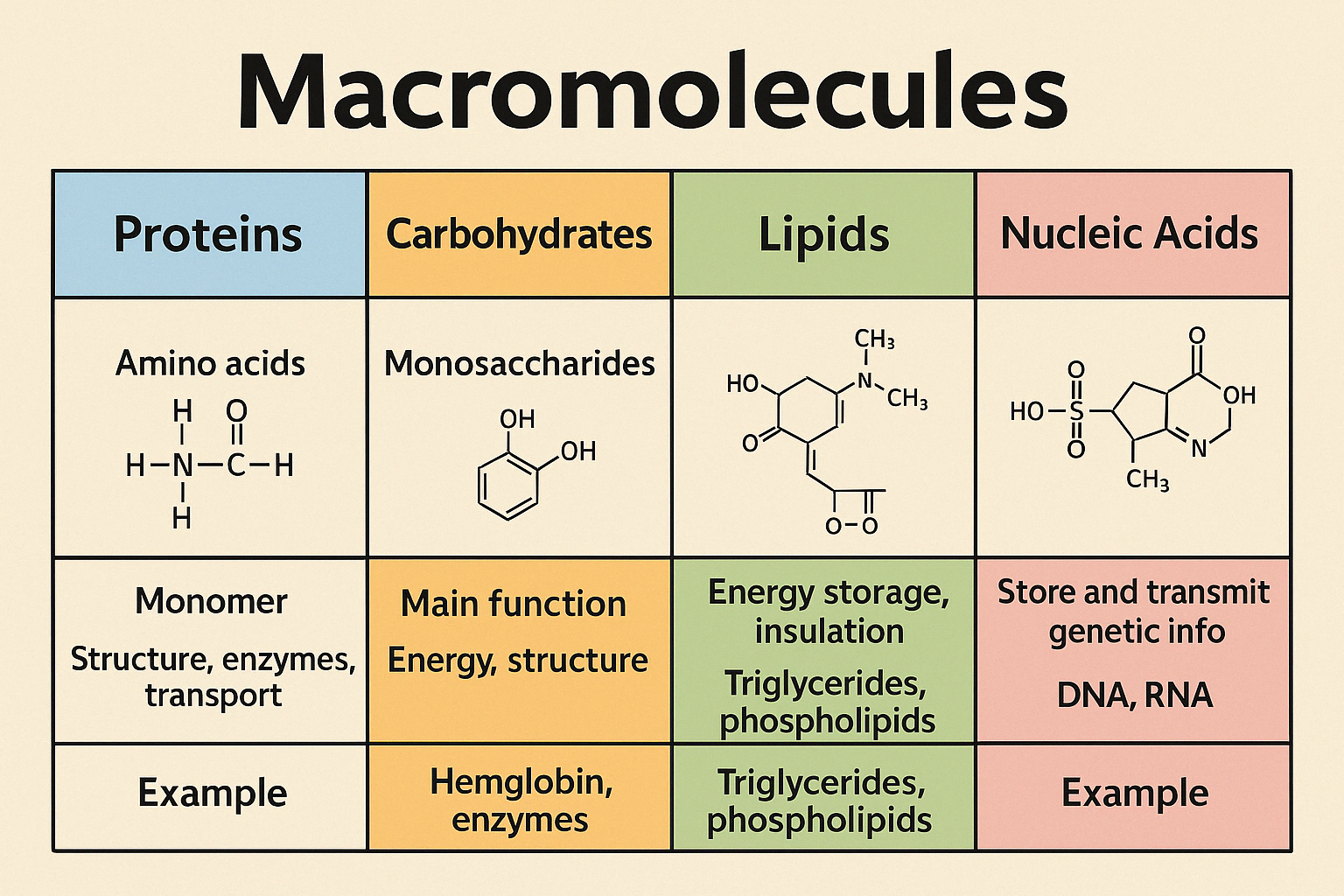
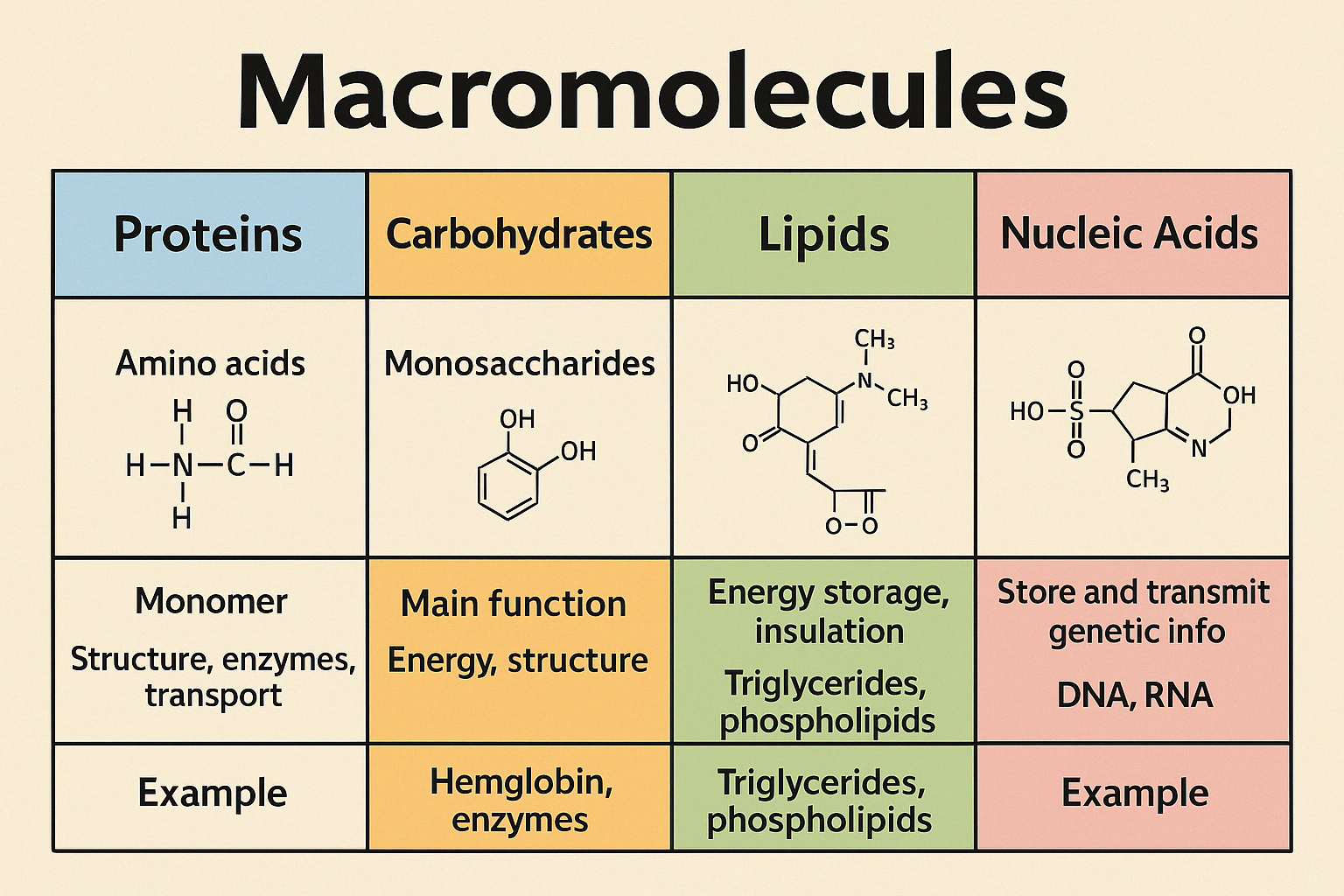
What are macromolecules
large organic molecules necessary for life
What are most macromolecules made of
monomers


monomer definition
A single subunit of a macromolecule

Polymer
large molecules made of repeating subunits
4 types of macromolecules
carbohydrates, lipids, proteins, nucleic acids
Hydrophobic meaning
water fearing


non polar compounds meaning
chemical structures that share electrons evenly and lack distinct positive or negative poles
hydrophobic compound:
nonpolar compounds
Hydrophilic meaning
water loving


Ionic compound meaning
A neutral chemical substance made of positively and negatively charged ions held together by ionic bonds

polar compound meaning
a chemical structure with an uneven distribution of electron charge, resulting in a slightly positive side and a slightly negative side
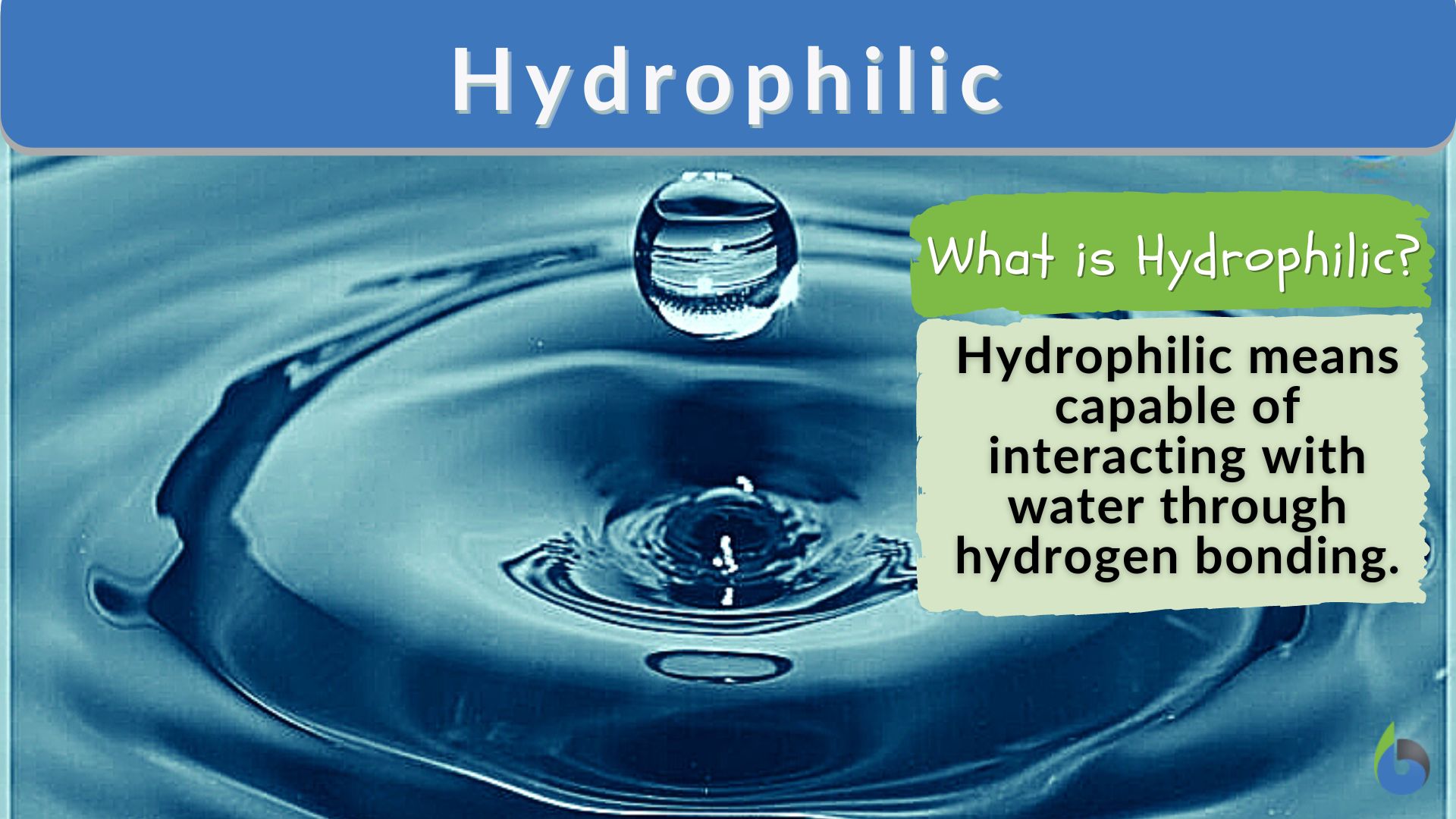
Hydriophilic compounds
ionic and polar compounds
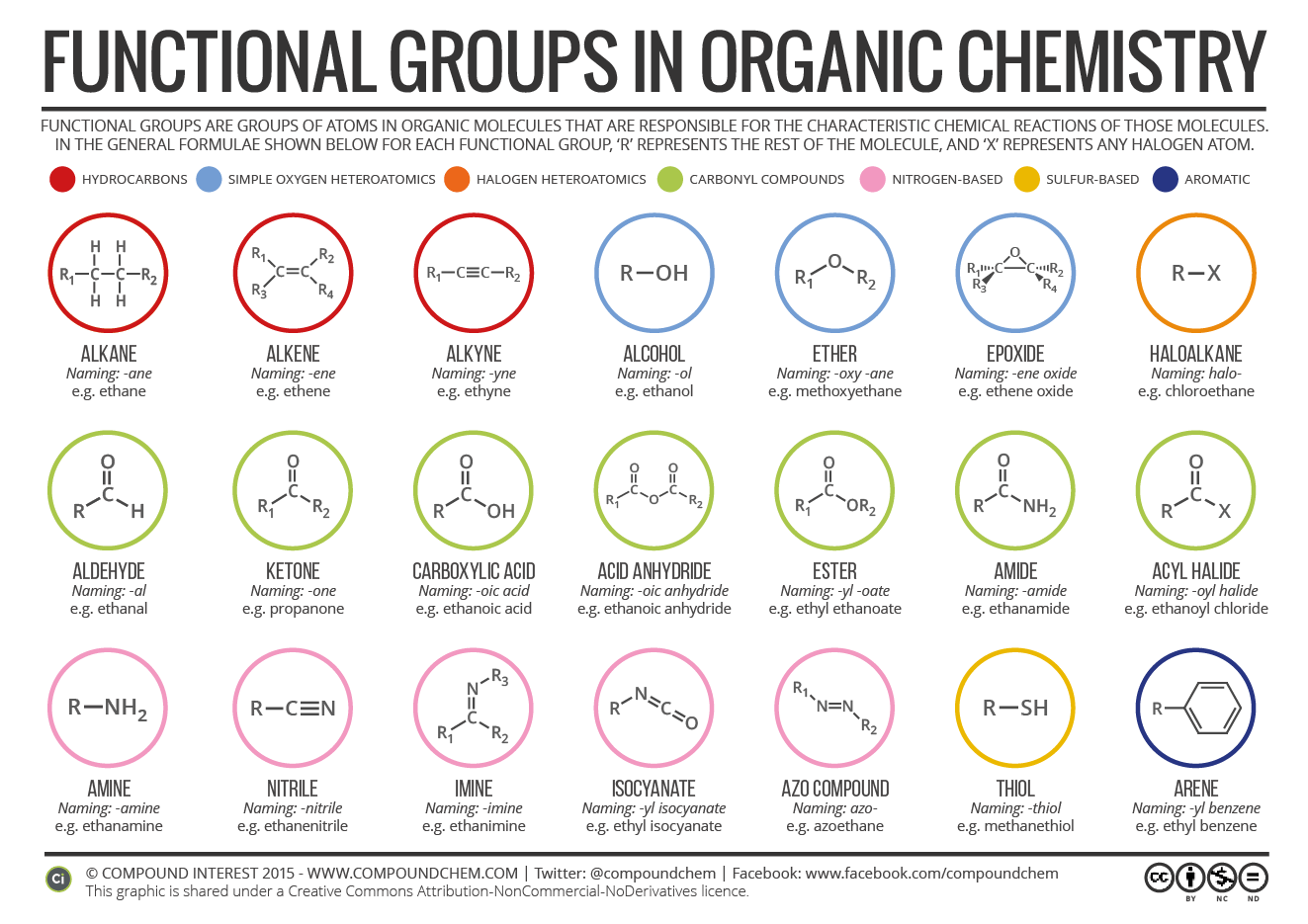
Functional groups
Groups of atoms frequently bonded to carbon skeletons

Hydroxyl
(-OH)

Carbonyl
(-CO-)

Carboxyl
(-COOH)
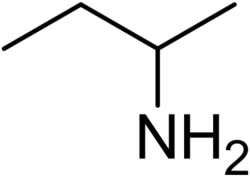
Amino/amine
(-NH2)

Suffhydryl
(-SH)

Phosphate
(-PO4²-)

Methyl
(-CH3)
O,N,S
polar

Dehydration synthesis
Forms covalent bonds between monomers by releasing a water molecule to build macromolecules

Polymerization
The connection of many monomers

Hydrolysis
breaks/cleaves covalent bonds between monomers by splitting/adding a water molecule to break down macromolecules
Organisms need C, H, O, N, P and S to make their molecules
Carbon, Hydrogen, Oxygen, Nitrogen, Phosphorus, and Sulfur
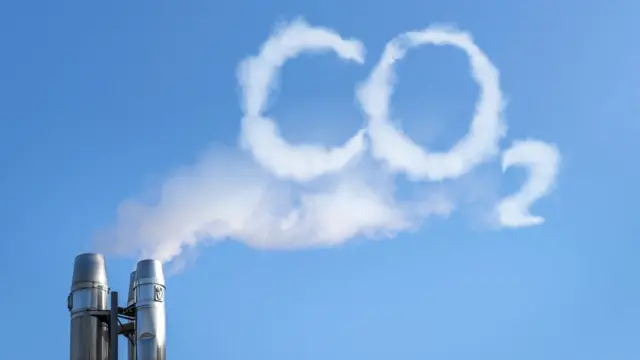
Plants get carbon (CO2) from
Absorbing CO2 from the air


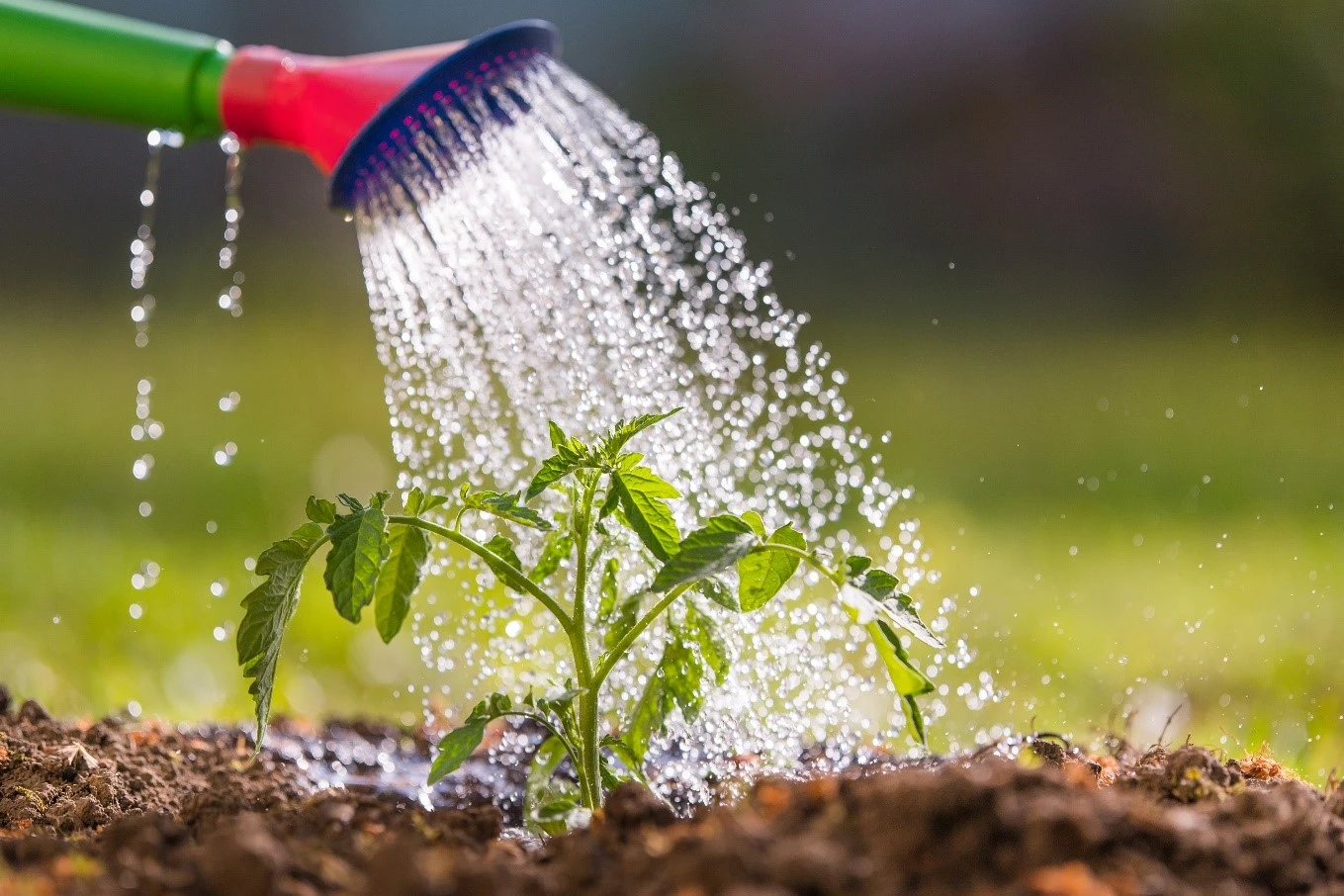
Plants get hydrogen from:
water

Plants get nitrogen and phosphorus from:
soil

Organisms need energy to build new molecules, they get their energy from
light or chemical compounds


Carbohydrate monomer
monosaccaride
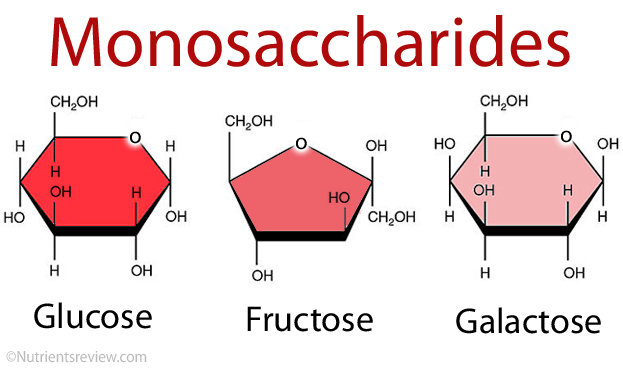

A carbohydrate (CHO) contains, hydrogen and oxygen in a ___ ratio
1:2:1

CHO has a ___ structure
ring


Covalent bond (glycosidic linkage) between monomers is formed by
dehydration synthesis


Monosaccharide
single ring or chain
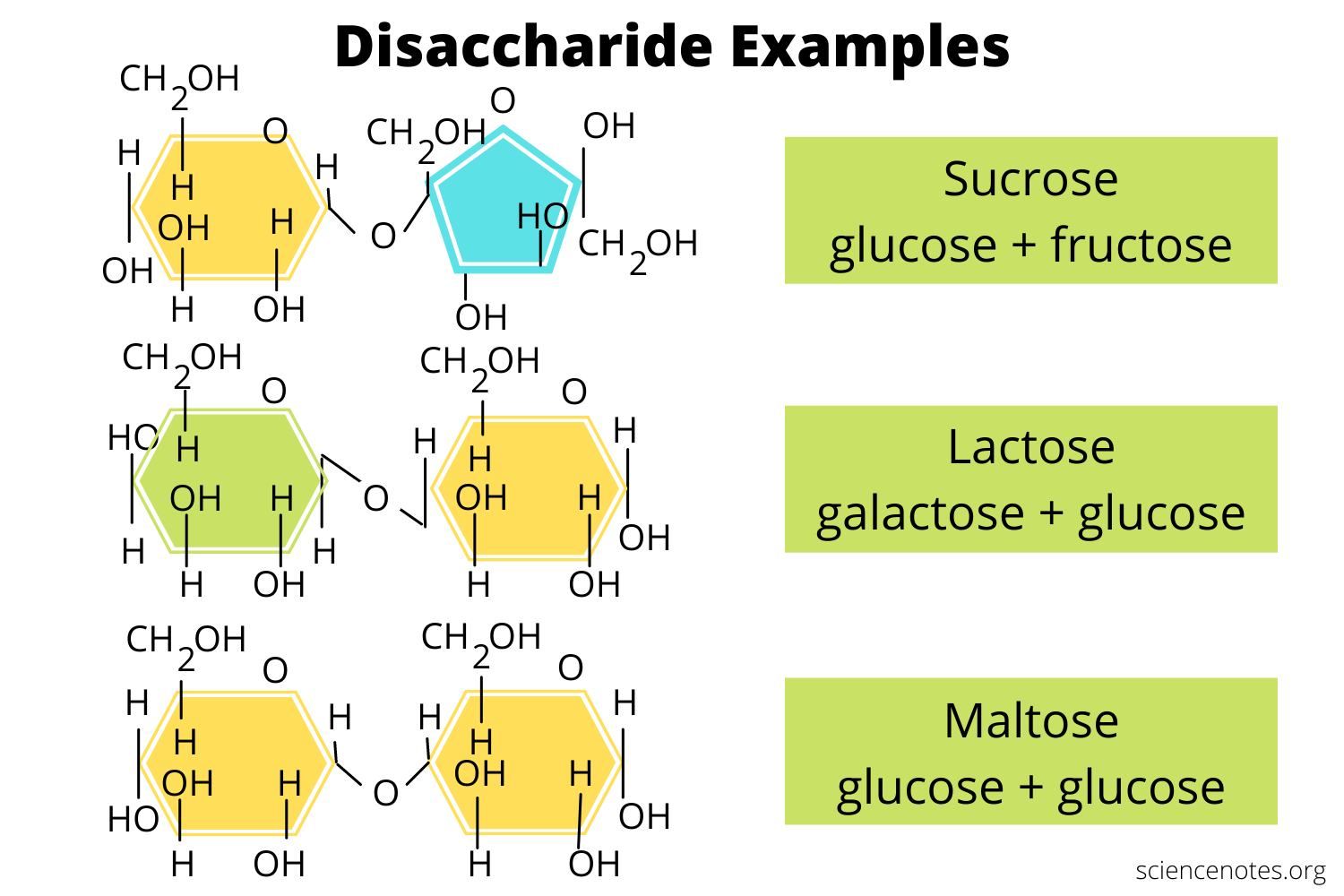
disaccharide
2 monosaccharides joined together

polysaccharide
many monosaccharides joined together

Monosaccharide function
primary energy source

Polysaccharide function
Short term energy storage and structural support


Lipid monomers:
no true monomer, but may have fatty acids

fatty acids are linked together by:
dehydration synthesis
Fatty acids can either be ___ or ___
Saturated or unsaturated

Saturated fat contains
Single bonds between carbons

Saturated fat is:
straight and solid

Unsaturated fat contains:
double bonds

Unsaturated fat is:
bent and liquid

Fats function
long term energy storage, insulation, protection

Waxes function
waterproofing


phospholipids function
membrane structure

Why can phospholipids interact with other polar molecules (like water) and non polar regions that are often hydrophobic
Due to their amphipathic ability

amphipathic meaning
contains both hydrophobic and hydrophilic regions


Steriods function
Hormones and membrane fluidity

Why can steroids release hormones and interact with fatty acid tails in the membrane
Due to Nonpolarity

non polarity meaning
lacking distinct positive or negative electrical poles

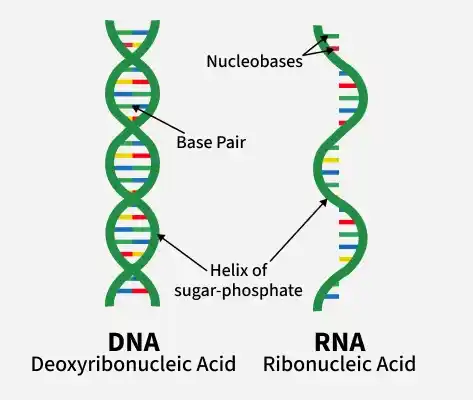
Nucleic acids monomer:
nucleotide

3 parts of a nucleotide:
phosphate group, pentose, nitrogen base


phosphate group meaning
a chemical functional group made of 1 phosphorus atom bonded to four oxygen atoms

Pentose meaning
5 carbon sugar

nitrogenous base
a nitrogen-containing molecule that acts as the letter of the genetic code in DNA and RNA

Nucleic Acid structure
CHONP
What are nucleotides linked together by
phosphodiester bonds

The linking of individual nucleotides into nucleic acids is from
dehydration synthesis
Identity of a molecule (DNA or RNA) depends of the nucleotide:
sugar(pentose) or base
DNA strand form
double helix

RNA strand form
One strand
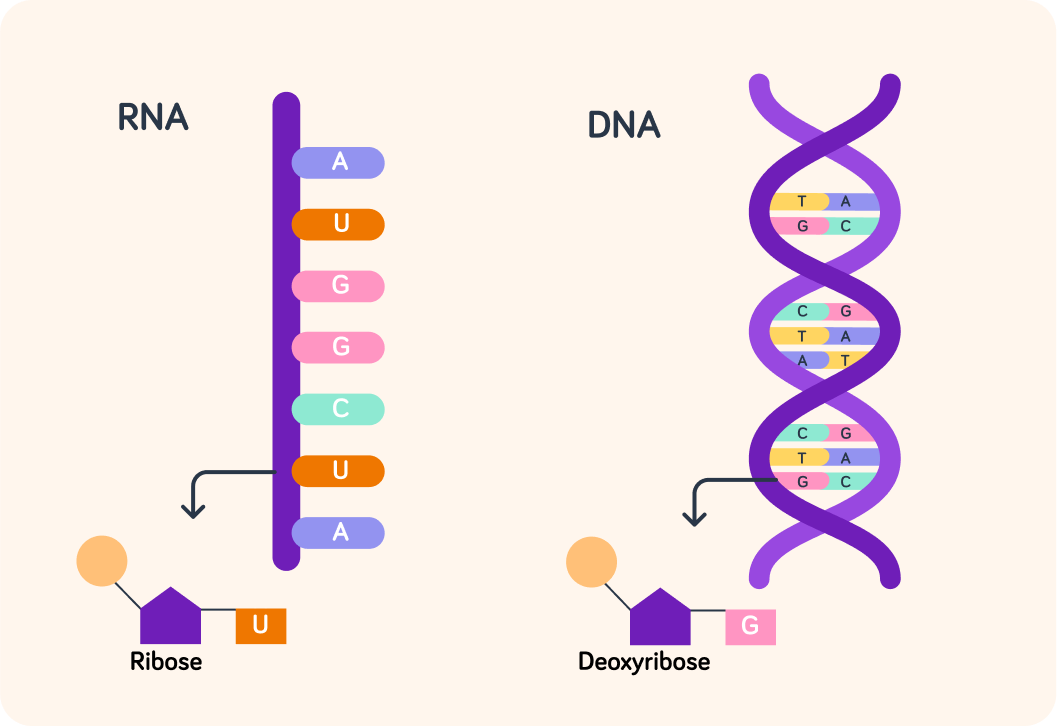
DNA pentose sugar name
deoxyribose

RNA pentose sugar name
Ribose


DNA nitrogenous base
Thymine


RNA nitrogenous base
Uracil


What are mRNA, tRNA and rRNA
The 3 main type of RNA that work together to build proteins in cells
mRNA function
acts as a short lived copy of the DNA base sequence to make protein
tRNA function
Carries amino acids which are assembled into a protein
rRNA function
Makes up part of the ribosome, which assembles the amino acids together to make a protein
DNA function
storage of genetic info
RNA function
gene expression (making proteins)
ATP function
energy currency
How can ATP release energy
hydrolysis
proteins monomer:
amino acids
4 types of amino acids
amino group (NH2), Central carbon, Carboxyl group (COOH), Side chain/Rgroup
R groups have different properties based on
the atoms present
R groups can be
nonpolar, polar or ionic
Protien strcuture
CHON(S)
Polar covalent bond
bond between the hydrogen and oxygen bond
hydrogen bond
bond between 2 polar molecules
Protein amino acids are linked together by
covalent bonds via dehydration synthesis
how many amino acids does a peptide have
2-50 amino acids
how many amino acids does a dipeptide have
2
how many amino acids does a tripeptide have
3
how many amino acids does a polypeptide have?
many
Primary protein structure
Unique sequence of amino acids in a polypeptide chain