mise en scene
 Call Kai
 Learn
Learn Practice Test
 Spaced Repetition
 Match
Match Flashcards
 Knowt Play
1/60

There's no tags or description
Looks like no tags are added yet.
Name | Mastery | Learn | Test | Matching | Spaced | Call with Kai | Chat |
|---|
No analytics yet
Send a link to your students to track their progress
61 Terms
Mise-en-Scene
french term meaning “placing on stage”, refers to everything that appears before the camera and is arranged to tell a story or build a mood
Backlighting
a lighting technique where a light source is placed behind a subject, facing the camera, so that the light shines from the rear rather than the front

Contrast
the difference in brightness, tone, or color between the lightest and darkest elements of a shot

Fill light
a secondary light source used to illuminate and soften the shadows created by the primary key light

Frontal lighting
a lighting set up where the primary light source is placed directly in front of the subject, near or on-axis with the camera

Hard lighting
a setup that uses a small, direct, and intense light source with minimal or no diffusion to cast crisp, well-defined shadows and create high contrast

High-key lighting
bright, even illumination used to significantly reduce contrast and minimize dark shadows

Key light
the primary and most intense light source in a cinematography or photography setup. It establishes the main direction of illumination, creates the primary shadows, and defines the overall mood, shape, and three-dimentional form of the subject

Low-key lighting
high contrast, deep shadows, and minimal fill light to make most of the frame dark while selectively illuminating specific parts of the subject

Side lighting
technique where the light source illuminates a subject from roughly a 45-degree to 90-degree angle relative to the camera

Soft lighting
a quality of light where the transition from light to shadow is gradual, smooth, and wrapped around the subject, resulting in soft, fuzzy shadow edges rather than sharp, distinct lines

Diffusion
the process of softening and scattering light, either by placing translucent material in front of a light source or by using a specialized filter on the camera lens
Three-point lighting
a standard cinematography method that illuminates a subject using three distinct light sources, the key light, fill light, and backlight, to control shadows and create a sense of depth

Top lighting
a lighting technique where the primary light source is positioned directly overhead, casting downward illumination and shadows onto a subject or scene


Underlighting
a cinematography technique where the light source is placed below the subject’s face or body, pointing upward
Deep space
A staging and composition style in which the action and visual information are arranged across multiple planes (foreground, middleground, background), creating a strong sense of depth. Often combined with deep focus so that all planes remain sharp.

Frontality
A staging approach in which characters or objects face directly toward the camera and the viewer, so the image has a flat, head-on, planar quality. It can feel confrontational, formal, or stylized, and it emphasizes the two-dimensionality of the screen.
Monochromatic color design
A color scheme in which the frame is dominated by a single hue, or by variations (tints, shades, tones) of that one hue. It creates a unified mood or visual theme and can make small color changes stand out.

Pro-filmic space
Everything that exists in front of the camera and is staged for filming, including the actors, sets, props, costumes, lighting, and the physical space itself. It is the real, physical space captured before it becomes a filmed image.
Onscreen space
The part of the filmed world that is visible within the borders of the frame at a given moment.
Offscreen space
The part of the film’s world that is not visible within the frame but is implied or suggested, such as areas beyond the frame’s edges, behind the set, behind the camera, or hidden behind objects. Sound, glances, and character movement often establish it.

Overlap
A depth cue in which one object partially blocks (covers) another, signaling to the viewer that the blocking object is closer to the camera. It creates the illusion of depth on a flat screen.

Shallow space
A composition in which the action is staged on only a few planes close together, limiting depth. It produces a flatter image and is often paired with shallow focus, where only one plane is sharp.

Size diminution
A depth cue in which objects or figures of the same real-world size appear progressively smaller as they get farther from the camera, helping to create the perception of depth and distance.

Set
The constructed or chosen environment in which the action takes place, including built structures, backdrops, and the physical surroundings of a scene. Sets can be built in a studio or be real locations used as sets.

Prop
Short for “property.” Any movable object in the setting that actors handle or that is part of the scene, such as a gun, telephone, or cup. Props can drive the plot or carry symbolic meaning.

On-location
Filming in real, existing places outside a studio (streets, homes, landscapes) rather than on constructed sets. It offers authenticity but gives filmmakers less control over conditions such as weather and lighting.

Studio
A controlled, enclosed facility where films are shot on constructed sets or soundstages. It gives filmmakers full control over lighting, sound, weather, and set design.

Costuming
The clothing, accessories, and makeup worn by characters on screen. Costuming helps communicate character, social status, time period, personality, and mood, and it can work with color and composition to guide the viewer’s eye.

Decor
The furnishings, objects, and ornamentation that decorate a set or location, such as furniture, wall coverings, and artwork. Decor helps establish time period, social class, character, and atmosphere.
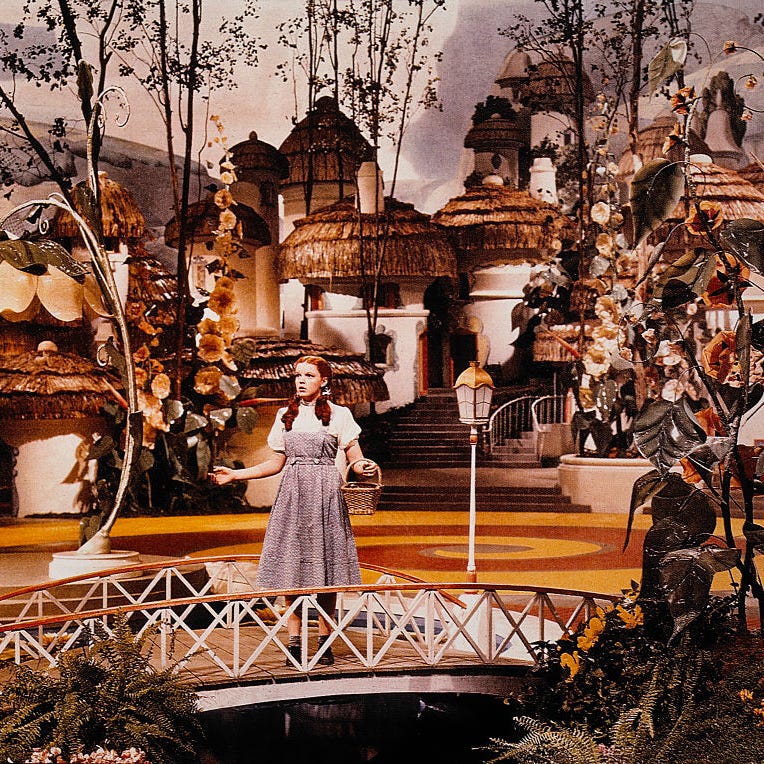
Blocking
the precise staging, positioning, and movement of actors in relation to each other, the set, and the camera. Borrowed from theater, it acts like the choreography of a dance, dictating where actors stand, when they move, and how those physical actions tell a story

ensemble acting
a performance style where a group of principal actors work collaboratively to tell a story, with roughly equal screen time and shared narrative weight rather than centering on a single main protagonist

expressionist acting style
a non-naturalistic performance method that externalizes a character's inner psychological trauma, madness, or intense emotional state rather than trying to mimic everyday human behavior

natural acting style
a performance style that portrays characters as real, everyday people rather than theatrical archetypes, using understated speech, body language, and emotions that mirror genuine human behavior

star system
the method used by major motion picture studios from the 1920s through the 1960s to create, promote, and exploit marketable movie stars rather than focusing purely on raw acting talent
studio system
the factory-like business model used by major Hollywood studios during the Golden Age (roughly the 1930s through the 1950s), where actors were treated as salaried, exclusive employees rather than freelance artists
style
varied methods and techniques actors use to portray characters on stage or screen
typage
refers to typecasting, where an actor becomes identified with a specific role or character type
method acting
an acting technique where performers build deep psychological and emotional connections to a character by drawing on their own personal memories, sensations, and life experiences instead of merely pretending or imitating external behaviors

abstract form
a type of experimental or avant-garde filmmaking that rejects traditional storytelling, characters, and linear plots, instead organizing shots around pure visual and auditory elements like color, shape, rhythm, and movement
adaptation
the transfer or transformation of an existing non-film source material—such as a novel, play, short story, comic book, video game, or non-fiction work—into a visual movie or screenplay

archetype
a universal, recognizable character type or pattern that represents fundamental human traits and roles

associational form
an organizational structure where shots, images, and sounds are juxtaposed (placed side by side) to suggest similarities, contrasts, concepts, emotions, or expressive qualities rather than telling a traditional linear story
auteur cinema
a style of filmmaking where the director acts as the primary "author" of a movie, imprinting a distinct personal vision, recurring themes, and a recognizable visual or narrative style across their entire body of work
categorical form
a non-narrative structural design where a documentary or experimental work organizes its content into distinct subgroups, types, or categories to help the audience understand a broader subject in an orderly way
closure
the resolution of a story's main plot elements and character arcs, leaving the audience with a sense of completion
didactic narrative
a story crafted primarily to teach a lesson, impart a moral, or deliver a political, philosophical, or social message
diegesis
the total fictional story world of a movie, including its characters, settings, events, and the rules or physics that govern it

documentary
a non-fiction motion picture that presents, shapes, and interprets real-life events, people, places, or social issues rather than fictional stories
genre
a category of films grouped together by shared similarities in narrative elements, themes, visual style, character types, and the emotional response they aim to create
narrative form
the cinematic system that chains a series of fictional or fictionalized events together through cause and effect to tell a story
omniscient narrator
an all-knowing, disembodied voice outside the story who sees and understands everything across time, space, and characters' inner thoughts
open form
a composition style where the screen acts as a temporary window into a larger, ongoing reality rather than a self-contained box

closed form
a self-contained, highly controlled visual style where all necessary narrative and emotional information is strictly contained within the bounds of the frame

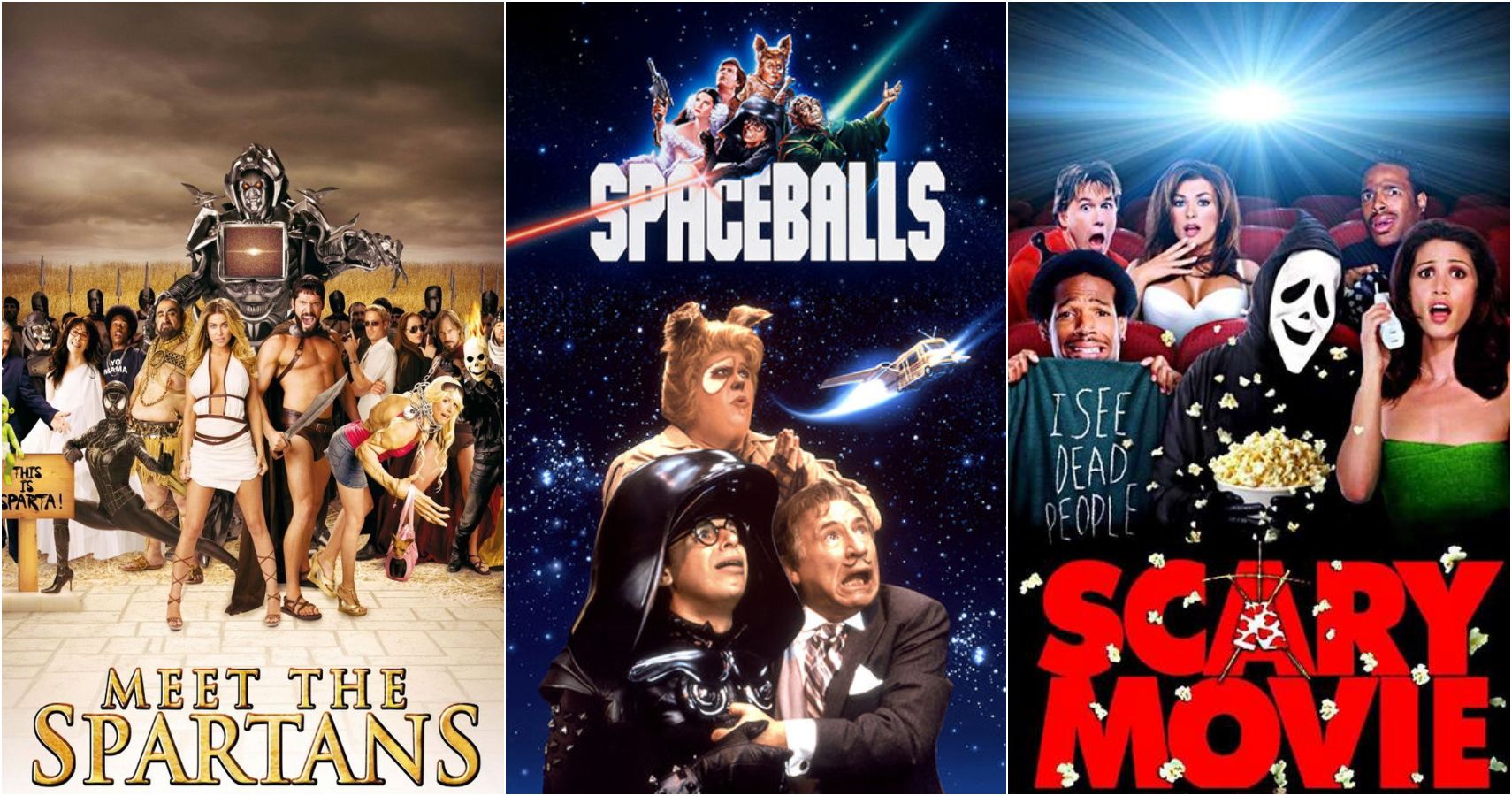
parody
a comedy that humorously imitates, exaggerates, and mocks specific films, genres, or cultural tropes
rhetorical form
a non-narrative film structure where the primary goal is to persuade the audience to adopt a specific opinion, belief, or action regarding a real-world issue or topic
rhythm
the cadence, timing, and flow with which scenes and sequences unfold, acting like a musical beat or heartbeat that guides the audience's emotional and psychological engagement
satire
a film that uses humor, irony, exaggeration, and ridicule to critique human behavior, social norms, politics, or powerful institutions

story
the broader, chronological series of events and the emotional or thematic journey of the characters
plot
is the specific structural arrangement, cause-and-effect sequence, and selection of events actually shown on screen