Founding Documents of American Government Vocabulary
 Call Kai
 Learn
Learn Practice Test
 Spaced Repetition
 Match
Match Flashcards
1/20

There's no tags or description
Looks like no tags are added yet.
21 Terms
affirm
State as a fact; assert strongly and publicly
charter
Government document granting land and authority to set up a colony
confederation
A group of individuals or state governments
Popular Soverignty / consent of the governed
Citizens give authority to the government in exchange for the protection of their rights
constitution
A written plan of government
Republicanism
the belief that people and their leaders must follow the Constitution
grievance
A complaint or protest due to unfair treatment
independence
Freedom from the control of others
limited government
Government is not all-powerful; it may only do those things people have given it the power to do
representative government
People elect public officeholders to make laws and conduct government on the people's behalf
reside
To be given as a power or right
rule of law
Everyone, including government officials must follow the law
statute
A law written by a legislative branch
unalienable rights
Freedoms that everyone is born with and cannot be taken away
principle
Truth or proposition that serves as the foundation for a system of belief or behavior
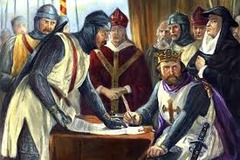
Magna Carta
Great Charter. The first time limits were placed on a King (rule of law). Included Due Process and Jury trials
Charters of Virginia Company of London
Gave colonists the same rights as a person born in England

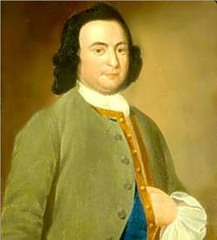
Document: Virginia Declaration of Rights
Writen by George Mason. This became the basis for the Bill of Rights. It guarenteed human rights.
Document: Virginia Statute of Religious Freedom
This statute gave Virginians religious freedom. Became the basis for your 1st Amendment rights.
Document: Articles of Confederation
America's first written constitution; served as the basis for America's national government until 1789

Common Law
a system of creating laws based on court decisions (precedent) and customs rather than laws written by a legislature