CMN131 Midterm #2
 Call Kai
 Learn
 Practice Test
 Spaced Repetition
 Match
 Flashcards
 Knowt Play
1/258

There's no tags or description
Looks like no tags are added yet.
259 Terms
awareness campaigns
requires coordination, timing and logistics, and planning and strategic roll-out of a range of PR, marketing, and advertising tactics; goals, objectives, strategies, and tactics align
SPAR
study, plan, act, and report
study
follow guidelines of situation analysis and research client, industry, and audience
plan
proposal
act
execute campaign through steps outlined in the proposal
report
maintain contact with client throughout the process, compare the results with expectations, and possibly revise your recommendations as you move forward in the relationship with the client
components of a proposal
title, table of contents, executive summary, situation analysis, goal & objectives, audience, strategy, tactics, calendar/timetable, budget, evaluation, conclusion, references, appendix
pr proposal
well-researched description of where a client is at and where the client could be by implementing a specific pr campaign
executive summary
1-2 page document that summarizes the proposal
goal
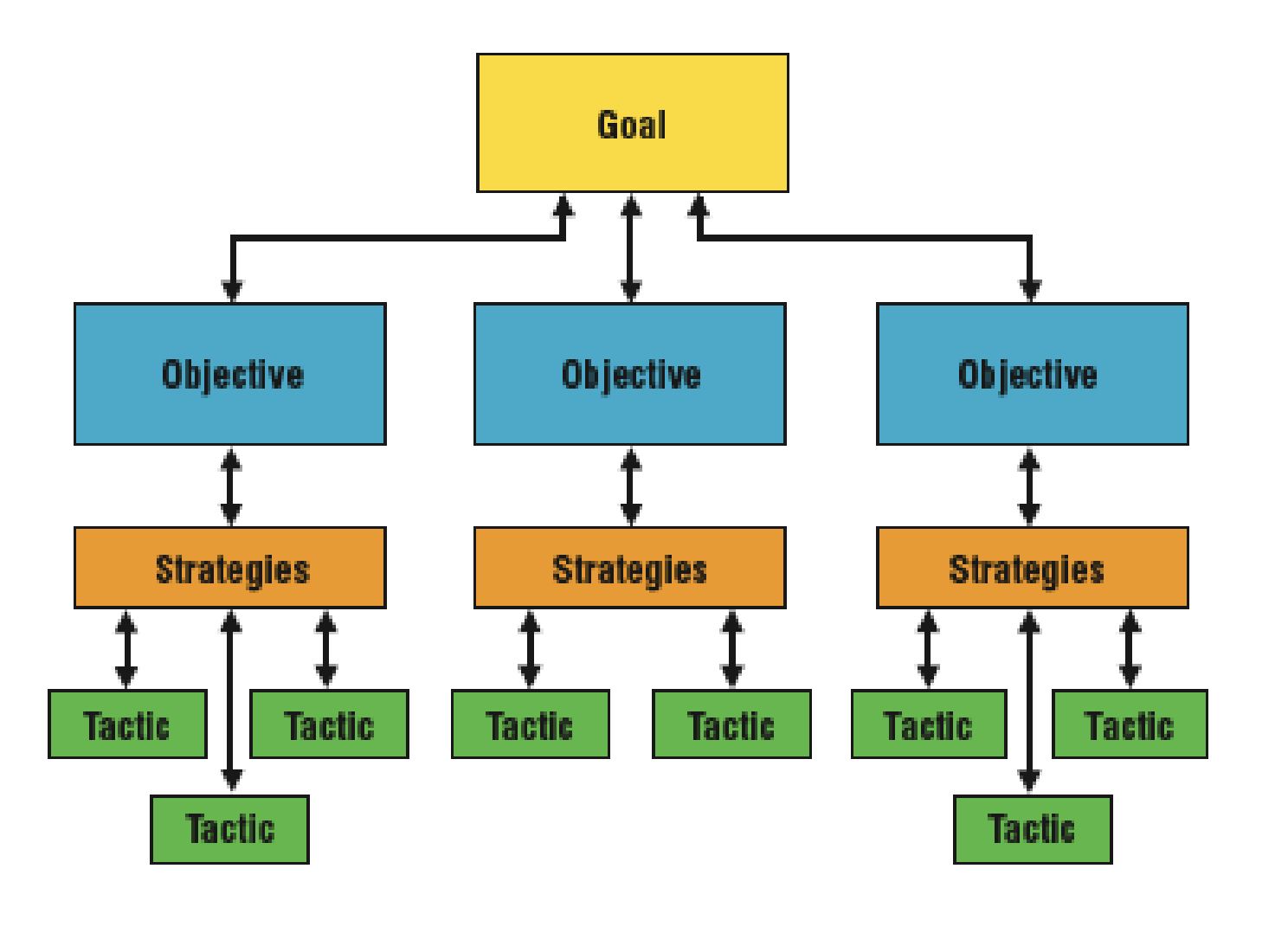
fuzzy idea of what you’d like to accomplish; a generalized statement of the outcome we want a public relations plan to achieve (i.e., to establish our new bookstore as a popular gathering place for members of the Davis community)
objectives
specific milestones that measure progress toward achievement of a goal; numbered statements of specific results that will lead to the achievement of the goals (i.e., host a bookstore opening with 100 guests in attendance by July 15, 2027)
SMART
specific, measurable, attainable, relevant, and timebound
specific
clear and unambiguous
measurable
quantifiable so that everyone may agree to what “success” looks like
attainable
realistic given the situation analysis
relevant
it concerns a core problem that needs to be resolved
time-bound
includes deadlines
audience
define specific subsets of the general public with whom you want to connect with; useful information: their sources of knowledge and attitudes, how they acquire and process information, whether (and how) influencers affect an audience segment, the messages that resonate with the audience segment, their desires, ambitions, and higher-order motivations
strategy
a clear statement of how you’ll achieve the objectives
tactics
the means by which a strategy is executed; the nuts-and-bolts of the plan, describe the specific activities that put each strategy into operation and help to achieve the stated objectives, most visible part of any plan, involves using various methods to reach target audiences with key messages; owned media, promotions, media relations, digital and social media, events, and outdoor advertising
continuity
steady stream of messaging over a period of time
bursting
when messaging comes through in waves
pulsing
blend of continuity and bursting
rpie cycle
research → planning → implementation → evaluation
planning
strategic and systematic, involves coordination of multiple methods, acts as a “road map” for client, provides direction and rationale
ad hoc planning
a one-time, single-purpose plan
standing planning
long-term on-going plans
contingency
“what if” plans designed to address a variety of possibilities
elements of a program plan
background research and situation analysis, goals, objectives, key publics, key messages, strategy, tactics, calendar/timetable, budget, measurement/evaluation
research
client, stakeholder (key publics), issue/situation → situation analysis
situation analysis
statement of current situation and description of the challenge or opportunity based on research
key publics/audience
who programs should be directed toward, many programs have multiple, describe with detailed information (demographic and psychographic profile, motivating self-interests, status of current relationship with the organization and issue)
key messages
identify what campaign wants to get across to target audiences and the media, public-specific, can have primary and secondary
strategy
provides guidelines and concept for the overall program, provides rationale for the actions and program components that are planned, helps you move from specific objectives to specific recommended action (i.e., pursue earned media in local outlets that showcases the new bookstore)
example of strategy and tactics
objective: “launch a UCD virtual book-club with 100 members by January 15, 2027”
strategy: “cultivate relationships with UCD clubs and influencers on social media”
tactic 1: start instagram account
tactic 2: find and follow other UCD clubs
tactic 3: post 1-3x day of instagram
the written plan
evaluation
ties back to campaign objectives, consists of different metrics that provide data related to outputs, outcomes, and impact, summative metrics must be identified up front; The systematic assessment of a program and its results; Provides a look backward at performance and what can be learned to move forward
owned media
messages that the organization controls
newsletter
a regular publication by an organization that combines elements of journalism with more direct personal communication; association (e.g. trade), community group (e.g. boys & girls club), institutional (e.g. employee), publicity (e.g. politicians, fan clubs), special-interest (e.g. lobbying groups), self-interest or “digest” newsletters (designed to make a profit)
annual report
organizational news for the calendar year, measure benchmarks, highlight achievements, and drive donations
flyers and brochures
1-page vs. separate panels; stand-alone publications produced by an organization that are typically handed out at events or mailed to a list
direct mail
outdated, expensive, not environmentally friendly, effective
promotion
any “event, activity, or message” that motivates someone purchase a product or service based on something other than the benefits, physical characteristics, or perceived image of a brand (coupons, sampling, premiums, loyalty programs, sweepstakes, contests, BOGO, extra amounts, brand demonstrations, cash back, shared programs, logo merchandise)
news release
messaging out through a respected third party; created by ivy lee in 1906; primary purpose is the dissemination of information to mass media such as newspapers, broadcast stations, and magazines; media rely on it for two reasons: reporters and editors spend most of their time processing information, not gathering it; no media enterprise has enough staff to cover every single event in the community
story pitch
newsworthy, concise, compelling
layout
used in magazines, newspapers, posters, signs, websites, and printed materials, positions images alongside text to provide a full story about a product
storyboards
used in TV ads, short videos, and some social media posts, instructional drawings that help to visualize the proposed finished product
scripts
used in radio ads, podcasts, and streaming audio, single page, organized in two columns, with the left column describing individuals involved in the ad, the right column featuring the spoken words
digital and social media
social media, brand websites, email marketing, apps, and digital ads
anticipation
marketing materials should build excitement and set expectations
arrival
ensure attendees get there smoothly and safely
atmosphere
consider the venue, and how to optimize the space provided
appetite
offer food and drinks appropriate for the occasion that fit within your budget
activity
create a progressive experience, with a strong start and finish
out-of-home marketing (outdoor advertising)
advertising placed in prominent public spaces (billboards, bus benches and shelters, gas stations and convenience stores, hotels, airports, movie theaters, shopping malls, sports venues, taxis and ride-share services, vehicle wraps)
media relations
have power and reach, can damage an organization, important intervening public but not as important as they once were
the role of mass nedia
shape how people understand and respond to issues, individuals, organizations, and brands; media theories can help practitioners understand how media exposure may influence audience members
framing
communicating an idea in such a way that the audience is influenced by the way it is expressed (what aspect or perspective are you emphasizing)
agenda setting
the idea that the news media set the political agenda by the stories they cover and the order they cover them in
uses of persuasion
change or neutralize hostile opinions, crystalize latent opinions and positive attitudes, conserve favorable opinions
elaboration likelihood model (elm)
petty and cacioppo, 1986; dual processing model of persuasion: central route, peripheral route, parallel processing
cialdini’s 6 principles of persuasion
liking/similarity, authority, social proof, reciprocity, consistency, scarcity
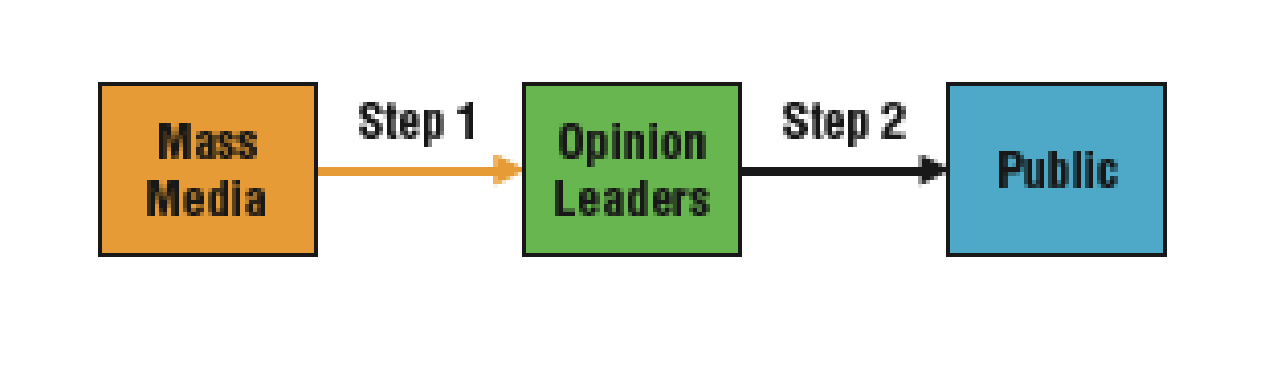
two-step flow of communication
opinion leaders
serve as catalysts for the formation of public opinion; sociologists describe them as: highly interested in a subject or issue, better informed on an issue than average, avid consumers of mass media, early adopters of new ideas, good organizers who can get other people to take action
types of leaders
formal leadership positions, informal opinion leaders (e.g., celebrities)
mcguire’s hierarchy of effects (marketing funnel)

channels
different media can be used for diverse public relations purposes; television, newspaper, radio
controlled media
channels over which practitioners exercise control of content, timing and placement
uncontrolled media
someone else exercises control of content, timing, and placement
television tactics
video news release, b-roll footage, televisions PSAs satellite media tours, guest appearances, issues placement
radio tactics
audio (radio) news release; example: written for the ear, concise and to the point, conversational writing style, radio public service announcements, radio media tours
triple crown of public relations
pitching, news releases, and feature articles
pitching
“the default approach of business, even for smaller projects.”; goal is to “get in and get out as quickly as you can with the result you want.”
best practices
before the pitch: put in the work; read, keep up with relevant articles, blogs, and trade publications, baseline understanding of industry, invest in relationships
during the pitch: personalize the approach; concise and precise
after the pitch: follow up appropriately
virtual pitching
email, avoid all-caps, subject line is headline in news release, 15-25% open rate is good, opening line should be compelling (personalize, original, concise), provide additional details saying why proposal is a good fit, next steps, thank them, 200 words or less
in-person pitching
connect with target audience before, duration varies, consider word choice (vivid imagery) and body language (stand upright, have torso facing the person, eye contact, talk as if to a single person), avoid verbal tailgating (slow down)
using your voice
pause, pitch, pace, projection, personality
pitching prospective clients and partners
demonstrate expertise would be good fit for communication need (sell team, common vision of what a client is, and can be, responsive to needs), portfolio helps, ask: what’s my point? how will i illustrate it? what are the first five words out of my mouth?, consider fit between individual and brand
pitching members of the media
develop good relationship with media, understand journalist’s day, stories their interested in, how you can bring value, pitch via email before 11am, respect no for an answer
company story
x company is the y for z
company news
x company launches y
trend piece
something going viral on social media, see how client fits in
academic discipline writing
APA and MLA (in-text citations), Chicago (footnotes)
public-facing writing
AP style (media writing, Associated Press Stylebook)
news release
a publication-ready article written by an organization that is sent to specific members of the media; written in AP style
zitron’s rules for news release
don’t make it longer than 400 words, don’t try to be funny, proofread it at least twice, target the right media, have something of value to share
announcements
news and upcoming events
feature stories
combine information and entertainment
reactions
to a situation or a local perspective on a broader trend or topic
op-ed
opinion-editorial columns
anatomy of a news release
header
letterhead
a) news release
b) FOR IMMEDIATE RELEASE
c) date
FOR MORE INFORMATION
headline & body
a) headline
b) dateline
lead sentence and paragraph
content
quotes
direct, indirect, partial
final formatting
body single-spaced, with line breaks, and no indents
inverted pyramid
start with most important information, expand on it, and then arrange the rest of the story in ascending importance
boilerplate
about us, same for each one
email news releases
subject line is brief headline, body left-adjusted and single-spaced, FOR IMMEDIATE RELEASE, date of the release, line break, headline, story, boilerplate, for more information
related items to news release
media kit, fact sheet, media alert, backgrounder, story pitches
block format
left-adjusted and single-spaced, with double spaces between paragraphs
speechwriting
consider goal, purpose, and the audience, 20 minutes or less, wrie with voice in mind, situations vary, double- or triple-space the document using a large serif typeface
six c’s of effective writing for social media
content, community, culture, conversation, creativity, connection
writing styles for social media
professional, snarky and spunky, product- and brand-focused, audience-focused, inspirational, conversational, witty, educational, personality focused
AI prompt engineering
role and goal
step-by-step instructions
expertise
personalization: guide vs. working through questions