id 4741 exam 2
 Call Kai
 Learn
 Practice Test
 Spaced Repetition
 Match
 Flashcards
 Knowt Play
1/285

Earn XP
286 Terms
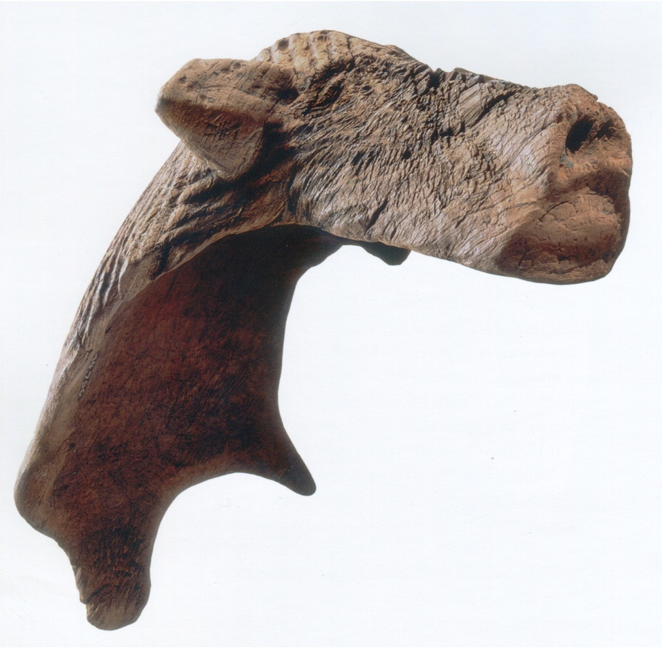
Zoomorphic Figure, Angola, 750 to 850 C.E. (C 14), wood (Pterocarpus angolensis) and pigment (Tervuren, Royal Museum for Central Africa, inv. PO.0.0.14796)

Mask, Kota-Mahongwe, Gabon or Republic of the Congo, 19th century , wood and pigment (Geneva, Musée Barbier-Müller, inv. 1021-33)

Picasso’s Demoiselles d’Avignon, 1907, oil on canvas (New York, MoMA)

Jean Nouvel (architect), Quai Branly Museum, Paris, opened 2006.
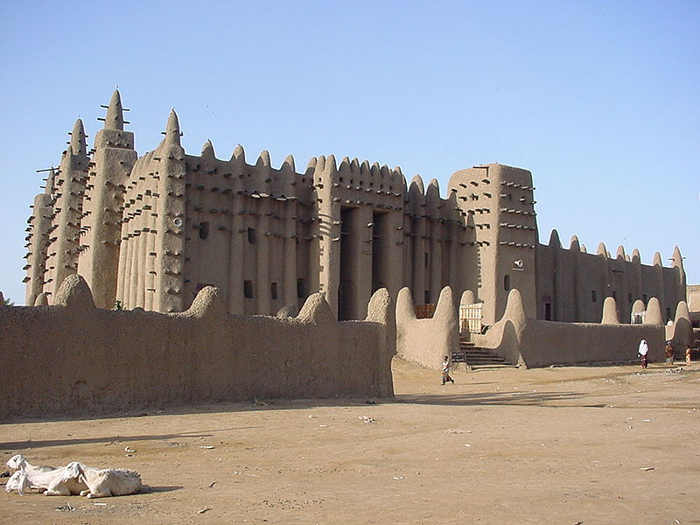
Great Mosque, Jenne, Mali, founded 13th century, rebuilt 1907, adobe architecture

Plan of Jenne ca. 1900 (after Monteil, 1903)

The first mosque in ruins (postcard no. 413 by E. Fortier, 1906)

Reconstruction of the first mosque by Félix Dubois (after Dubois, 1896)

Photograph of the second mosque in 1894 (after Dubois, 1897)
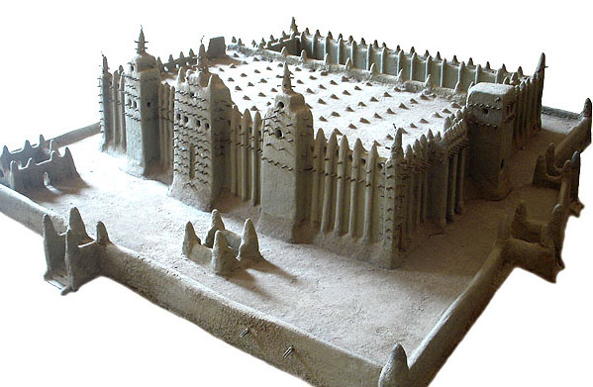
Main entrance architectural model of the Grand Mosque
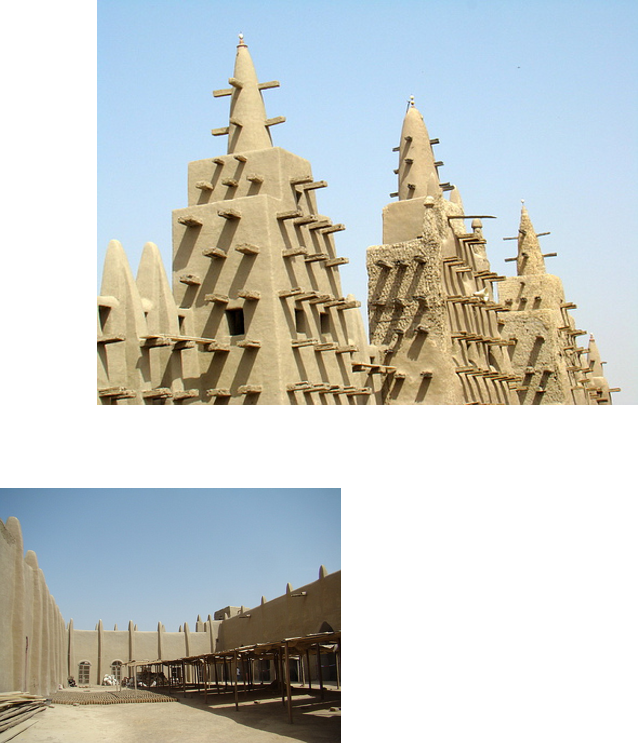
Main façade with three minaret towers functions also as qibla, or prayer wall facing east, towards Mecca and the Courtyard

Side entrances of the Big Mosque in Jenne, Mali

Façade of an adobe house in Toucouleur style, Jenne, Mali, after 16th century

Schematic Rendering of a Toucouleur-style house
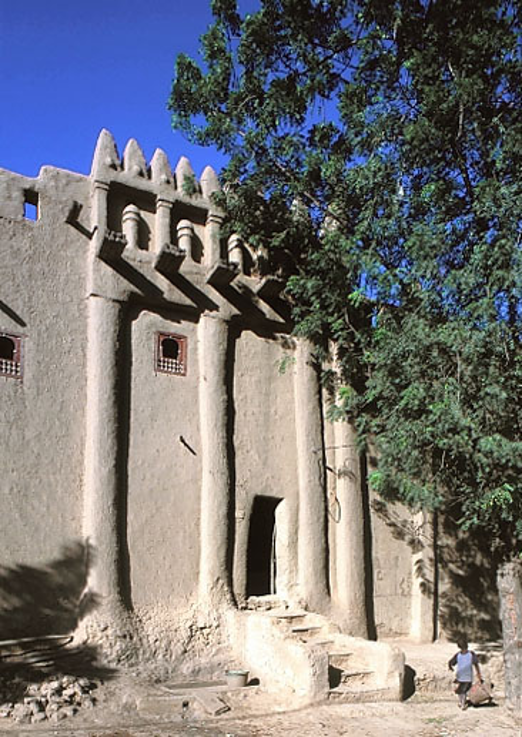
Façade of an adobe house in Moroccan style, Jenne, Mali, after 16th century

Dogon village of Songo, with mud mosque, located on the plateau
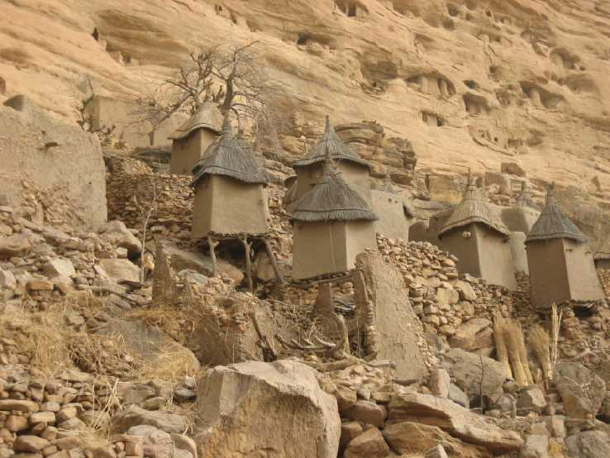
Typical Dogon village nestled in Bandiagara Escarpment

Tellem Granaries, Bandiagara Escarpment, before 1500

Example of a Togu na (Men’s Meeting House; lit. “house of words”), symbolizing male and female forms

House of a Binu containing statues

A Dogon priest, Binu, with his staff; Binu also refers to ancestors

Togu na at Dogon village of Kani Kombole

Togu na Post, Dogon, Mali, 17th century, wood, pigment (Turin, private collection)

Granary Door with Symbolic Representation of Ancestral Lineage, Dogon, Mali, 20th century (?), cailcedrat wood (Paris, private collection)

Dogon Granary, Bandiagara Plateau, Mali

Granary Door, Mopti Region, Toupété Village, Bandiagara Escarpment, Mali, before 1905 (Desplagnes Exped.), wood, iron (Paris, Musée du Quai Branly, inv. 71.1906.3.32)

Hermaphrodite Statue with Raised Arms, Djennenké, Tanga, Mali, 10th century (C 14), wood (Paris, Musée du Quai Branly, inv. 70.2004.12.1)
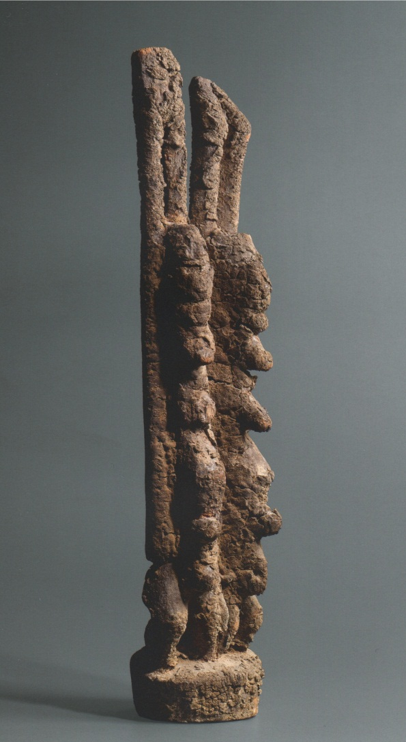
Two Figures with Raised Arms, Tellem, Southern Escarment, Bandiagara, 15th century, wood with crusty patina (Paris, private coll.)

Running Mask Gunye Ge, Dan, Ivory Coast, 20th century, wood, dark brown patina, aluminum rings, fiber (ex-Vérité)
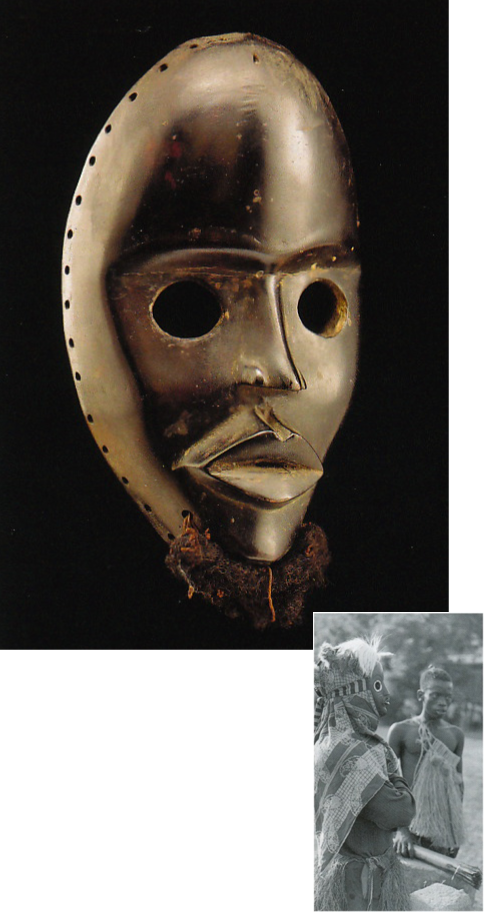
Running Mask Gunye Ge, Dan, Ivory Coast, 20th century, wood, dark brown patina, fiber (ex-Vérité)

Mask Deangle, Dan, Ivory Coast, 20th century, wood with borwn patina, cloth, caurie shells, bells, glass beads, metal (ex-Vérité)

Mask Tankagle, Dan, Ivory Coast, 20th century, wood with black patina, fiber (ex-Georges Vidal, Cannes/Paris)

Elmina “castle” built of Portuguese foundations dating to 1482 (photo: 1979)

Great court of the Asantehene’s palace in Kumase (photo: 1896; Basel Mission Archive, inv. D-30.18.047)

The late Asantehene Otumfuo Ware II seated next to the (reconstructed) “Golden Stool Born on Friday,” Sika Dwa Kofi, early 18th century, wood and gold leaf (Photo: 1995)

Golden Elephant Stool of Akuapem (photo: 1972)

Silver Stool of Mampon, Asante, wood and silver (photo: 1976)

State Stool of Kokofu, Asante, wood and silver (photo: 1976)

Asipim Chair, Fante, wood and metal tacks (photo: 1975)

Sword Ornament of a Crocodile with a Mudfish, Kumawu, Asante, ca. 1930, gold (ex-Glassell coll., TX; MFA Houston, inv. 2002.219)
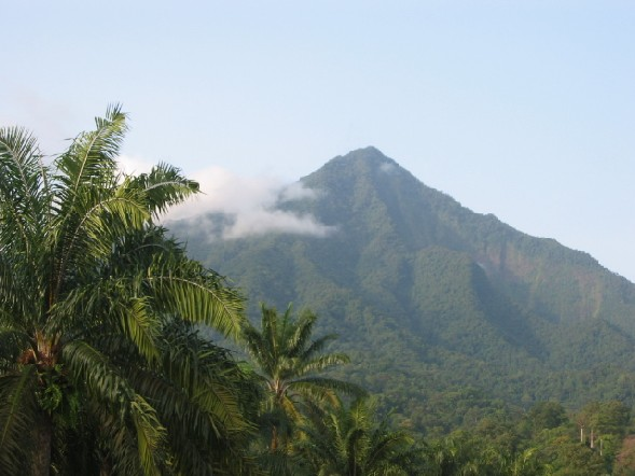
Mt. Cameroon, the highest mountain in western Africa (4095 m)

Interior Courtyard of the Palace at Foumban, Bamum, Cameroon Grassland, Cameroon, with reception area and carved pillars (photo: 1907)

Door Frame, Baham, Cameroon Grasslands, Cameroon, 19th century, wood (Staatliches Museum für Völkerkunde, Berlin, inv. III C 21052 a-c)
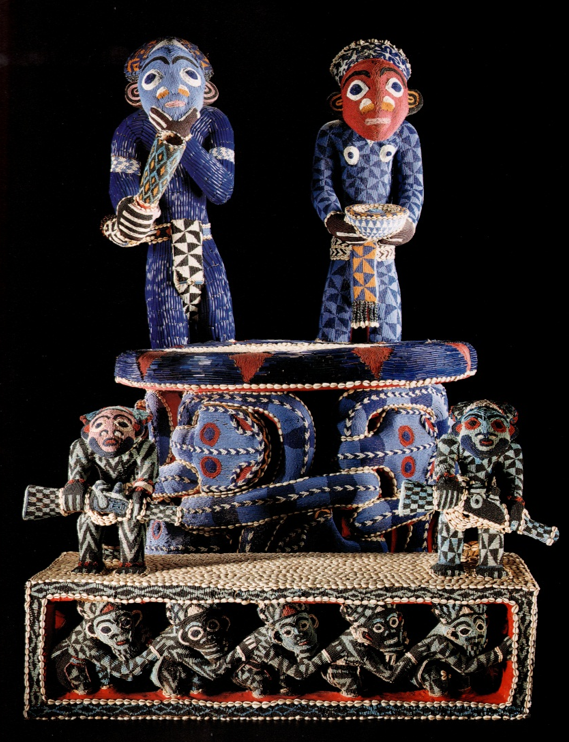
Mandu Yenu (Royal Throne) and Footstool of Nsangu, King of Bamum, Cameroon Grassland, Cameroon, ca. 1870, wood textile, glass beads, cowrie shells (Staatliches Museum für Völkerkunde, Berlin, inv. III C33341 a-b)

King Nioya seated on the footstool of his father Nsangu’s thone (photograph: 1902, the earliest known photographic record of the objects)

Royal Stool, Cameroon Grassland, Cameroon, 19th century, wood and glass beads (Staatliches Museum für Völkerkunde, Berlin, inv. III C19141)

Large Stool, Babanki, Cameroon Grasslands, Cameroon, 20th century, wood and brown patina (private coll.)

Attributed to Yu, King of Kom, Male and Female Royal Figure, Kom, Cameroon Grassland, Cameroon, 19th century, wood and copper (Staatliches Museum für Völkerkunde, Berlin, inv. III C20681-2)

King Jinaboh II at his enthronement with the Afo-a-Kom (“Thing of Kom”; middle figure, flanked by Yu’s wife, left, and queen mother, right) and subsidiary portrait figures attributed to Yu, King of Kom, Kom, Cameroon Grassland, Cameroon (photo: 1976)

A Ngil Great Initiate leaning against a huge recumbent earth figure in the secret enclosure, (Photograph after Günter Tessmann, Die Pangwe, 1913, 2:85, fig. 29)

Günter Tessmann at his camp in Nkolentangan (Photo: ca. 1904-1907)

Male Byeri Statuette mounted on ossuary, Fang-Betsi, Ogooué Region, Gabon, before 1927, wood with dark brown patina, brass, bark (Musée d’Ethnographie, Geneva, inv. 15232; collected by Pastor Grébert during conversion of Betsi chief; one of the few complete Byeri and one that is moreover fully documented)

Female Byeri Figure, Fang (Okak or Fang-Fang sub-group), S. Cameroon/ N. Equatorial Guinea/ N. Gabon, 19th/20th century, wood with a blackish patina, metal (MET, NY, inv. 1978.412.441)

Ngil Mask, Fang-Ntumu, N. Gabon, 19th century, light wood and kaolin (ex-Vérité)

Reliquary Figure Mbulu-Ngulu, Kota-Mahongwe, Gabon, 19th/20th century, wood and brass (ex-Vérité)

Reliquary Figure Mbulu-Ngulu, Kota-Obamba, village of Likouadiba (between Lastoursville and Okandja), Gabon, before 1922, wood, brass, copper (Musée Dapper, Paris, inv. 3046)

Three Reliquary Figure Mbulu-Ngulu, Kota-Obamba, Gabon, 19th/20th century, wood, brass, copper, iron (all ex-Vérité)
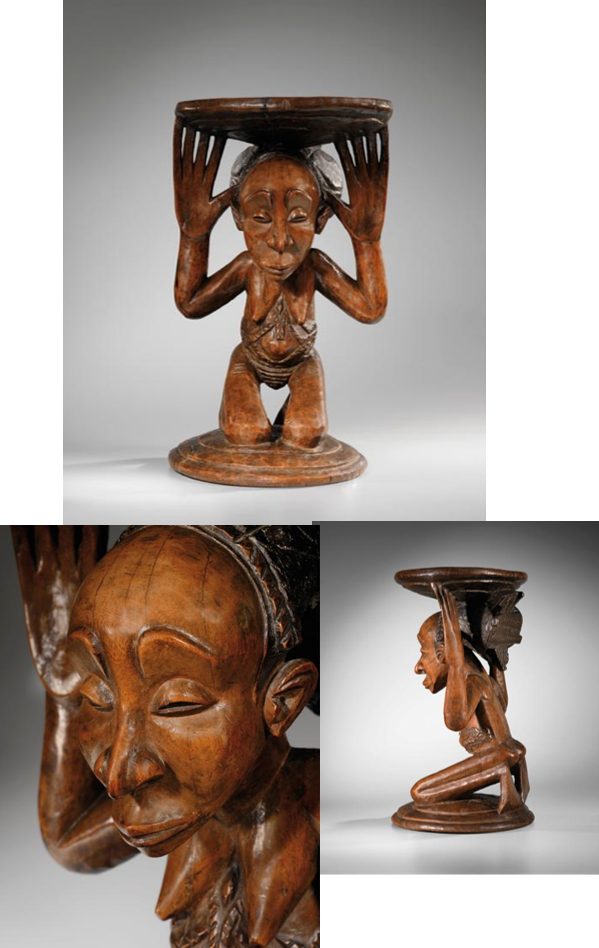
Attributed to “Master of Buli,” Luba Caryatid Stool, R.D. Congo, before 1896, wood and pigment (ex-coll. Harry Bombeeck, collected between 1896 and 1899; brought to Belgium in 1899)

Chibinda Ilunga Figure, Chokwe, Angola, before 1878, wood, cotton textile, hair, plant fiber (Berlin, Ethnologisches Museum, Staatliche Museen zu Berlin, inv. III C 1255)

Chief’s Chair, Chokwe, Angola or D. R. Congo, 19th/20th century, wood, leather, tacks (Kulturhistorisk Museum, University Oslo, inv. 19.289)

Palazzo Pubblico, Siena, 1288-1309
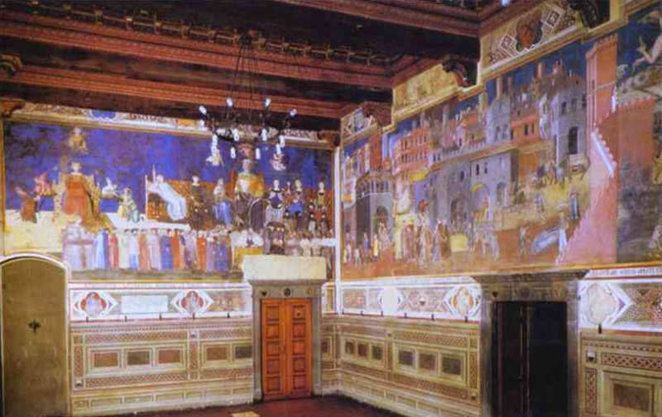
Ambrogio Lorenzetti, Peaceful City, from Effects of Good Government in the City and in the Country, Sala della Pace, Palazzo, Pubblicco, Siena, 1338-1339, fresco

Ambrogio Lorenzetti, Peaceful Country, from Effects of Good Government in the City and in the Country, Sala della Pace, Palazzo, Pubblico, Siena, 1338-1339, fresco

Palazzo Davanzati, Florence, late 14th century

Palazzo Davanzati, Florence, late 14th century

Pedro Berruguete, Frederico III da Montefeltro and His son Guidobaldo, ca. 1474, tempera on panel

Attr. to Jacopo de’Barbari, Portrait of Luca Pacioli with a Pupil (Guidobaldo da Montefeltro?), ca. 1496, oil on panel

Luciano Laurana and Ambrogio Barocci, Ducal Palace of Urbino (façade and courtyard), ca. 1444-82

Studiolo of Frederico III da Montefeltro, Ducal Palace, Urbino, 1476, wooden intarsia panels (MET, NY)
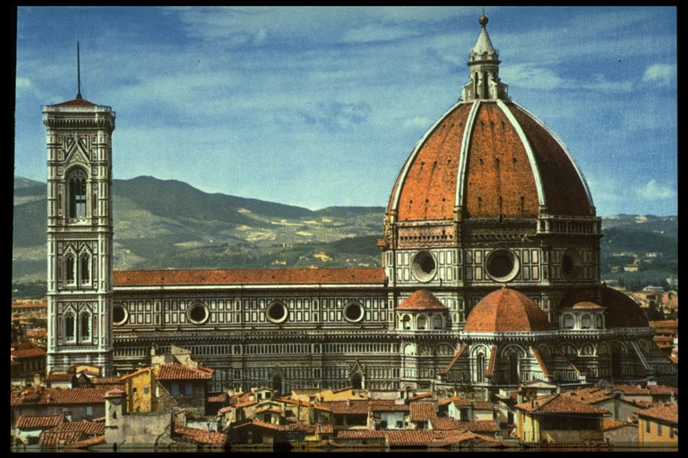
Begun by Arnolfo di Cambio, Florence Cathedral, View from the South, Florence, 1296

Fillippo Brunelleschi, Dome of Florence Cathedral, South View, Florence, 1420-1436

Fillippo Brunelleschi, Pazzi Chapel, Santa Croce, Florence, begun c. 1440

Luca della Robbia, Madonna and Child, Or San Michele, Florence, c. 1455-1460, Terracotta with polychrome glaze
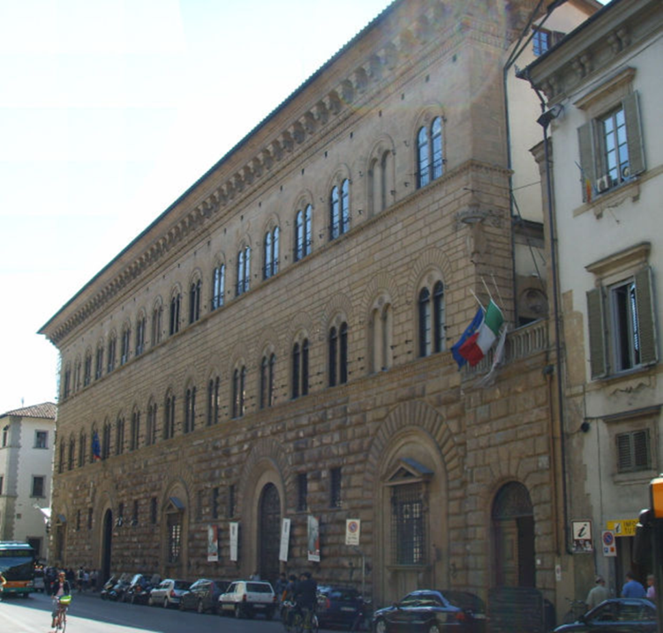
Michelozzo di Bartolommeo, Palazzo Medici-Riccardi, Florence, begun 1445

Courtyard of Palazzo Medici
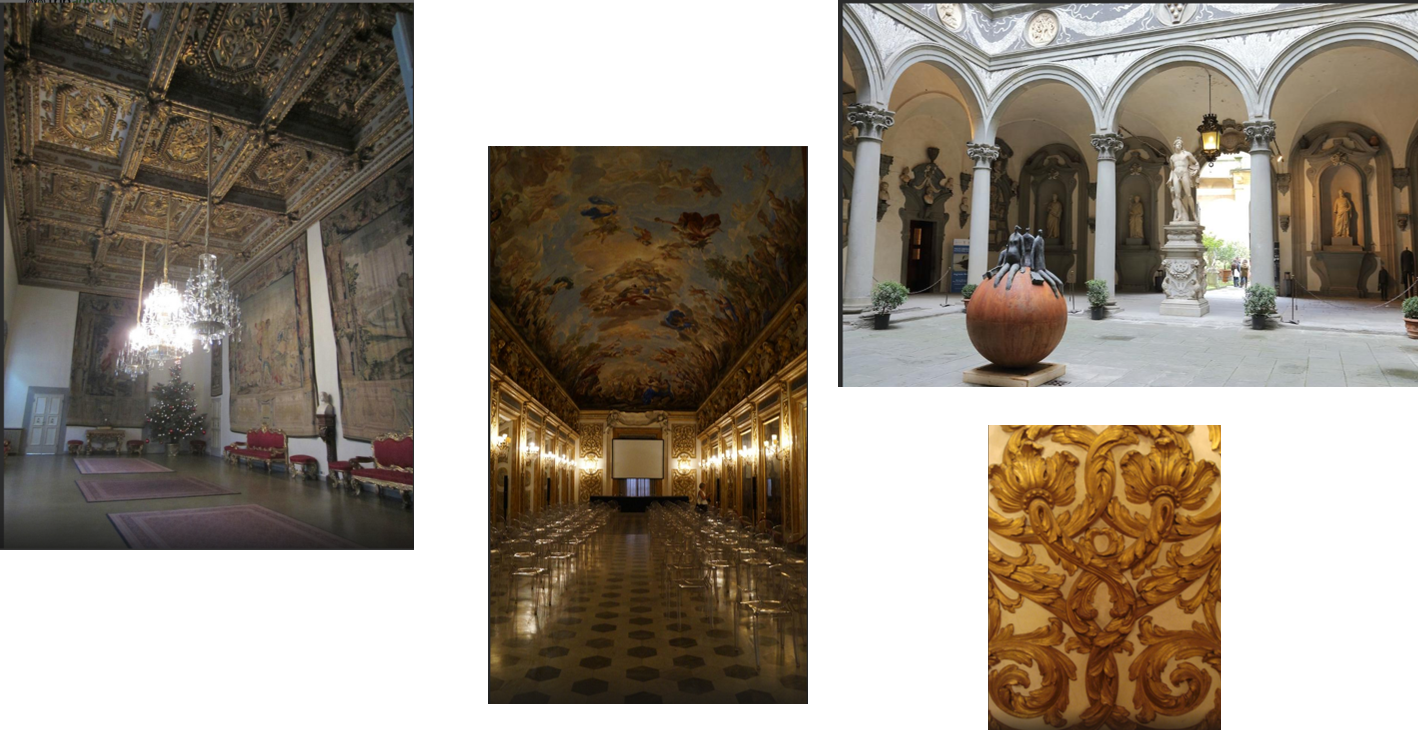
Interior Views of the Medici Palace in Florence

Leon Battista Alberti, Palazzo Rucellai, Florence, c. 1452-1470

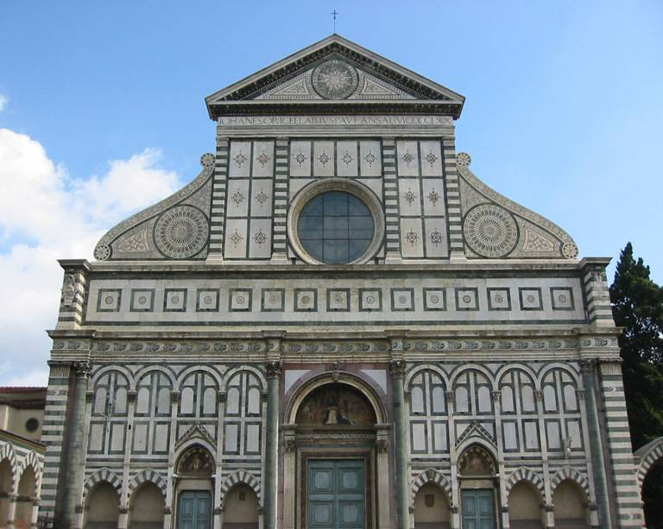
Leon Battista Alberti, West Façade of Santa Maria Novella, Florence, c. 1458-1470

Bramante, Ground Plan for New St. Peter’s, Vatican, Rome, 1505; Medal with Bramante’s design


Bramante, Tempietto, San Pietro in Montorio, Rome, c. 1502

Michelangelo Buonarroti, Ceiling of the Sistine Chapel, Vatican, Rome,1508-1512, fresco

Michelangelo: Sistine Chapel, Creation of Adam

Michelangelo: Sistine Chapel Fall from Sin

Michelangelo Buonarroti, Last Judgment, Altar wall of the Sistine Chapel, Vatican, Rome, 1534-1541, Fresco

Antonio da Sangallo, Farnese Palace, Rome, c. 1530-1546

Interiors of the Farnese Palace
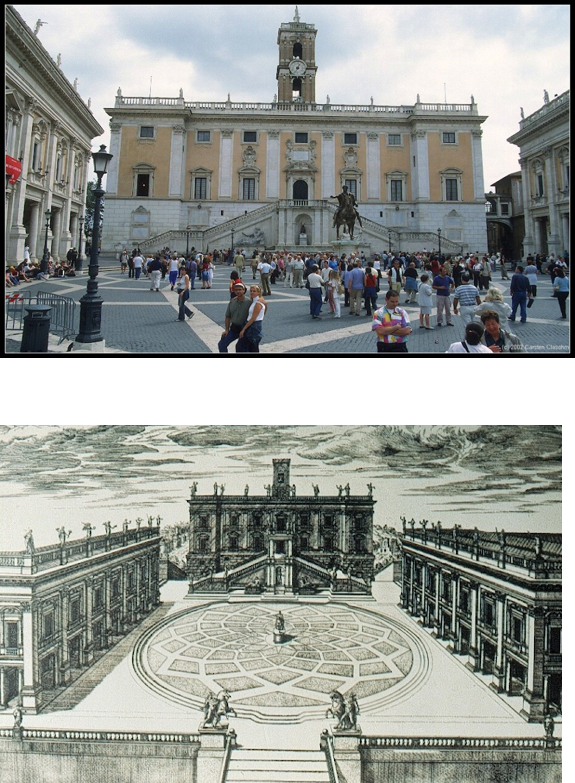
Michelangelo Buonarroti, Design of Capitoline Hill (Campidoglio), Rome, c. 1537
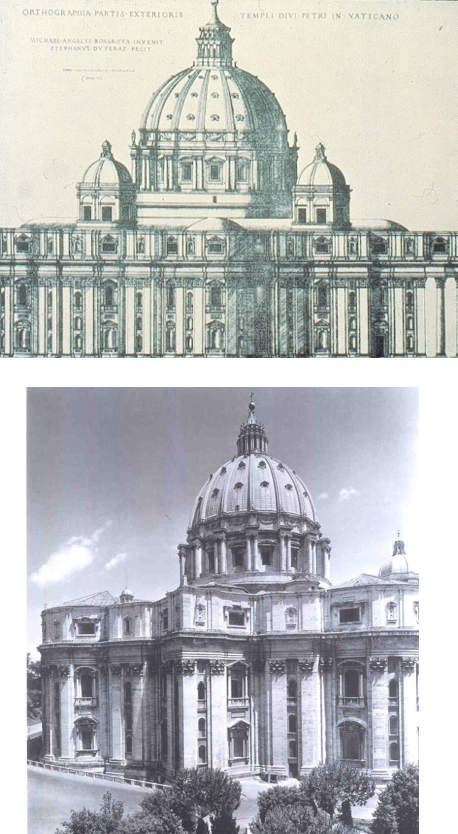
Michelangelo Buonarroti, Saint Peter’s, Vatican, Rome, 1546-1564
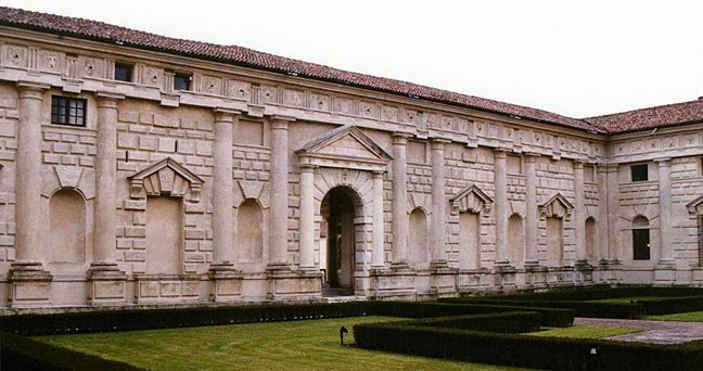
Giulio Romano, Palazzo del Tè (interior courtyard), Mantua, 1525-1535

Giulio Romano, Fall of the Giants, Palazzodel Tè, Mantua, 1524-1536, fresco

Sgabello Chair, 16th century, Italy

Savonarola Chair, 16th century, Italy

Dante Chair, 16th century, Italy

Sedia, 16th century, Italy
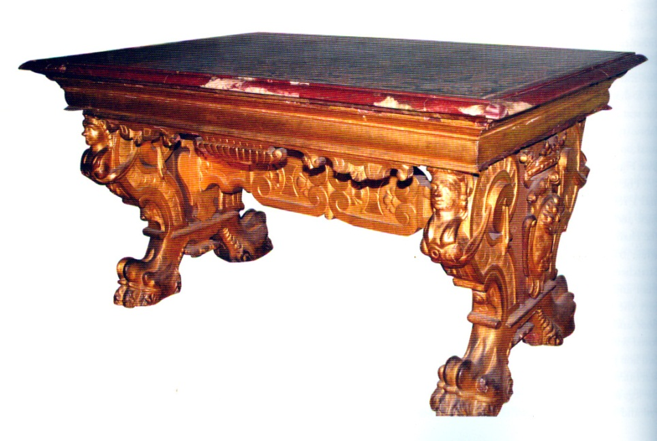
Table, 16th century, Italy

Examples of pietre dure (stone inlay) table tops

Francesco di Giorgio Martini, Cassone with painted decoration depicting “The Triumph of Love,” 1496-97, Siena, Italy, carved and gilded gesso on wood, painted in tempera (V&A, London)

Titian, Venus of Urbino, 1538, oil o/canvas

Richly carved Cassone with a hinged lid

A combined chest and bench is called a Cassapanca