unit 5 vocabulary : the environment
 Call Kai
 Learn
 Practice Test
 Spaced Repetition
 Match
 Flashcards
1/24

There's no tags or description
Looks like no tags are added yet.
25 Terms

pollution
The introduction of harmful substances or products into the environment, resulting in adverse effects on living organisms and ecosystems.
prevent (v)
to stop something from happening or arising, especially regarding environmental harm.

prevention (n)
The act of stopping something from occurring, specifically aimed at avoiding environmental degradation and promoting sustainability.
wildlife
Animals and plants living in their natural environments, essential for ecological balance and biodiversity.


conservation
The responsible management of natural resources to protect ecosystems and promote biodiversity.

protect
to keep safe from harm or danger, ensuring the health of ecosystems and wildlife.
save
to preserve resources and ecosystems for future generations.

environment
the surrounding conditions affecting living organisms, including air, water, and land.

damage
to inflict harm or injury on ecosystems, wildlife, or natural resources, resulting in deterioration or loss.

climate change
the long-term alteration of temperature and typical weather patterns in a place, primarily driven by human activity, leading to global warming and environmental shifts.

envoironmentally friendly
referring to products, practices, or policies that have minimal impact on the environment, promoting sustainability and conservation.

recycle
to convert waste materials into reusable materials, reducing pollution and conserving natural resources.

styrofoam
a lightweight, rigid foam made from polystyrene, commonly used in packaging and disposable containers, which is not biodegradable and poses environmental challenges.
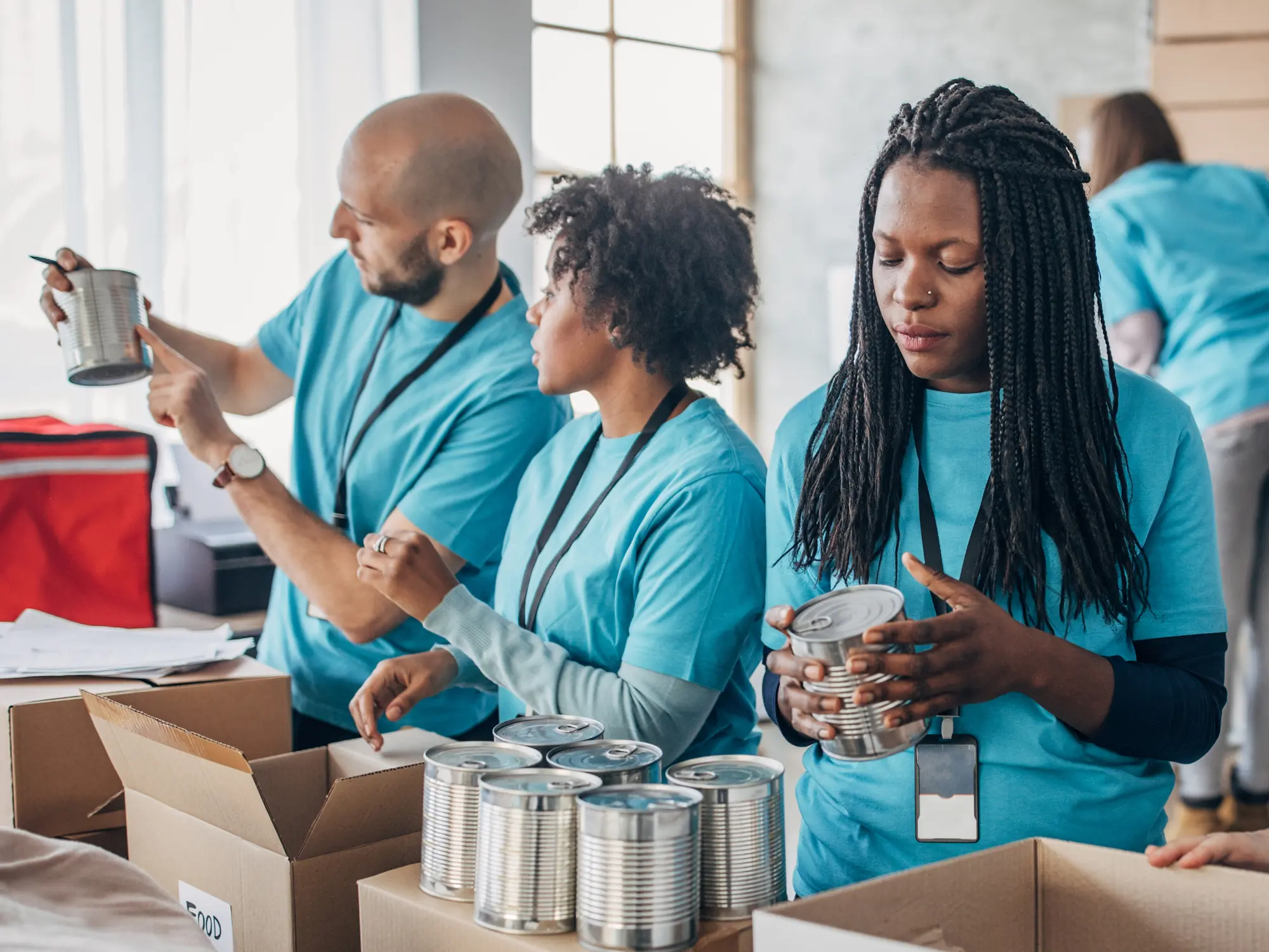
charity
an organization that aims to provide help or raise money for those in need, often focusing on social or environmental causes.

land
refers to the part of the Earth's surface that is not covered by water, which is essential for agriculture, habitats, and human development.

biodiversity
the variety of living organisms in a particular habitat or ecosystem, crucial for maintaining ecological balance and resilience.

logging
the process of cutting down trees for timber or other wood products, often impacting ecosystems and biodiversity negatively.

deforestation
the large-scale removal of forest cover, leading to habitat loss, decreased biodiversity, and contributions to climate change.

tag an animal
to track and study its behavior and movement, typically involving the attachment of a tracking device.
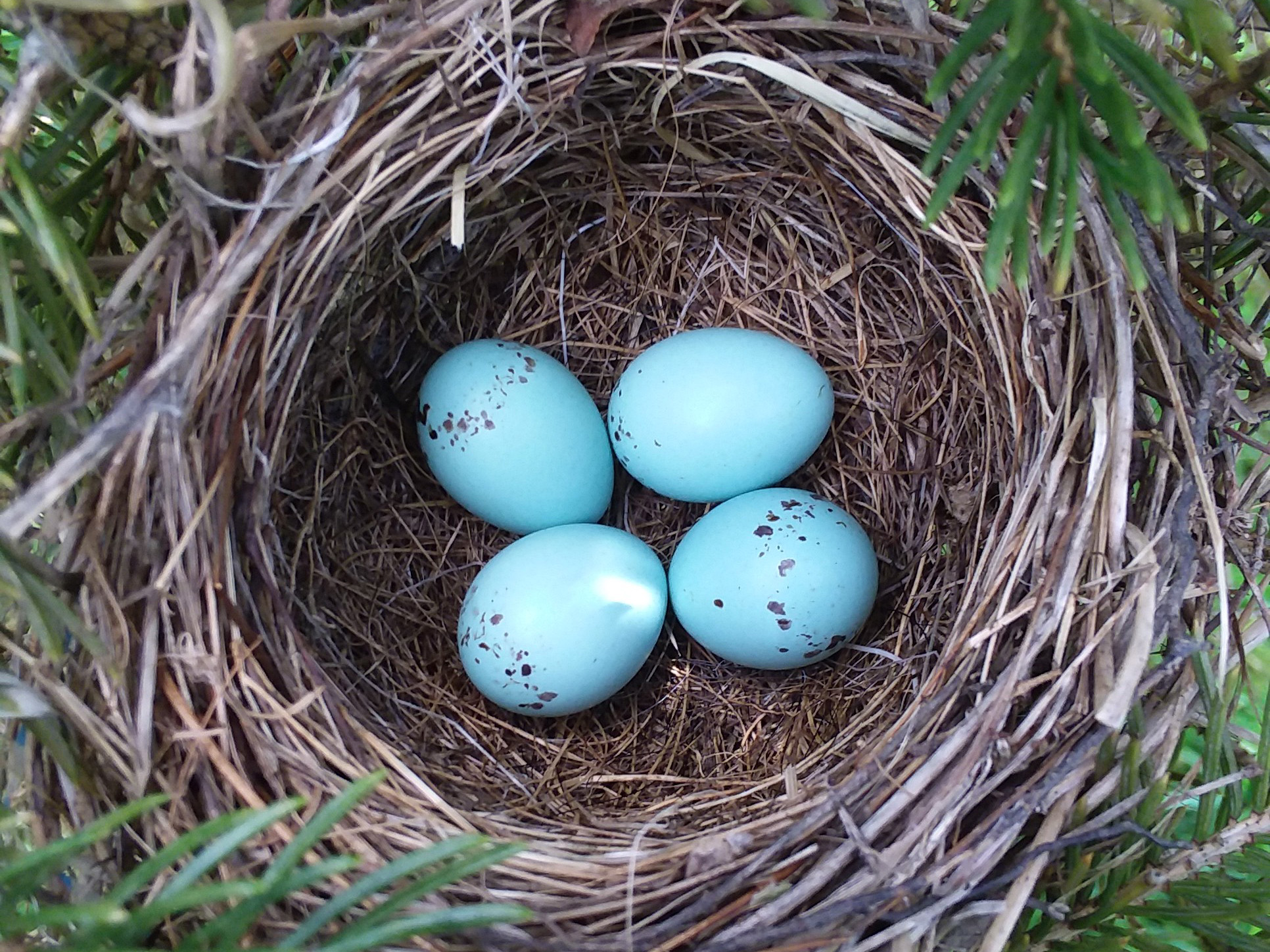
nest

branch
a structure made of twigs or small limbs of a tree, often used by birds and other animals to build their nests.

feathers
the plumage of birds that aids in flight, insulation, and display.

fur

leaf, plural leaves