APES - Unit 1
 Call Kai
 Learn
 Practice Test
 Spaced Repetition
 Match
 Flashcards
 Knowt Play
1/117

There's no tags or description
Looks like no tags are added yet.
118 Terms
biome
plants + animals in a specific region, determined by climate and precipitation rate
cold biomes
temps below 41 degrees F
temperate biomes
temps between 41 and 68 degrees F
tropical biomes
temps above 68 degrees F
tundra
along edges of Antarctica
cold, treeless, low vegetation
soil freezes in winter, not productive, low nutrient, decomposition resistant
high winds on mountains
tundra: human impacts
melting of permafrost
taiga/boreal forest
coniferous evergreens
very cold, average precipitation
short growing seasons
slow decomposition, low-nutrient soil
beavers, brown bears, wolverines
taiga/boreal forest: human impacts
logging
mining + extraction of fossil fuels
temperate rainforest
moderate temp, high precipitation
along narrow, coastal areas
large coniferous tree population
slow decomposition, low-nutrient soil
black-tailed deer, salamander, tree frog
temperate rainforest: human impacts
logging
temperate seasonal forest/deciduous forest
moderate climate, seasonal weather
heavy precipitation
deciduous trees
high soil fertility, rapid decomposition, longer growing seasons
deer, foxes, squirrels
temperate seasonal forest/deciduous forest: human impacts
large-scale agriculture
shrubland/chaparral
hot, dry summers/ mild, rainy winters
plant-growth constrained by seasons
low-nutrient soil
wildfires
quail, jackrabbit, rattlesnake
shrubland/chaparral: human impacts
grazing animals
growing drought-tolerant plants like grapes
over-developed, fires increased
temperate grassland
cold winters, hot and dry summers
plant growth constrained by seasons
cold deserts
wildfires
rapid decomposition makes soil nutritious enough to be productive
chickens, kingsnake
temperate grassland: human impacts
tall grass prairie used for agriculture, short grass prairie used for grazing and wheat
tropical rainforest
warm and wet
rapid decomposition, high productivity
layers of vegetation
found near equator and in tropics
jaguars, monkeys, treefrogs
tropical rainforest: human impacts
cleared for agriculture
savanna/tropical grassland
warm temp, distinct wet and dry seasons
deciduous trees
open areas with grass, fertile
gazelles, zebras
savanna/tropical grassland: human impacts
agriculture, grazing
hot desert
hot and dry
very small to nonexistent plant and animal life
grow rapidly during sparse periods of rain
cacti, small rodents, reptiles
hot desert: human impacts
climate change
draining of underground water
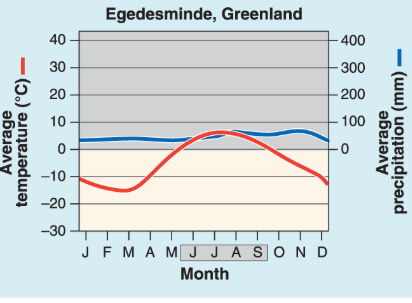
tundra

savanna

shrubland
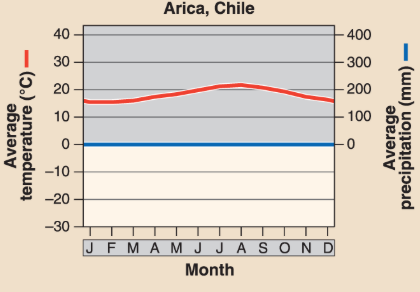
hot desert

temperate seasonal forest
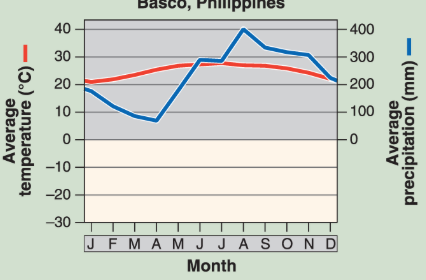
tropical rainforest

taiga

temperate grassland
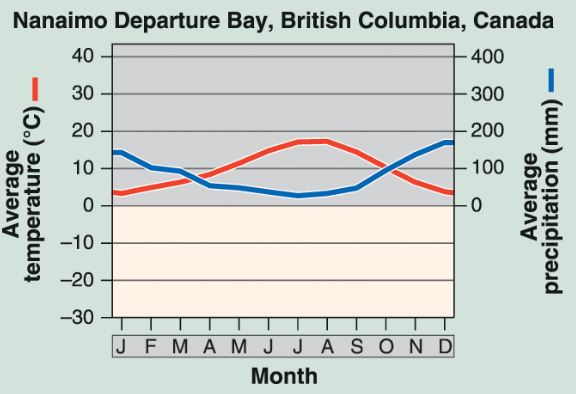
temperate rainforest
respiration
energy process, glucose and oxygen make water and carbon dioxide
nearly all energy that powers ecosystems is . . .
solar
99% of solar energy is . . .
reflected
1% of solar energy is . . .
absorbed by the producer
GPP
amount of energy producers capture via photosythesis
NPP
GPP minus what is used for respiration by producers
producers do respire but not . . . as they photosynthesize
as much
of that 1%, what percent of GPP is lost to respiration?
60%
what is the percent of NPP then?
40%
primary productivity
rate of converting solar energy into organic compounds over a period of time
biomass
total mass of all living matter in a specific area
standing crop
amount of biomass in an ecosystem at a certain time
productive ecosystems have . . .
sunlight, water + nutrients, warm temperatures
most productive terrestrial ecosystems
tropical rainforest
tropical seasonal rainforest
temperate rainforest
most productive aquatic ecosystems
swamps + marshes
coral reef
salt marsh
community ecology
study of interactions between species
biosphere
region of earth where life resides
connection between vineyards and climate change altering ecosystems
grapes prefer mild, wet winters and hot, dry summers
the ideal growing condition for grapes is moving north
competitive exclusion principle
species fighting for same limited resource cannot exist together
ex. P. aurelia and P. caudatum
resource partitioning
two species evolve to divide a resource based on differences in behavior, habitat, time, or morphological differences
determined by natural selection
symbiosis
two species living in close association with each other long term
mutualism
increases chances of survival for both species involved (not favored by natural selection)
commensalism
one species benefits, one does not
parasitism
one species lives in or on another
pathogen
parasite that causes disease
parasitoid
type of predator that lays eggs in prey
ways prey defend themselves from predators
can be . . .
chemical
morphological
behavioral
mimicking reactions of other species
ecosystems interact through . . .
exchange of energy and matter
ecosystem boundaries
boundaries in how energy cycles through an ecosystem, can be defined or undefined
autotrophs/producers
make their own food
hetertrophs/consumers
consume energy made by others
herbivores
primary consumers, eat plants
carnivores
consumers that eat other consumers
omnivores
operate on several trophic levels
scavengers
eat dead animals
detritivores
break down dead matter into particles
decomposers
break said particles into material that can be consumed by the ecosystem again
ecological efficiency
proportion of energy that can be passed from one trophic level to another
10% rule
only 10% of energy is passed to a higher trophic level
trophic pyramid
displays these proportions and considers population
food chains
show adjacent trophic relationships
food webs
show how all species are connected
feedback loops
reactionary changes in abundance of a species due to changes in the food web
biogechemicals
carbon, nitrogen, phosphorus, help matter cycle through food chains
when matter cycles through ecosystems, it is . . .
maintained
when energy cycles through ecosystems, it is . . .
lost through respiration, heat, etc.
mili
0.001, 10-3, m
centi
0.01, 10-2, c
deci
0.1, 10-1, d
deka
10, 101, da
hecta
100, 102, h
kilo
1,000, 103, k
mega
100,000, 106, M
giga
100,000,000, 109, G
how to write a measurement
put the base unit abbreviation and then the metric unit abbreviation
converting decimals and percents . . .
decimal moves two places
finding percents of wholes . . .
set up ratio
finding percent changes . . .
divide absolute value of change by starting value
error bars
show standard deviation
freshwater biomes
streams/rivers
lakes/ponds
wetlands
marine biomes
estuaries
salt marshes
mangroves
intertidial
coral reefs
open ocean
streams/rivers
formed by runoff from groundwater/precipitation
few plants and algae
sustained by inputs from terrestrial biomes
rapids add air
streams/rivers: human impacts
over nutrients
pollutants
lakes/ponds
contain standing water]
too deep for emergent vegetation
lakes/ponds: human impacts
adding too many nutrients
oligotrophic
low-nutrient lakes
eutrophic
high nutrient lakes
phytoplankton
only photosynthetic organisms in limnetic zone, floating agae
wetlands
parts of land that are submerged/saturated by water for a period of time
swamps, marshes, bogs
very productive