Biology
 Call Kai
 Learn
Learn Practice Test
 Spaced Repetition
 Match
Match Flashcards
 Knowt Play
1/74

There's no tags or description
Looks like no tags are added yet.
Name | Mastery | Learn | Test | Matching | Spaced | Call with Kai | Chat |
|---|
No analytics yet
Send a link to your students to track their progress
75 Terms

Six essential characteristics/processes required for an organism to stay alive?
1. Being made of cells
Growing and developing
Ability to reproduce
Responding to stimuli
Taking in nutrients
Maintaining an internal balance

whats a scientific system?
A collection of living and/or non-living components and processes that interact through inputs, outputs, and relationships to perform a specific function.
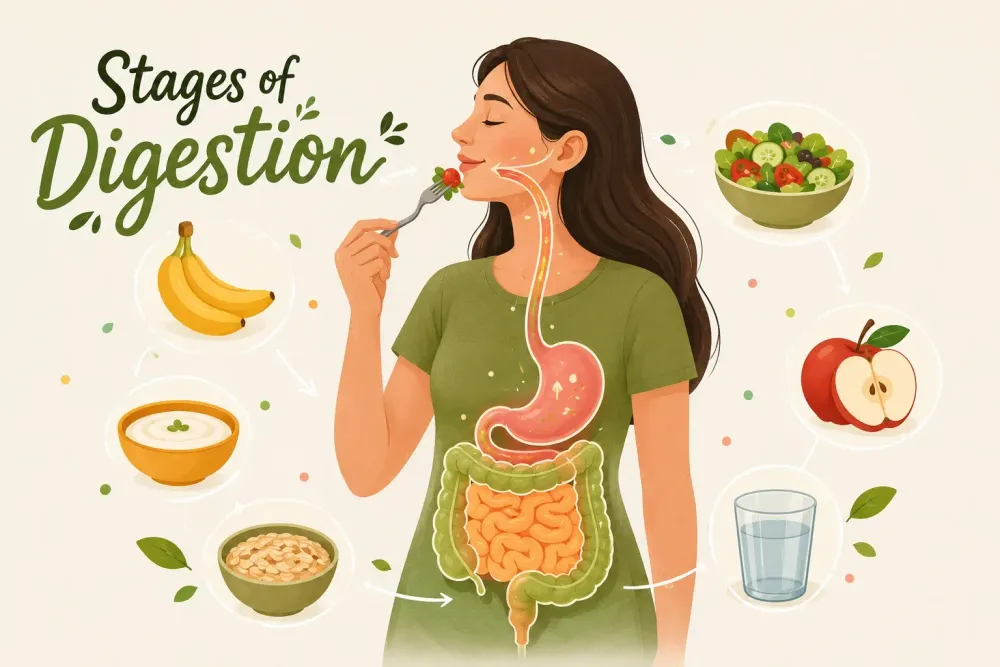
EX: How the Digestive System Works as a Scientific System
Inputs?
Components (Parts)?
Processes (Interactions)?
Outputs?
Interdependence?

Inputs?
Food, water, and oxygen enter the system.

Components (Parts)?
Organs like the mouth, esophagus, stomach, liver, pancreas, and intestines.

Processes (Interactions)?
Each organ has a specific job. The mouth chews food, the stomach uses acids to break it down, and the intestines absorb nutrients.

Outputs?
Nutrients and energy are delivered to the body, and waste is removed.

Interdependence?
If one part fails—such as the stomach—the whole system cannot function properly

whats a Biological system?
A collection of living and non-living components that interact to perform functions necessary to keep an organism alive.

difference between a scientific and biological system?
a scientific system is a group of parts working together to do a job, rather a biological system is made of living and non living parts trying to keep something alive

Levels of biological structure from largest to smallest
Systems →→ Organs →→ Tissues →→ Cells →→ Organelles

What keeps you alive?
water, nutrients, vitamins, o2, plants

How is the body organized?
cells → tissues → organs → organ systems → organism

How do cells stay alive?
maintaining a stable balance: intaking nutrients and generating energy

How do systems cooperate (work together)?
each part of your body has a purpose and each purpose works together (mutualism)

Parts of the Human Digestive System
Mouth, Esophagus, Stomach, Small Intestine, Accessory Organs, Large Intestine

Mouth:
everything including our teeth, our tongue, saliva, and jaw

Define what the mouth is: Structure, Function, Mechanical digestion, Chemical digestion
Structure: teeth, tongue, jaw, saliva
Function: break down food
Mechanical digestion - physical breakdown of food
Chemical digestion - breakdown using enzymes + chemical reactions
what are enzymes?
tine specialized proteins that speed up the process of breaking down food into small and more absorbable nutrients

Esophagus:
Esophagus is a muscle that moves food down through contractions

Define what the Esophagus is: Structure and Function
Structure: long muscular tube
Function: brings bolus (a rounded mass of chewed food ready to be swallowed) from mouth to stomach

what are Peristalsis
smooth muscle contractions to move food

Stomach
the internal organ in the body where food is mixed and digested
Define each of the terms in the chart below (parts of stomach)
Part: |
Stomach
Structure: made of muscles, strong lining to protect from stomach acids
|
Gastric Juices --> aka "stomach acid"
Function: break down food
|
Chyme --> what we call "food" and broken down in stomach
|

Small intestine?
longest part of your digest system, long tube that connects to the stomach and large intestine
DEFINE (structure and function)
Structure: long tubes
Function: absorption of nutrients (if you have bumps on your intestines, your not absorbing enough nutrients)

The small intestine is lined with villi and microvilli. What is the importance of this?
help absorb nutrient into the blood stream

Accessory Organs:
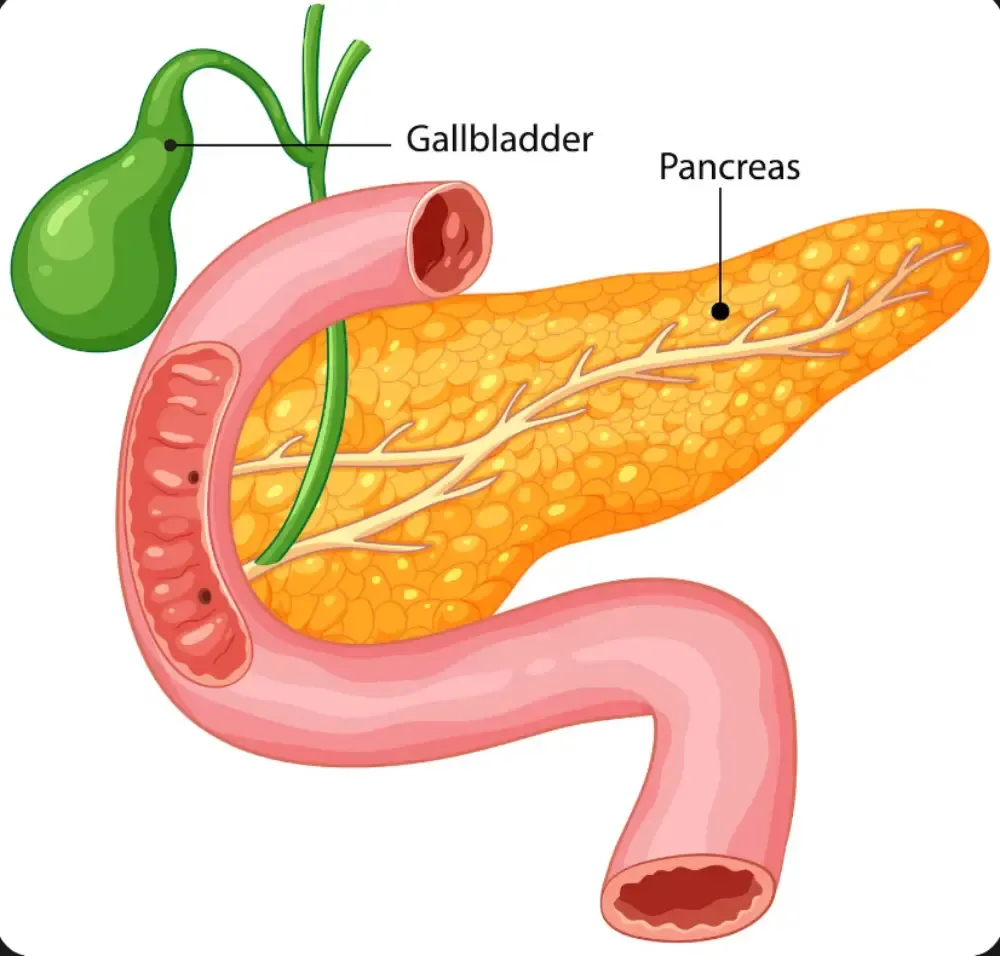
These organs help digestion by creating digestive chemicals (enzymes), but food does not pass through them

what are the 3 parts?
Pancreas, Liver, Gall Bladder
pancreas function?
Chemical digestion - helps digest nutrients (specifically sugars)

liver function?
Chemical digestion - creates enzymes to help digest and creates bile (emulsifies fats)
emulsifies=breaks down

Gall Bladder function?
stores + releases bile

Compare the size of the liver to other organs. Explain why that size makes sense.
huge! Lots of jobs, cleans blood, makes bile, stores energy

large intestine?
a wide, muscular tube-like organ in the digestive system that absorbs water and turns leftover food waste into solid stool
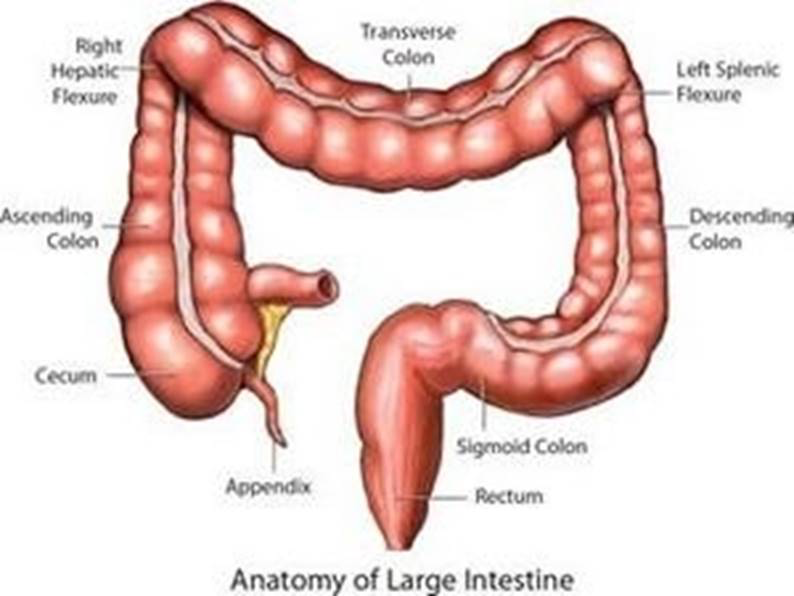
Define each of the terms: Large Intestine, Rectum, Anus
absorb water

Rectum:
stores feeces

anus:
Structure: sphincter
Function: eliminates feces

Endoscopy
a long, flexible tube with a camera and light is used to see inside the body.

Diffusion
the movement of particles from an area of high concentration to an area of low concentration
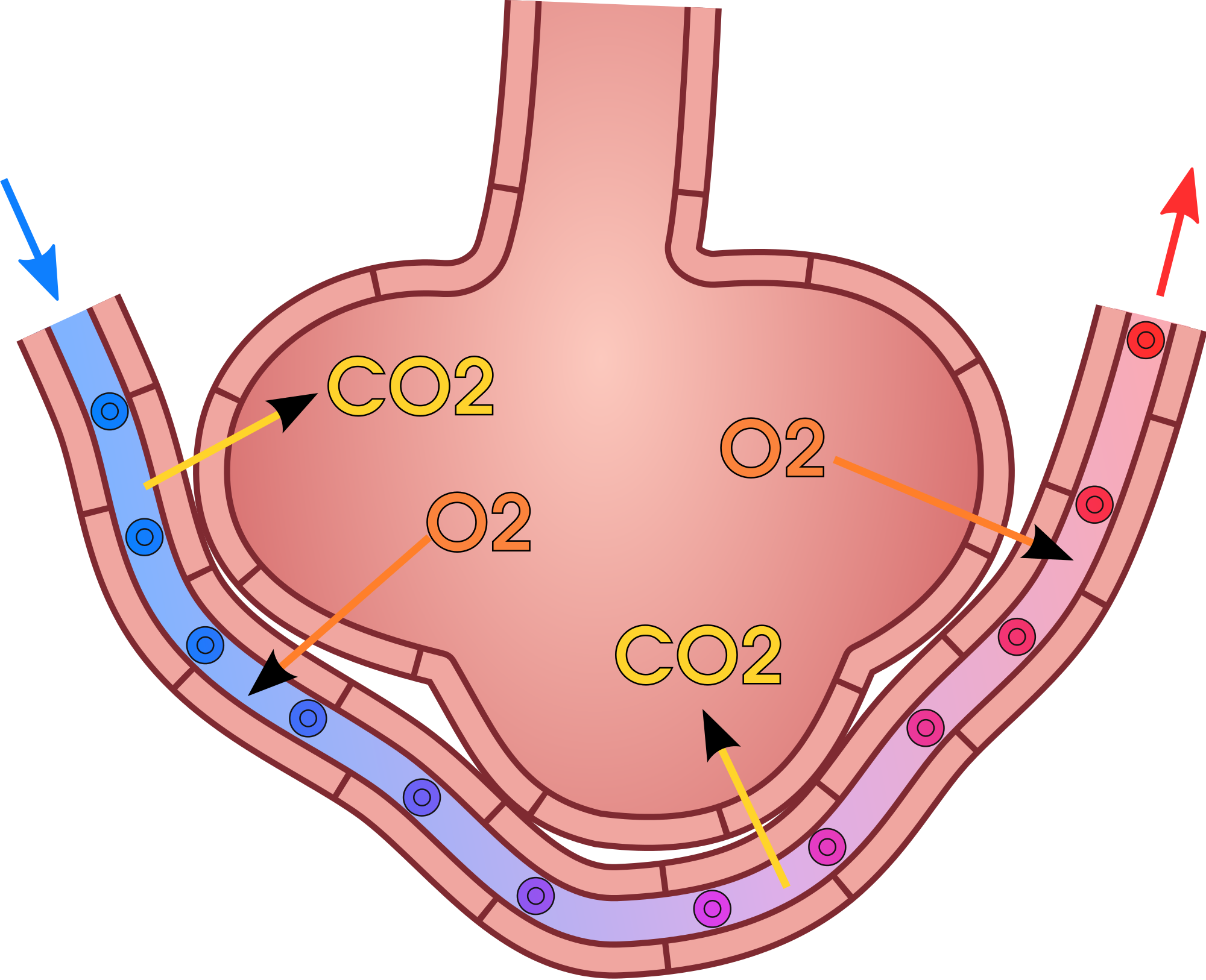
what is gas exchange
the biological process where oxygen moves into the body and carbon dioxide moves out

Which direction will the O2 move? (in gas exchange)
moves into blood stream via diffusion

and CO2?
co2 moves into lung via diffusion

How does high surface area : volume ratio help with diffusion
speeds up diffusion because it provides more outer surface area for molecules to cross while keeping the distance to the center short enough for quick travel.

what is Boyle’s law?
as v increases, pressure decreases
as v decreases, pressure increases


if im exhaling… which of the two principles in Boyles law occur?
as v decreases, pressure increases

if im inhaling… which of the two principles in Boyles law occur?
as v increases, pressure decreases
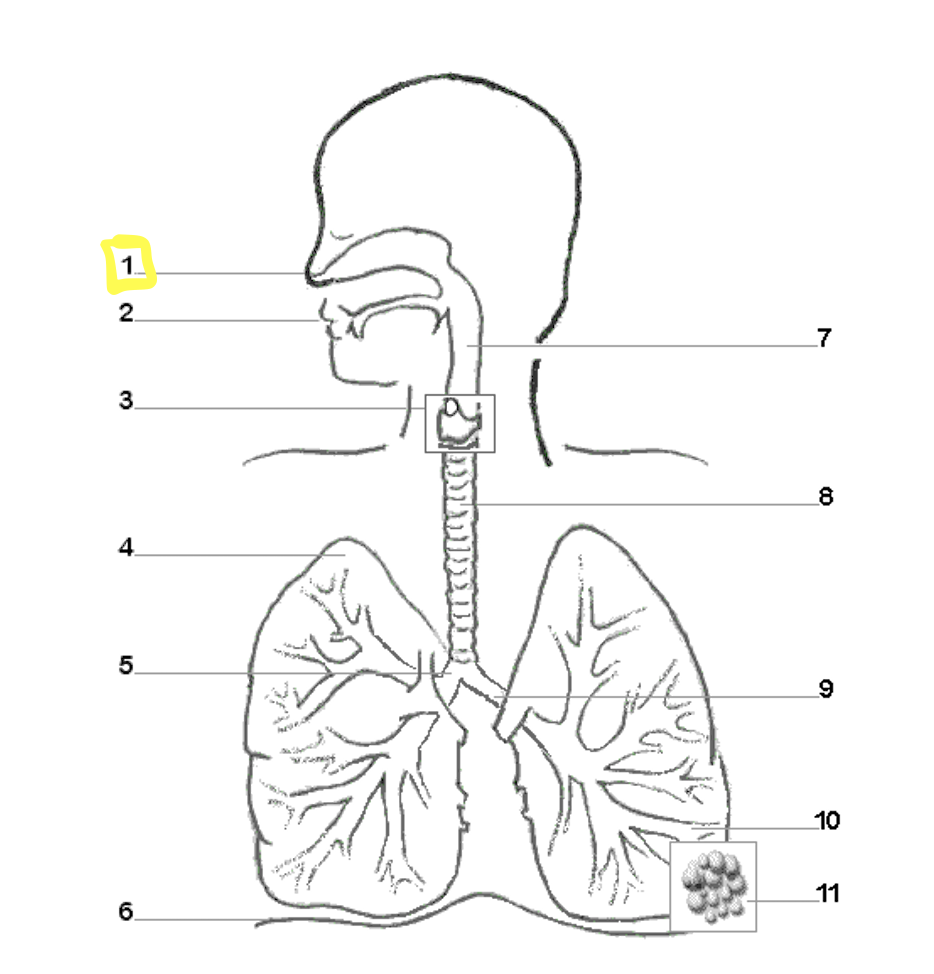
fill out each label! Label 1:
Nose

label 2:
mouth

label 3:
Larynx

label 4:
lungs

label 5:
right main bronchus

label 6:
Diagraphm

label 7:
Pharynx

label 8:
Trachea

label 9:
left main bronchus

label 10:
bronchioles

label 11:
alveoli

for the following ORGANS, what’s each function?
for the following ORGANS, what’s each function?

Nasal Cavity
The space behind the nose where air is warmed and moistened.

Epiglottis
The flap above the trachea that closes when you swallow and opens when you breathe.

Trachea
The tube that is protected by cartilage rings and brings air into the lungs.

Bronchi
The main branch of the trachea leading to the right and left lungs.

Bronchioles
The smaller wind tubes that branch off the bronchi.

Alveoli
Tiny air sacs that are surrounded by capillaries that allow for gas exchange.

Larynx
The voice box.

Ribs
Protective bones that surround the lungs and heart.

Intercostal Muscles
The muscles between the ribs.

Diaphragm
The muscle below the lungs that drives inspiration and expiration.

Asthma
A respiratory disorder that affects the lungs making it difficult to breathe.

Inhalation
The act of breathing in
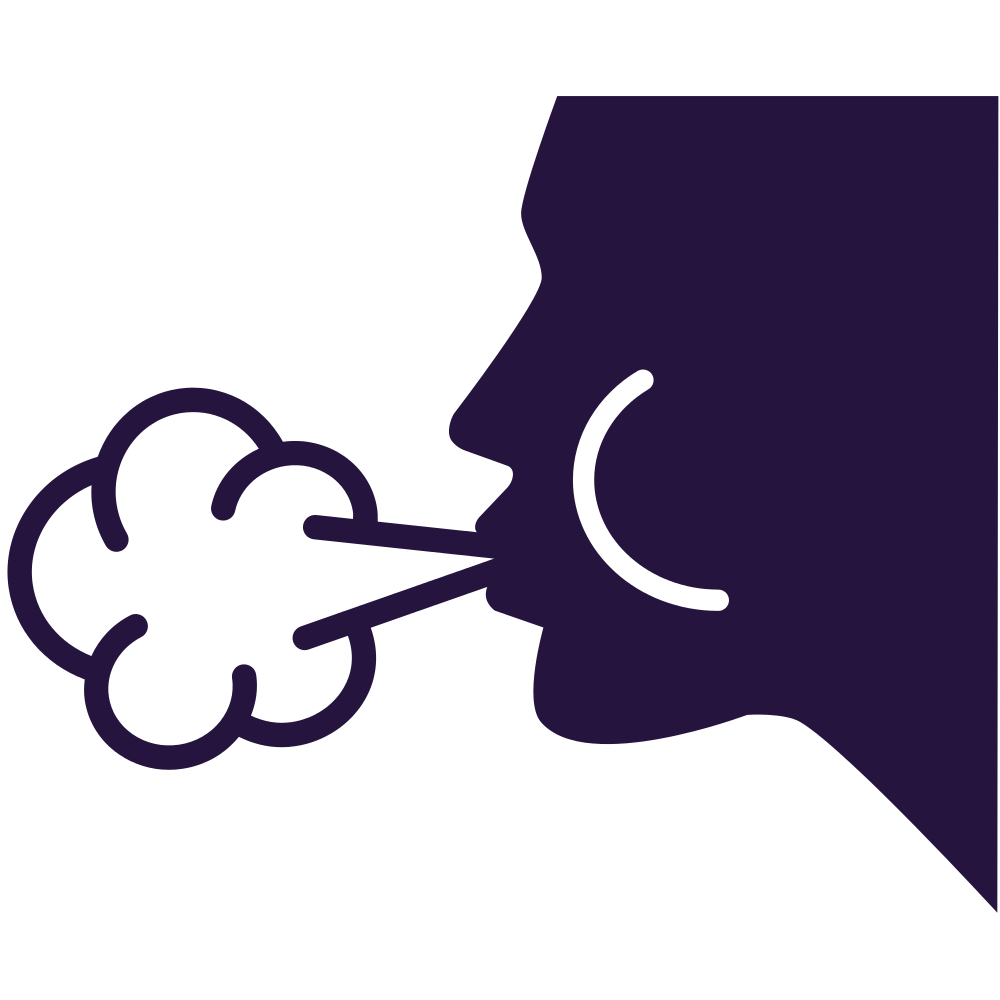
Exhalation
The act of breathing out.

O₂
The atmosphere is 16% this gas and it is what we breathe in.

CO₂
The atmosphere is less than 1% this gas and it is what we breathe out.

Capillaries
Tiny blood vessels surrounding the alveoli that allow for gas exchange.

Haemoglobin
The central core of a red blood cell consists of iron and attracts oxygen.