Mechanical System Conveying Systems
 Call Kai
 Learn
 Practice Test
 Spaced Repetition
 Match
 Flashcards
 Knowt Play
1/64

There's no tags or description
Looks like no tags are added yet.
65 Terms
Conveying Systems
a common piece of mechanical handling equipment that moves materials from one location to another.
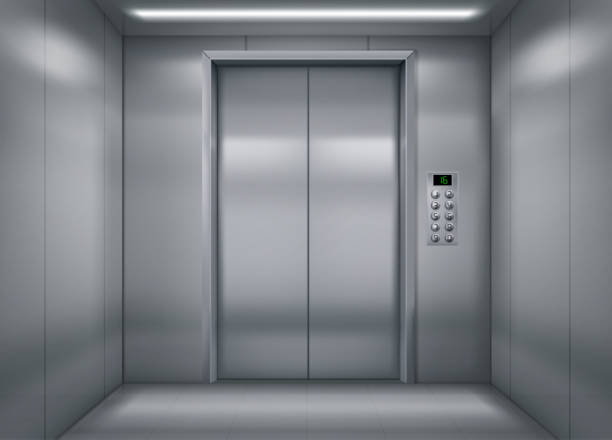
Elevator
a platform that is either pulled or pushed up by mechanical means.
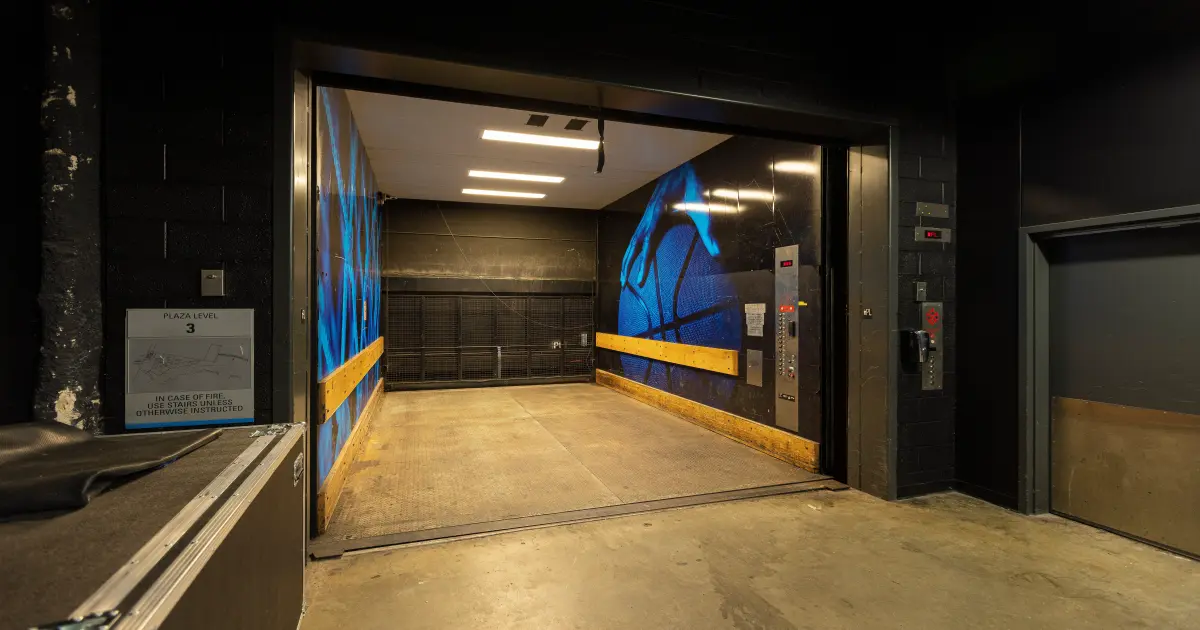
Freight Elevator
designed to move goods and materials throughout a building and can carry much heavier loads and are designed to withstand tougher working conditions.
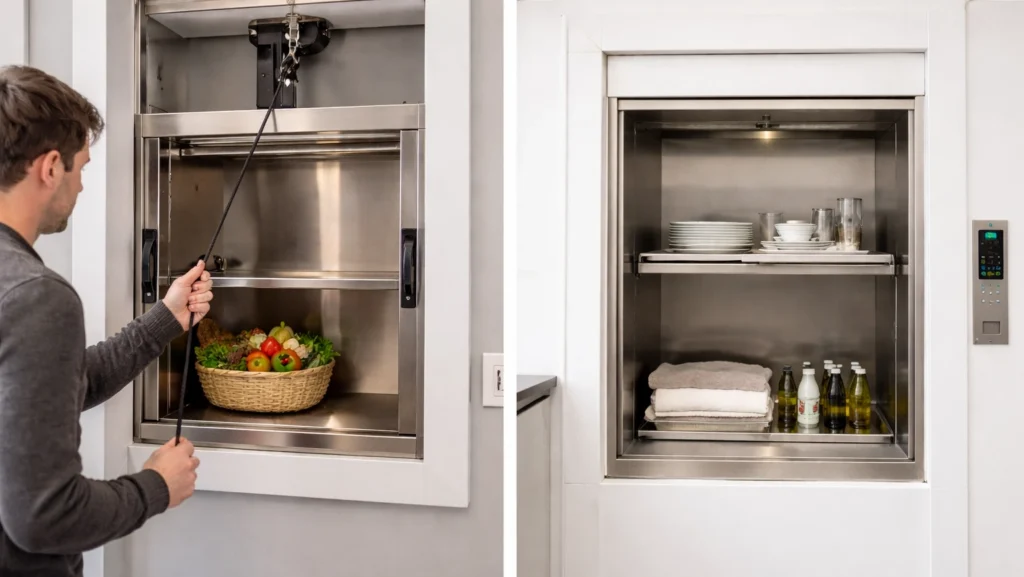
Dumbwaiter
a small freight elevator or lift intended to carry food.
Electric Elevator
An elevator that uses an electric motor to move a car up and down a cable system.
Traction Elevator
An elevator that utilizes ropes or cables along with a motor-driven pulley system for vertical transportation of people or goods between floors in a building.
Car Frame
The structural steel frame of an elevator car to which are attached the platform,

Machine Room
A room housing the hoisting machinery, control equipment, and sheaves for raising and lowering an elevator car

Lantern
A light, usually over the entrance to an elevator on each floor of a multistory building that signals the approach of the elevator
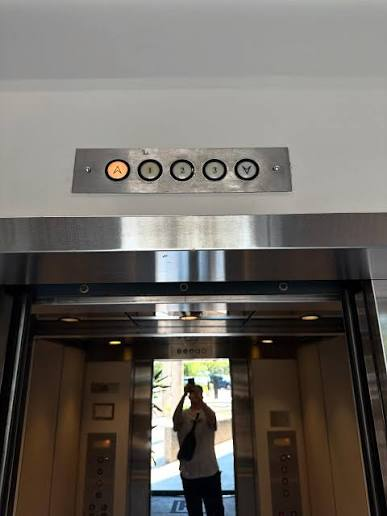
Annunciator
A signaling apparatus in an elevator car or at a landing that displays a visual indication of floor landings
Call Button
A pus button for requesting an elevator
Door Interlock
A safety device for preventing the operation of an elevator car unless the hoistway door is locked in the closed position

Door Contact
A safety device for preventing the operation of an elevator car unless its door or gate is fully closed

Geared Traction Elevator
A type of Traction elevator that Utilize a gearbox and a motor to drive the elevator car through a hoist rope.

10000 pounds
How many pounds can a Geared Traction Elevator holds?
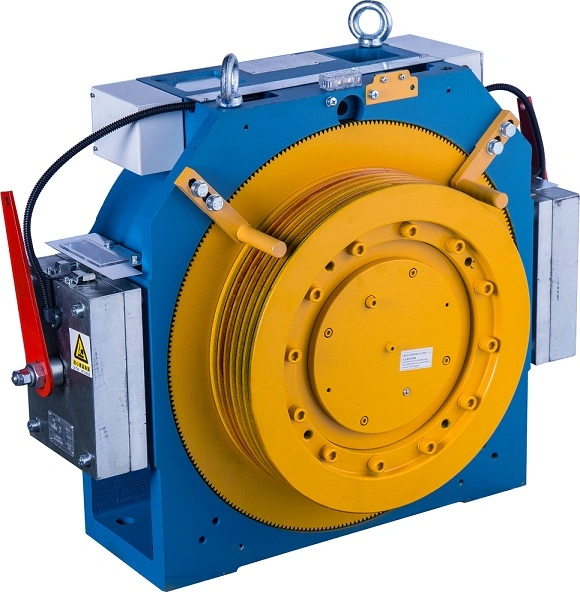
Gearless Traction Elevator
A type of Traction elevator that utilizes a motor that is directly connected to the hoist rope, eliminating the need for a gearbox.
25000 pounds
How many pounds can a Gearless Traction Elevator holds?
MRL Traction Elevator
A type of Traction elevator that Integrates the elevator equipment into the shaftway, eliminating the need for a separate machine room.

Machine Room-Less
MRL Traction Elevator means?
CAR CABIN
This is the main part of Elevator which is designed for enclosed transport of passengers & goods

CABLE
it is used to support the car (passing over the drive sheave to the counterweight) & pull the car.

ELEVATOR MACHINE
used on all traction elevator equipment types. A standard traction machine consists of a motor, drive sheave, brake and machine bed plate.

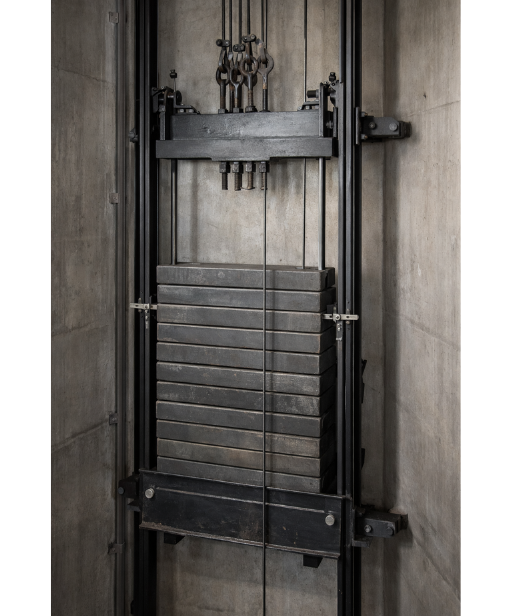
COUNTER WEIGHT
The elevator car is balanced by a heavy _________t that weighs roughly the same amount as the car
40%-50%
The elevator car is balanced by a heavy counterweight that weighs roughly the same amount as the car when it's loaded ___-____
CONTROLLER
a system to control the elevators, either manual or automatic.

12V to 24V
The controller usually tune down the voltage between ____to ____
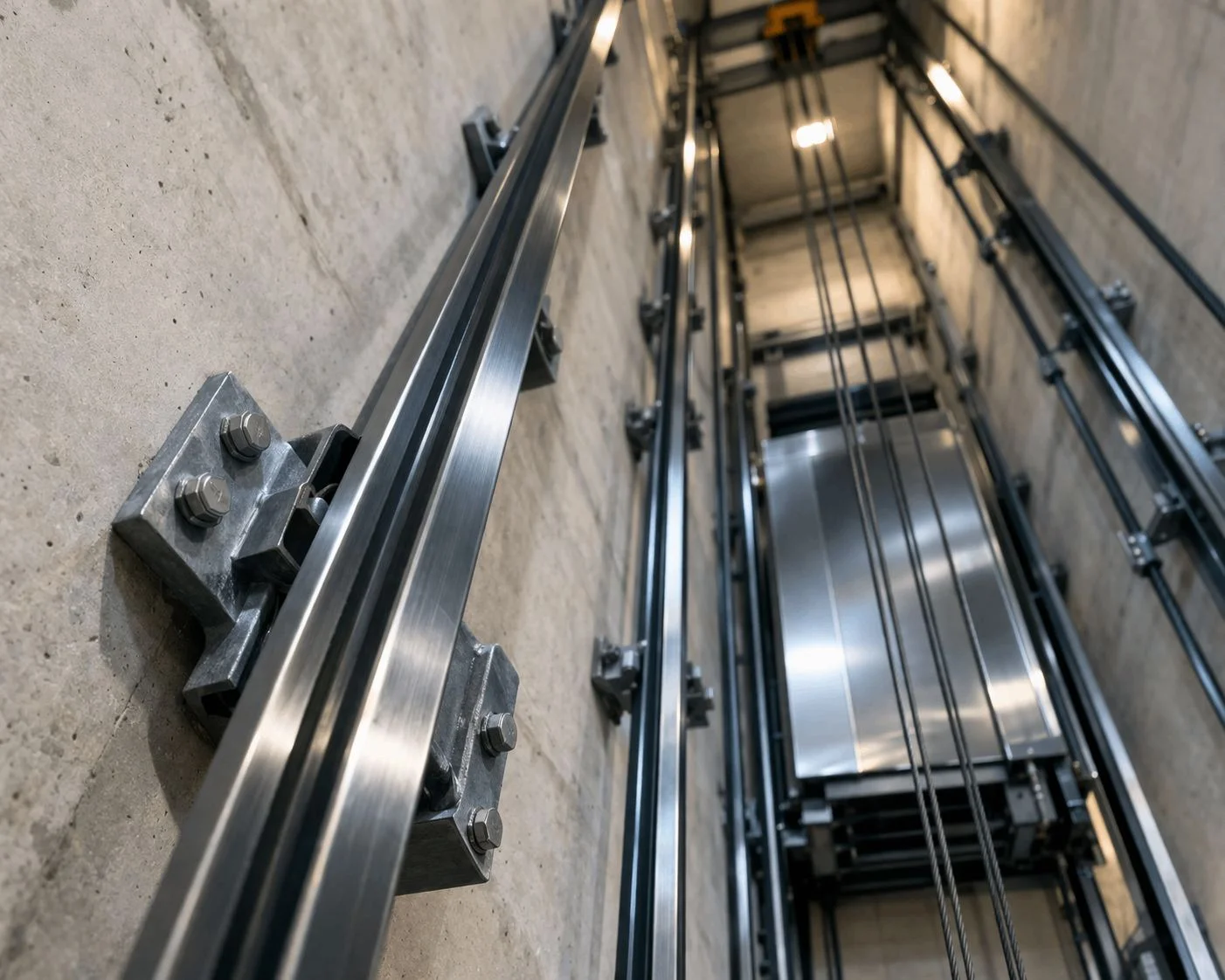
HOISTWAY
The space enclosed by fireproof walls and elevator doors for the travel of one or more elevators, dumbwaiters or material lifts.

GUIDE RAILS
Steel T-shaped or formed sections with guiding surfaces installed vertically in a hoistway to guide and direct the course of travel of an elevator car and elevator counterweights.
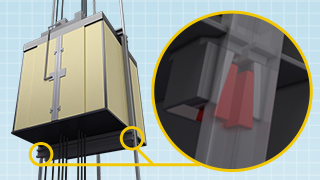
BUFFERS
An apparatus located at the bottom of elevator designed to protect people. It can stop a descending car by accumulating or dissipating the kinetic energy of the car.

SPEED GOVERNORS
Most elevators have an entirely separate speed-regulating system called a _______

SAFETY BREAK
a mechanical system that prevents an elevator cab from falling if the primary hoisting cables fail or if the car moves too fast
DOORS
meant for entry and exit.
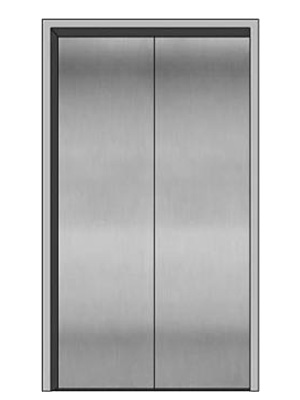
Manual doors
These types of doors are opened with the help of a person who wants to enter the lift.
Automatic doors
the type of doors which are automatically opened as it is powered by a door operator
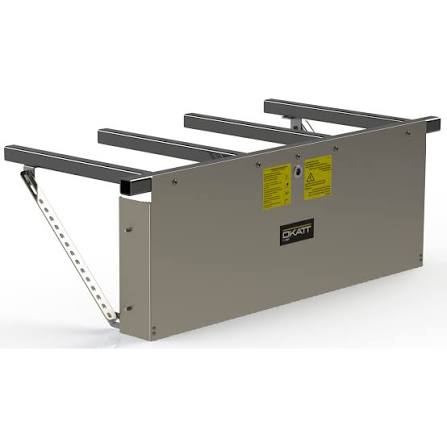
APRON
arranged to prevent persons from falling into an elevator shaft if the elevator car is not located at a landing
Hydraulic Elevator
It is raised by means of a movable rod or plunger rigidly fixed to the bottom of the car.

HOLED
A type of hydraulic elevator that has a sheave extending below the elevator pit floor, which accepts the retracting piston as the elevator descends.

Hole-less Hydraulic Elevators
They have a piston on either side of the cab.

Non-telescoping (single stage) Hydraulic Elevators
a type of Hole-less Hydraulic Elevators where It has one piston and only allows about 20 feet of travel distance.
Roped Hydraulic Elevators
A type of hole-less hydraulic elevator that uses a combination of ropes and a piston to move it.
Telescopic Hydraulic Elevators
A type of hole-less hydraulic elevator that the telescoping pistons are fixed at the base of the pit and do not require a sheave or hole below the pit and has 2 or 3 pieces of telescoping pistons.
Escalator
a moving staircase which carries people between floors of a building or structure.

Travelator
Moving Ramp. Angled at around 12 degrees
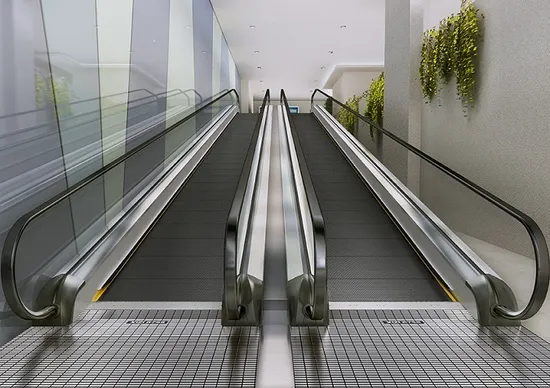
Walkalator
Moving sidewalk

1-2 ft per second
Escalators are powered by constant-speed alternating current motors and move at approximately ____ per second
30
The maximum angle of inclination of an escalator to the horizontal floor level is ___ degrees
18m
a standard rise of a escalator is up to about __m
CRISSCROSS ESCALATORS
An escalator configuration that minimizes structural space requirements by "stacking" escalators that go in one direction, frequently used in department stores or shopping centers)

Parallel Arrangement
An escalator configuration that Leaves an empty Space at the lowest floor, Up and down escalators "side by side or separated by a distance," seen often in metro stations and multilevel motion picture theaters)
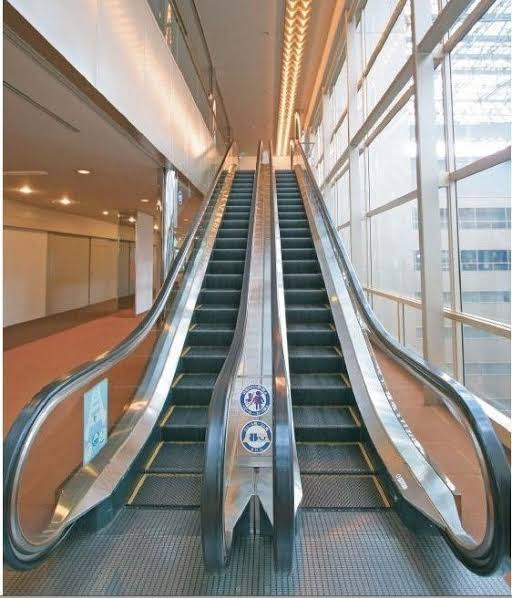
Stacked Parallel Arrangement
An escalator configuration that has two or more escalators together that travel in one direction, next to one or two escalators in the same bank that travel in the other direction

"UP" ESCALATORS Next to Staircase
An escalator configuration: It is preferred that staircases be located adjacent to the escalator if the escalator is the primary means of transport between floors.

800mm – 1200mm
width of an escalator (mm)
Step
a part of a escalator and its the individual platforms that passengers stand on.

Tread
a part of a escalator and its the horizontal surface of the step that passengers step onto.
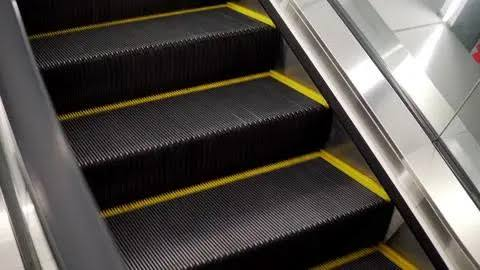
Riser
a part of a escalator and its the vertical portion of the step that connects one tread to the next.

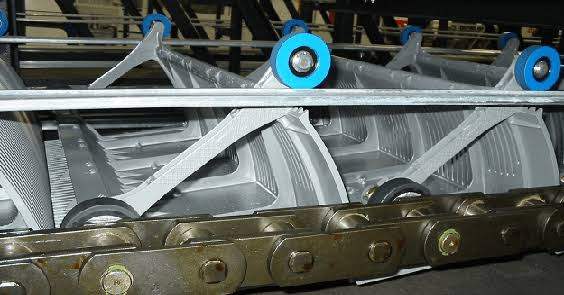
Chain or Belt
a part of a escalator and its used to connect the steps and handrails, allowing them to move in sync.
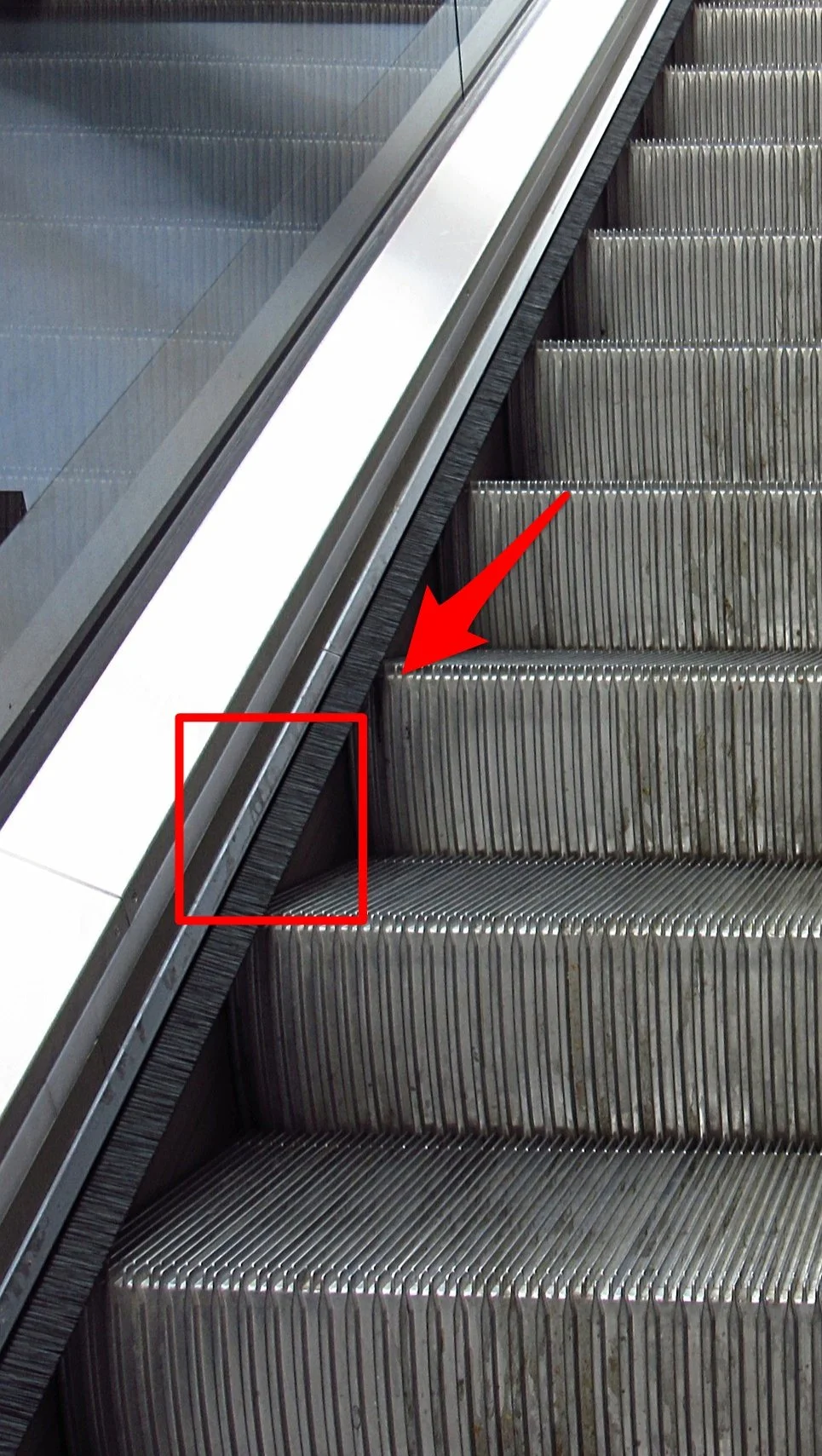
Skirt panel
A part of an escalator, and this is the protective panel that covers the sides of the escalator to prevent people from accidentally stepping off the edge
Handrail
A part of an escalator, The moving _____ that runs along the sides of the escalator, typically at the same speed as the steps.

Comb plate
A part of an escalator, located at the entrance and exit of the escalator. It has teeth-like protrusions that help guide the passengers' feet onto the moving steps and keep clothing or objects from getting trapped.
Balustrade
A part of an escalator, the barrier or sidewalls that enclose the escalator, providing a safety barrier for passengers and preventing them from falling off.

Truss
A part of an escalator, The structural framework that supports the escalator and houses the mechanical components, including the motor and drive system.

Drive system
A part of an escalator, The mechanism that powers the motion of the escalator steps and handrail.

Motor
A part of an escalator that provides the power to move the escalator.

Sensors and safety devices
A part of an escalator that detects obstructions, overspeed, or other potential issues and to shut down or alert operators in case of a problem.
Emergency stop button
A part of an escalator, An accessible button that can be pressed to halt the escalator in case of an emergency.
