Drug properties & optimzation II 03 (1/3)
 Call Kai
 Learn
 Practice Test
 Spaced Repetition
 Match
 Flashcards
 Knowt Play
1/14

There's no tags or description
Looks like no tags are added yet.
15 Terms
Stomach environment
- Strongly acidic (pH 1-3) enviro where little absorption occurs
- D must:
1. Be sufficiently water-soluble to dissolve in GI fluids
2. Have sufficient stability in stomach acid

Intestinal environment
Mildly acidic to near-neutral pH (~5.5–7.5)
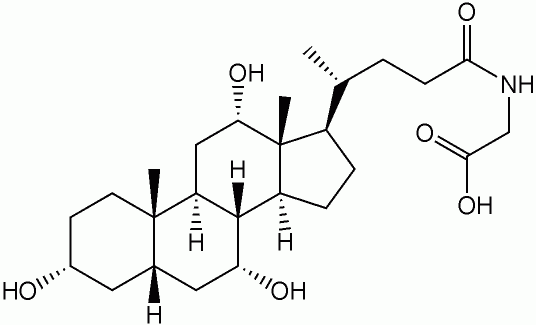
Bile salts form micelles that aid fat digestion & solubilize lipophilic D’s
SI has a large SA, most oral D absorption occurs in SI
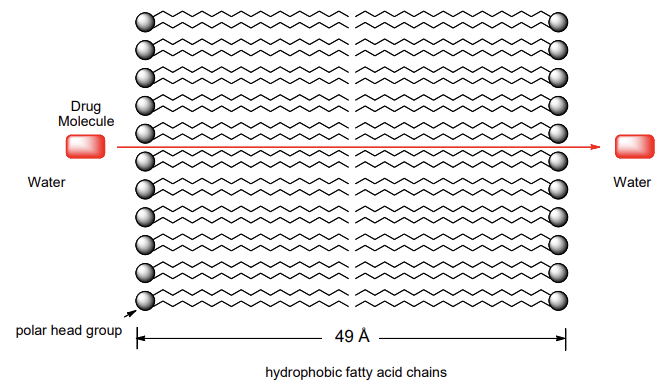
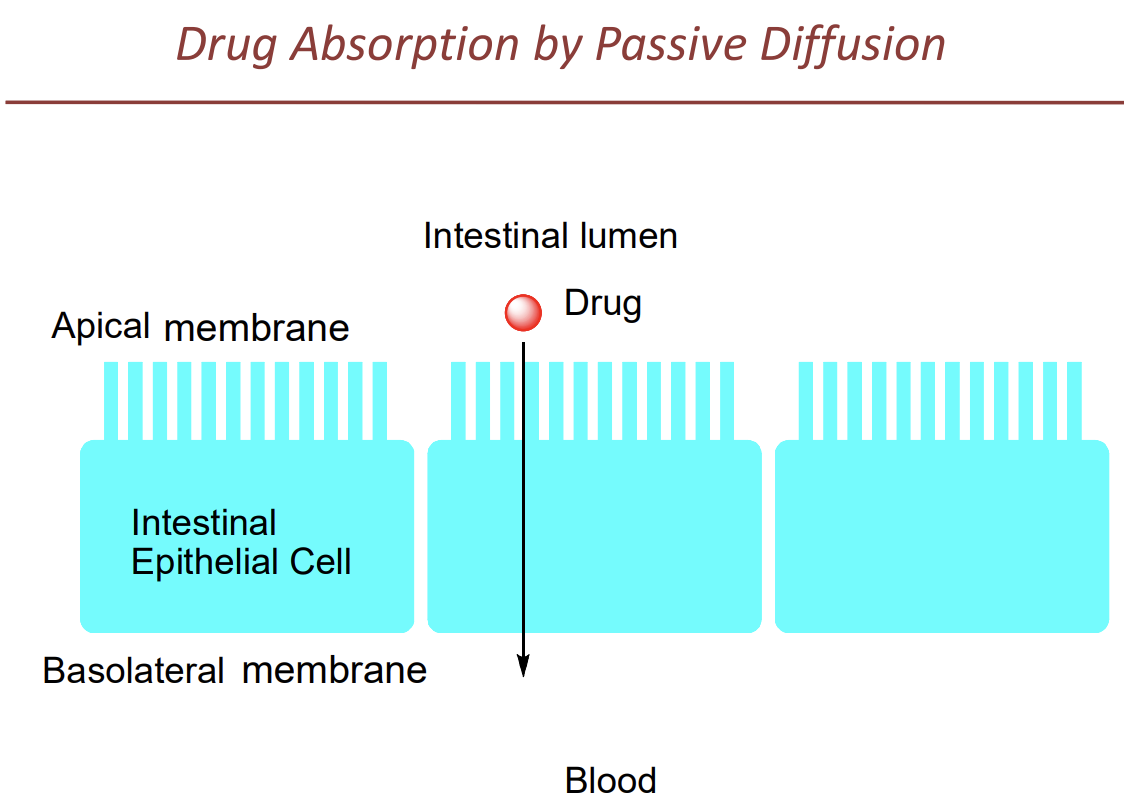
Drug absorption by passive diffusion (journey)
Liver & first-pass metabolism
- After intestinal absorption, D's enter portal circulation → carried to liver
- Liver enzymes metabolize D's & other compounds
- D metabolism includes Phase I and II
- First-pass metabolism ↓ amount of D reaching bloodstream

Drug metabolism phases (liver & first-pass)
1. Phase I: oxidation, reduction or hydrolysis
2. Phase II: conjugation

Drug transport in blood
- Blood plasma is mostly water
- Lipophilic D's bind to plasmaproteins
- D's circulate in 2 forms: unbound or protein-bound
- Blood contains enzymes that can break down certain D's: esterases and proteases

Kidney clearance of drugs
- Kidneys remove D's & metabolites from blood via urine
↳ Hydrophilic D's r more readily eliminated in urine
↳ Lipophilic D's may be reabsorbed into bloodstream
- Metabolism can convert lipophilic D's into more water-soluble compounds = easier elimination

Drug distribution to target organs
- D's must reach their target tissues or organs to prod an effect
- Many small-molecule D's enter tissues by passive diffusion
- Sufficient D must reach T to prod a therapeutic response
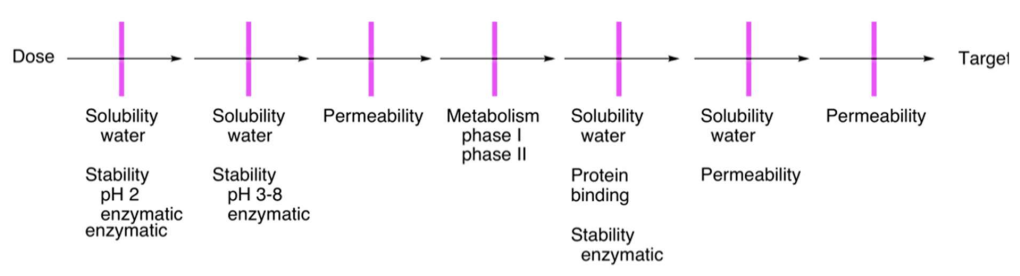
Barriers to drug delivery (oral dosing)
- D properties must be optimized to ensure sufficient D reaches its T
- Oral D's encounter many barriers: solubility, stability, permeability, metabolism
- These processes are described by ADME:
↳ Absorption; Distribution; Metabolism; Excretion
Lipinski's rule of five
- Rapid assessment of drug-like physicochem properties
- Identifies compounds at risk of poor oral absorption or permeability
- Based on patterns observed in known D's
- Guideline, not guarantee of oral bioavailability
- Predictions must be confirmed experimentally
Lipinski Rule of 5 checklist
2 or more violated = more likely to have poor oral absorption:
1. Over 5 H-bond donors
2. Over 10 H-bond acceptors
3. Molecular weight >500 Da
4. Calculated LogP > 5 (or measured LogP > ~4.15 in the og formulation)

Hydrogen bonding: rationale for Rule of 5
- H-bonds ↑ water solubility, too many make it difficult to cross lipophilic memb
- Balance btwn aq solubility & memb permeability is important

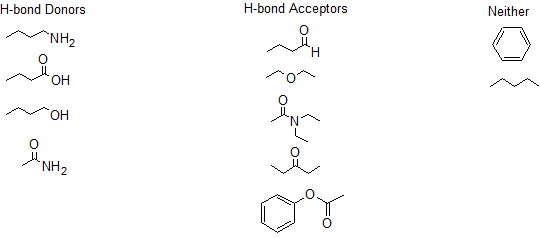
Hydrogen-bond donors (HBD)
- Typically, OH and NH groups (H-EN atom)
- Count donor groups, not individual H atoms
- Ex: -NH₂ = 1 HBD

Hydrogen-bond acceptors (HBA)
- Atoms w suitable available LP's, commonly O or N
- Not every N or O is an acceptor
- Ex: amide nitrogen = 0 HBA (unavailable, involved in resonance)
Molecular weight: rationale for Rule of 5
- Larger molecules struggle crossing biolo memb's by passive diffusion
- ↑ing molecular size can also complicate aq solubility & D formulation
- MW > 500 Da is a useful warning threshold for oral druglikeness, not an absolute limit