L ABFE Review
 Call Kai
 Learn
Learn Practice Test
 Spaced Repetition
 Match
Match Flashcards
 Knowt Play
1/123

There's no tags or description
Looks like no tags are added yet.
Name | Mastery | Learn | Test | Matching | Spaced | Call with Kai | Chat |
|---|
No analytics yet
Send a link to your students to track their progress
124 Terms
normal blood gas values (pH, pCO2, HOC3-)
pH: 7.35-7.45
pCO2: 35-45
HCO3-: 22-26
what is an unmeasured anion/cation
an ion not reported on a BP
what is the most important unmeasured anion
albumin
anion gap equation
(Na+K)-(Cl+HCO3)
how to adjust anion gap for hypoalbuminemia
calculated anion gap + (2.5*every 1g/dL decline in plasma albumin) (normal albumin 4g/dL)
ex. albumin 2
calculated anion gap + (2.5*2)
workup for pt w electrolyte imbalance
1. clinical status/life threatening
2. EKG
3. Na+: fluid balance, serum/urine osmolality
4. check other electrolytes: (if low K+, or Ca++, check Mg++)
5. is Ca+ low, check PO4 (might be high)
6. check med lists
7. normalize electrolytes at an appropriate rate
8. in pt w severe acidosis (pH <7.20), replace bicarb deficit
s/sx metabolic acidosis
hyperpnea (Kussmaul)
depressed CNS fx
CV symptoms
decreased central and pulmonary vascular compliance predisposes to pulmonary edema
pediatric compensation in metabolic acidosis, how is it different
tachypnea rather than hyperpnea d/t anatomy
causes of AG metabolic acidosis **
CUTE DIMPLES
-Cyanide (HCN, Prussic acid)
-Urea/uremia
-Toluene
-Ethylene glycol (antifreeze)
-DKA
-Iron/INH
-Methanol
-Phenformin/metformin
-Lactic Acid
-Ethanol
-Salicylates (ASA)
physiology of AGMA
increased unmeasured anions and decreased HCO3
physiology NAGMA
anion added is Cl-
diminished renal acid excretion
loss of bicarb
excess/consumption of HCl
causes of NAGMA (acidosis)**
-diarrhea
-RTA 1 and 2
-carbonic anhydrase inhibitors
HARDPUS
-hyperalimentation (IV feeding)
-acetazolamide
-RTA
-Diarrhea
-Pancreatico-intestinal fistula
-ureto-sigmoid fistula
-saline infusion
T/F respiratory compensation for metabolic acidosis is more of a increase in tidal volume (hyperpnea) than an increase in respiratory rate (tachypnea)
t
how to estimate expected pCO2 based on respiratory compensation for metabolic acidosis *
Winter's formula: pCO2=(1.5*[HCO3-] +8 (+/-2)
OR
pCO2~last 2 digits of pH
T/F b/c of the lungs' excellent capacity to excrete excess CO2, increases in pCO2 are always d/t hypoventilation and NEVER increased CO2 production
T
causes of respiratory acidosis
parenchymal pulmonary disease (COPD)
respiratory muscle fatigue (myasthenia gravis)
abnormalities in ventilatory control (CNS problems like drugs, stroke, infx, tumor)
T/F carbonic anhydrase can DIRECTLY buffer preexisting HCO3-
false
the buffering produces an extra H+ which requires an extra HCO3- (2 total)
describe compensation for respiratory acidosis (longer)
cell buffering via carbonic anhydrase, Hb, bone: acute and inefficient
HCO3- generation from kidney: subacute-chronic and efficient
- more protection in the chronic setting
pt w elevated bicarb but ventilating normally, a good PA would suspect ______
COPD or other chronic respiratory acidosis
how to determine if respiratory acidosis/alkalosis is acute or chronic
extent of compensation
if it is well compensated, it's a chronic problem
desrcribe the process of contraction alkalosis
hypovolemic, aldosterone release, sodium resorption in exchange for H+ and K+, worsens alkalosis
kidney will prioritize maintaining blood volume over other functions
what is the maintenance factor in metabolic alkalosis
renal impairment (of some degree, even if just dehydration)
-normal kidney should never develop alkalemia bc it can always excrete extra bicarb
causes of metabolic alkalosis
vomiting
NG suction
diuretics
excessive antacid consumption
compensation for metabolic alkalosis
reducing alveolar ventilation
respiratory alkalosis causes
hyperventilation
-CVA
-trauma
-pregnancy
-hyperthyroidism
-non cardiovascular compromising PE
-liver disease (hepatopulmonary syndrome)
-recovery from metabolic acidosis
-mechanical hyperventilation
how long does it take for renal compensation for metabolic disorders to start
starts after 2-6hrs
complete after 2-3hrs
delta ratio <0.4
hyperchloremic NG metabolic acidosis
delta ratio <1:1
non gap AND gap acidosis
ie. lactic acidosis and severe diarrhea
delta ratio btwn 1-2:1
pure anion gap acidosis
ie. lactic acidosis, DKA, alcoholic acidosis
delta ratio near 1.6
lactic acidosis
delta ratio near 1:1
acidosis alcoholic or DKA, lower d/t ketone loss
delta ratio 2:1
gap acidosis AND concurrent metabolic alkalosis
OR
pre-existing compensated respiratory acidosis (COPD)
ie. sepsis and DKA OR chronic resp acidosis (COPD) w compensated metabolic alkalosis
what % of body wt is water
60%
what % of body water is extracellular volume
33%
what % of body water is intracellular volume
66%
Normal Input/Output adult male
2600cc each
breakdown of normal intake
ingested water: 1500cc
food: 800cc
oxidation: 300cc
breakdown of normal water output
urine: 1500cc
skin: 500cc
respiratory tract: 400cc
stool: 200cc
clinical signs that mean you should use 5% for volume depletion calculations
thirsty
decreased tears
normal mental status
skin recoil <2s
clinical signs that mean you should use 10% for volume depletion
apathetic, lethargic, unconscious
tachycardia
deep breathing
deeply sunken eyes
tenting skin turgor
absent tears
minimal cap refill
cold, cyanotic extremities
s/sx fluid overload
edema
JVD
rales, SOB
S3 heart sound
wt gain
CHF
normal urine output by wt
men: 20cc/kg/day
women: 15cc/kg/day
oliguria classifications by urine output
<0.5 cc/kg/hr adult
<1cc/kg/hr in infant
how to calculate the fluid deficit and % dehydration
take pts wt loss in L
divide that by euvolemic TBW
ex. normal wt 70kg (TBW 42L bc body is 60% water), dehydrated wt is 67kg
TBW loss = 3L
dehydration = 3L/42L = 7% dehydration
isotonic IV fluids
0.9% normal saline
lactated ringer's (more close to normal than NS)
Hypotonic IV solutions
1/2 NS
5DW
1/4 NS
Hypertonic IV fluids
3% NaCl
maintenance water requirement order
1.5cc/kg/hr
maintenance Na+ requirement
1.5meq/kg/days
K+ requirement
1 meq/kg/day
glucose requirement
2g/kg/day
FINAL IV ORDER for maintenance fluids, electrolytes, glucose
D5 1/2 NS w 20meq KCl/L at 1.5cc/kg/hr (rate changes w body wt)
Daily water requirement for pediatrics
- 1st 10kg: 100ml/kg/day
- next 10 kg: add 50ml/kg/day (to previous 100)
- next 1-40kg: add 20ml/kg/day
IV infusion rate for pediatrics fluid management
- 1st 10kg: 4ml/kg/hr
- next 10kg: add 2ml/kg/hr (to previous 4)
- next 1-40kg: add 1ml/kg/day
what fluid to use in children vs infants
children: use D5 1/2 NS
infants: D5 1/4 NS
main intracellular cation
potassium
describe how K+ interacts with digitalis
digitalis toxicity can cause hyperkalemia (inhibits Na/K ATPase pump)
HYPOkalema also potentiates digitoxicity
how much glucose is in a L of D5W
L of D5W
50g
how much free water is in a L of NS
none
how much free water is in a L of 1/2 NS
500cc
how much free water is in a L of 1/4 NS
800cc
pt is extremely hypernatremic, what fluid do you give?
NS IV
why? fix fluid deficit
how much free water is in a L of D5W
1 L
% TBW that is interstitial fluid
15%
% TBW that is plasma
5%
examples of transcellular fluid
CSF, bowel secretions, joint fluid, intraocular fluid, pleural fluid, pericardial fluid, peritoneal fluid
normal serum Na+
135-145 meq/L
normal serum K+
2.5-5.5 meq/L (or 3-5.5)
normal serum MG
1.7-2.2 mg/dl
normal serum total calcium
9-10.5mg/dl
normal serum phosphate
2.5-4.5 mg/dl

EKG changes in hyperkalemia
1. Tall peaked T waves
2. Flat P waves
3. Prolonged PRI
4. Widened QRS complexes, deep S
5. Lengthening of QT interval
6. Sine Wave
7. Vfib and death

EKG findings in hypokalemia
-U waves
-Flattened T waves
-ST segment changes
-prolonged QT, then PVC, torsades, and Vfib
what other electrolyte should you check if there is hypokalemia
Mg++ (K+ won't correct unless MG++ deficit is corrected)
when to suspect pseudohyponatremia
-severe hyperglycemia
-sever hyperproteinemia
-severe hyperlipidemia
(under reporting of the [Na+] bc serum volume is overreported d/t big heavy molecules like glucose, lipids, protein)
calculation of Na+ deficit
(0.6wt in kg) (125-actual Na)
if using hypertonic saline, 125 is target
if not, use 140 for calculation instead
Na replacement if [Na+] >127
oral: chips or salt tabs
NA+ replacement if [Na]>120
NS
Na replacement if [Na] <118
3% hypertonic saline
what is the risk of correcting (raising) Na+ levels too quickly
central pontine myelinolysis
clinical uses of Mg++ **
-tx hypokalemia
-tx torsades
-tx asthma
-tx tension HA
-repletion of Mg++ in alcoholic, malnourished pts
-preeclampsia/eclampsia (lowers BP/prevents seizures)
-tocolytic
common cause of hypomagnesemia
chronic alcoholism
difference btwn total and ionized calcium
total Ca++ varies w albumin
ionized Ca++ does not vary w albumin
s/sx hypercalcemia
stones, bones, groans, moans, thrones, psychiatric overtones
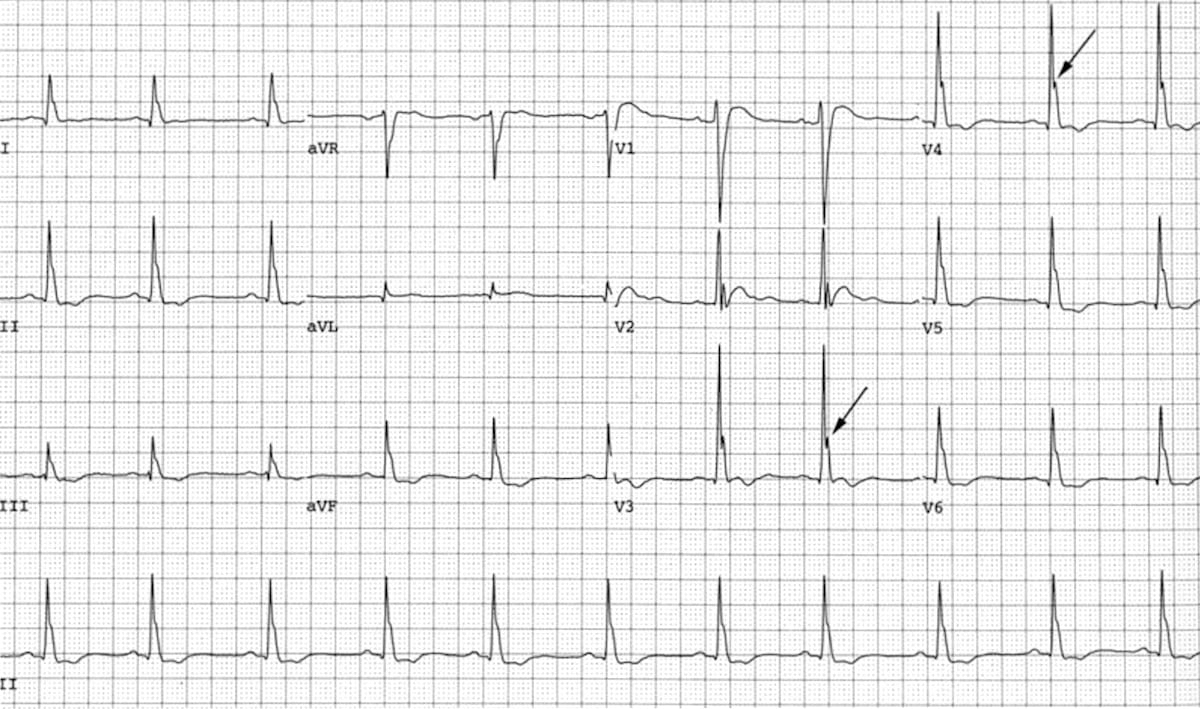
EKG changes hypercalcemia
-shortend QTc secondary to shortened ST
-wide or flattened T wave
-J point elevation
-Osborn (J) wave

tx options hypercalcemia
-saline diuresis
-lasix
-calcitonin (IV/SQ, NOT nasal)
-denosumab
-zolendronic acid
-mithramycin
-surgical removal or parathyroids
early s/sx hypocalcemia
-peri oral numbness
-paresthesias of hands/feet
-muscle cramps
s/sx sever hypocalcemia
tetany 9carpopedal spasm, laryngospasem, seizures)
Trousseau's sign: crapopedal spasm after infaltion of BP cuff above SBP for 3 min
Chvostek's sign: contraction of ipsilateral face muscles after tapping on facial nerve as it passes through parotid gland
what should you check if Ca++ is low
intact PTH
(PTH high - primary, PTH low, secondary)
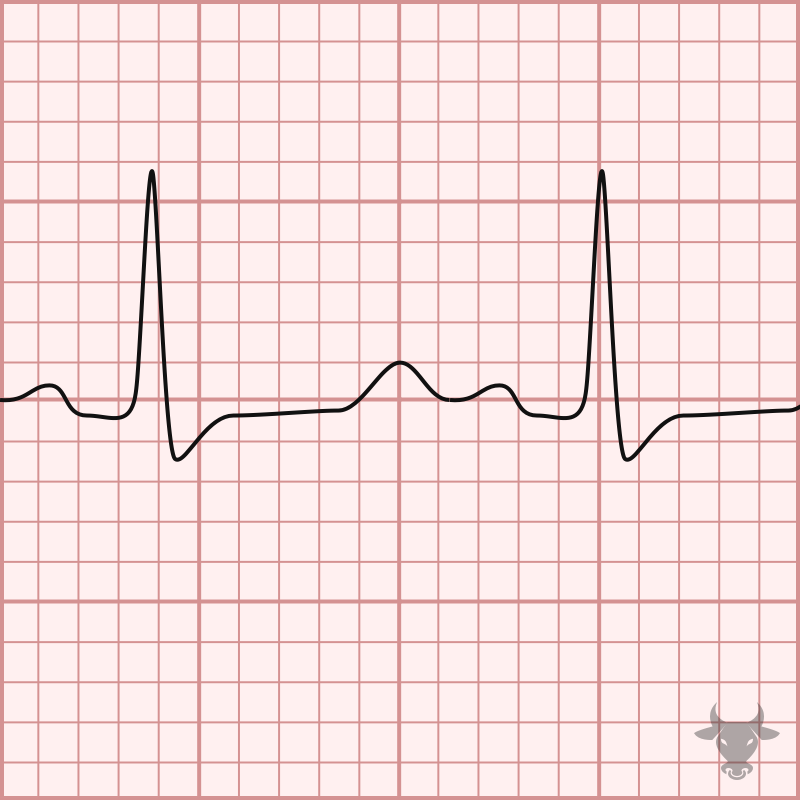
EKG changes hypocalcemia
prolonged QTc secondary to shortened ST

what form of calcium should be given IV
calcium gluconate (less irritating to veins than calcium chloride)
tx hyperphosphatemia, esp in CKD
phosphate binders
s/sx hyperphosphatemia
calcium phosphate precipitates and hypocalcemia
MC cause hyperphosphatemia
CKD
what is in lactated ringers
NaCl, KCl, CaCl, lactate (metabolized to bicarb in liver)
what pts can't get lactated ringers
liver disease/alcoholic
contains lactate, metabolized to bicarb in liver - bad liver means worsenes acidosis, rather than fix
normal serum osmolarity
280mOsm/L
90% of extracellular cations are _
sodium
low potassium is most dangerous in what scenario?
sudden and quick diuresis (loss of fluid)
electrolytes vs. nonelectrolytes, which has a greater osmotic power?
electrolytes
→ can shift fluids more