Psych Exam 2
 Call Kai
 Learn
Learn Practice Test
 Spaced Repetition
 Match
Match Flashcards
 Knowt Play
1/187

There's no tags or description
Looks like no tags are added yet.
Name | Mastery | Learn | Test | Matching | Spaced | Call with Kai | Chat |
|---|
No analytics yet
Send a link to your students to track their progress
188 Terms
Step 1 of Synaptic Transmission
The presynaptic neuron releases a chemical neurotransmitter into the synaptic cleft.
Step 2 of Synaptic Transmission
The neurotransmitter crosses the gap and binds to specific receptors on the postsynaptic neuron.
Step 3 of Synaptic Transmission
After the message is delivered, the neurotransmitter doesn't just hang around forever. It must be removed from the synapse. This can happen in three ways: reuptake, enzyme breakdown, or diffusion
Step 4 Synaptic Transmission
Feedback Regulation - Some neurotransmitters bind to receptors on the original neuron - like a thermostat
Reuptake
Neurotransmitter goes back into the original neuron to be reused later. (Many antidepressants work by blocking this step.)
Enzyme Breakdown
One process by which neurotransmitters are inactivated. Chemicals called enzymes interact with the transmitter molecule and change its structure so that it no longer is capable of occupying receptor sites
Diffusion of Neurotransmitter
It drifts away from the synapse.
This step is important because too much neurotransmitter activity can cause problems — and too little can also cause problems.
Function of Autoreceptors in Synapses
They act as a thermostat to regulate and adjust neurotransmitter release based on feedback.
Role of Norepinephrine
An excitatory neurotransmitter responsible for learning, sleep, mood, memory, and attention.
Role of Serotonin
An inhibitory neurotransmitter regulating emotion, sexual behavior, body temperature, sleep, and pain.
Role of Dopamine
An excitatory neurotransmitter involved in emotional responses, pleasure, complex movement, and cognition.
Role of Histamine
Regulates the release of histamine, glutamate, serotonin, and GABA
Benzodiazepine Reversal Agent
Flumazenil is used to reverse the sedative effects of _________ overdose.
Key Patient Teaching for Benzodiazepines
Taper off slowly; **avoid alcohol**, opioids, and driving; watch for fall risks and addiction, its the most prescribed anxiolytic
Benzodiazepine Role
treat anxiety (number ONE prescribed medication for anxiety)
Common Side Effects of Lithium
Diarrhea, nausea, increased thirst, fine hand tremors, and weight gain.
Monitoring Requirements for Lithium
Serum blood levels every 1-2 weeks and regular kidney and liver function tests.
Lithium Role
Treat Bipolar Disorders (mood regulation)
Mechanism of Anticonvulsants in Mood Regulation (bipolar disorder)
Inhibits the kindling process to prevent cascading neural activity associated with mania.
Onset Time for SSRI Efficacy
Typically takes 4 to 6 weeks to show full therapeutic effectiveness.
SSRI Herb Interaction Warning
Combining SSRIs (e.g., fluoxetine) with St. John's Wort increases the risk of Serotonin Syndrome.
SSRI Role
Antidepressant, anti-anxiety, and treats some symptoms of bipolar disorder
MAOI Dietary Restriction
Avoid tyramine-rich foods (aged cheeses, cured meats, soy sauce) to prevent hypertensive crisis.
St Johns Wart
antidepressant herbal supplement
education: do NOT take with tricyclic, MAOI, SSRI/SNRI
-> increase side effects and lead to serotonin syndrome
CNS Stimulant Administration Timing
Enteric-coated formulas should not be taken after midday to avoid sleep disruption.
CNS Stimulant Role
Treat ADHD & Narcolepsy
What to avoid when taking a central nervous system stimulant?
Caffeine
Major Risk Associated with Clozapine
Agranulocytosis; requires baseline WBC count and ongoing weekly blood monitoring.
Adverse Effects of FGA
- anticholinergic
- enlargement of breast tissue
- decreased sex drive
- menstrual irregularities
- weight gain
Important education when patient is taking a FGA
To continue it, if do not like side effects able to discuss dosage/other meds with the doctor
Metabolic Adverse Effects of Second-Generation Antipsychotics (SGAs)
Increased blood glucose, elevated blood pressure, and hypercholesterolemia.
Antipsychotic's (typical & atypical) Role
Schizophrenia Treatment
Clinical Manifestations of Serotonin Syndrome
Restlessness, diaphoresis, dilated pupils, tachycardia, muscle rigidity, and hyperreflexia.
Emergency Treatment for Serotonin Syndrome
Stabilize vital signs, administer benzodiazepines for sedation, and give serotonin antagonist meds like cyproheptadine.
MOA of SSRI
inhibit reuptake of serotonin
Anxiolytic Meds
Alprazolam
Chlordiazepoxide
Diazepam
Lorazepam
SSRI Meds
Fluoxetine
Sertraline
Escitalopram
Citalopram
Central Nervous System Meds
Methylphenidate
Dextroamphetamine
Amphetamine
Specific Alprazolam Teaching
Faster onset
Foods high in tyramine
- strong/aged cheese
- cured & processed meats
- sauces like teriyaki, fish, shrimp, soy
- dried/overripened fruits
- fermented foods such as beer
- wine
- soy containing products such as tofu
What happens if you mix MAOI with tyramine high foods?
hypertensive crisis
Manifestations of Early Lithium Toxicity (>1.5 mEq/L)
Coarse hand tremors, persistent GI upset (vomiting/diarrhea), sedation, and confusion.
Interventions of Early Lithium Toxicity (>1.5 mEq/L)
The nurse should withhold lithium treatment and consult with the health care provider
Manifestations of Advanced Lithium Toxicity (2.0-2.5 mEg/L)
Psychological manifestations of seizures and stupor.
(extremely diluted urine, blurred vision, respiratory complications, tinnitus, and jerking motor movements)
The rate of kidney excretion may have to be increased through the administration of urea or mannitol.
Interventions of Advanced Lithium Toxicity (2.0-2.5 mEg/L)
In the case of an intentional lithium overdose, consult with the health care provider to consider gastric lavage.
Interventions for Severe Lithium Toxicity (>2.5 mEq/L)
Immediately consult the healthcare provider to initiate hemodialysis.
Manifestations for Severe Lithium Toxicity (>2.5 mEq/L)
Rapidly deteriorate with the advent of a comatose state.
Risk of severe respiratory complications, leading to death
Antidepressant Discontinuation Syndrome (ADDS)
Clinical manifestations that may occur with sudden discontinuation of the antidepressant medication which the client has been taking. Educate on importance of talking to healthcare provider before ending & tapering meds
Antidepressant Discontinuation Syndrome (ADDS) Manifestations
Flu-like symptoms, insomnia, anxiety, and electric-shock-like head sensations after abrupt cessation.
Activation Syndrome Risk
Early antidepressant treatment can cause impulsivity and agitation, increasing suicidal ideation risk.
Neuroleptic Malignant Syndrome (NMS) Features
Life-threatening hyperthermia, muscle rigidity, altered mental status, and autonomic instability.
Pharmacological Treatment for NMS
Discontinue antipsychotic; administer dantrolene (muscle relaxant) or bromocriptine (dopamine agonist).
Acute Dystonia Definition & Treatment
Severe muscle spasms/rigidity (e.g., oculogyric crisis); treated with IM benztropine or diphenhydramine - caused by blocking dopamine in the midbrain to the brainstem
Akathisia Definition
Subjective feeling of intense motor restlessness not relieved by movement - caused by blocking dopamine in the midbrain to the brainstem
Tardive Dyskinesia Manifestations & Assessment
Involuntary lip-smacking, tongue thrusting, and grimacing; monitored using the AIMS scale - caused by blocking dopamine in the midbrain to the brainstem
Pseudoparksinson
Mimic Parkinson manifestations (shuffling gait, slumped posture, drooling, tremors, pill-rolling) - caused by blocking dopamine in the midbrain to the brainstem
Agranulocytosis
A life-threatening drop in white blood cells. This condition is sometimes produced by the atypical antipsychotic drug clozapine.
Opiate Withdrawal Symptoms
Severe muscle aches, piloerection (goosebumps/gooseflesh), diaphoresis, nausea, vomiting, and diarrhea.
The need for detoxification protocol while providing care in an interprofessional team
provide a standardized, evidence-based framework that allows an interprofessional healthcare team to safely and efficiently manage acute withdrawal symptoms. This collaborative approach minimizes clinical errors, reduces adverse events, and seamlessly bridges the gap between acute stabilization and long-term substance use disorder (SUD) recovery
Purpose of the Mental Health Continuum
Demonstrates that mental health fluctuates from well-being to illness, reducing societal stigma.
Excelling Zone on the Mental Health Continuum
peak well-being, characterized by cheerful, energetic, high-performance flow, and fully realizing potential
Thriving Zone on the Mental Health Continuum
Individual has a satisfactory level of mental well-being and is able to function without difficulty on a daily basis --> Positive, Calm, Preforming, Sleeping well, Eating Healthily, Satisfying Social Activities
Surviving Zone on the Mental Health Continuum
Characterized by an unsettled state, worry, irritability, trouble sleeping, and distraction.
Struggling Zone on the Mental Health Continuum
Signifies trouble in mental health. The individual may experience anxiety and depression, poor concentration, low energy, and struggles with work --> Anxious, Depression, Tired, Poor performance, Poor sleep , Poor appetite
What does the Crisis Zone on the Mental Health Continuum indicate?
It indicates when a person is in a state of emergency with their mental health and requires immediate help.
What are common experiences of clients in the Crisis Zone?
Clients often experience suicidal ideation, severe anxiety, and depression-- exhaustion, very poor sleep weight gain
What is a sign of social isolation in the Crisis Zone?
Absenteeism.
Crisis Stabilization Beds
Are for clients in a mental health emergency who receive treatment and monitoring of their health care needs; these beds are not located in a hospital setting. Those who require a long-term care facility typically remain there indefinitely. A stay in this setting is brief, lasting overnight or a few weeks
State Hospital Facilities
Are for clients who have a mental illness and who meet the state criteria for commitment to an inpatient facility. Often requires court-ordered hospitalization and they have no alternative setting where proper care is received, the client will remain in the state hospital
Transitional/Respite Care
Requires continuous nonmedical monitoring or support after discharge from a hospital. A stay in a transitional or respite facility is typically short, an average of two to four weeks
Long-term Facilities
Are for those clients with chronic mental health conditions who are unable to live independently in the community. Those who require a long-term care facility typically remain there indefinitely
Substance use disorder treatment centers
detoxification facilities and acute residential treatment programs
Military Veteran Care
Veterans Administration (VA) care is provided through a government health program for veterans of the military and their family members. Specific symptoms of mental illness that affect service people and their families, such as posttraumatic stress disorder and military sexual trauma, are addressed
Pediatric and Adolescent Care
are specifically designed for children or teens may be part of an inpatient hospital care unit or a separate facility dedicated to a certain client age range. Specially trained health care professionals work with clients, such as pediatric primary care mental health specialists (PMHS)
Geriatric Care
is targeted at older adults and their unique mental health needs. This can range from specialist geriatric health care providers to programs in long-term care facilities.
Forensic Care
is a type of specialty mental health care for clients convicted of a criminal offense. It is a balance between public safety and comprehensive mental health care. It aims to rehabilitate clients and decriminalize mental health disorders. May be found in jails or prison, homeless shelters, halfway houses with the aim to assist clients to integrate back into the community
Case management
helps the client to coordinate their mental health treatment, such as medications, appointments, or arrange transportation
Assertive Community Treatment (ACT)
Delivers inpatient-level psychiatric care directly into the client's home and community setting.
Telehealth
uses virtual technology such as a computer or smartphone with a camera for health care professionals to meet with clients
Mobile Mental Health Crisis Teams
specially trained mental health professionals who provide emergency psychiatric care onsite at the client's location
Day Treatment
provides mental health care and nonclinical support, such as job training
Primary Mental Health Prevention Example
Teaching parenting skills to expectant parents or offering stress-awareness education in schools, substance use prevention programs
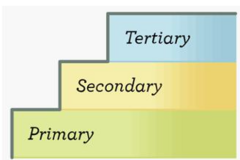
Secondary Mental Health Prevention Example
Conducting mental health self-check screenings or early counseling interventions, resources for teens
Tertiary Mental Health Prevention Example
Medication management groups, life skills training, and home health follow-up visits.
Primary Preventions
focuses on the prevention of a mental illness by focusing on both the individual client and their environment
Secondary Prevention
involves minimizing the early symptoms of a mental illness. Early intervention may mitigate the impact of a mental health disorder
Tertiary Prevention
concentrates on reducing any long-term or debilitating effects of severe and chronic mental illness
Social Determinants of Mental Health (SDoMH)
- Economic stability
- Education (and quality)
- Healthcare access (and quality)
- Neighborhoods and built environment
- social & community context
Other factors affecting access to healthcare
- economic factors
- accessibility
- availability of treatment
Risk Factors to Abuse
History of violence
History of mental health disorder including substance use
Being the victim of a crime
Witnessing abuse or violence
Poor self-esteem and inadequate coping skills
No presence of positive role models throughout childhood
Adverse childhood experiences
Etiology of Abuse
Genetic (MAO gene deficit, X linked recessive)
Social determinants
Medical conditions (Damage to the brain's prefrontal cortex, limbic system, and amygdala, Alzheimer's, Addictive personalities)
Physical Abuse
Perpetrators of physical abuse may use force, including kicking, hitting, slapping, pushing, strangling, or biting to control how others behave and think
Signs of Physical Abuse
General appearance: Ripped or torn clothing, broken eyewear, disheveled hair and clothing
Body: Bruising, lacerations, burn marks, fractured bones, puncture wounds, wounds in various stages of healing
Emotional Abuse
The person responsible for abusing others may use threats, insults, and
intimidation to exert control
Emotional Abuse Signs
Changes in usual behavior, such as social withdrawal or non-responsive communication
Loss of self-esteem
Anxiety provoked by the presence of certain people
Claims of enduring verbal or mental mistreatment
Sexual Abuse
Any forced, inappropriate, or unwanted sexual contact.
What are some examples of sexual abuse?
Includes photographs that are sexually explicit, indecent exposure, unwanted touching, rape, forcing individuals to engage in sexual acts, or coerced nudity.
How has digital media affected sexual abuse?
Digital media and online resources have simplified the grooming, luring, and exposure of children and adolescents to unwanted sexually explicit content.
Signs of Sexual Abuse
Sudden changes in behavior such as fear of people or places
Sexually explicit behavior or sex play
Regression to younger behaviors such as bedwetting
Developmentally inappropriate interest in human sexuality
Discomfort, bruising or bleeding around the breasts, anus, or genital area
Underclothing that is damaged or contains blood stains
Unexplained or recurring sexually transmitted infections (STIs)
Neglect & Abandonment
The refusal or failure of an individual to fulfill any part of his or her duties or obligations to an older person with necessities such as food, shelter, personal safety,clothing and medicine, and needed care.