Apes vocab
 Call Kai
 Learn
 Practice Test
 Spaced Repetition
 Match
 Flashcards
 Knowt Play
1/16

Earn XP
17 Terms
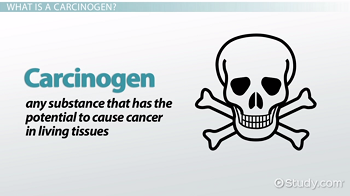
Carcinogen
A substance or agent capable of causing cancer
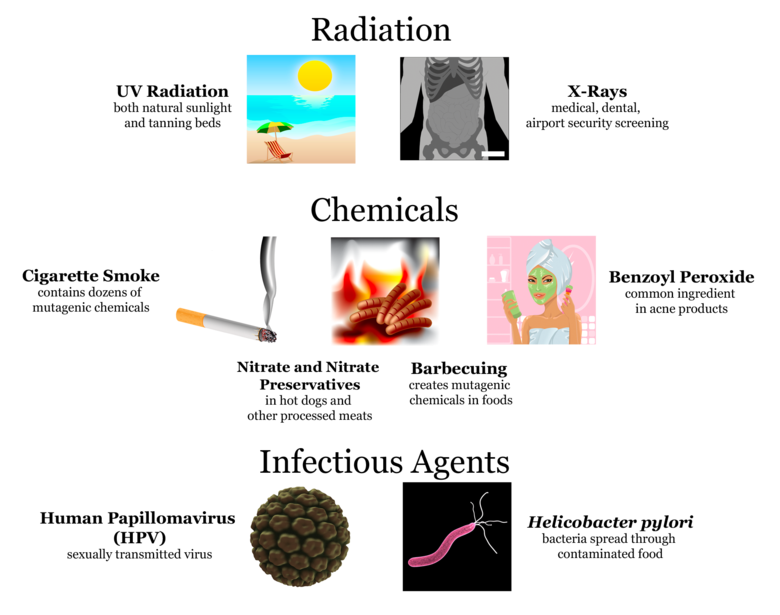
mutagen
An agent, such as radiation or a chemical substance, which causes genetic mutation.
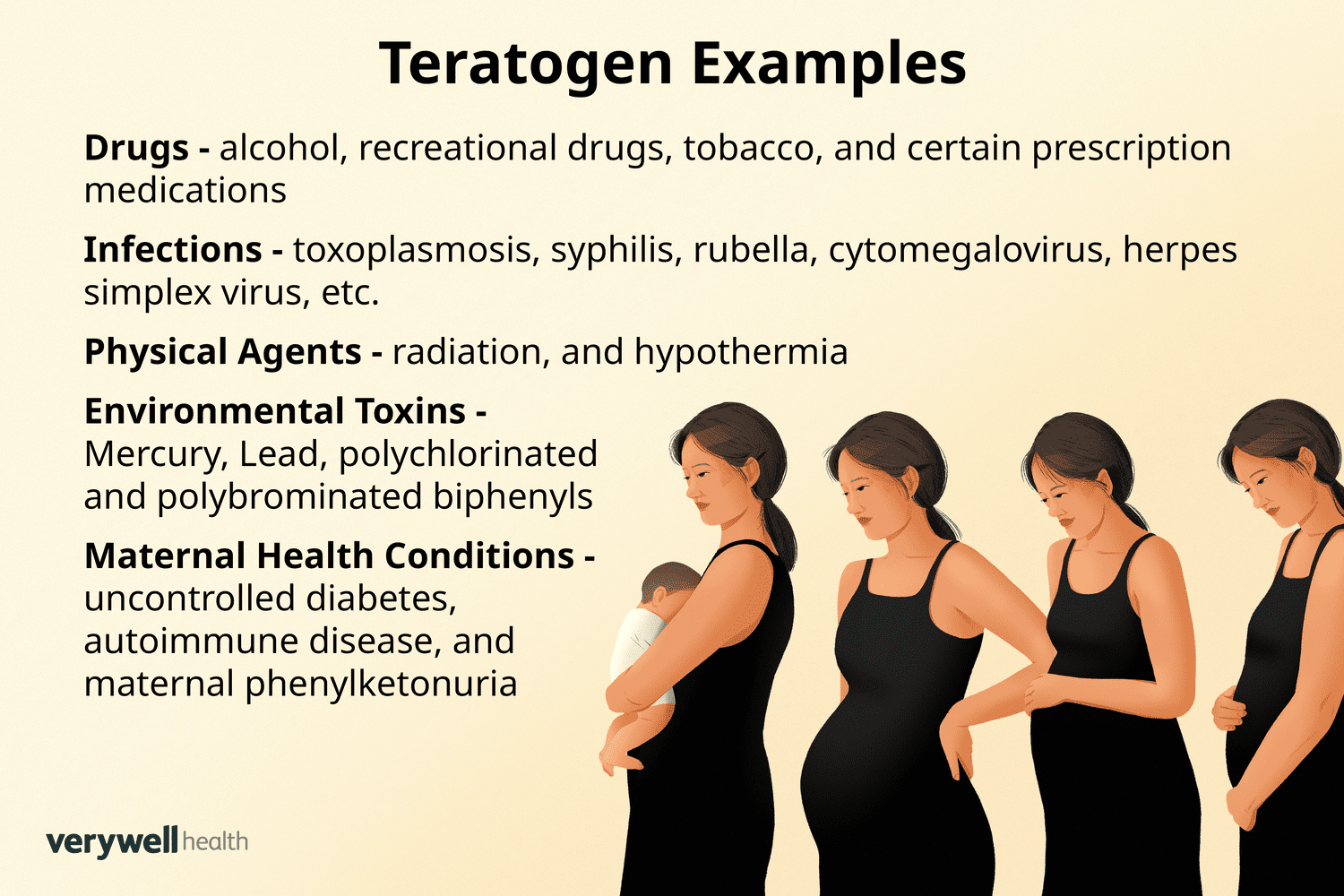
teratogen
A substance or agent that can cause structural of functional defects in an embryo or fetus during pregnancy
BPA
A synthetic compound used in the production of certain plastics, containers that store food, and in other consumer products
Toxicity
A measure of the ability of a substance to cause injury, illness, or death to a living organism.
dose
The amount of a harmful chemical that a person has inhaled, ingested, or absorbed through the skin.
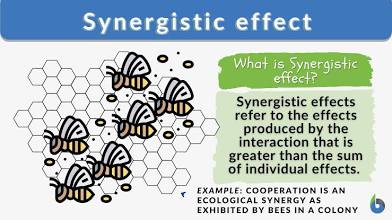
synergistic interaction
The interaction between two or more compounds that results in a greater effect than the sum of their individual effects.
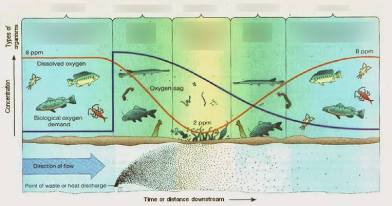
oxygen sag curve
breakdown of biodegradable wastes by bacteria depletes dissolved oxygen and creates an oxygen sag curve.
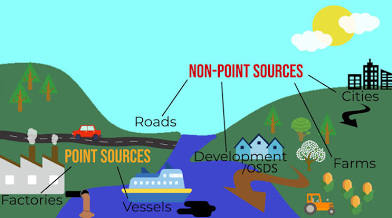
Point source
An identifiable location from which pollutants are released into the environment.
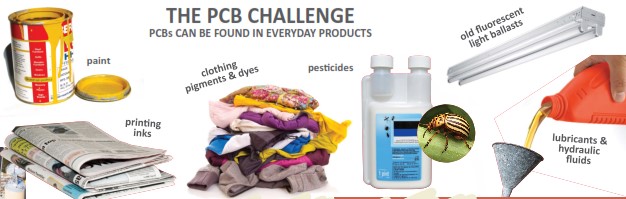
PCB
A group of man made chemicals that were once used in industrial applications, and in coolants and lubricants.
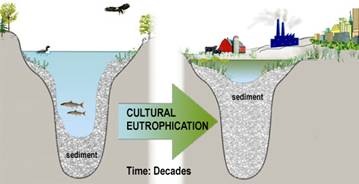
Cultural eutrophication
Input of plant nutrients to a lake by human activities.
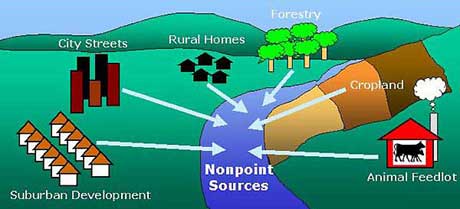
Nonpoint source
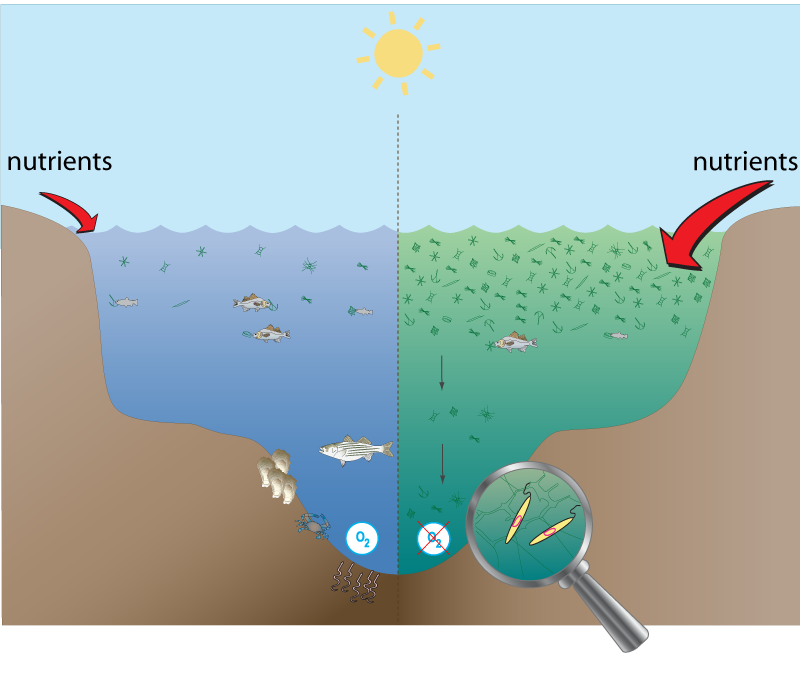
Dead zone
An area in a body of water where there is little oxygen that it cannot support marine life
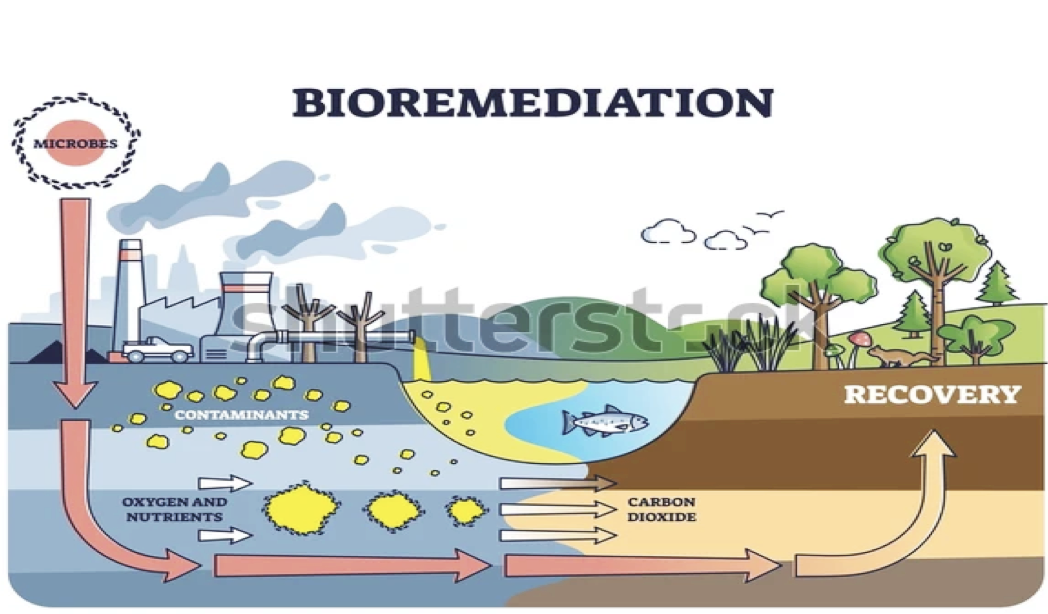
Bioremediation
The use of biological organisms to clean up pollution by altering contaminants in soil or water.
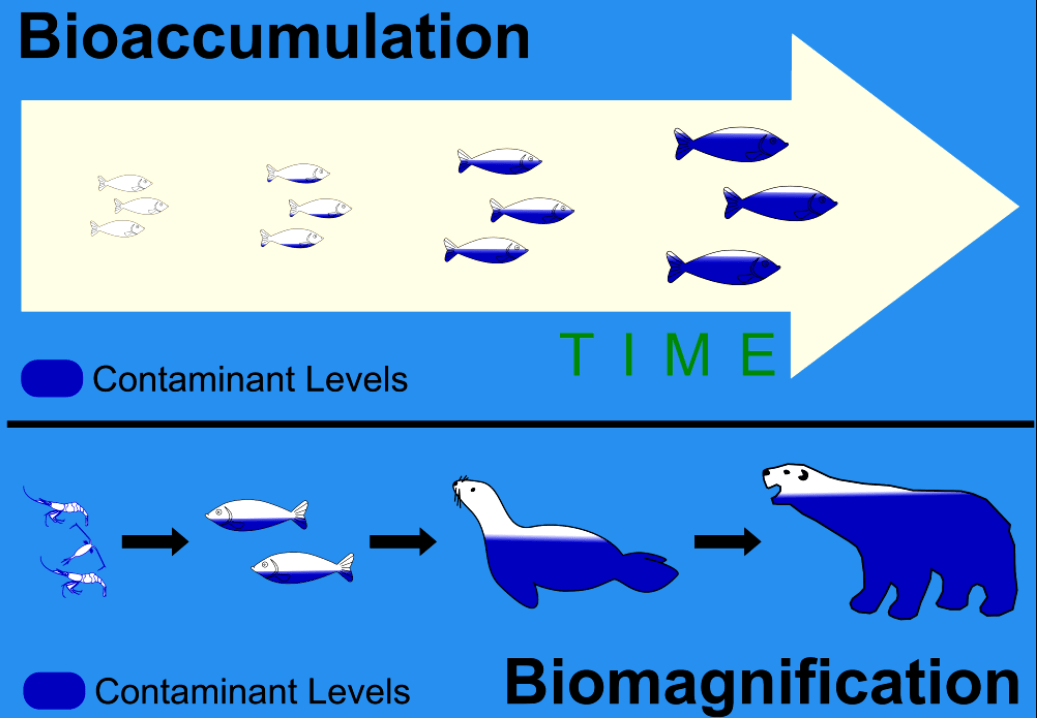
Bioacculation
The gradual accumulation of substances, like heavy metals or pesticides, within an organism’s tissue over time.
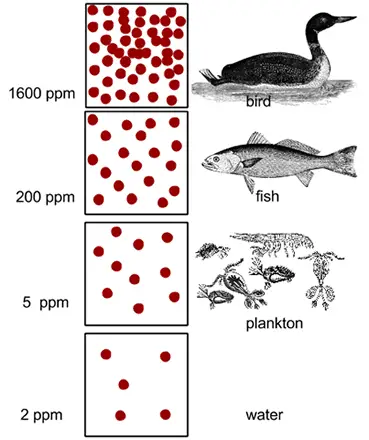
Biomagnification
The increasing concentration of persistent toxic substances in the tissues of organisms at higher levels of the food chain.
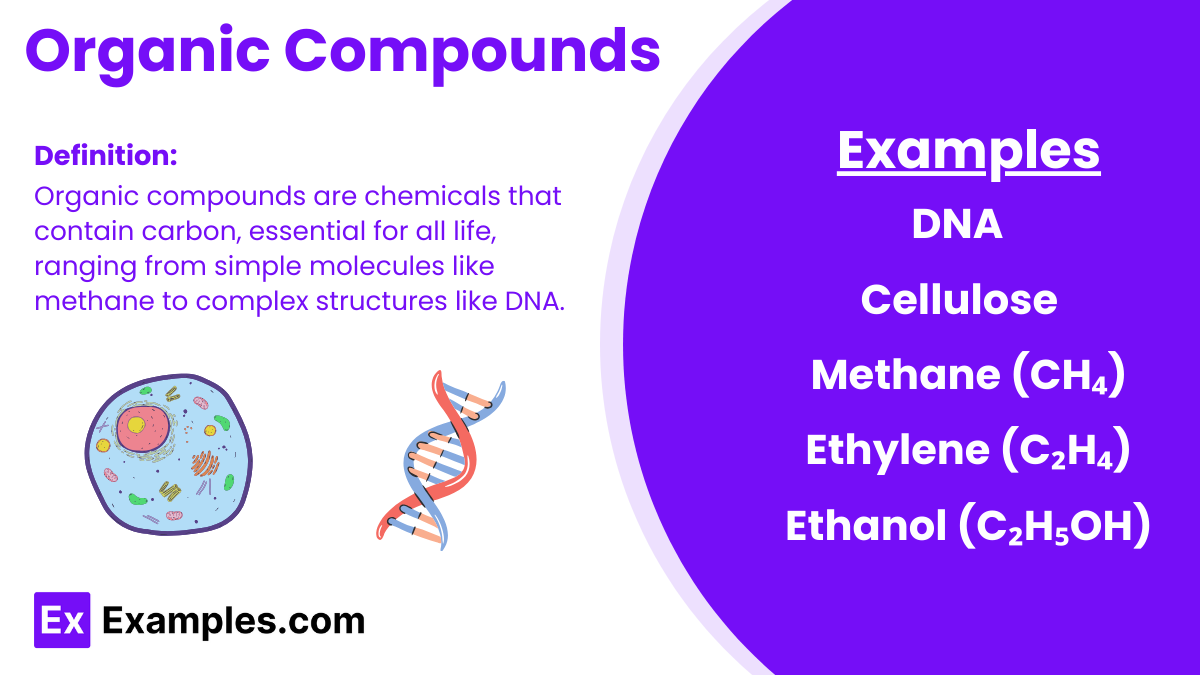
Organic compounds
Building blocks of organisms; organic compounds are molecules of carbon atoms, hydrogen, oxygen, nitrogen, and other elements.