ARCH 211 - Quiz 3
 Call Kai
 Learn
 Practice Test
 Spaced Repetition
 Match
 Flashcards
 Knowt Play
1/18

Earn XP
Description and Tags
Terms/Buildings Mentioned by Kallas (So Far)
19 Terms

Mandala
SACRED DIAGRAM OF THE COSMOS
Square = “Vastu Mandala”
Used as a diagram in architecture, primarily square in plans with a focus towards the center
Center= Womb


Geomancy
Placement of buildings or the arrangement of an urban space based on auspicious/cosmic beliefs
i.e.: Feng Shui in China (the movement of qi or energy from the mountains to water, cities planned off of a good flow of qi)
Pagoda
Tower/tiered structure that is a feature of a Buddhist monastery/temple complex - primarily in China and Japan
Often from a wooden construction tradition featuring U-shaped brackets or “corbel” brackets
Typically adorned with ceramic roof tiles attached to sloped eaves

Stupa
A solid, Buddhist “mound”
Usually holds relics/symbols of revered Buddhist individuals (i.e. Historical Buddha)
Surroundings are sometimes used as spaces for meditation

Rustication
Stone/masonry construction that appears to be rough/unfinished


Title, Location, Significance
Kandariya Temple
Khajuraho, India
Hindu Temple
square mandala → amalaka
Has an inter sanctum
Womb themed + phallic statue
Explicit sexual imagery on exterior, relief sculptures


Title, Location, Significance
Hindu Temple Complex
Angkor Wat, Cambodia
square mandala plan
used to be a Hindu monument now a Buddhist monastery
modeled after a mountain (albeit abstractly)
dedicated to Vishnu - phallic representation


Title, Location, Significance
Great Stupa
Sanchi, India


Title, Location, Significance
Buddhist Temple
Borobudur, Java (Island in Indonesia)
stupa on top + smaller stupas to represent Boddhistavas/spiritual leaders
galleries w/ sculptures
encourages public entry and ambulatory meditation


Title, Location, Significance
Ise Shrine
Mie Prefecture, Japan
temple for the sun deity, only for priests
rebuilt every 20 years - symbolizes renewal
wooden structure directly in dirt “embraces rot”
roof finials


Title, Location, Significance
Dry Garden at Ryoan-ji
Kyoto, Japan
“Ji” = “Monastery”
formal/composed dry garden
raking of gravel = ritual meditation
surrounded by wall and trees that come over said wall slightly


Title, Location, Significance
Taian Teahouse
Kyoto, Japan
used during times of Shogun warfare
two people enter to discuss, unarmed and usually through short doors/crawling
MATCHA
alcove with art displays/flowers to discuss


Title, Location, Significance
Fogong Pagoda
Yingxian, China
extremely tall, eight-sided, wooden pagoda
statue of Buddha in center
finial at top
wooden brackets, ceramic tiles, sloping deep roof eaves


Title, Location, Significance
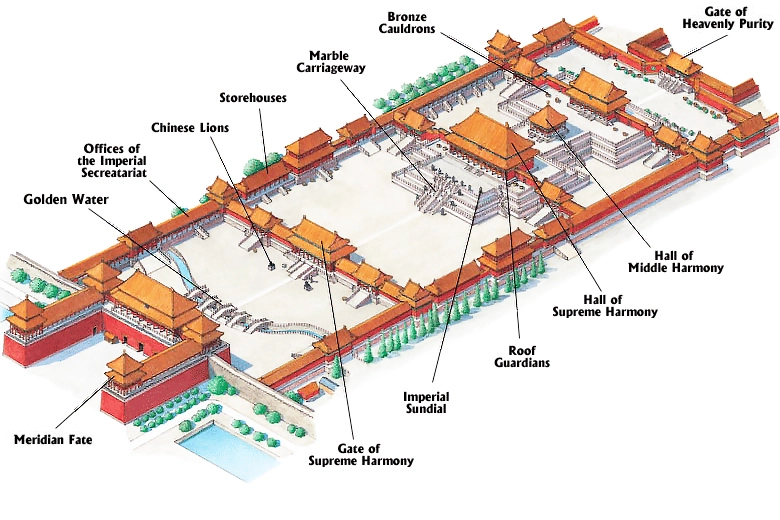
Dule Monastery Buddhist Hall
Jixian, China
one of the oldest wooden structures surviving today (11th century)
double height to host a HUGE statue of Buddha
monastic meditation hall
corbel brackets, all pieces friction fit joinery with no nails

Title, Location, Significance
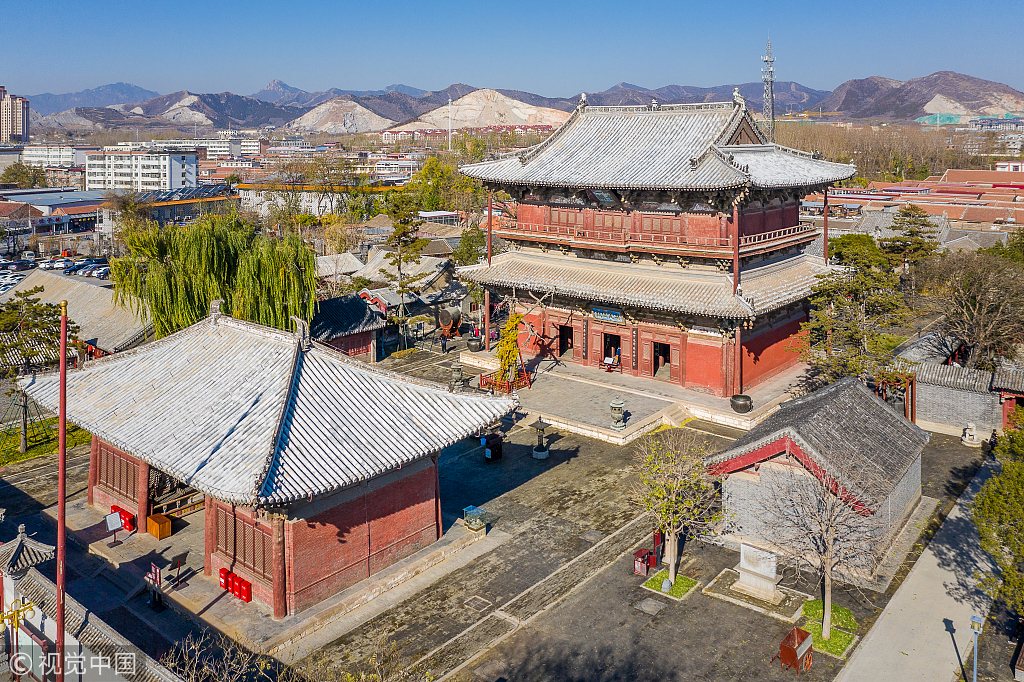
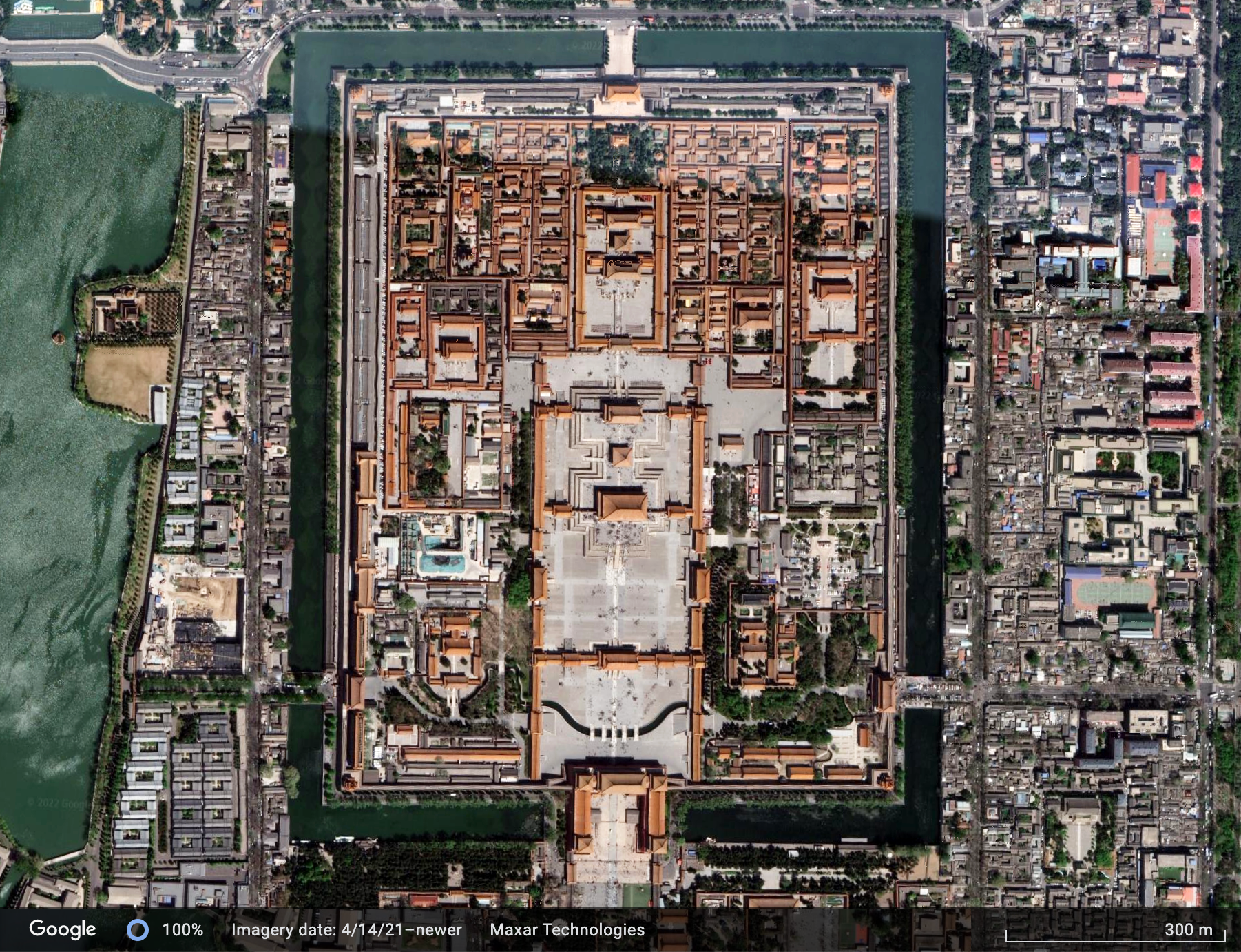
Forbidden City
Bejing, China
palace complex/imperial architecture
Ming dynasty
axis based, with most important halls on central axis (coronations/festivals)
central axis/emperor’s axis with a clear hierarchy
wooden structure with visible brackets
Feng Shui/movement of qi (North Mountains to South river)

Title, Location, Significance
Garden of the Humble Administrator
Suzhou, China
retirement community - post working for the government
everyone had their own plots to maintain (but not residential)
Daoist/rejection of the empire
Qi meanders/non axial
art/literature focused


Title, Location, Architect, Significance
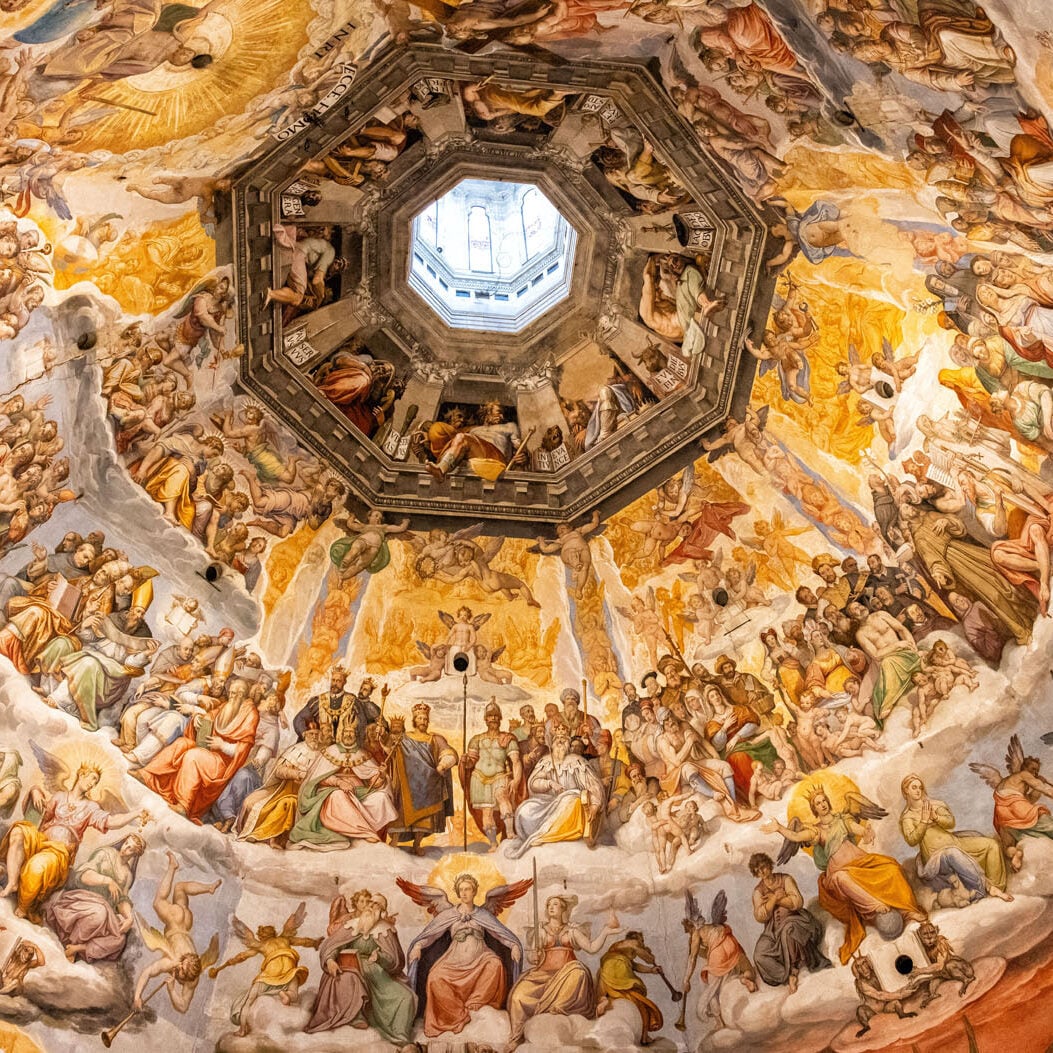
Dome of the Florence Cathedral
Florence, Italy
Filippo Brunelleschi (just the dome)
egg-shaped!
unfinished for 100+ years
gothic, wooden construction (aided by levers to make cheaper)
aims to unify the city

Title, Location, Architect, Significance
Tempio Malatestiano
Rimini, Italy
Leon Battista Alberti
UNFINISHED (so there is no whole, just parts)
outer shell surrounding preexisting inner shell
gothic windows but ancient columns
Alberti was obsessed with antiquity, wrote in Latin
Alberti wrote first treatise on architecture since Vitruvius, on beauty - read for class


Title, Location, Architect, Significance
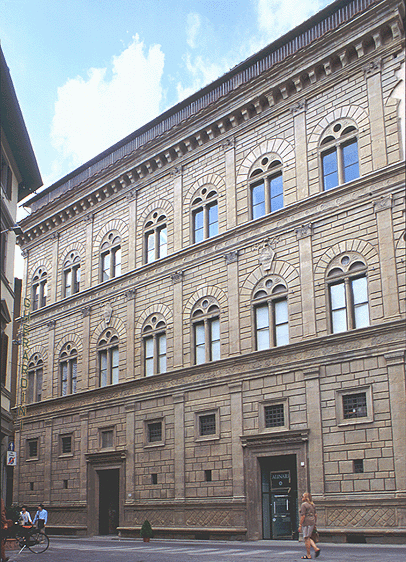
Palazzo Rucellai
Florence, Italy
Leon Battista Alberti
regulates/rationalizes the surrounding buildings
near a trapezoidal piazza
pilasters stack columnar orders