midterm
 Call Kai
 Learn
Learn Practice Test
 Spaced Repetition
 Match
Match Flashcards
 Knowt Play
1/186

There's no tags or description
Looks like no tags are added yet.
Name | Mastery | Learn | Test | Matching | Spaced | Call with Kai | Chat |
|---|
No analytics yet
Send a link to your students to track their progress
187 Terms
OTPF
*Occupational Therapy Practice Framework*
*Domain* (defines focus of OT)
*Process* (describes delivery of OT)
OT process
Referral → Screening → Evaluation → Intervention Planning → Implementation → Review → Outcomes (non-linear — can jump/repeat stages)
can a client be seen without a referral?
yes but OT does need one before starting interventions
OTA
supports evals/interventions under OT supervision
CVA
sudden onset of neurological defects caused by disruption of blood flow to the brain, decreasing oxygen to surrounding cells and leads to brain death/infarction

Ischemia
Most common CVA
Obstruction of circulation to brain (lack of blood flow)
Irreversible tissue damage within 5-10 minutes
ischemia 3 types
embolis, thrombolus, lacunar
Embolus
moving clot/plaque (most common)
(Embolus → escapes - moving)
Thrombus
build up clot/plaque on arterial wall
(Thrombus → trapped - built up and sticks to artery wall)
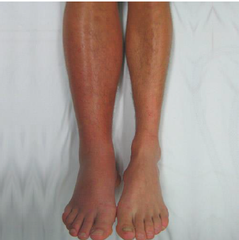
lacunar
occlusion of 1 artery that provides blood to deep brain structures
(Lacunar → little/lone - 1 small, single artery feeding deep brain)

hemorrhage
Rupture of cerebral blood vessel
Blood increases outside of vascular space → compresses brain
(higher mortality rate than ischemia)
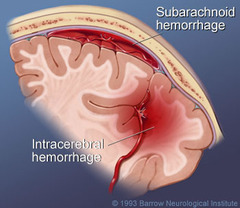
intercerebral vs subarachnoid hemorrhage
Intercerebral: bleeding INTO brain
Subarachnoid: surrounding brain
ischemia is a ... problem while hemorrhage is a ... problem
blockage ... bleeding
OT focus for CVA
One handed techniques
Incorporate hemiplegic (affected) U/LEs
Mental: orientation, short term memory, problem solving, sequencing
Sensory: awareness of hemiplegic side, compensation
Neuromuscular: posture control, voluntary movement, strength, endurance, edema
Voice/speech: adaption for aphasia

hemi walker
for those who do not have the ability to use two hands (CVA equipment)

quad cane
footed cane (CVA equipment)

single point cane
one projection to the ground (CVA equipment)

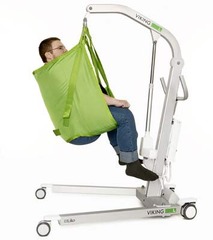
hoyer lift
a piece of equipment designed to raise a patient slowly above a surface to assist in transferring the patient to another surface (CVA equipment)
arm trough
positions and supports a flaccid UE and prevents edema through elevation (CVA equipment)

GivMohr Sling
A supportive orthotic that addresses subluxation (partial dislocation) of the glenohumeral joint related to hemiparesis after a stroke. (CVA equipment)

Bioness
Device for neurological rehab using electrical stimulation for mobility and independence.
Device sends electrical pulses to nerves and muscles for contraction (prevents atrophy) (CVA equipment)

arm skate
Device for supporting/mobilizing the arm (CVA equipment)

TBI
Sudden trauma that causes brain damage
Effects are based on nature/severity, type of BI, location & client age

closed head TBI
no skull penetration
open head TBI
skull penetration & enters brain tissue
non trauma brain injury
Tumors, anoxia, infections, substance abuse, etc.
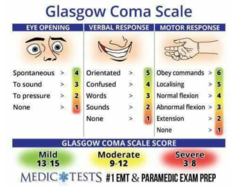
glasgow coma scale (GCS)
a scale used to assess the consciousness and severity of TBI in a patient
motor functions affected in TBI
spasticity, rigidity (decorticate or decerebrate)

Spasticity (TBI)
involuntary increase in muscle resistance - hypertonicity

Decorticate rigidity
FLEXOR posturing
(deCORticate: COR=curled--flexor posture)

Decerebrate rigidity
extensor posturing
(decErebrate: E=extend)

Ranchos Los Amigos Scale
Stages of cognitive and behavioral recovery after brain injury, ranging from severe unresponsiveness to more purposeful, appropriate behavior.
- Guides intervention and determine appropriate stimulation/support.
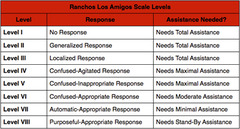
OT services lower level TBI client (Ranchos 1-3)
Increase responsiveness, awareness, simple commands, sensory stimulation, positioning, splinting, cognition, caregiver education
OT services intermediate level TBI client (Ranchos 4-8)
Positioning, UE ROM/tone, ADLs, ataxia, cognition/safety, vision, home management
OT services higher level TBI client (Ranchos 8-10)
Community reintegration, driving, work
ROM
amount of possible movement at joint
ROM record on eval form example ( left elbow flexion @ 130 degrees)
L Elbow Flexion AROM 130 d
Vital signs include
pn, BP, HR, RR, body temp
pyrexia
over 100 degrees FEVER
Hyperexia
life threatening fever, 106 degrees
pulse
60-100 BPM
- Higher in newborns & children
- Taken on radial artery at wrist
blood pressure
Relationship between cardiac output (PUMP) & peripheral vascular resistance ("TIGHTNESS")
- systolic/diastolic
- norm = 120/80
mean arterial pressure (MAP)
Average pressure during 1 cardiac cycle
MAP should be 70-100mmHG
MAP formula and ex with 130/80 BP
MAP= ((2* diastolic) + systolic)/3
- Ex: 130/80 BP → ((2*80)+130)/3 → 96.7 MAP
respiration (RR)
12-18 breaths/minute
- infants more
Pain
1-10 grading scale, faces for children (subjective)

cramping/aching pain
muscle
sharp, shooting pain
nerve root
sharp, lightning like pain
nerve
burning, shining pain
sympathetic nerve
deep, dull pain
bone
Sharpe, severe pain
fracture
throbbing, diffuse pain
vasculature
SOAP
subjective, objective, assessment, plan
S
subjective
- What client tells you
- Pn, feelings, attitudes, goals, plans
O
objective
- Results of assessment tools - measurable data
- ADLs, IADLs, ROM, MMT, balance, tone, edema, tolerance
A
assessment
- Therapist's interpretation of date (from objective)
- Progress, barriers, impairments, deficits that impact engagement
P
plan
- Summary of intervention plan
- If client achieves one or more STG may write another STG or move on to LTG
parkinson's
slowly progressive degenerative movement disorder
- Not fatal
- Substantia nigra deteriorates → decrease in functional ability
(SN: receives input from basal ganglia & corpus (hence why movement is impaired))
(More common than ALS and MS combined)

3 class systems of Parkinson's
tremor, rigidity, bradykinesia
symptoms of Parkinson's
Dysfunction of voluntary and involuntary movement
Tremors, rigidity
Decreased quality of movement & balance
Bradykinesia (SLOW movement)
Rigidity (STIFF)
Resting tremor (pill rolling)
Festinating gait (shuffling)
Dysarthria
Dysphagia
At risk for falls
measuring symptoms of parkinson's
Unified Parkinson's Disease Rating Scale (UPDRS)
- Evaluates motor skills, functional status & disability

OT focus Parkinson's
- Breathing/relaxation education
- Medication
- Keep them moving/talking
ALS
Amyotrophic Lateral Sclerosis (ALS)
Destruction of nervous system
- UMN, LMN, or both
- Rapid
- Causes are unknown
medical management ALS
Inform client of diagnosis
Support for invasive/noninvasive ventilator options
Dysphagia: feeding tube
Saliva/pn management
Hospice
Medication
symptoms: beginning ALS
Focal weakness: one site of body
Emotional liability
symptoms: progression ALS
Muscle atrophy
Decrease in weight
Spasticity
Cramping
Fasciculations (involuntary muscle fiber contractions)
symptom's: end ALS
Tube feeding
Ventilator
Hospice
OT focus ALS
Occupation:
- Adapt & compensate
Education:
- Disease
- DME (durable medical equipment
- Caregivers
Acceptance of death
MS
Multiple Sclerosis (MS): progressive degeneration of myelin sheath in CNS
Includes exacerbations (lesions) & remissions
symptoms MS
Vary **
Fatigue
Vertigo
Sensory: numbness/tingling
Decreased balance
Decreased bladder and bowel control
Vision dysfunction
Pn
Cognitive dysfunction
Emotional changes - depression
Spasticity
because MS symptoms vary and every case is unique requires
re-evaluation and different interventions
OT focus MS
ADL/IADL retraining
Home/environment modifications
Energy conservation
Adaptive equipment training
Sleep evaluation
Adaptive equipment training
Visual perception retraining
Caregiver education
Comprehensive Workplace Clinical assessment (CWC)(Evaluates progression of disease)
scapular mobilization
Technique used to move scapula through different directions to improve mobility, ROM, and function.
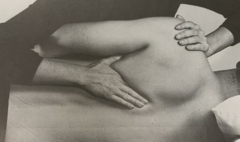
scapular mobilization may be helpful for clients with...
Stroke
Shoulder pain
Ortho injuries
RC issues
Limited UE ROM
SLUMS assessment
Cognitive screening tools that assesses cognitive impairment and dementia
- Primarily for older adults or adults with suspected cognitive dysfunction

SLUMS assessment may be helpful for clients with
Dementia
Stroke
Neurological conditions
functional reach test
Measures dynamic standing balancing by determining how far a person can reach forward without losing balance or taking a step.
- can help identify fall risk and postural control limitations.
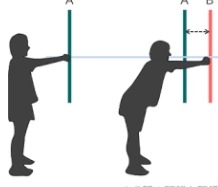
functional reach test could be helpful for
Older adults
People at risk for falls
Parkinson's
Balance/vestibular impairments
Canadian occupation performance measure
Client-centered interview that identifies occupations the client wants or needs to improve.
- client rates their performance and satisfaction with those occupations, helping OT establish meaningful goals.
- Helpful for any OT population
ranchos los amigos
Stages of cognitive and behavioral recovery after brain injury, ranging from severe unresponsiveness to more purposeful, appropriate behavior.
- Guides intervention and determine appropriate stimulation/support.

ranchos los amigos could be helpful for clients with
TBI
Other acquired brain injuries (non-trauma)
modified ashworth scale
Measure of muscle tone/spasticity.
- Therapist moves a limb passively and rates the amount of resistance felt, helping determine the severity of increased muscle tone.
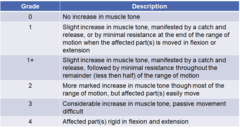
modified ash worth scale may be helpful for clients with
Stroke
TBI
Cerebral palsy
Other neurological conditions
procedural clinical reasoning
- focuses on client diagnosis and performance
- IMPAIRMENT FOCUSED

interactive clinical reasoning
Client-centered, individualizing therapeutic approach (views issues from client's perspective)
- CLIENT RAPPORT
- therapeutic use of self

conditional clinical reasoning
-Combo of other types of reasoning, focus on the whole person, emphasizes "realistic hope"
- CONTEXT (conditions) SENSITIVE
(Used as you gain more experience in OT)

Narrative clinical reasoning
Consider the persons occupational story
Consider roles/activities/habits
- LIFE STORY UNDERSTANDING

pragmatic clinical reasoning
-Not focused on client or client-centered condition but on physical and social context
- PRACTICAL (pragmatic) CONSTRAINTS

SCI causes
traumatic and non-traumatic (disease)
SCI from trauma include
MVA, injuries, falls, accidents
SCIs from disease include
tumors, spina bifida, disorders, MS, ALS
results of SCI
-tetraplegia (quadraplegia)
-paraplegia
Tetraplegia (quadriplegia)
all 4 limbs affected & trunk (TETRA/QUAD=4)

paraplegia
paralysis of both legs and some trunk (PARA=2)

Complete SCI
total paralysis & sensation loss, includes ascending and descending nerve tracts below lesion level

Incomplete SCI
preservation of sensory and/or motor nerves below lesion level
Central Cord Syndrome (CCS)
cell damage in center of cord, paralysis and sensory loss in UEs (nerve roots for UEs are more central than LEs)
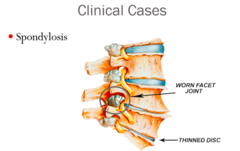
older adults with cervical osteoarthritis commonly have
central cord syndrome
Brown-Sequard Syndrome (BSS)
rare neuro condition , lesion in SC leads to weakness and paralysis, motor paralysis and decreased proprioception ipsilaterally below level of injury, decreased pain , temp, touch contra laterally
