Rocky Shore Notes
 Call Kai
 Learn
 Practice Test
 Spaced Repetition
 Match
 Flashcards
 Knowt Play
1/28

Earn XP
Description and Tags
She sells sea shells on the sea shore
29 Terms

Edible Periwinkle ‘Common Periwinkle’ - Littorina Littorea
→ Smooth Shell (growth lines + ridges)
→ 5-6 whorls whorls/prominent spiral
→ Sharply conical shell, painted apex + surface sculpturing
→ Grey, black, brown, red
→ White columella
→ Almost all areas bar most exposed (upper + sublittoral) | Intertidal zones

Flat Periwinkle - Littorina Obtusata
→ Small, finely reticulate
→ Flattened spire + tear-drop shaped aperture
→ Final whorl = 90% height of shell
→ Body whorl slightly larger than aperture
→ Variable colour (green, yellow, banded, orange)
→ Mid to lower tidal levels, occasionally sublittoral
→ Fucoid algae

Blue Rayed Limpet - Patella Pellucida
→ Smooth, translucent, brownish-yellow
→ Up to 2cm in length (much smaller)
→ Oval outline - depressed cone shape, apex anterior
→ 2-8 broken blue-green rays
→ Found on blade of laminarians or fronds of kelp from lower eulittoral to a depth of ~ 27m
→ Prefers areas of water flow

Common Limpet - Patella Vulgata
→ Conical shell, radiating ridges
→ Central/slightly anterior apex
→ Grey-white, ashen or yellowy shells
→ High shore - sublittoral fringe (wherever a strong substrate is)
→ Translucent pallial tentacles
→ Brownish foot

China Limpet - Patella Ulyssiporiensis
→ Low cone, projecting ridges → alternating x1 + x3
→ Apex noticeably anterior to the centre
→ Outer whitish-grey
→ Orange/apricot foot, white pallial tentacles
→ Lower shore, shallow rock pool on middle shore
→ Intertidal → exposed rocky shores

Dog Whelk → Nucella Lapillus
→ Broadly conical shell, spiral ridges + short pointed spire
→ White, grey, brown, yellow, brown spiral
→ Midshore downwards intertidals
→ 6 swollen whorls
→ Outer aperture lip thin + smooth (young) but thick + toothed internally (old)

Thick-lipped dog whelk - Tritia (Itinia) Incrassata
→ Small shell buff/light tan, brown bands at base of last whorl
→ Deep + short siphhoral canal, brown mask in its roof, thickened aperture
→ Thick outer lip, 45° angle to last whorl
→ Lower rocky shore, sublittoral - under raks, crevices + wider seaweed
→ 8 protuberant whorls
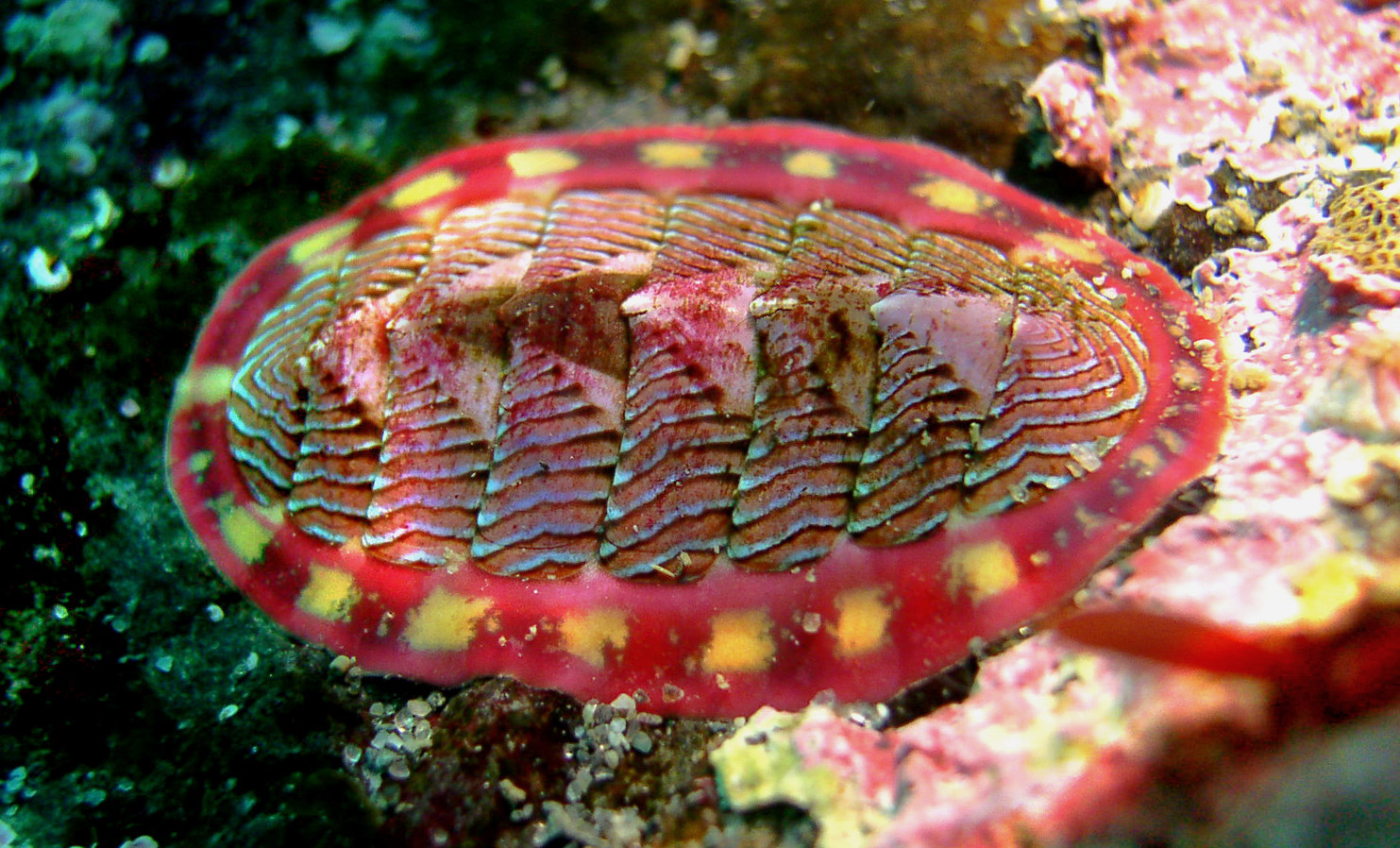
Chiton
→ Oval flattened body
→ 8 Overlapping shell plates surrounded by a tough muscular gridle
→ Mottled grey + brown - rockpool camouflage
→ Intertidal
→ 11 Sp in Ireland
→ Attached to hard rock surfaces

Mussel - Mytilus Edulis
→ Inequilateral shell, roughly triangular outline
→ Smooth shell, sculpturing of concentric lines
→ Purple, blue, brown
→ Periostracum darker than shell
→ High intertidal - shallow subtidal
→ Attached by fibreus byssus threads to substrate
→ Posterior adductor scar large (anterior reduced)
→ wide pallial line - edge of mantle white-yellow/brown
→ Anterior, terminal beaks, inconspicuous external ligament - straight umbones

Shore Crab - Carcinus Maenas
→ Carapace is broader than it is long
→ Marbling pattern - dark green, orange or red
→ Front of caraspace serrated, 3-5 teeth on either side
→ First pair of perecipods have well-developed pincers (chelae)
→ Shore + shallow water

Edible Crab - Cancer pagurus
→ 10 rounded lobes
→ Wide + oval carapace, ‘pie-crest’ edge
→ Black tipped cheliped ‘fingers’/pincers
→ Reddish-brown in colour
→ Lower shore, shallow sublittoral + offshore
→ Tufts of stiff hairs on pereopods

Porcelain Crab - Porcellana Platycheles
→ Unequal + massive claws, densely fringed with long setae
→ 2 long antennae
→ Carapace slightly longer than broad
→ 15mm length
→ Greyish brown above
→ Small abdomen tucked under carapace
→ 5 pair of legs much reduced + often concealed
→ Shallow subtidal, intertidal

Montegu’s Crab - Xanthro Hydrophelus
→ Yellow-ish brown
→ Finely granular dorsal surface of carapace
→ 5 blunt lobes on antero-lateral edge of carapace
→ Absence of fringes of setae on 2nd to 5th pain pereopods
→ Shallow marine waters, below intertidal

Risso’s Crab - Xantho Pilipes
→ Flat carapace, smooth dorsal surface
→ Pain broad sub-medium lobes between eyes
→ Yellowish, patches of red
→ Stout + slightly unequal chelipods
→ Dense fringe of setae on carapace + walling
→ Lower shore
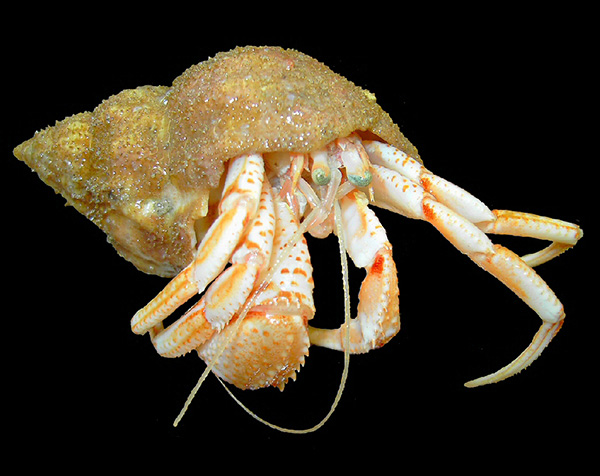
Hermit Crab - Pagarus bernhardus
→ Reddish colour, occupies suitable shells
→ Pincers covered with thick, pointed protrusions - granulations
→ Massive right pincer, devoid of bristles
→ Carapace with sharply pointed rhast

Northern Acorn Barnacle - Semibalanus balanoides
→ Diamond shape
→ 6 plates (calcified)
→10 and 2 o’clock
→ White colour
→ Eulittoral
→ Diamond shaped opercular aperture
→ Broad rooted plate

Darwin’s Barnacle - Austrominius Modestus
→ Diamond shape, 4 plates (calcified)
→ non-natice
→ Low + conical body shape - symmetrical body plate
→ Large diamond shaped opercular aperture

Mantagu’s Barnacle - Chthamalus Montagui
→ Kite shaped
→ 6 plates (calcified) - equal size
→ Coarsely ridged
→ Line bends upwards
→ Beige/cream colour
→ Conical shape, tubular if crowded

Star Barnacle - Chthalamus Stellatus
→ Oval shaped
→ Operculum opening
→ 6 plates - equal size
→ Beige/cream colours
→ Narrow rostral plate
→ Conical - tubular if crowded
→ Intertidal
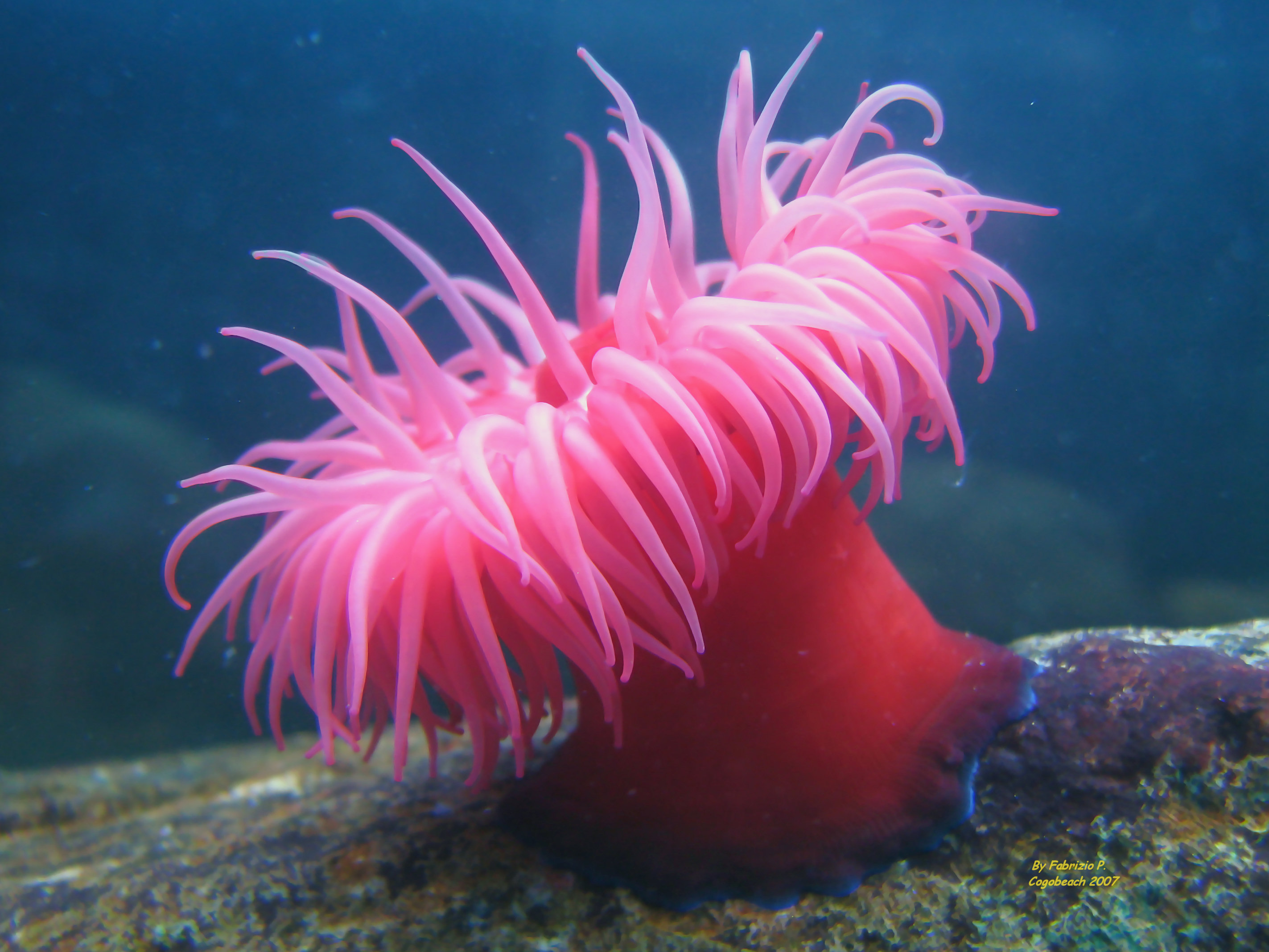
Beadlet Anemone - Actinia Equina
→ Broad base (up to 15cm) smooth column, usually wider than tall
→ Up to 192 tentacles arranged into 6 circles
→ Uniform colours (red, green, brown or orange)
→ Acrorhagi often found inside top margin of column
→ Attached to hard substrate, upper and lower shore
→ Highly adapted to intertidal

Snakelocks Anemone → Anemonia Viridis
→ Large anemone
→ Long flexious tentacles (green or grey brown in colour, up to 200)
→ Green has purple tips
→ Zooxanthellae in tentacles
→ Column (smooth) - reddish, grey/brown
→ Tentacles rarely withdrawn
→ Base broader than tentacles
→ Mainly intertidal, pools midtide downwards

Velella Velella - ‘by the weird sailor’
→ Pelagic colonial hydroid
→ Oval disc = float
→ Thin semi-circular fin

Portuguese Man o War - Physalia Physalis
→ Polys
→ Pneumatophore crest, digestive polyps

Bryozoans
→ Colonial, filter-feeding invertebrates
→ Colonies inside a hard skeleton
→ Live in pits of skeleton
→ Lophophore - tentacles for filter-feeding
→ Zooid - cystid (produces exoskeleton)
→ Shallow sublittoral zones + exposed kelp beds
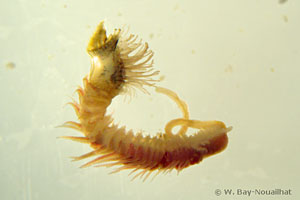
Honeycomb Worm - Sabellaria Alveolata
→ Gregarious segmented worm
→ Builds tubes from sand + shell fragments
→ Tubes deeply aggregated
→ Honeycomb pattern
→ Forms large reefs
→ Thorax with 3 pairs flattened chaetal sheaths
→ Inner + middle rows operculum crown with asymmetrically angular spires pointing distally + transitorily
→ Intertidal, exposed areas

Sinistral Spiral Tubeworm - Spirorbis Spirorbis
→ Body few mm long, orange-red in colour
→ Permanently encased in smooth, white, evenly-coiled tube (3-4mm)
→ Shallow sublittoral intertidal
→ Algae + stones
→ Sinistral (coils to the left), small peripheral flange
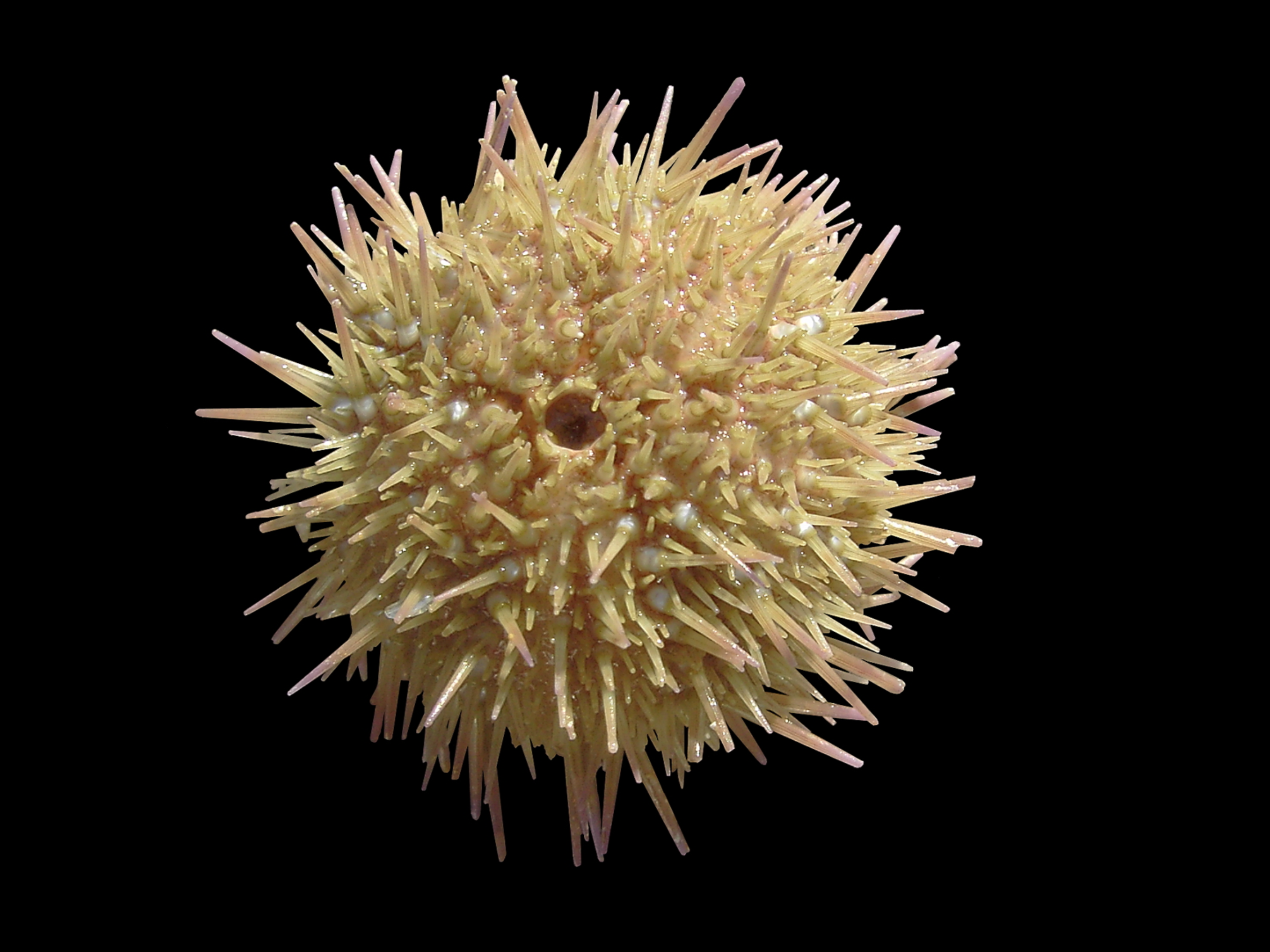
Green Sea Urchin - Psammectinus Miliasrio
→ Almost round, slightly flattened
→ Greenish in colour, violet tips to the spires
→ Spine robust, short + densely packed
→ Test sub-pentagonal + slightly depressed
→ Grooved jaw blades
→ Row sharp spines along each scale
→ Intertidally under stones, boulders + seaweed
→ Subtidally - seagrass beds mixed coarse bottoms

Common Brittlestar - Ophiothrix Fragilis
→ Large + long-armed
→ Conspicuous, radial shields
→ Upper disk surface has 5-rayed pattern of spines
→ Brow/grey, purple, red, orange, yellow+white
→ Fragile arms
→ Lower shore to circalittoral offshore
→ intertidal
→ Under boulders, in crevices
→ Pentagonal diotu (up to 2cm diameter)
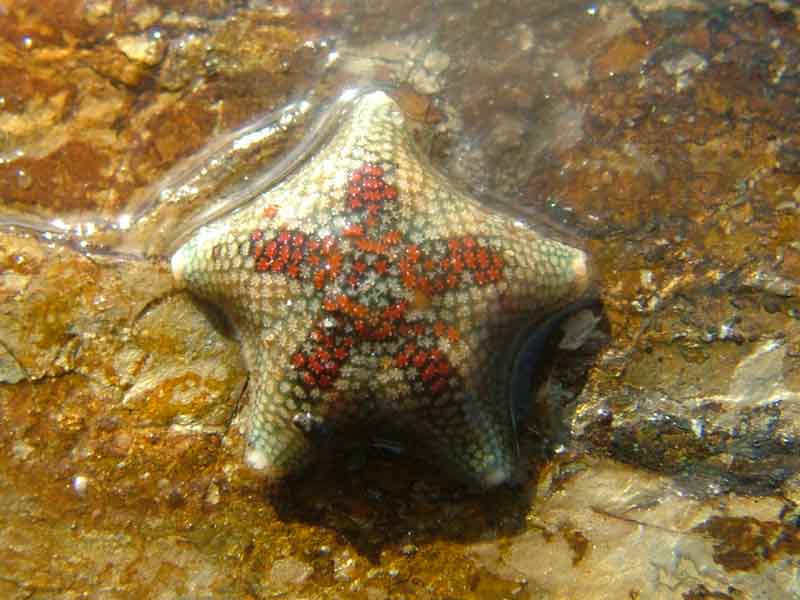
Cushion Star - Asterina Phylsctica
→ Small 5 armed starfish - 5 equal arms originating at central disc
→ Flattened body, small + compact arms
→ Few ventral mouth plates + no radial thickenings
→ Grey-green upper surface, dark star shape in caster, pale underneath
→ Intertidal rock pools
→ Sublittoral
→ Papillae upper + lower surfaces
→ No crossed pedicellarias