NURS 370 Exam 1 - The Postpartum Period
 Call Kai
 Learn
Learn Practice Test
 Spaced Repetition
 Match
Match Flashcards
 Knowt Play
1/86

There's no tags or description
Looks like no tags are added yet.
Name | Mastery | Learn | Test | Matching | Spaced | Call with Kai | Chat |
|---|
No analytics yet
Send a link to your students to track their progress
87 Terms
NSVD
normal spontaneous vaginal delivery

LTCS
low transverse cesarean section

VBAC
vaginal birth after cesarean section
R-LTCS
Repeat low transverse cesarean section
FAVD
forceps assisted vaginal delivery
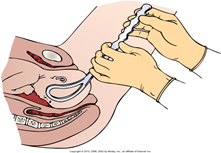
VAVD
vacuum assisted vaginal delivery

TOLAC
trial of labor after cesarean
antipartum
before birth
intrapartum
during birth
postpartum
after childbirth
intermediate
6 week checkup to resume activities
recovery window
two hours post-birth of placenta
multigravida
pregnant 2+ times
multipara
completed two or more pregnancies at 20wks gestation or greater
primipara
first child after the age of viability (24wks)
primigravida
pregnant for the first time or has never delivered a child at viability
nulligravida
never been pregnant
gravida
number of times someone has been pregnant
para
number of births at or after 20wks gestation
GTPAL
gravida, term (greater than 37.0 weeks gestation), preterm (less than 37wks but greater than 19.6wks), abortions, living children
CBC/plts
needed for blood loss quantification and for epidural - anesthesia needs platelet count
type and screen
blood type and Rh factor. drawn at first prenatal visit and during labor at hospital.
RhoGAM
Used to prevent an immune response to Rh positive blood in people with an Rh negative blood type for future pregnancies... given at 28wks and required before 72 hours post-birth.
RhoGAM fetal cell screen
done to see if maternal-fetal blood mixing occurred and if additional doses are required. Kleihauer Betke test may be done to measure fetal hemoglobin transferred from fetus to parent's bloodstream
Hepatitis B
baby will need vax if mother is positive
Rubella
if non-immune, mother must get booster and should not get pregnant within 4wks as this is a live virus and can cause miscarriage or congenital malformation in early pregnancy.
RPR/VDRL/Syphilis
if positive, baby needs antibiotics for 10 days. done at first prenatal and upon hospital admission.
HIV
cocktail for mother and baby if positive
chlamydia and gonorrhea
baby will likely need antibiotics
GBS (Group Beta Strep)
normal vaginal flora that can travel up and infect mother during pregnancy. screen is done at 36 and 38 weeks and if positive, will be treated during labor.
cesarean section
an emergent mode of birth that can be due to maternal issues (HTN, active HSV, HIV, DM), fetal issues (malpresentation, cephalopelvic disproportion), or placental issues (previa, multiple gestation, cord prolapse). incision may be classical/vertical, or low transverse
placenta previa
implantation of the placenta over the cervical opening or in the lower region of the uterus
quantification of maternal blood loss
always done at each birth with blood soaked items for about 2-4 hours or until bleeding is stable. priority assessment is bleeding for birthing person and respiratory for baby
ID and security
always ensure right patients by checking bands, note HUGS and KISSES tags
what should you do before the postpartum assessment
introduce self and wash hands, safety and ID, ensure patient has voided, explain what will be happening, vitals and pain, HS, LS, BS
breasts + nipples
size, shape, tenderness, temperature, color, everted, flat, inverted, red, blistered, cracked, bleeding
breastfeeding
recommend hydration, massage, frequent feeds (2-3 hrs on demand), hot packs before and cold packs after, 500 extra cals
not breastfeeding
tight-fitting bra, avoiding heat, using cold packs and NSAIDs, bottle feed every 3-4 hours. milk takes 2-3 weeks to try up
engorgement
all women will experience ? as mature milk comes in
mastitis
inflammation of the breast - risk can be reduced by releasing all milk if possible, washing with only water and taking care of sore or cracked nipples
uterus
fundal check supine with empty bladder. will be centered between umbilicus and symphysis pubis right after birth, then 6-12 hours will be at level of umbilicus. will descend 1cm a day.
uterine deviation
usually due to distended bladder
what contributes to involution?
oxytocin / contractions
uterine involution
In a week, the uterus will be half the size it was just after giving birth. After two weeks, it will be back inside the pelvis. By about four weeks, it should be close to its pre-pregnancy size. This process is called involution of the uterus.
uterine inversion
uterine fundus collapses into the endometrial cavity, turning the uterus partially or completely inside out.
bladder
measure for first 24 hours. empty bladder every 2-4 hours with 300mL per void. should be able to void 6-8 hours after birth. drink fluids and practice kegels
bowel
last BM, use of laxatives and fluids, fiber
what hormone causes slowing of bowels in pregnancy?
progesterone
lochia
vaginal
lochia rubra
days 1-3 Bright red, fleshy odor, small blood clots, scant to moderate amount, flow increases with standing or breastfeeding
lochia serosa
days 4-10, pink or brown and scant, increased with activity
lochia alba
day 10+, yellow or white and scant
episiotomy
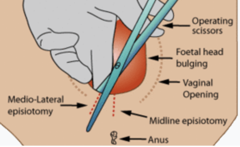
check in sims or side lying to assess, check REEDA and hemorrhoids. encourage ice for 24 hours then heat, peri-bottles and witch hazel/tucks pads, nothing in the vagina until follow up at 6 weeks.
REEDA
redness, edema, ecchymosis, drainage, approximation
1st degree laceration
Extends through skin of perineum
2nd degree laceration
extends through muscles of perineal body
3rd degree laceration
Extends through skin, muscle, perineum, and extends through anal sphincter muscles
4th degree laceration
Extends through skin, muscle, anal sphincter, and anterior rectal wall
extremities
assess IV sites, edema, DVT - encourage early ambulation and compressive devices, avoiding leg crossing
transient anemia postpartum
this is normal, HGB may be 10 and patient is okay
emotion and attachment
look for eye contact and touch, encourage rest and sleep and nutrition, having a support system. tell difference between postpartum depression and baby blues (can last 2 weeks)
geriatric pregnancy
pregnancy after the age of 35
postpartum intravascular fluid shift
5th day
heme/metabolic changes
changes of blood volume, insulin needs reduced, increased prolactin, increased WBCs, increased fibrinogen
neuro changes
altered sleep, fatigue, HA, spinal HA in epidural
renal changes
fluid electrolyte shift, diuresis postpartum, GFR changes
respiratory changes
quickly returns to pre-pregnancy state
cardiac changes
increased cardiac output and stroke volume due to hemodynamic changes, diuresis, fluid shift
integumentary changes
striae gravidarum, laceration, episiotomy
immune changes
increased WBCs, RhoGAM, MMR, Rubella
reproductive changes
ovulation returns quicker for those bottle feeding than breastfeeding (menses at 7-9 weeks and ovulation around 10 weeks). uterine involution takes 3 weeks
gastrointestinal changes
straining r/t constipation and sutures, abdominal distension. use laxatives or stool softeners
muscular changes
relax! muscle fatigue and diastasis recti
postpartum recovery and self care
ambulation, sleep when baby is asleep, nutrition and extra 500 cals for breastfeeding, lots of water, keep bladder empty, ice packs for 24 hours for perineum, pad changes, peri bottles, pat dry, hand hygiene
postpartum drugs
NSAIDS (ibuprofen, tordol for c sec), Acetaminophen, opioids (norco, morphine dilaudid), tucks, witch hazel, prep H, stool softeners (colace, dulcolax, metamucil), vaccines (MMR, flu), RhoGAM, PNV
6 week visit
modified physical exam of breasts, perineum, incisions, SVE for cervix and PAP, screening for depression and IPV, resumption of intercourse and exercise
Previas
pregnancy condition where the placenta attaches low in the uterus and covers all or part of the cervix
accreta spectrum disorder
serious pregnancy condition where the placenta attaches too deeply into the wall of the uterus and cannot separate normally
cord prolapse
a rare and critical obstetric emergency where the umbilical cord slips down through the cervix ahead of or alongside the baby after the amniotic sac ruptures (cuts off the baby’s oxygen and blood supply)
Proper involution
natural postpartum process where the uterus shrinks and returns to its normal, pre-pregnancy size and condition- assess during fundal check
Post partum hemorrhage (PPH)
cumulative blood loss of 1000 mL or greater accompanied by s+s of HYPOvolemia within the first 6 weeks of giving birth
Vaginal Birth
QBL <500mL
C-section birth
QBL <1000mL
QBL
precise measurement of blood lost by a patient during and after childbirth
Abnormal Lochia
foul odor, saturated pad, bleeding beyond 6 weeks
MMR
What vaccine do you need to educate pt to use protection for 28 days after vaccine
S. aureus
What organism causes mastitis