carbohydrates 2.1.2
 Call Kai
 Learn
 Practice Test
 Spaced Repetition
 Match
 Flashcards
 Knowt Play
1/71

Earn XP
Description and Tags
Biological molecules
72 Terms
monosaccharides=
sugars
monosaccharides taste…
sweet
monosaccharide general formula
(CH2O)n
monosaccharide functional group
OH (hydroxyl)
monosaccharide characteristic
polar, dissolve in water
C3H10O3 sugar name
triose
example of a triose
triose phosphate
C5H10O5 sugar name
pentose
pentose examples (3)
ribose (in RNA + ATP)
deoxyribose (in DNA)
RuBP (in photosynthesis)
C6H12O6 sugar name
hexose
examples of hexoses (3)
glucose, fructose, galactose
glucose function
transport sugar in animals and the main respiratory substrate
fructose function
found in fruit, part of the transport sugar in plants
what is galactose
part of the sugar found in mammalian milk
isomers
same chemical formula, different molecular structure e.g. all hexoses
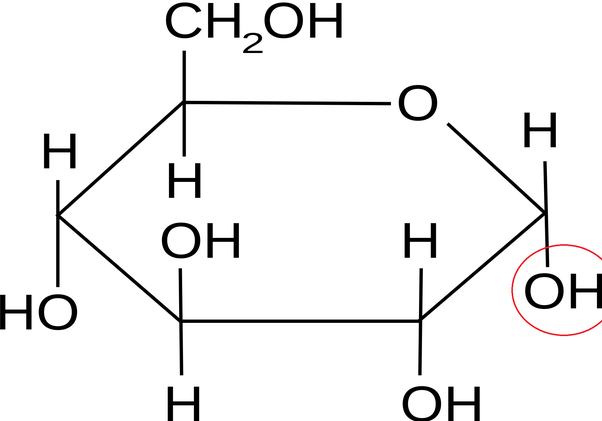
structure of alpha glucose
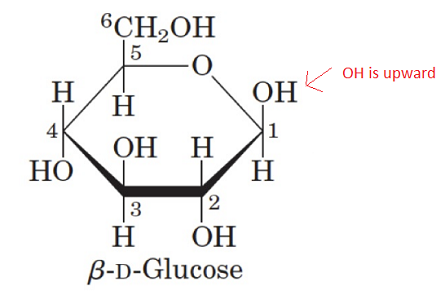
structure of beta glucose
what are disaccharides made with
2 monomer hexose monosaccharides joined with a condensation reaction
general formula of a disaccharide
(C6H12O6)2 - H2O → C12H22O11
maltose function
present in germinating seeds- source of energy for germination
maltose monosaccharides
2 alpha glucose monosaccharides
maltose bond
alpha (1-4) glycosidic bond
disaccharides are broken back to monosaccharides by…
hydrolysis- need to add water
examples of disaccharides (3)
maltose, sucrose, lactose
sucrose function
transport sugar in phloem in plants
sucrose monosaccharides
alpha glucose and fructose
sucrose sugar type
non-reducing sugar
lactose function
milk sugar
lactose monosaccharides
(alpha or beta) glucose and beta galactose
lactose bond
beta (1-4) glycosidic bond
benedict’s test for reducing sugars
add Benedict’s reagent
heat+glucose present
solution forms red precipitate
no glucose present: blue solution remains
benedict’s test for reducing sugars equation
Cu 2+ + CuSO4 → Cu+ + Cu2O
which sugars are reducing sugars
all sugars are reducing except sucrose
benedict’s test for non-reducing sugars
hydrolysed to glucose and fructose: heat with hydrochloric acid added
neutralise pH by adding NaHCO3 (sodium bicarbonate)
heat with benedict’s solution added:
Cu2+ (blue sol.) + heat → Cu+ (red ppt.)
polysaccharide examples (~5)
starch
amylose
amylopectin
glycogen
cellulose
chitin
polymers of glucose (3)
starch, glycogen, cellulose
polysaccharide general formula
(x= no. of monomers) (C6H10O5)x + H2O
starch function
storage of carbohydrates in plants, source of glucose for respiration
starch location (3)
found in:
chloroplasts + amyloplasts - insoluble → does not affect water potential so cell doesn’t pop
grain: seed germination
tubers (e.g. potato): for asexual reproduction
2 types of starch
amylose and amylopectin
starch composition %
amylose: 20%
amylopectin: 80%
amylose monomers
alpha glucose
amylose bonds
alpha (1-4) glycosidic bond
amylose structure
helical molecule, held together by intramolecular hydrogen bonds
amylose relative molecular mass
~ 50,000 → about 300 glucose residues in a molecule of amylose
amylopectin monomers
alpha glucose
amylopectin bonds
alpha (1-4) glycosidic bond, alpha (1-6) glycosidic bond
amylopectin structure
branched (less branched than glycogen)
amylopectin relative molecular mass
~ 500,000 → about 3,000 glucose residues in a molecule of amylopectin
glycogen function
storage carbohydrate found in animal cells
glycogen monomer
alpha glucose
glycogen structure
highly branched (more than amylopectin)
glycogen bonds
alpha (1-4) glycosidic bonds, alpha (1-6) glycosidic bonds
glycogen relative molecular mass
up to 60,000 glucose residues in a molecule of glycogen
amylopectin and glycogen are good energy stores because (3)…
compact
insoluble
branched
amylopectin and glycogen benefit of being compact
many glucose monomers exist in a small volume → large quantities of energy can be stored in the cell
amylopectin and glycogen benefit of being insoluble
won’t effect water potential → do not cause osmotic swell
amylopectin and glycogen benefit of being branched
many glucose monomers available at branch endings → rapid release of glucose for respiration to provide energy for the cell
glycogen is more highly branched than amylopectin → more glucose monomers are hydrolysed i.e. more rapid release of glucose for animals which are more metabolically active than plants
cellulose function
component of plant and algae cell walls
monomers of cellulose
beta glucose
structure of cellulose
linear- chain does not coil because each beta glucose monomer is upside down with respect to its neighbour. each chain lies parallel to the next and can form hydrogen bonds within it
bonds in cellulose
beta (1-4) glycosidic bond
cellulose relative molecular mass
about 10,000 glucose residues in a chain
cell wall→ glucose structure breakdown
cell wall → cellulose microfibrils in plant cell wall → microfibril (a bundle makes a macrofibril) → cellulose molecules → beta glucose monomer with INTER-MOLECULAR hydrogen bonds
properties of cellulose (6)
insoluble, flexible, high tensile strength, unreactive, linear, unbranched
cellulose insolubility reason
very large polymer with many H bonds keeping strands together so no access for water molecules to bond with polar OH groups
cellulose flexibility reason
bundles of cellulose chains (microfibrils) can slide against each other when the cell has to stretch or bend
cellulose high tensile strength reason
many intermolecular H bonds between the individual cellulose molecules within the microfibrils hold the chains firmly together
cellulose unreactivity reason
glucose monomers held in a chain (plus many H bonds between cellulose molecules) which are not easily hydrolysed to be available for respiration
cellulose linear structure reason
beta glucose monomers flipped 180’ alternatively giving rise to strands which are parallel to each other
cellulose unbranched structure reason
only beta (1-4) glycosidic bonds between the beta glucose monomers are present, NO (1-6) glycosidic bonds
chitin function
cell wall of fungi and exoskeleton of anthropods