PAHL Exam #1 Knowt
 Call Kai
 Learn
Learn Practice Test
 Spaced Repetition
 Match
Match Flashcards
 Knowt Play
1/105

There's no tags or description
Looks like no tags are added yet.
Name | Mastery | Learn | Test | Matching | Spaced | Call with Kai | Chat |
|---|
No analytics yet
Send a link to your students to track their progress
106 Terms
theology of the human body
we are embodied image bearers of God; we are called to glorify God in our bodies
biblical foundations of body care
worship, stewardship, effectiveness in ministry, character formation, pleasure, community, evangelism, bodily discipline
body mind and spirit are ______
interconnected
nutrition
an interdisciplinary science that studies
factors that influence our food choices, the chemical
and physiological processes involved in digesting and
transcribing the chemical components of food to cells
all over the body, and ultimately how those food
components impact our health
what are the four macronutrients?
carbs, protein, fat, water
what are the two micronutrients?
vitamins and minerals
primary function of carbs
provide energy for muscle contractions
where can you get carbs?
potato, carrot, rice, pear, peanuts
what is fiber?
carb type that the body cannot fully digest; helps support digestion and overall gut health
what is the primary function of protein?
build and repair various bodily tissues, support numerous metabolic reactions, maintain proper pH and fluid balance
what are some sources of protein?
eggs, turkey, chicken, tofu
what is the primary function of fat?
aid in the transport and absorption of the fat-soluble vitamins (i.e., A, D, E and K), the conduction of nerve impulses, the maintenance of cell membranes, and the production of specific hormones.
what are some sources of fat?
nuts, fatty fish, poultry, meat, shortening
fat intake recommendation for the different kinds of fats?
monounsaturated: 45-60%, polyunsaturated: 35-50%, saturated: 5-20%, trans fats: <1%
primary function of water
absorb and transport nutrients, remove waste, regulate body temperature, and maintain other bodily functions
what are vitamins?
organic compounds, either acquired from food or produced by the body, that are necessary for the regulation of certain metabolic processes
what do vitamins do?
help to support bone health, heal wounds, and bolster your immune system.
water vs. fat soluble vitamins names
water have fancy names (Thiamine/B1) while fat have regular names (Vitamin A, Vitamin C)
difference between excess water vs. fat soluble vitamins
water: excreted in the urine, fat: stored in the liver or fat tissue
what are minerals?
solid inorganic substances acquired from food that are
essential to certain metabolic functions
what do minerals do?
perform many different functions ranging from building strong bones, transmitting nerve impulses, manufacturing hormones to maintaining a normal heart rhythm
what are some major minerals?
sodium, potassium, chloride
what are some trace minerals?
iron, zinc, iodine
what is the difference between major and trace minerals?
major: required > 100 mg per day, trace: required < 100 mg per day
what is Anorexia Nervosa ?
A clinical condition characterized by extreme fear of becoming obese, a distorted body image, and avoidance of food.
what is Bulimia Nervosa?
A clinical condition characterized by repeated and uncontrolled food binging in which a large number of calories are consumed followed by an immediate purge (e.g., vomiting or use of laxatives / diuretics)
what is Binge Eating Disorder?
A clinical condition characterized by the inability to control what or how much food is being consumed
what is Muscle Dysmorphia?
A psychological disorder characterized by a negative body image and obsessive desire to have a muscular physique
what is Anorexia Athletica?
A subclinical condition characterized by inappropriate eating behaviors and weight control methods to prevent weight and/or fat gain. Although the condition does not meet the clinical criteria for an eating disorder, the associated behaviors can lead to a clinically recognized eating disorder
what is Female Athlete Triad?
condition characterized by the combination of disordered eating, amenorrhea (absence or abnormal cessation of menstruation), and osteoporosis
low carb diets
Promote a high protein, high fat diet and often lack many important nutrients and may result in the following nutrient deficiencies: B-vitamins, calcium, iron, magnesium, and phosphorus
low carb diet’s effectiveness
has more to do with a temporary decrease in water weight than reduced carbohydrate intake
who/who not is the low carb diet recommended for?
obese/diabetics; NOT for athletes since carbs are preferred energy source for muscles
intermittent fasting
Claims that avoiding food for large periods of time is an effective weight-loss strategy and has several drawbacks: amino acid availability, pre-training fuel, and long-term adherence
gluten free diet
excludes gluten, a protein found in wheat, rye, and barley; recommended for those with celiac disease
paleo diet
Incorporates several high-quality foods such as nuts, seeds, eggs, fruits, vegetables, and grass-fed beef; downfalls include: very low in carbohydrate food choices which may hinder athletic performance, can pose a significant financial strain for those on tight budgets
vegetarian/vegan diet
can be a viable option if all other food groups are included, but Individuals using these diets may need to take a supplement to ensure not to develop any nutrient deficiencies
Mediterranean diet
emphasizes whole, nutrient dense foods and limits processed foods and added sugars, linked to improved heart health and reduced risk of chronic disease, when applied consistently, it is a sustainable and nutritionally sound eating pattern but can be challenging to follow due to cost and accessibility of key ingredients
whey vs. casein protein
whey: absorbed quickly and recommended to be taken immediately post workout; casein: digested more slowly and recommended to be taken before bed
what is likely the most cost-effective post workout
beverage on the market?
chocolate milk!
creatine
research shows: increased muscle hypertrophy, increased ability to perform more reps per set, increased recovery ability between sets; not everyone who takes it will have favorable results
caffeine
Research shows: increased motivation for training, increased pain tolerance during training, increased ability to maintain performance during high-volume training sessions, improved (albeit slight) fat-burning ability, reduced appetite
what are some risks of caffeine?
dizziness and gastrointestinal distress
obesity
a condition characterized by the excessive accumulation and storage of fat in the body and individuals with it are at greater risk for multiple diseases and/or conditions including heart disease, diabetes, and certain types of cancer
four theories about weight gain
fat cell theory, set point theory, glandular disorder theory, and positive energy balance theory
what are some causes of weight gain?
genetics, diseases, drugs, socioeconomic status, age gender, ethnicity, and dieting
what is the fat cell theory?
states that obese individuals have an excessive number of fat cells
what is the set point theory?
states that obese individuals are genetically predisposed to carry a certain amount of weight
what is the glandular disorder theory?
states that obesity is caused by a condition called hypothyroidism
what is the positive energy balance theory?
states that weight gain occurs when caloric intake exceeds energy expenditure
daily energy requirements percentages
basal metabolic rate: 70%, non-exercise activity thermogenesis: 15%, thermic effect of food: 10%, exercise activity thermogenesis: 5%
Health Risks associated with Obesity
Heart disease, Sleep apnea, Type 2 diabetes, Asthma, Gallbladder disease, Arthritis, Certain types of cancer (e.g., endometrial, colon, gallbladder, prostate, kidney, breast), Incontinence, and Depression
Fat Cell Theory
States that obese individuals have an excessive number of fat cells
Set Point Theory
States that obese individuals are genetically predisposed to carry a certain amount of weight
Glandular Disorder Theory
States that obesity is caused by a condition called hypothyroidism
Positive Energy Balance Theory
States that weight gain occurs when caloric intake exceeds energy
expenditure
Additional Factors Causing Obesity
Genetics, Diseases, Drugs, Socioeconomic status, Age, Gender, Ethnicity, Dieting
4 Components of Caloric Exposure
Basal Metabolic Rate (70%), Non-Exercise Activity Thermogenesis (15%), Thermal Effect of Food (10%), Exercise Activity Thermogenesis (5%)
What component contributes most to caloric exposure?
Basal Metabolic Rate - 70%
What are some effective weight loss strategies?
Set reasonable and achievable goals
Maintain a negative energy balance
Increase the amount of daily physical activity
Make small, but permanent, changes in your diet
Which factors are listed in the hierarchy for fat loss?
Nutrition, Sleep and Stress, Exercise, and Hormonal Balance (greatest to least)

Which factor is most important in the hierarchy for fat loss?
Nutrition
Which factors are listed in the hierarchy for nutrition?
Calories, Macronutrients, Nutrient Timing, Food Composition, Supplements (greatest to least)

Which factor is most important in the hierarchy of nutrition?
Calories
Which types of exercise are listed in the hierarchy of exercise for fat loss?
Strength Training+ Endurance Training, Strength Training in Isolation, High-Intensity Interval Training in Isolation, Low-Intensity Steady State in Isolation (greatest to least)

Which type of exercise is most effective?
Strength Training+ Endurance Training
What three factors are essential for healthy weight gain?
Resistance Training, Positive Energy Balance, Positive Nitrogen Balance (greatest to least)

The weight management goal of recomposition
Body recomposition is the process of simultaneously
decreasing fat mass while increasing fat free mass.
How is Body Recomposition Accomplished?
Concurrently reducing fat mass while maintaining FFM
Maintaining fat mass while increasing FFM
Reducing fat mass while increasing FFM
Which type of fat is more dangerous for personal health? Why?
Visceral fat is the unseen fat stored around your internal organs and is considered to be hazardous to your health
Women’s Body Type
_____ tend to accumulate more fat around their hips and buttocks thus giving them a pear-shaped (aka gynoid) appearance
Men’s Body Type
_____ tend to accumulate fat around their waist thus giving them an apple-shaped (aka android) appearance. This body shape is associated with a higher risk of disease.
Waist-to-Hip Ratio Calculation
Calculated by dividing the waist measurement (in.) by the hip measurement (in.)
Why is Waist-to-Hip Ratio a good predictor of health risk?
Preferred assessment for those w/ gynoid fat distribution pattern, reflects fat distribution. Better predictor than BMI.
BMI Formula
Calculated by dividing weight (kg) by height2 (m)
Stress
the combination of physiological responses made by the body in response to a perceived harmful event
Eustress
considered to be good or beneficial stress
Distress
bad or harmful stress
Stressors
events or situations that bring about stress
Drive Theory
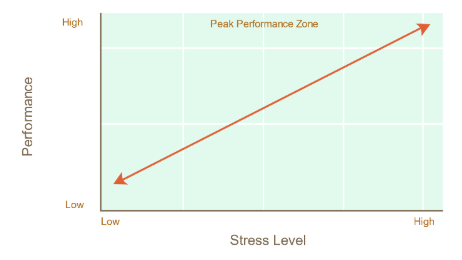
Inverted-U Theory

Individual zones of optimal functioning (IZOF)

Stress: Stage 1 - Alarm (A.R.E)
Sympathetic Nervous System Response - Fight or Flight
Stress: Stage 2 - Resistance (A.R.E)
Occurs when stress is prolonged
Stress: Stage 3 - Exhaustion (A.R.E)
Body has depleted all of its energy resources by continually trying, but failing, to recover from the initail alarm stage
Sympathetic nervous system
functions to mobilize the body’s fight-or-flight response
Parasympathetic nervous system
functions to control the homeostasis of the body
Physiological Response to Acute Stress

Physiological Signs and Symptoms of Exhaustion
Hypertension, elevated cholesterol, atherosclerosis, heart disease, stroke
Psychological Signs and Symptoms of Exhaustion
Irritability, depression, anxiety, paranoia
Male Response to Stress
Fight or Flight
Female Response to Stress
Tend and Befriend
Top Stressors for College Students
Academics, relationships, future concerns, time management, financial matters
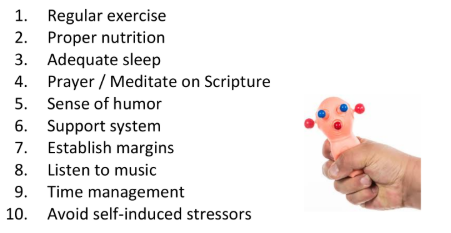
Effective Stress Management Strategies