Systems in the body
 Call Kai
 Learn
 Practice Test
 Spaced Repetition
 Match
 Flashcards
 Knowt Play
1/15

There's no tags or description
Looks like no tags are added yet.
16 Terms
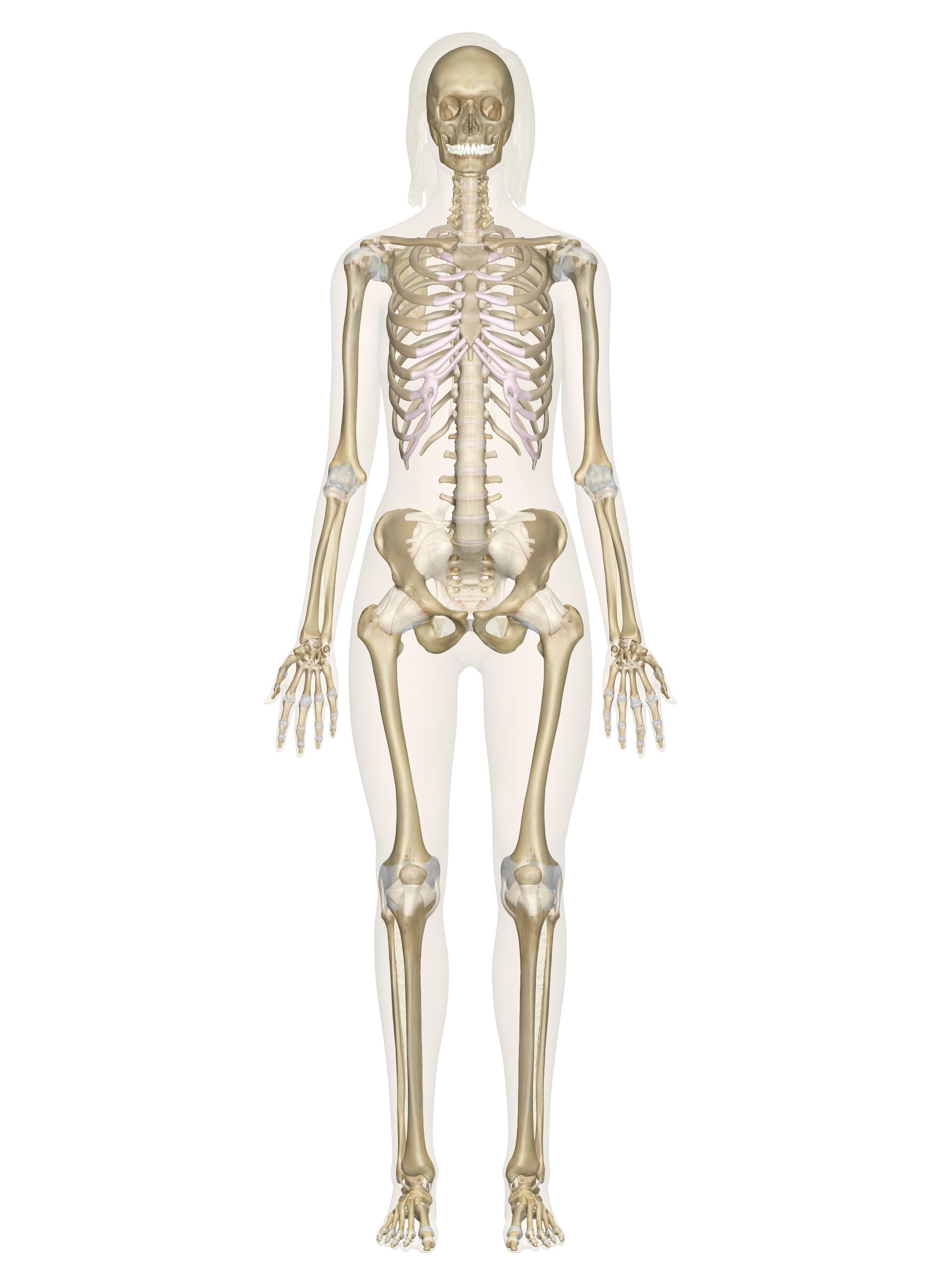
skeletal system
provides structural support to bear the body’s weight
establish a framework to attach soft tissues + internal organs
protect vital organs
red marrow found within the internal cavities of the bones produces red blood cells
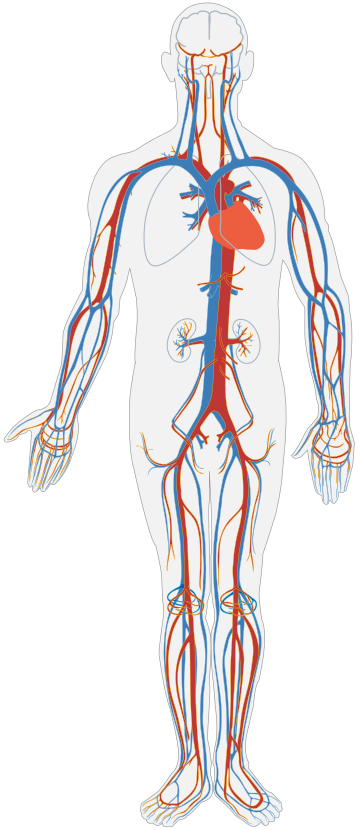
circulatory system
complex arrangement of connected tubes
moves blood, oxygen, nutrients, carbon dioxide, and waste through the body
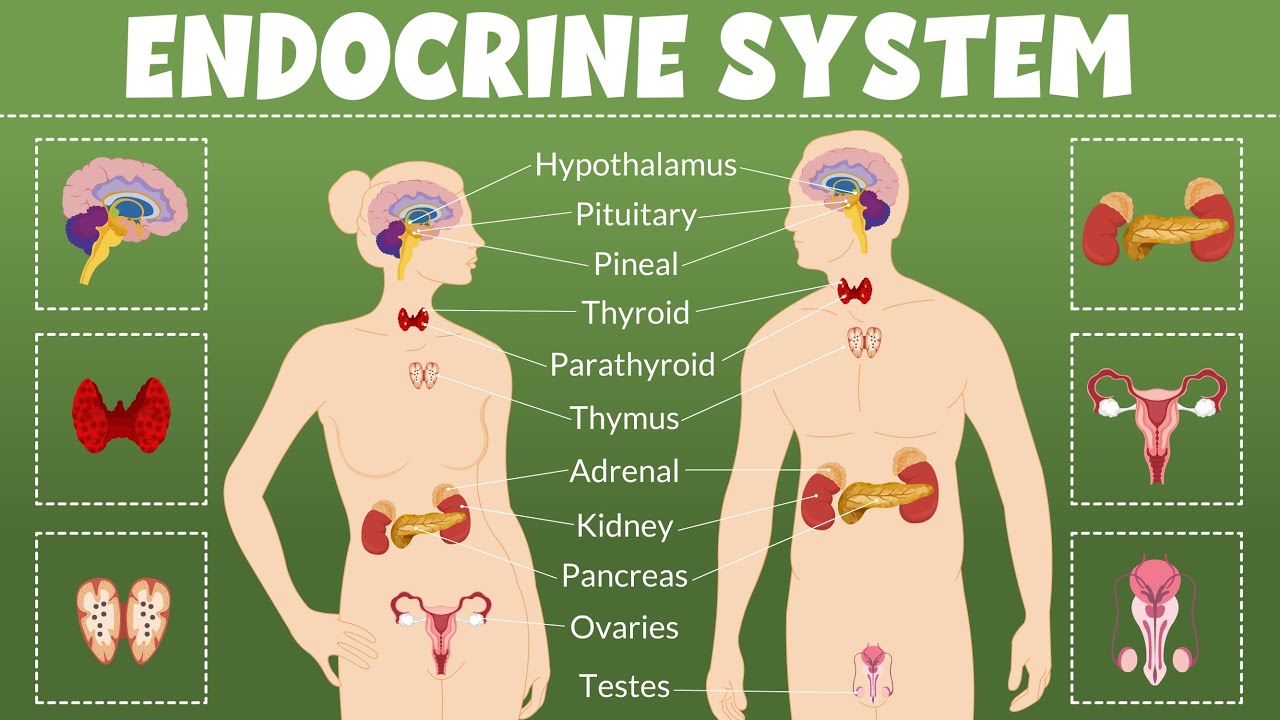
endocrine system
complex message + control system
controls growth and development, metabolism, mood, reproduction, and the way organs work
releases hormones
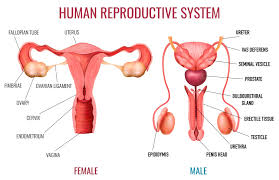
genital system
the reproductive system in men and women
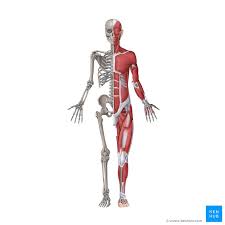
musculoskeletal system
the bones and voluntary muscles of the body
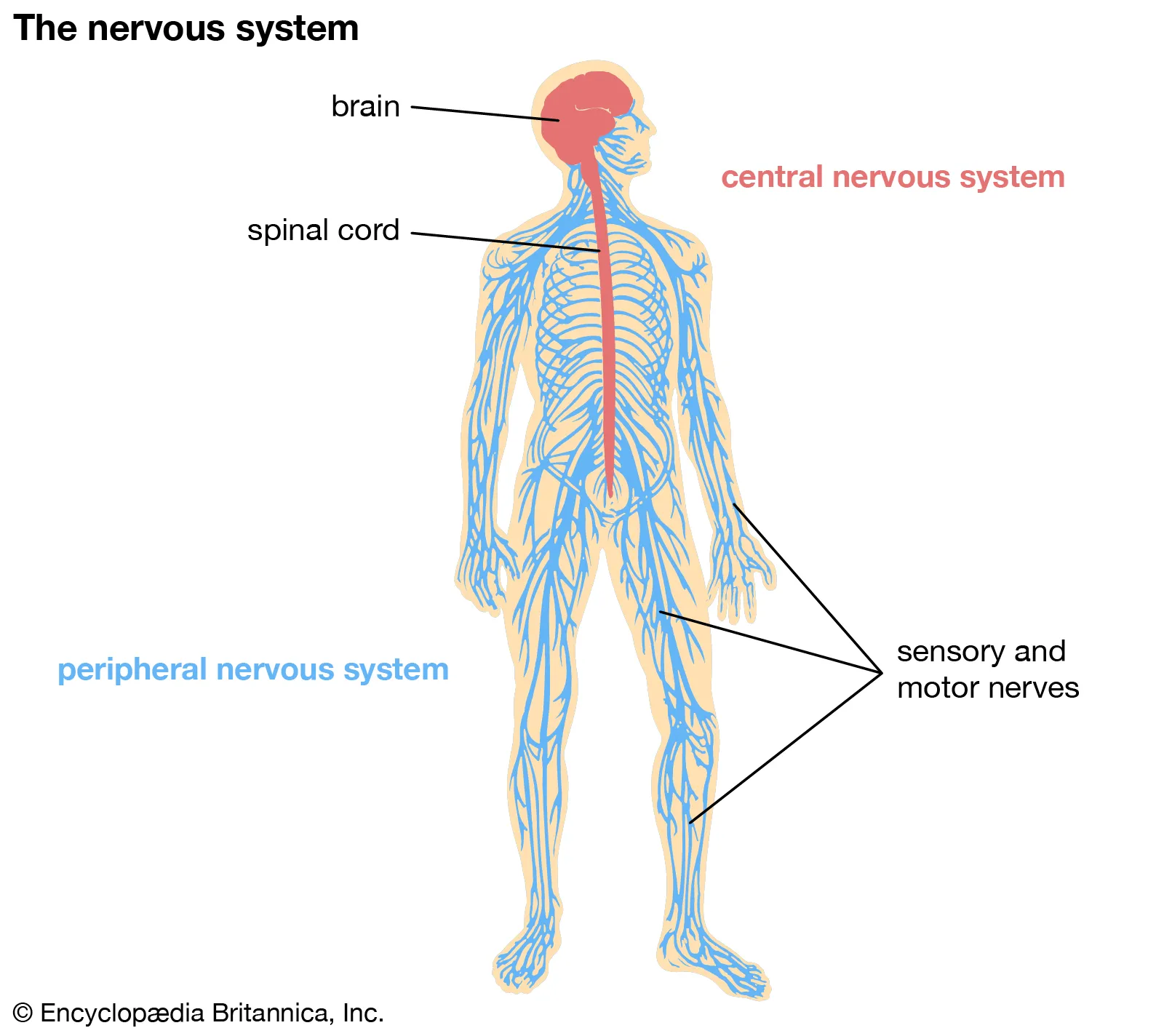
nervous system
controls virtually all activities of the body; voluntary + involuntary
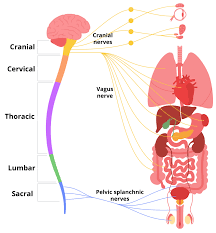
parasympathetic nervous system
subdivision of the autonomic nervous system
controls involuntary functions
mediated largely by the vagus nerve through the chemical acetylcholine
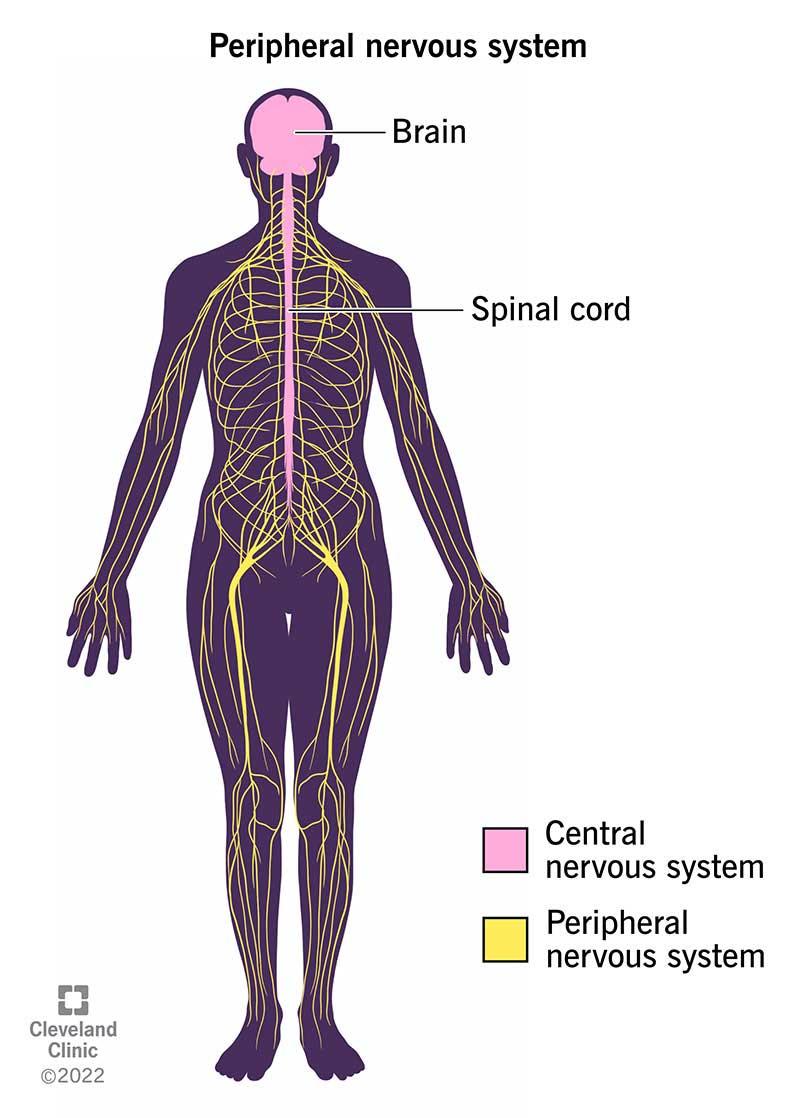
peripheral nervous system (PNS)
consists of 31 pairs of spinal nerves
12 pairs of cranial nerves
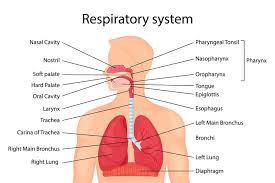
respiratory system
structures that contribute to the process of breathing
upper + lower airways
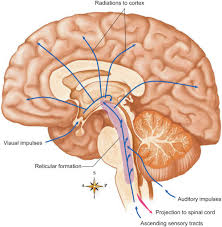
reticular activating system
located in upper brainstem
responsible for consciousness, specifically arousal
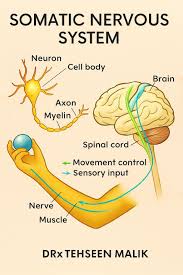
somatic nervous system
regulates voluntary movements
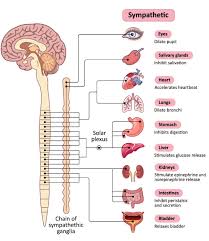
sympathetic nervous system
adrenergic part of the autonomic peripheral nervous system
responsible for fight-or-flight response
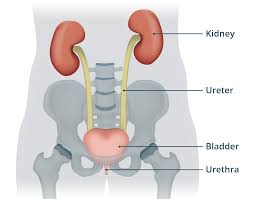
urinary system
organs that discharge of certain waste materials filtered from the blood and discrete as urine
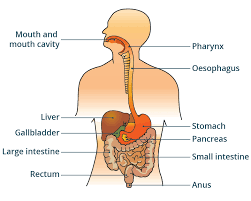
digestive system
also called the gastrointestinal system
processing of food that nourishes the cells of the body
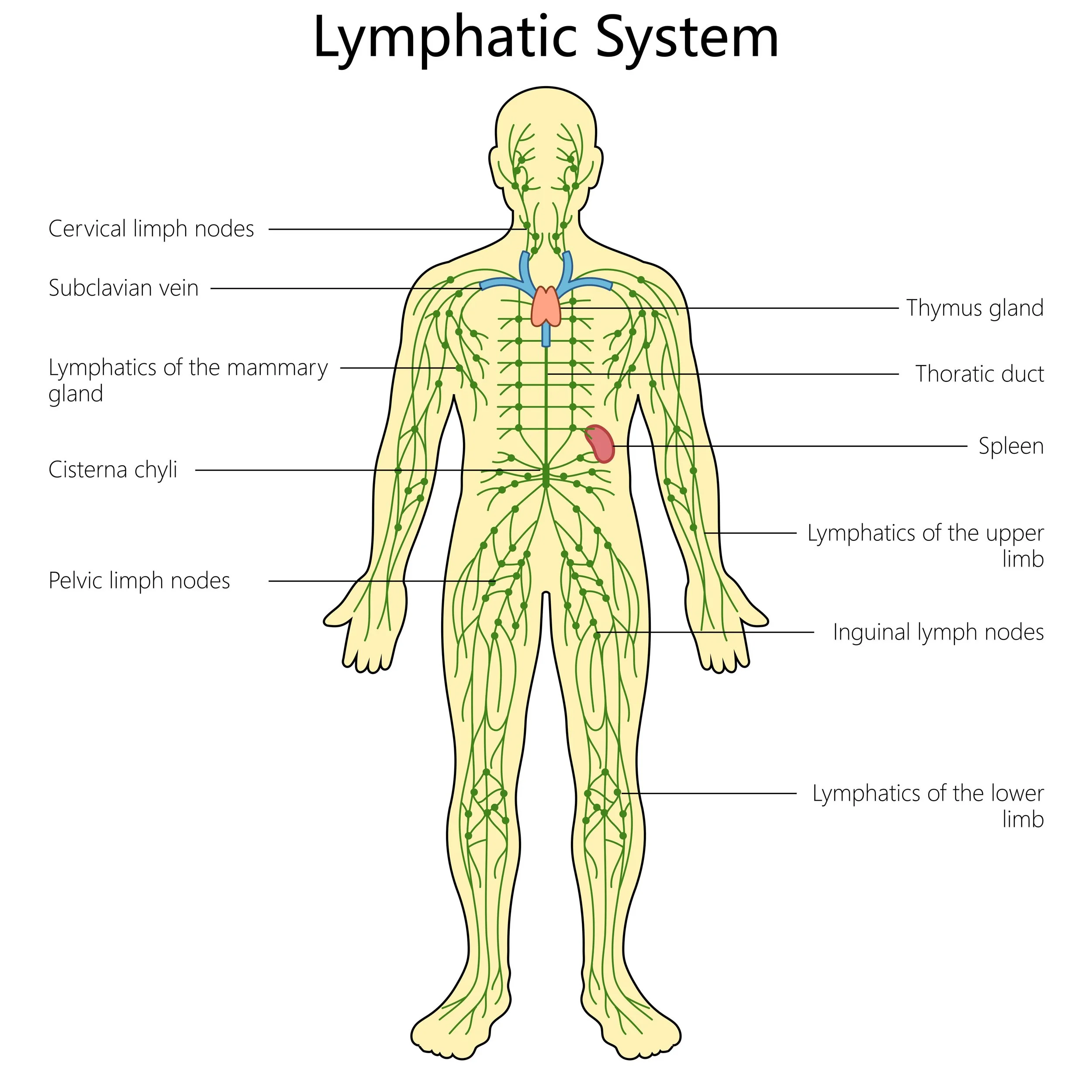
lymphatic system
supports the circulatory and immune systems
has no pump so it relies on muscle contractions + movements of the body
helps defend the body against disease, helps maintain blood pressure, and transports some hormones
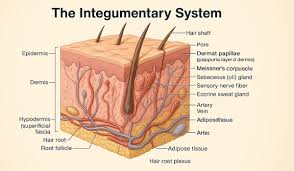
Integumentary system
the body’s outer covering
helps protect the body, regulate temperature, and sense stimuli