npb 110a - final
 Call Kai
 Learn
 Practice Test
 Spaced Repetition
 Match
 Flashcards
 Knowt Play
1/31

There's no tags or description
Looks like no tags are added yet.
32 Terms
mosaicism defintion
an individual with two different eye colors
epigenetics
MODIFICATIONS TO THE DNA sequence that is on top of the DNA and not a mutation rather it IMPACTS transcription
why is epigenetics important (three things)
plays a key role in regulating gene expression, development, and maintenance of a normal cell
describe the Hongerwinter 1944 German Occupation event and how that impated knowledge about epigenetics
showed that environment can impact DNA transcription factors as less food entered to the Dutch population and usually they’re rlly tall but since their caloric intake decreased many of their offspring were really short and even after 20-30 years laters they still have the same short problem despite going back to a normal caloric intake
what are external factors that impact epigenetics
diet, behavior, and environment of parents
epigenetics is irreversible (true or false)
false
how can epigenetics get passed on from parents to progeny
promoter and enhancer sequences that impact transcription can be modified ONLY CHEMICAL MODIFICATIONS NOT DNA SEQUENCE MODIFICATIONS
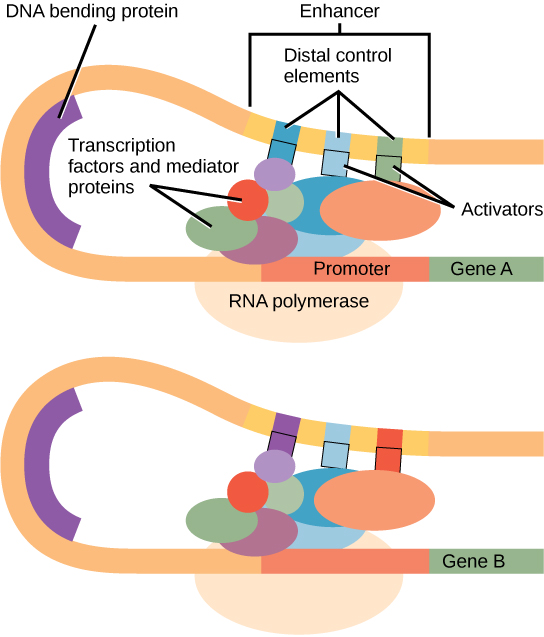
enhancers defintion
region that increases the rate of gene transcription when bounded by transcription factors
two types of common epigenetic modifications
histone and DNA sequence chemical modifications
what binds to the enhancer region
activator protein
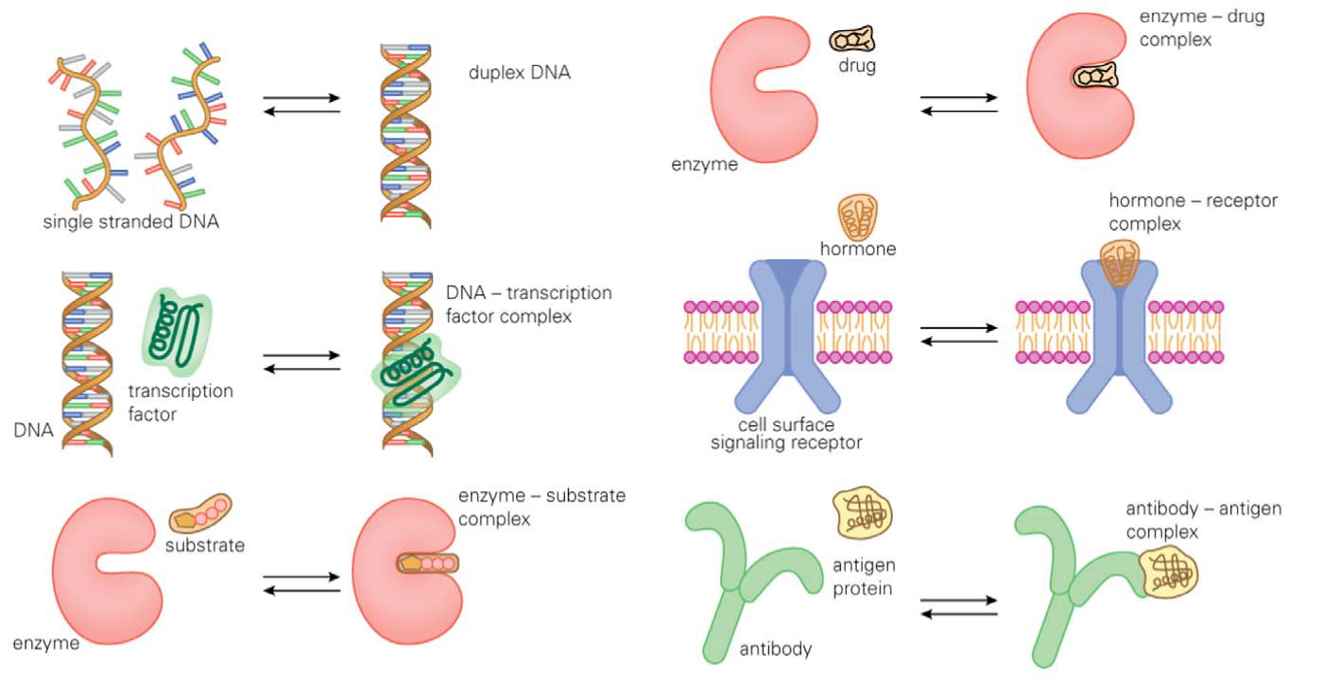
three examples of biological non-covalent binding circumstances
enzyme drug complex, hormone receptor complex, and antibody antigen complex
euchromatin defintion
DNA is loosely coiled around histones which can lead to transcription to occur
heterochromatin defintion
DNA is tightly coiled around histones which prevents transcription from occurring
how do nucleosomes prevent transcription
by blocking the promoter so it can’t bind to the enhancer region
describe acetylation on histone proteins
promotes euchromatin formation as it neutralizes the positive charge on the protein so then it won’t tightly wrap around the histone = MORE TRANSCRIPTION CAN OCCUR

describe DNA methylation impact on epigenetics and gene expression
promotes heterochromatin formation as it can impede the binding of transcription factors and recruits silencing transcription chromatin complexes
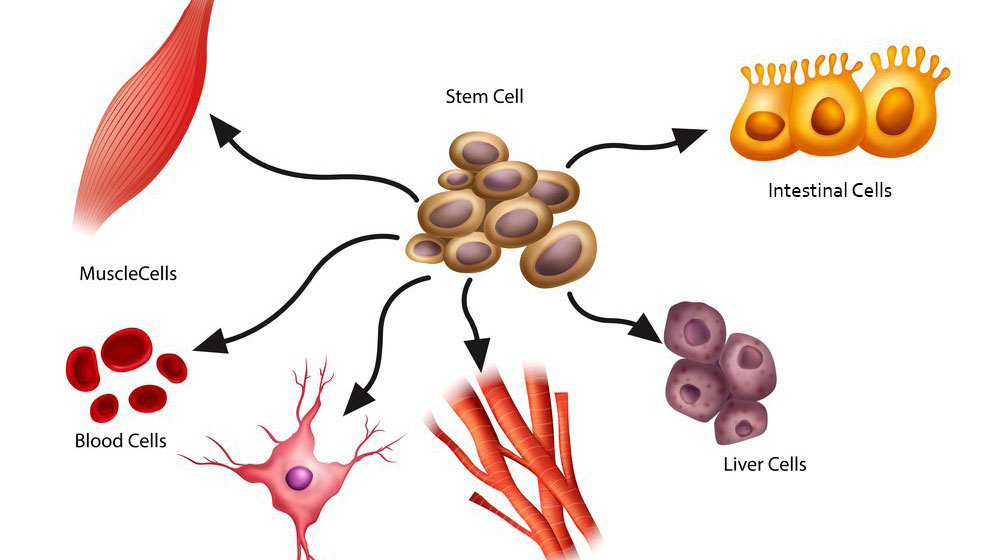
stem cells defintion
undifferentiated cells that can change into various types of cells or produce more of the same stem cell

symmetric cell division defintion
one mother cells makes two daughter cells with the same fate

asymmetric cell division
one of the daughter cells is the same but other is phenotypically different BUT GENETICALLY THE SAME
how does asymmetric cell division lead to cell differentiation
as when there’s more cell divisions then the path narrows down to a specific cell type
4 types of cell potencies and list them based off on increasing potency
totipotent (one cell can give rise to all cells of the body and others)
pluripotent (one cell can give rise to all cells of the body)
multipotent (one cell can give rise to multiple cell types)
oligopotent (one cell can give rise to couple cell type)
3 different types of cell types
embryonic, adult, and iPS
embryonic stem cells (ES) properties (3 things)
only present at the earliest stages of embryonic development
can form all the cells of the adult body
these are cells that are removed from the inner mass of the blastocyst
adult stem cells properties (5 things)
tissue specific stem cells
found postnatally in tissues like blood, brain, liver, intestine or skin
multiply by cell division to replenish dying cells
can generate a limited in number of cell types
rlly good at regenerating damaged tissues
two common places where adult stem cells are present
small intestine and hippocampus
what are iPS (induced pluripotent stem cells)
a cell taken from any tissue from a child or adult that has been genetically modified to behave like an ES cell that then can expression transcription regulators
what is the iPS bottleneck problem
few cells are successfully reprogrammed into stem cells
what is the strategy to identify fibroblasts that have become iPS cells
if its a iPS cell then it can activate the Fbx15 promoter that is attached to the G418 resistance gene, so then it can express the resistance gene that then allows it to survive. otherwise the cell will die