Anorexia, Obesity and Diabetes
 Call Kai
 Learn
Learn Practice Test
 Spaced Repetition
 Match
Match Flashcards
 Knowt Play
1/45

There's no tags or description
Looks like no tags are added yet.
Name | Mastery | Learn | Test | Matching | Spaced | Call with Kai | Chat |
|---|
No analytics yet
Send a link to your students to track their progress
46 Terms
What does diabates mellitus resemble and why?
extreme fasting because degradation of fat and muscle is same however instead of glucose levels being low they are extremely high
physical apperance is the same thin and bony with loss of fat and muscle.
Why are the glucose levels so high?
Due to complete loss of insulin production due to an autoimmune reaction.
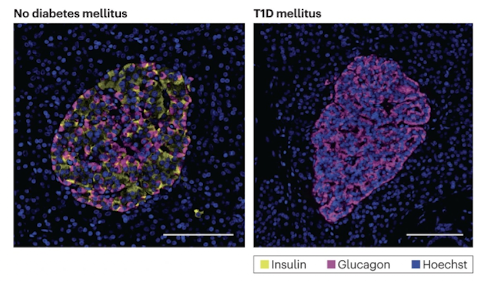
What is the normal analogy of insulin and glucagon and what goes wrong in DM?
Normally, insulin produced by betal cells supress the production of glucagon producing alpha cells in the pancrease.
When no insulin is present the glucagon levels keep rising as well as high glucose levels.
High glucose levels because muscle and adipose tissue cannot take up the glucose after a meal because no insulin is present to express the GLUT4 receptors for glucose uptake.

What effect do the extremely high glucagon levels have?
Mobilisation of amino acids from the muscles.
Causes high urea production and muscle loss.
Mobilisation of fatty acids from adipochytes
depletion of fat reserves because lack of glucose will make the body think its in starvation → leading to ketone body formations

What does this excess ketone body formation lead to?
The ketone body formation stimulated by glucagon will cause acetone breath.
Summarise what the overall lab values of DM would show?
High glucose
High ketone bodies
High Urea secretion
Low insulin (almost none)
Very high glucagon.
What is diabetic ketoacidosis and whay is it life-threatening?
it is the excess production of ketone bodies during DM
Occurs because glusoce isnt stored as glycogen and isnt used by adipose tissues
Rather free fatty acids released → ketone bodies formation → drop in blood pH → Coma and Death result.
How do we treat DM?
Regular Insulin injections
Comparison of fasting and DM?

What are the 3 levels of malnutrition?
Anorexia or supressed appetite (inflammation)
Sarcopenia which is a loss of muscle mass in aldery or immobilised people (no inflammation)
Cachexia which is a wasting disease → increased mortality (heavy inflammation)
How does cahaxia lead to muscle loss?
Because Imflammatory cells rely on glucose and amino acids which come from the liver, and to be able to replenish this pool of amino acids the body breaks down muscles leading to muscle loss.
What does ubiquitination do?
Attaches ubiquitin to a protein; an appropriate polyubiquitin chain marks it for proteasomal degradation.
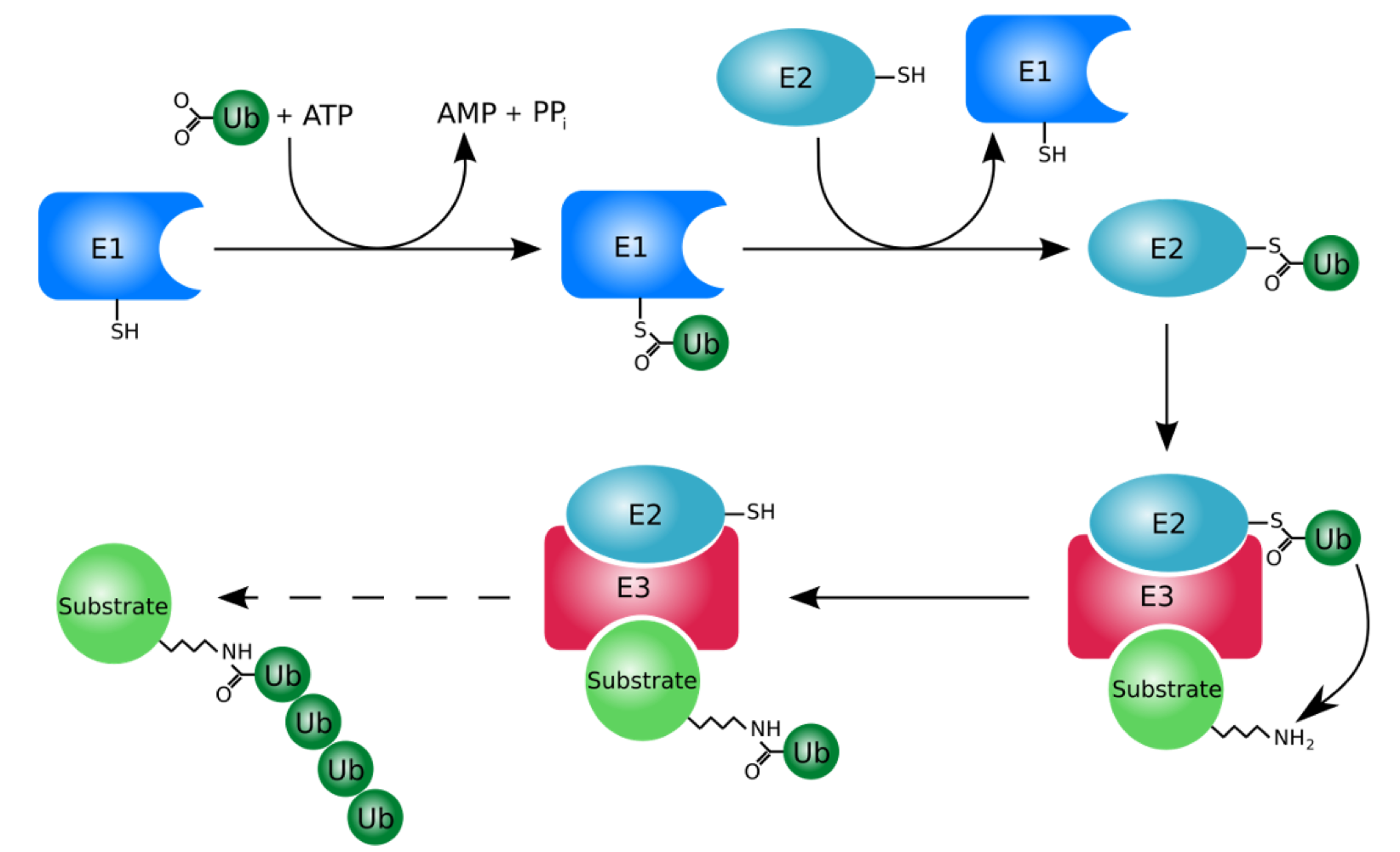
What are the roles of E1, E2, and E3 in ubiquitination?
E1 activates ubiquitin using ATP; E2 carries it; E3 recognises the target protein and promotes ubiquitin attachment, usually to a lysine residue.
How does the proteasome degrade tagged proteins?
Its regulatory cap recognises the ubiquitin tag, removes and recycles ubiquitin, and uses ATP to unfold and feed the protein into the core, where it is cut into small peptides.
What is atrogin-1?
A muscle-specific E3 ubiquitin ligase that promotes protein degradation and contributes to muscle wasting when its expression increases.
How is atropin-1 regulated?
|
What are the mechanisms of sarcopenia and cachexia?
Aging and Pathological respectively
What effect do inflammatory cytokines have?
They will influence the liver and the reactiuons of such infections will cause the acute phase response somewhere ekse in the body.
For example high levels of C-reactive protein will indicate heart disease or low albumin
What is a value tested in clinical labs which shows inflmmation in body?
Liver CRP is most sensitive measure of trauma/inflammation in the body.

How does hypercatabolic state actually lead to cachexia?

What are the causes if the 3 levels of malnutrition?


How do we treat sarcopenia and cachexia?

What is Obesity?
excessive accumulation of fat in the adipose tissue
normal range of fat in adults is 15-20% in makes and 25-30% in females
includes BMI calculation (goood correlation between BMI and fat%)
waste circumference
Causes of obesity?
Long term imbalance between energy intake and expenditure
Long term positive energy balance
Diabetes → Obesity
In the elderly diabetes type 2 can lead to obesity
Even though there is insulin present the response is inadequate, infact there is more insulin produced in type 2 patients

Cause of inadequate response of type 2 diabetes?
Insulin resistance: the signal is weakened
Normally, insulin activates signalling that moves GLUT4 transporters to the surface of muscle and fat cells, increasing glucose uptake.
In insulin resistance, this metabolic signalling is impaired, so the same amount of insulin produces less glucose uptake.
The diagram contrasts this weakened metabolic branch with growth-related signalling, which can remain relatively preserved. It is not necessarily a complete failure of the insulin receptor
What three defects contribute to hyperglycemia in type 2 diabetes?
Reduced tissue glucose uptake, increased liver glucose output, and inadequate β-cell insulin secretion.
Why can insulin levels be high early in type 2 diabetes development?
β-cells increase insulin secretion to compensate for insulin resistance. Glucose rises when compensation becomes insufficient.
When not enough glucose is taken up we have glucose toxicity, what is that?
Persistently high glucose can damage tissues through processes including protein glycation and oxidative stress.
What is HbA1c?
Glucose also attaches to hemoglobin without an enzyme, forming HbA1c.
The HbA1c percentage reflects average blood glucose over roughly the previous 2–3 months.
It is a marker of glucose exposure—not the main cause of the complications
How does HbA1c relate to complications?
Higher HbA1c indicates greater long-term glucose exposure and is associated with increased eye, kidney, and nerve damage risk.
How do we explain the pathophysiology of type 2 diabetes?

Distinguish between the two types of diabetes and what is the window of opportunity?
Type 1: β-cell destruction → less insulin → rising blood glucose.
Type 2: Insulin resistance rises → β-cells initially produce more insulin to compensate → later, compensation fails and blood glucose rises.
Window of opportunity: The early stage of type 2, while β-cells still compensate—intervention can help prevent or delay progression
What does increased AMP signal?
Low cellular energy: ATP is being used faster than it is replenished.
How does AMP affect glycolysis and gluconeogenesis?
It stimulates glycolysis and inhibits gluconeogenesis—favouring energy production rather than energy-consuming glucose synthesis.
What is AMPK?
AMP-activated protein kinase: an energy sensor that promotes ATP-producing processes when cellular energy is low.
How can exercise increase muscle glucose uptake independently of insulin?
Muscle contraction activates pathways involving AMPK, promoting GLUT4 movement to the cell membrane.
What is metformin’s main glucose-lowering effect?
It reduces glucose production by the liver. AMPK activation contributes to its actions, but not all effects depend on AMPK.
Does type 2 diabetes become type 1 if insulin secretion declines?
No. It can become insulin-requiring, but its underlying cause remains different from type 1.
What is brain–body metabolic crosstalk?
Signals from the gut, pancreas, and fat tissue communicate with the brain to coordinate appetite, energy use, and glucose regulation. |
What did the mutant mouse model for type 2 diabetes explain?
Showed that mutation in the gene for adipokine leptin meant the mouse kept eating and became obese
Hence giving leptin injections to people who are deficient may lead to weight loss.
What produces leptin, and what does it signal?
Fat cells produce leptin; it signals the availability of stored energy to the brain.
What is leptin resistance?
A reduced response to leptin despite high circulating levels, weakening its appetite-suppressing effects.
Leptin resistance will overactivate the endocannabinoid system and favour obesity. (increasing hunger and motivation to eat and favouring fat storage)
Why can weight loss make you hungrier?
Falling leptin signals reduced energy stores, increasing hunger and reducing energy expenditure. |
What does Ghrelin do and CB1?
Ghrelin and CB1 stimulated appetite
What does the diet pill do and how does it actually work?
Rimonabant blocks CB1 signalling; more precisely, it is a CB1 inverse agonist, meaning it also reduces the receptor’s baseline activity. This reduced appetite and promoted weight
But taken off market in 2010 due to attempted suicide events.
