AP Computer Science Principles Unit 2 (Fall 2022) The Internet Code.org
 Call Kai
 Learn
Learn Practice Test
 Spaced Repetition
 Match
Match Flashcards
 Knowt Play
1/23

There's no tags or description
Looks like no tags are added yet.
Name | Mastery | Learn | Test | Matching | Spaced | Call with Kai | Chat |
|---|
No analytics yet
Send a link to your students to track their progress
24 Terms
Computing Device
a machine that can run a program, including computers, tablets, servers, routers, and smart sensors
Computing System
a group of computing devices and programs working together for a common purpose
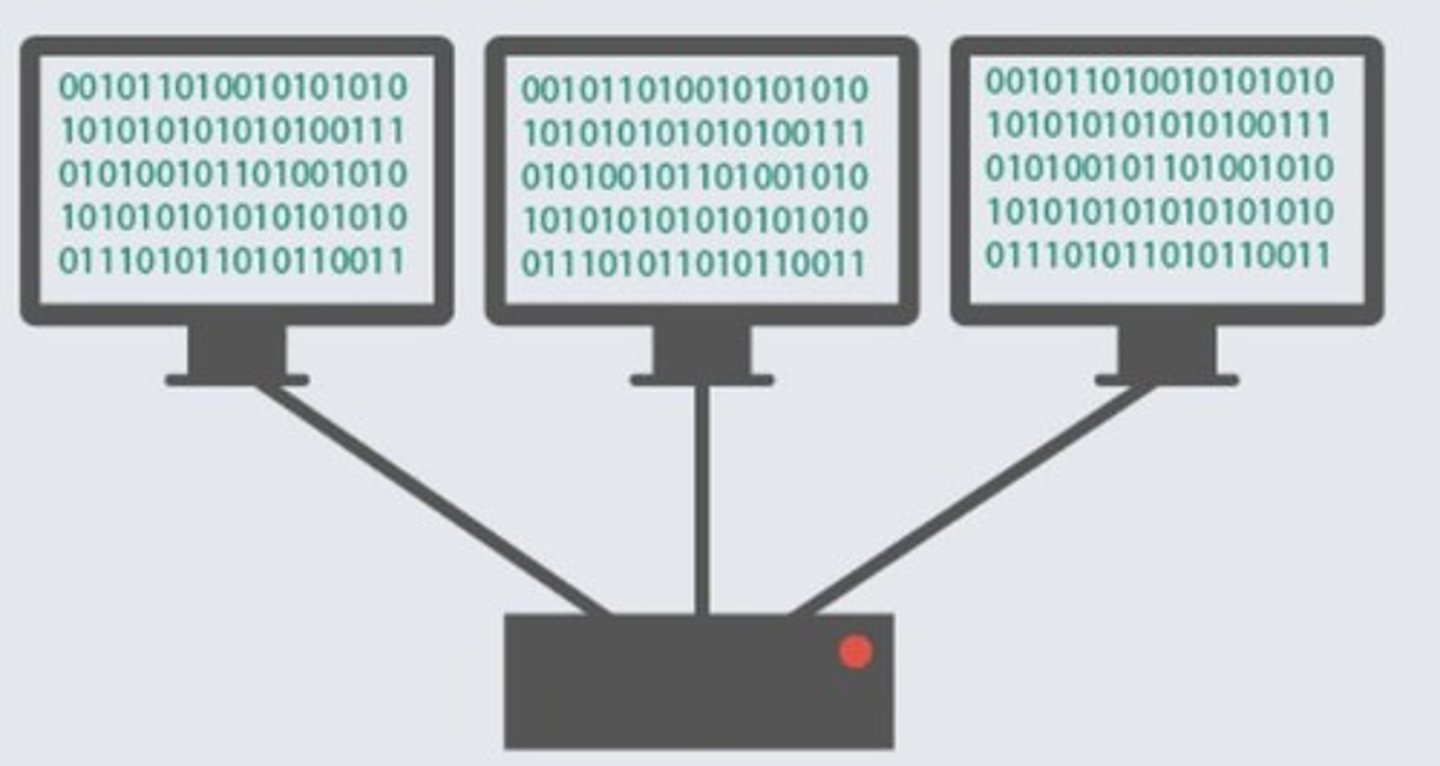
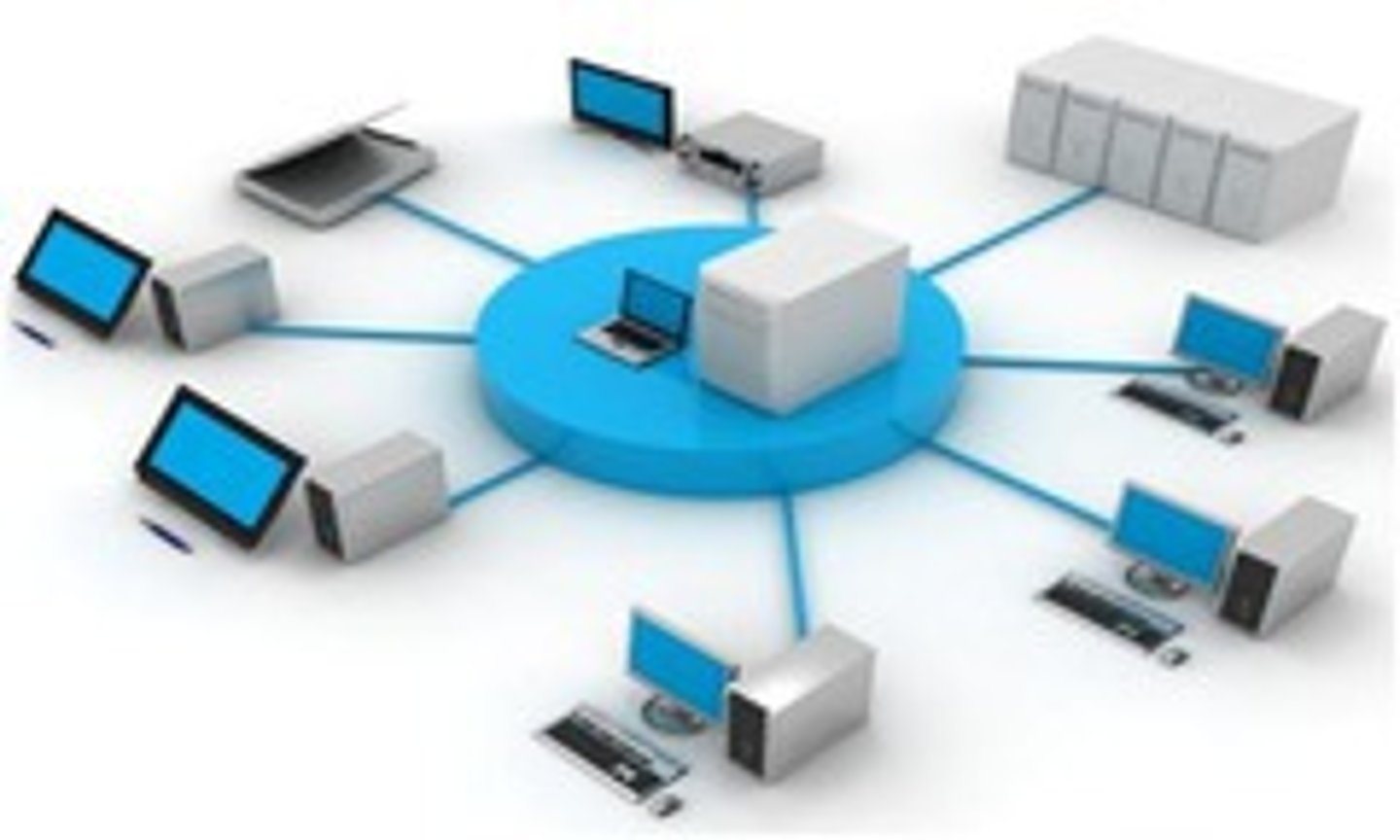
Computing Network
a group of interconnected computing devices capable of sending or receiving data.
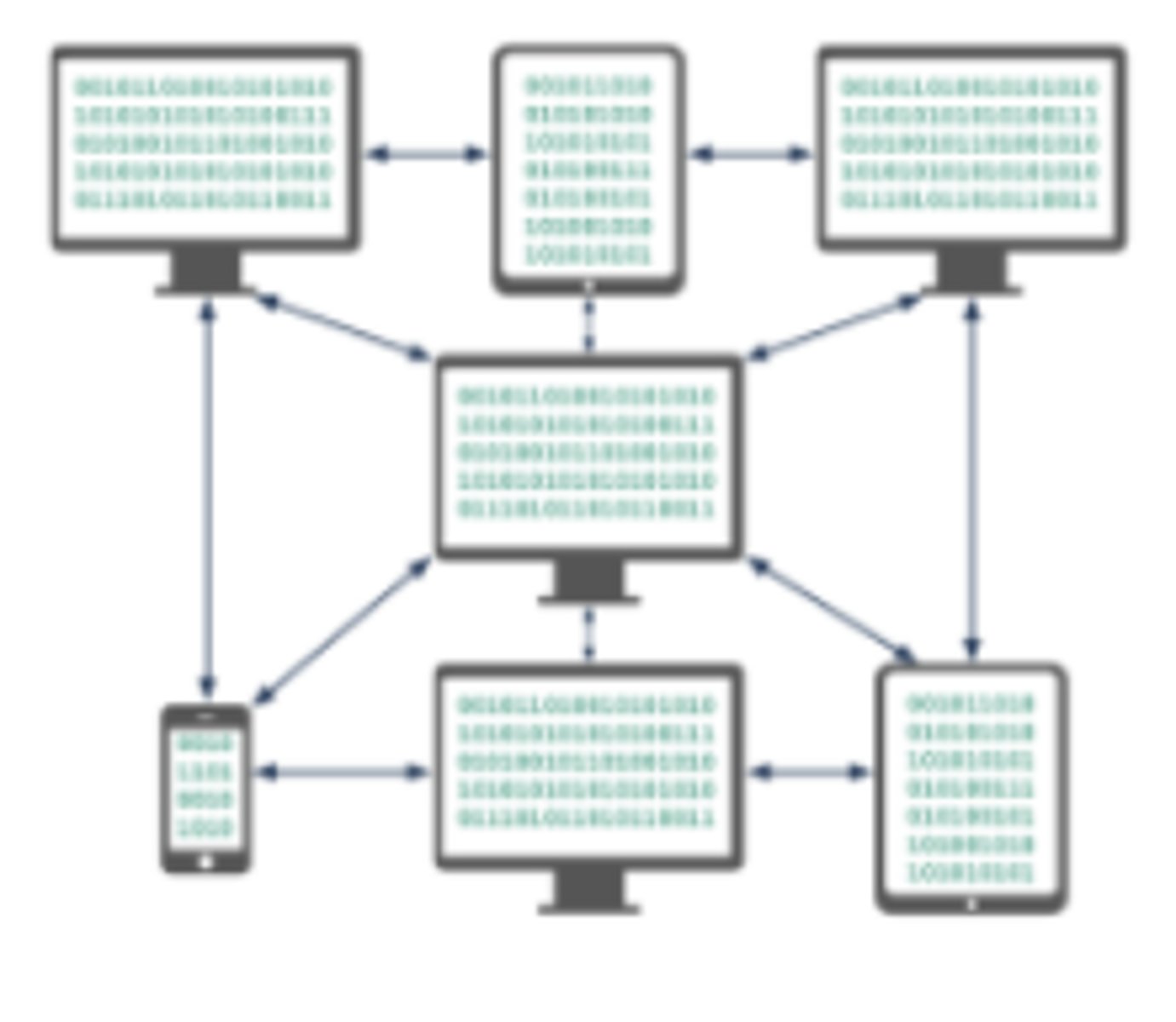
Path
the series of connections between computing devices on a network starting with a sender and ending with a receiver.
Bandwidth
the maximum amount of data that can be sent in a fixed amount of time, usually measured in bits per second.

Protocol
An agreed-upon set of rules that specify the behavior of some system

IP Address
The unique number assigned to each device on the Internet.
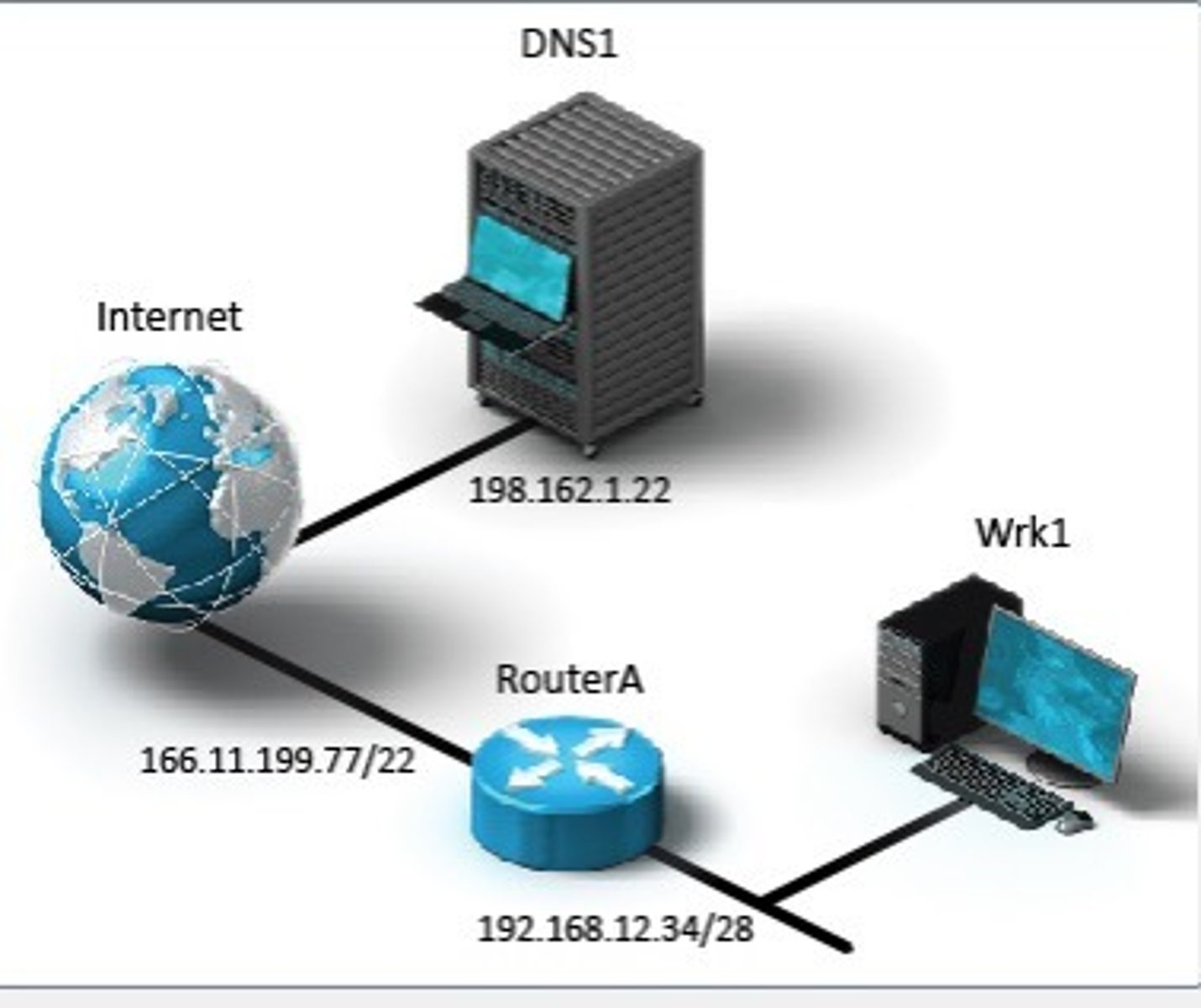
Internet Protocol (IP)
a protocol for sending data across the Internet that assigns unique numbers (IP addresses) to each connected device
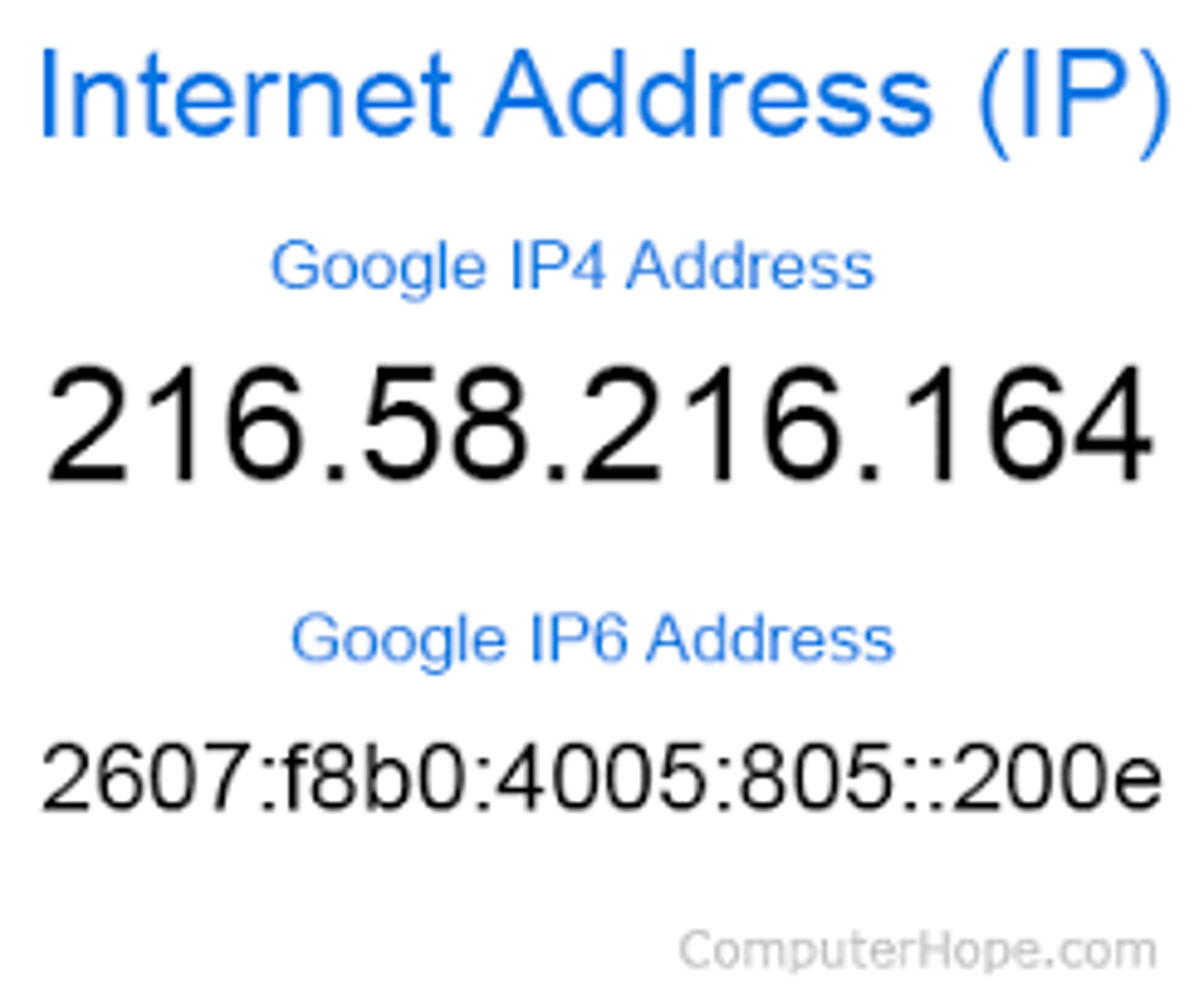
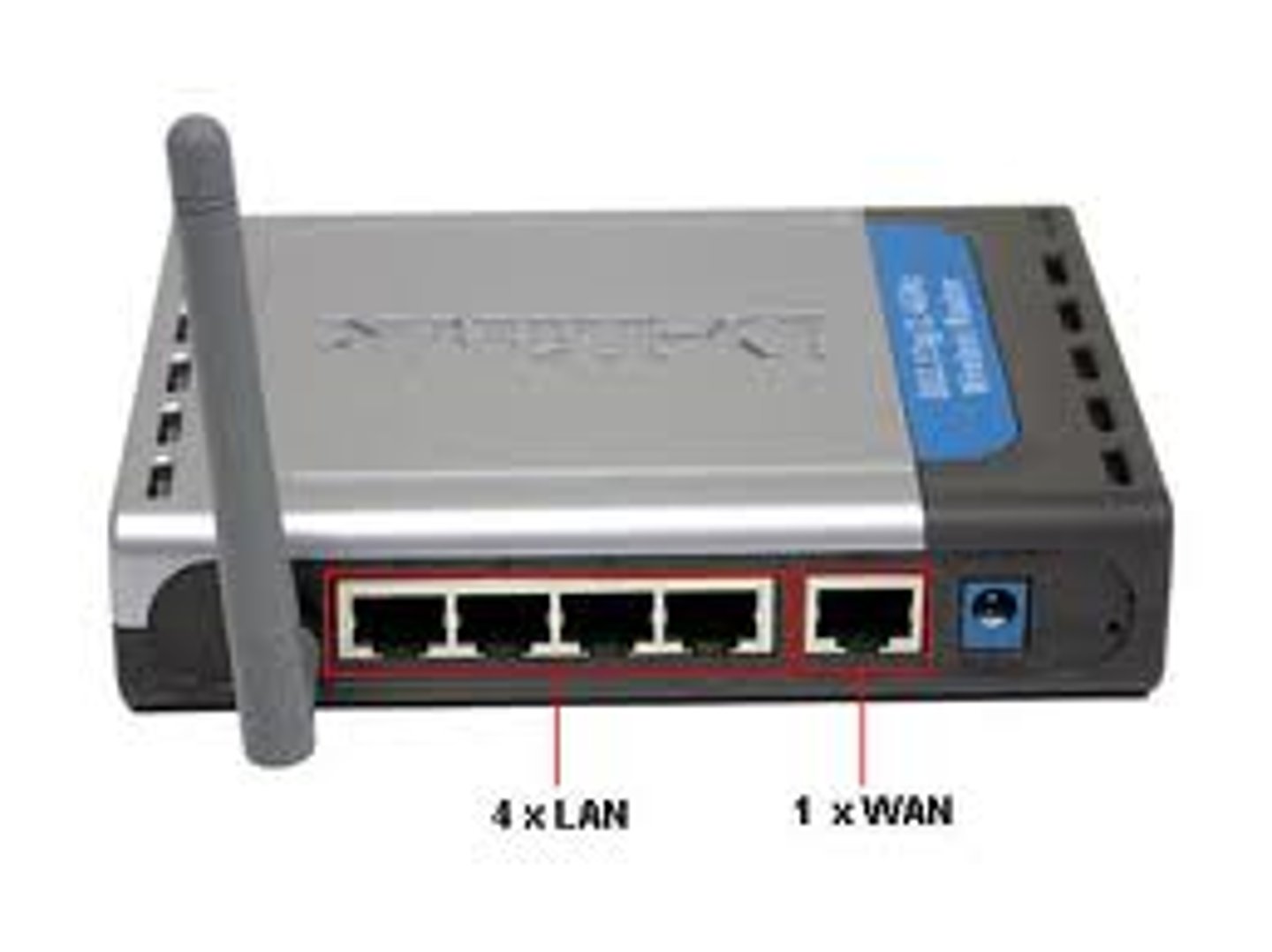
Router
A type of computer that forwards data across a network
Packet
A chunk of data sent over a network. Larger messages are divided into packets that may arrive at the destination in order, out-of-order, or not at all.

Redundancy
the inclusion of extra components so that a system can continue to work even if individual components fail, for example by having more than one path between any two connected devices in a network.
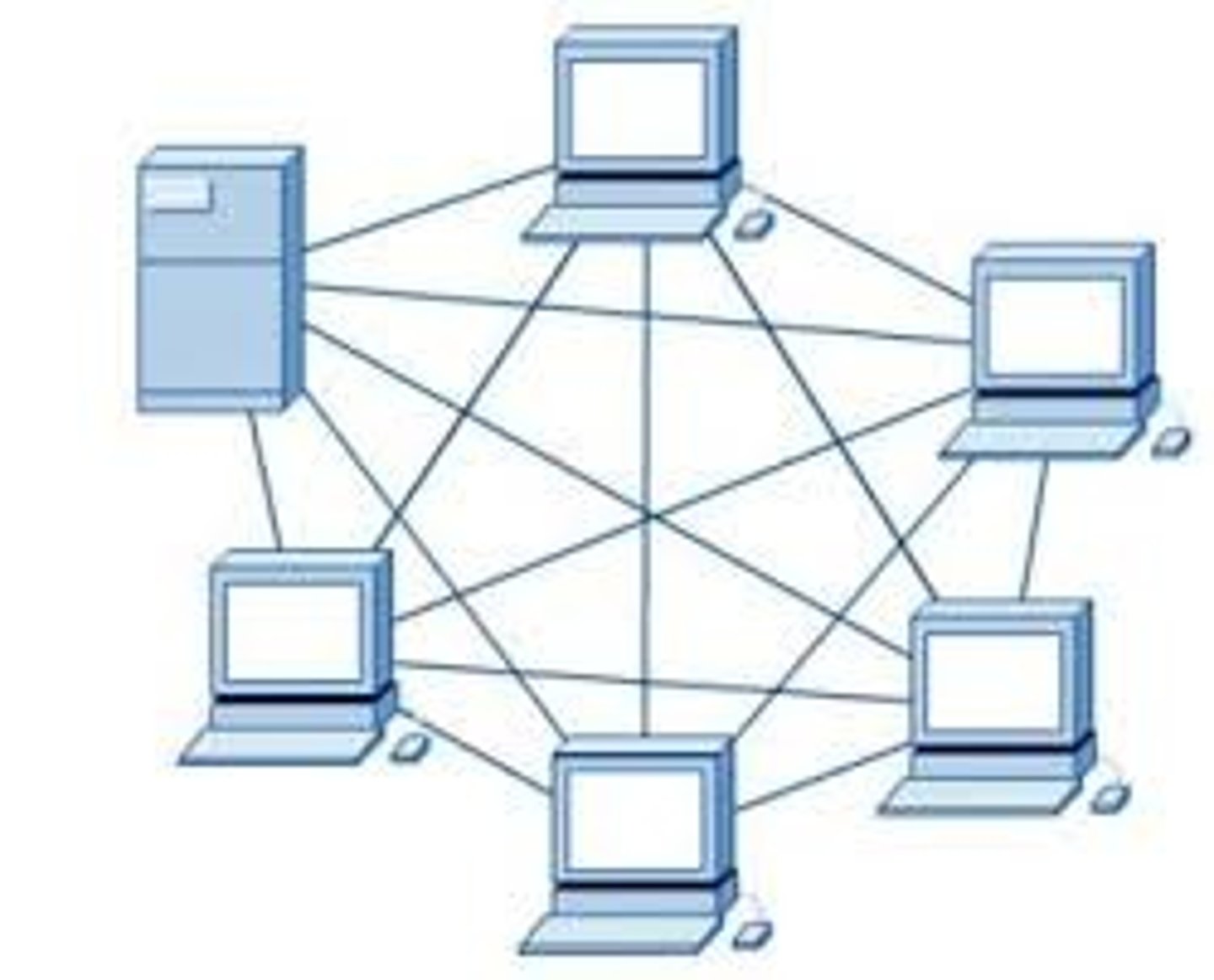
Fault Tolerant
Can continue to function even in the event of individual component failures. This is important because elements of complex systems like a computer network fail at unexpected times, often in groups.
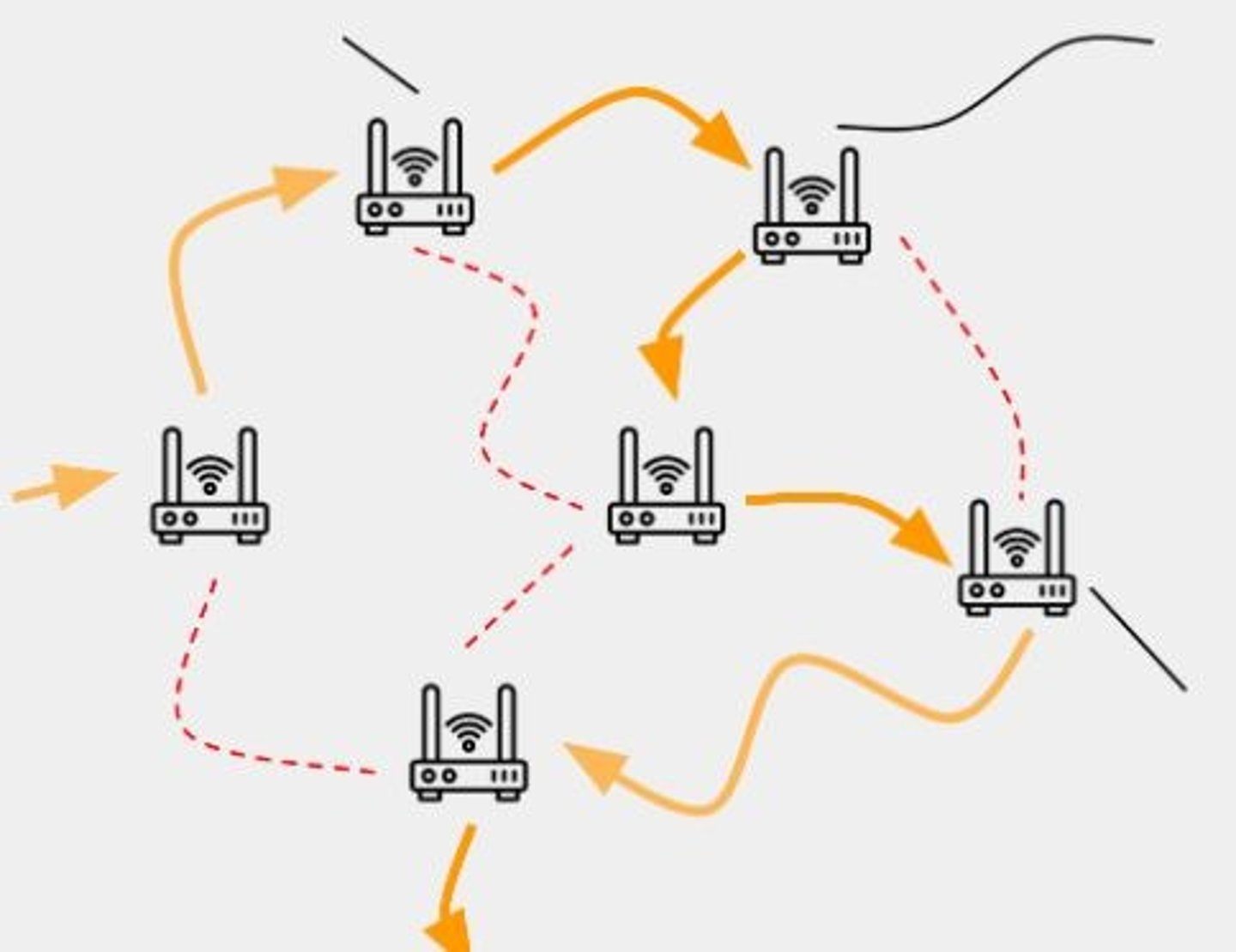
Datastream
Information passed through the internet in packets.
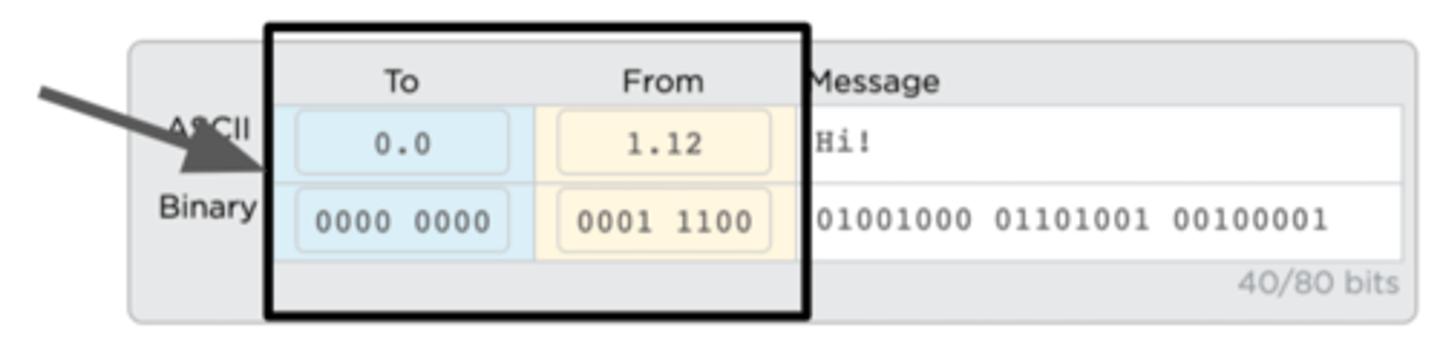
Packet Metadata
Data added to packets to help route them through the network and reassemble the original message.
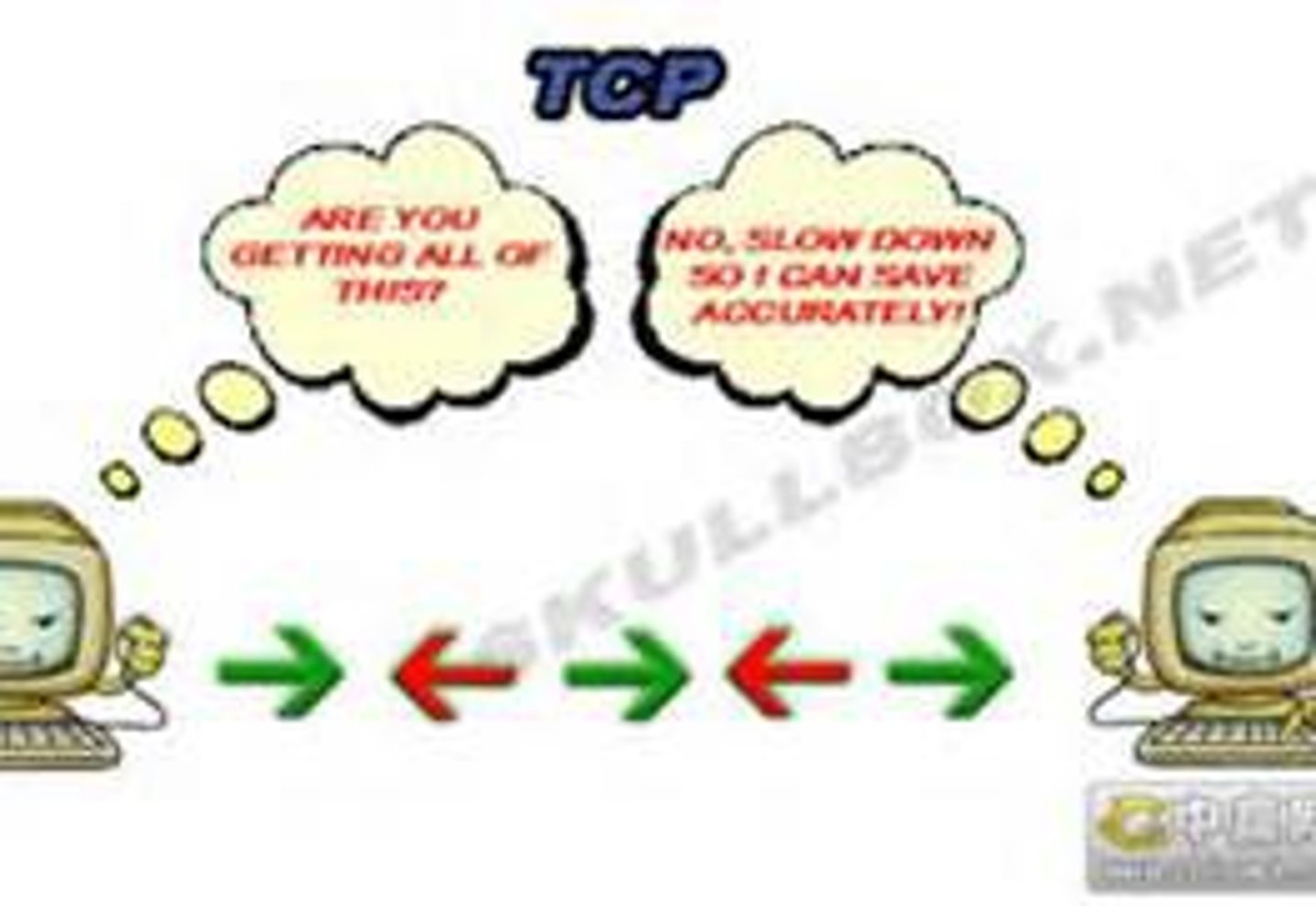
Transmission Control Protocol (TCP)
A protocol for sending packets that does error-checking to ensure all packets are received and properly ordered
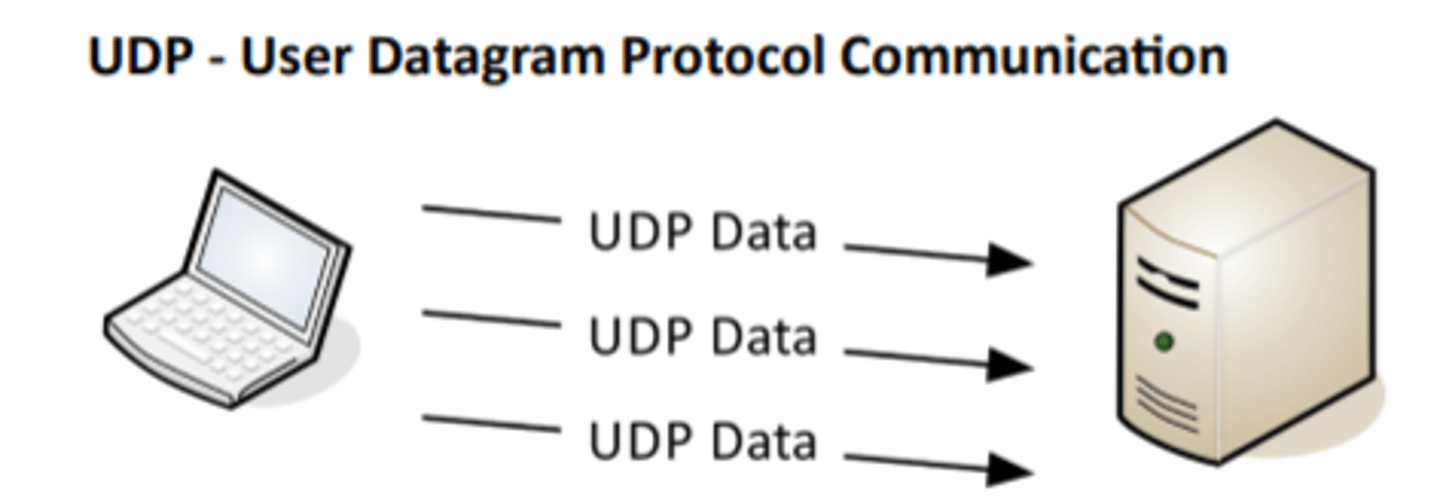
User Datagram Protocol (UDP)
A protocol for sending packets quickly with minimal error-checking and no resending of dropped packets
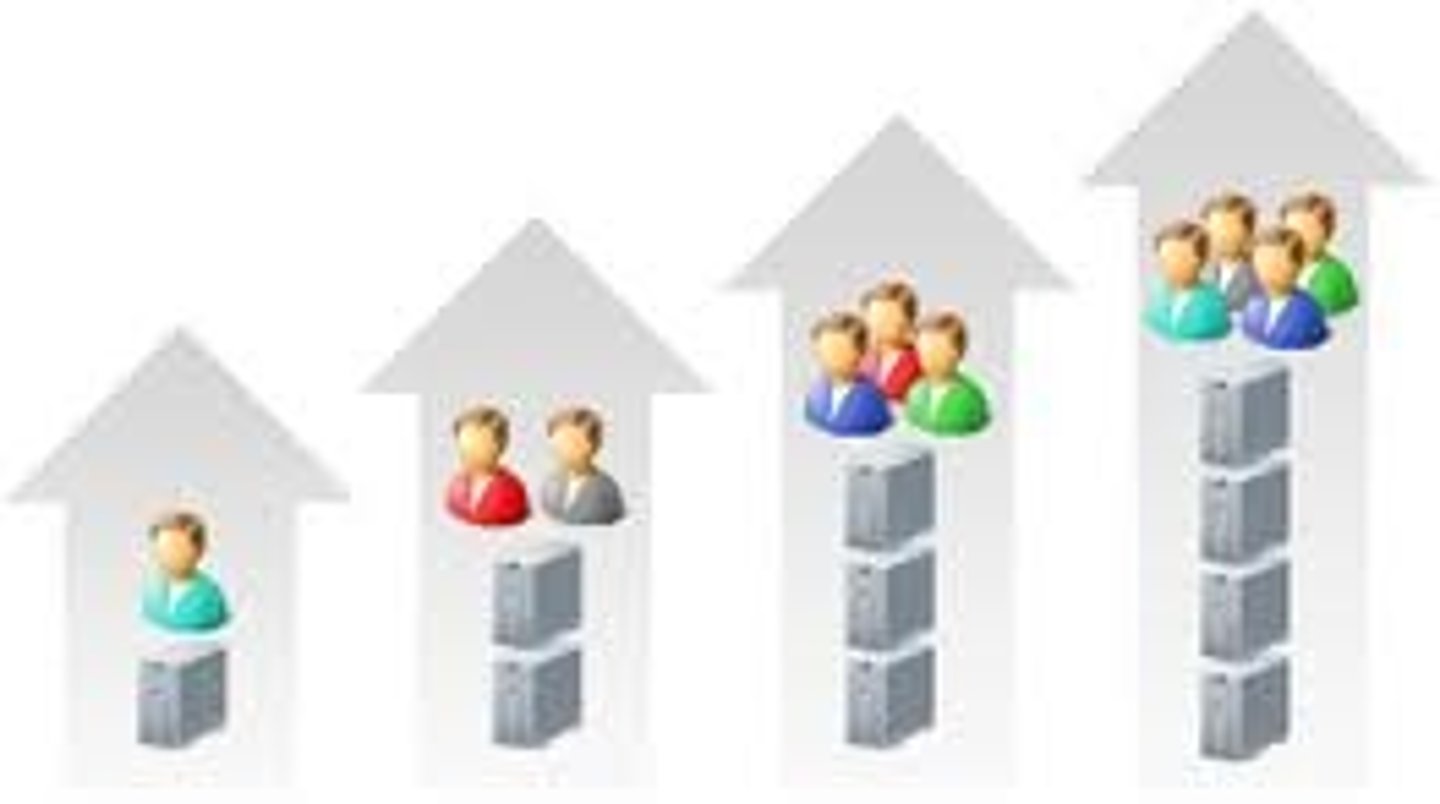
Scalability
the capacity for the system to change in size and scale to meet new demands
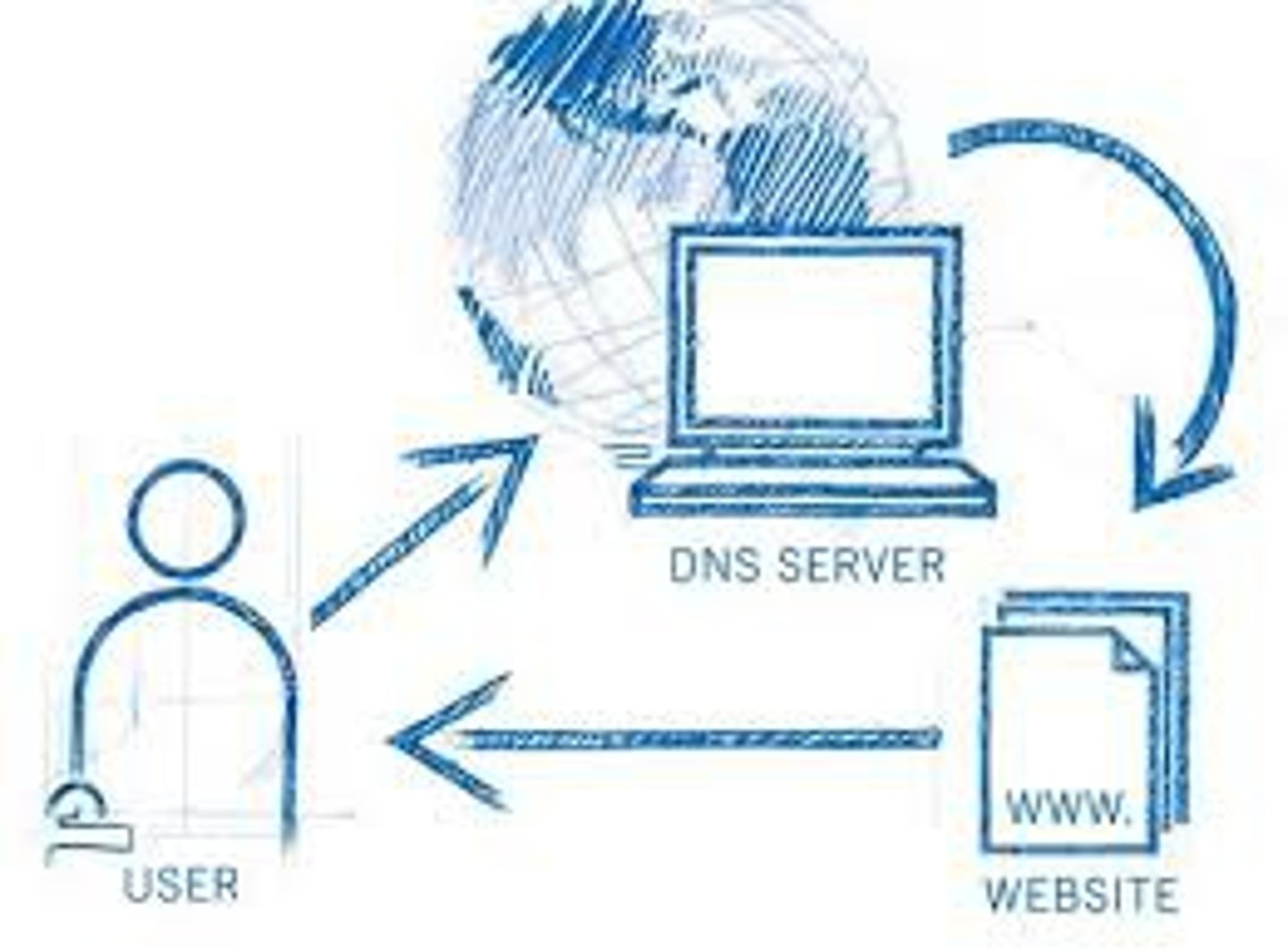
The Domain Name System (DNS)
the system responsible for translating domain names like example.com into IP addresses; The DNS is an important system in helping the Internet scale.
World Wide Web
a system of linked pages, programs, and files. The World Wide Web is different from the Internet. The World Wide Web are files, web pages and media. The Internet is the network we use to access those files.

Internet
a computer network consisting of interconnected networks that use standardized, open (nonproprietary) communication protocols.
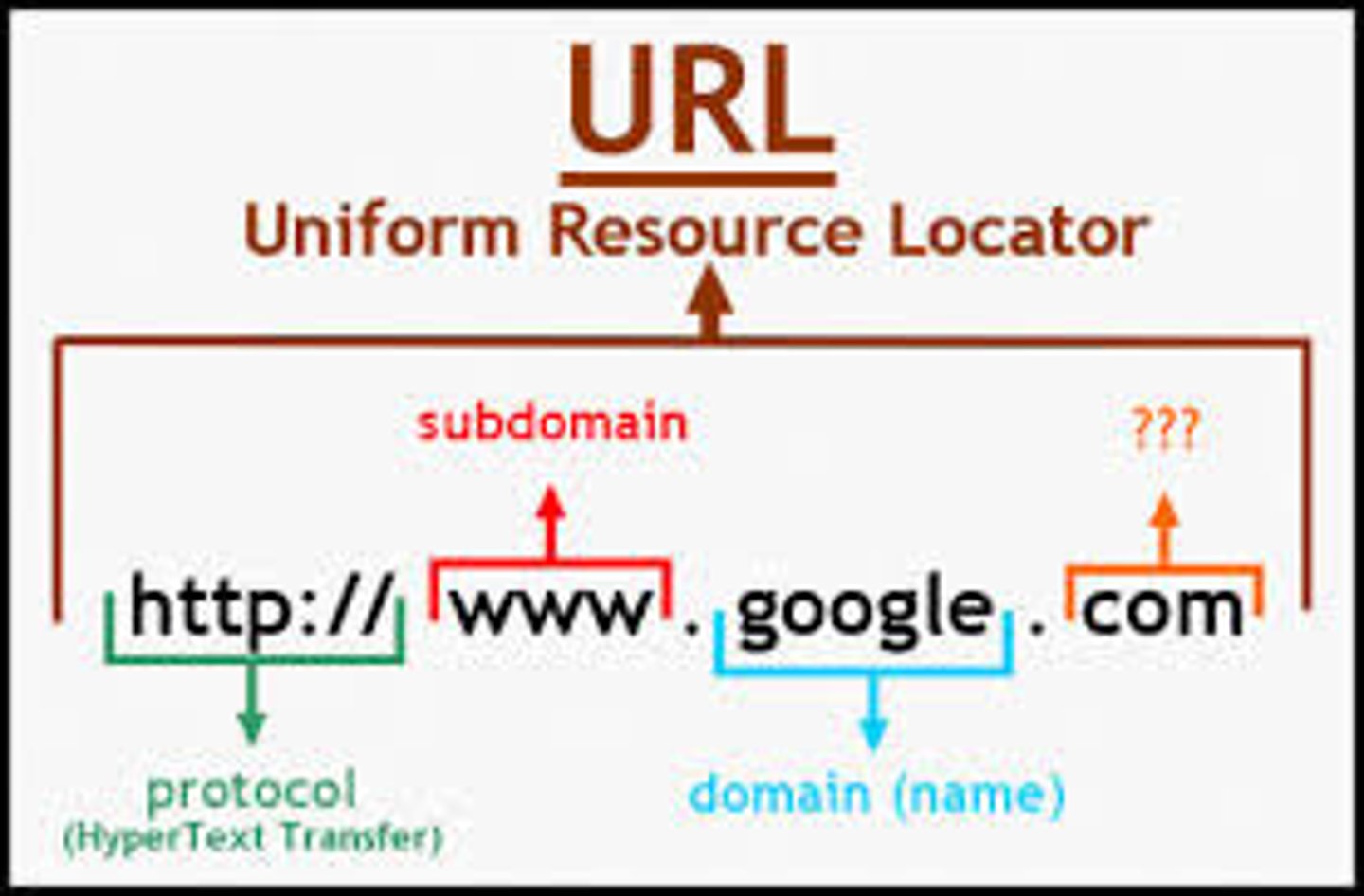
Hypertext Transfer Protocol (HTTP)
a protocol for computers to request and share the pages that make up the world wide web on the Internet
Net Neutrality
the principle that internet service providers should enable access to all content and applications regardless of the source, and without favoring or blocking particular products or websites.
Internet Censorship
the control or suppression of what can be accessed, published, or viewed online. It happens when governments, organizations, or individuals restrict or block access to web content

Digital Divide
differing access to computing devices and the Internet, based on socioeconomic, geographic, or demographic characteristics