Study Guide: The Brain, Sleep, and Consciousness
 Call Kai
 Learn
 Practice Test
 Spaced Repetition
 Match
 Flashcards
 Knowt Play
1/28

Earn XP
Description and Tags
Vocabulary practice flashcards covering brain structures, cortical lobes, language centers, plasticity, levels of consciousness, sleep cycles, and sleep disorders based on the study guide.
29 Terms
Brainstem & Medulla
Brain structures that control basic life-support processes like breathing and heart rate.
Reticular Activating System (RAS)
A subcortical brain structure that controls alertness and influences voluntary movement, eye movement, cognition, emotion, and learning.
Cerebellum
A brain structure responsible for balance, muscle movement coordination, and procedural memory learning.
Limbic System
A group of core subcortical structures that includes the thalamus, hypothalamus, pituitary gland, hippocampus, and amygdala.
Occipital Lobes
Cortical regions located in the rear of the brain that control visual information processing.

Temporal Lobes
Cortical regions located on the sides of the brain that manage auditory (hearing) processing and linguistic functions.
Parietal Lobes
Cortical regions located near the back crown that house association areas for organizing information and the somatosensory cortex.
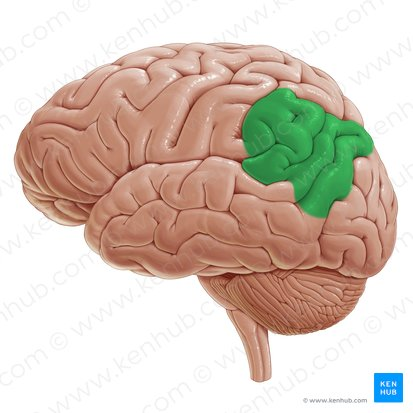
Somatosensory Cortex
A cortical area located in the parietal lobes specialized for processing touch sensitivity.
Frontal Lobes
Cortical regions located behind the forehead that manage higher-order thinking, linguistic processing, executive functioning, and skeletal movement control.
Motor Cortex
A region situated at the rear of the frontal lobe that controls skeletal movement.

Prefrontal Cortex
The anterior portion of the frontal lobe responsible for executive functioning and (planning, judging,etc.) higher-order thinking.
Broca's Area
A language center located in the left hemisphere that controls speech production.
Wernicke's Area
A language center located in the left hemisphere that controls speech comprehension/understanding.
Corpus Callosum
The structure severed in split-brain surgery to treat severe epilepsy, allowing researchers to study hemispheric specialization.
Brain Plasticity
The brain's capacity to rewire itself, modify connections, or create new pathways during development or after injury, allowing standard functions to be assumed by alternative brain regions.
Consciousness
Varying degrees of awareness regarding internal thoughts and external environmental events, encompassing states such as sleep and wakefulness.
Circadian Rhythm
The roughly 24-hour biological sleep/wake cycle that can be disrupted by factors like jet lag or shift work.
NREM Sleep (Stages 1–3)
Non-rapid eye movement sleep stages characterized by changing EEG wave patterns and stage durations that decrease over the course of the night.
Hypnagogic Sensations
Sensory experiences that occur during Initial Stage 1 sleep.
REM Sleep (Paradoxical Sleep)
A sleep stage characterized by high internal EEG activity similar to wakefulness paired with profound body relaxation and muscle paralysis.
REM Rebound
The higher frequency and duration of REM sleep that happens after you experience sleep deprivation.
Memory Consolidation Theory
A sleep theory stating that sleep functions to help organize and consolidate memories.
Restoration Theory
A sleep theory stating that sleep serves to restore depleted physiological resources.
Activation-Synthesis Theory
A biological theory explaining why we dream, which AP curriculum compares to consolidation theory.
Insomnia
A sleep disorder characterized by persistent difficulty falling or staying asleep.
Narcolepsy
A sleep disorder characterized by uncontrollable sleep attacks during waking hours.
REM Sleep Behavior Disorder
A sleep disorder involving the physical acting out of dreams due to a lack of normal muscle paralysis during REM sleep.
Sleep Apnea
A sleep disorder characterized by temporary cessations of breathing during sleep that cause repeated awakenings.
Somnambulism
A sleep disorder involving sleepwalking that takes place during deep NREM sleep.