Cheat sheet 5: Photosynthesis
 Call Kai
 Learn
 Practice Test
 Spaced Repetition
 Match
 Flashcards
 Knowt Play
1/27

There's no tags or description
Looks like no tags are added yet.
28 Terms
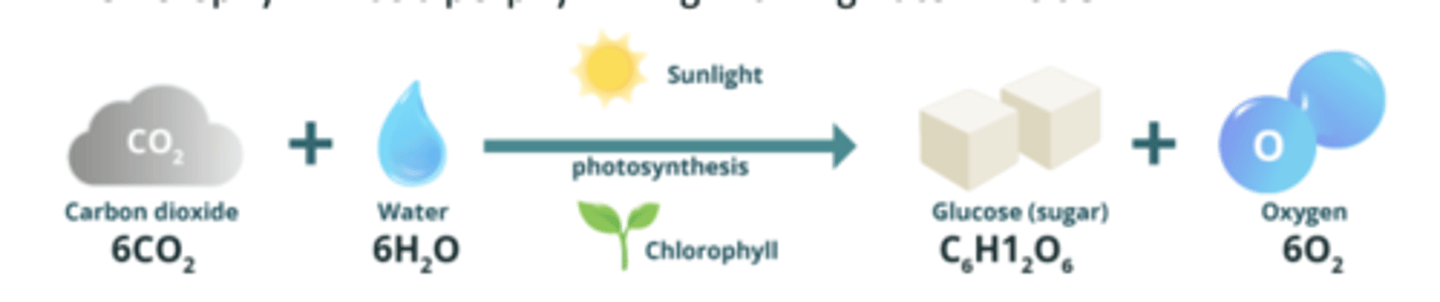
The process by which light energy is converted into chemical energy in the form of glucose.
Photosynthesis
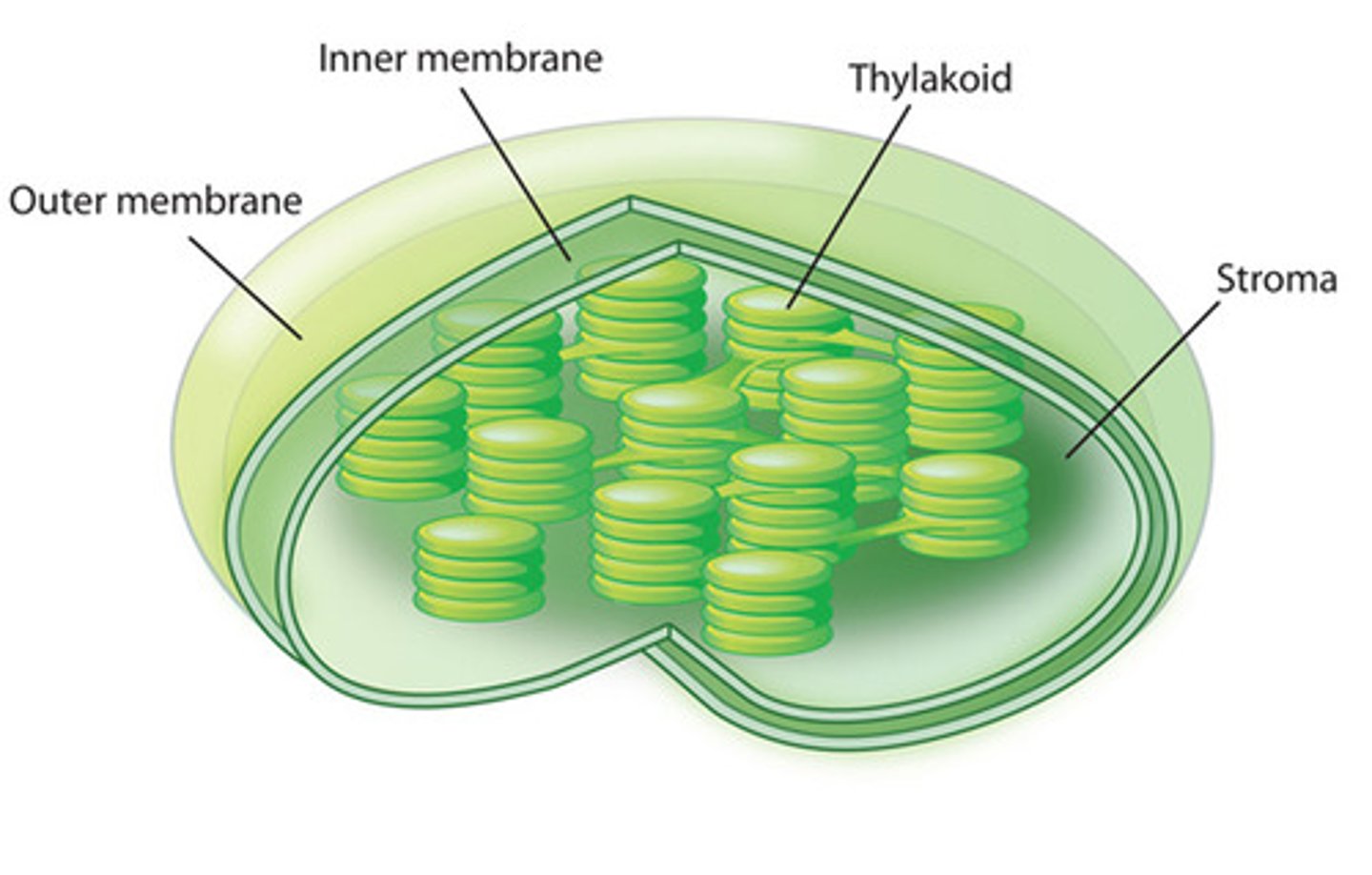
A double-membraned organelle in plant cells where photosynthesis takes place.
Chloroplast
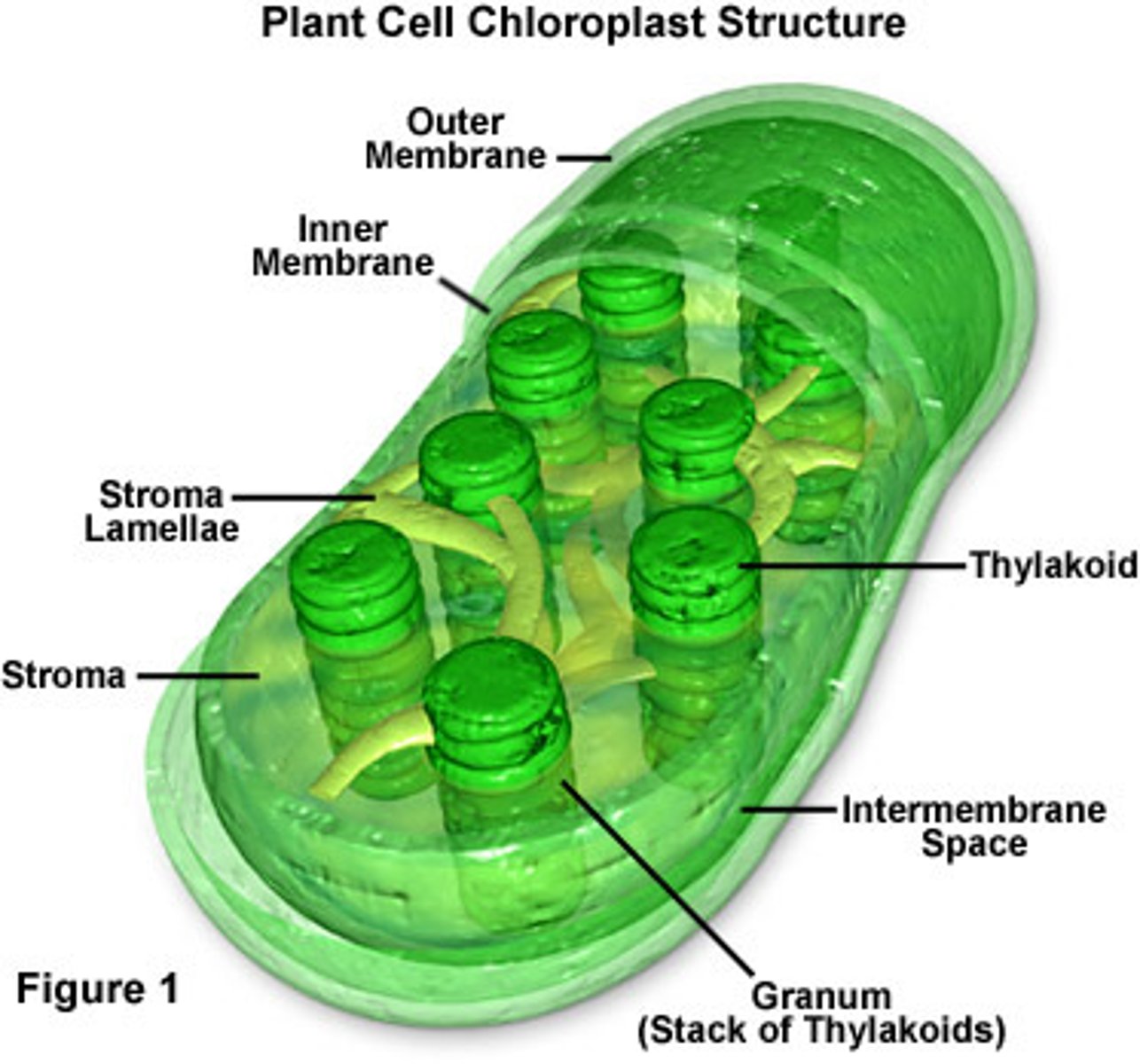
A membrane-bound compartment inside chloroplasts that contains chlorophyll and is the site of the light-dependent reactions.
Thylakoid
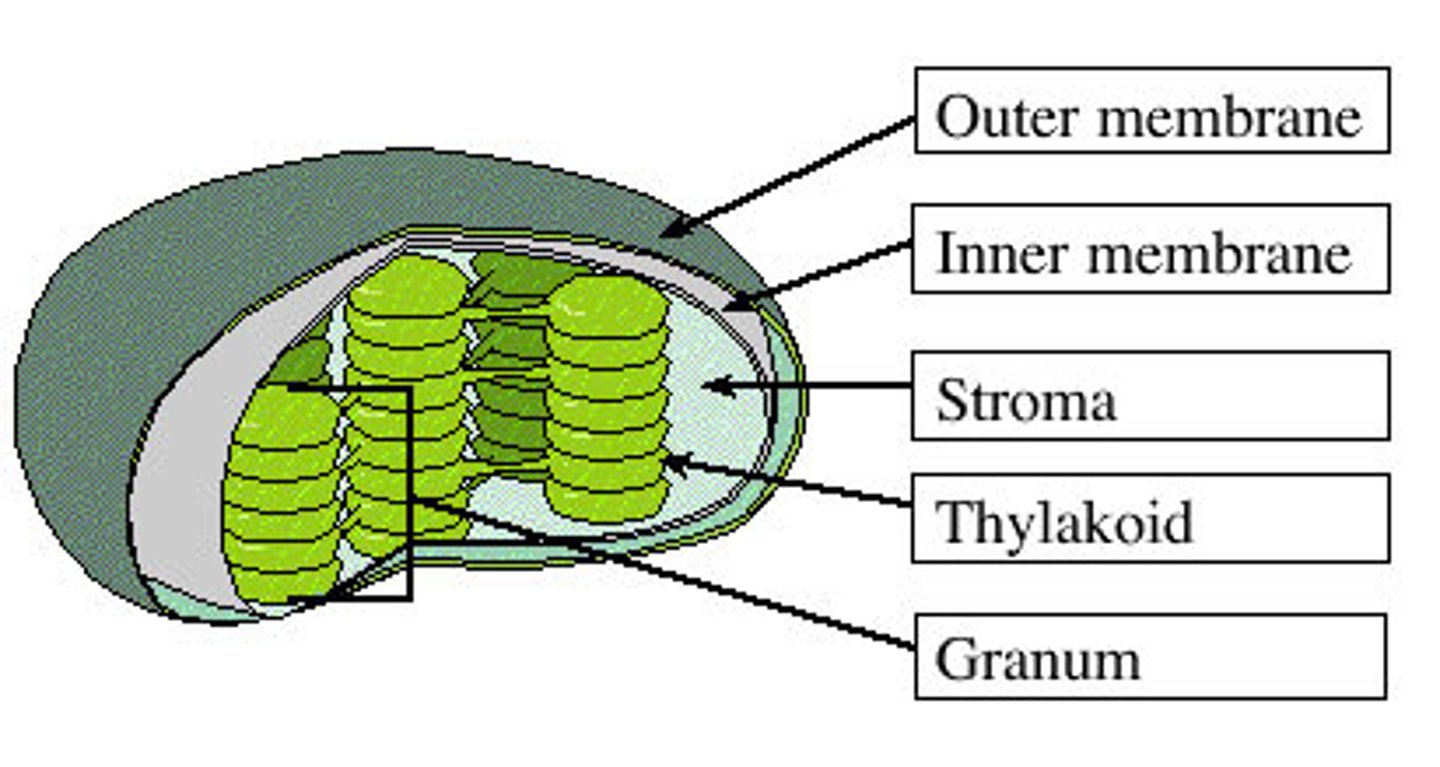
A stack of thylakoids within the chloroplast, where light reactions occur.
Granum
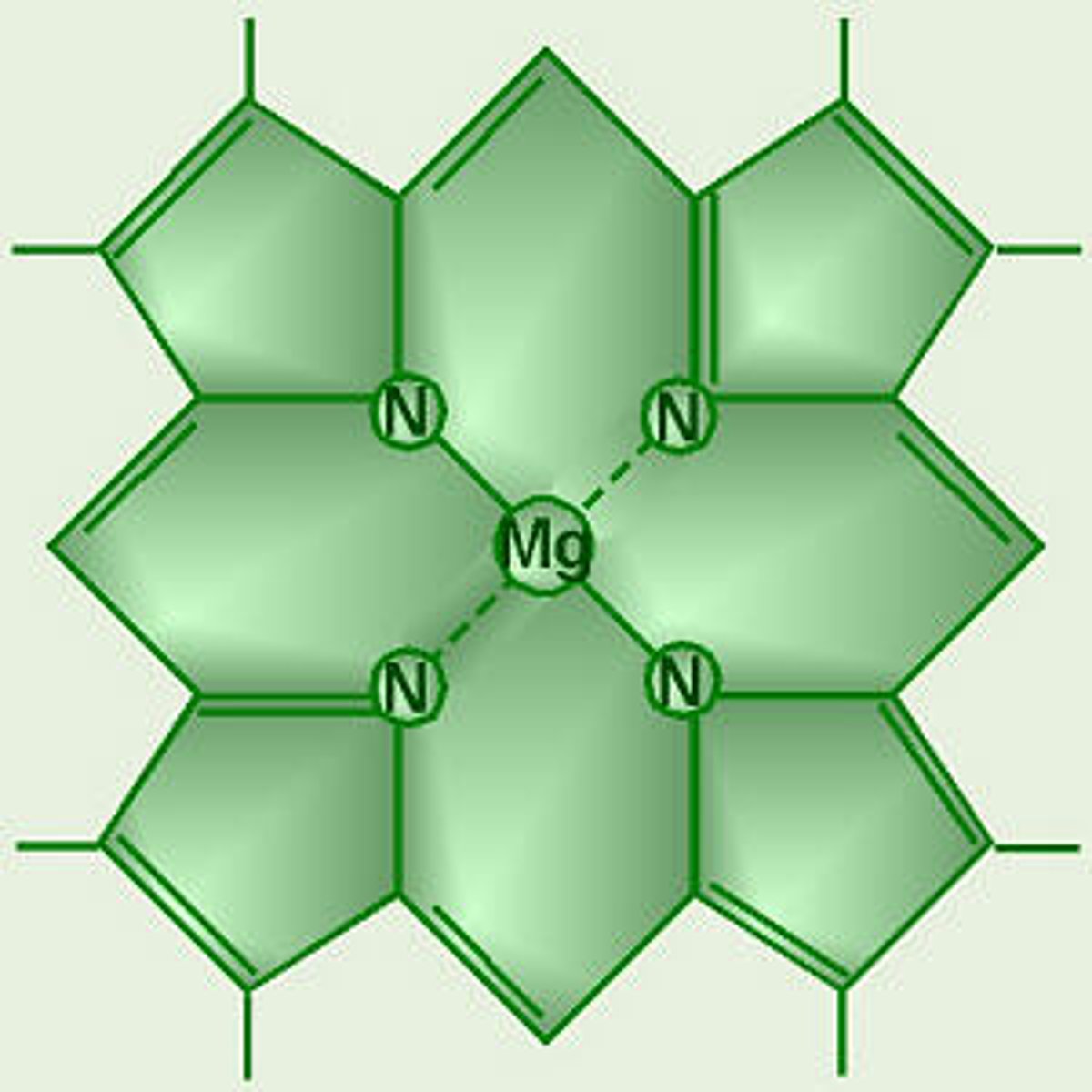
A green pigment found in plants that absorbs light energy for photosynthesis.
Chlorophyll
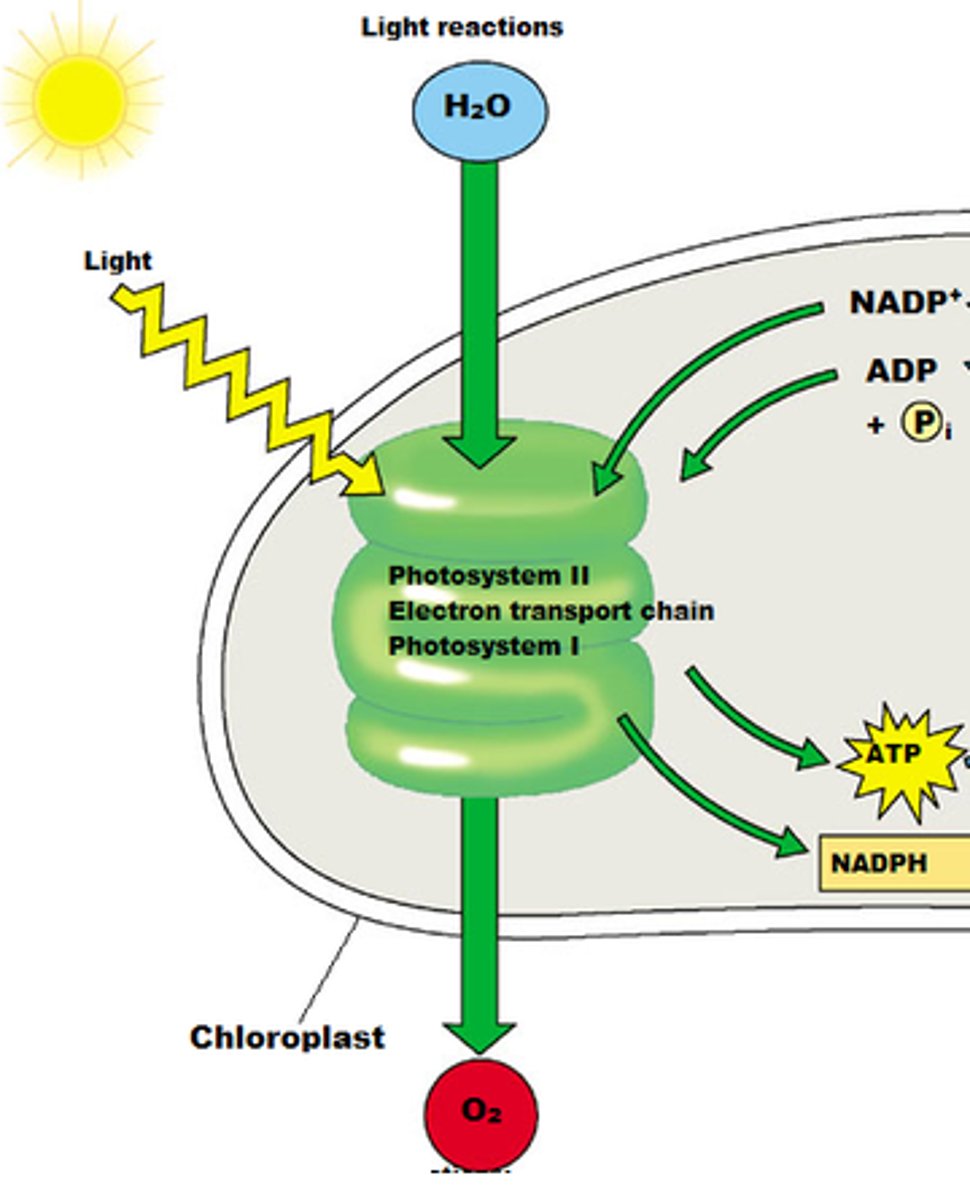
- The electrons trapped in PSII are energized by light.
- 2 electrons are passed to a primary electron acceptor and move through the ETC
- These two electrons lose their energy, which is used to form 1.5 ATP
(ETC ends at PSI. Electrons are re-energized and passed to a different primary electron acceptor. can do cyclic or non cylic path)
Light Reaction
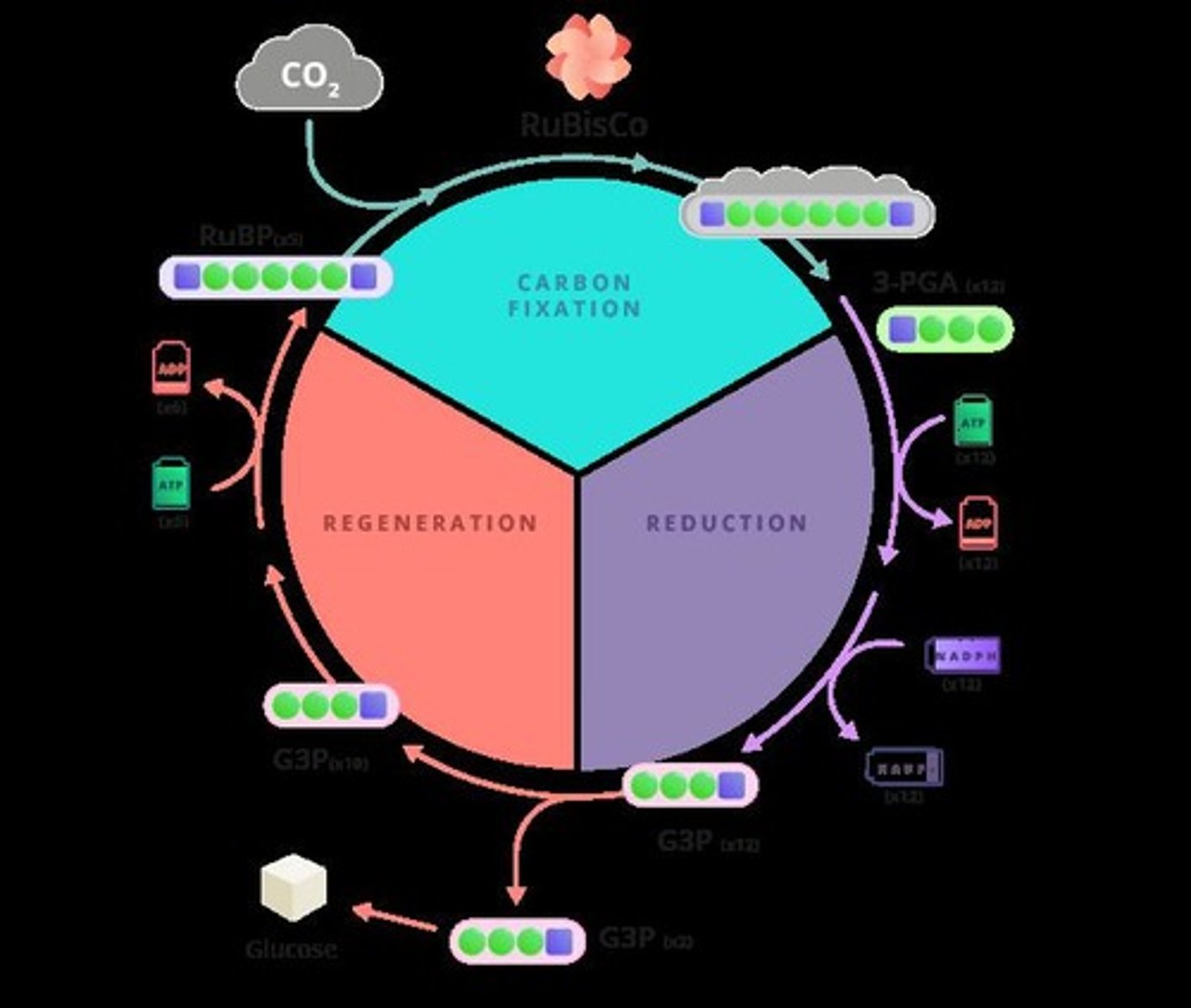
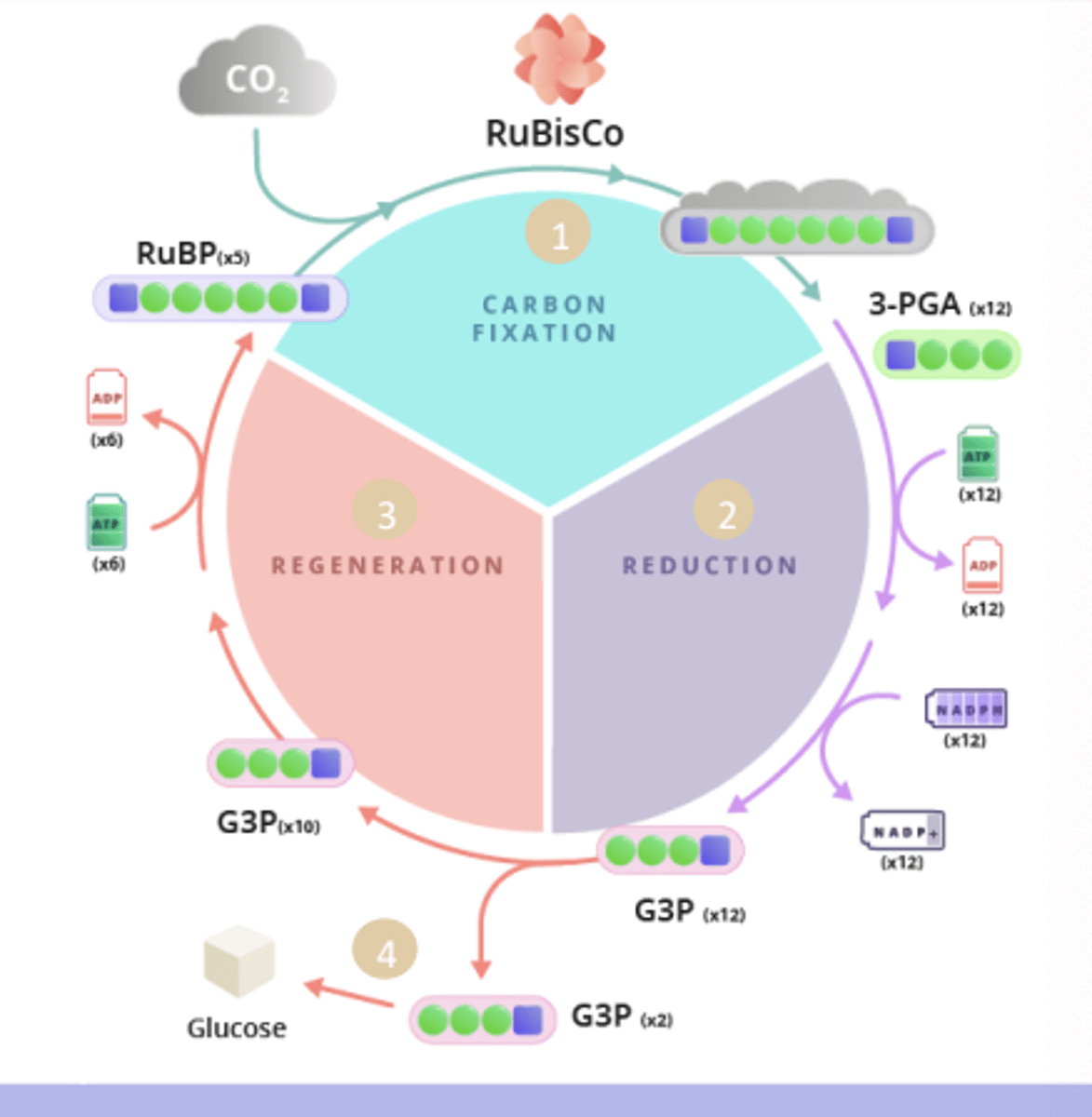
The light-independent reactions of photosynthesis that fix carbon dioxide into glucose (2 G3P)
Calvin cycle (dark reactions)
What is the reaction in the calvin cycle that is catalyed by the enzyme RuBisCo?
1st step Carboxylation: 6 CO2 + 6 RuBP > 12 PGA
What does the reduction step (2nd step) do
12 ATP + 12 NADPH coverts 12 PGA to 12 G3P or 12GAL
The byproducts NADP + ADP go into non cyclic photophosphorlation
What does the regeneration step (3rd step) do of the Calvin cycle?
6 ATP convert 10 G3P to 6 RuBP
What does the carbohydrate synthesis step of the calvin cycle do?
remaining 2 G3P used to from glucose!
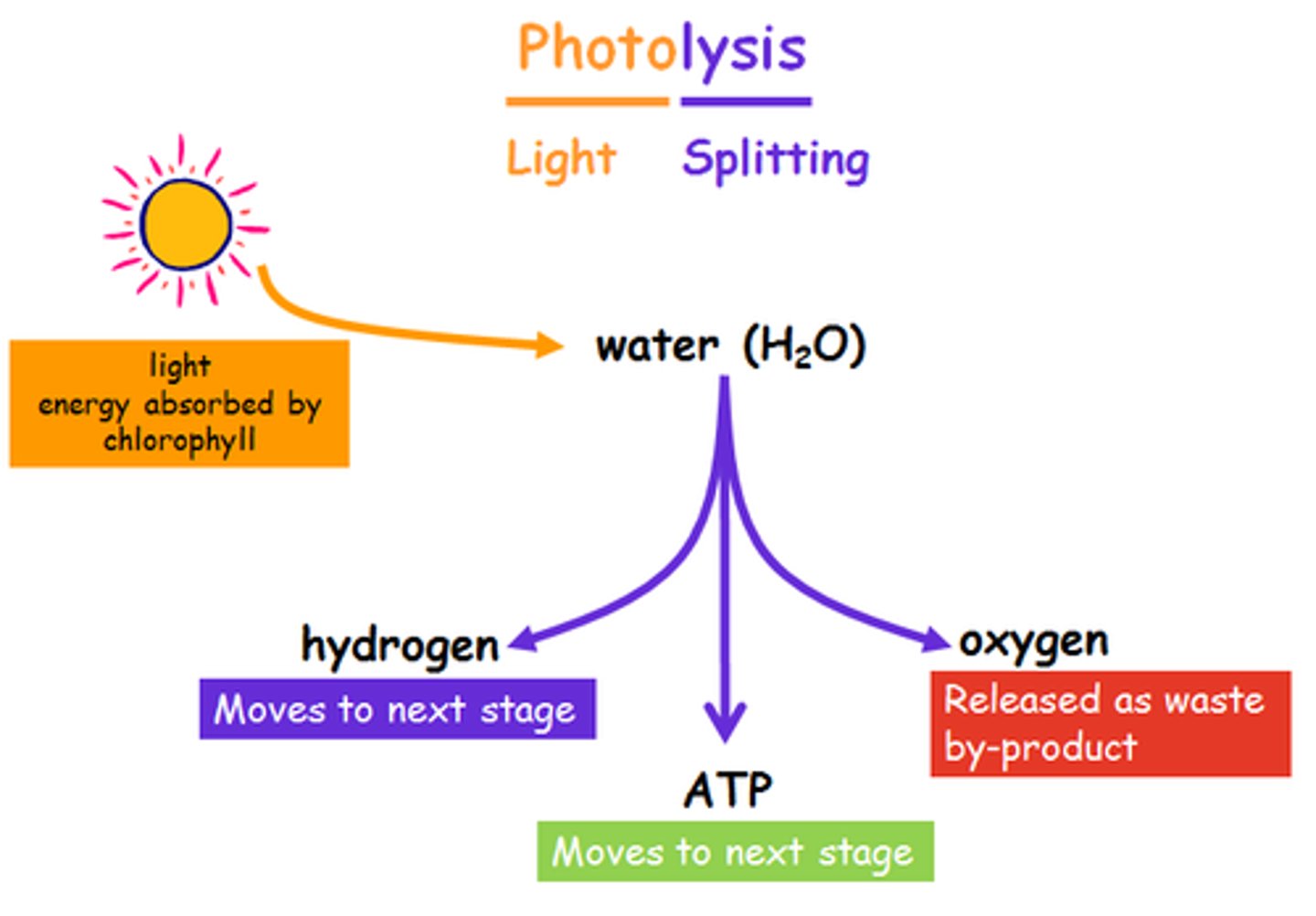
The process of splitting water molecules into oxygen, protons, and electrons during the light reactions.
Photolysis
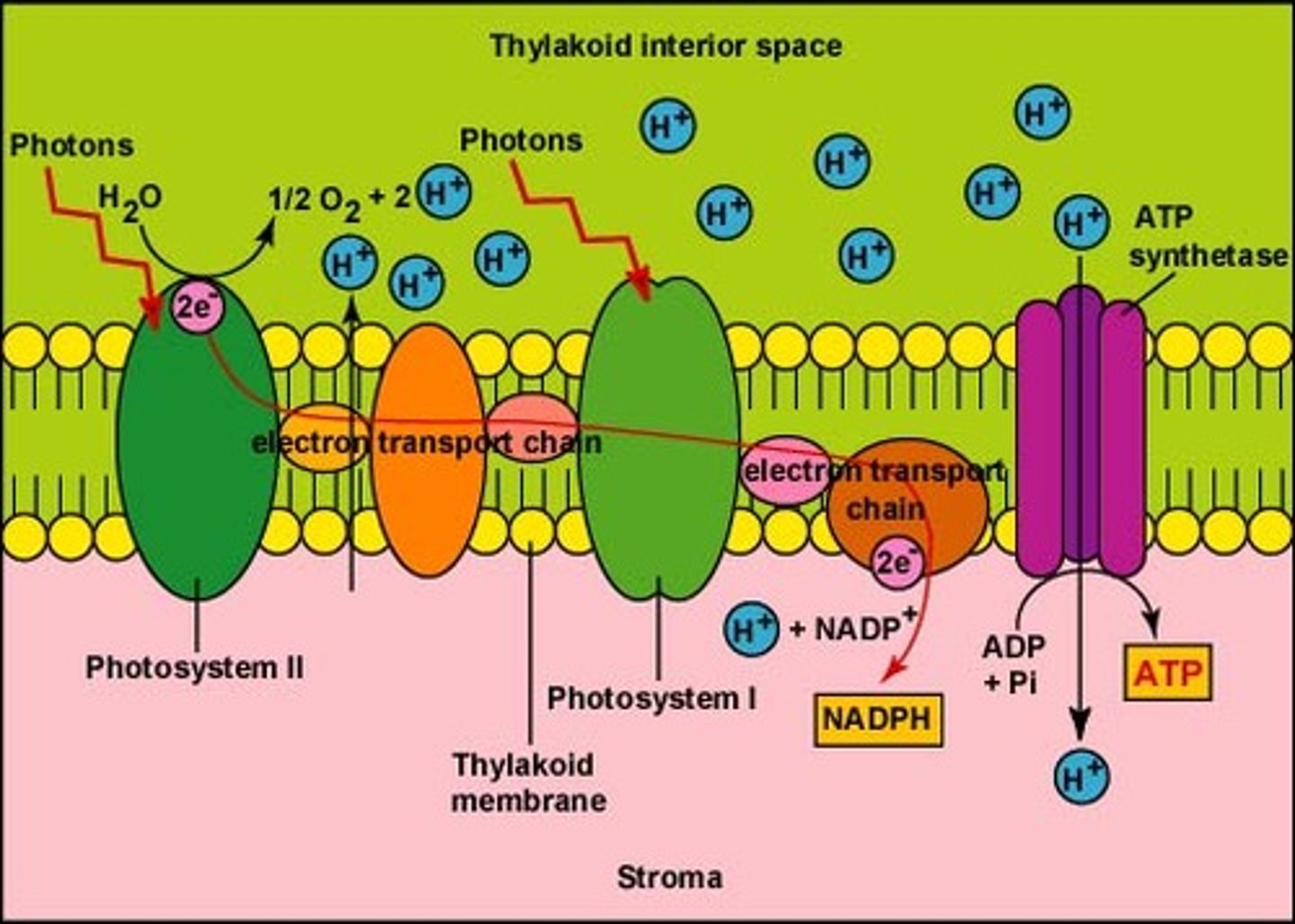
A process in which 2 electrons from photosystem I (PSI) go back through the ETC and generate 1 ATP
(these 2 electrons are recycled into PSI and can either go through the cyclic or non cycle pathway again)
Cyclic Photophosphorylation
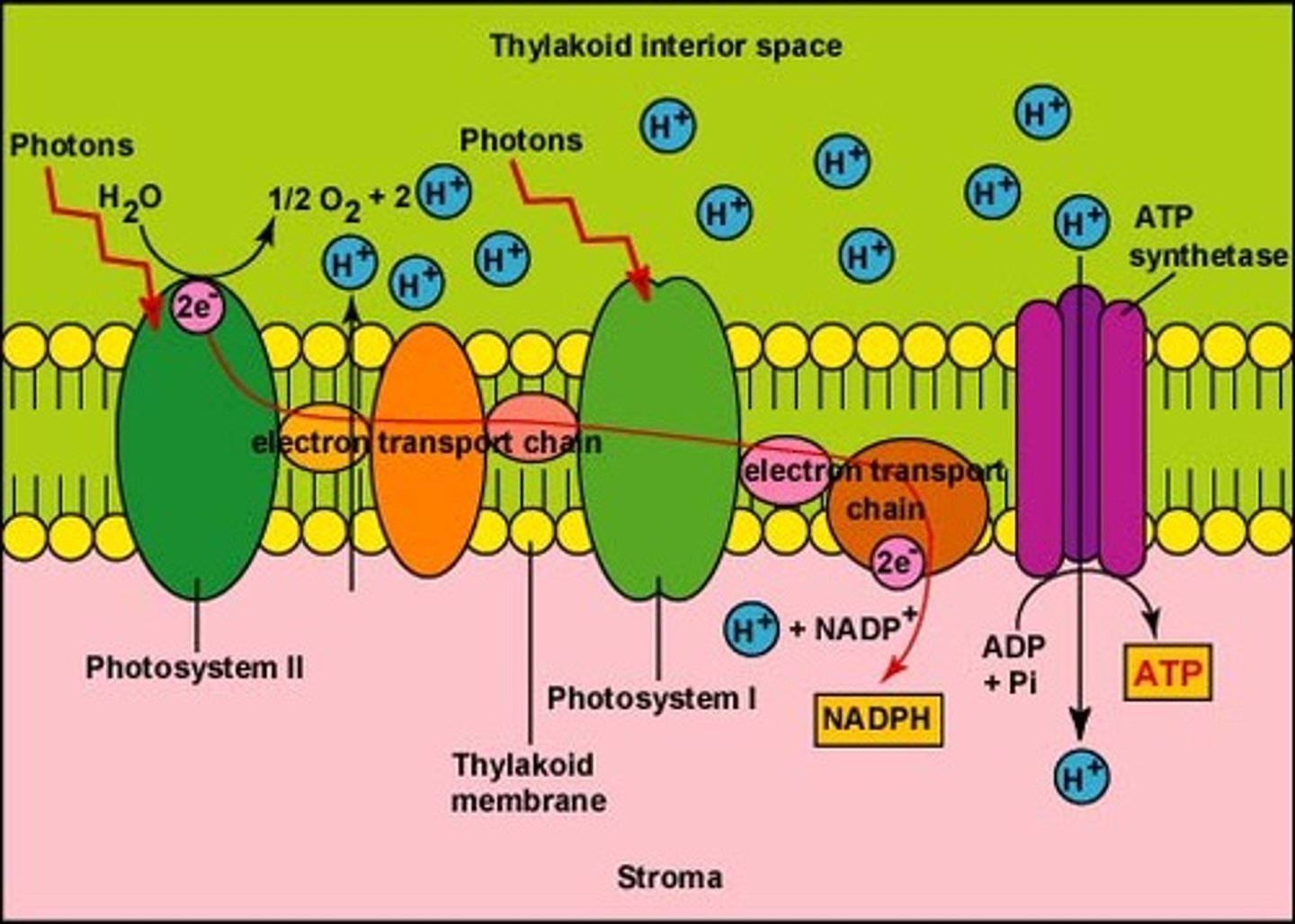
2 electrons go through an ETC and combine with NADP+ and H+ to from NADPH
(this NADPH is used in the calvin cycle to create glucose)
Non-Cyclic Photophosphorylation
An enzyme that catalyzes the first step of the Calvin Cycle, fixing carbon dioxide into an organic molecule.
RuBisCO
A three-carbon sugar produced during the Calvin Cycle that can be used to form glucose.
G3P
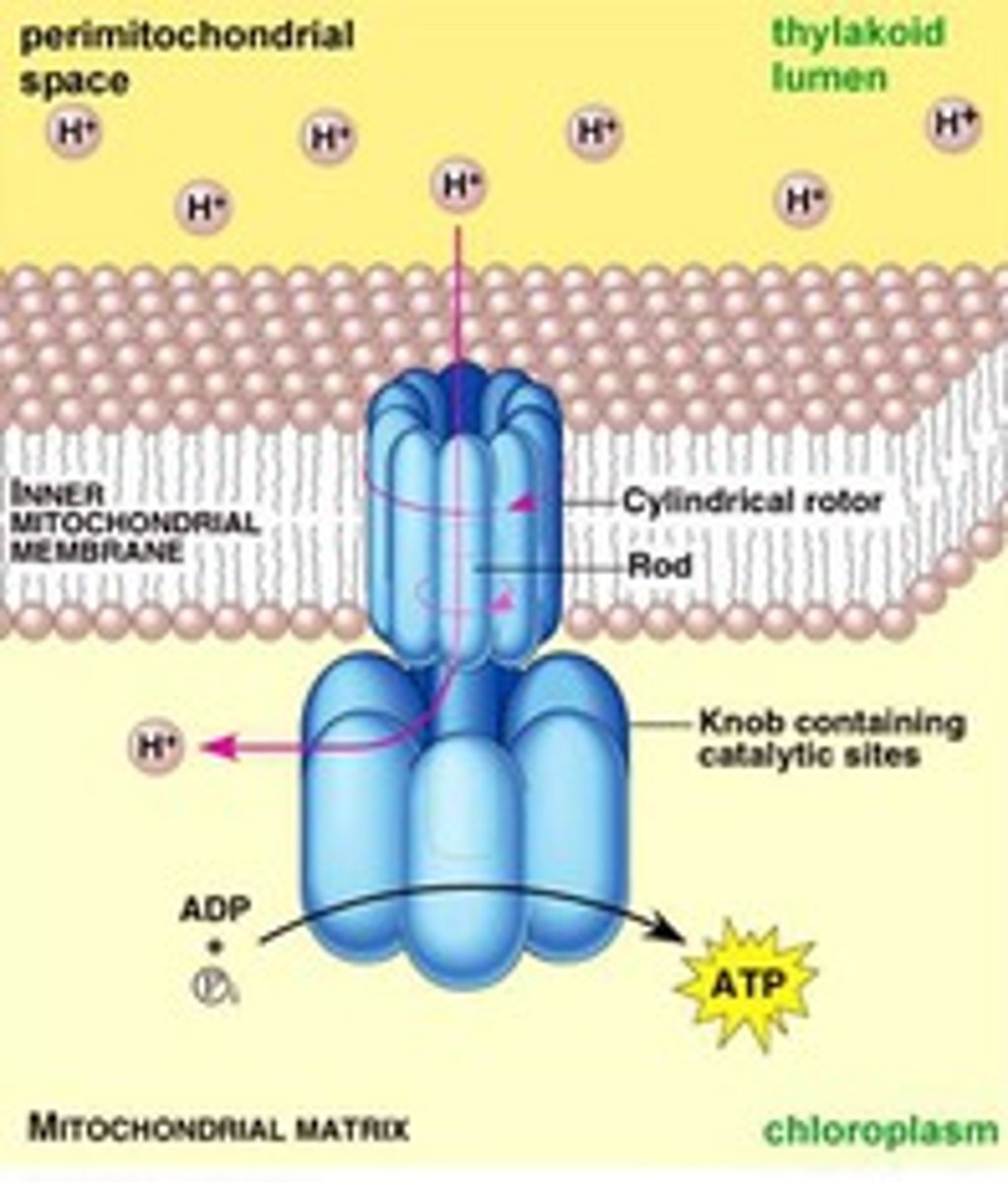
The movement of ions across a selectively permeable membrane, generating ATP through ATP synthase.
Chemiosmosis
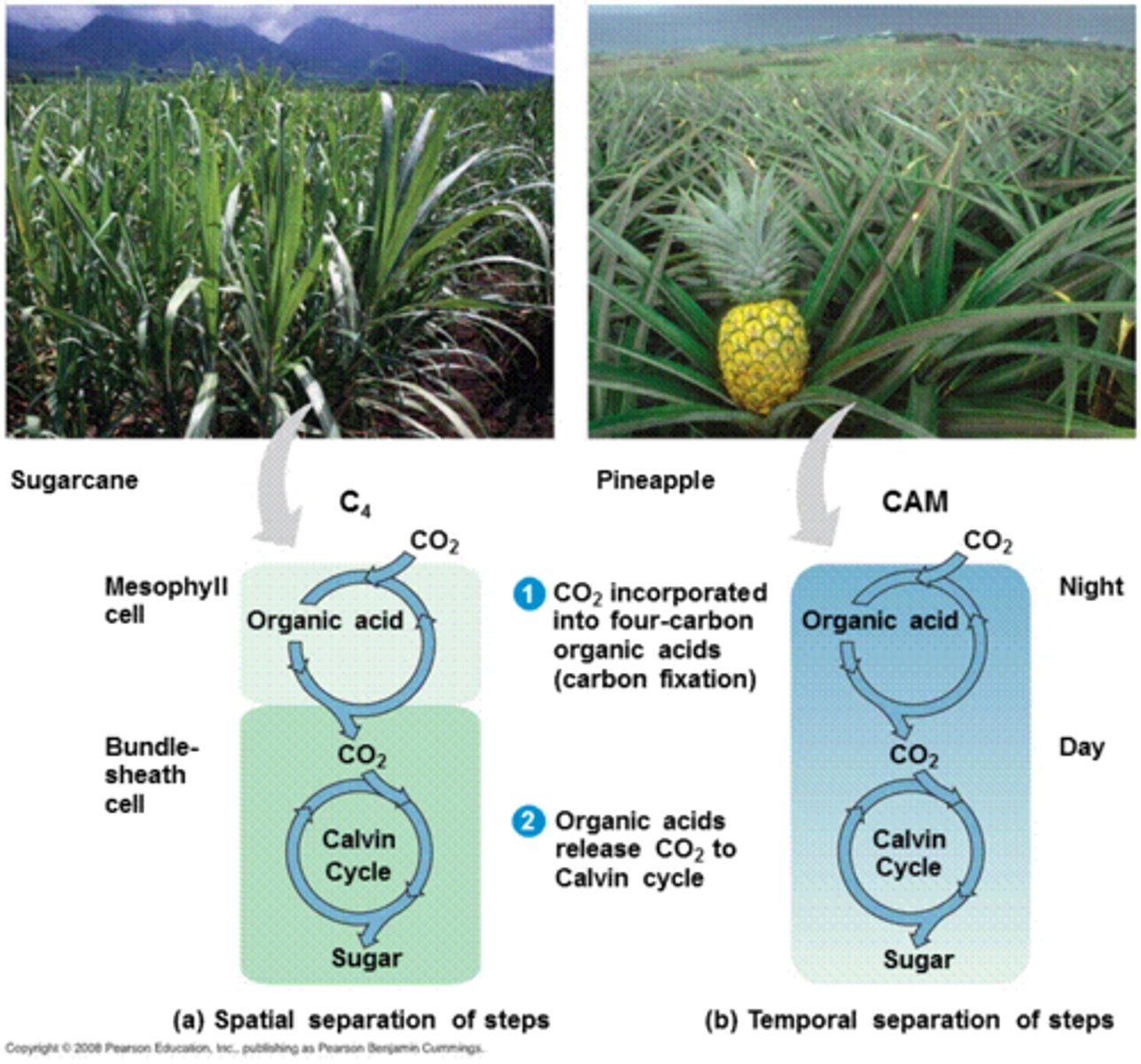
Alters location of photosynthesis
• CO2 moved to bundle sheath cells to minimize photorespiration & H2O loss
• Produces an intermediary 4-carbon
compound & uses 1 extra ATP
C4 Photosynthesis
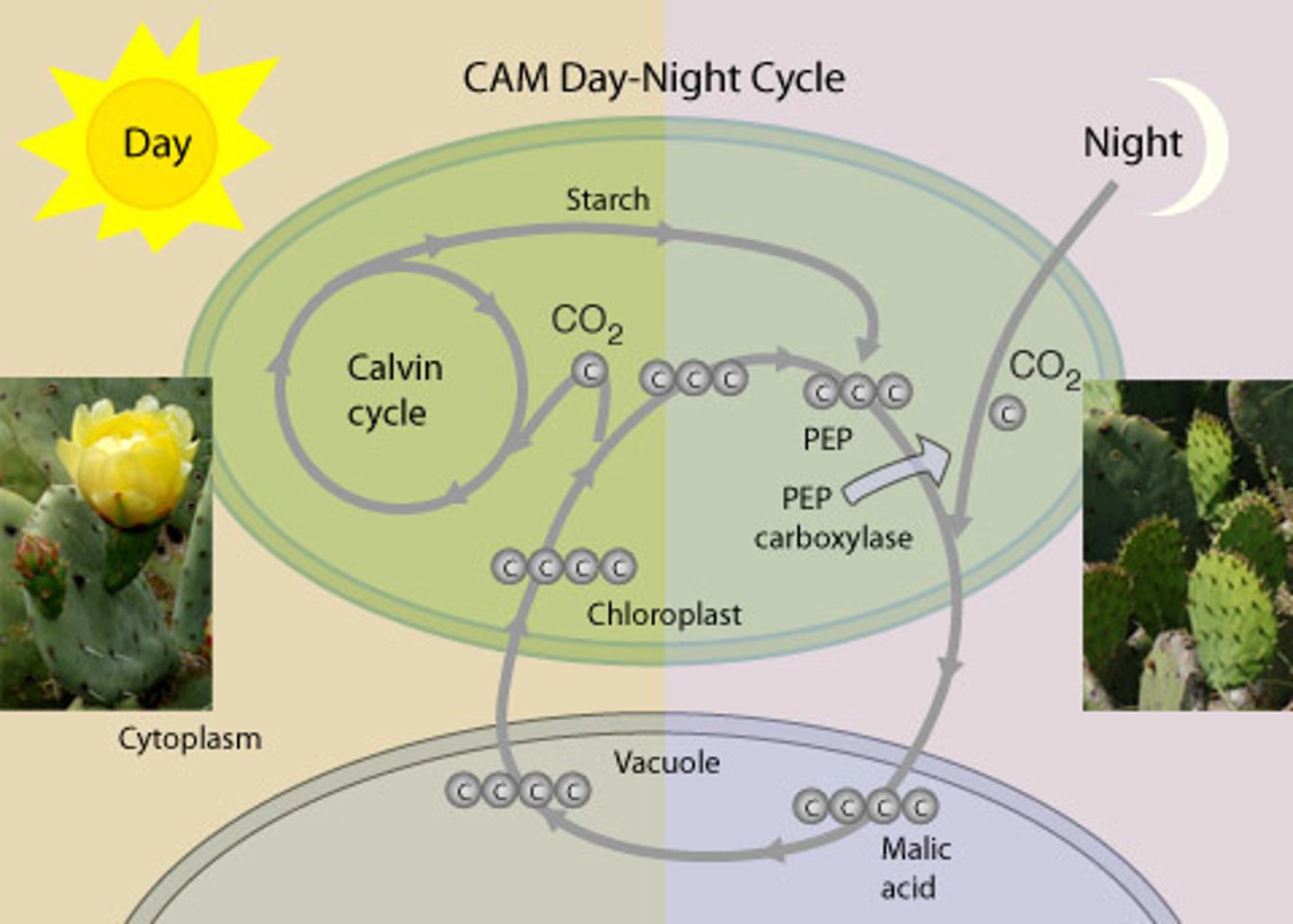
Alters timing of photosynthesis
• Fixes CO2 at night instead of
day to minimize
photorespiration & H2O loss
CAM Photosynthesis
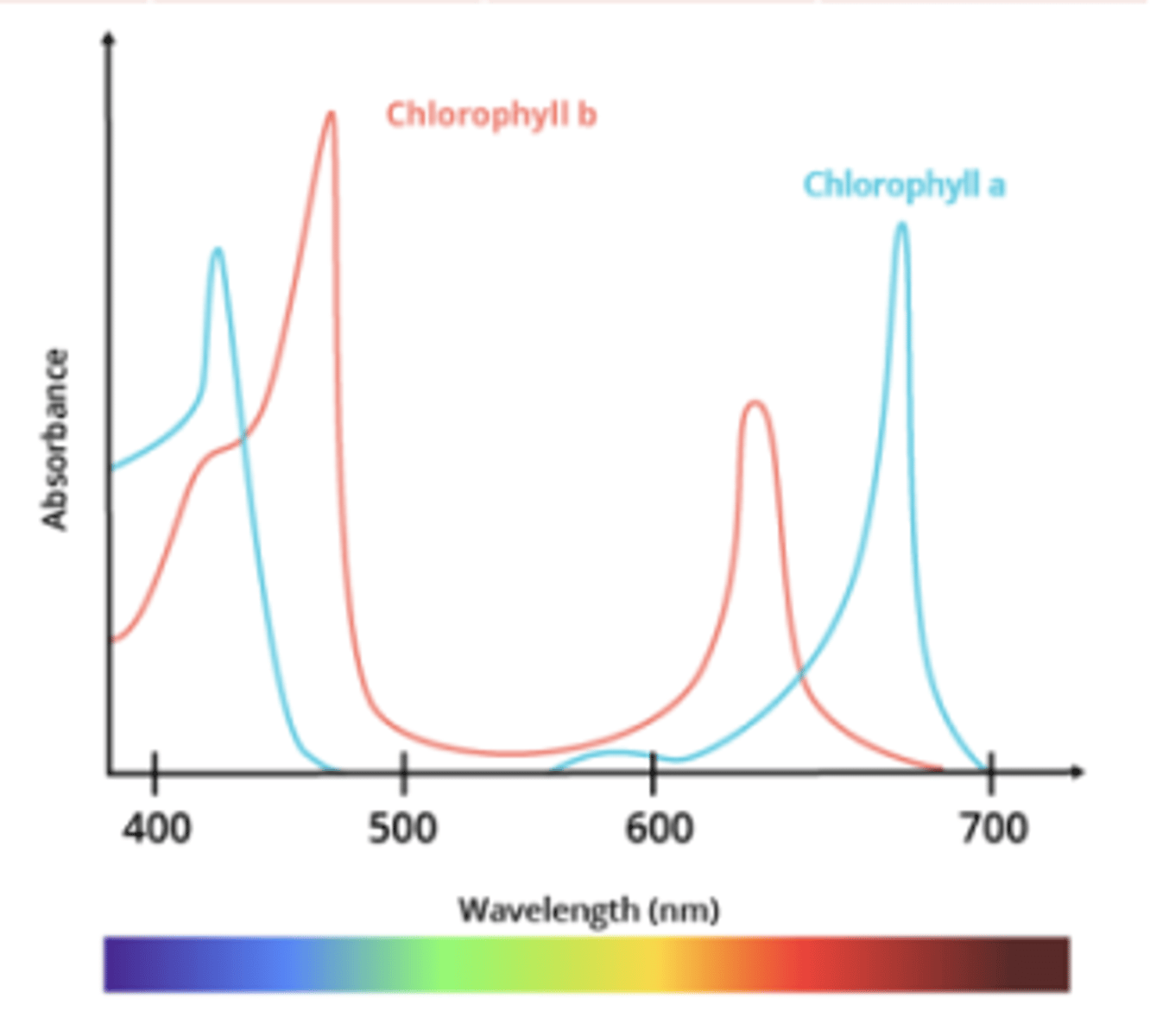
A graph that shows the effectiveness of different wavelengths of light in driving photosynthesis.
(Chloroplast highly effective at absorbing red and blue light. Green wavelength are reflected)
Action Spectrum
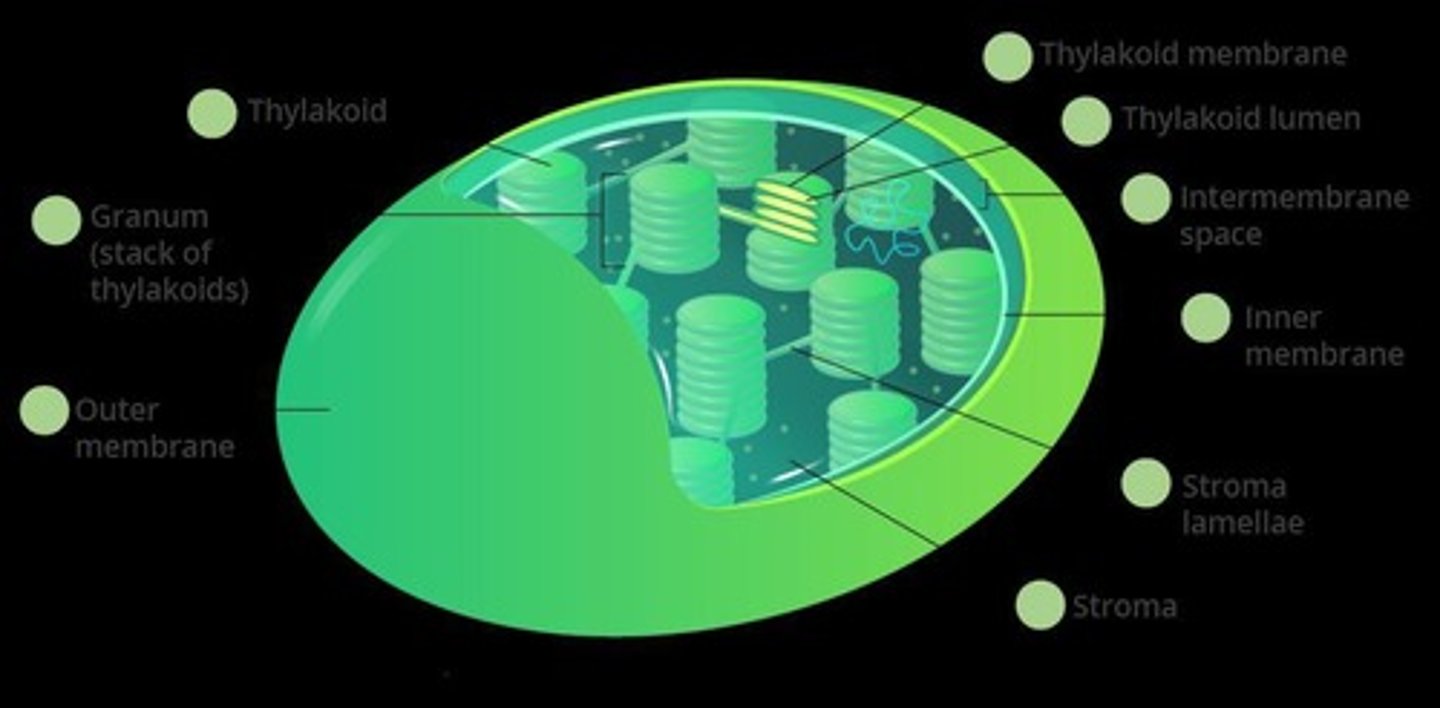
The fluid-filled space in chloroplasts where the Calvin Cycle takes place.
Stroma
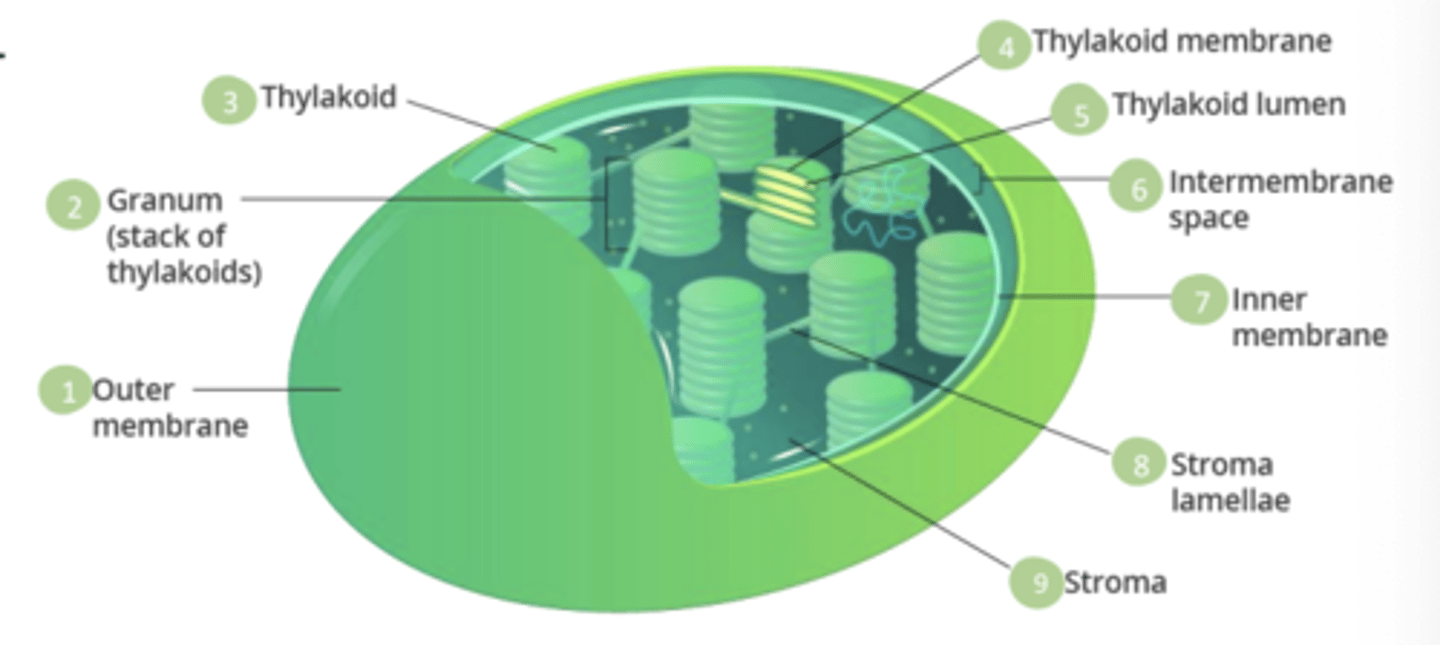
location of cyclic photophosphorylation
Stroma Lamellae
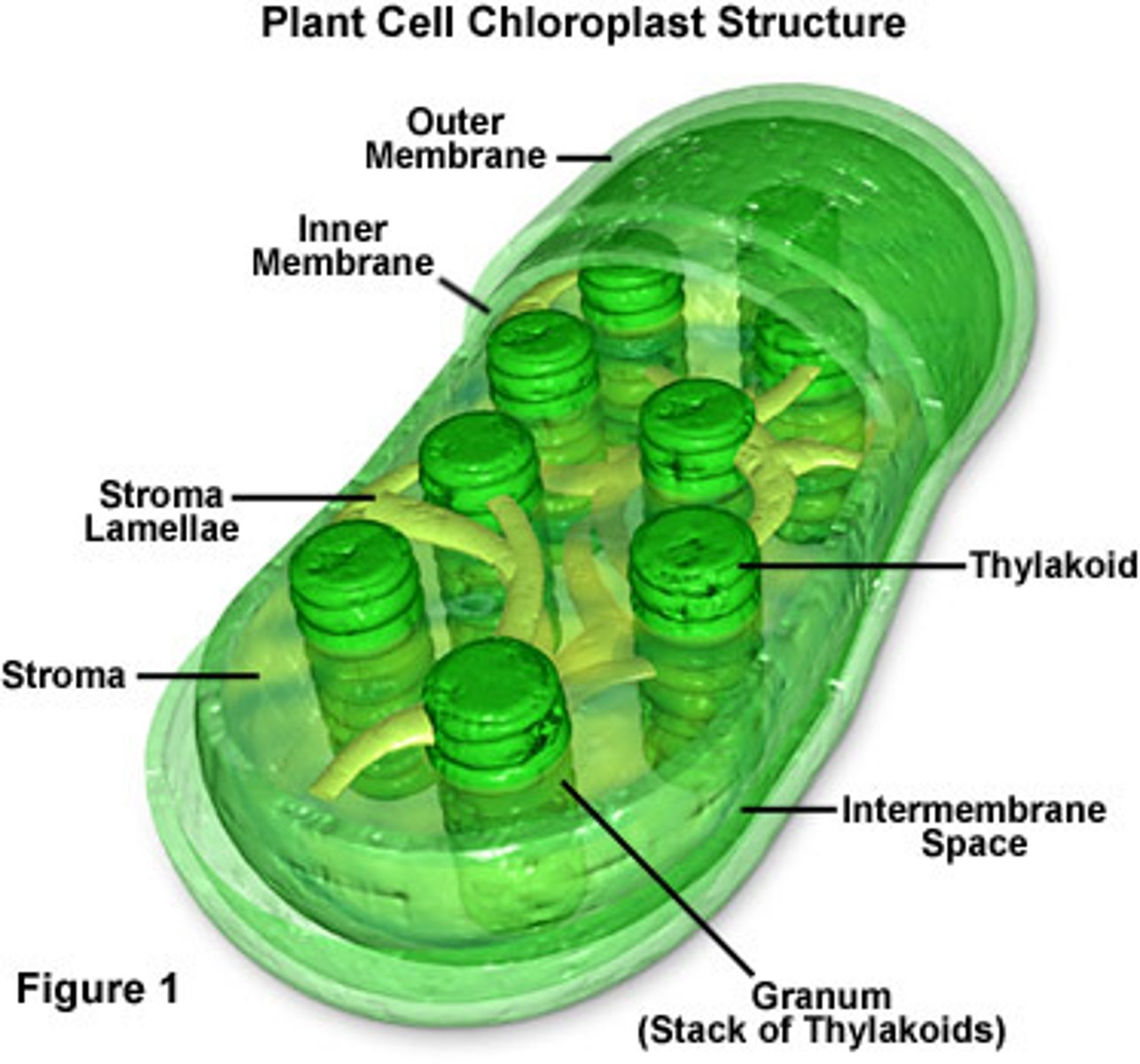
The membrane surrounding thylakoids, where the light-dependent reactions occur.
(Location of ETC/ Structure that absorbs light)
Thylakoid Membrane
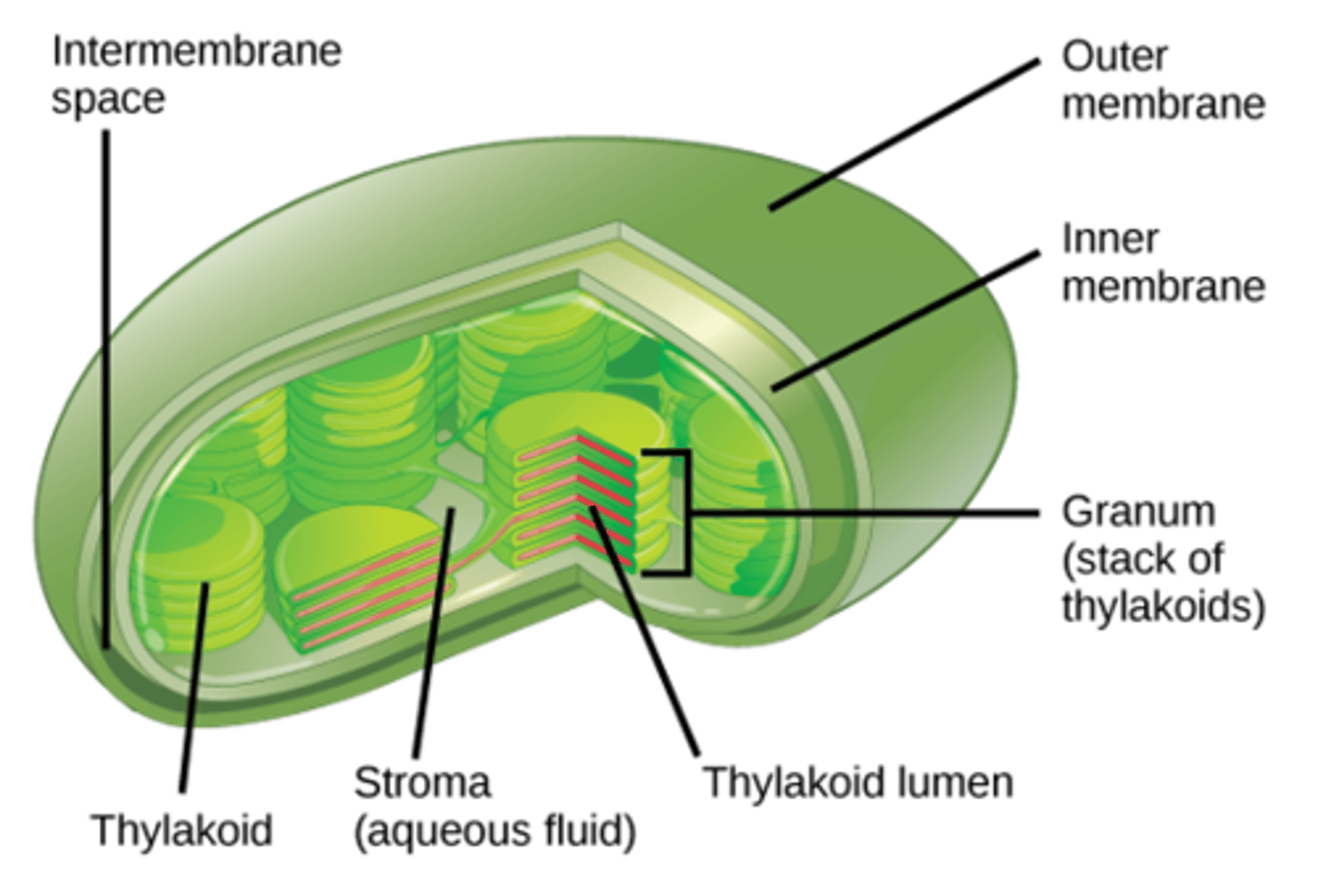
Location of photolysis. H+ ions accumulates due to ETC
Thylakoid Lumen
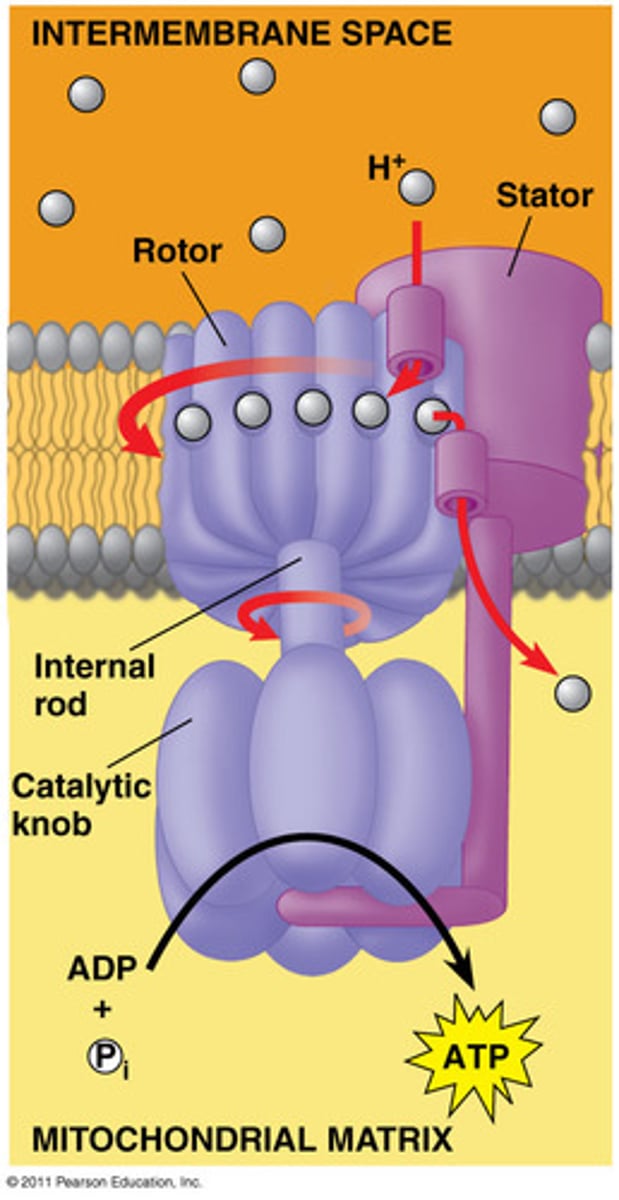
An enzyme that synthesizes ATP from ADP and inorganic phosphate using a proton gradient.
ATP Synthase
Particles of light that provide the energy needed for photosynthesis.
Photons
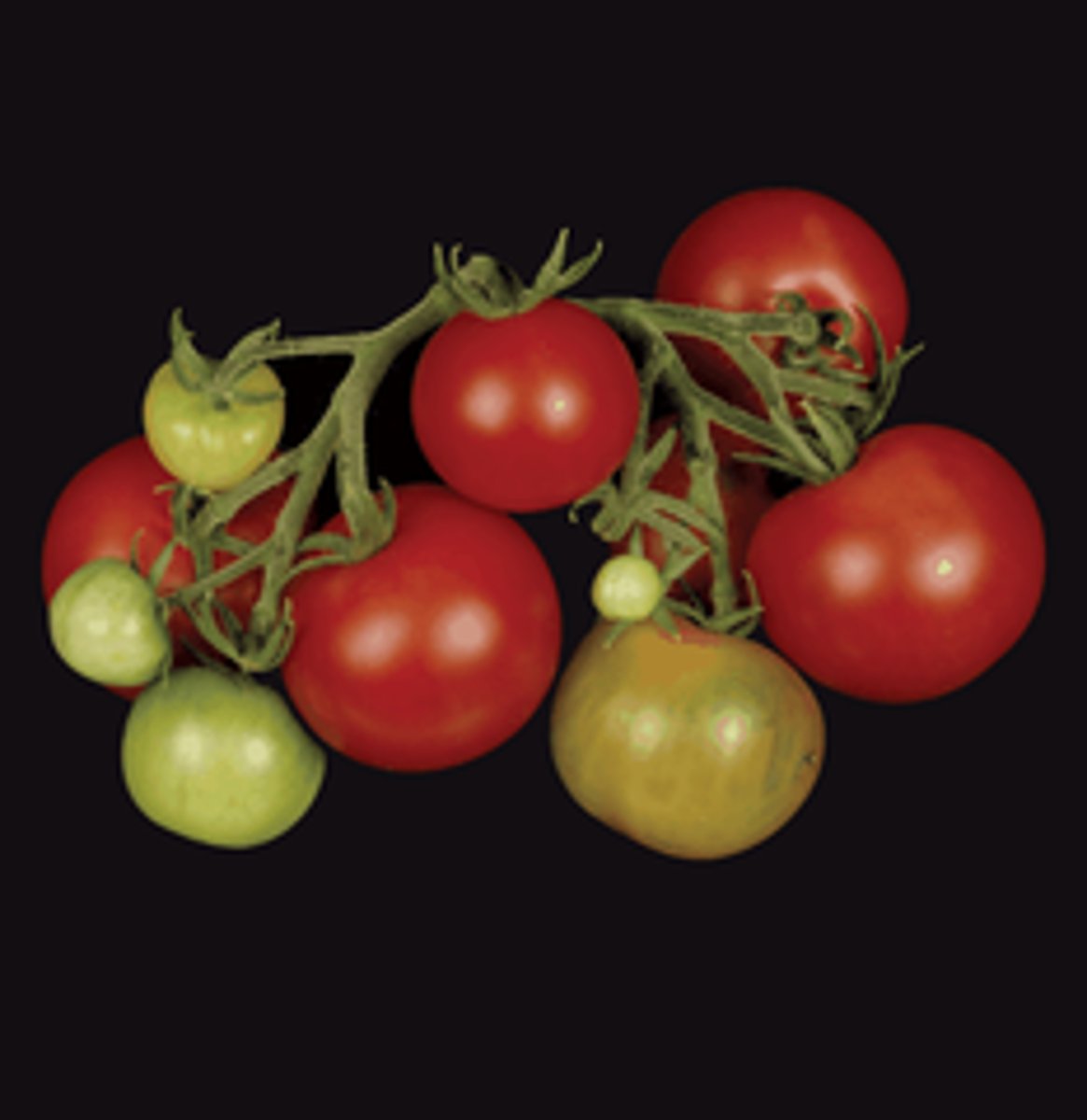
Pigments in plants that absorb light energy and protect chlorophyll from damage.
Carotenoids
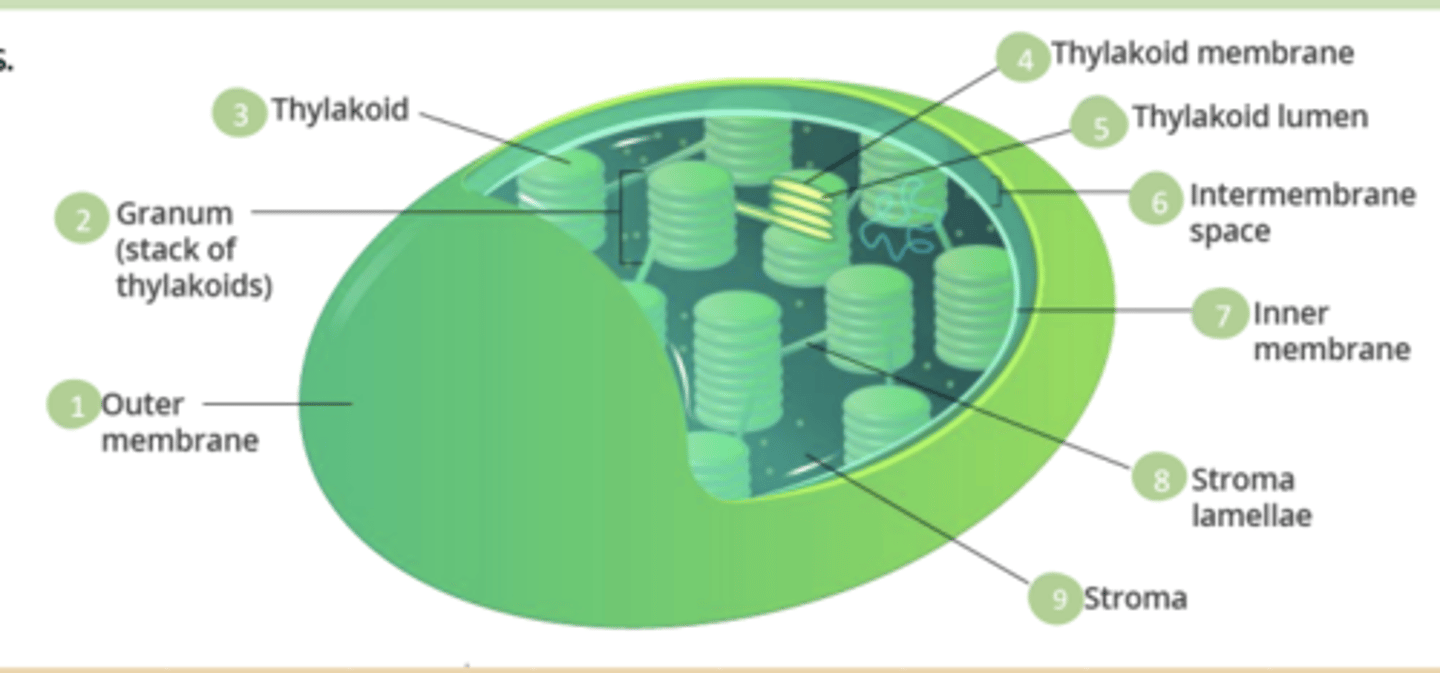
The space between the inner and outer membranes of the chloroplast.
Intermembrane Space