Caravaggio
 Call Kai
 Learn
Learn Practice Test
 Spaced Repetition
 Match
Match Flashcards
 Knowt Play
1/21

There's no tags or description
Looks like no tags are added yet.
Name | Mastery | Learn | Test | Matching | Spaced | Call with Kai | Chat |
|---|
No analytics yet
Send a link to your students to track their progress
22 Terms
Often in Caravagio’s paintings, there is no
architecture. Story is through human figures
tenebrism
high contrast between light and dark
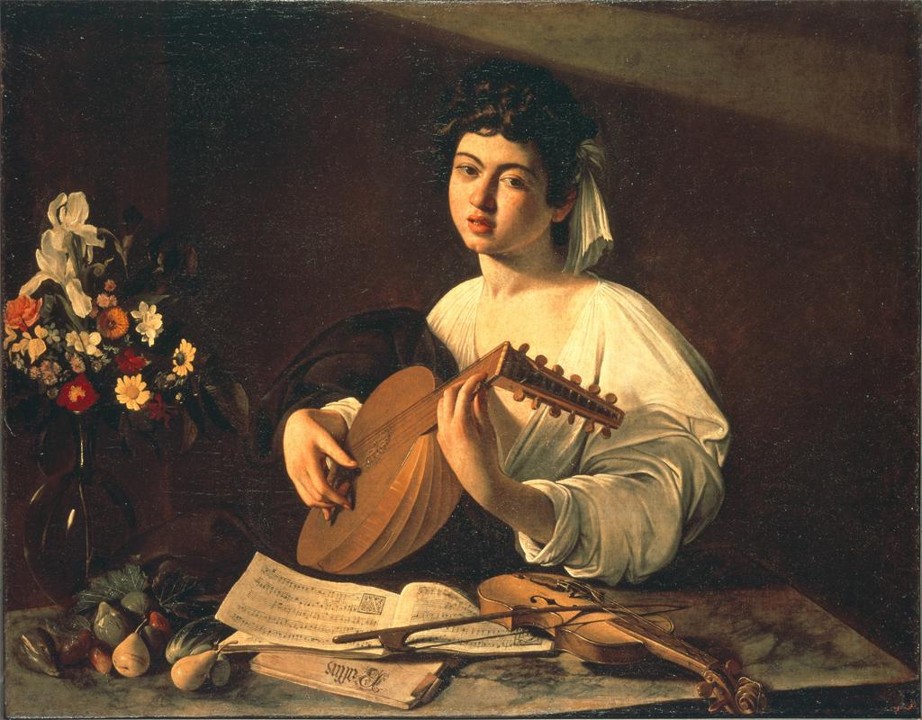
The Lute Player
1595, oil on canvas. May have been a eunuch. Actual musical notation. Acquaintances as models, things where they shouldn’t be.
He apprenticed under
Cavaliere
Caravaggio was not an idealist, as shown by his use of
acquaintances as models
for all the reality, there’s always
something artificial - a plant or vegetable where it shouldn’t be
during this period, women are gaining
traction as singers
local color
true color under daylight, without shadows or anything too affect it
Caravaggio tends to create this sort of shape
vertical vs. horizontal rectangles
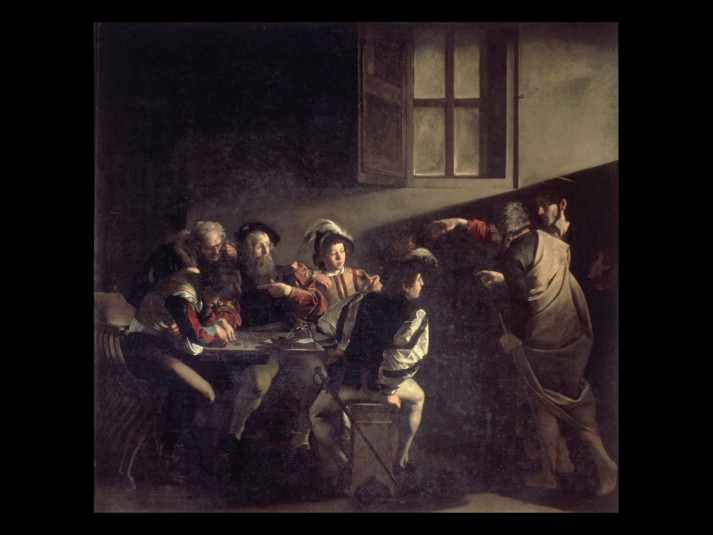
The Calling of St. Matthew 1599-1600 was Caravaggio’s first
public commission
The entirety of Contarelli Chapel is about the
life and martyrdom of St. Matthew
The Calling of St Matthew is oil on canvas, not fresco, so it could be…
done at a studio
the shaft of light in the Calling of St Matthew is
in line with the real chapel windows
The people in the painting are wearing
contemporary dress
Importantly, Matthew is
not rising from the table at the counting house
the gesture in this painting is really similar to the
Creation of Adam
Caravaggio sometimes uses this to show the figures in his paintings
dramatic, unnatural lighting
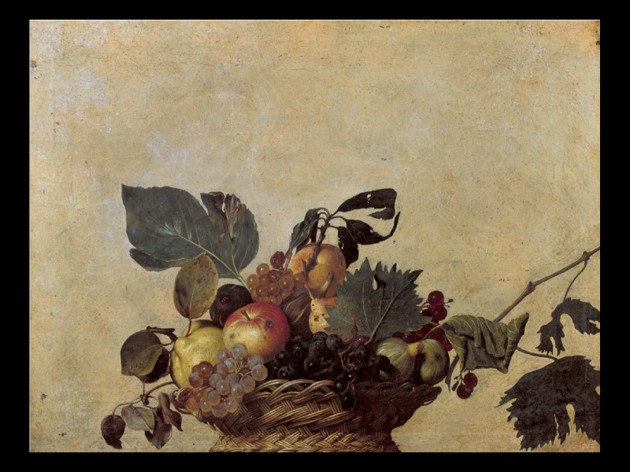
The Basket of Fruit, 1595-1601
one of 2 of his still lives that we know of.
Still life is becoming part of
narrative pieces
the fruit in this painting is
overripe
The fruit being overripe is
characteristic of Caravaggio. Dirty, earthy
Caravaggio doesn’t use tears, as they can look comic, so instead he uses
grimaces of pain