Micro lab practical

0.0(0)
Studied by 0 people
call kaiCall Kai
learnLearn
examPractice Test
spaced repetitionSpaced Repetition
heart puzzleMatch
flashcardsFlashcards
GameKnowt Play
Card Sorting

1/16

encourage image

There's no tags or description

Looks like no tags are added yet.

17 Terms

1
New cards

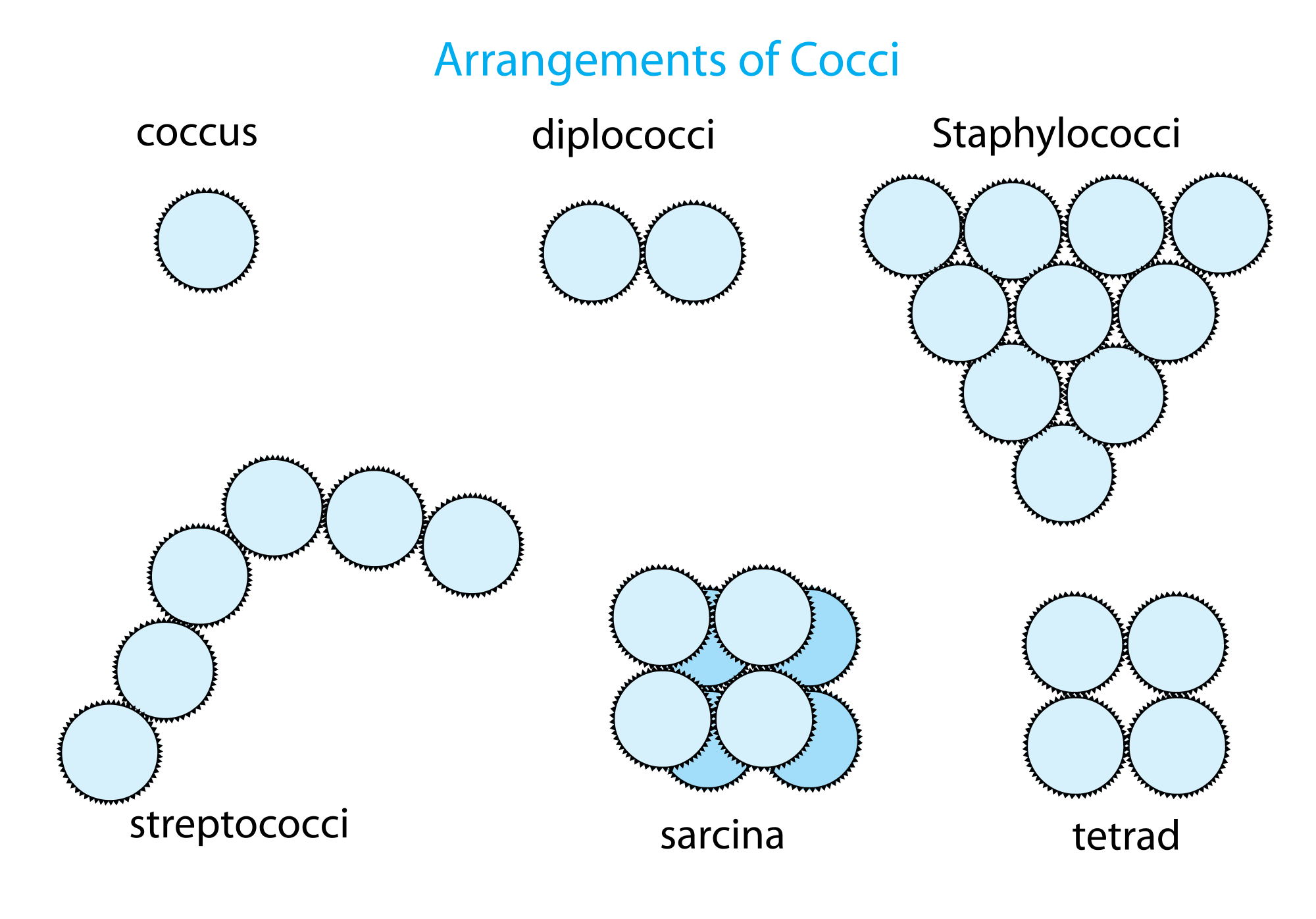
Cocci

Circular shaped

<p>Circular shaped </p>
2
New cards

Bacilli

Rod shaped

<p>Rod shaped </p>
3
New cards

HIV antibody test strip ELISA

  • If both circles have no color it is: negative

  • If both circles do have color it is: positive

  • This tests helps to detect several types of pathogens and is mostly used for the diagnoses of viral infections
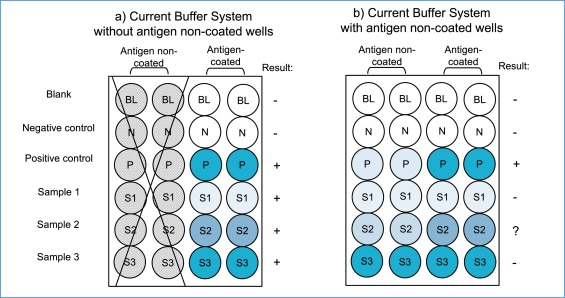

<ul><li><p>If both circles have no color it is: negative</p></li><li><p>If both circles do have color it is: positive</p></li><li><p>This tests helps to detect several types of pathogens and is mostly used for the diagnoses of viral infections </p></li></ul><p></p>
4
New cards

Gram-negative

Usually pink and safranin

5
New cards

Gram-positive

Usually blue and crystal violet

6
New cards

Mannitol salt agar test (MSA)

  • Growth: probable Staphylococcus

  • No growth: Not Staphylococcus

  • Yellow halo: S. Aureus

  • No yellow halo: Other staphylococcus species or micrococcus
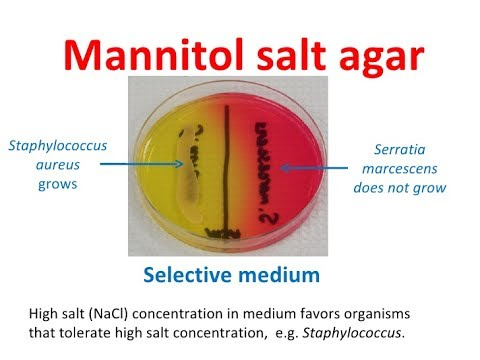

<ul><li><p>Growth: probable Staphylococcus  </p></li><li><p>No growth: Not Staphylococcus </p></li><li><p>Yellow halo: S. Aureus </p></li><li><p>No yellow halo: Other staphylococcus species or micrococcus </p></li></ul><p></p>
7
New cards

Novobiocin Susceptibility

  • Make sure to measure the diameters of each circle (in mm)

  • To get to mm: multiply CM by 10

  • Staphylococcus saprophyticus is RESISTANT to novobiocin if the diameter of zone of inhibition is: less than 17 mm

  • S. epidermis and S. aureus are SUSCEPTIBLE to novobiocin if the diameter of zone of inhibition is: greater than 17 mm
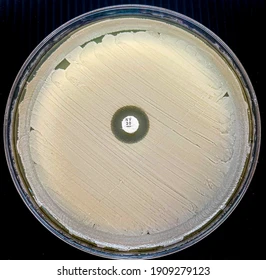

<ul><li><p>Make sure to measure the diameters of each circle (in mm) </p></li><li><p>To get to mm: multiply CM by 10 </p></li><li><p>Staphylococcus saprophyticus is RESISTANT to novobiocin if the diameter of zone of inhibition is: less than 17 mm</p></li><li><p>S. epidermis and S. aureus are SUSCEPTIBLE  to novobiocin if the diameter of zone of inhibition is: greater than 17 mm </p></li></ul><p></p>
8
New cards

Antimicrobial susceptibility testing (Kirby- Bauer Method)

  • Resistant: The drug will not be affective at treating the infection

  • Intermediate: The drug may be effective at treating the infection at a higher dosage than normal

  • Susceptible: The drug should be effective at treating the infection

  • Amicillin: resistant diameter: less than 29, intermediate diameter: (na), susceptible diameter: 29 or higher

  • Bacitracin: resistant diameter: less than 13, intermediate diameter: 13 to 17, susceptible diameter: 18 or higher

  • Chloramphenicol: resistant diameter: less than 12, intermediate diameter: 12 to 17, susceptible diameter: 18 or higher

  • Erythromycin: resistant diameter: less than 13, intermediate diameter: 13 to 22, susceptible diameter: 23 or higher

  • Tetracycline: resistant diameter: less than 14, intermediate diameter: 14 to 18, susceptible diameter: 19 or higher


<ul><li><p>Resistant: The drug will not be affective at treating the infection </p></li><li><p>Intermediate: The drug may be effective at treating the infection at a higher dosage than normal </p></li><li><p>Susceptible: The drug should be effective at treating the infection </p></li><li><p>Amicillin: resistant diameter: less than 29, intermediate diameter: (na), susceptible diameter: 29 or higher </p></li><li><p>Bacitracin: resistant diameter: less than 13, intermediate diameter: 13 to 17, susceptible diameter: 18 or higher </p></li><li><p>Chloramphenicol: resistant diameter: less than 12, intermediate diameter: 12 to 17, susceptible diameter: 18 or higher </p></li><li><p>Erythromycin: resistant diameter: less than 13, intermediate diameter: 13 to 22, susceptible diameter: 23 or higher </p></li><li><p>Tetracycline: resistant diameter: less than 14, intermediate diameter: 14 to 18, susceptible diameter: 19 or higher</p></li></ul><p></p>
9
New cards

Starch hydrolosis test

  • Have to add iodine in order to see results

  • Color of agar is: yellow to gold, then: Starch has been broken down and organism produces amylase

  • Color of agar is: dark blue to black, then: Starch has not been broken down; organism does not produce amylase

  • Presence of starch is considered negative because the starch didnt break down


<ul><li><p>Have to add iodine in order to see results </p></li><li><p>Color of agar is: yellow to gold, then: Starch has been broken down and organism produces amylase </p></li><li><p>Color of agar is: dark blue to black, then: Starch has not been broken down; organism does not produce amylase </p></li><li><p>Presence of starch is considered negative because the starch didnt break down</p></li></ul><p></p>
10
New cards

MacConkey agar

  • It is a selective and differential growth medium used for the isolation of non-fastidous gram negative baccili

  • No growth: organism inhibited by crystal violet and/or bile salts, probable gram positive organism

  • Growth: organism not inhibited crystal violet and/ or bile salts, probable gram negative bacilli

  • Pink color/precipiate: organism ferments lactose, probable coliform

  • No pink color/ no precipitate: organism does not ferment mannitol, probable non-coliform


<ul><li><p>It is a selective and differential growth medium used for the isolation of non-fastidous gram negative baccili</p></li><li><p>No growth: organism inhibited by crystal violet and/or bile salts, probable gram positive organism </p></li><li><p>Growth: organism not inhibited crystal violet and/ or bile salts, probable gram negative bacilli </p></li><li><p>Pink color/precipiate: organism ferments lactose, probable coliform</p></li><li><p>No pink color/ no precipitate: organism does not ferment mannitol, probable non-coliform </p></li></ul><p></p>
11
New cards

Phenol red broths

  • Red broth: N and organism does not ferment carbohydrate

  • Pink broth: K and organism breaks down amino acids, does not ferment carbohydrate

  • Yellow broth, no bubble: A and organism ferments carbohydrate without gas production

  • Yellow broth with bubble: AG and organism ferments carbohydrate with gas production


<ul><li><p>Red broth: N and organism does not ferment carbohydrate </p></li><li><p>Pink broth: K and organism breaks down amino acids, does not ferment carbohydrate</p></li><li><p>Yellow broth, no bubble: A and organism ferments carbohydrate without gas production</p></li><li><p>Yellow broth with bubble: AG and organism ferments carbohydrate with gas production </p></li></ul><p></p>
12
New cards

SIM Agar deep

  • Have to add Kovacs reagent on top to get results

  • Black agar deep: organism produces H2S

  • Yellow agar deep: organism does not produce H2S

  • Pink ring on top of agar deep: organism produces indole from tryptophan

  • Yellow ring on top of agar deep: organism does not produce indole from tryptophan


<ul><li><p>Have to add Kovacs reagent on top to get results </p></li><li><p>Black agar deep: organism produces H2S</p></li><li><p>Yellow agar deep: organism does not produce H2S</p></li><li><p>Pink ring on top of agar deep: organism produces indole from tryptophan</p></li><li><p>Yellow ring on top of agar deep: organism does not produce indole from tryptophan</p></li></ul><p></p>
13
New cards

Simons citrate agar slant

  • Green agar: organism can not use citrate as the sole carbon source

  • Blue agar: organism can use citrate as sole carbon source


<ul><li><p>Green agar: organism can not use citrate as the sole carbon source</p></li><li><p>Blue agar: organism can use citrate as sole carbon source </p></li></ul><p></p>
14
New cards

Triple Sugar Iron Agar slant (TSI)

  • Red slant/red butt: NC/NC, organism does not ferment the sugars

  • Pink slant/red butt: K/NC, organism breaks down amino acids but does not ferment the sugars

  • Pink slant/yellow butt: K/A, organism ferments glucose only

  • Yellow slant/yellow butt: A/A, organism ferments glucose and one or both of the other sugars (lactose, and/or sucrose)

  • Bubbles/cracks in the agar: G+, organism produces gas (CO2) during carbohydrate fermentation

  • Black precipitate: organism produces H2S


<ul><li><p>Red slant/red butt: NC/NC, organism does not ferment the sugars</p></li><li><p>Pink slant/red butt: K/NC, organism breaks down amino acids but does not ferment the sugars </p></li><li><p>Pink slant/yellow butt: K/A, organism ferments glucose only </p></li><li><p>Yellow slant/yellow butt: A/A, organism ferments glucose and one or both of the other sugars (lactose, and/or sucrose) </p></li><li><p>Bubbles/cracks in the agar: G+, organism produces gas (CO2) during carbohydrate fermentation</p></li><li><p>Black precipitate: organism produces H2S</p></li></ul><p></p>
15
New cards

Swab Oxidase test

  • If swab does NOT change color: negative and does not produce oxidase

  • If swab DOES produce color and is dark blue: positive and does produce oxidase


<ul><li><p>If swab does NOT change color: negative and does not produce oxidase </p></li><li><p>If swab DOES produce color and is dark blue: positive and does produce oxidase </p></li></ul><p></p>
16
New cards

Eosin Methylene Blue Agar (EMB)

  • Growth: Gram positive

  • No growth: Gram negative

  • Colorless: noncoliform

  • Pink: Coliform


<ul><li><p>Growth: Gram positive </p></li><li><p>No growth: Gram negative</p></li><li><p>Colorless: noncoliform</p></li><li><p>Pink: Coliform </p></li></ul><p></p>
17
New cards

Slide catalase test

  • Bubbles: organism produces catalase enzyme

  • No bubbles: organism does not produce catalase enzyme


<ul><li><p>Bubbles: organism produces catalase enzyme </p></li><li><p>No bubbles: organism does not produce catalase enzyme</p></li></ul><p></p>