Temp: PED to PES
 Call Kai
 Learn
 Practice Test
 Spaced Repetition
 Match
 Flashcards
 Knowt Play
1/41

Earn XP
Description and Tags
Part of 1.2 How Markets Work: 1.2.3 and 1.2.5: Includes price, income and cross elasticities of demand as well as price elasticity of supply.
42 Terms
price elasticity of demand (PED)
the responsiveness of quantity demanded towards a change in price
PED formula

percentage change formula

elastic demand
a bigger change in demand compared to price
(PED coefficient greater than 1)

inelastic demand
a smaller change in demand compared to price
(PED coefficient less than 1)

reasons for goods being elastic
they are not necessities
they have many substitutes
reasons for goods being inelastic
they are necessities
they have very few substitutes
they are habitual
they are luxuries (eg. a Ferrari is always expensive but bought no matter the cost)
factors affecting PED
Number of substitutes
Cost of switching suppliers
Breadth and definition of a product
Necessity for consumers
Time available to make a choice
Brand loyalty
% of income spent on a product
Habitual demand
perfectly inelastic
consumers are willing and able to pay any price for the product (PED = 0)
perfectly elastic
consumers are willing to pay the same price for different quantities of the product (PED = ∞)
unitary elastic
percentage change in demand is equal to the percentage change in price (PED = 1)
perfectly elastic, inelastic and unitary elastic represented on a graph

total revenue
what the company earns by selling a product
total revenue = price ✕ quantity demanded
effects of price changes on elastic and inelastic goods
For an increase in price:
elastic good - total revenue falls
inelastic good - total revenue rises
For a decrease in price:
elastic good - total revenue rises
inelastic good - total revenue falls
total revenue curve
demand curve showing elastic, unit elastic and inelastic

(we were taught TR graph goes on top)
income elasticity of demand (YED)
the responsiveness of the quantity demanded towards a change in consumer income
positive YED relationship
a rise in income will lead to an increase in the quantity demanded

negative YED relationship
a rise in income will lead to a decrease in the quantity demanded

interpreting a positive or negative YED value
Normal goods:
Necessities - goods or services that are essential
(Positive YED value less than one)
Luxury goods - goods of a more extravagant standard
(Positive YED value more than one)
Inferior goods: goods of a lower quality
(Negative YED value)
income elasticity of demand (YED) formula

YED elastic
a change in income leads to a greater change in demand
(coefficient greater than 1)

YED inelastic
a change in income leads to a smaller change in demand
(coefficient less than 1)

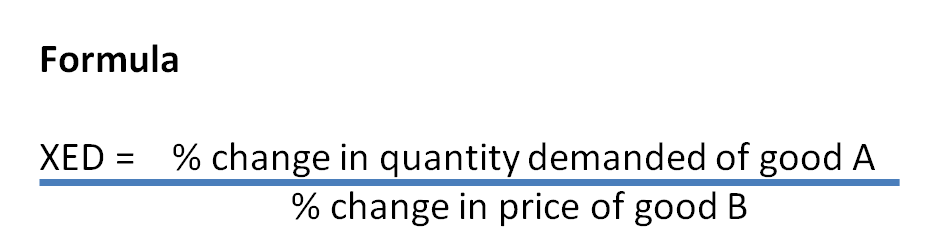
cross elasticity of demand (XED)
the degree of responsiveness of quantity demanded for a given product after a change in price for another product
XED formula
substitute goods
alternative products that can be used to replace another good
(positive XED coefficient)
eg. tea and coffee
complementary goods
products that are consumed or used together
(negative XED coefficient)
eg. pen and paper
unrelated goods
Price change of Good Y causes zero change in Qd of Good X
XED = 0

XED inelastic
XED coefficient is less than 1
XED elastic
XED coefficient is more than 1
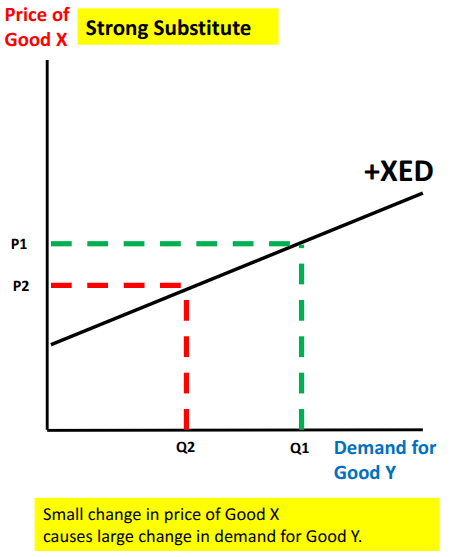
strong substitutes
a change in price of good X leads to a greater change in demand for good Y
XED coefficient is positive and more than 1
weak substitutes
a change in price of good X leads to a smaller change in demand for good Y
XED coefficient is positive and less than 1

strong complements
a change in price of good X leads to a greater change in demand for good Y
XED coefficient is negative and more than 1

weak complements
a change in price of good X leads to a smaller change in demand for good Y
XED coefficient is negative and less than 1

loss leaders
products sold at a loss where the profit comes from selling associated complementary goods
eg. selling an Xbox console at a loss to sell more games and controllers for profit
price elasticity of supply (PES)
the degree of responsiveness of quantity supplied to a change in price
PES formula

PES inelastic
PES coefficient less than 1

PES elastic
PES coefficient more than 1

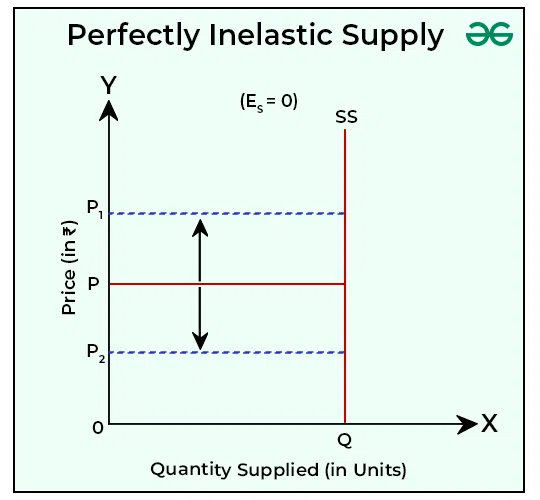
perfectly inelastic supply
as price changes there is no change in quantity supplied (PES = 0)
eg. cinema seats (anything with a capacity)
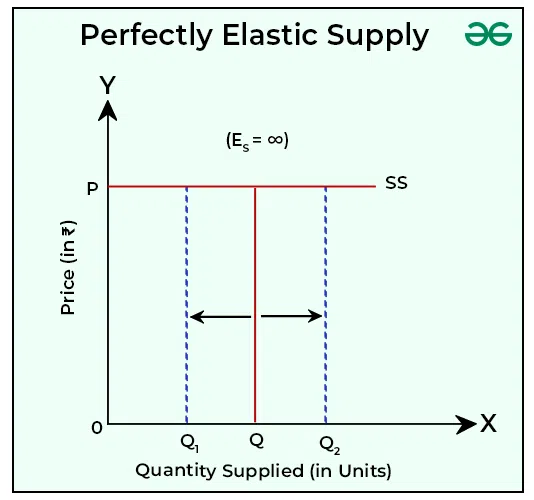
perfectly elastic supply
as quantity supplied changes there is no change in price (PES = ∞)
eg. agricultural goods or government price caps
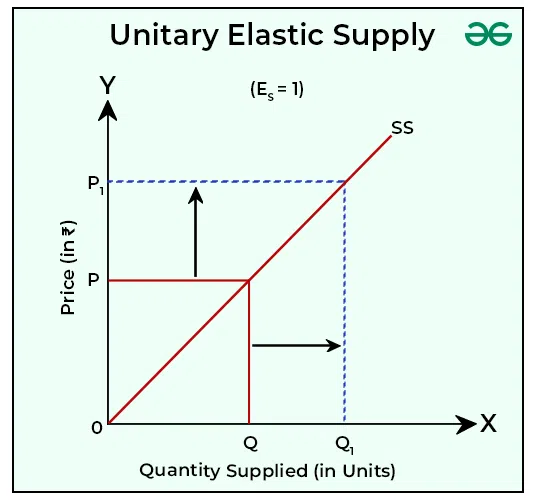
unitary elastic supply
percentage change in supply is equal to the percentage change in price (PES = 1)
factors affecting PES
spare production capacity
stocks of finished products, components and perishability
ease and cost of factor substitution/mobility
time period and production speed
elastic if a firm can respond quickly:
(has spare capacity, has high stocks, no perishable goods, easily reallocates goods, produced quickly)