habitat ass and man lab final
 Call Kai
 Learn
 Practice Test
 Spaced Repetition
 Match
 Flashcards
 Knowt Play
1/292

There's no tags or description
Looks like no tags are added yet.
293 Terms
Timber cruising
- involves measuring DBH and tree height
- calculate BA and estimate yield in the stand
- BA correlates with canopy
Fixed radius plots
- all trees in a certain radius from plot center are measured
- most accurate method
- use when high degree of accuracy is desired
fixed radius typical size
- 1/10 acre plot
- 37.2 ft radius
fixed radius cruise standars
- 5%
- 1 point/ 2 acres
when is fixed radius plotting better?
- in stands with variable trees
- in stands with dense regeneration
- very high or very low basal area stands
- stands with tall, dense understory
variable radius plots
- uses a prism
- standard is 10 factor
- faster than fixed radius
- good for pine plantations
prism factor in high BA stands
- 20-30 BAF
- 15-20 "in" trees
prism factor in low BA stands
- 5 BAF
- 0-2 "in" trees
prism factor downsides
- count depends on size and distance
- small close trees and large far trees counted the same
- not accurate with unevenly sized and spaced trees
how to read a prism
- prism image within actual image is "in"
- prism image outside actual image is "out"
- overlapping image is borderline, 1/2 value
- tilt prism to line up with tree
key aspects of vegetation measurement
- composition and physical structure
- biomass and nutritional quality
species composition
- inventory of plant species present within the community
- usually expressed as % cover
vegetation structure
- horizontal coverage and vertical height
visual obstruction
- measured using tools like a Nudd's board
- assess height specific vegetation density
biomass and nutritional quality
- biomass determination
- nutrient content
biomass determination
- physical clipping of vegetation within defined plots
- oven-drying and massing
- % dry matter
nutrient content
- chemical analysis of clipped tissue for protein, macro/micro nutrients, and digestibility
- oven-drying and massing
- take subset for chemical analysis
- protein, digestible enzymes, palatents, Ca, P important
understory cover estimation methods
- ocular estimation
- line intercept
- point intercept
ocular estimation
- visually estimates % cover in 5-10% increments
- uses standardized frame placed along a transect
ocular estimation advantages and tradeoffs
- fast, easy, ideal for grasslands
- high personal bias, requires regular calibration
line intercept
- measures total horizontal length of all plant crowns
- along a stretched measuring tape
line intercept advantages and tradeoffs
- most accurate and precise
- most time consuming
point intercept
- records vertical hits intersecting a series of discrete points along a transect line
point intercept advantages and tradeoffs
- faster than line intercept
- good when cover >3%
- not as accurate or precise as line intercept
If you sample 5 loblolly pine stands, and implements 10 point intercept transects per stand, what is your sample size?
- 5
- sample unit = stand number
When using the line intercept method to estimate plant coverage throughout an area, is it better to have more, shorter transects, or fewer, longer transects?
- more, shorter transects
When using the point-intercept method to estimate plant coverage throughout an area, is it better to have fewer transects with more points/ transect, or more transects with fewer points/ transect?
- fewer transects, more points
what method of vegetation sampling did we use?
- point intercept method
- 3 20-meter transects
- hits every 2 meters
what categories did we classify veg into?
- grass
- forb
- woody
- vine/bramble
- litter
- bare ground
- coarse woody debris
how to calculate percent cover
hits of cover category/ total points * 100
prescribed fire in AL
right-to-burn state
permitted acreage to burn in AL
burn permit required in burn over 0.25aq
legal consequences for certified burn manager
- gross negligence
legal consequences for civilian burning
- simple negligence
steps for planning a burn
1. define objective
2. determine conditions
3. plan for smoke
4. evaluate results
defining fire objectives
- more of this, less of this
- burn this way to produce specific results
determining conditions fire
- temp
- RH
- wind
- precipitation
- fuels
- topography
- ignition pattern
planning for smoke: fire
where is it going?
evaluating results: fire
did we accomplish goal?
quail fire man.
- fallow field
- increase NWSG
- good for nesting, but need more food prod
- increase forage by burning late season
deer fire man.
- fallow field
- burn early to increase winter forage (woody)
- burn early to increase NWSG for cover
fire behavior and effects
- season
- weather
- fuel
- topography
- ignition technique
fire and temperature
- primary factor driving fuel moisture
- fuel moisture decreases with increased temperature
instant plant tissue death
- 145F
- easier to reach threshold when warm
ignition probability and temperature
- probability of ignition higher than 70% when temps exceed 80F
- probability of ignition if an ember lands on receptive fuel
RH
- ambient moisture in the air
- influences fuel moisture
RH and fuel size
- smaller fuel reaches RH equilibrium faster
- larger fuel reaches RH equilibrium slower
RH and temperature cycle
- RH decreases as temp increases
- RH halves when temperature increases 20F
- RH doubles when temperature decreases 20F
- RH increases at night
RH percentage for burning
- suggested 30-55%
- HW can burn up to 55%
- Pine can burn up to 65%
- burning is hazardous below 30%
- work around time of day for RH
wind and fire
- measured 20' above the ground to avoid debris blocking wind
- use handheld kestral in burn area
- burn between 3-20mph at 20'
precipitation and fire
- long-term moisture measure
-KBDI
- grow season burn at less than 450
- site prep burn at 500
- dorm season burn at less than 300 (humidity is lower)
- burning when too dry will kill trees, damages seed banks
KBDI
- Keetch-Byram Drought Index
- 0-800
-0 = fully saturated ground
-800 = oven-dry ground
issues with KBDI
- data online is coarse
- can calculate for a specific property, but requires continuous monitoring
fire weather forcast
- taken 2x daily
- cloud cover, RH AM/PM, wind, precip measurements, mixing HGT, transport mph, dispersion
- temperature is given as highest
- RH is given as lowest
cloud cover and fire intensity
- high cloud cover lowers intensity
- no cloud cover increases intensity
mixing height
- the extent or depth to which smoke will be dispersed
- minimum 1650'
transport MPH
- average wind speed in mph in the mixing depth above the surface
- 9-20 mph for best fire behavior and smoke dispersal
Atmospheric Dispersion Index
- mixing height plus transport wind
- 1-100+
- desired 40-100+
wind direction and reliability
- N/W winds more reliable
- E winds less reliable and more likely to shift
fuels and prescribed fire
- large fuels take longer to reach moisture equilibrium
- 1 hr, 10 hr fuels most likey to catch
1 hr fuels
-
10 hr fuels
- 1/4-1 in diameter
- will catch, less readily than 1 hr
10+ hour fuels
- >1 in diameter
- very high intensity diameter
- not desirable
- large branches, dead trees, hack and squirt site
- needs high RH to so large branches do not catch and damage live growth
topography and fire
- greater intensity burning up slope
- higher intensity the steeper the slope is
ignition pattern intensity rankings
- backing
- flanking
- striphead
- heading
- ring
smoke production ignition rankings
- backing
- flanking
- striphead
- heading
- ring
smoke planning
- plan away from smoke sensitive areas
- hospitals, schools, airports, highways, livestock (chickens)
- plan around school schedules,
notify traffic, ect.
smoke planning and wind direction
- plan wind direction away from SSA
- stronger winds keep smoke on the ground
- 9-20 mph preferred
drainages
- lower areas where smoke will pool
nighttime dispersion
- smoke will follow drains
- stays low on ground
smoldering concern
- large fuels will smolder for a long time
- will produce more smoke
- more smoke in burning season
temperature inversion
- hot air traps smoke and cold air on ground
- nighttime
tonnage
- fuel load
- short grass/ closed timber litter 1-5 tons
- logging 11-58 tons
- logging area produces more smoke
screening distance
- distance smoke planning is active
- dependent on tonnage
- logged areas have higher smoke production
- green areas produce more smoke
1/2 mile screening distance
- 0.74 tons

trade name
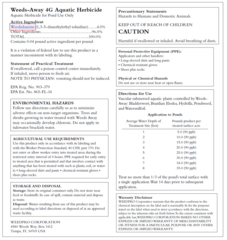
common name

chemical name
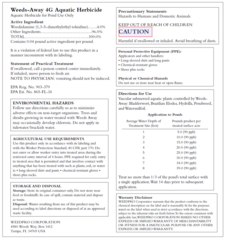
signal word

first aid statement

PPE

species controlled

rates of application per species
situational usages
- common in forestry application

CAUTION
- CAT III (CAT IV opt.)
- low toxicity
WARNING
- CAT II
- moderate toxicity
DANGER
- CAT I
- high toxicity
LD 50
- dose required to kill 50% of individuals
what category of herbicides do managers typically use?
- CAT IV
- CAT III
herbicide application rate
- recorded as fl. oz./ ac
- taller plants may need higher rates
surfactants
- adjuvants that improve dispersal, absorption, and uptake of herbicides
- chemical added to an herbicide solution to enhance it's performance
adjuvants
- aid in mixing of herbicides
- reduces herbicide drift
- keeps chemicals in the solution
- chemicals
herbicide application objectives
- maximize personal safety
- minimize off-target application
- min usage
- min damage
herbicide application techniques
- spot treatment
- broadcast treatment
- stem injection
spot treatment
- useful in sensitive areas
- good for decreasing undesirable plants
- backpack, ATV, tractor, skidder
stem injection
- hack and squirt
- girdle
- basal bark application
- cut stump
- good for killing trees/shrubs
- minimizes herbicide use
broadcast
- good when undesirable coverage s high and evenly distributed
- aerial, skidder, tractor, ATV, backpack
boom sprayer treatment
- good for food plots/ fields
- tractor, ATV, helicopter, plane, drone
- not good in woody areas
boomless sprayer treatment
- useful in forest and along roads
- skidder, tractor, ATV
aerial application
useful in:
- steep topography
- limited access
- areas with no canopy coverage