PSYCH MIDTERM
 Call Kai
 Learn
 Practice Test
 Spaced Repetition
 Match
 Flashcards
 Knowt Play
1/126

There's no tags or description
Looks like no tags are added yet.
127 Terms
top down processing
starts with known info, and solves from there
transduction is what part of eye
retina
bottom up processing
start small and work back up to make a whole picture (puzzle)
schema
collection of basic knowledge about a topic, guides problem solving and senses
accomodation (perception)
process of changing or creating new schemas to understand new info
assimilation
process of fitting new info into current schema
perceptual set
cognitive bias that influences how ppl interpret things based on their expectations and past experiences
selective attention
ability to focus on one task while executing another
divided attention
ability to distribute limited mental resources across 2 or more tasks at same time
cocktail party affect
ability to focus listening attention on a single talker among a mixture of conversations
inattentional blindness
failure to notice existence of unexpected item (magic tricks)
change blindness
failure to see change in environment
gestalt
we think in wholes, we tend to organize small peices of info into larger pictures
closure
fill in gaps to create a whole

proximity
grouping figures based on closeness

similarity
grouping similar objects tg

figure ground
organization of visual feild into objects (figure) that stand out from surroundings (ground)

depth perception
ability to perceive relative distance of objects
binocular depth cues
visual signals that require both eyes working tg to allow brain to see in 3d
retinal disparity
slight difference between left and right eye (winking back and fourth)
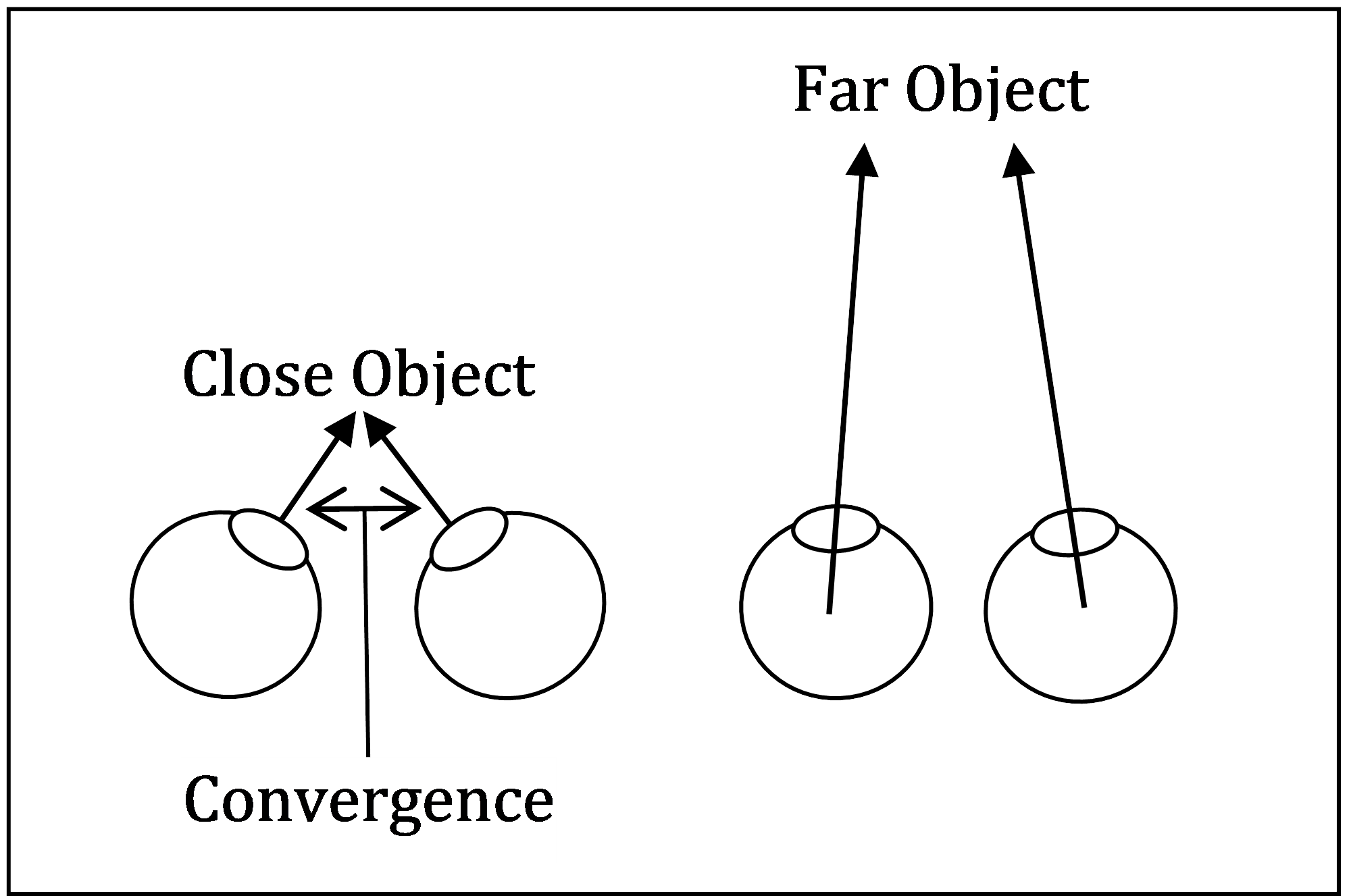
convergence
the inward movement of both eyes toward each other when you focus on a nearby object
monocular depth cues
visual signals that allow brain to judge distance and depth using only one eye
interposition
objects in a straight line, front one covers one next to it
relative clarity
closer objects are more focused, background is blurry
relative size
closer objects appear larger
texture gradient
textures blend tg as viewer moves father away
linear perspective
where parallel lines appear to come together and meet at a single point in the far distance

perceptual consistency
your brain's ability to see familiar objects as having constant size, shape, color, and brightness even when the light, distance, or angle changes
size constancy
size of object perceived remains constant

shape constancy
shape remains constant despite changes

brightness constancy
perceive familiar objects as having same brightness under diff conditions

color constancy
perceive familiar object as having same color under diff conditions

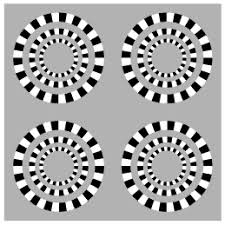
apparent movement
visual illusion, still objects perceived as moving
stroboscopic movement
optical illusion, a series of still images presented in rapid succession appears to be moving smoothly. (picture book)
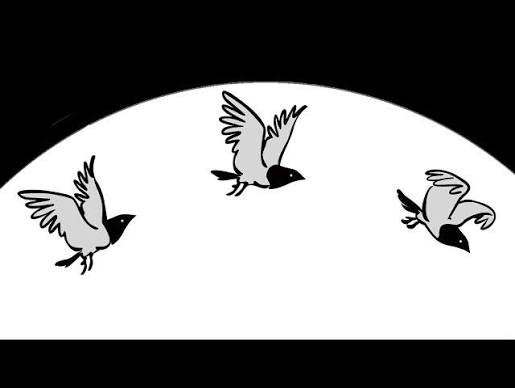
phi phenomenon
optical illusion where brain perceives motion between two or more stationary objects that appear in quick succession

sensation
process of detecting, converting and transmiting from enviroment to brain
perception
interpreting sensory info
transduction
converting stimulus into neural activity
absolute threshold
minimum stimulation needed to detect
signal detection theory
no universal threshold, depends on situation and person (parent hearing baby cry from across house)
difference threshold
minimum diff needed for a person to detect
webers law (JND)
mathmatical constant ratio to feel difference
sensory adaption
become less sensitive to same unchanging stimulus over time
subliminal stimulation
when stimuli are below absolute threshold, not consciously aware of stimuli (ex. you dont know your thirsty but you see a water ad and now u are)
vision process
light, cornea, pupil, lens, retina
accomodation (eye)
natural ability of eye to automatically change focus so you can see objects clearly whether they are close up or far away
cones
cluster around fovea, send direct signals to brain, detail
rods
peripheral vision, movement, lowlight, light and dark adaption
blind spot
where optic nerve leaves eye
parallel processing
able to process aspects of a problem at the same time (not step by step)
trichromatic theory
only 3 colors, red, blue and green
longest wavelength to shortest
ROYGBIV
opponent process theory
oposing retinal process enable color vision (red & green , black & white, yellow & blue)
afterimage
after staring at something for a while, shift eyes and see opposite color
blindsight
blind ppl can still sense location of object
propagnosia
face blindness
wavelength
pitch of sound
aplitude
loudness of sound
place theory
you hear diff pitches bc diff sound waves hit diff places along cochlea
volley theory
auditory neurons take turns firing in staggered shifts (volleys) so their combined firing rate matches the frequency of a sound wave (up to 1000 waves/sec)
frequency theory
you hear diff pitches bc diff sound waves trigger neural impulses to brain at same rate (frequency of 100 waves/sec, 100 pules/sec travel to auditory nerve)
mcgurk effect
sound and vision illusion occurs when auditory component of one sound is paired with visual component of another sound
what are energy senses?
vision and hearing
sensory interaction
one sense may influence another
sound localization
ability to tell direction from which sound is coming from (we hear in 3d bc we have two ears, use parallel processing to determine where sound is coming from)
conduction deafness
hearing loss due to problems w/ ear canal, drum, middle ear, little bones
sensoryneural deafness
due to inner ear or nerve damage (age and ear splitting noise)
olfaction
chemical sense that enables someone to detect odors
why is olfaction special?
we create memories based off smells
pheromones
chemical substances secreted by mammals, used to trigger a chemical response on others
gustation
taste buds allow for chemical response (creates response in brain)
how often do taste buds reproduce
every week
6 flavors
sweet, salty, sour, umami, oleogustus (fat), bitter
how does smell influence taste
brain combines what your nose detects with what your tounge senses (flavor)
big 4 for touch
pressure, warmth, cold, pain
thermoreceptors
skin receptor responsable for detecting changes in temp
what do we learn pain through
experiences
gate control theory
spinal chord contains “gate” that blocks pain or allows to pass onto brain
endorphins
natural pain killer
phantom limb
feel pain or movement in nonexistent limbs (happens in seeing, hearing , tasting)
vestibular sense
enables maintenance of balance in part controlled by semicircular canals
semicircular canals
has receptors that detect motions of head (inner ear)
kinesthetic sense
enables control and coordination over movements, walking, talking, facial expressions, posture and gestures
synesthesia
stim of one sense or pathway leads to automatic, involuntary experiences in a second sense
confirmation bias
we think we know more than we actually do and are more confident that correct
hindsight bias
when things happen that seem like common sense and allows us to easily explain describe what happened rather than what will happeen (ex. like thinking back on smth and your like oh duh i knew that and u didnt)
overconfidence
tendency to search for info that confirms preconceptions
representative sample
small group of ppl selected from a larger group that mirror key characteristics and demographics
somatic nervous system
voluntary movements of skeletal muscles
myasthenia gravis
causes weakness in skeletal muscled you use to move, signals in neurons are blocked
retictular activating system
bundle of neurons, filters incoming stimuli and relays info
thalamus
all info from senses except smell and routes to higher brain
hypothalamus
regulates behavior associated with hormones
pituitary gland
controls other glands and releases all hormones that influence growth
aphasia
damage to any language part of brain
brain plasticity
ability to reorganize, change and adapt its structure and function throughout a persons life
dream consolidation theory
dreams are a way to process stress of life
dream activation synthesis theory
limbic system becomes active in Rem and randomly fires, dreams are brain trying to make sense of signals
narcolepsy
uncontrollable sleep attacks, may lapse into directly into REM sleep