Chapter 13.2: Mutation, Selection, Gene Flow, Genetic Drift, and Nonrandom Mating Result in Evolution
 Call Kai
 Learn
 Practice Test
 Spaced Repetition
 Match
 Flashcards
 Knowt Play
1/12

13 Terms
Population
A group of individuals of a single species that live and interbreed in a particular geographic area at the same time
Evolution acts on these, not individuals
Mutation
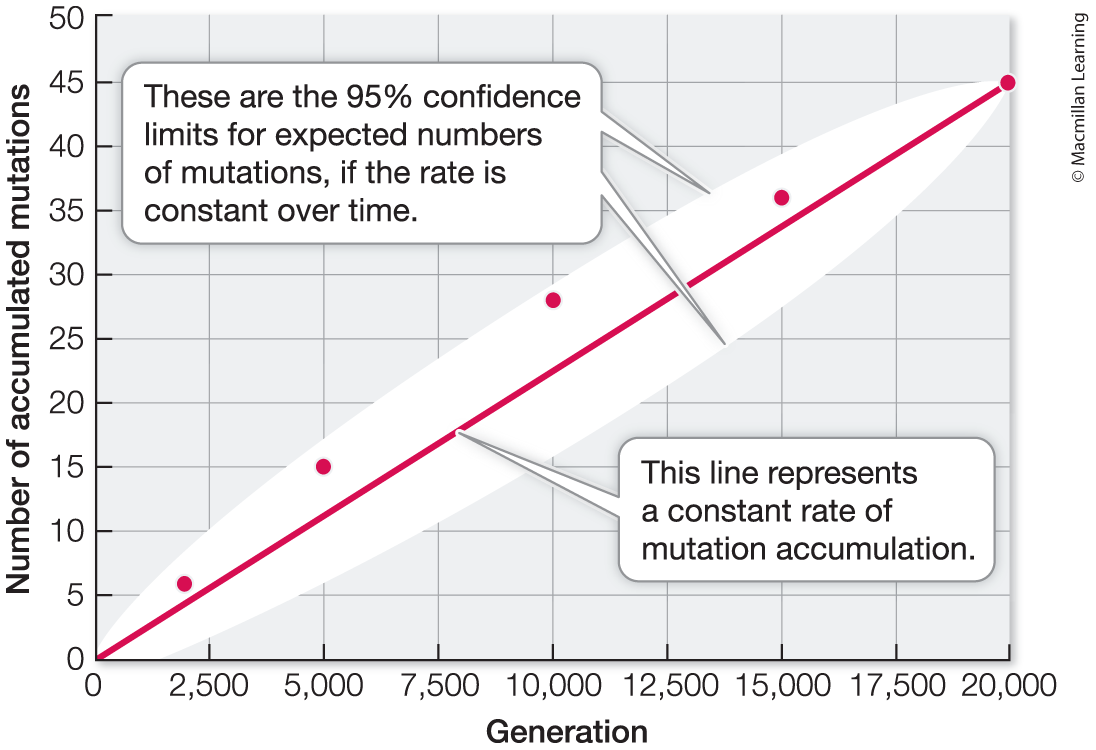
Any change in the nucleotide sequences of an organism’s DNA, performed at random
Natural selection acts on this depending on whether this is beneficial or harmful
Enables genetic variation even without other evolutionary processes, accumulating over time

Alleles
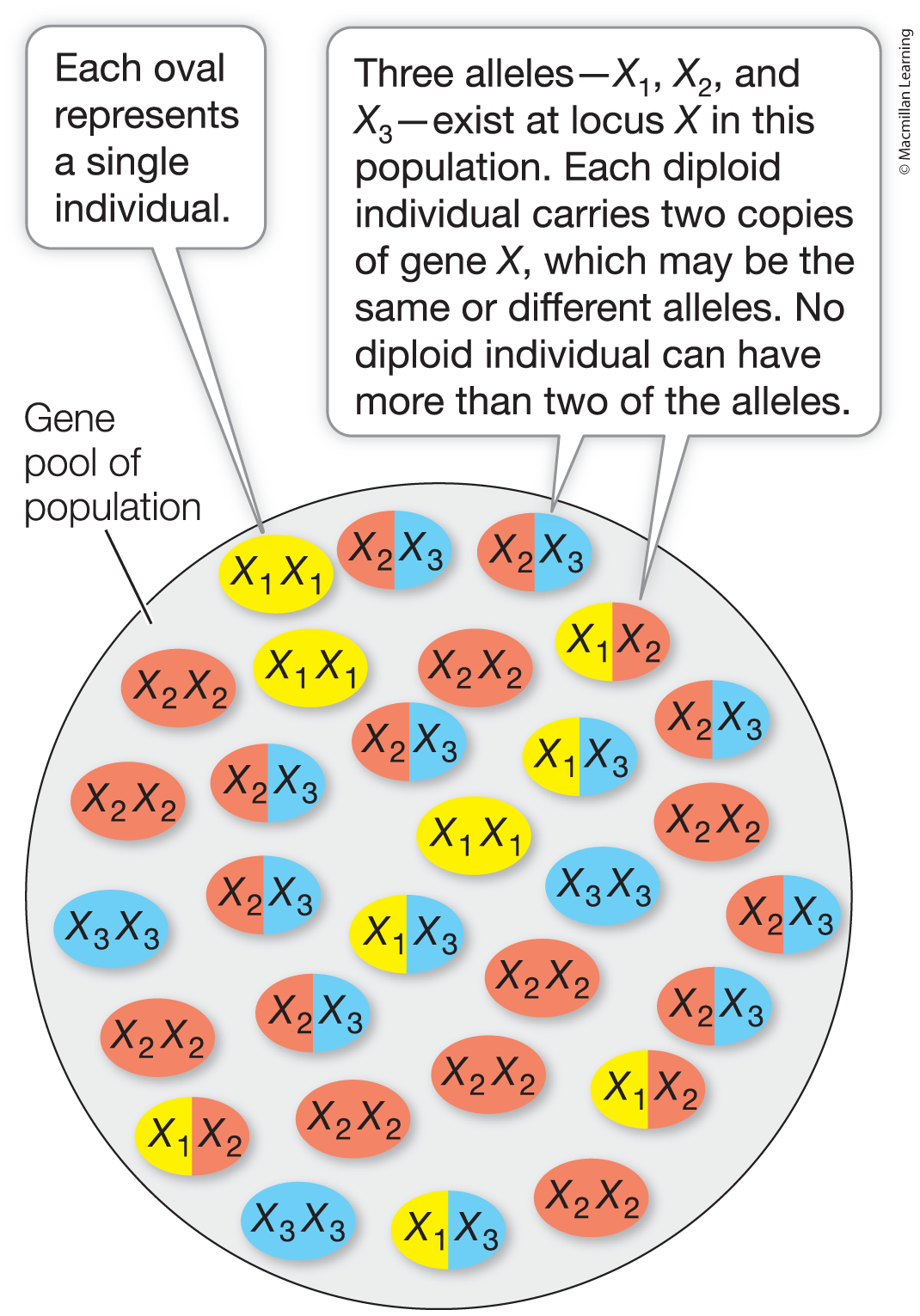
Different forms of a gene that exist as a result of mutation
Individuals have no more than two of these

Gene pool
The sum of all copies of all alleles at all loci found in a population, representing the total variation
Allele frequency
The proportion of each allele in the gene pool
Genotype frequency
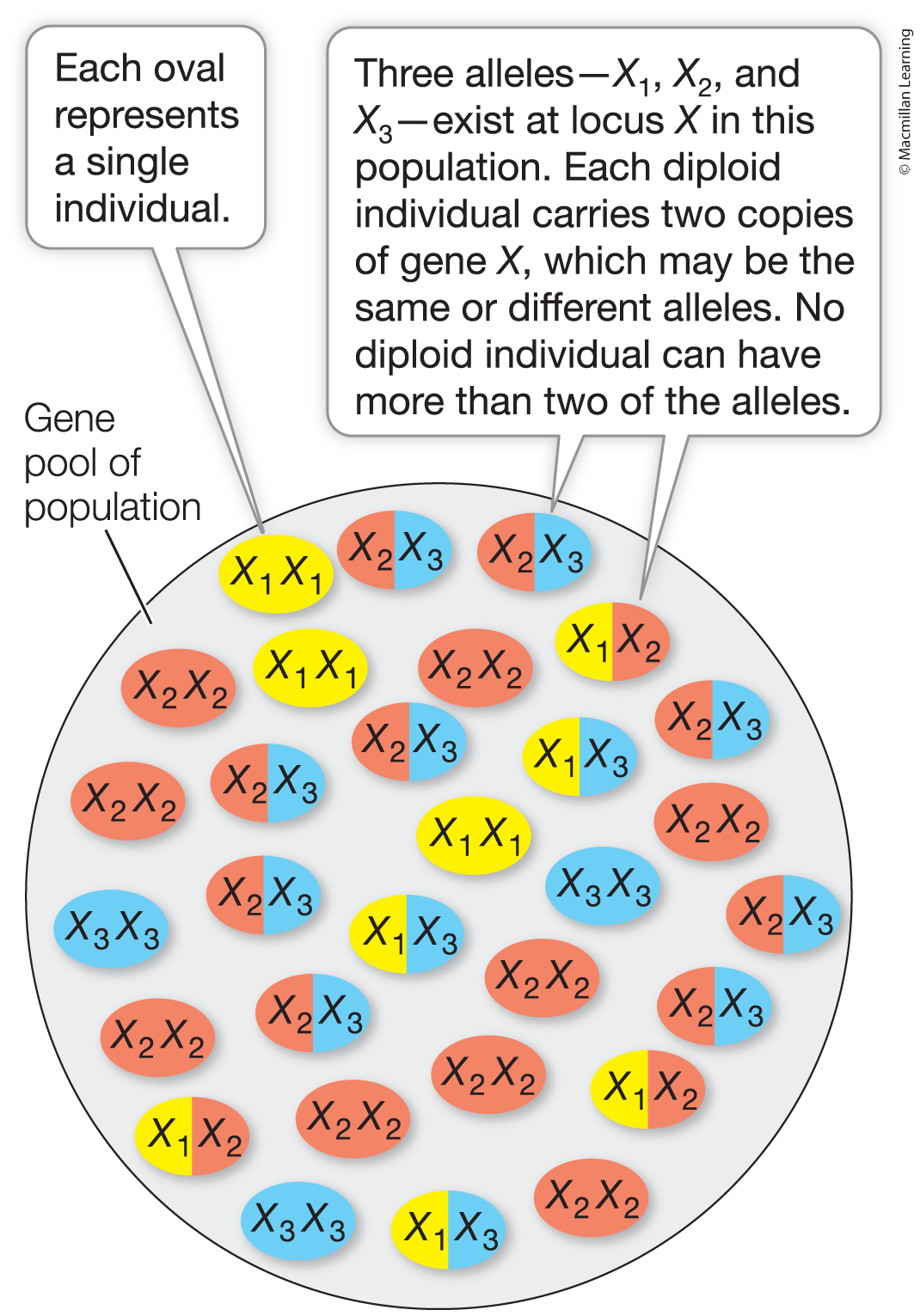
The proportion of each genotype among individuals in the population
Adaptation
A favored trait that spreads in a population by natural selection, created through genetic variation
Can be identified through measuring reproduction rates among organisms
Seen with wing tails on moths distracting predation by bats
Gene flow
The migration of individuals and movements of gametes between populations
This can change allele frequencies, adding new alleles or changing proportions
Genetic drift
Random changes in allele frequencies from one generation to the next, potentially with non-biological causes like natural disasters
Can accumulate to produce large changes in frequencies over time
Creates even larger effects with dramatic size reductions in a population bottleneck

Population bottleneck
Environmental events where only a few individuals survive out of a typically large population, potentially creating vastly different allele frequencies and reduced genetic variation
Founder effect
A shift in genetic drift that occurs after a few individuals move to a new region, having effects similar to a population bottleneck
Nonrandom mating
This occurs when individuals in a population do not choose mates at random, such as plants preferentially performing self-fertilization
Increases the frequency of homozygous genotypes (when mating with similar genotypes) or heterozygous genotypes (when mating with different genotypes)
Only results in allele frequency changes if reproductive success increases, such as with sexual selection

Sexual selection
A type of nonrandom mating that occurs when individuals of one sex mate preferentially with particular individuals of the opposite sex rather than at random
Seen with bright colors and courtship displays in males of many species, improving either competitiveness or attractiveness
Primarily focuses on reproductive success, not survival (such as bright colors attracting a predator later on)