personality and social psych
 Call Kai
 Learn
Learn Practice Test
 Spaced Repetition
 Match
Match Flashcards
 Knowt Play
1/260

There's no tags or description
Looks like no tags are added yet.
Name | Mastery | Learn | Test | Matching | Spaced | Call with Kai | Chat |
|---|
No analytics yet
Send a link to your students to track their progress
261 Terms
social psychology
the scientific study of the effects of social and cognitive processes on the way people perceive, influence, and relate to others
others → real and imagined, present or not
personality vs. social psychology
both concerned with explaining human thoughts, feelings, and actions
generally, personality psychology forcuses on the person as the locus of explanation across situations
how do stable individual differences influence thoughts, feelings, and actions?
social psychology forcuses on the situation as the locus of explanation
how does the social context influence thoughts, feelings, or actions?
cross-situational stability vs. situational contingency
e.g. in conflict
personality psychology
cross-situational stability
agreeableness pertainst to cooperative, empathetic and altruistic tendencies
people with low agreeableness are more prone to conflict
regardless of context or situation
social psychology
situational contingency
when goals are misaligned, other people’s goals may obstruct our own
people will be more prone to conflict when their goals are misaligned with others’
regardless of personality
person x situation interactions
interactionism
x = f(P, S)
where x is some behaviour, thought, emotion
P = person, S = situation
people with low agreeableness will be prone to conflict when their goals are not aligned with other parties
almost all personality and social psychologists consider thoughts, feelings, and actions to be a product of the interaction between persons and situations
both grounded in empirical research
broad disciplines with fuzzy boundaries
blend into other disciplines and into each other
core themes of social psych
people construct their own reality (within limits)
social infuence is pervasive
people have central and core motivations
people construct their own reality (within limits)

social influence is pervasive

people have central and core motivations
striving for mastery, control, and certainty of their environment
seeking to understand and predict events in the social world and in order to obtain rewards
understanding
control
seeking meaning
seeking connectedness
belonging
relatedness
trust
valuing me and mine
self-enhancement
positive esteem
processing principles
conservatism → existing beliefs and opinions are slow to change
accessibility → accessible information has the most impact on thoughts, feelings, and actions
mind as associative network
some network elements are more active than others
these influence ongoing thought, feeling, and action
processing depth
systems 1 and 2 thinking
organising framework

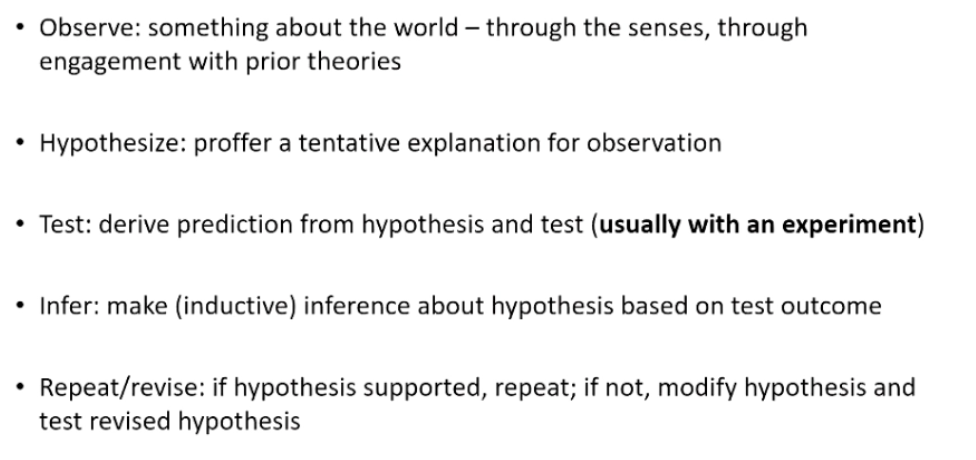
scientific method
systematic observation combined with inductive and deductive reasoning to support theories
aim: to provide causal, mechanistic explanations of phenomena
stated in theories
generalising statements couched in terms of causal relationships between well-defined abstract constructs
construct validity
extent to which manifpulations and measures correspond to theoretical costructs
achieve via selecting appropriate measures and using multiple measures
internal validity
extent to which causal inference IV → DV is justified
achieved via: manipulation and random assignment
external validity
generalisability
achieve via appropriate sampling and research design (dependent on type of generalisation sought)
personality
regularities in affect, behaviour, and cognition
an individual’s unique variation on the general evolutionar design for human nature, expressed as a developing pattern of
three levels
dispositional traits
probabilistic descriptions of regularities in affect, behaviour, and cognition
arising in response to very broad (relatively decontextualised) classes of stimuli and situations
e.g. provocation, frustration, threat
characteristic adaptations
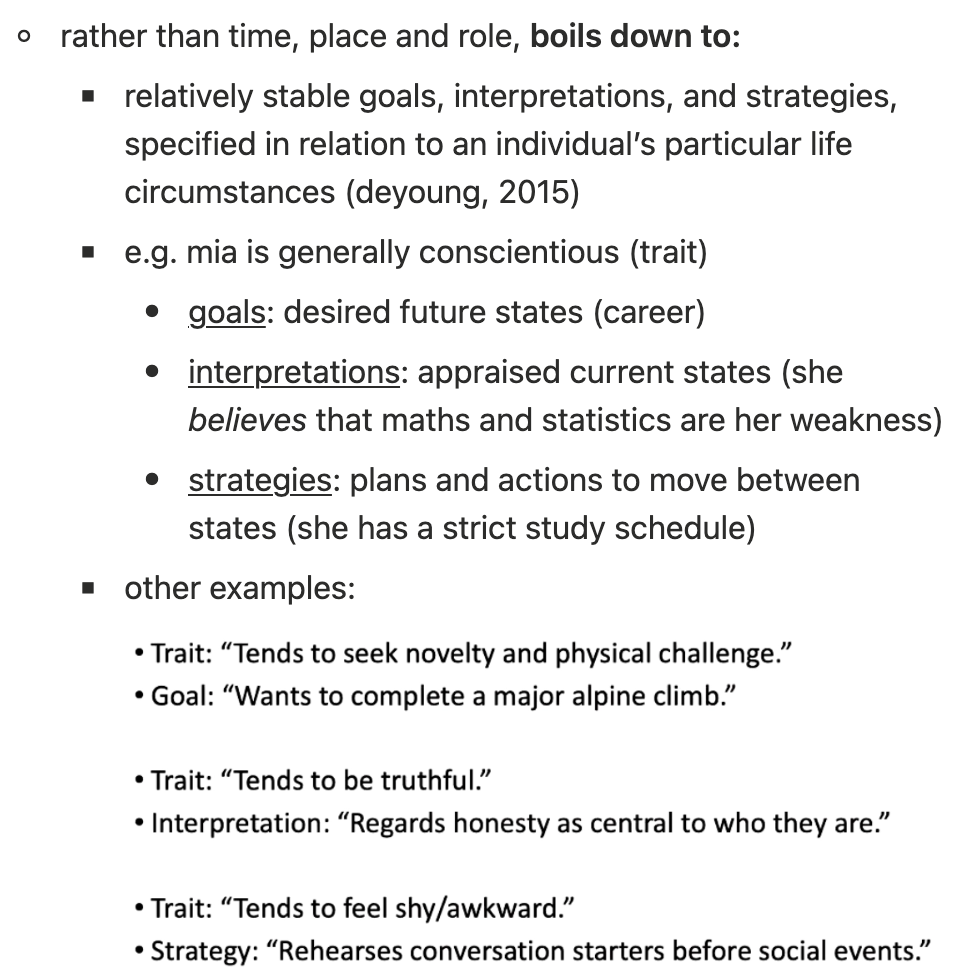
concerns an individual’s particular life circumstances
highly contextualised
descriptions of what people are trying to do in their life
self-defining life narratives
the biographical account we have constructed about who we are
highly contextualised and individualised
attempts to capture a person’s story or lived experience
conceptual definition
what is the concept or construct?
e.g. quality of life, athletic ability, gender equality
operational definition
how do we know the construct when we see it? how do we observe/measure/quantify it?
e.g. rating on a ‘life satisfaction,’ scale
e.g. running speed/time
e.g. gender pay gap or % gender representation
for personality traits: most operational definitions are based on verbal descriptions of a person
the characters of theophastrus

allport and odbert (1936)
collected an exhaustive list of about 18000 lexical terms that describe what people are like (e.g. sociable, aggressive, patient, orderly)
perhaps useful for rating personality?
the lexical hypothesis: crucial features of personality will, over human history, be coded into language
problem:
unwieldy, more a laundry list than a system
led to people asking: what is the number and nature of basic trait dimensions required to describe the structure of personality?
factor analysis

cattel (1945)


problems with cattell’s 16 traits
subjectivity
different people reach a different reduced set of allport and odbert’s descriptors
poor replicability/reproducibility
using cattell’s 171 personaloty descriptors, many people failed to obtain the same 16 factors
redundancy
correlations among many of the 16 factors were very high, suggesting they might not be distinct
if personality was a deck of cards

subsequent research in the 1950s-80s
most replicable factor structures suggesteed 3-6 traits
particular factors seemed to reliably emerge
goldberg and colleagues argued for a ‘big five,’ model
parallel to this lexical tradition was the questionnaire tradition
began with (factor) analysis of clinical questionnaires and symptom checklists (1940s-60s)
converged on 2-5 factors
costa and mccrae argued for a five-factor model
the big five
probabilistic descriptions of
affect
e.g. extraversion: feelings of positive affect and energy
e.g. openness: feelings of interest, awe, and introspection
behaviour
e.g. extraversion: bold, assertive, talkative
e.g. conscientiousness: industrious, organised
cognitions
e.g. conscientiousness: resisting distraction, maintaining focus
e.g. neuroticism: worrying about what might go wrong
e.g. openness: exploring ideas, trying new things
hierarchical structure of traits
meta-traits (very broad/high bandwidth/parsimony)
stability vs plasticity
domains
OCEAN (big five)
aspects
e.g. assertiveness, enthusiasm
facets
e.g. energy levels, positive emotions, talkativeness
nuances (very narrow/fidelity/comprehensive)
e.g. liking parties
the big five inventory version 2 reflects the heirarchical structure of traits

measuring traits
scoring sheets (assigning rating numbers)
questionnaires with terms and elaborations of them
the scope and limits of traits
can you get a complete picture of someone’s personality from their traits? is there more to personality?
McAdams (1995) → traits provide an initial ‘sketch,’ of a person → the psychology of the stranger
traits are fairly generic descriptors, and relatively decontextualised
but much of our individual personalities are highly contextualised
level 2: characteristic adaptations
the different ways we might adapt to our circumstances in terms of time, place, and/or social role
sometimes called personal concerns
what a person is working on in their life with respect to
time → stages of life (e.g. vocational interests)
place → environmental niches (e.g. study strategies, leadership styles)
role → social niches in a particular social context (sibling dynamics, parenting styles)
concern’s an individual’s particular life circumstances
highly contextualised
descriptions of what people are trying to do in their life
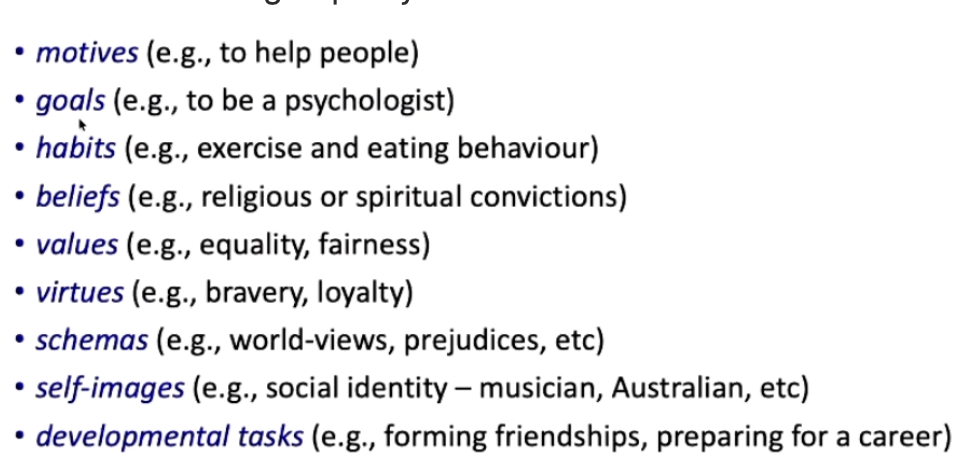
constructs that might qualify as CAs:
another conceptualisation:
level 3: life narratives
the biographical account we have constructed about who we are
highly/completely contextualised and individualised
attempts to capture a person’s story or lived experience
people think about who they are in terms of a, ‘story,’
narrative identity: the internal, dynamic life story that an individual constructs to make sense of his or her life
stories provide our lives with an overarching unity and purpose
who am i?
why am i the way i am?
where am i going?
generally described in two ways:
themes
structure/form
themes
defining pre-occupations and concerns
what the story is about; the moral of the story
some prominent themes:
agency (autonomy and self-direction) and communion (interpersonal connection)
redemption sequences and contamination sequences
contamination = things have gone bad, can’t go back
affective tone (optimistic, pessimistic, etc.)
structure/form
how the details are organised and put together
the coherence of the story, how detailed aspects of the story are, how they unfold
some prominent aspects of structure/form
slow and linear, the ‘growth story,’
turbulent, changing, or with many highs and lows
fragmented, uncertain, problems unresolved, questions unanswered
studying life narratives:

findings from studies of life narratives
recipients of awards for bravery or caring
life narratives had salient themes of both agency and communion
life’s challenges described as a redemption sequence
highly generative adults (people who actively promote the wellbeing and growth of future generations)
five salient themes:
early advantage in life
sensitivity to others’ suffering
development of a moral framework
redemption sequences
prosocial goal setting
correlation coefficients
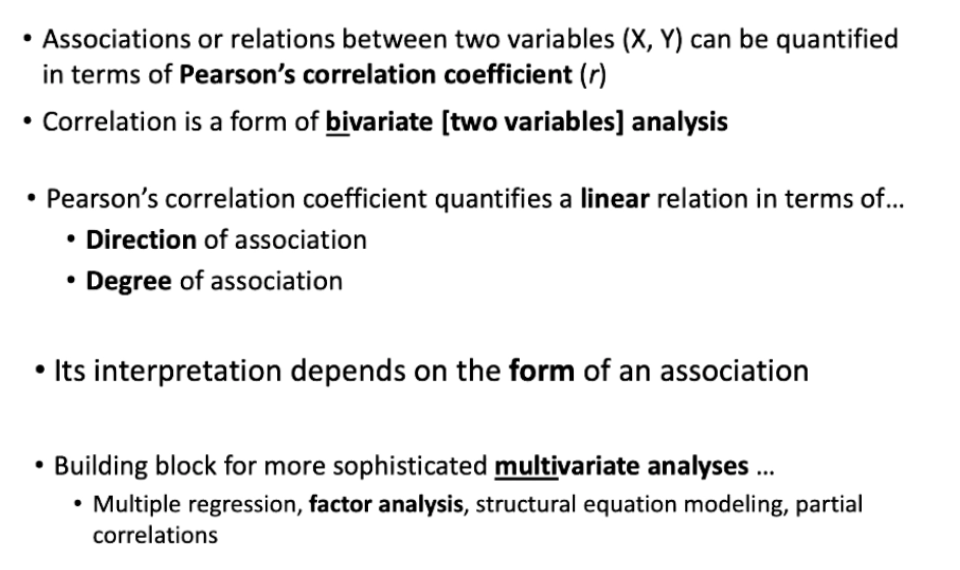
degree


cohen’s rule of thumb

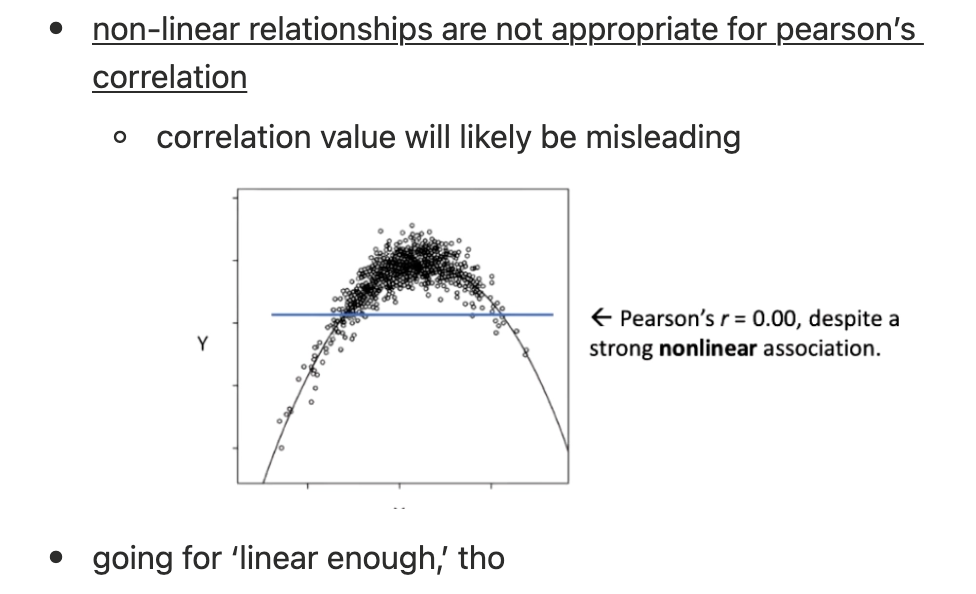
extreme scores


variance


covariance

example covariance calculation

null hypothesis significance testing


+ degrees of freedom

correlation estimates do x as sample size increases

spearman’s rho correlation

spearman’s rho and outliers

from correlation to regression

perfect/imperfect correlation


the least squares parameter estimates

how o minimise total squared error

regression diagnostics

homoscedasticity

variance explained
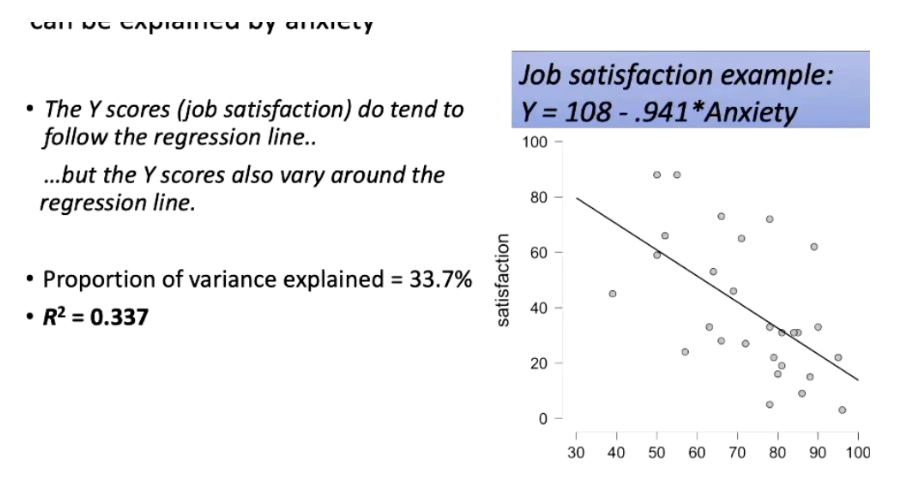
null hypothesis significance testing for the regression model

t tests

summary research questions

using regression

reliability and validity

cronbach’s alpha

validity

Erik Erikson
our personality continually develops across the lifespan
the UP series

mischel et al., (1972, 2011) → marshmallow study
4 yo participants complete a ‘delay of gratification,’ protocol
wait times predict
during adolescence (~10 years later)
higher SAT scores, coping skills
lower agression
during adulthood (~30 years later)
educational achievement
lower drug use
health
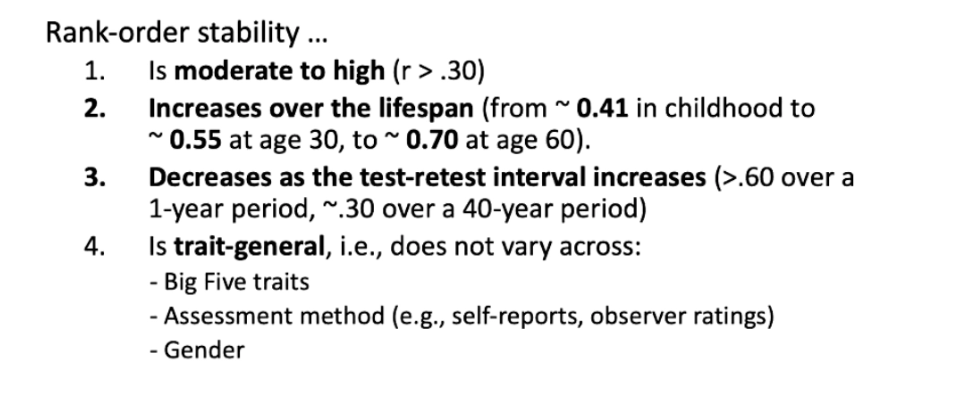
temperament

mary rothbart’s model

the ‘little six,’ (soto, 2016)
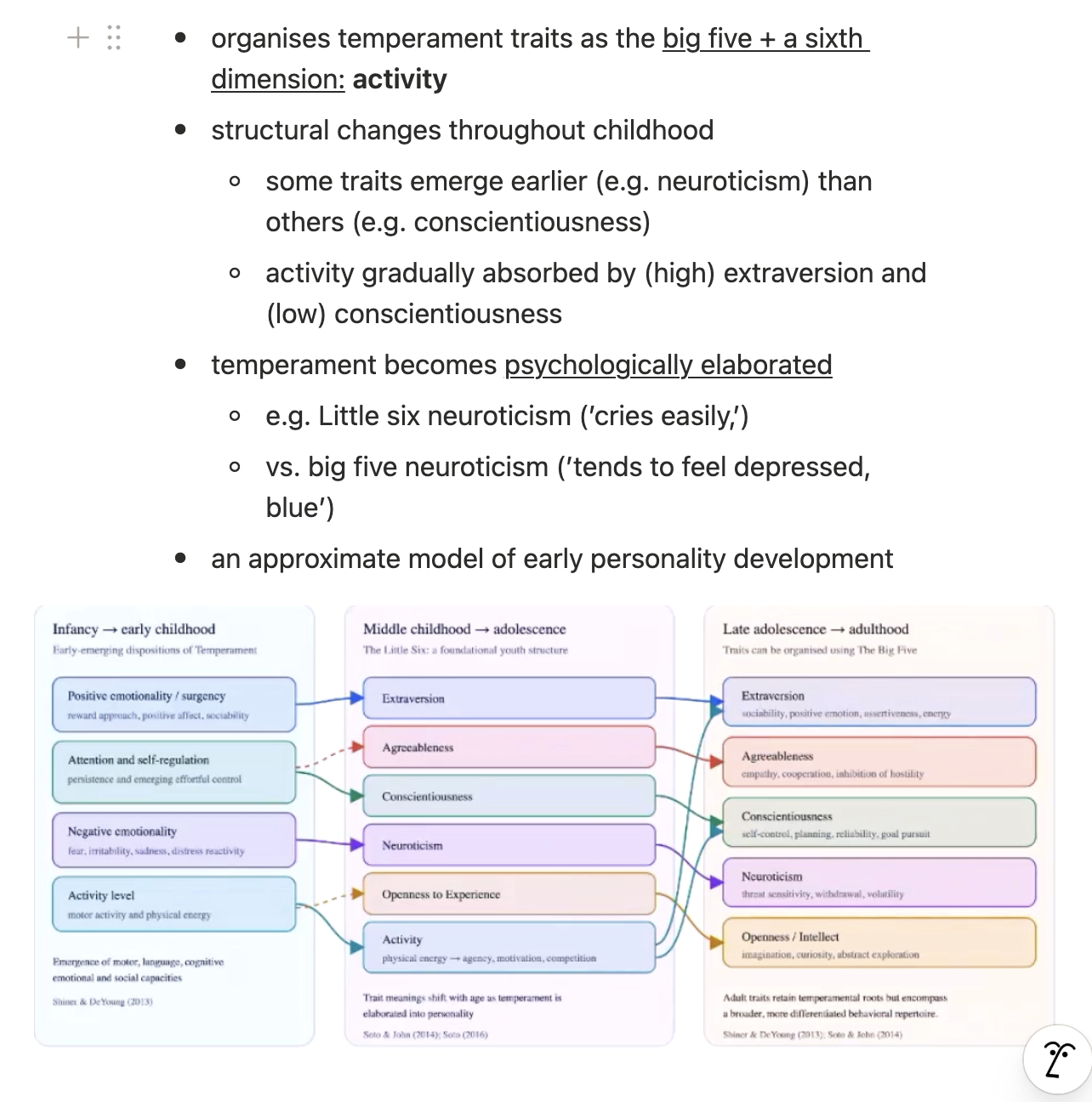
rank-order stability

four insights from this literature
proposed explanations:
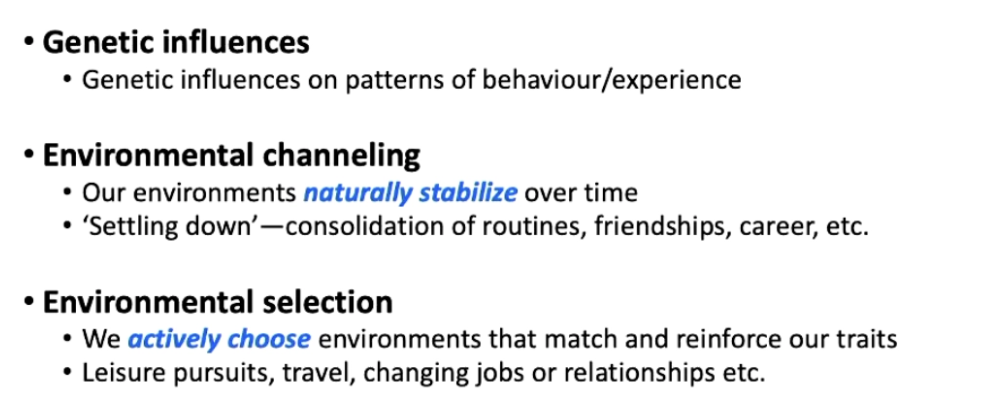
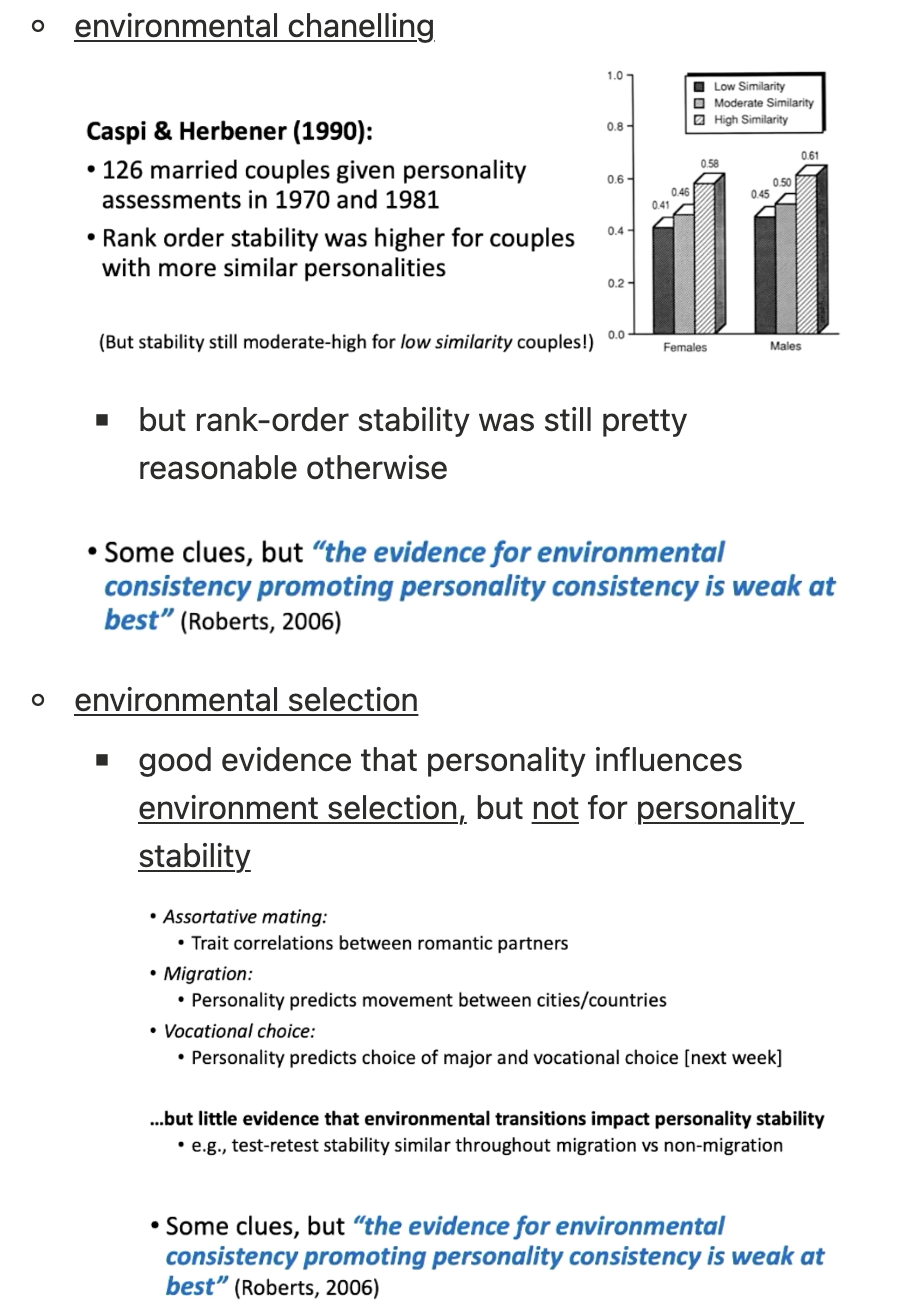
what does the evidence say?

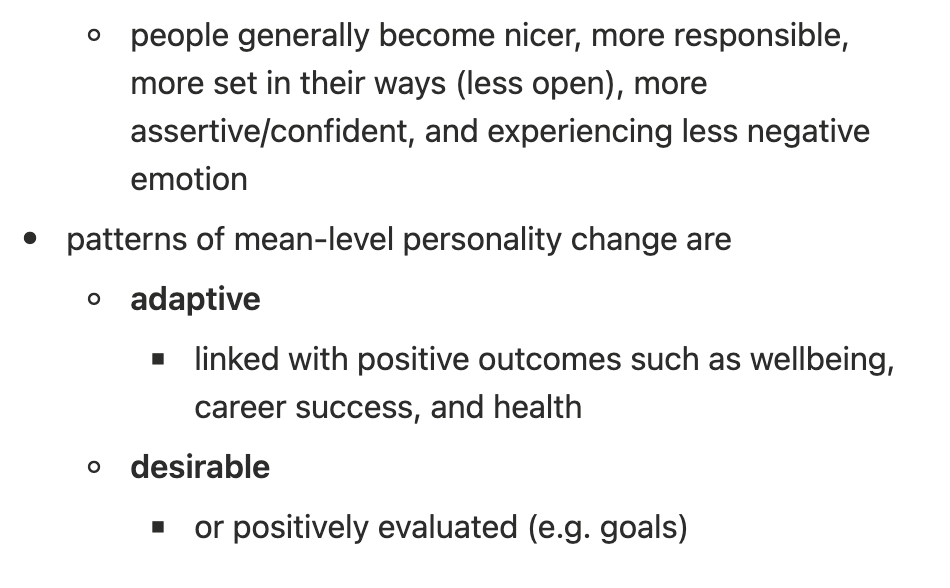
mean-level change
a lot of evidence supporting this

meta analysis by roberts et al., (2006)

mean-level change seems to be broadly, ‘positive,’ toward, ‘psychosocial maturity,’
proposed explanations
genetic influences
environmental effects
cohort effects
genetic influences


environmental influences


cohort effects

cross-cultural comparisons

different trajectories across cultures?

cross-species comparisons

individual change

transition to work

neuroticism and financial insecurity
life events on personality

effects of travel and temporary migration

impact of clinical interventions

do changes in personality occur after a significant life effect, or do they precede that event?


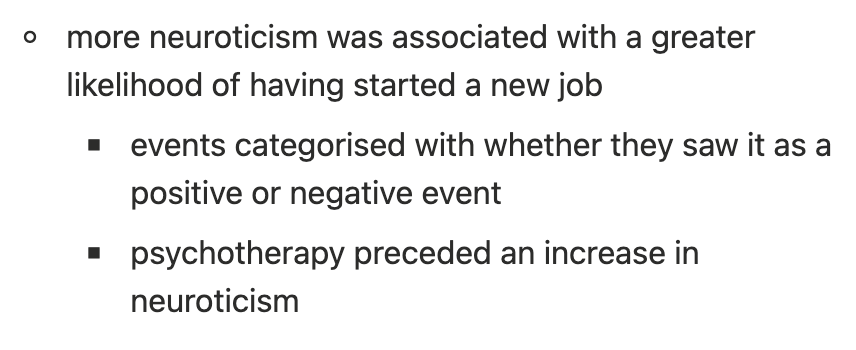
can we choose to change?

how did they change?

summary

the song remains the same

the lexical hypothesis

recall week 3 (regression and predictive validity)

history of prediction

achievement

