Psychology Schacter Chapter 6
 Call Kai
 Learn
 Practice Test
 Spaced Repetition
 Match
 Flashcards
 Knowt Play
1/53

There's no tags or description
Looks like no tags are added yet.
54 Terms
memory
the ability to store and retrieve information over time. Residue of events we have felt, done, and experienced.
encoding
the process of transforming what we perceive, think, or feel into an enduring memory
- we form memorie by a combo of what info we already know and what we recieve

storage
the process of maintaining information in memory over time

retrieval
the process of bringing to mind information that has been previously encoded and stored

semantic encoding
process of relating new information in a meaningful way to knowledge already stored in memory
semantic coding associated with left part of frontal lobe and inter part of left temporal lobe. (more active these parts more likely to remember)
semantic judgement: meaning of the word
rhyme judgement: the sound of the word
Case judgements: visual appearance of words (upercase or lower case)
PEOPLE REMEBERED WORDS BEST WITH SEMANTIC JUDGEMENT
visual imagery encoding
the process of storing new information by converting it into mental pictures
ie: walking into house and visualizing something in each room

organizational encoding
the process of categorising information according to the relationship among a series of items
ie: list of animals into mammals and reptiles

sensory memory
a type of storage that holds sensory information for a few seconds or less

iconic memory
a fast-decaying store of visual information (1 Second)

echoic memory
a fast-decaying store of auditory information (5 seconds)

short-term memory
holds nonsensory info for more than a few seconds but less than a minute when distracted by something else
- study used letter strings like DMU and then asked ppl to count from 100 and then recall after varying times. Ppl remember less after 20 seconds, THEREFORE: short term memory lasts 15- 20 sec

rehearsal
the process of keeping information in short-term memory by mentally repeating it
serial position effect
first and last items in a series are more likely to be remembered

primacy effect
items in the beginning of a series are rehearsed more and therefore are more likely to be encoded into long term storage

recency effect
last items are in short term storage so you are more likely to remember tthem.

chunking
combining small pieces of information into larger clusters or chunks that are more easily held in short-term memory
ie: waitresses categorizing drink orders

working memory
active maintenance of information in short-term storage
-visuo-spatial sketchpad (hold visual info) (ie where are the chess pieces
-phonological loop - holds verbal info
episodic buffer - integrates verbal and visual info (also smell and taste )
---- recognizes words
central executive - coordinates the subsystems
(may be linked to learning language )

Spreading activation model
Ex: The color red is connected to many different ideas or words in a web
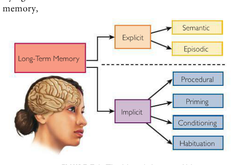
long-term memory
a type of storage that hold information for hours, days, weeks, or years. can recall even after not revisiting for years
anterograde amnesia
inability to transfer new information from the short-term store into the long-term store
- Damage to Hippocampus
- HM couldnt recognize doctors but could restate phone numbers after surgery
retrograde amnesia
inability to retrieve information acquired before a particular date, usually the date of an injury or surgery
hippocampal index
theory that the hippocampus recieves info was seperate parts of brain and puts it together
-HIPPOCAMPUS BECOMES LESS IMPORTANT OVER TIME FOR MAINTAINING MEMORIES
HM couldn't make new memories but could remember old ones.

consolidation
process by which memories become stable in the brain
-ie during car crash, head damage preventing transfer of short to long term memeory so pple dont remember the car crash
- Transfer of info from hippocampus to more permanent sotrage places (why pple with amnesia can remeber childhood but not past years)
reconsolidation
memories can become vulnerable to disruption when they are recalled, requiring them to become consolidated again
ie: rats that were shocked when they tried to recieve a consolidated memeory forgot the memory
ie: boston bombing pple when shown a negative story, their memeory of that day got reconsolidated so their memories changed
long-term potentiation (LTP)
a process whereby communication across the synapse between neurons strengthens the connection, making further communication easier
involved in long term memeory
Aplysia

retrieval cue
external information or stimulus that is associated with stored information and helps bring it to mind
HINT

encoding specificity principle
the idea that a retrieval cue can serve as an effective reminder when it helps re-create the specific way in which information was initially encoded
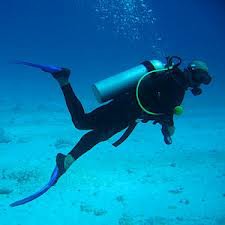
ie: divers that learn words underwater end up recalling those words underwater more then on land /
state-dependent retrieval
the tendency for information to be better recalled when the person is in the same state during encoding and retrieval
learn drunk = remember only when drunk

transfer-appropriate processing
the idea that memory is likely to transfer from one situation to another when the encoding and retrieval contexts of the situations match
ie: friend remeber image of brain and you think of word that ryhmes with brain, next day person asks you what was the word that rhymed with trained, since you are matched, then you are more liekly to remember
retrieval-induced forgetting
a process by which retrieving an item from long-term memory impairs subsequent recall of related items.
ie: being asked to remember one thing in a catergory like fruit makes you supress the memory of other things in the same category
RELATED TO EYE WITNESSES and incorrect relay of events
left frontal lobe activity when pple try to remember and sucessful memeroy recall is in hippocampal region
upper part of temporal lobe - previously heard sounds
occipital lobe - visual sights
explicit memory
the act of consciously or intentionally retrieving past experiences
IE: I remember the beach last summer
implicit memory
the influence of past experiences on later behavior and performance, even without an effort to remember them or an awareness of the recollection
ie: HM learned and improved performance on tracking task but didn't remember doing the tracking task
procedural memory
the gradual acquisition of skills as a result of practice, or "knowing how" to do things
memory for skills
- type of implicit memory
ie: riding a bike, tying shoe laces
- brain regions outside hippocampal like motor cortex
priming
an enhanced ability to think of a stimulus, such as a word or object, as a result of a recent exposure to the stimulus
ie: participants looked at words that they consciously forgot but when asked to fill in the banks they unconsciously knew them

perceptual priming
implicit memory for sensory aspect of an object (look of a word or picture)
(visual cortex left hemisphere)
conceptual priming
implicit memory for the meaning of a word or how you would use an object (right hemispheres, frontal lobes)
Amnesia
loss of memory that occurs as a result of physical or psychological trauma, generally lost of hippocampus .
semantic memory
a network of associated facts and concepts that make up our general knowledge of the world
hippocampus not required for new semantic memories (amnesic could learn to read write )
episodic memory
the collection of past personal experiences that occurred at a particular time and place.
allows us to travel back in time or imagine the future
divergent creative thinking
generating creative ideas by combining different types of old info in new ways.
ie: what uses can a brick have , participants had increased activity increased episodic memory and hippocampus, amnesiac patients are poor at this therefore
collaborative memory
groups recall more then a single individual
collaborative inhibition
same number of pple working together would recall fewer things then if working on their own. Nominal groups (ie jane remebers 2, 4 , 5 and joe remenbers 6, 7, 8 remember better then eveyone working to remeber together.
This is because opposing strategies for memory get in the way of eachother
transcience
forgetting what occurs with the passage of time
- at first there is a steep drop in info remembered and then it becomes more gradual over time
retroactive interference
situations in which information learned later impairs memory for information acquired earlier
-what happened on monday blendned in with what happened on wedsday
proactive interference
situations in which information learned earlier impairs memory for information acquired later
- you always park car in one place but then one day u do a different place and it confuses you
blocking
a failure to retrieve information that is available in memory even though you are trying to produce it "tip of my tounge" failure to retrieve
- happens more often with names have dont have any decriptive signicence (ie: Grumpy is easier to recall then vs Alladin )
memory misattribution
assigning a recollection or an idea to the wrong source ie: accusing the professor of rape that you saw moments before you got raped
BAD FOR CRIMINALS
source memory
a recollection of the circumstances in which you formed a memory
suggestibility
the tendency to incorporate misleading information from the external sources into personal recollections
ie: telling pple they experienced being lost in a mall when they were younger or that they commited a crime when they were younger will lead them to believe that they actually did.

persistence
the intrusive recollection of events that we wish we could forget
- more emotional and fearful are often more persistant memories ie tradegies and fires
flashbulb memories
detailed recollections of when and where we heard about shocking events
- often inaccurate
Amygdala
Part of the limbic system, responsible for the emotional reactions of fear and anger. Damage means not as much difference in memory for emotional vs mundane events.
test taking strategies
students encouraged to take practice quizzes, study a little at a time