NU 236 Care of the Adult II: Upper GI
 Call Kai
 Learn
 Practice Test
 Spaced Repetition
 Match
 Flashcards
 Knowt Play
1/110

There's no tags or description
Looks like no tags are added yet.
111 Terms

Upper GI Tract
mouth, pharynx, esophagus, stomach, duodenum
Oral Health
important in preventing issues with other body systems; regular dental cleanings, exams, and good oral health habits
Problems in the mouth and the throat = _________!
AIRWAY concerns
Stomatitis
inflammation of the mouth
Causes: Stomatitis
Allergies
Infection
Immunosuprresion
Vitamin deficiencies/malnutrition
Systemic disease
Irritation
Medications
Chemotherapy/radiation
Assessment: Stomatitis
Mouth discomfort
Dryness
Open ulcers/lesions
Bleeding
Cracking
Infection
Difficulty or pain with eating/swallowing
Document lesions/tissue
Palpate cervical and submandibular nodes
Interventions: Stomatitis
MAINTAIN AIRWAY
Treat the underlying cause
Rinsing and oral hygiene
Diet
Medications related to the cause

Oropharyngeal Cancers
cancers of the part of the pharynx that is between the soft palate and the hyoid bone
Risk Factors: Oropharyngeal Cancer
Smoking
Alcohol use
Sunlight/UV exposure
Chemical exposures
Poor nutrition
Poor oral hygiene
HPV

Leukoplakia
white, raised, firmly attached patches that are pre-malignant caused by chronic irritation

Erythroplakia
pre-malignant red, velvety lesions that should be biopsied, as there is a high likelihood it will progress to cancer
Oral Cancer
affects lips, gums, tongue, cheeks, roof/floor of mouth, and salivary glands

Oral Squamous Cell Carcinoma
red, raised, eroded-looking lesions that DO not heal

Oral Basal Cell Carcinoma
basal layer of epidermis, nodular raised scab
Pharyngeal Cancer (Throat)
Nasopharyngeal
Oropharyngeal
Hypopharyngeal
Nasopharyngeal cancer
cancer of the upper throat
Oropharyngeal cancer
cancer of the back of the throat
Hypopharyngeal cancer
cancer of the lower throat
Laryngeal Cancer
cancer of the larynx that involves the voice
Salivary gland cancer
aries in the salivary glands
Sinus cancer
begins in the nasal sinuses
Symptoms: Head/Neck Cancers
Persistent sore throat or hoarseness
Mouth sores or lip lesions that do not heal
Dysphagia
Swelling in the neck, jaw, and face
Red/white patches in the mouth
Pain and numbness in the face/mouth
Frequent nosebleeds or bloody saliva
Chronic nasal congestion
Risk Factors: Head and Neck Cancer
Tobacco use
Alcohol use
HPV infection (oropharyngeal)
Epstein-Barr (nasopharyngeal)
Sun exposure (lip)
Oropharyngeal Cancers: Assessment
PMH
Weight loss
Assess oral cavity
Dentures?
Speech changes
Dysphagia?
Saliva characteristics
Palpate cervical/submandibular nodes
Interventions: Oropharyngeal Cancer
MAINTAIN AIRWAY
Increase air exchange
Elevate HOB
Fluid intake
Mobilize secretions
PREVENT ASPIRATION
Keep suction equipment available
Monitor LOC, swallow/gag reflex, respiratory status
Avoid or thicken liquids
Small food amounts
HOB 30-45 after eating
RESPIRATORY STATUS
Listen for stridor
ORAL HYGIENE
q2h cleaning
SOFT toothbrush
Frequent rinsing with NS
Lubricant to lips
Avoid mouthwash and lemon-glycerin swabs
Treatment: Oropharyngeal Cancers
Radiation (external or brachytherapy)
Chemotherapy
Targeted therapy
Immune therapy
Clinical trials
Excision
Cryotherapy
Tumor removal
Adjuvant chemo
after surgery
Neoadjuvant chemo
before surgery to shrink tumor
Excision (peri-oral)
used for non-invasive lesions to remove lesions and margin of healthy tissue with a knife or laser; goal is to completely remove cancerous cells
Cryotherapy
uses extreme cold to destroy abnormal tissue that is minimally invasive and used for benign/precancerous or malignant lesions
Interventions: Excision/Cryotherapy
Liquid diet for 24-48h
No activity restriction
Pain management
Tumor Removal
removal of invasive lesions with clear margins to remove all cancer cells, but risks loss of function or disfigurement depending on the size, location, bone involvement, and lymph node involvement
Dissection/Removal
may occur with lymph node involvement, muscles, nerves, vessels, tongue, mandible, thyroid, larynx
Partial glossectomy
removal of part of the tongue
Mandibulectomy
surgical removal of a portion of the jaw
Radical neck dissection
procedure to treat extensive cancer of the mouth and neck
Post-Op: Large Surgical Resections
Trach placement
Speech loss
NPO
G-tube
Surgical drains
Suctioning
IV hydration/TPN
Oropharyngeal Surgery Post-Op: Interventions
Assess airway/respiratory status
Assess for bleeding/infection
Increase diet and activity
DVT prevention
Communication help
Pain management
Education
PT, OT, SLP
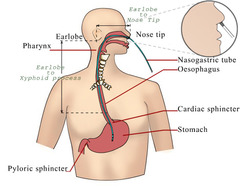
Nasogastric tubes (NGT)
used for liquid nutrition, medications, gastric decompression, stomach pumping, and diagnostics in patients who cannot safely eat, require bowel rest, or require removal of stomach contents
NGT are common post-op for who?
patients with GI/neurologic issues
NG Tube: Insertion
High-Fowler's
Measure length and mark the tube (ear, nose, xiphoid process)
Lubricate the tip with water-soluble lubricant
Insert the tube, chin to chest
Advance as the patient swallows
Check placement with X-Ray
Secure the tube
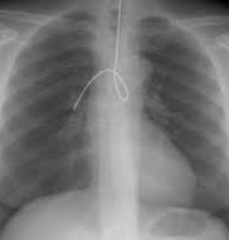
Gold Standard for NG Placement
Chest X-ray; cannot use without placement to rule out misplacement
Other methods of verification
Auscultation by listening for whoosh in stomach while injecting air
pH testing of aspirate (
NGT: Care
Assess placement with air bolus for each use/residuals
Assess site
Flush q4-6h and before/after medications
Keep suction off for q1h after meds, document all flushes/intake on I&O
Upper GI: Diagnostics
Abdominal X-ray (KUB)
CT
MRI
Motility studies
EGD
Barium swallow
pH testing
Esophagogastroduodenoscopy (EGD)
diagnoses and treats GERD, ulcers, celiac, and removes polyps/abnormal growths that requires fasting and medication holds
Procedure: EGD
light sedation to reduce discomfort is given while a scope is inserted through the mouth into the esophagus, stomach, and duodenum using air to inflate the tract for better viewing; may collect tissue samples for biopsies
Risks: EGD
Bleeding
Infection
GI perforation
Sedation-related
Post-Op: EGD
Sore throat and bloating are common
Avoid driving/strenous activity for the rest of the day
Interventions: Post-Op EGD
Monitor VS frequently (q15m initially)
Keep NPO until gag/swallow reflex returns
Aspiration precautions
Observe for sedation effects
Expect mild sore throat/hoarseness
Educate client to report dyspnea, pain, or hematemesis
Barium Swallow
diagnoses swallowing issues, GERD, ulcers, hiatal hernias, and esophaguel/stomach/duodenal tumors
Pre-Procedure: Barium Swallow
NPO after midnight
Opioids/anticholinergics held q24h
16oz barium
Rotating exam table
Procedure: Barium Swallow
client drinks barium and x-rays are taken while swallowing and changing positions in real time, as the barium coats the GI lining to make the structures visible on the xray
Interventions: Post-Op Barium Swallow
Encourage fluids/fiber to push out barium and prevent constipation
Mild laxative/stool softener
White/light stools for 1-2 days is fine
Report abdominal pain, no bowel movement, or signs of obstruction, delay in return of normal stool color
Upper GI Conditions
GERD
PUD
Gastritis
Hematemesis
Gastroesophageal Reflux Disease (GERD)
caused by weak lower esophageal sphincter and flow of stomach acid into the esophagus
Symptoms: GERD
Heartburn
Dyspepsia
Regurgitation/hypersalivation
Respiratory symptoms
Causes: GERD
HIATAL HERNIAS
Alcohol
Tobacco
Caffeine
Meds
Fatty food/chocolate
Obesity
Diagnosed when it occurs more than 2x a week, disrupts sleep, and is not improving
Hiatal Hernia
portion of the stomach protrudes into the thoracic cavity, related to weakness in the diaphragm and is the leading cause of GERD
Causes: Hiatal Hernia
Increased intra-abdominal pressure (obesity, pregnancy, trauma, heavy lifting, constipation, coughing)
Weakened connective tissue (smoking, alcohol, poor diet, sedentary lifestyle, chronic stress)
Symptoms: Hiatal Hernia
Heartburn
Acid reflux
Difficulty swallowing
Chest pain
N/V
Bad breath
Complications: GERD
Barrett's esophagus
Esophagitis
Esophageal uclers/strictures
Respiratory symptoms
Tooth erosion
GERD r/t Hiatal Hernia: Dx and Tx
Medications
Lifestyle modifications
If unresponsive, needs more investigation (EGD, barium swallow, motility)
GERD: Lifestyle Changes
Chew well
Sit upright
Raise upper part of bed
Do not drink with meal
Take walk with eating
Manage stress
Quit smoking/alcohol
Exercise
Do not eat at bedtime
Do not bed after food
Eat less for dinner
No stomach pressure
Fundoplication
surgical procedure that anchors and strengthens the LES, preventing the reflux of stomach contents into the esophagus (hiatal hernia repair)
Approaches: Fundoplication
Laparascopic
Open surgery
Laparoscopic Fundoplication
Soft diet 1 week
Anti-reflux meds for 1 month
Walk often
Monitor incision site for signs of infection/bleeding
Open Fundoplication
LARGE abdominal incision and may need an NGT, chest tube, or G-tube
Post-op care
Peptic Ulcer Disease (PUD)
erosion of the GI mucosa, often esophageal, gastirc, or duodenal
Symptoms: PUD
Burning/gnawing upper abdominal pain that is helped or worsened with eating
Indigestion
Bloating
Early satiety
N/V
Loss of appetite
Gastric PUD
gnawing, sharp pain in or left or mid-
epigastric region, occurs 30 to 60 minutes after a meal and hematemesis is more common than melena
Duodenal PUD
more common, burning pain in mid-epigastric area 1.5-3 hrs after meal/night, melena is more common and pain is relieved by food
Risks: Ulcers
Stress
Smoking
Alcohol
Steroids
NSAIDs
Hx of gastritis/family hx
H. pylori
Management: PUD
Monitor VS/bleeding
Small, frequent, bland feedings
PPIs/H2 blockers/Mucosal protective agents
H. pylori treatment
Educate about smoking cessation, avoiding alcohol, caffeine, chocolate, ASA, and NSAIDS
Complications: PUD
Obstruction
Perforation
Obstruction
gradual onset with bloating, N/V, epigastric pain; treatment is NGT to suction and IV fluids
Perforation
sudden, severe, abdominal pain that presents with a rigid abdomen and shallow respirations; make NPO, VS monitoring, IV fluids, notify MD, and may require surgery
Gastritis
inflammation of the stomach or gastric mucosa
Causes: Gastritis
Contaminated food
Irritating food
Meds
Bile reflux
Radiation
Bacteria
Autoimmune
Smoking/alcohol
Treatment: Gastritis
GI Rest
Avoid irritating foods
Avoid alcohol, nicotine, and caffeine
Hematemesis
vomiting blood
Frank blood
bright red blood that is NEW
Coffee ground blood
vomiting of "old" digested blood from the stomach
Interventions: Bleeding Ulcer
Monitor VS, I&Os, CBC
Sxs of dehydration/hypovolemic shock
Assess airway
NPO/NGT
IVF and blood
Vasopressin
Pre-op/post-op care for gastric surgery is the same for PUD and __________.
weight loss surgery
Obesity
having an excess amount of body fat
Body Mass Index (BMI)
a measure of body weight relative to height
Normal BMI
18.5-24.9
Overweight BMI
25-29.9
Obese BMI
over 30
Morbidly Obese BMI
greater than 40
Etiology: Obesity
Environmental factors
Genetics
Behaviors
Diet
Inactivity
Meds
Medical conditions
Education: Obesity
Healthy eating
Low sugar, salt, and saturated fat
Regular exercise
Complications
START IN CHILDHOOD
Assessment: Obesity
Height and weight
Lungs
Skin
GI
Skin folds for infection
Review eating/activity patterns, meds, appetite, illnesses
Explore benefits of weight loss
Understand triggers and coping mechanisms
Diagnostics: Obesity
Lipid panel
Liver function tests
Thyroid function tests
Fasting cluose/HbA1C
Vitamin D
EKG
Sleep study
RUQ ultrasound
Drug therapy: Obesity
BMI > 30, has one or more related comorbidities, and other weight loss attempts have failed; can be short term, long term, and combined with diet, exercise, and behavior modifications
Bariatric Surgery
surgery on the stomach or intestines to promote weight loss and is recommended for clients who are morbidly obese and have been unsuccessful with weight loss
Risks: Bariatric Surgery
DVT
PE
Stroke
PNA
Benefits: Bariatric Surgery
Resolve/improve T2D
Reduce HTN/cardiac risks
Depression relief
Improve sleep apnea
Qualifications: Bariatric Surgery
Must have BMI > 40 or 35 WITH health issues
Tried and failed 3 supervised weight loss programs
Must pass physical/psychological eval
May need to sign a commitment contract
Follow-ups and lab work required
Education about healthy eating and pre-op weight loss