Biology, Cells Organelles Vocabulary
 Call Kai
 Learn
 Practice Test
 Spaced Repetition
 Match
 Flashcards
1/32

There's no tags or description
Looks like no tags are added yet.
33 Terms
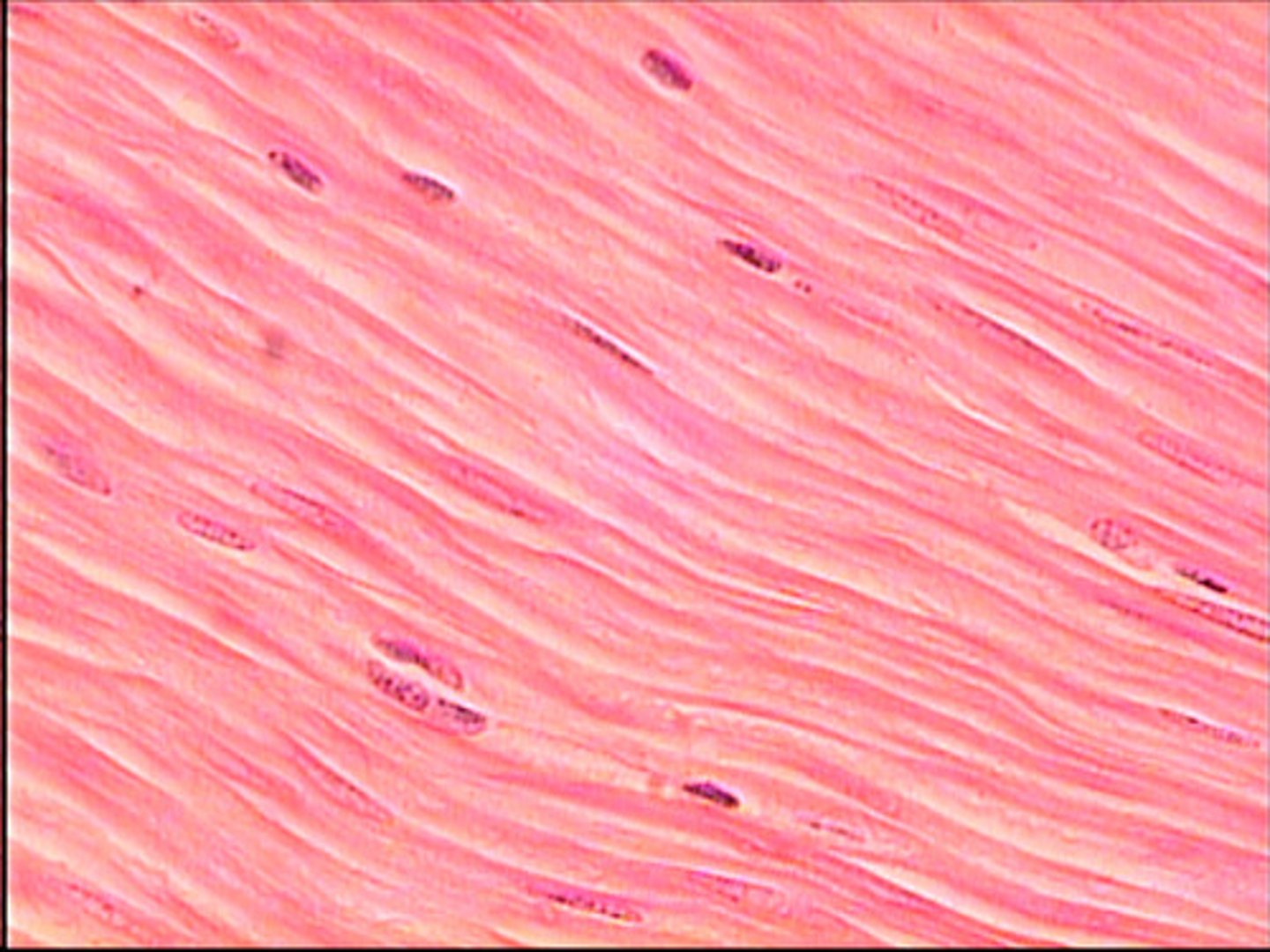
tissue
A group of similar cells that perform a specific function in a multicellular organism
organs
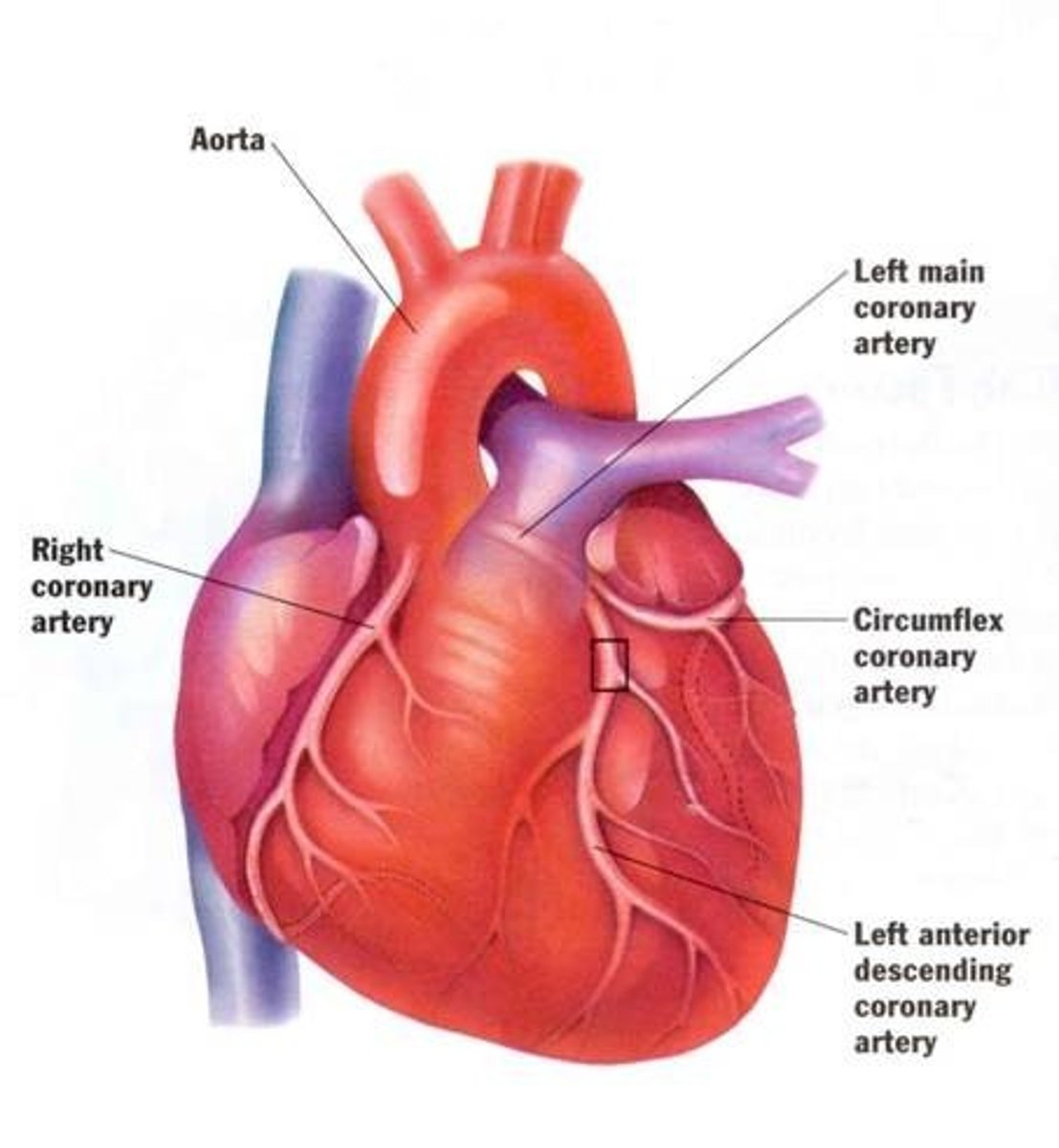
groups of tissues that perform a particular job in an organism
organelles
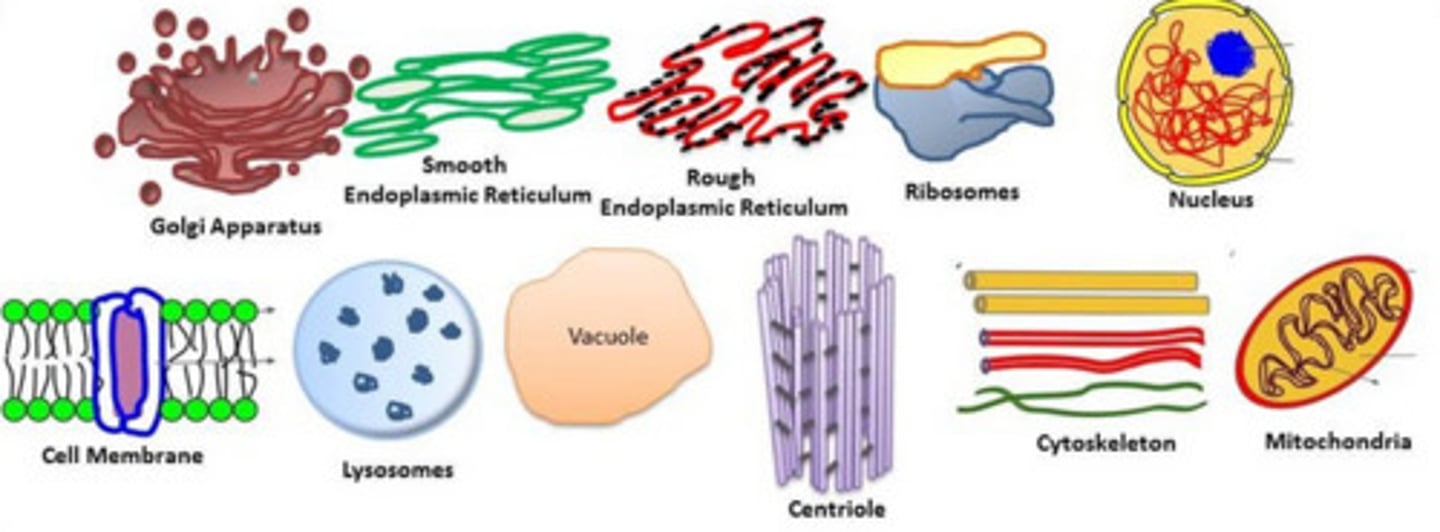
A membrane-enclosed structure with a specialized function within a cell.
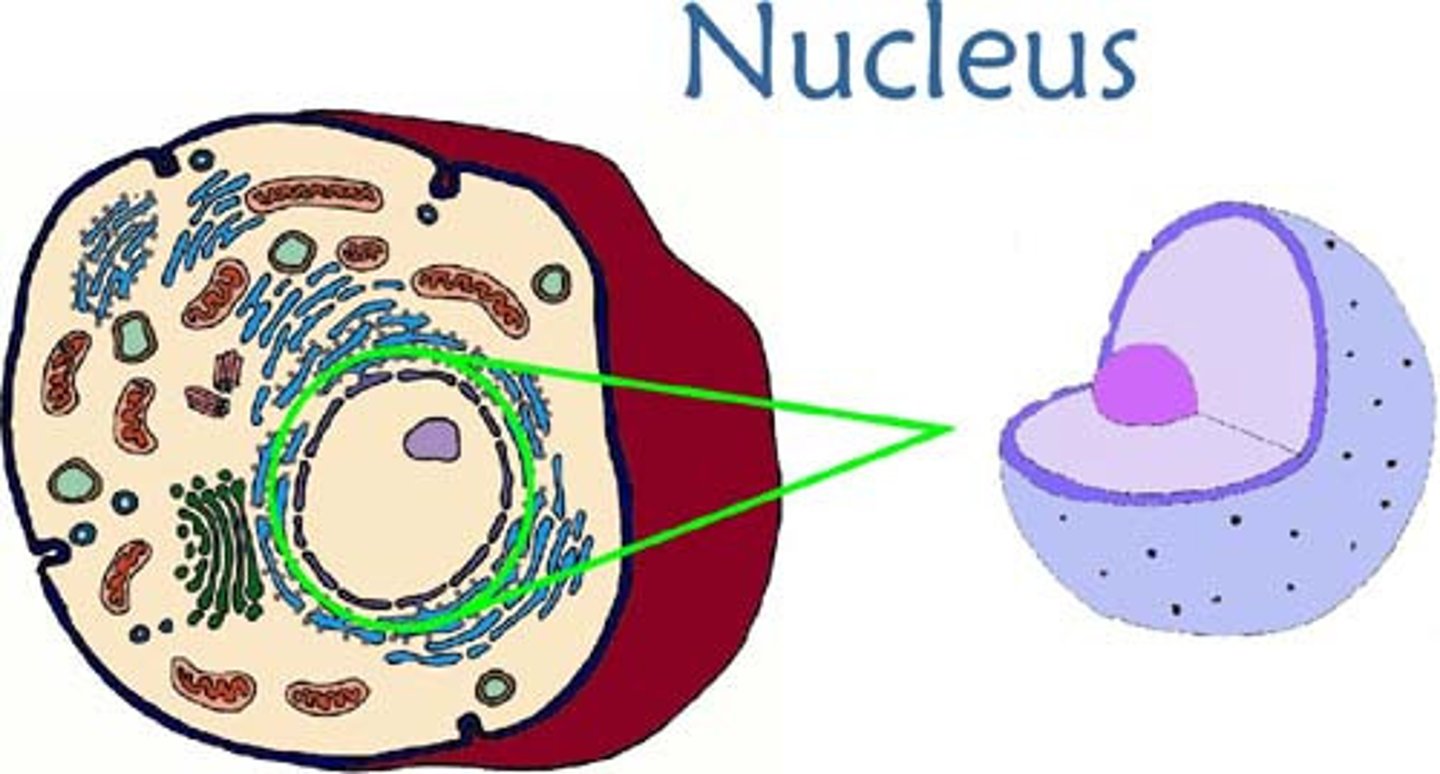
nucleus
Control center of the cell, contains DNA which provides instructions for making proteins
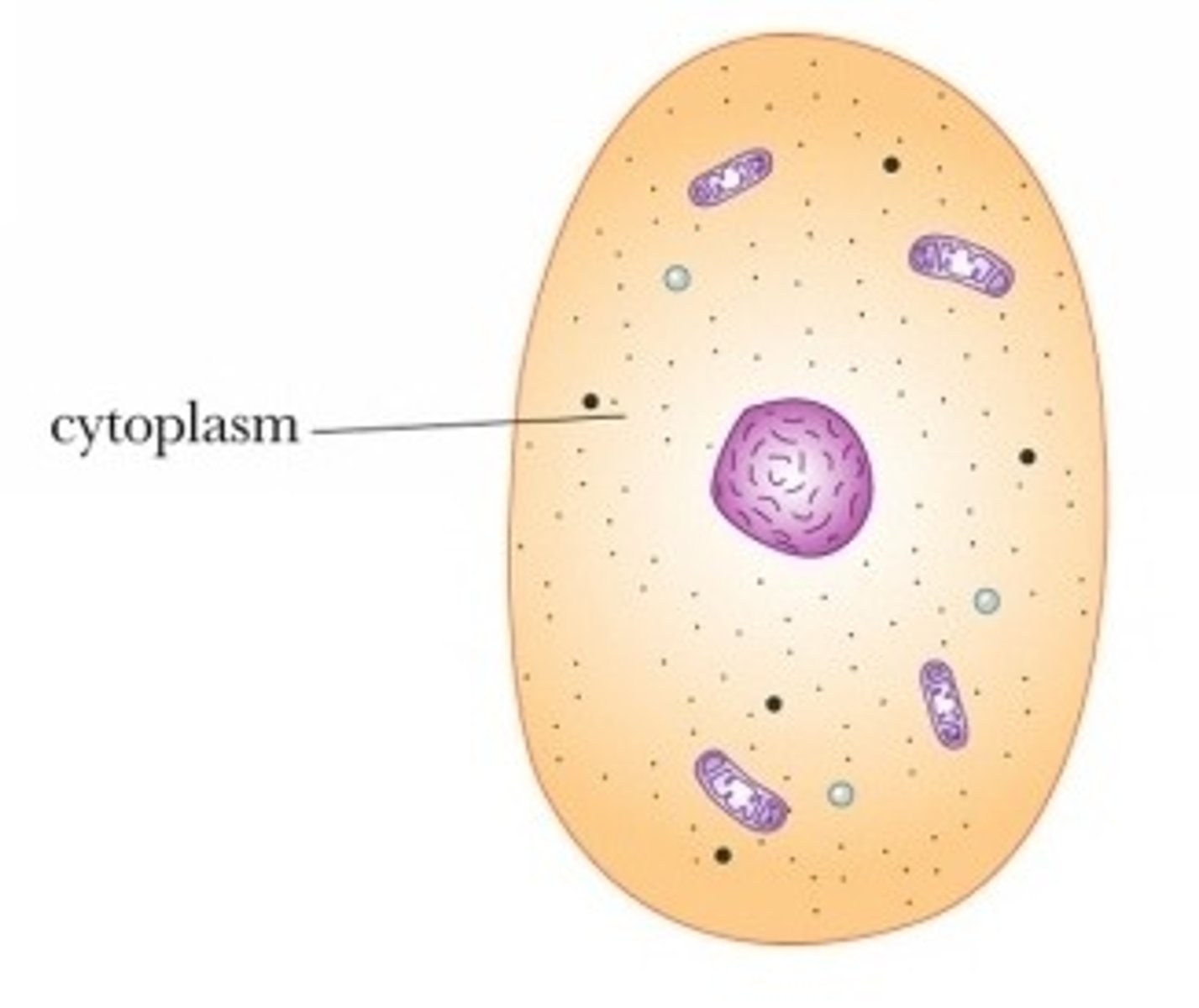
cytoplasm
A jellylike fluid inside the cell in which the organelles are suspended (ALL CELLS HAVE THIS)
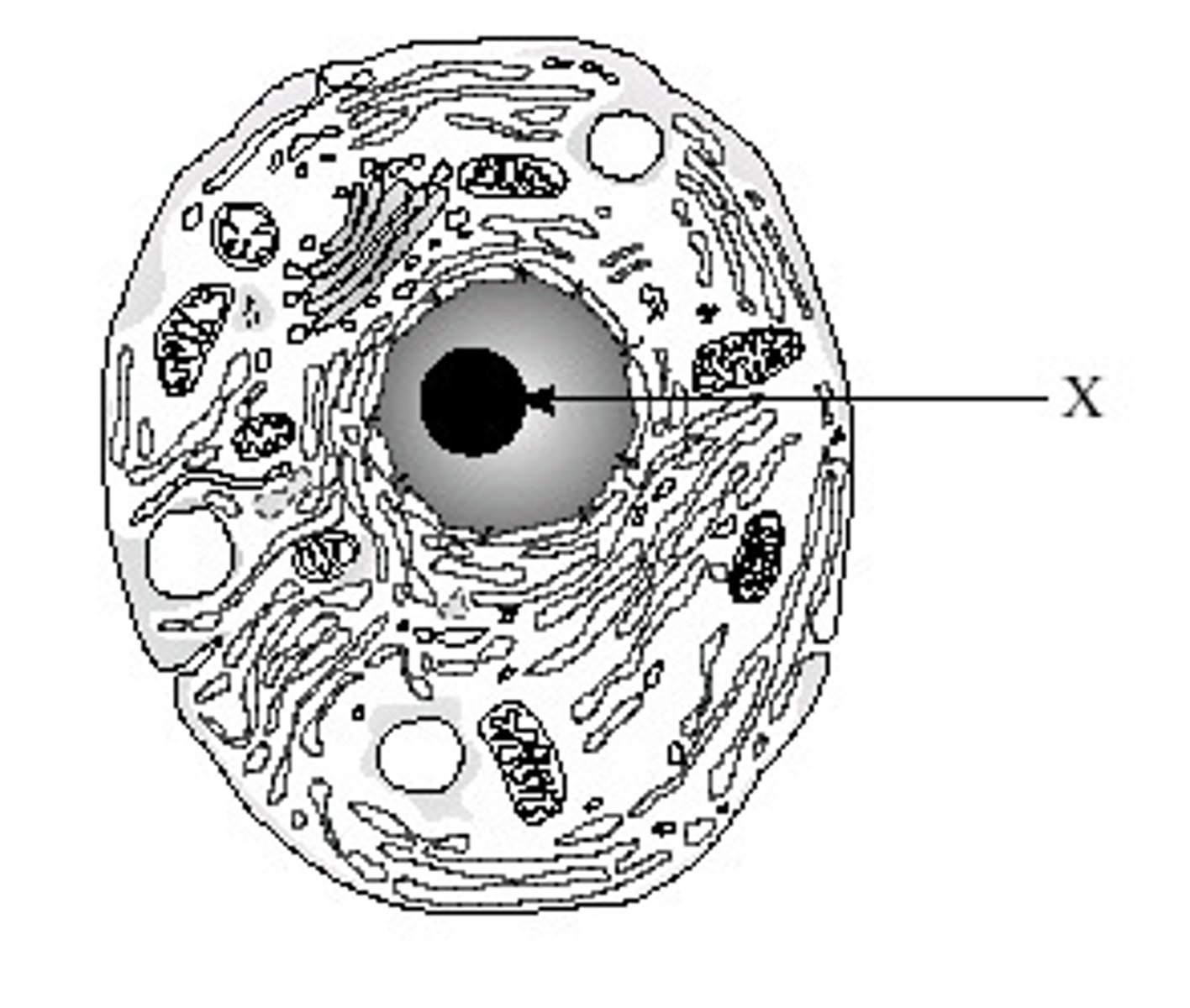
nucleolus
small, dense region within the nucleus where ribosomes are made
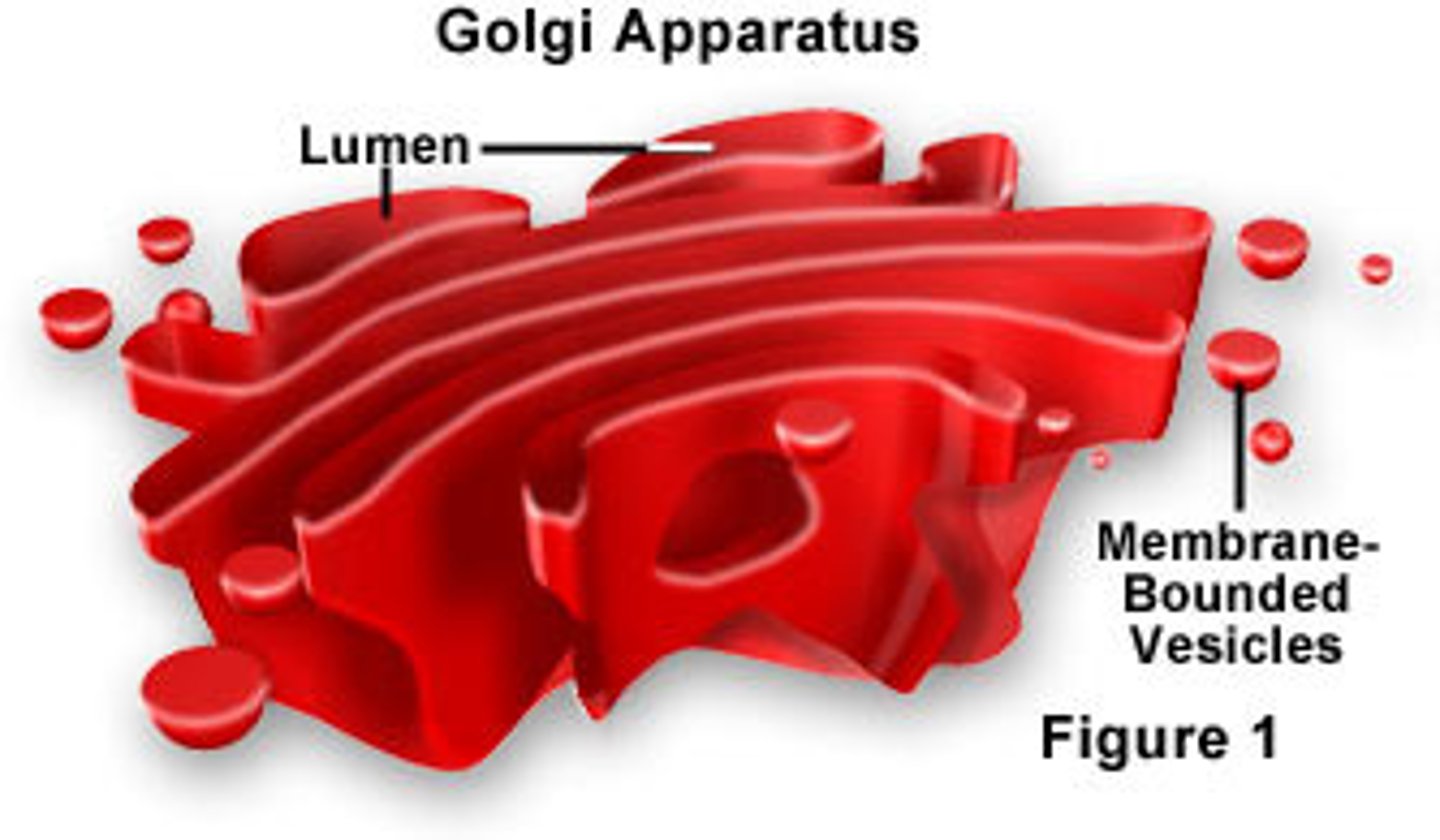
Golgi body/apparatus/complex
packages and ships materials (often proteins) throughout the cell. Looks like a stack of pancakes. PLANTS AND ANIMALS
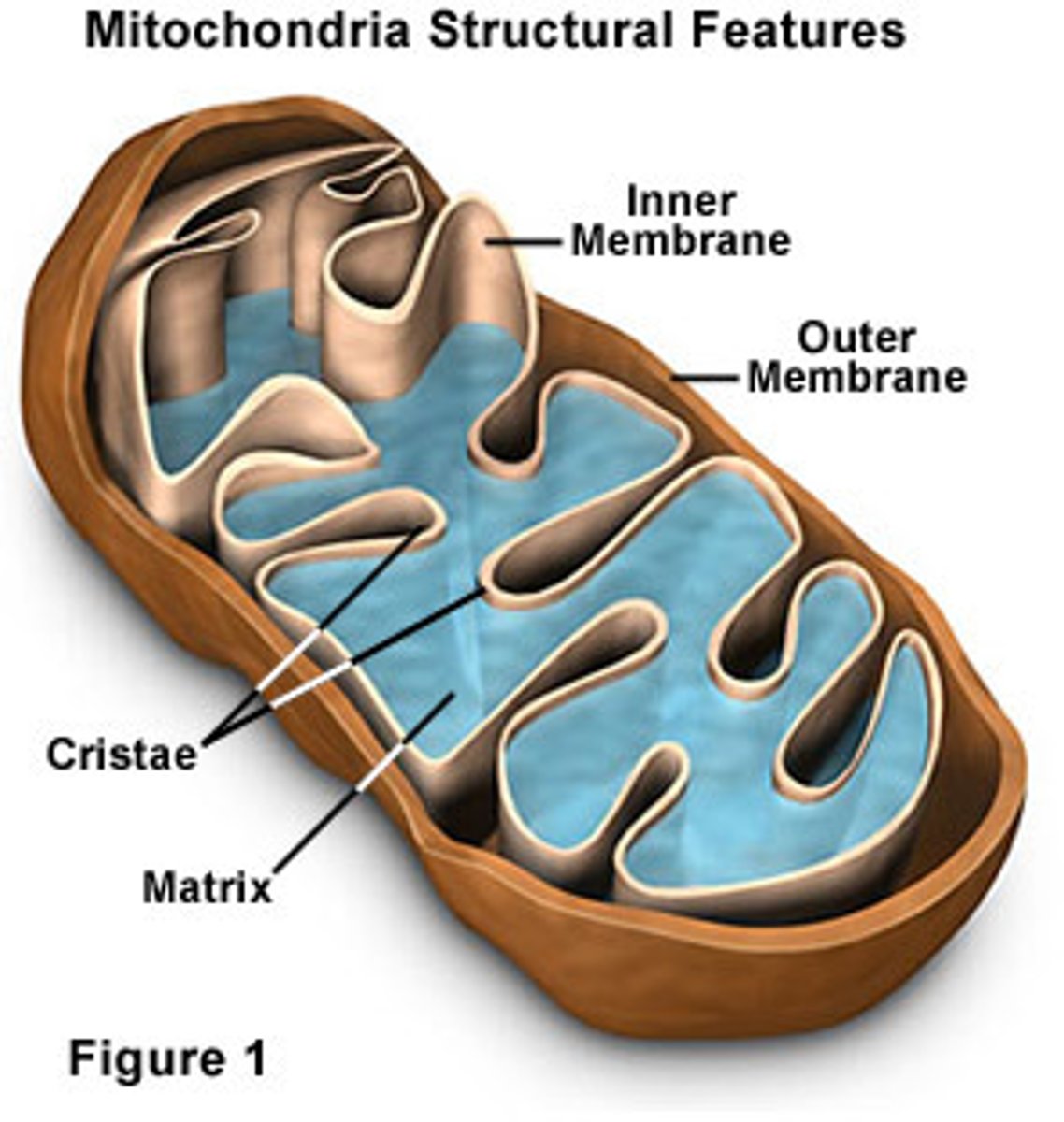
mitochondria
Powerhouse of the cell, organelle that is the site of ATP (energy) production during cellular respiration
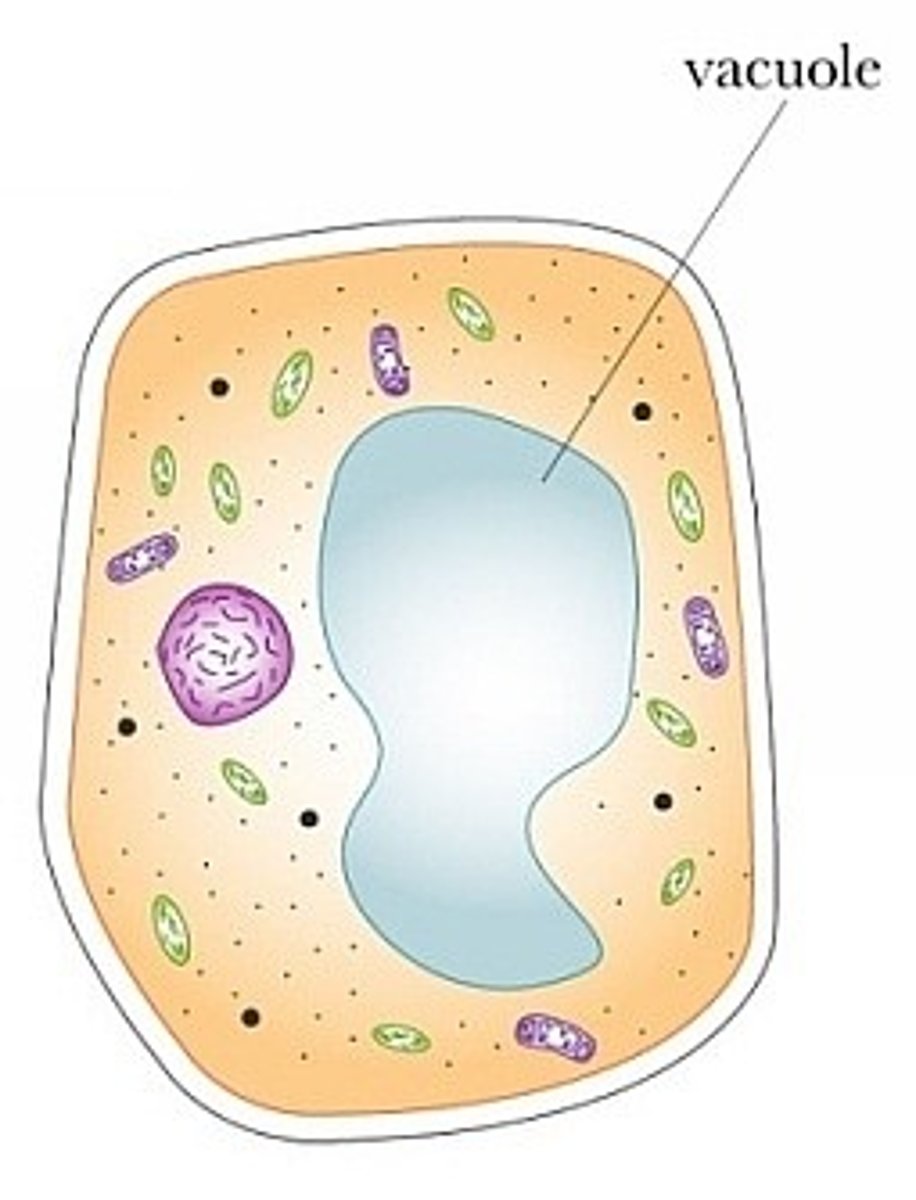
vacuoles
saclike structures that store materials such as water, salts, proteins, and carbohydrates (larger in plants)
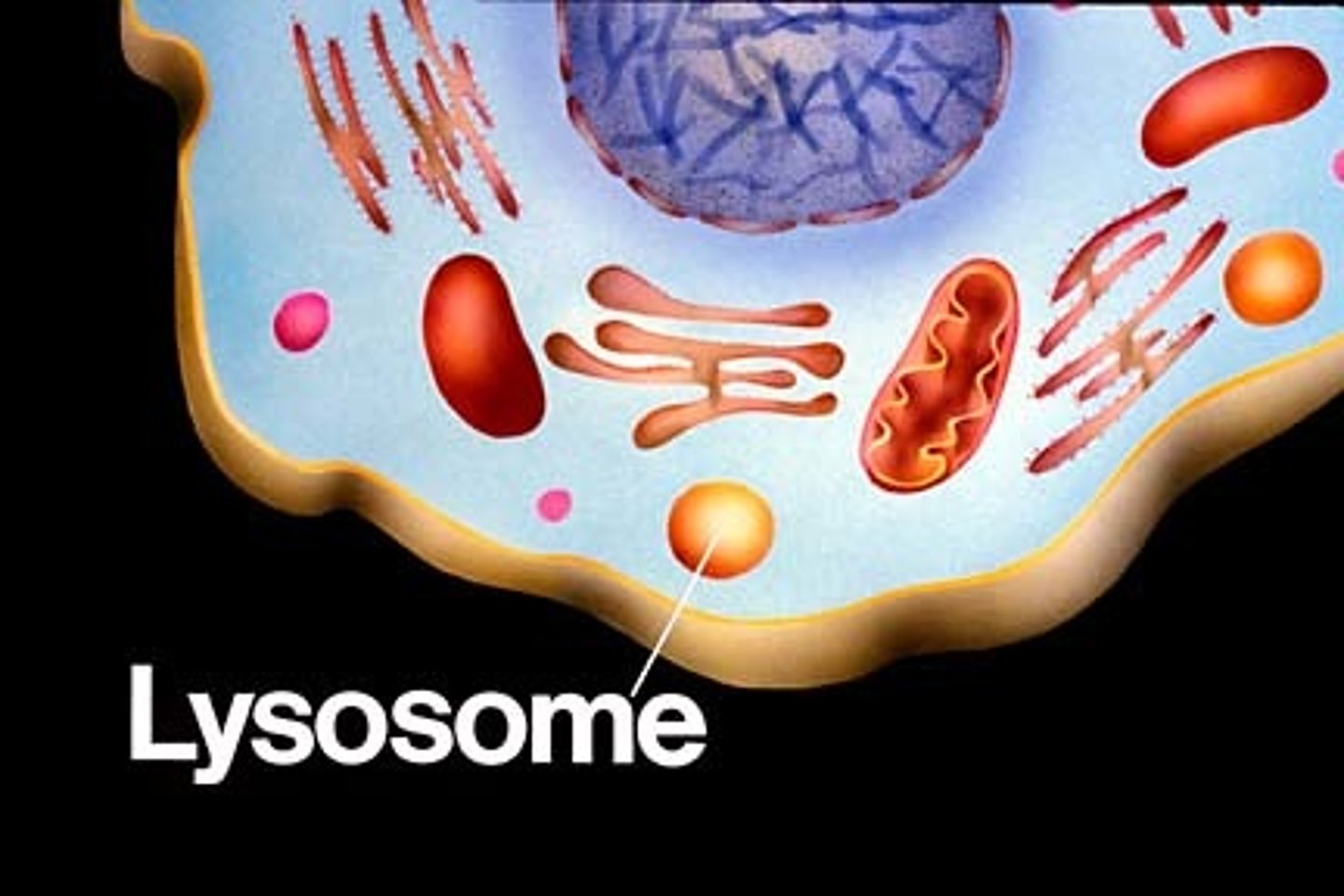
lysosomes
cell organelle filled with enzymes needed to break down certain materials in the cell (found in animal cells)
cytoskeleton
network of very thin protein fibers that helps a cell keep its shape and move
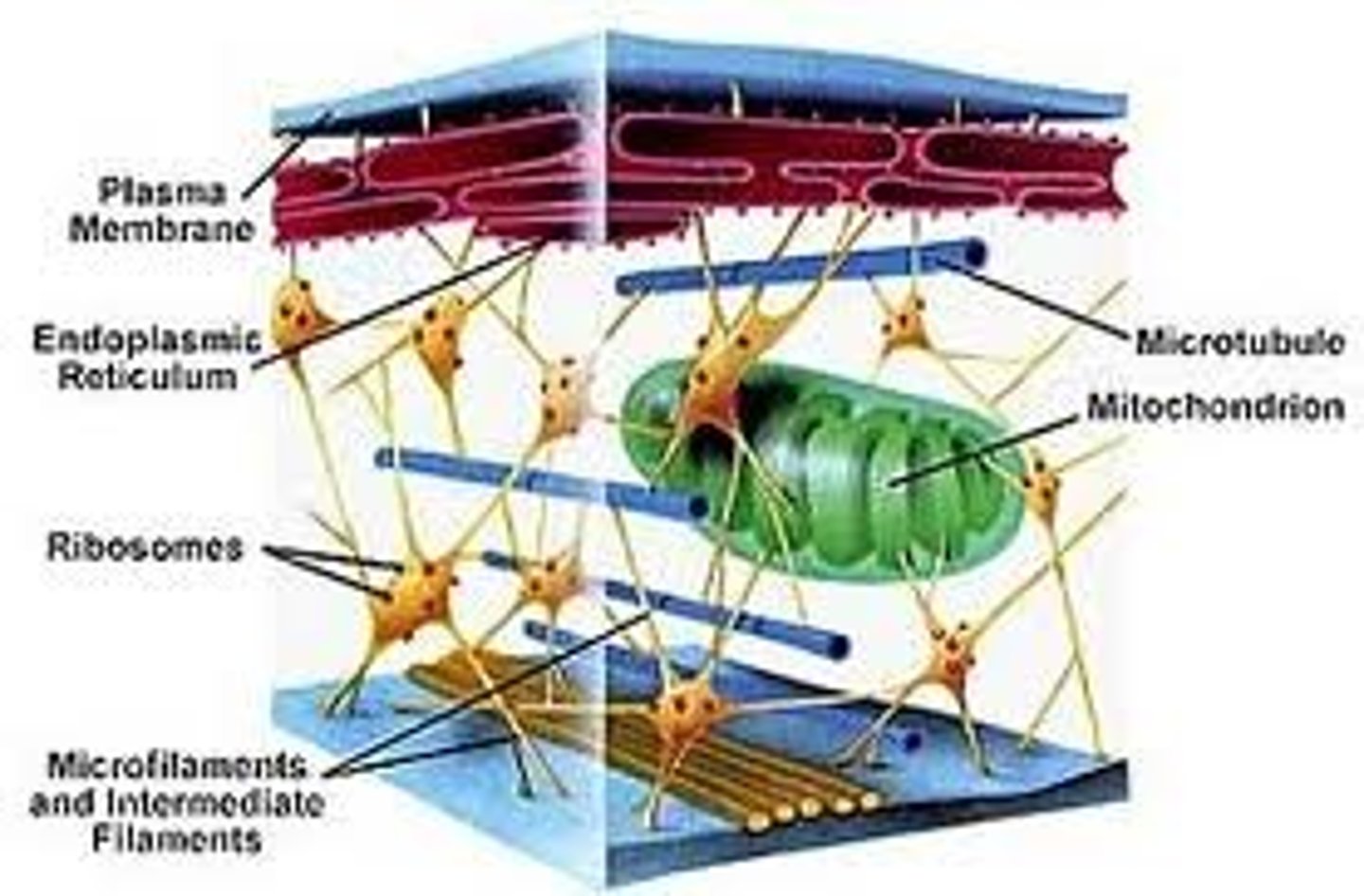
microfilaments
fine, threadlike proteins found in the cell's cytoskeleton (muscle contraction and movement)
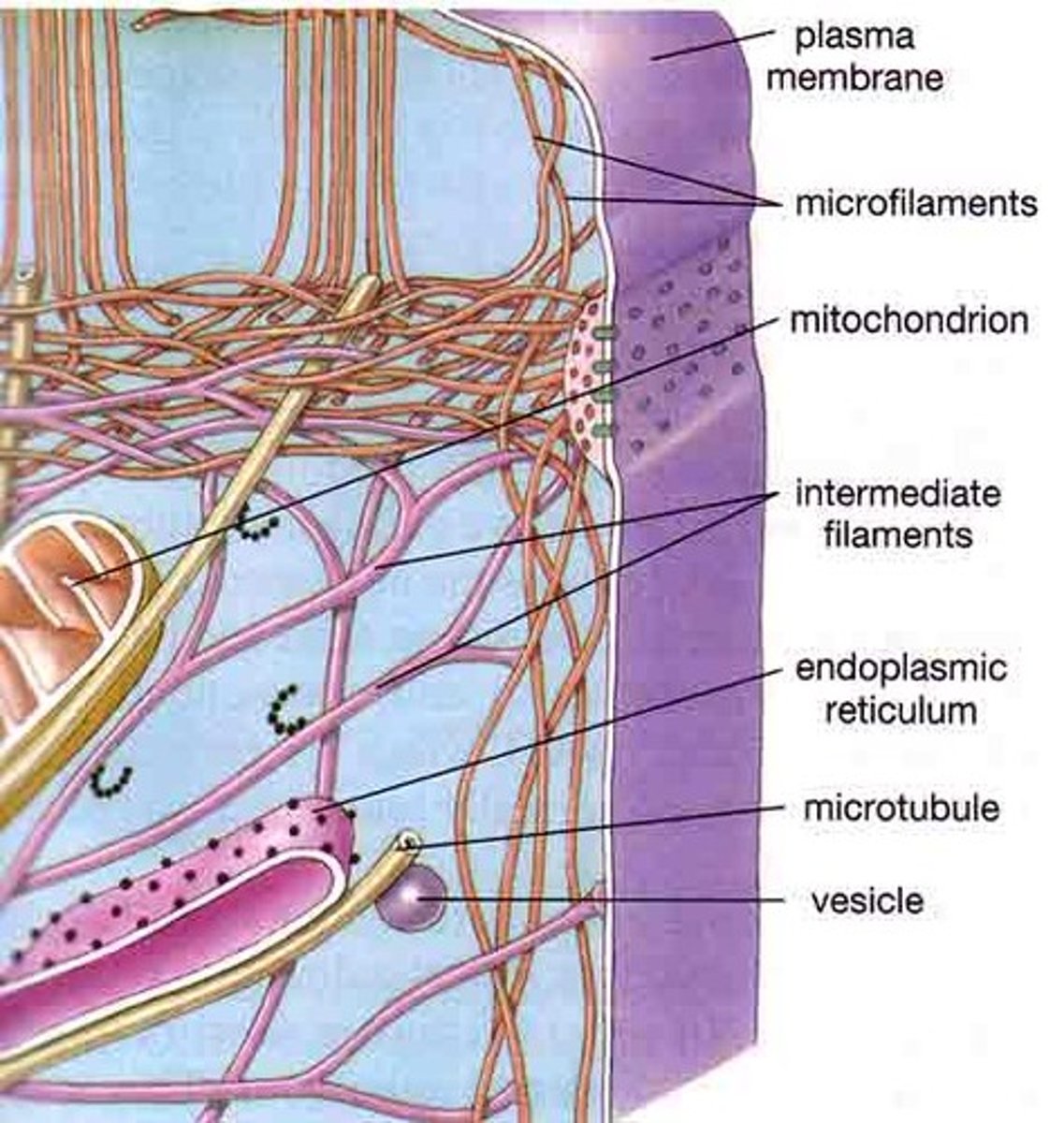
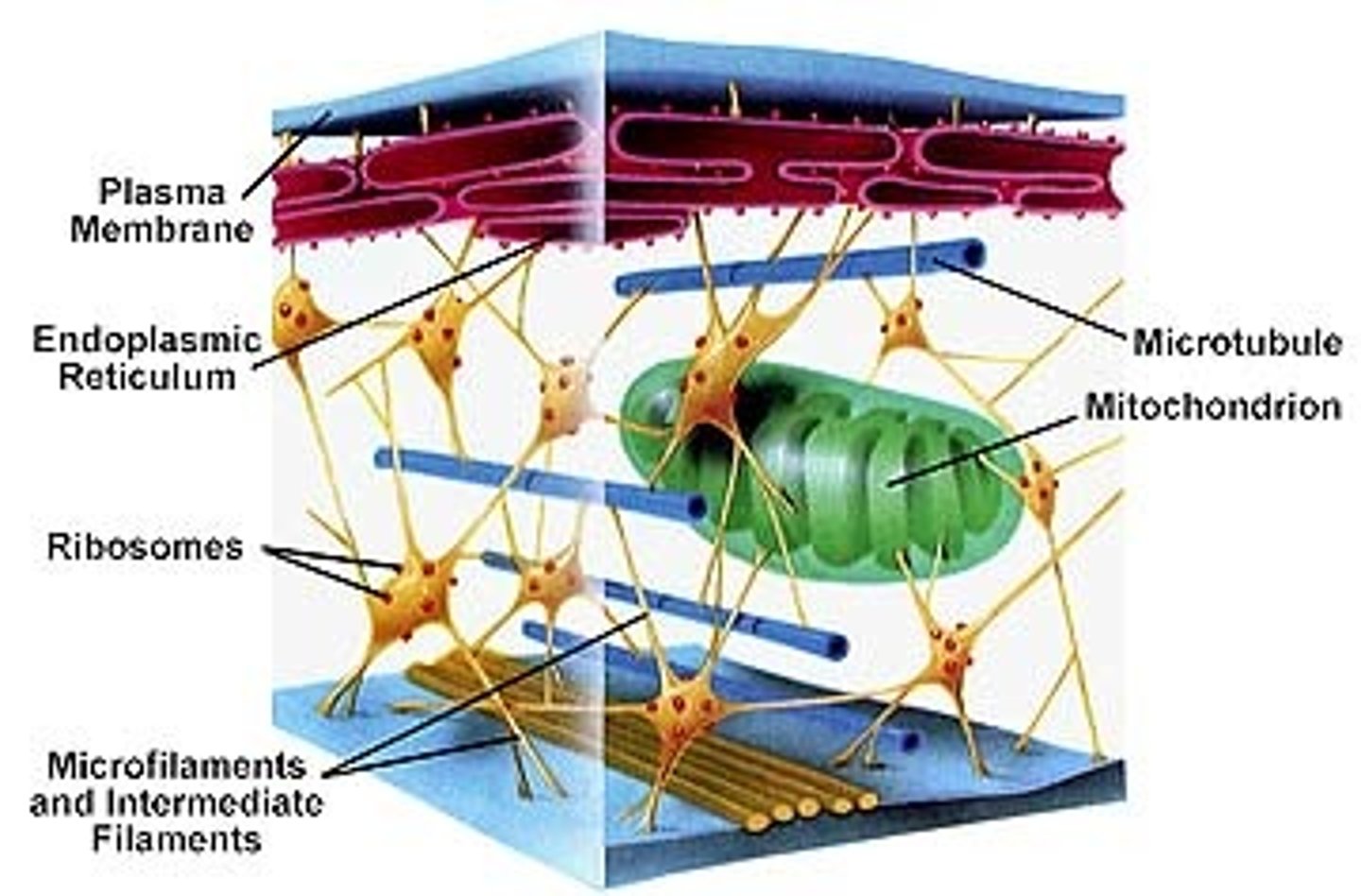
microtubules
Thick hollow tubes that make up the cilia, flagella, and spindle fibers. (also part of cytoskeleton, can move oraganelles inside cell)
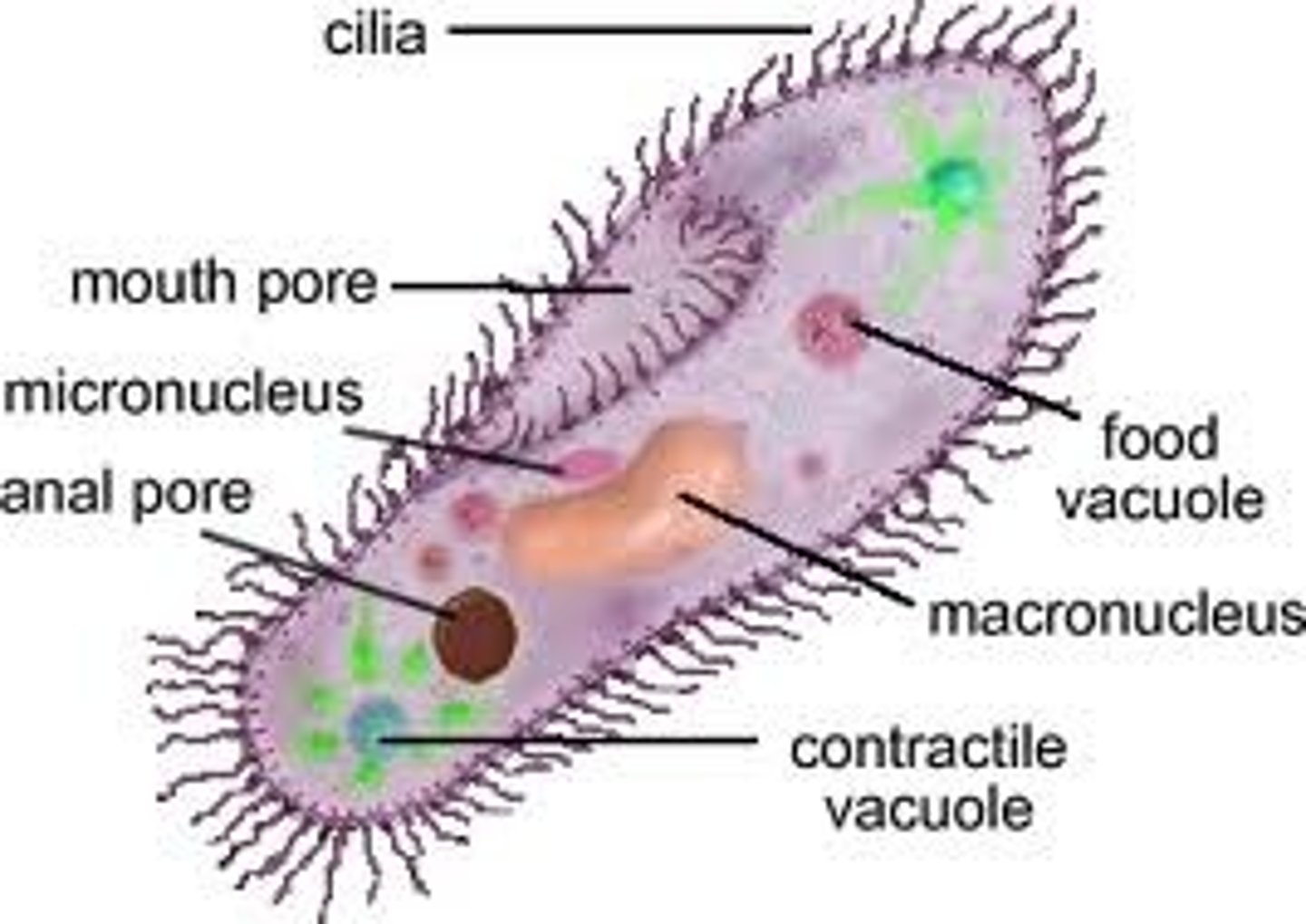
cilia
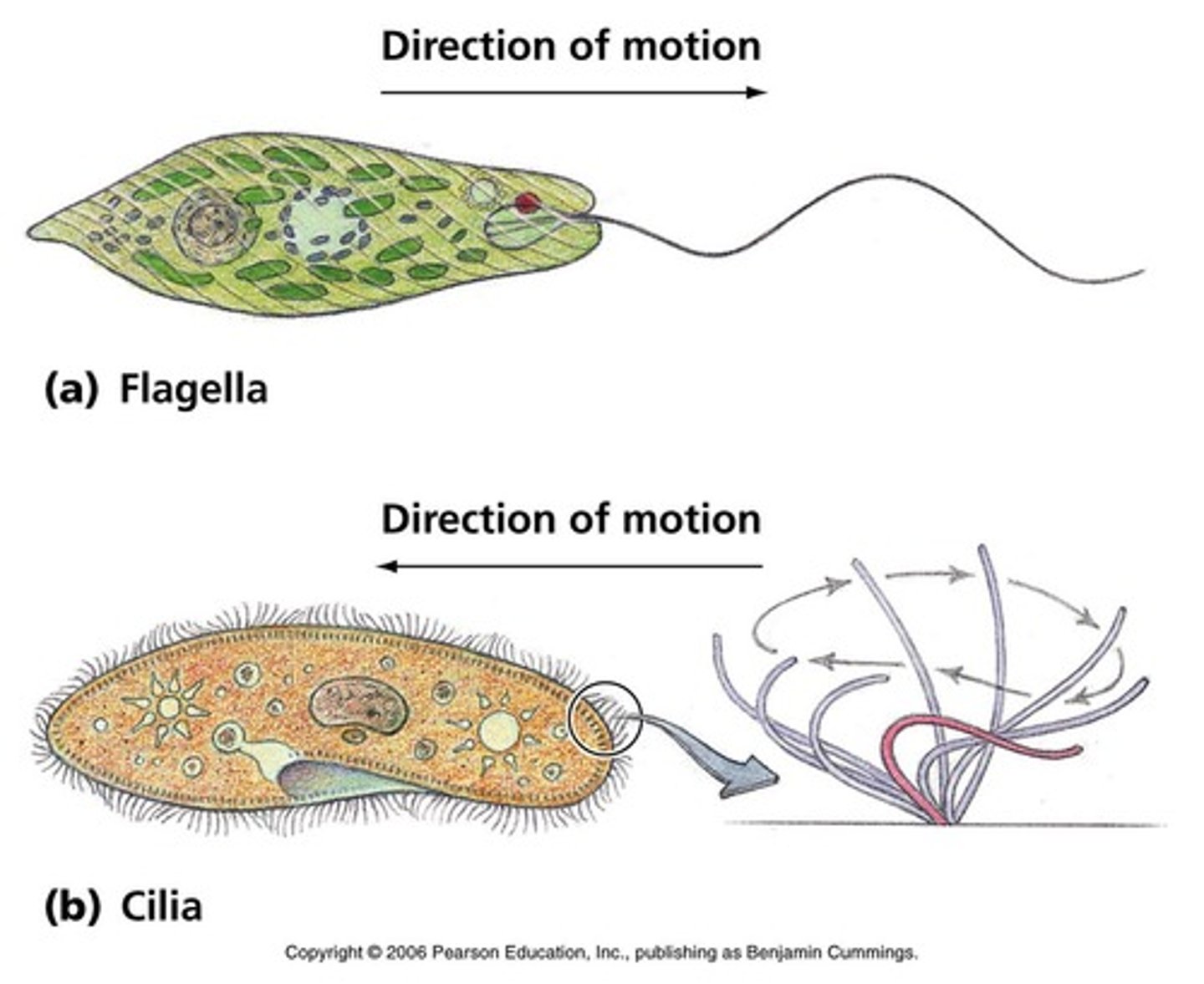
Tiny hair-like projections on the cell surface used for locomotion or the movement of fluid over a cell.
flagella
Long and whip-like structure that projects outward from the cell used for locomotion
chromatin
long strands of DNA found in the eukaryotic cell nucleus; condense to form chromosomes
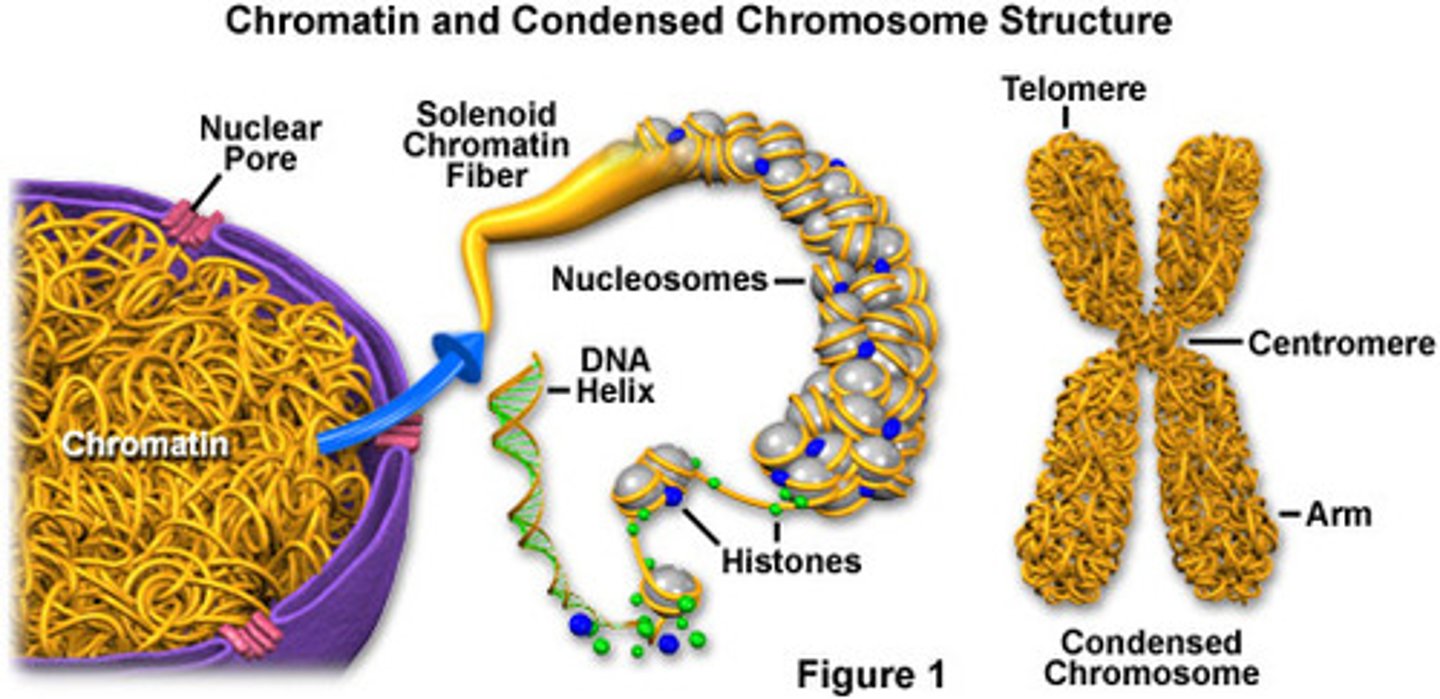
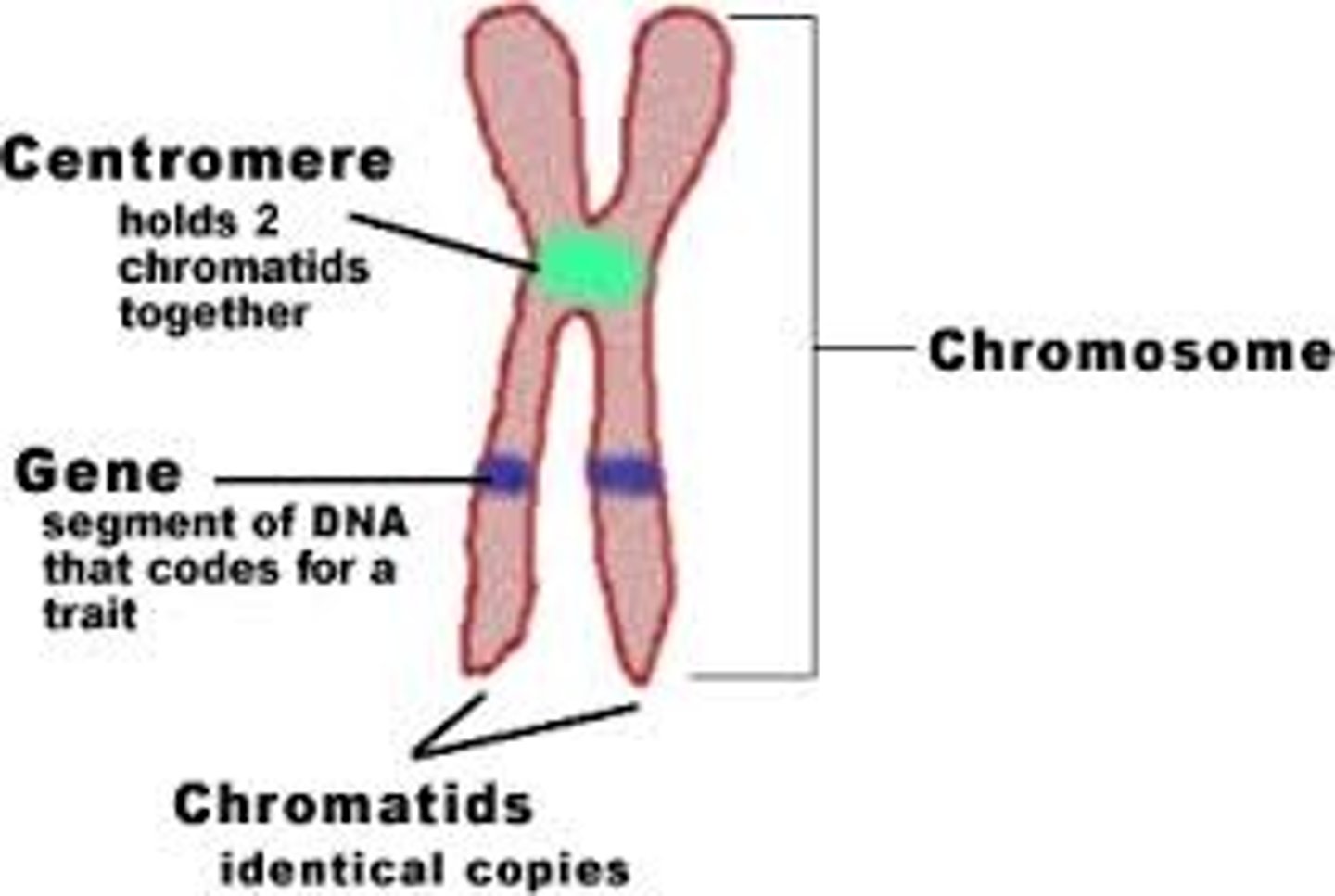
chromosomes
strands of DNA wound around each other within the nucleus ( super coils of chromatin)
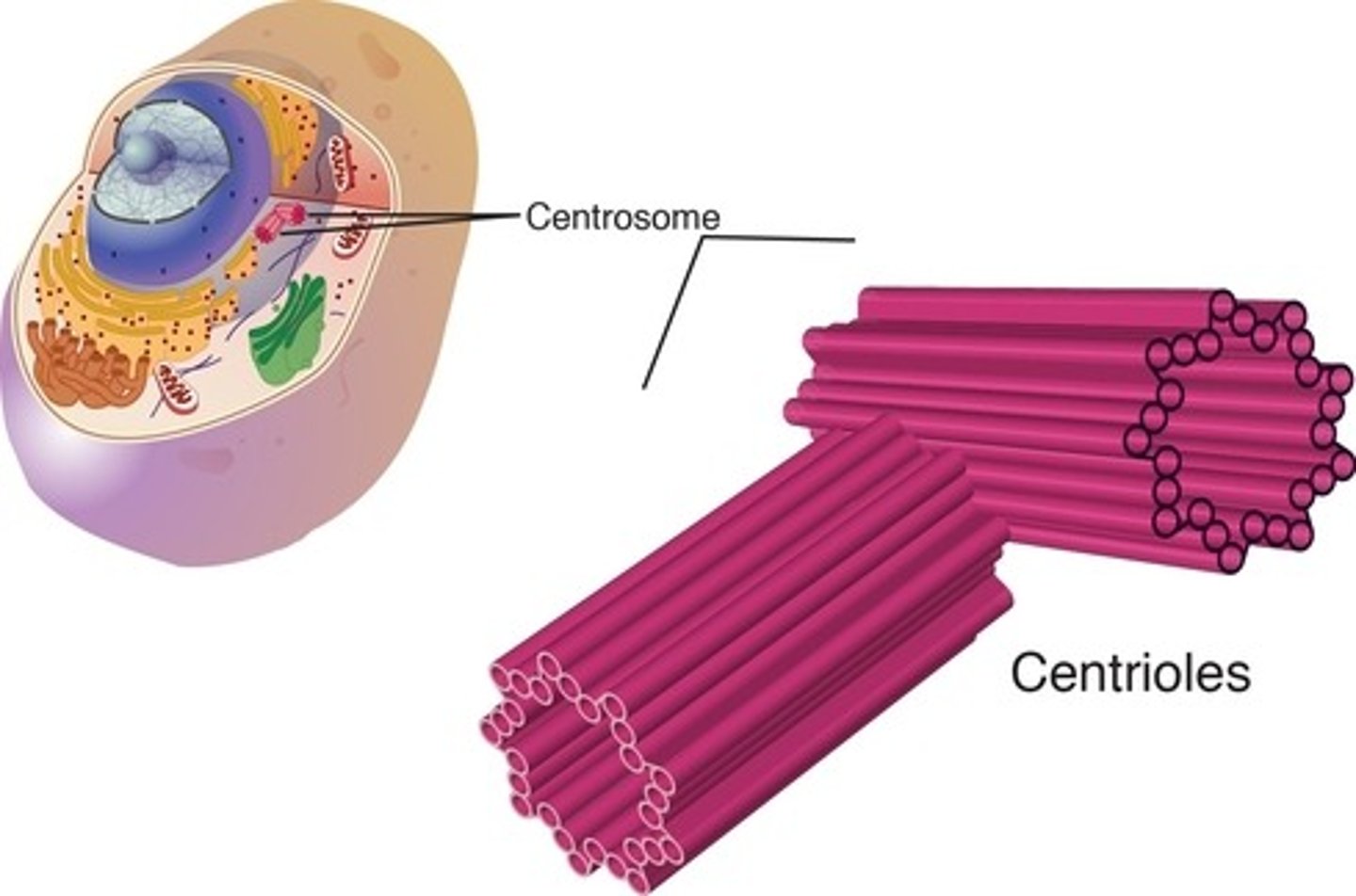
centrioles
Cell organelle that aids in cell division in ( found in animal cells only)
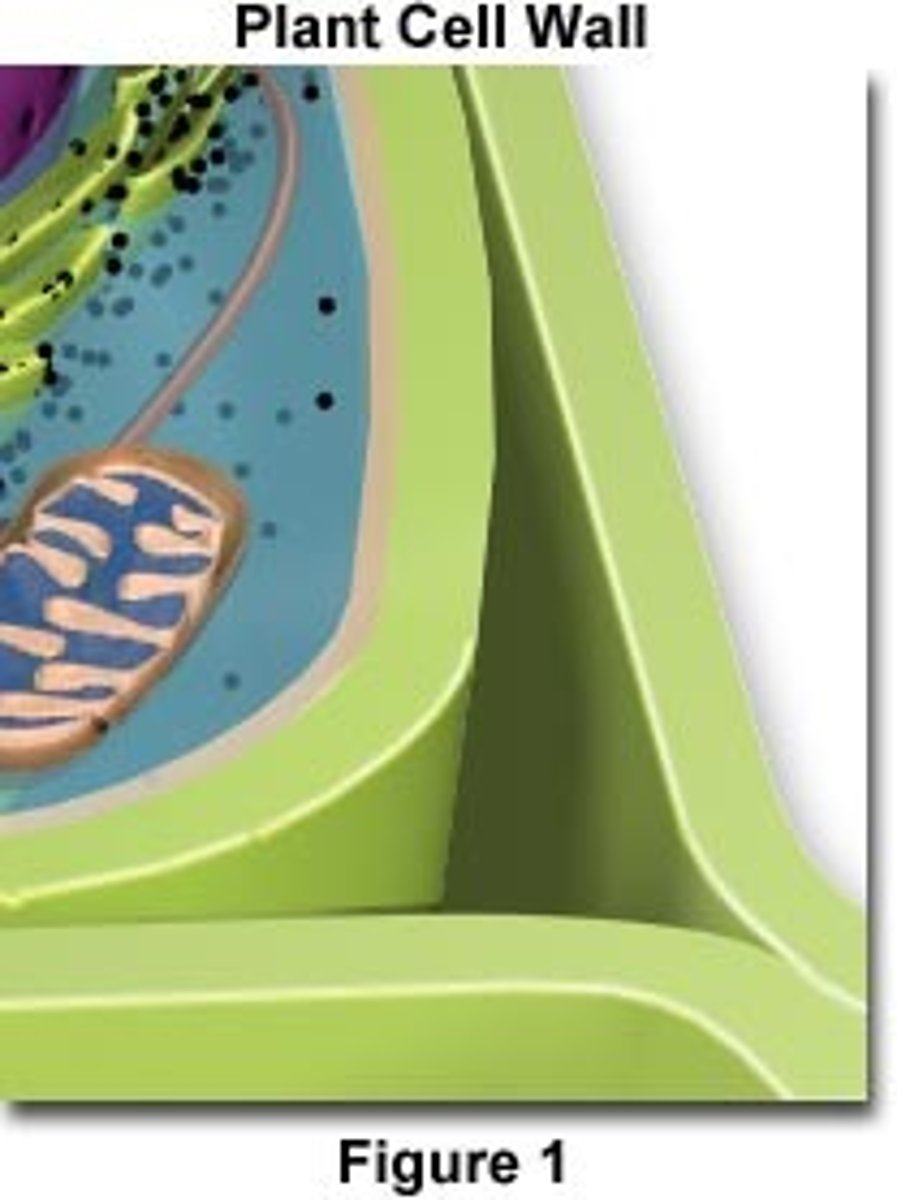
cell wall
A rigid structure that surrounds the cell membrane and provides support to the cell , (NOT found in animal cells)
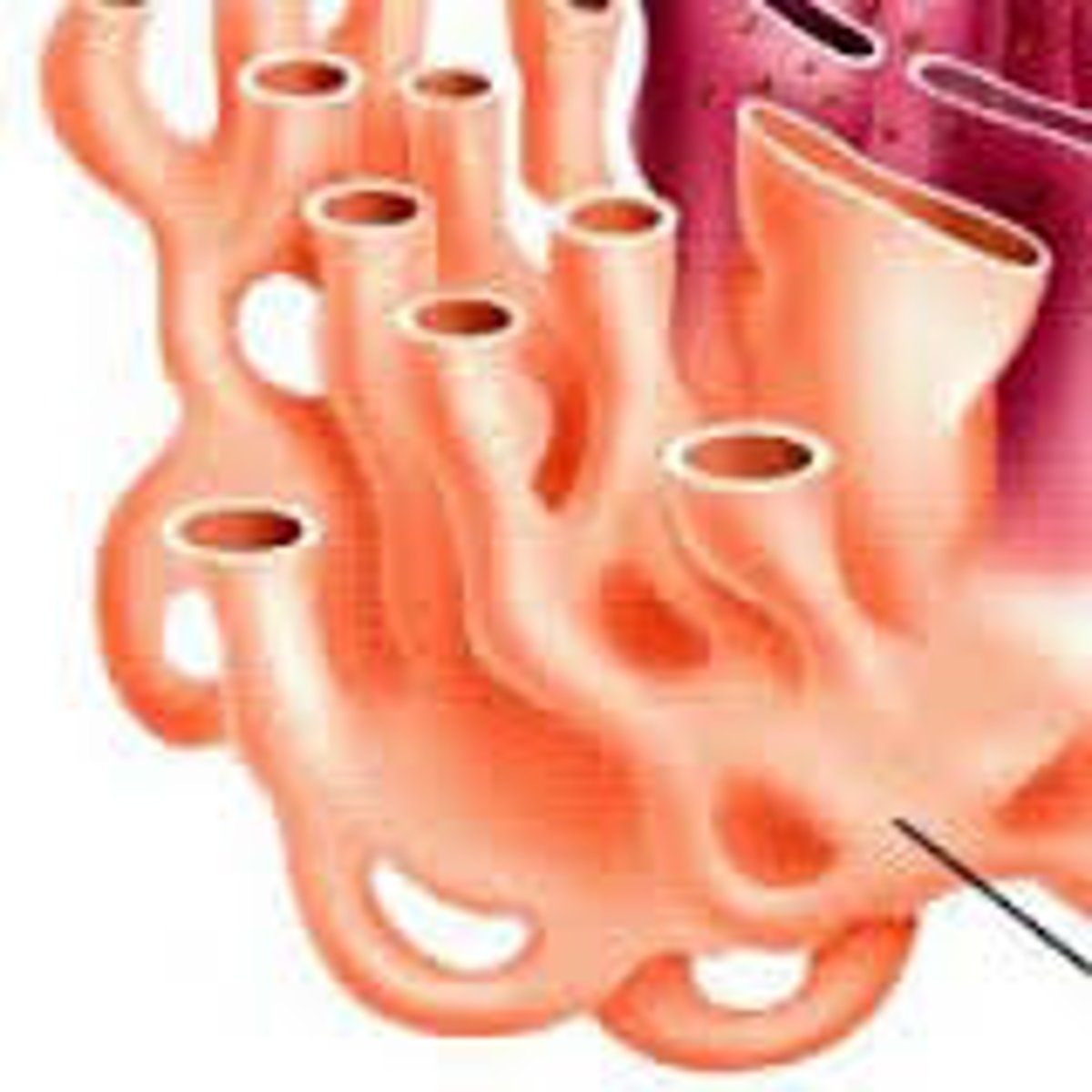
Smooth ER (endoplasmic reticulum)
Is ER that does not have ribosomes attached. It is a major site of lipid synthesis and transport, detoxifies poisons & stores calcium
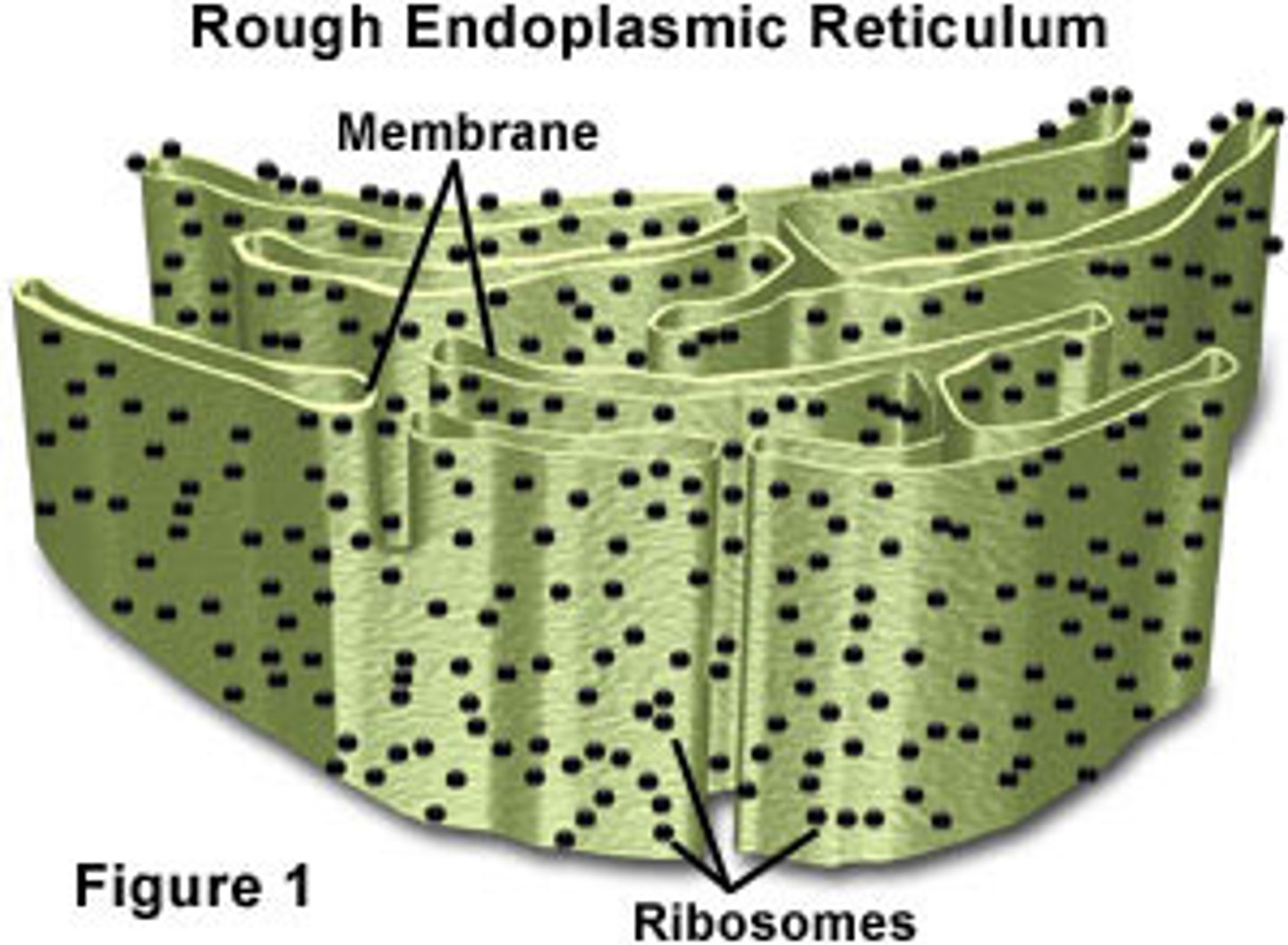
rough ER (endoplasmic reticulum)
portion of the ER involved in the synthesis and transport of proteins, covered with ribosomes
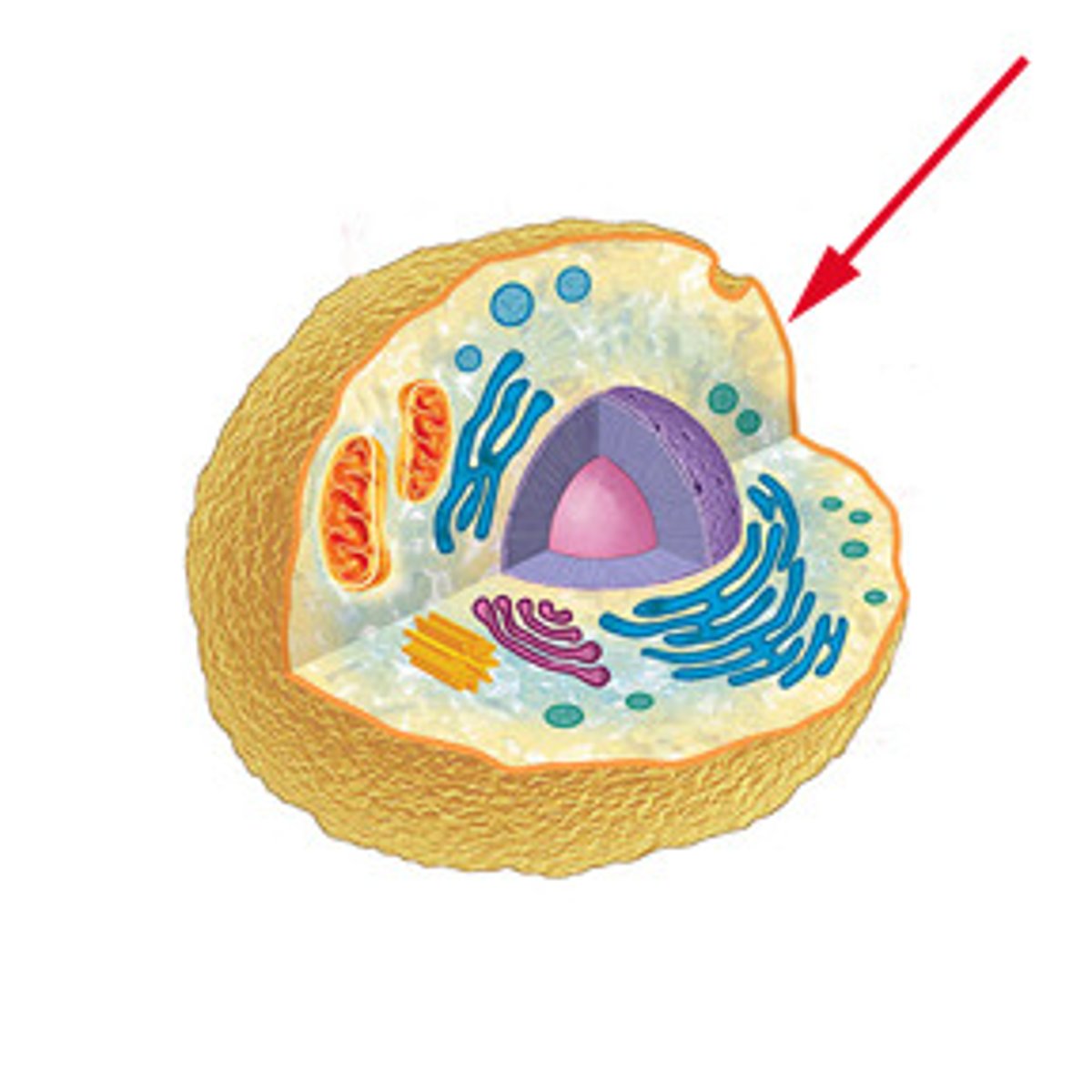
plasma membrane (cell membrane)
a special boundary that helps control what enters and leaves the cell, ( ALL cells have this)
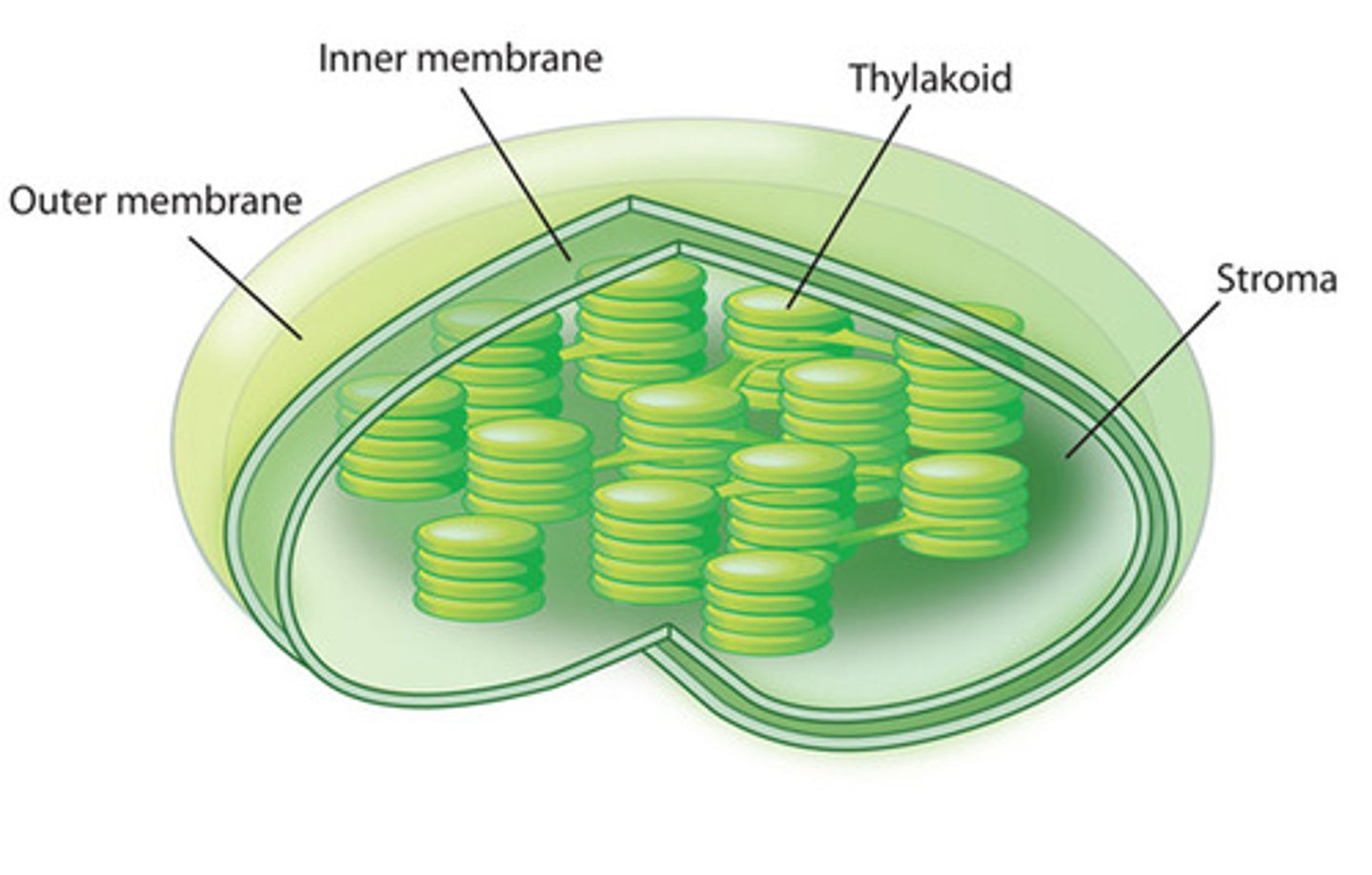
chloroplast
An organelle found in plant and algae cells where photosynthesis occurs, contains chlorophyll pigment (not in animal cells)
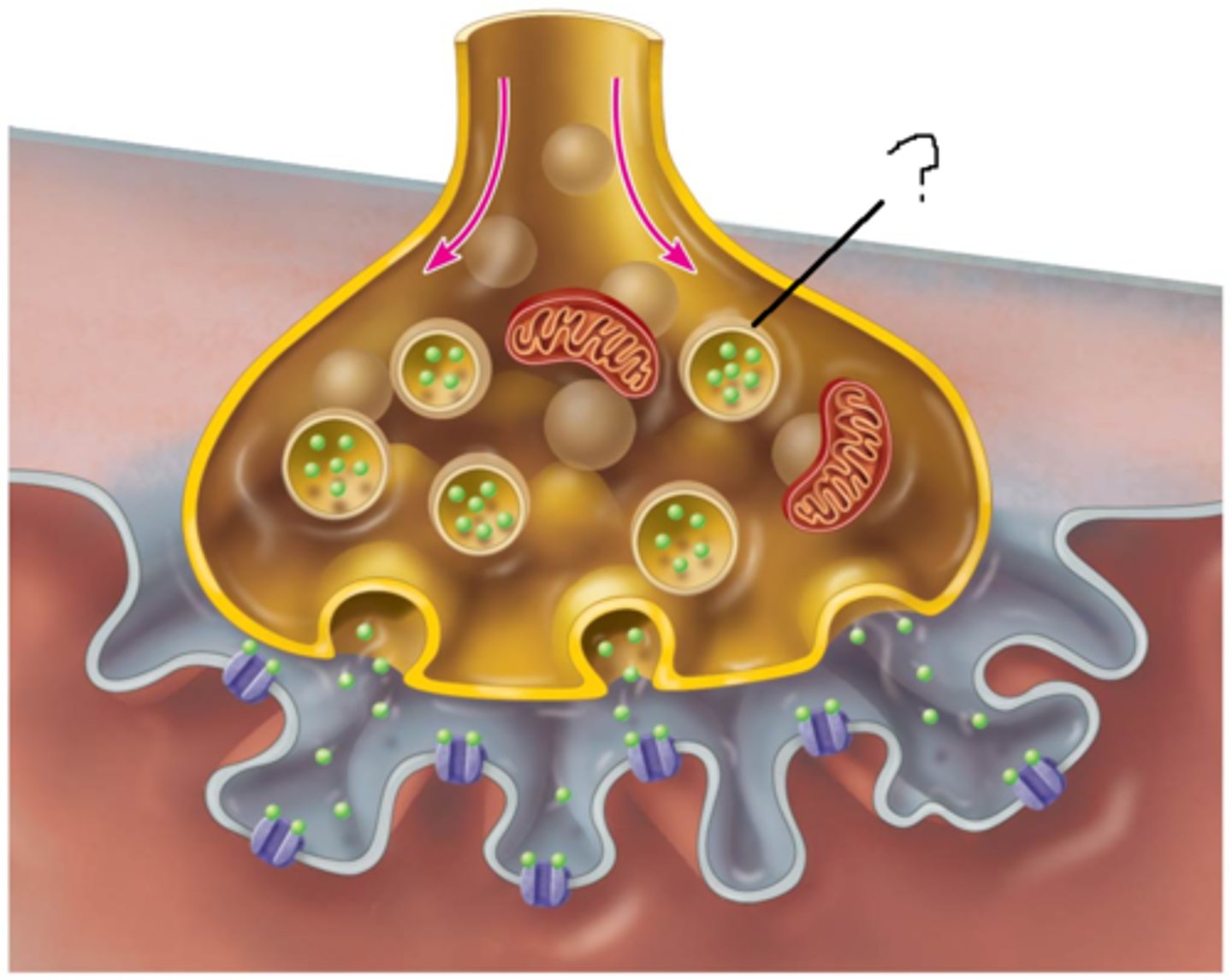
vessicle
A small, membrane-bound sac produced by the Golgi that transports things in and out of cells
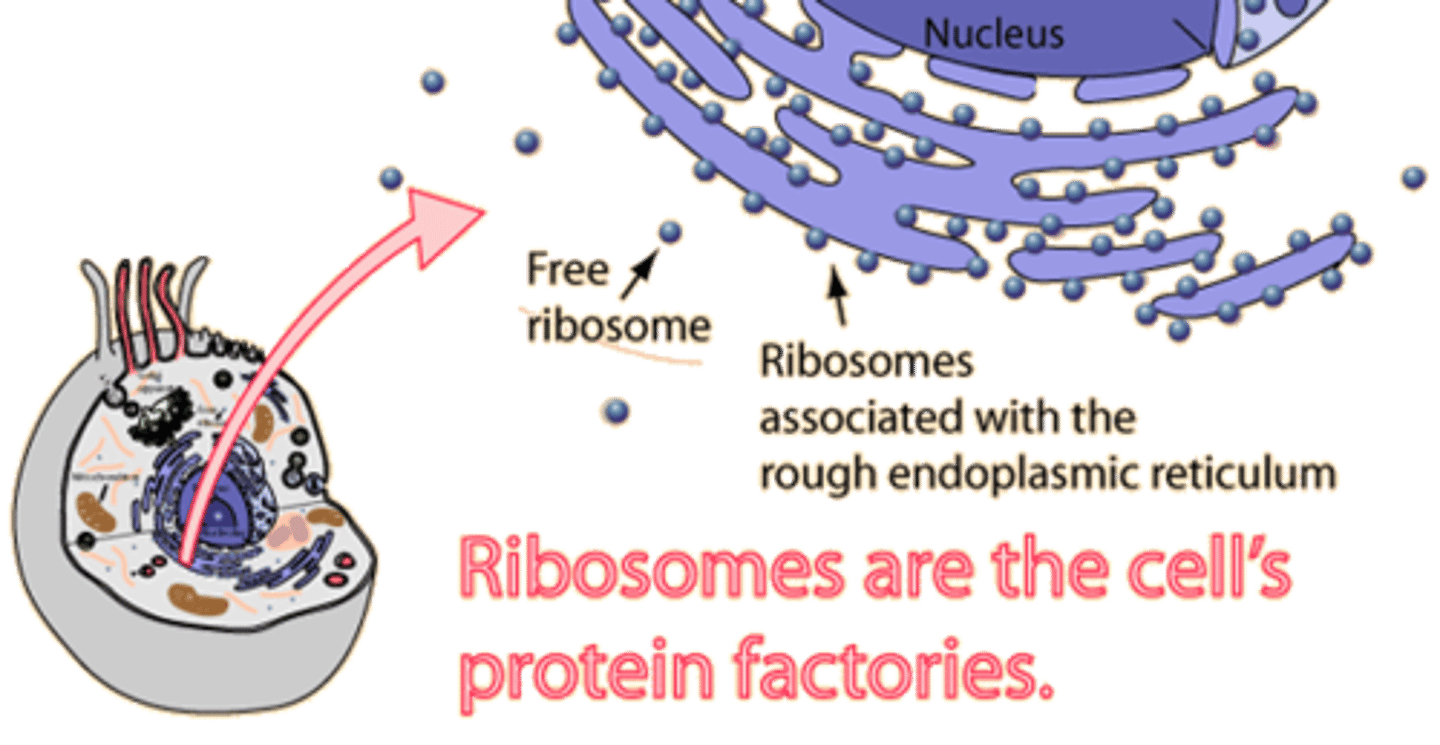
ribosomes
found in all cells, makes proteins (including enzymes) can be "free" or attached to rough ER (ALL CELLS HAVE THESE)
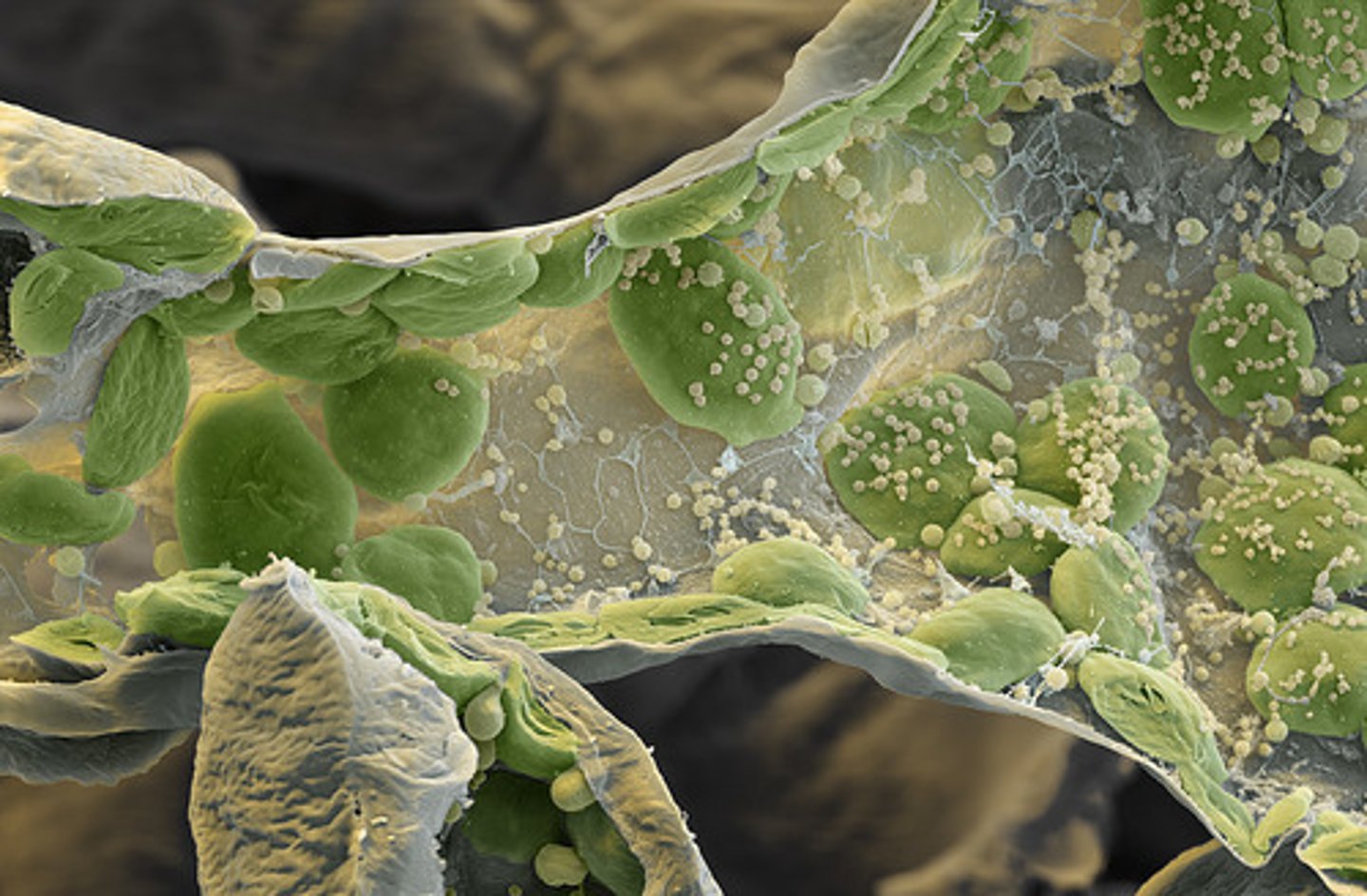
chlorophyll
Green pigment in plants that absorbs light energy used to carry out photosynthesis
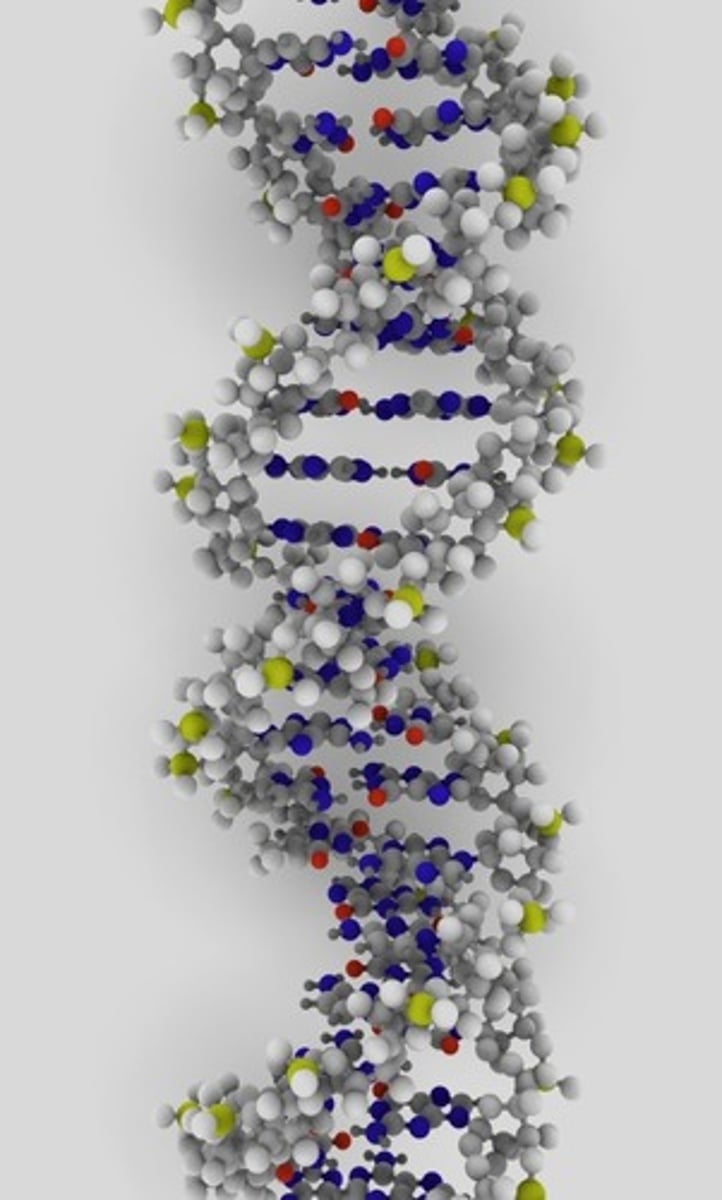
DNA
deoxyribonucleic acid, a self-replicating material present in all living organisms as the main constituent of chromosomes. It is the carrier of genetic information. (can be wound up to make chromatin and chromosomes)
Cellulose
polysaccharide that makes up cell walls in plants
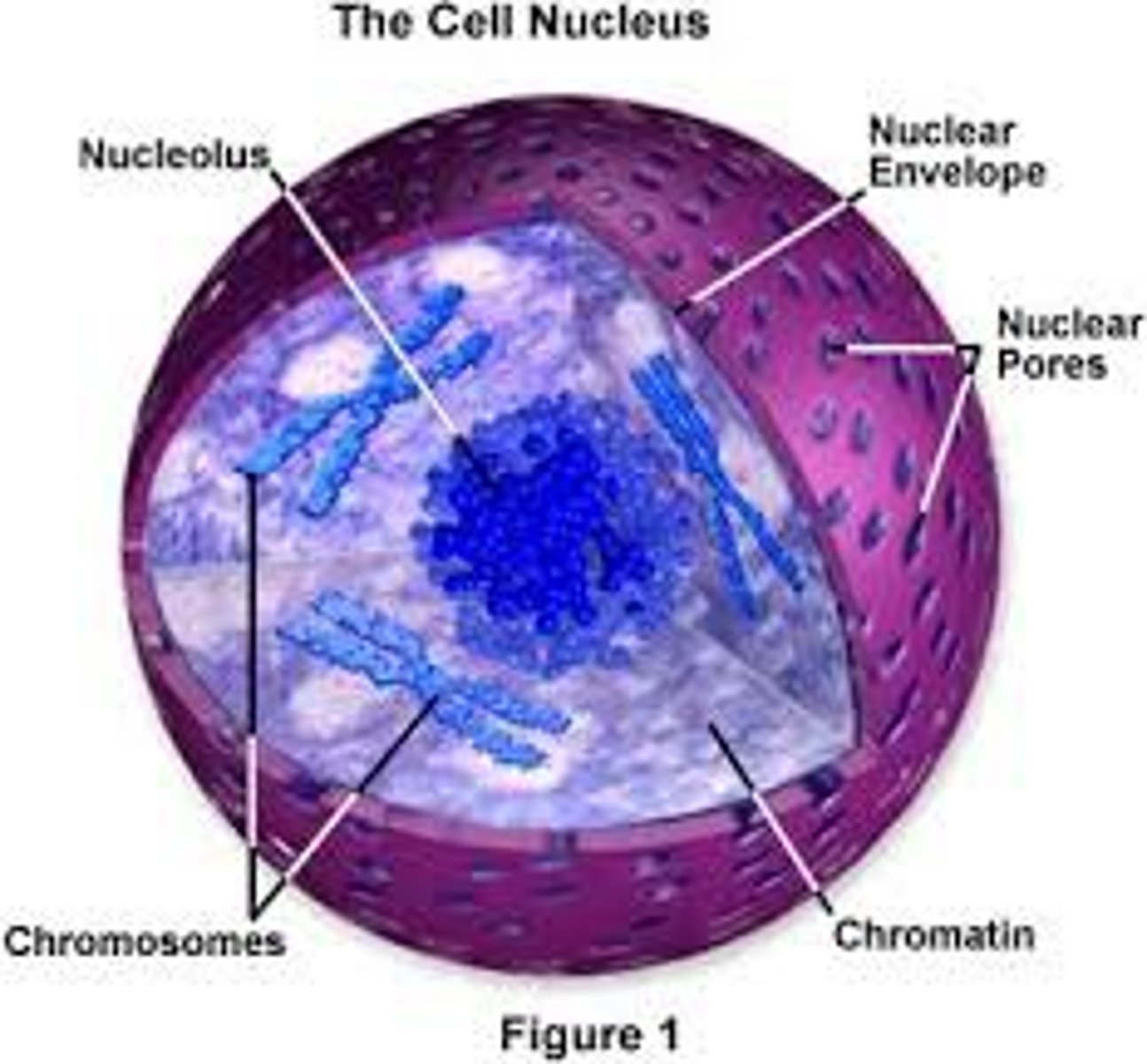
nuclear envelope/membrane
Barrier of the nucleus
Consists of a double membrane
Contains nuclear pores that allow for exchange of material with the rest of the cell
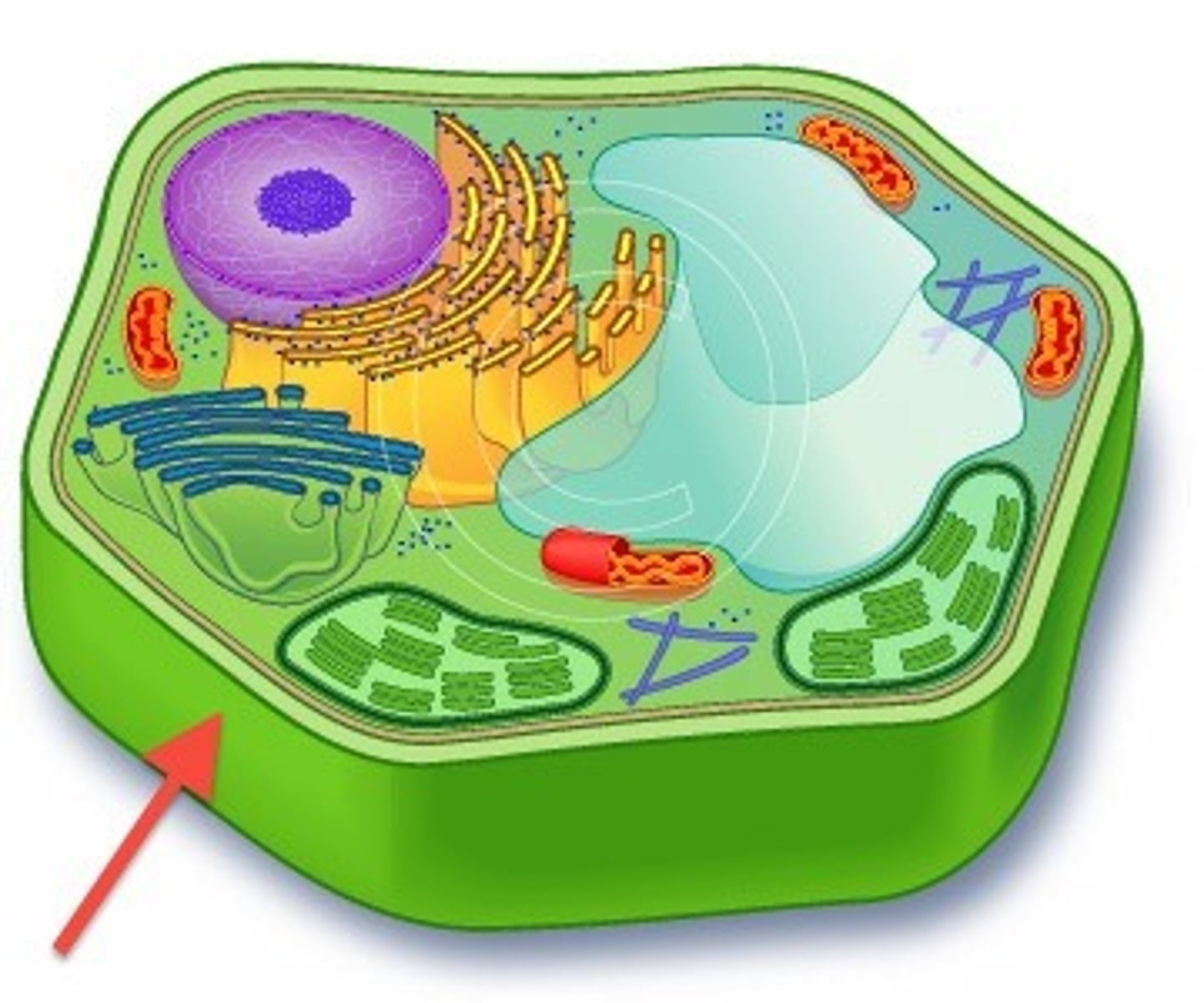
plant cell
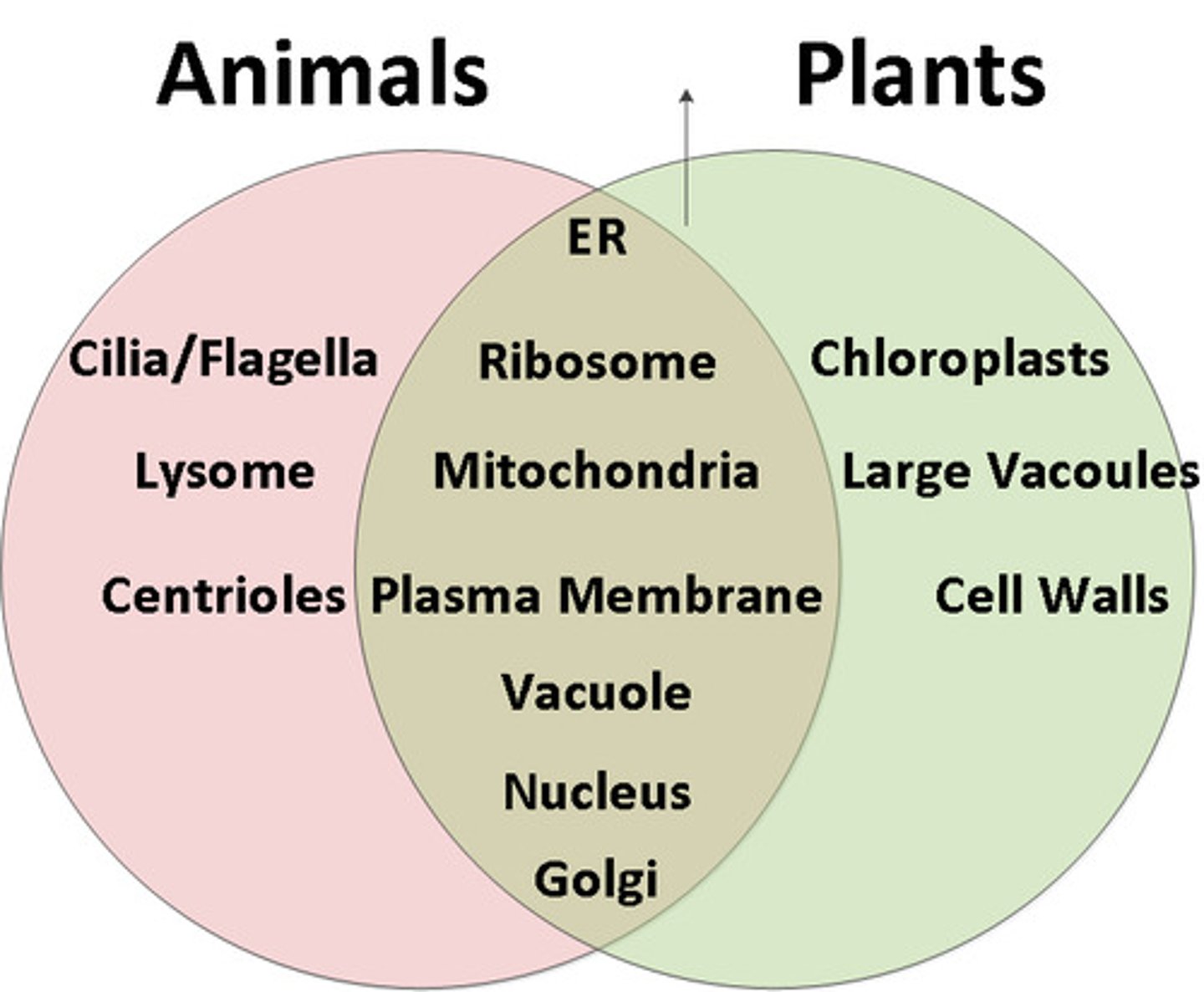
contains a cell wall, chloroplast and large vacuole
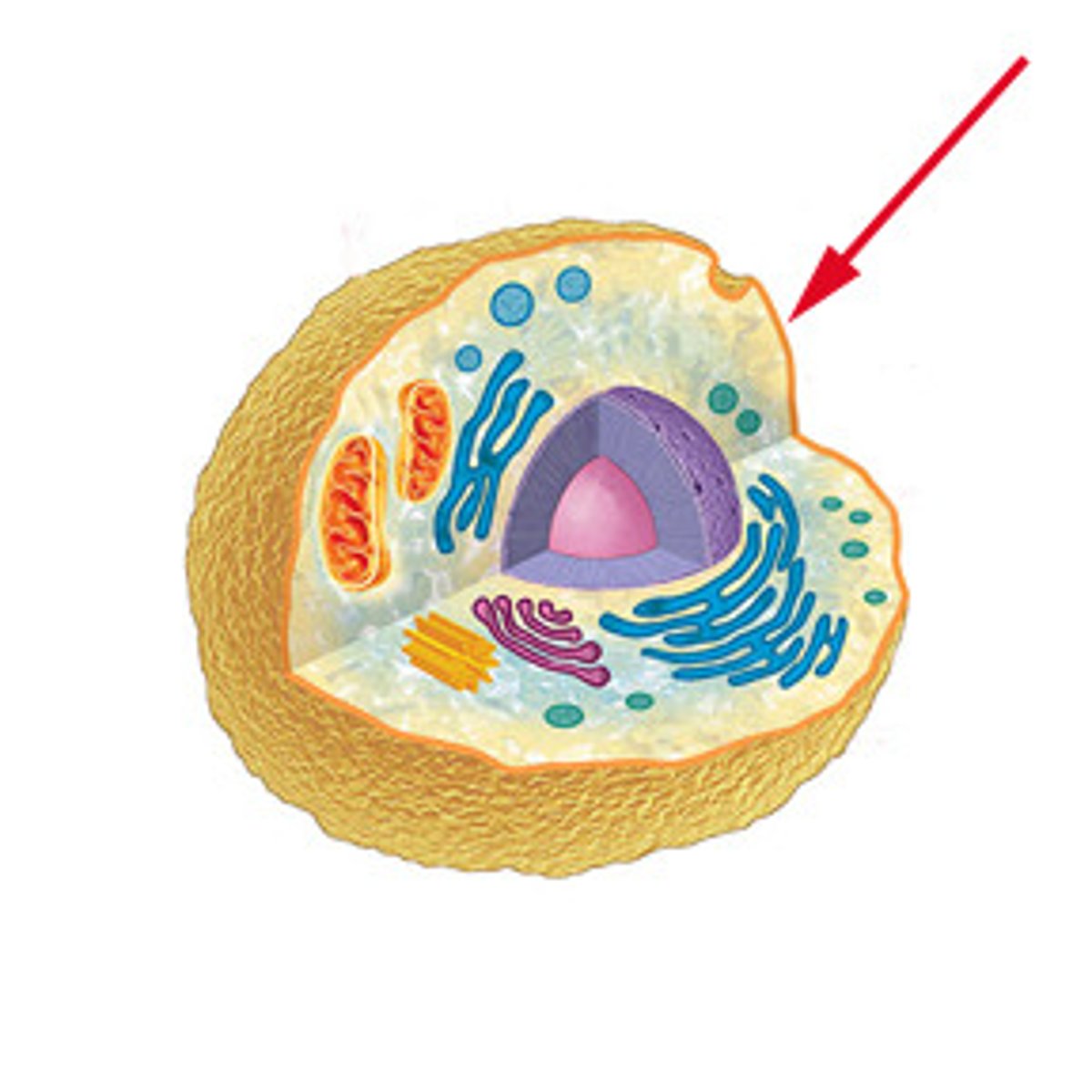
animal cell
contains lysosomes, centrioles, and many small vacuoles, DOES NOT HAVE CELL WALL OR CHLOROPLASTS
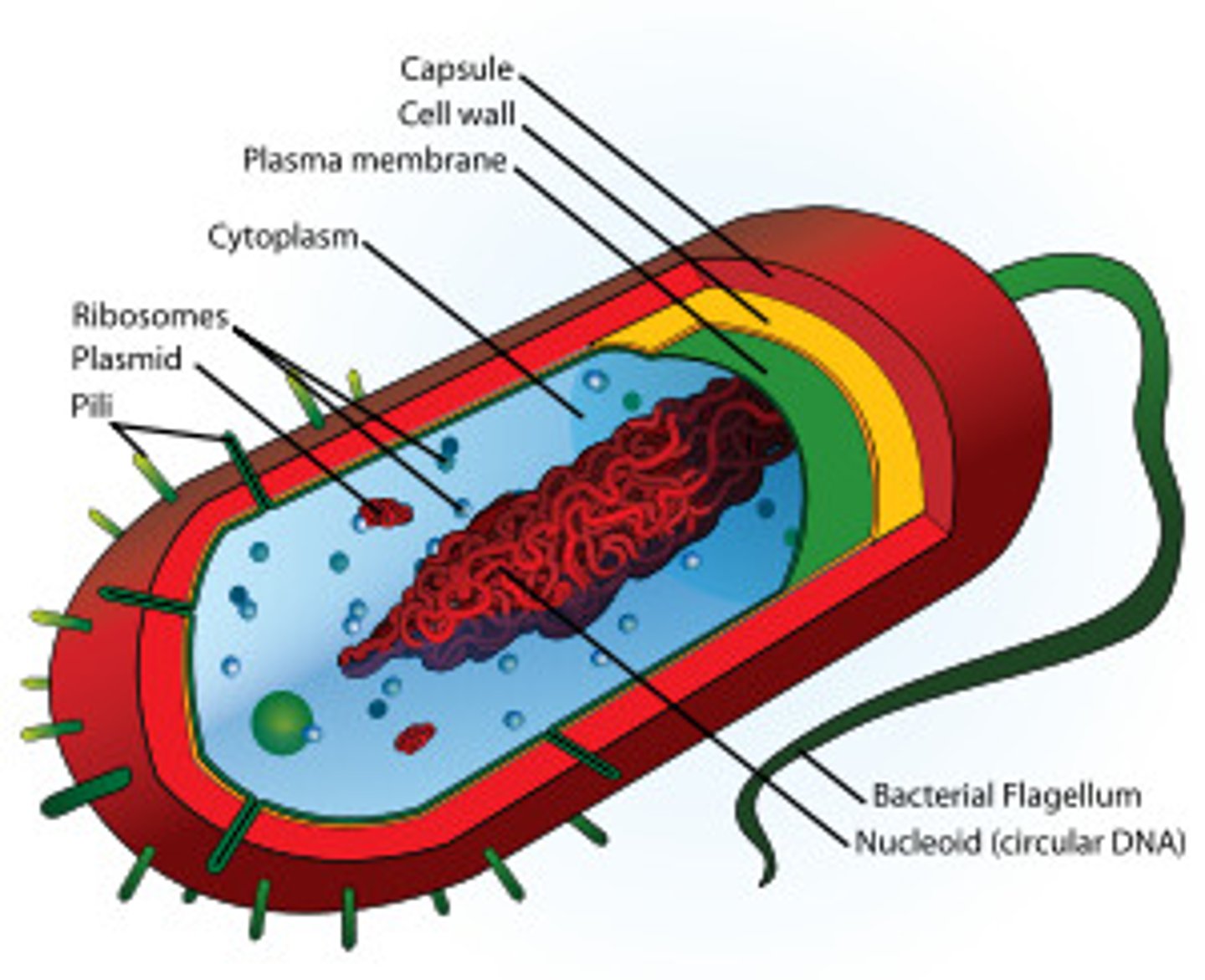
bacteria cell
prokaryotic, contains no nucleus, no membrane bound organelles
plant vs animal cells
Plant - Chloroplast, cell wall, large central vacuole; Animal - lysosomes, centrioles, numerous small vacuoles.