Research Methods
 Call Kai
 Learn
Learn Practice Test
 Spaced Repetition
 Match
Match Flashcards
 Knowt Play
1/69

There's no tags or description
Looks like no tags are added yet.
Name | Mastery | Learn | Test | Matching | Spaced | Call with Kai | Chat |
|---|
No analytics yet
Send a link to your students to track their progress
70 Terms
cultural norms
shared rules for acceptable behavior within a culture; influence how people are expected to think, feel, & behave
confirmation bias
tendency to seek & interpret information that supports existing beliefs
hindsight bias
tendency to believe that outcome was predictable AFTER it has happened
overconfidence
tendency to overestimate the accuracy of knowledge, judgments, or abilities
Case study, Naturalistic observation, Meta-analysis, Correlation, Experiment
Types of research in psychology (5)
case study
type of research that is a detailed investigations of one individual, group, or event
naturalistic observation
type of research that observes & records behavior in its setting
meta-analysis
type of research that combines & analyzes results from multiple studies on same topic to identify overall patterns
correlations
type of research that measures the relationship between variables regarding strength & direction
scatterplot
graph used in correlation to show the relationship between two variables

positive correlation
two variables move in the same direction; as one increases, so does the other

negative correlation
two variables move in opposite directions; as one increases, the other decreases

zero correlation
no consistent relationship between two variables

correlation coefficient (r)
statistical index of the relationship between two variables (from -1.0 to +1.0)
third variable
unmeasured variable that produces changes in both variables being studied
illusory correlations
false perception of a relationship where none exists
correlation ≠ causation
just because two variables seem to be related, does not cause & effect can be established
experiment (experimental methodology)
research method that can determine cause-and-effect by manipulating variables
independent variable (IV)
factor that is deliberately manipulated by the researcher to observe its effects
dependent variable (DV)
factor that is being measured as the result of changed independent variable
confounding variables
uncontrolled variables that may impact the DV by distorting the effects of IV
operational definition
clear, measurable definition of a variable in a study
experimental group
group that receives the treatment being tested
control group
group that does not receive the treatment being tested; used for comparison
random assignment
participants are randomly placed into either experimental or control groups
placebo
inactive substance that looks like the actual treatment
hypothesis
specific, testable prediction regarding the relationship between variables
falsifiable
capable of being proven wrong through evidence
population (target population)
entire group of individuals researchers want to study
sample
participants selected to represent the larger population in the study
representative sample
sample that accurately reflects the characteristics of the larger population, in terms relevant demographics
random sampling
every member of population has equal chance of being selected as a participant
convenience sampling
participants are selected because they are easily available
sampling bias
a flaw that occurs when procedure favors the selection of certain members of population over others
generalizability
extent to which results can be applied to larger population beyond the sample used
single-blind
participants do not know which experimental condition (experimental or control) they are in, but researchers do
double-blind
neither participants nor researchers knows which condition participants are in
experimenter bias
researcher's expectations unintentionally influence participants' behavior or interpretation of data
social desirability bias
participants respond in ways they believe are more acceptable to others, rather than responding honestly
qualitative measures
descriptive, non-numerical data that focus on thoughts & feelings
structured interview
same predetermined questions asked in same order so that responses can be compared
quantitative measures
numerical data that can be measured and analyzed statistically
Likert Scale
rating scale used to measure opinions by indicating the level of agreement with a statement (1 = strongly disagree to 5 = strongly agree)
surveys
technique that uses questionnaires or interviews to collect self-reported data from a large group
self-report bias
tendency for people to provide inaccurate or distorted information about oneself
peer review
process in which other experts evaluate the study's methods, data, analyses & conclusion before publication
replication
study is conducted again, following same methodology, to verify original findings
mean
arithmetic average of a distribution
median
middle score in a distribution; half the scores are above it and half are below it
mode
most frequently occurring score in a distribution
range
difference between the highest and lowest scores in a distribution
standard deviation
measure of variability, or how scores typically vary from the mean
percentile rank
percentage of scores at or below a particular score
normal curve
symmetrical, bell-shaped distribution of scores; most scores cluster around mean & frequencies of scores decrease as they move away from mean
68-95-99.7 rule
in a normal distribution, the percentage of scores that fall within each standard deviation
skewed distribution
asymmetrical distribution with a longer tail on one side
bimodal distribution
distribution that contains two distinct peaks suggesting that data may come from two different subgroups
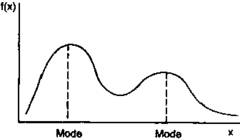
regression toward the mean
tendency for extreme scores to be followed by scores closer to the average when measured again
effect size
measures the magnitude of a difference or relationship (between variables or groups)
statistical significance
indicates the likelihood that the result is not due to chance alone
null hypothesis (H0)
statement of "no statistical difference" between the variables being studied
institutional review, informed consent/assent, protection from harm, confidentiality/anonymity, debriefing
ethical considerations
institutional review
process of examining & overseeing studies for ethical treatment of participants
informed consent
voluntary agreement to participate in research after receiving information about it
informed assent
agreement to participate from individuals who cannot legally provide informed consent like minors
protection from harm
expectation that participants should not be put through anything that would cause physical or psychological damage
confidentiality
practice of keeping personal data gathered from research private & secure
deception
intentionally misleading or withholding information about the study from participants
research confederates
individuals working with researchers who pretend to be ordinary participants or bystanders
debriefing
informing participants the true purpose of research and of any deception used, after completion