Fish Skull
 Call Kai
 Learn
Learn Practice Test
 Spaced Repetition
 Match
Match Flashcards
 Knowt Play
1/38

Earn XP
Description and Tags
plus anatomical directions
Name | Mastery | Learn | Test | Matching | Spaced | Call with Kai | Chat |
|---|
No analytics yet
Send a link to your students to track their progress
39 Terms

Lateral

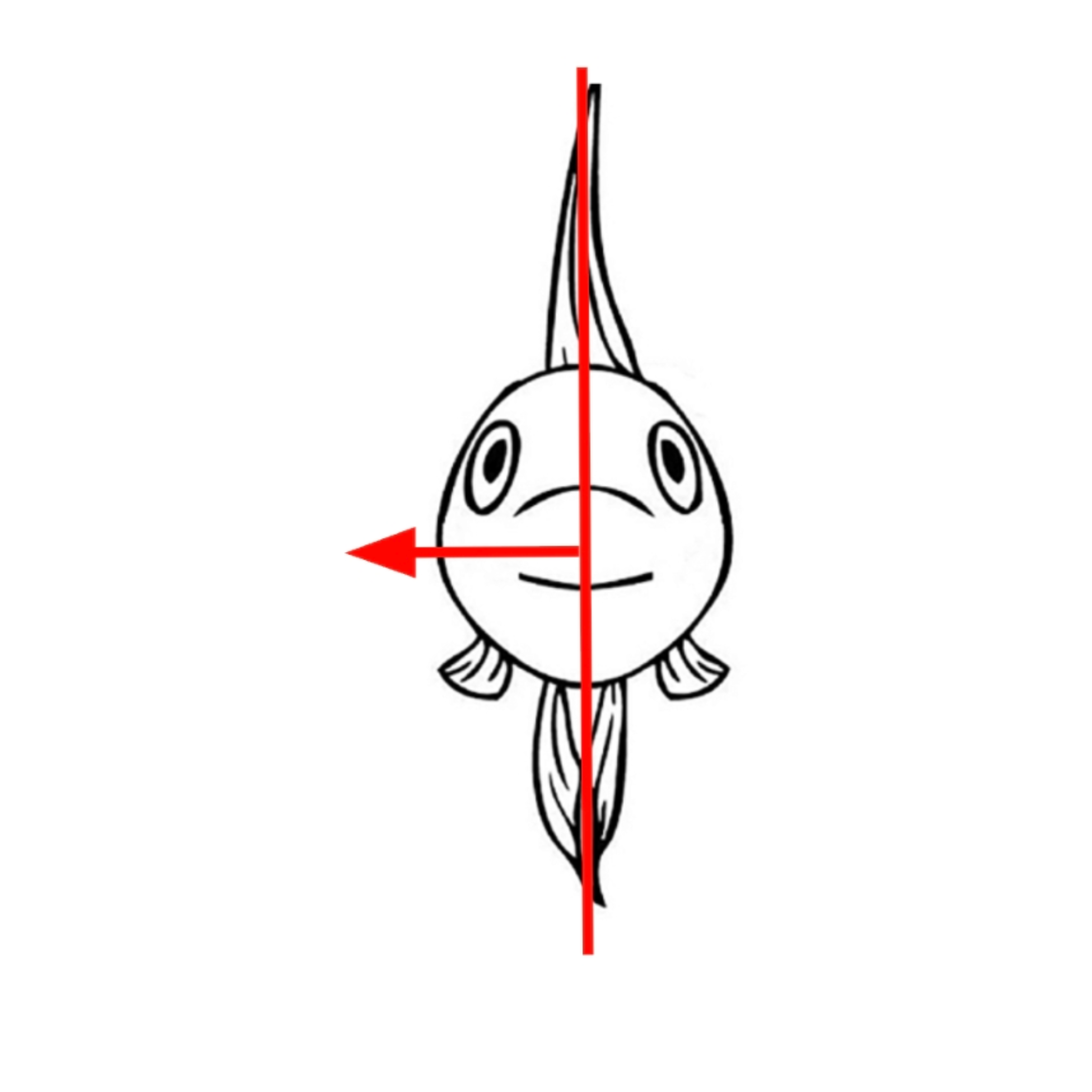
Medial


proximal


Anterior/rostral


dorsal


posterior/caudal


distal


ventral

Chondrocranium
bone derived from embryonic cartilage
Dermatocranium
bone that evolved from scales and dermal armor
Branchiocranium
includes jaws and respiratory apparatus
contains cartilage and dermal derived bones
Ethmoid
ethmoid region
antermost skull bone
Vomer
ethmoid region
can be dentigerous (toothbearing)
Frontals
orbital region
paired, largest bone on the skull
Circumorbitals
orbital region
large bones surrounding the eye in early diverging bony fishes
Sclerotic
orbital region
these bones/cartilages are found in fishes and non-fish vertebrates
Epiotics
otic region
one of the attachment sites for the posttemporal bone, creates the head joint
Intercalars
otic region
the other attachment site for the posttemporal bone, creates the head joint
-iotics
enclose semicircular canals
Exoccipital
basicranial region
surrounds foramen magnum
Basioccipital
basicranial region
connects to first vertebra
Supraoccipital
basicranial region
often has medial crest
Parasphenoid
basicranial region
bar-shaped, occurs between eyes
Premaxilla (pmx)
branchiocranium: mandibular arch
tooth-bearing, L-shaped in species with upper jaw protrusion
Maxillae (mx)
branchiocranium: mandibular arch
moves independently of premaxilla in most modern fishes
Dentary (d)
branchiocranium: mandibular arch
tooth-bearing
Angular-articular (ang-ar)
branchiocranium: mandibular arch
inserts into the back of the dentary, rotates around the quadrate at lower jaw base
Retroarticular (rar)
branchiocranium: mandibular arch
at the posterior corner of the lower jaw, fused with articular in many bony fishes
Hyomandibula (h)
spensorium
connects to skull
Quadrate (q)
spensorium
fan-shaped bone, connects to lower jaw
Palatines (pal)
palatine arch
sometimes tooth bearing, inserts onto dorsal head of maxilla
Opercle (op)
opercular apparatus
largest opercule element
Subopercle (sop)
opercular apparatus
most posterior element
Preopercle (pop)
opercular apparatus
anterior, lies on top of other elements
Interopercle (iop)
opercular apparatus
most ventral element
Hyoid Complex
sits medial to jaws and operculum
Branchiostegal rays
hyoid complex
riblike in appearance and function in respiration
Hyoid Depression
Involved in feeding, expands to create a vacuum
Branchial Complex
involved in respiration and feeding, contains gill arched and rakers