🟢 29 - Salmonella, Campylobacter, C. difficile & Viral Gastroenteritis: Pathogens and Prevention L.29
 Call Kai
 Learn
Learn Practice Test
 Spaced Repetition
 Match
Match Flashcards
 Knowt Play
1/44

There's no tags or description
Looks like no tags are added yet.
Name | Mastery | Learn | Test | Matching | Spaced | Call with Kai | Chat |
|---|
No analytics yet
Send a link to your students to track their progress
45 Terms
What is the causative agent of Salmonella gastroenteritis?
Numerous serotypes of Salmonella enterica.
How many cases of Salmonella gastroenteritis occur annually in the USA?
Approximately 1.2 million cases.
What is the typical incubation time for Salmonella gastroenteritis?
6 hours to 3 days.
What are common symptoms of Salmonella gastroenteritis?
Diarrhea (sometimes bloody), abdominal cramps, nausea, vomiting, headache, and fever.
What is the typical severity and duration of Salmonella gastroenteritis?
Usually short-lived and mild, varying with strain virulence and cell quantity ingested.
What type of bacteria are Salmonella?
Motile Gram-negative rods and members of the Enterobacteriaceae family.
How many serotypes of Salmonella are there?
More than 2,400 serotypes.
What distinguishes the serotype of a Salmonella strain?
Differences in somatic (O), flagellar (H), and capsular (K) antigens.
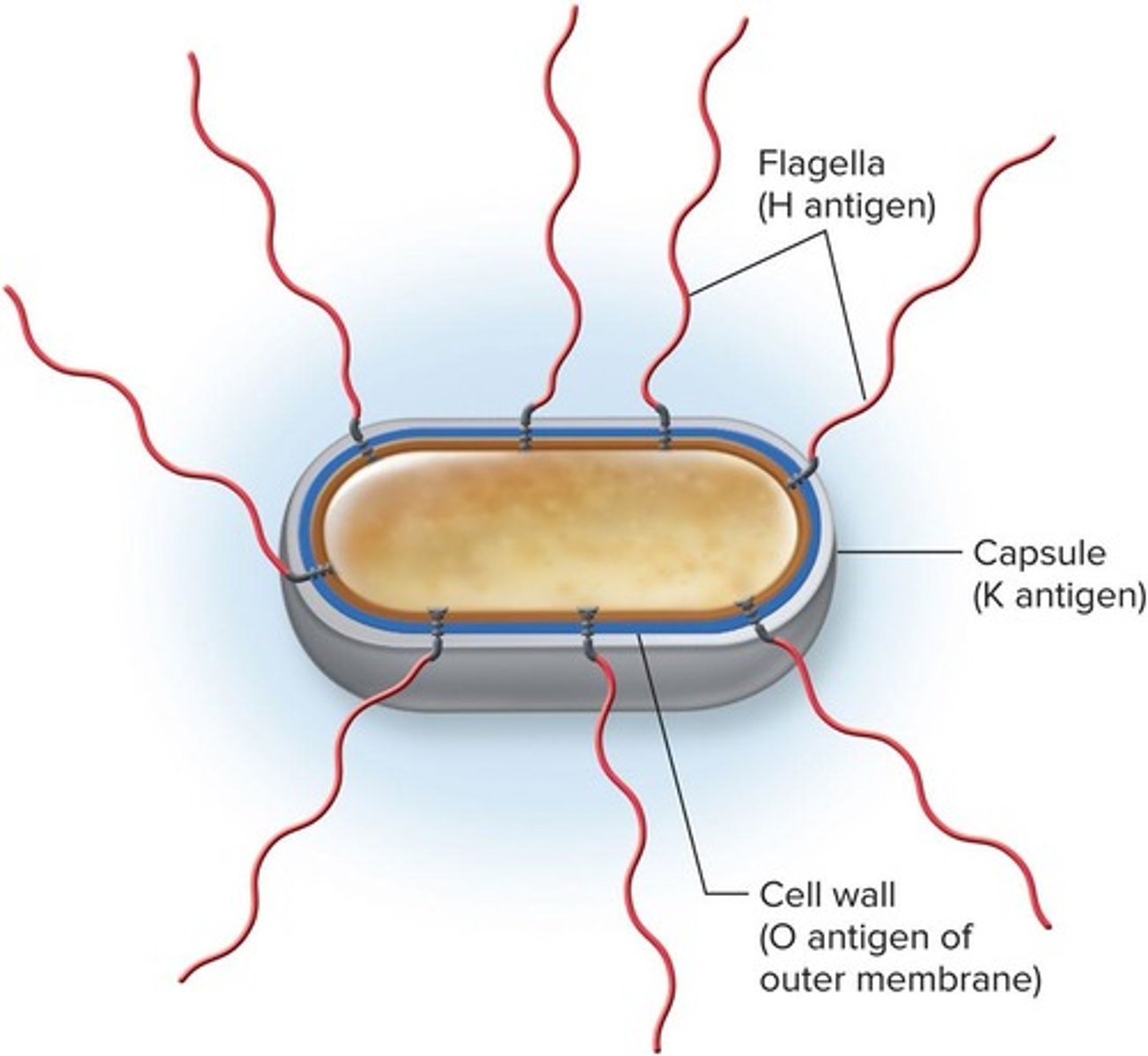
Which two species of Salmonella are significant in humans?
Salmonella enterica and Salmonella bongori.
What is the common name for Salmonella enterica serotype Dublin?
Salmonella Dublin.
What is the infectious process of Salmonella in the intestine?
Bacteria attach to intestinal epithelial cells, activating a type III secretion system.
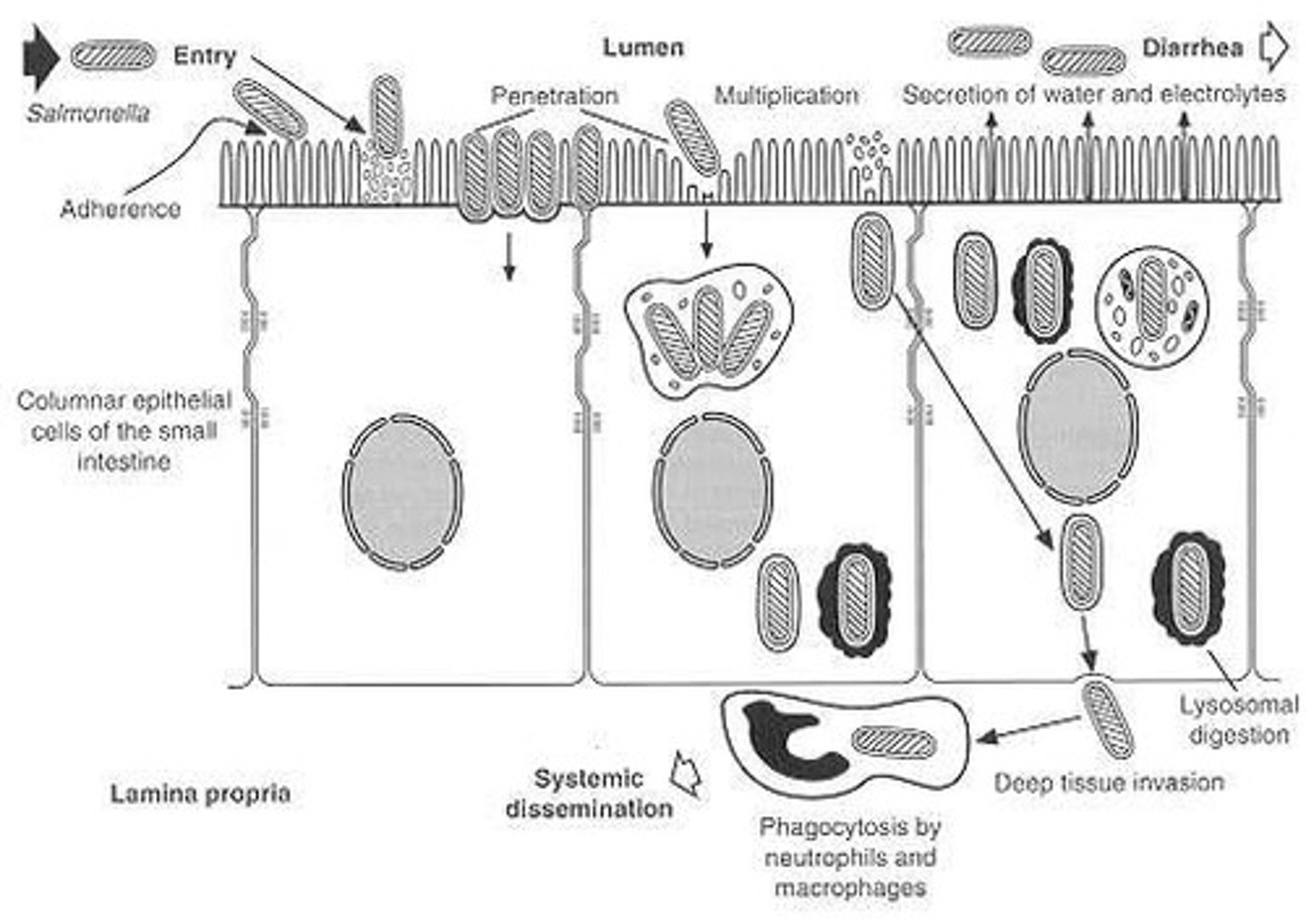
What happens to Salmonella bacteria after they enter epithelial cells?
They multiply within phagosomes and can escape to multiply in the cytoplasm.
How is Salmonella gastroenteritis primarily transmitted?
By ingestion of food contaminated by animal feces, especially from poultry.
What role do pets play in the transmission of Salmonella?
Children can be infected by colonized but healthy pets that shed bacteria in feces.
What is the recommended treatment for most cases of Salmonella gastroenteritis?
Most recover without antimicrobial treatment.
What is the significance of antimicrobial-resistant strains of Salmonella?
They can pose significant treatment challenges.
What preventive measures can reduce the risk of Salmonella infection?
Adequate cooking and proper handling of food.
Who was Typhoid Mary?
Mary Mallon, responsible for at least 53 cases of typhoid fever while working as a cook.
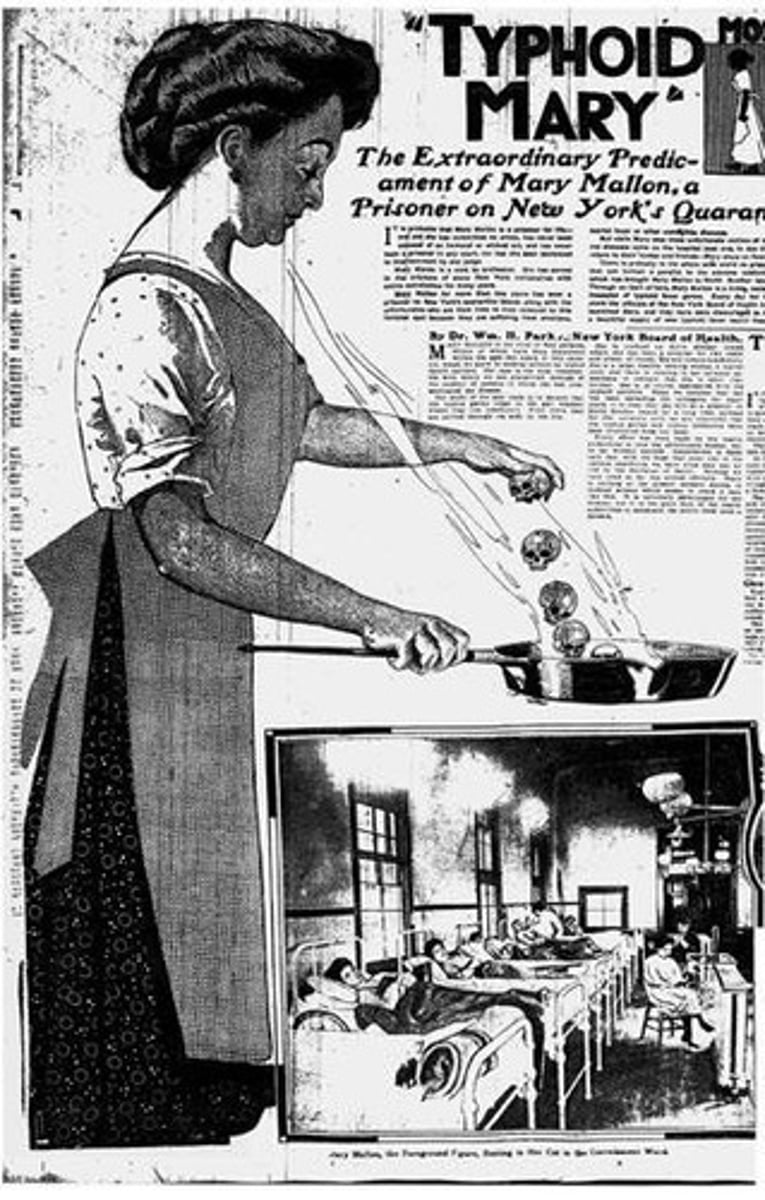
What is the infectious agent of typhoid fever?
Salmonella Typhi.
What is Campylobacteriosis and its common source?
An infection caused by Campylobacter jejuni, commonly sourced from poultry.
What is the infectious dose of Campylobacter jejuni?
As low as 500 organisms.
What is Clostridioides difficile infection (CDI)?
An infection caused by an endospore-forming, Gram-positive bacillus that can lead to severe diarrhea.
What are the potential severe outcomes of C. difficile infection?
Ranges from mild diarrhea to fulminant colitis and death.
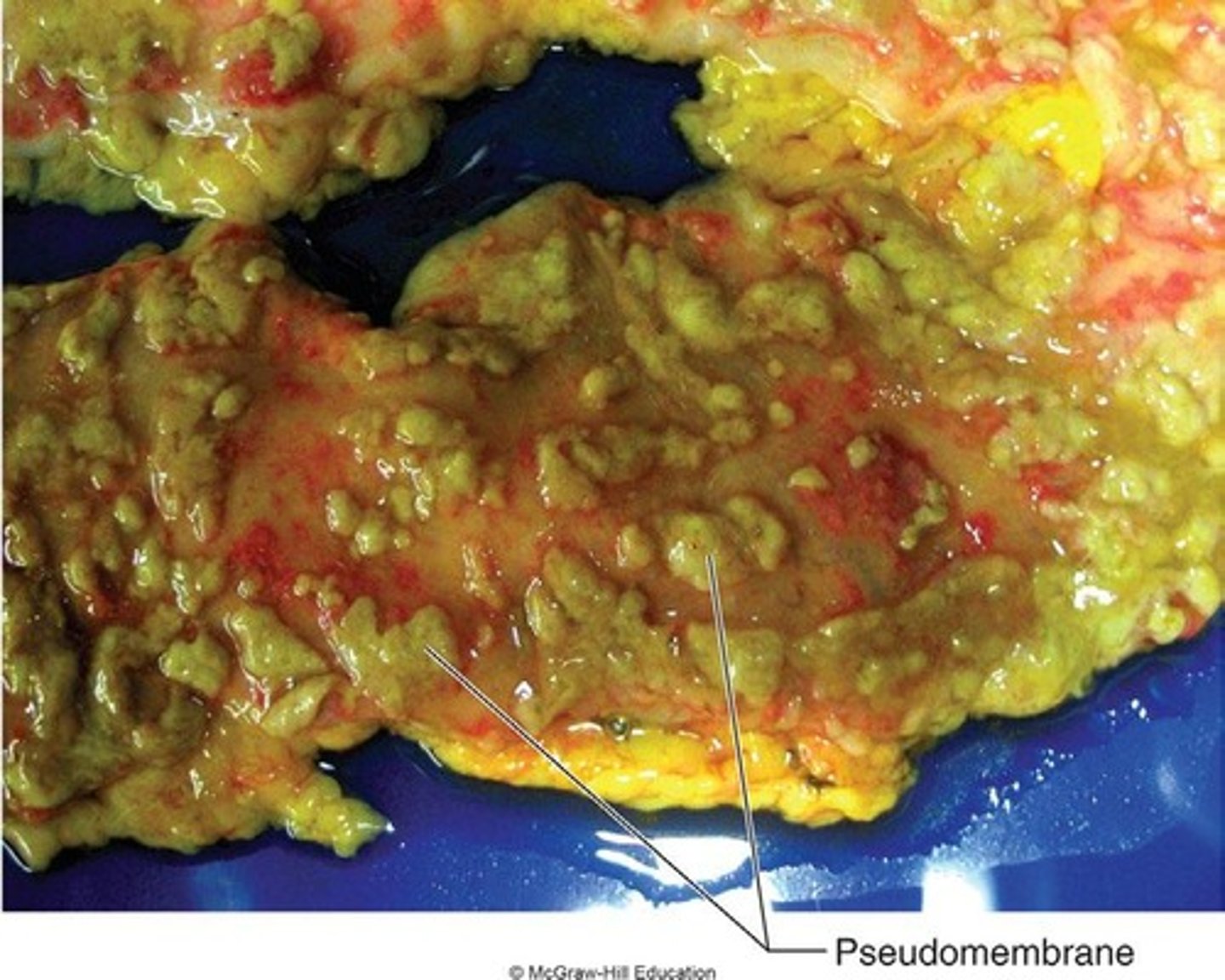
What is a characteristic feature of severe C. difficile infection?
The presence of pseudomembranes on the colon.
What is the primary risk factor for the development of C. difficile infection (CDI)?
Antimicrobial/antibiotic use, which disrupts normal bowel flora and promotes C. difficile overgrowth.
What are the two important toxins produced by C. difficile?
Toxin A and Toxin B.
What is the recommended treatment for CDI?
Stop the use of antibiotics; if needed, use alternatives like Vancomycin or metronidazole.
What is Fidamoxin and its significance in treating CDI?
Fidamoxin is a narrow-spectrum antibiotic approved in 2011 that has less effect on normal intestinal microbiota.
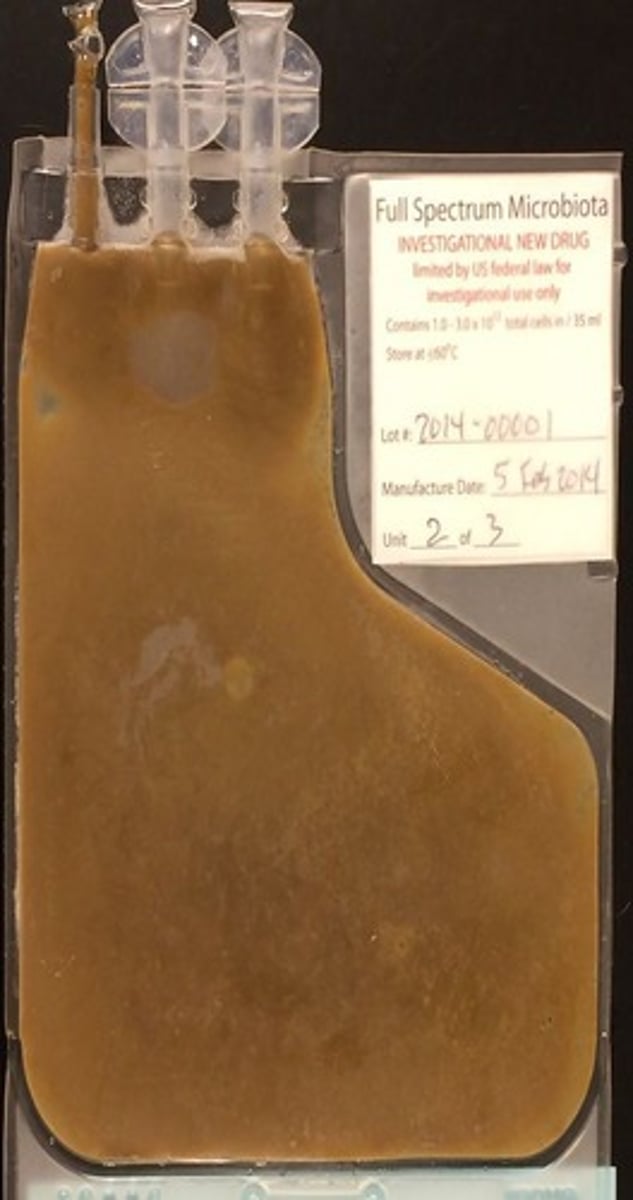
What is fecal microbiota transplant (FMT)?
A promising treatment for CDI involving the transfer of fecal matter from a healthy donor.
What age groups are affected by viral infections of the lower digestive system?
All age groups.
What virus causes most cases of viral gastroenteritis in infants and children?
Rotavirus.
What were the statistics for rotavirus infections in the USA before the vaccine was available?
Half a million emergency room visits and over 55,000 hospitalizations each year.
What are the symptoms of rotavirus gastroenteritis?
Abrupt onset of vomiting, slight fever, and profuse watery diarrhea.
What is the incubation period for rotavirus infection?
24-48 hours.
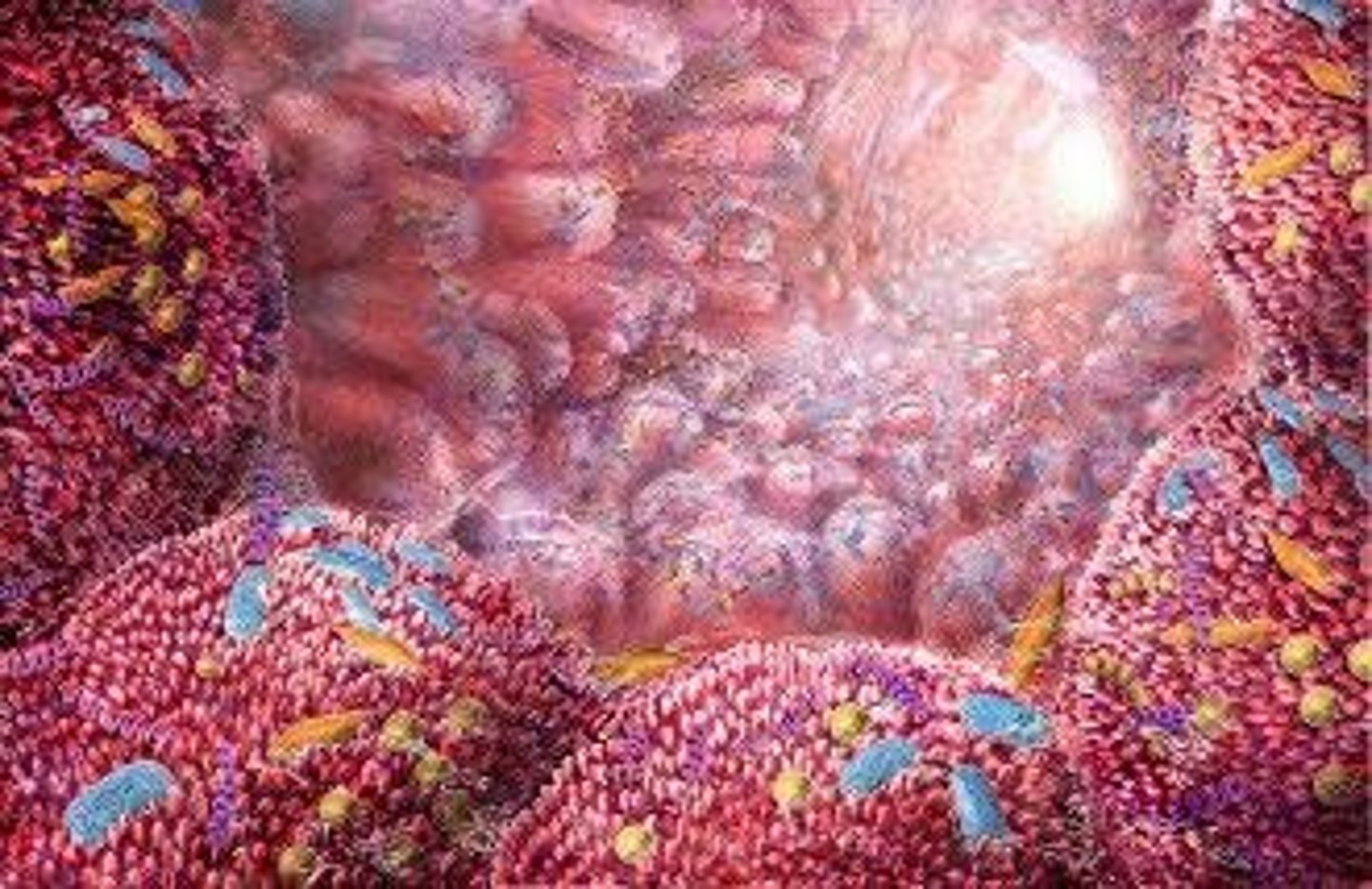
How do rotaviruses affect the small intestine?
They infect epithelial cells, causing cell death and decreased production of digestive enzymes.
How are rotaviruses primarily transmitted?
By the fecal-oral route.
What preventive measures can limit the spread of rotaviruses?
Hand washing, disinfectant use, and other sanitary measures.
What vaccines are available for rotavirus and when are they administered?
RV5 is given in three doses at 2, 4, and 6 months; RV1 is given in two doses at 2 and 4 months.
What is the most common cause of viral gastroenteritis in the USA?
Noroviruses.
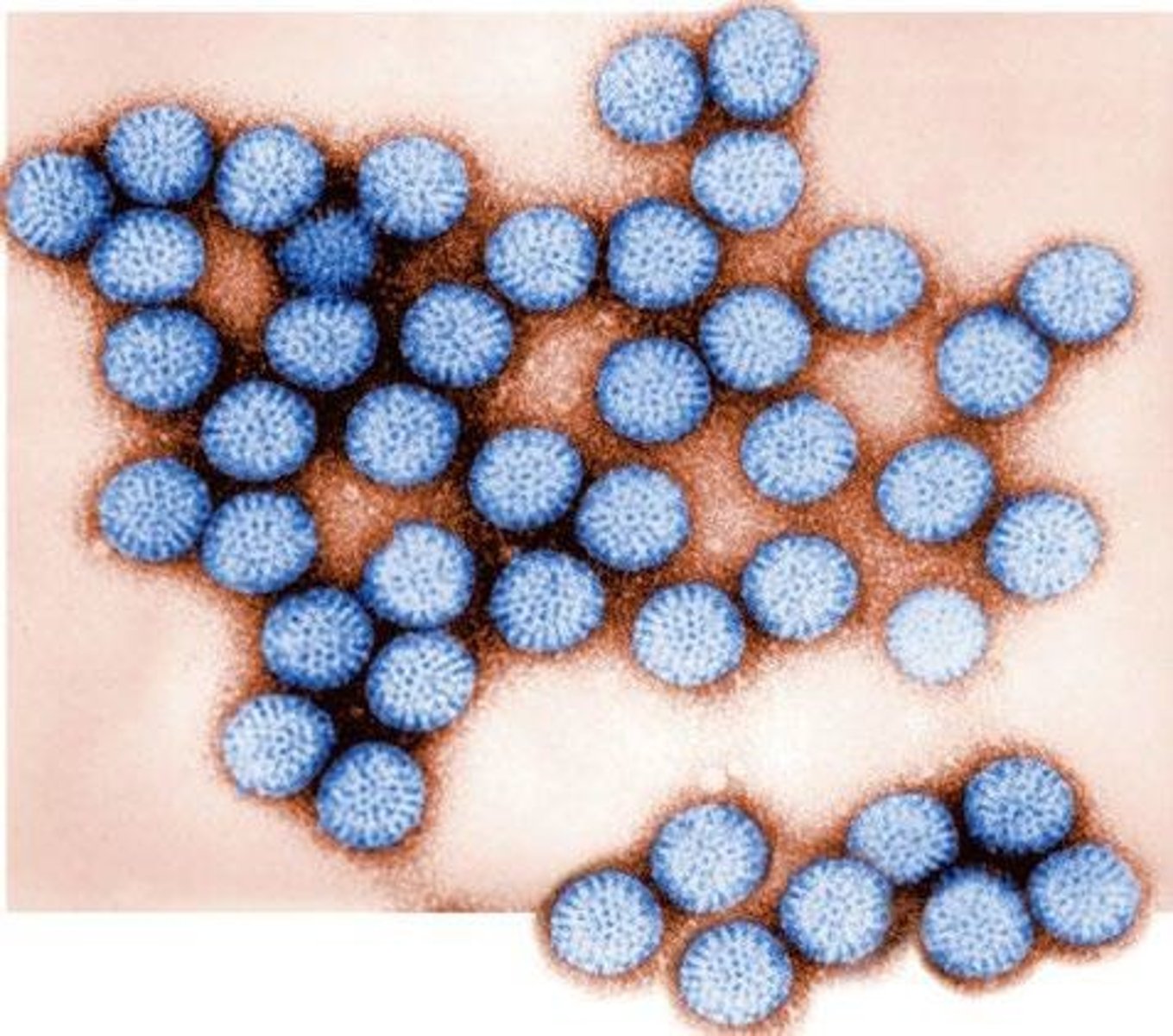
What is the incubation period for norovirus gastroenteritis?
12-48 hours.
What are the common symptoms of norovirus infection?
Abrupt onset of nausea, vomiting, and watery diarrhea.
Why are noroviruses considered highly contagious?
Due to their low infectious dose and the presence of infectious particles in vomit.
What is the primary route of transmission for noroviruses?
Oral-fecal route.
What are the preventive measures for norovirus outbreaks?
Hand washing, disinfectant use, and other sanitary measures.
Is there a vaccine or antiviral medication for norovirus?
No, there is currently no vaccine or antiviral medication for this.