ASPHALT (Materials 2)
 Call Kai
 Learn
 Practice Test
 Spaced Repetition
 Match
 Flashcards
 Knowt Play
1/16

There's no tags or description
Looks like no tags are added yet.
17 Terms
Asphalt Concrete
a mixture of asphalt (glue/matrix) and 95% mineral aggregates (stones, sand, gravel which are the strong particles that carry the load and makes it stiffer/stronger)
Asphaltenes (Composition)
large, dark solids that make asphalt thick and firm
brittle when cold
high MW
Resin (Composition)
helps hold asphalt together and keep asphaltenes mixed
soften when heated
medium MW
Oils (Composition)
Thin liquids that make asphalt softer and help it flow easily
low MW
Components
more liquid = lower melting point
more solid = higher melting point
Layers
asphalt concrete surface layer
granular base
granular subbase
prepared subgrade (compacted soil/ground)
Making Pavements
asphalt cement and aggregates are mixed at high temperatures and compacted on road while still hot
haul via dump truck
placement - self propelled paver
Mix Design
addresses performance of asphalt concrete under working conditions:
climate
loading
time
compaction
Compaction - Vibratory Roller
prevent further compaction
provide shear strength and resistance to rutting (grooves and dips)
ensure mix is waterproof
prevent excessive oxidation of binder
Climate (Design Criteria)
behavior is temperature dependent
when heated:
asphaltenes dissolve in resin
resin dissolve in oils
less viscous/sticky
hot climate: use harder grades to avoid rutting
when cooled:
opposite
cold climate: use soft grades to avoid low temperature cracking

Loading (Design Criteria)
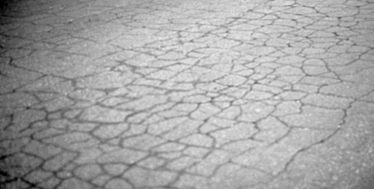
repeated traffic loads over time cause fatigue cracking
Time (Design Criteria)
aging/oxidation and moisture can damage
lead to rutting/cracking/aggregate debonding
Superpave
super performing asphalt pavements
performance-based mix design
choose asphalt binder not based on its components but potential for rutting/cracking
Superpave concrete design
asphalt binder grade determined based on performance in:
compactibility (bulk specific gravity)
shear
tensile strength and fracture
creep
bending beam rheometer
Asphalt binder grading
performance grading “PG X-Y”
x and y are max and min pavement design temperatures
Recycling asphalt concrete
surface recycling: heat the top of pavement to repair minor cracks
central plant recycling: remove old asphalt, take it to a plant, mix with new materials
in place recycling: break up old asphalt, add aggregate and mix at the site
Rubber tires added to asphalt concrete
increase elasticity/stiffness
increase cement-aggregate bond
reduce thermal cracking/freeze-thaw damage
added with binder or with aggregate