chap 2 psychology - drugs and human behavior
 Call Kai
 Learn
Learn Practice Test
 Spaced Repetition
 Match
Match Flashcards
 Knowt Play
1/23

There's no tags or description
Looks like no tags are added yet.
Name | Mastery | Learn | Test | Matching | Spaced | Call with Kai | Chat |
|---|
No analytics yet
Send a link to your students to track their progress
24 Terms
maggots
medicinal drugs in EU, japan and canada since 2005, treats antibiotiv resistant bacterial infections
maggot secretions suppress the immune system, reduce inflammation, promote cell growth and increase oxygen concentration in wounds
pharmacology
the scientific study of the actions of drugs and their effects on a living organism
neuro-pharmacology
drug-induced changes in the functioning of cels in the nervous system
psychopharmacology
drug-induced changes in mood, thinking and behavior
neuropsychopharmacology
combined, identifies chemical substances that act on the nervous system to alter behavior from injury, disease or environmental factors
also, interested in using chemical agents as probes to gain understanding of neurobiology of behavior
drug action
molecular changes produced by a drug when it binds to a particular target site or receptor
drug effect
asprin inhibiting enzyme COX
these changes lead to physiological or psychological functions which are drug effects
ex. asprin relieving a headache
is the site of drug action the same as the site of drug effect
no. ex, asprin doesnt bind to pain in the head, but binds to receptors
also, drugs have a variety of target sites
therapeutic effect
drug receptor interaction produces desired physical or behavioral changes
side effects
other effects produced and they vary in severity from mildly annoying to dangerous
are there good and bad drugs?
no theyre just chemicals
society thinks good drugs are from a pharmacy and appropriate dosage for medicinal purposes, bad drugs illicit and for a desired psyche state
unclear bc alcohol can be considered bad but is legal
specific drug effect
those based on the physical and biochemical interactions of a drug w a target site in living tissue
nonspecific drug effects
based not on chemical activity of a drug receptor interaction but unique characteristics of the individual (mood, expectations, perceptions, ect.)
why? effects of a drug can be impacted by neurochemical states at different times
states interact w specific effects of the drug = neurochemical conditions play a role in how drug affects them
placebo
ex. of nonspecific drug effect
changes in behavior due to the beleif of taking a drug
uses - avoid partcipant or researcher biases
pharmokinetic factors
1. Routes of administration.
2. Absorption and distribution.
3. Binding.
4. Inactivation.
5. Excretion
routes of administration
method and location of the drug administration impacts the speed and extent of drug absorption into the bloodstream
ex. orally is absorbed through gastrointestinal tract before bloodstream.
absorption and distribution
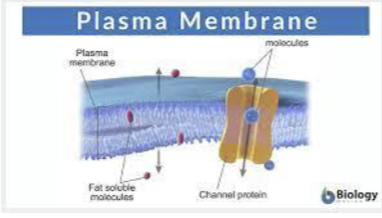
drugs once administered, must traverse cell membranes and enter the blood plasma for the distribution to various cells throughout the body as they rarely act at the site of the initial contact
binding
blood plasma drug molecules may bind to active target sites (receptors) undergo depot binding to plasma proteins, or be temporarily stored in bone or fat influencing activity
inactivation or biotransformation
primarily in liver, influences balance between absorption and inactivation. This dynamic Eq affects intensity and duration of drug effects
excretion
drug is metabolized formed through inactivation processes, eliminated from the body via urine or feces, some drugs may be excrfeted unchanged by kidneys
know this chart

routes of drug administration first pass effect
speed of absoprtion of drig molecules from administration sites depend on the amount of blood circulating