Anatomy lab test oughh
 Call Kai
 Learn
Learn Practice Test
 Spaced Repetition
 Match
Match Flashcards
 Knowt Play
1/51

There's no tags or description
Looks like no tags are added yet.
Name | Mastery | Learn | Test | Matching | Spaced | Call with Kai | Chat |
|---|
No analytics yet
Send a link to your students to track their progress
52 Terms

Primary, Specific, Function, Location
P - Epithelium, S - stratified squamous, F -protection, L - mouth, esophagus, vagina, skin
Name - Stratified squamous epithelium

Primary, Specific, Function, Location, Identify the pointed structure and function
P - Epithelium, S - simple columnar, F- absorption; secretion of mucus enzyme, L - small intestine, ID - microvilli/Goblet cell F - Absorption/mucus release Name - Simple columnar

What is A located on
Central canal Blood vessels and nerve fibers provide nutrients and oxygen

What is B located on
Concentric lamella - Calcified extra cellular matrix that give compact bone it’s strength and

What is C located on
Osteocytes in lacunae maintain bone tissue

What is A located on
Platelet - blood clotting

What is B located on
Red blood cell - transport gases and nutrients

What is C located on
Plasma -suspension

What is D located on
White blood cell - immune functions
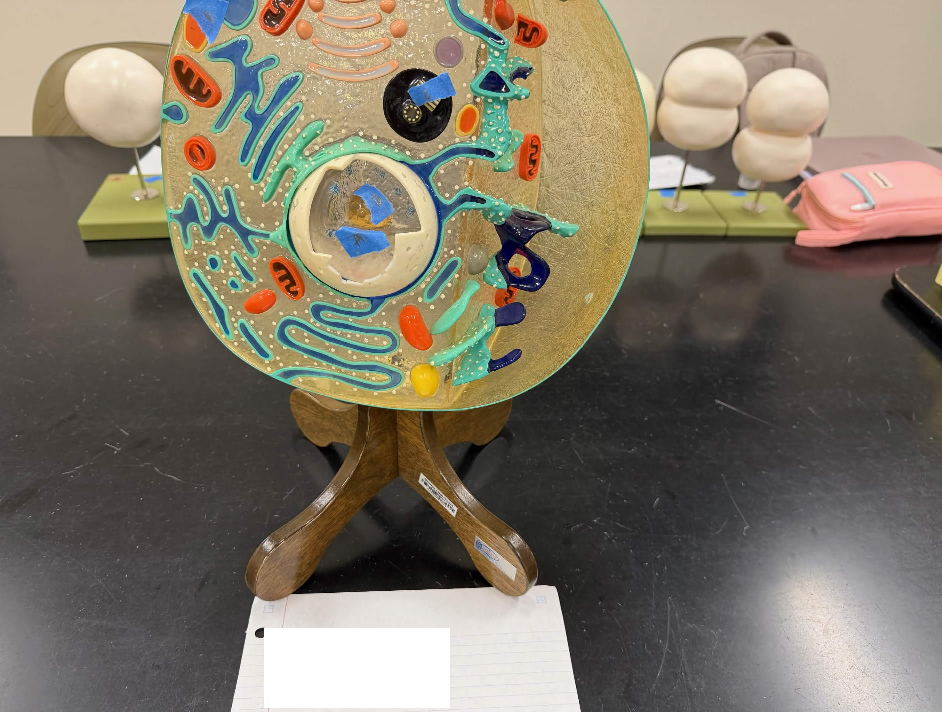
What is A located on
The plasma membrane surrounds the nucleus

What is B located on
Nucleus - stores DNA

What is C located on
Centrioles - Carry out nutrients

What is D located on
lysosome - Waste disposal and recycling systems of eukaryotic

What is A located on and its function
The Heart is a muscle that pumps blood throughout the body

What is B located on and its function
The pancreas produces digestive enzymes and hormones such as insulin

What is C located on and its function
The large intestine helps the digestive system absorb water and form feces
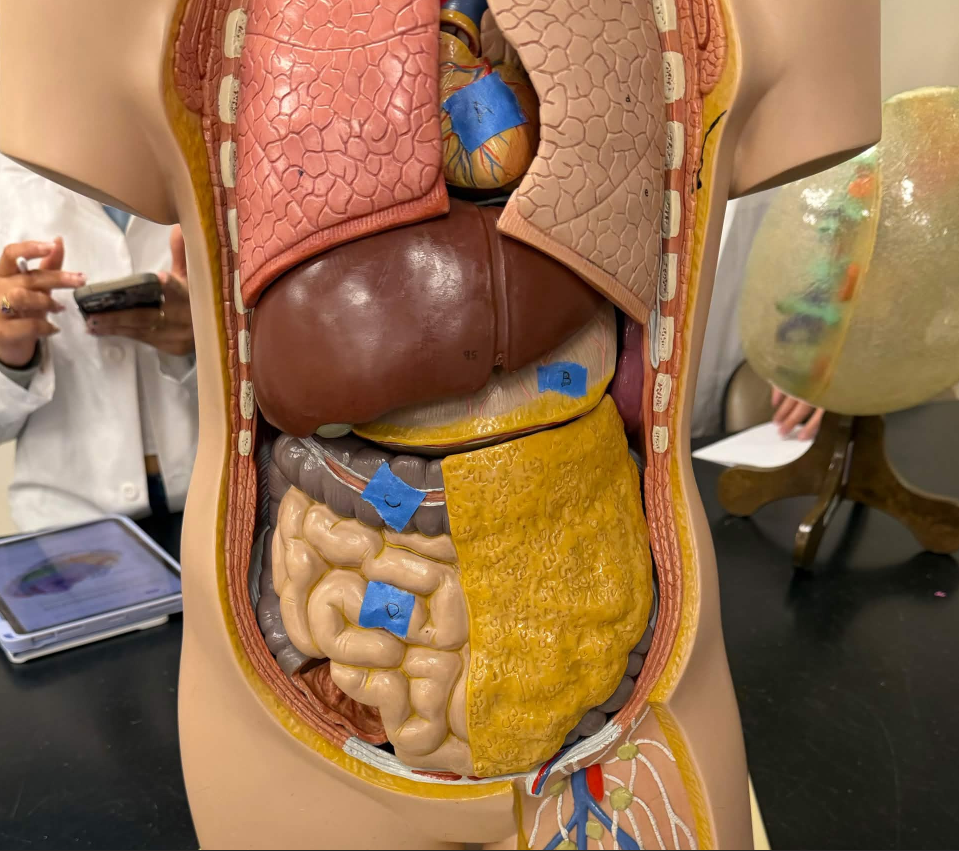
What is D located on and its function
The digestive system breaks down food, and the small intestine absorbs most nutrients

What is A located on and its function
Larynx - pathway for gases, houses vocal cords, respiratory system

What is B located on and its function
Trachea - Pathway for gases, respiratory system

What is C located on and its function
Lungs - taking in oxygen and releasing carbon dioxide, respiratory system

What is D located on and its function
Liver - removed toxics and process nutrients ,digestive system

What is E located on and its function
Gallbladder - stores and releases bile to digest fat, digestive system

What is A located on and its function
Lamellar corpuscle - detects rapid vibrations and deep pressure changes

What is B located on and its function
Tactile corpuscle - detects light touch and low-frequency vibrations

What is C located on and its function
Eccrine glands - regulate body temperature

What is D located on and its function
Apocrine - Sexual pheromone

What is E located on and its function
Sebaceous glands - Lubricate and hydrate the skin

What is F located on and its function
arrector pili - Goosebumps scared/cold

There are 4 phases of Mitosis
Prophase, metaphase, anaphase, telophase

Identify this stage of mitosis
Interphase - Cell grows,and prepares for division
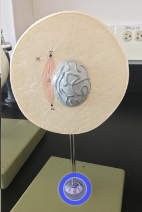
Identify this stage of mitosis
Early Prophase - Centrioles move to opposite poles

Identify this stage of mitosis
Late Prophase - Chromatin condenses into visible chromosomes

Identify this stage of mitosis
Metaphase - sister chromatids line up at the metaphase plate (equator) of the cell

Identify this stage of mitosis
Early Anaphase - sister chromatids separate and are pulled toward opposite poles of the cell

Identify this stage of mitosis
Early Anaphase - sister chromatids separate and are pulled toward opposite poles of the cell

Identify this stage of mitosis
Telophase - Chromosomes relax to form chromatin

Identify this stage of mitosis
late telophase - two distinct new nuclei form and the cell finishes dividing its cytoplasm through overlapping cytokinesis
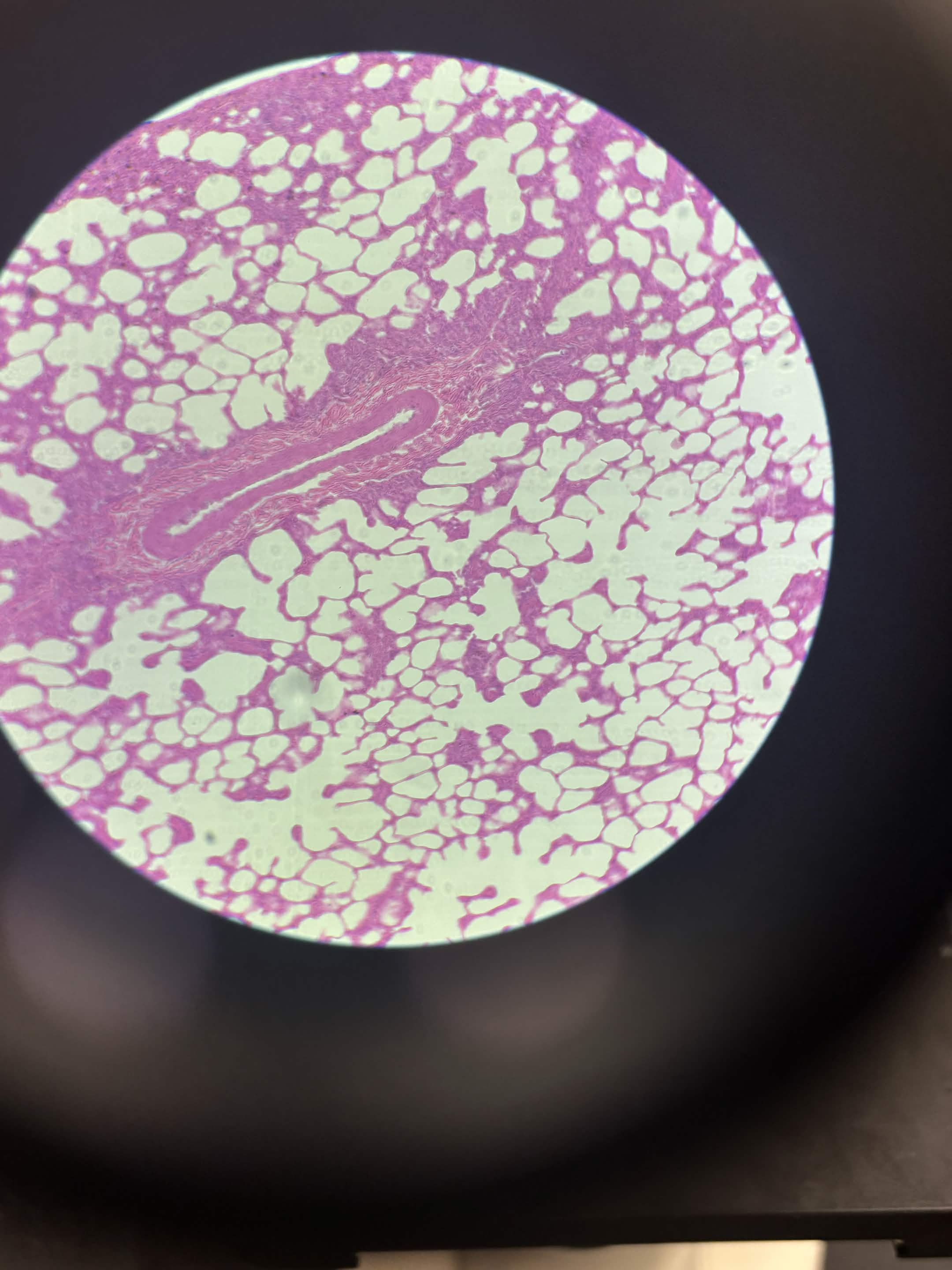
Primary, Specific, Function, Location
P - Epithelium, S - simple squamous, F -filtration and diffusion, L - air sacs of lungs, lining of the heart and blood vessels
Name - Simple squamous Epithelium
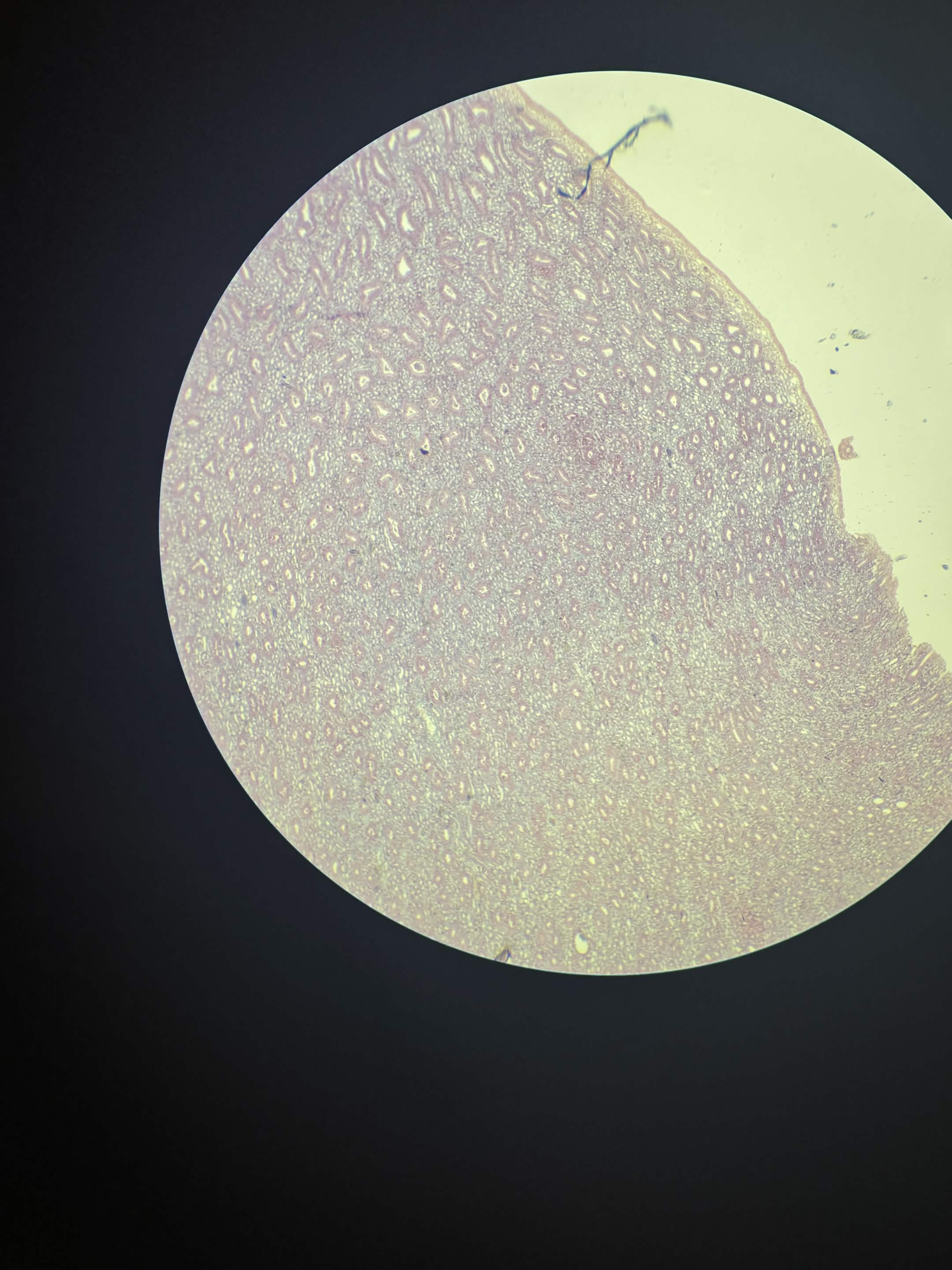
Primary, Specific, Function, Location
P - Epithelium CT, S - simple cuboidal, F - absorption and secretion, L - kidney tubules, ducts, and secretory portions of small glands
Name - simple cuboidal Epithelium

Primary, Specific, Function, Location
P - Epithelium, S - simple cuboidal, F - absorption and secretion, L - kidneys
Name - simple cuboidal Epithelium

Primary, Specific, Function, Location
P - Epithelium, S - transitional, F - stretches/distends , L - ureters, bladder, urethra
Name - Epithelium transitional
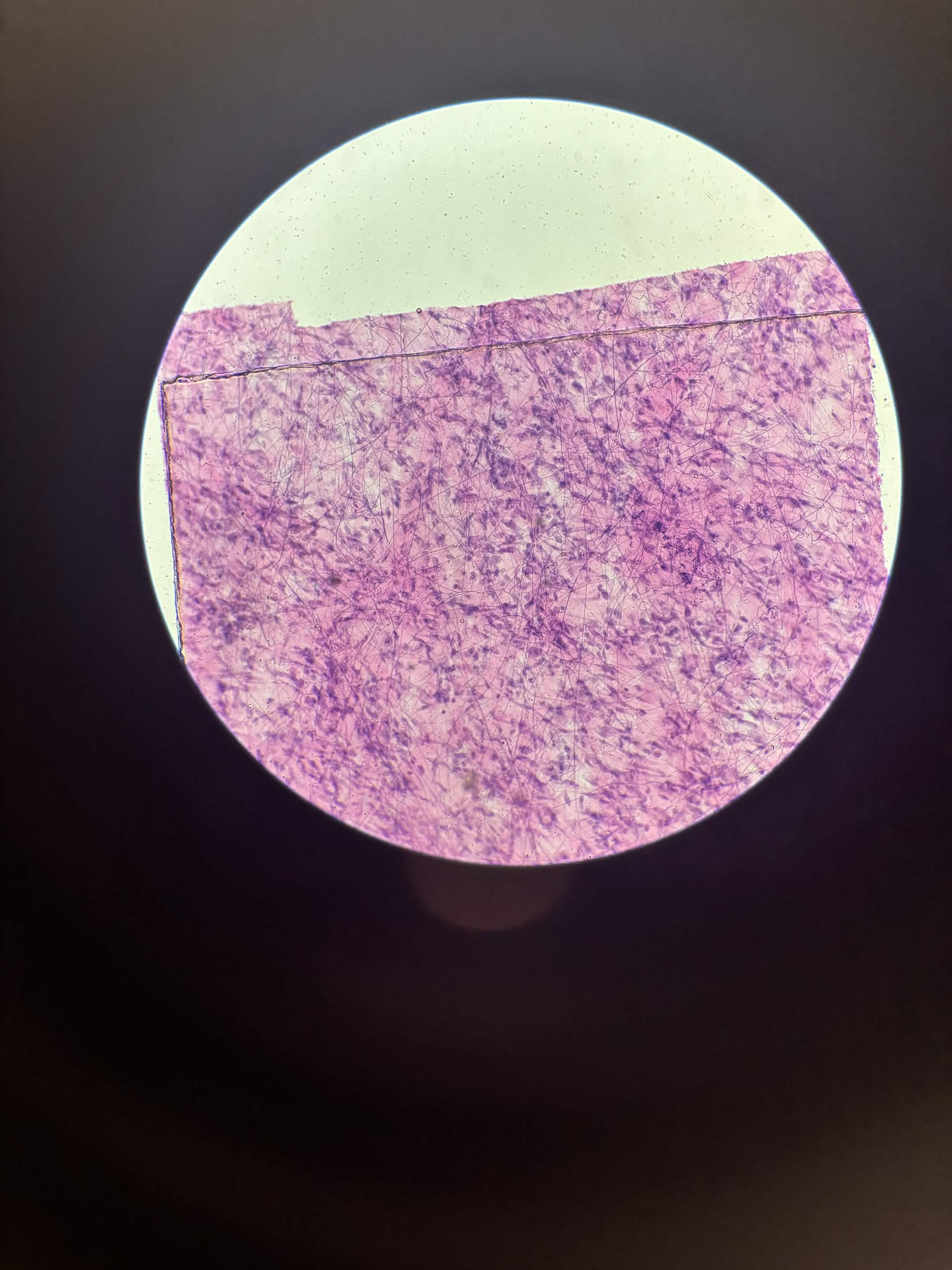
Primary, Specific, Function, Location
P - Connective, S - areolar, F - wrap and cushion , L - beneath epithelial layers

Primary, Specific, Function, Identify the specific structure and function of specific structure
P - Epithelium , S - pseudostratified columnar , F - secretes mucus; traps and sweeps, ST - cilia, FST - trap and sweep

Primary, Specific, Function, Location
P - Connective , S - dense irregular , F - able to withstand pulling from many directions , L - joint capsules and skin
Name - Connective dense irregular

Primary, Specific, Function, Location
P - Connective tissue , S - dense regular , F - allows pulling in one direction , L - tendons and ligaments
Name - Connective tissue, dense regular

Primary, Specific, Function, Location
P - Connective, S - adipose, F - protection , L - abdomen
Name - Connective apidose
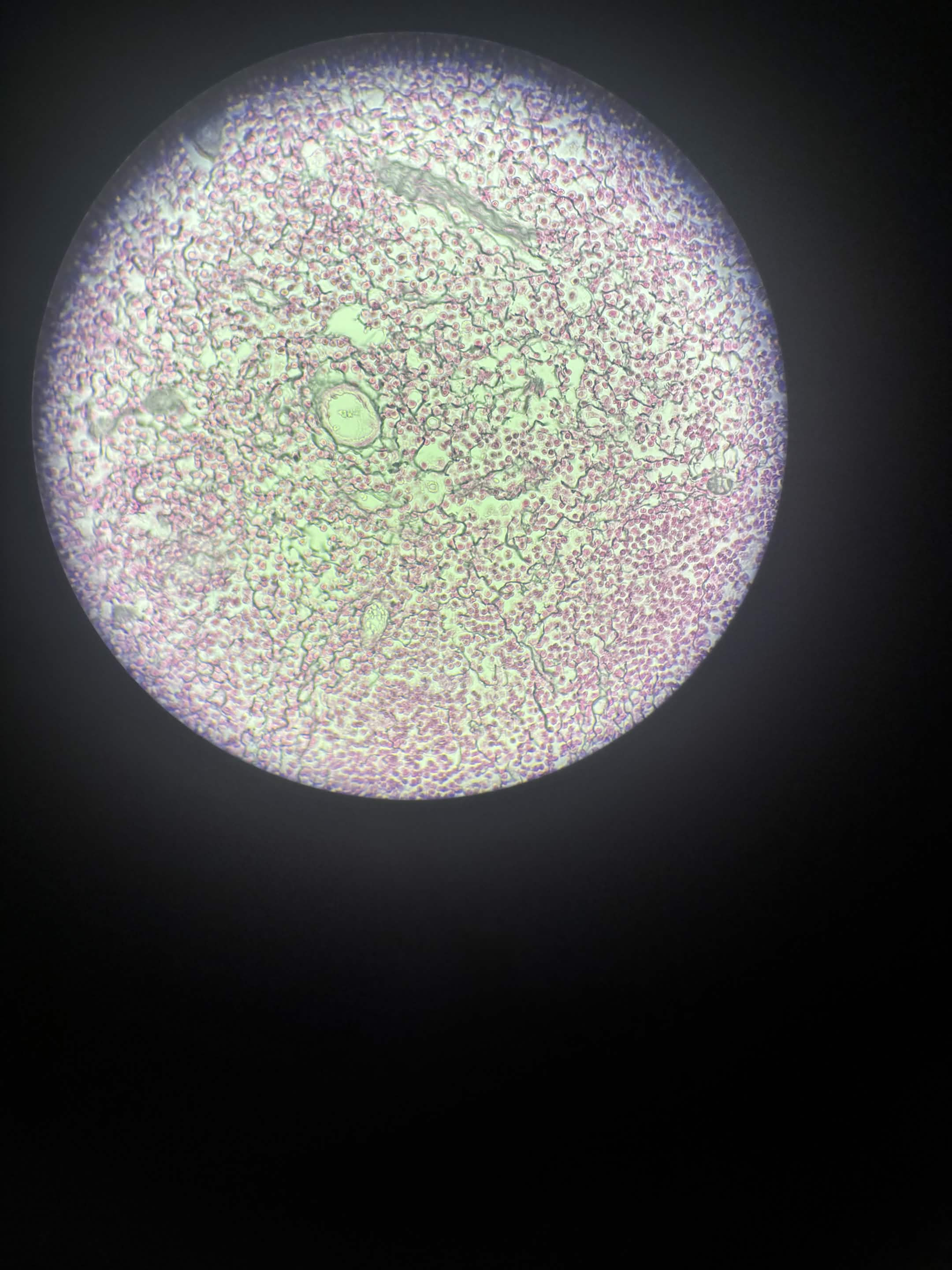
Primary, Specific, Function, Location
P - Connective, S - reticular , F - fibers form a house where cells reside, L - spleen
Name - Connective reticular

Primary, Specific, Function, Location, Identify the pointed structure and function
P - Connective tissue , S - Nervous tissue , F - transmit electrical signal, L - brain, spinal, SF - transmit electrical signals

Primary, Specific, Function, Location, and what’s inside the cell
P - connective, S - fibrocartilage, F -able to absorb compressive shock, L - intervertebral disc, cell - chondrocyte
Name - Connective fibrocartilage

Primary, Specific, Function, Location, characteristics, and what’s inside the cell
P - Muscle S - skeletal F - voluntary movement, L - skeletal muscles, CHA - stations multinucleated voluntary, Cell - one-nuclei cell
Name - Muscle skeletal

Primary, Specific, Function, Location, and what’s inside the cell
P - connective, S - Hyaline cartilage, F -resists compressive stress, L - Nose, rib, Cell - chondrocyte in lacuna, matrix
Name - Connective hyaline cartilage

Primary, Specific, Function, Location, Identify the specific structure and function of the specific structure
P - Muscle, S - cardiac , F - contraction propelling blood, L - heart, ST - intercalated disc, FST -communication (gap junctions ), striations, uninucleate or binucleate, involuntary