Lab Quiz #3
 Call Kai
 Learn
Learn Practice Test
 Spaced Repetition
 Match
Match Flashcards
 Knowt Play
1/50

There's no tags or description
Looks like no tags are added yet.
Name | Mastery | Learn | Test | Matching | Spaced | Call with Kai | Chat |
|---|
No analytics yet
Send a link to your students to track their progress
51 Terms

no symmetry
pores
no tissues
osculum
porifera

unsegmented round worm shape
curled ends
outer cuticle covering the body
Nematoda

clear organ system
toe
corona
Syndermata

radial symmetry
polyp or medusa
cnidocytes
diploblastic
Cnidaria

Cnidaria (sea amenmones and corals)
polyp
radial symmetry
Anthozoa
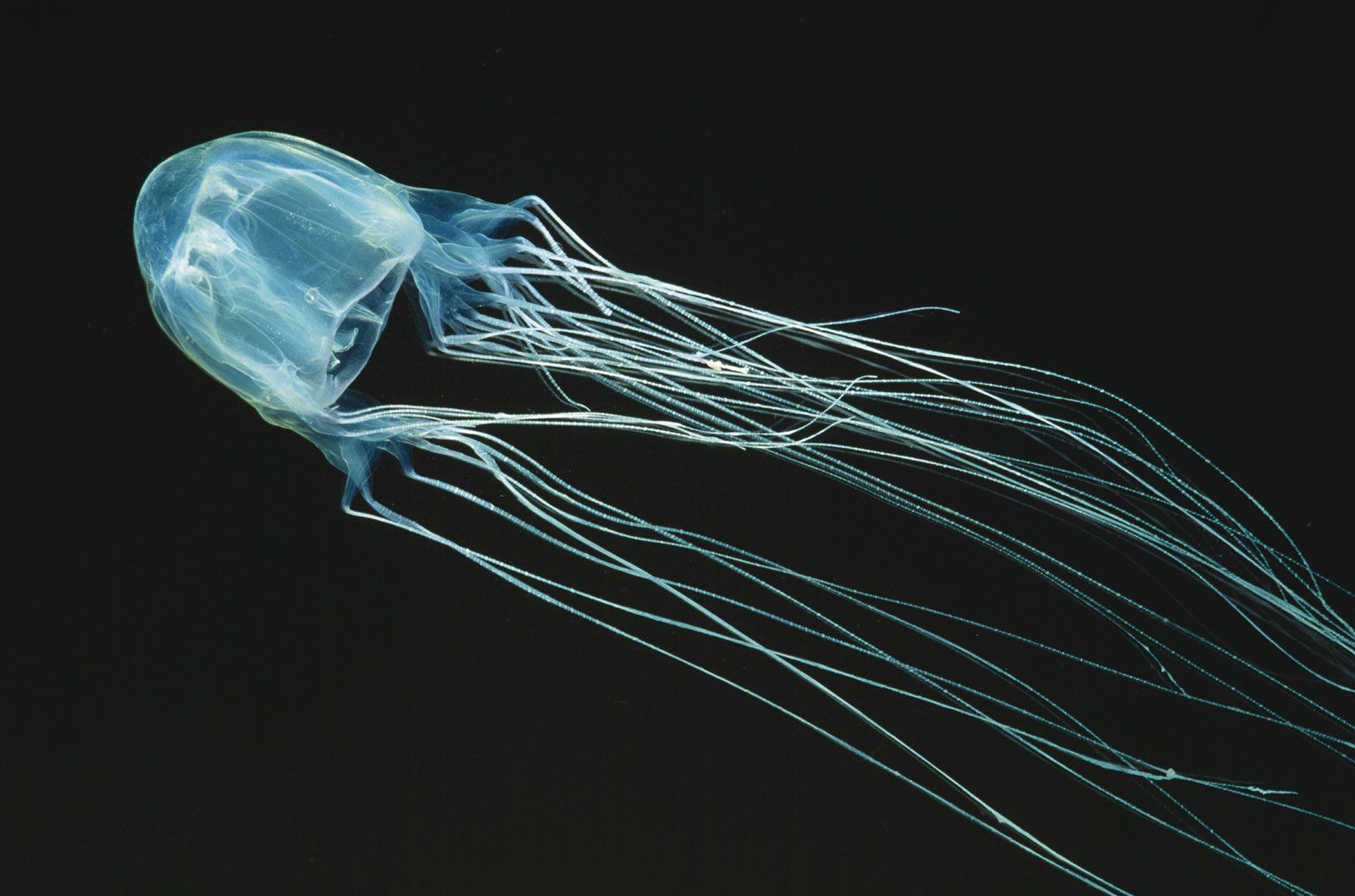
Cnidaria
box-like medusa
cnidocytes on tentacles
radial symmetry
Cubozoa

Cnidaria (jellies)
circular medusa
radial symmetry
Cnidocytes on tentacles
Scyphozoa

Cnidaria (hydroids)
thinner polyp
radial symmetry
Hydrozoa

Segmented round worm body shape
parapodia visible in bristle worms
Annelida

Annelida (earthworms & leeches)
no parapodia
ring like segments
Clitellata

Mollusca
muscular foot
Mantle
shell in most soft bodied

Mollusca
two shelled
laterally compressed with a small muscular foot
soft bodied
no head
non-segmented
bivalvia

mollusca
8 dorsal plates
oval shaped
mantle
large, flat foot
Polyplacophora

mollusca
soft bodied
long flat muscular foot
spiral shape of shell
mantle
non segmented
distinct head and eyes
gastropoda

Mollusca
Soft bodied
large head
mouth surrounded by arms/tentacles
shell missing
non segmented
elongated body
Cephalopoda

flattened worm shape
triploblastic
Platyhelminthes

platyhelminthes (tapeworms)
flat
long
proglottids
Cestoda

platyhelminthes (flukes)
flat
no proglottids
hooks
trematoda

post-anal tail
notochord
dorsal/hallow nerve cord
pharyngeal slits
Chordata

chordata (lancets)
blade-like shape
notochord
few cm long
without a backbone
Cephalochordata

chordata (sea squirts)
without a backbone
notochord
pharygeal slits
undergo metamorphosis
urochordata

chordata
have a backbone
notochord
jaws
Vertebrata

jointed appendages
exoskeleton (chitin)
Arthropoda

arthropoda
one pair of antennae
one pair of mandible
head region with segmented pairs of appendages
two pairs of maxillae
lots of little feet
myriapoda

arthropoda (ticks, mites, spiders, scorpions, and horseshoe crabs)
fangs/pincers
4 pairs of eyes
6 pairs of appendages
no mandibles
Chelicerata

arthropoda
insecta
3 pairs of legs
3 body sections
1 pair of antennae
unbranched appendages
Hexapoda

arthropoda
hard carapace
branched appendages
two pairs of maxillae
jointed appendages
two pairs of antennae
one pair of mandibles
crustacea

pentaradial symmetry
tube feet
spines
Calcium Carbonate endoskeleton
Echinodermata

Echinodermata (sea lilies or feather star)
feather-like
radially symmetric
long arms
Crinoidea

echinodermata (Sea cucumber)
Spines all over
slug-like appearance
no arms
Holothuroidea

echinodermata
pentaradial symmetry
spherical
spines all over
Echinoidea

echinodermata (brittle stars)
pentaradial symmetry
long and slender arms
tube feet
spines
Ophiuroidea

echinodermata
pentaradial symmetry
flattened body
tube feet
spines wide arms
Asteroidea

vertebrata
hagfish
jawless
scaleless
Myxini

vertebrata
lampreys
jawless skull
Petromyzontida
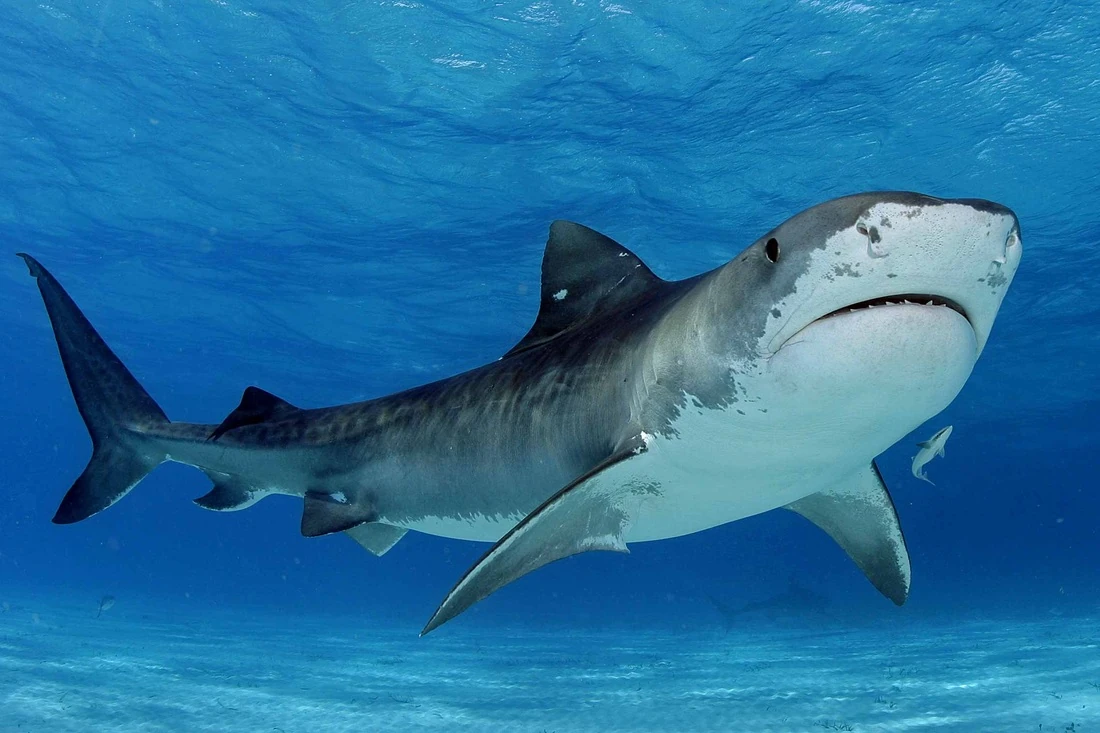
vertebrata
sharks
jawed with cartilage fins
Chondrichthyes

vertebrata
ray-finned bony fish
bony fins
Actinopterygii

vertebrata
lobe-finned bony fish
lobed pair fins
Sarcopterygii

vertebrata
amphibians
tetrapod with smooth moist skin
Amphibia

vertebrata
reptiles
tetrapod with scaly skin but no wings
Reptilia

vertebrata
wings
feathers
beaks
aves

Vertebrata
fur
specialized teeth
mammalia
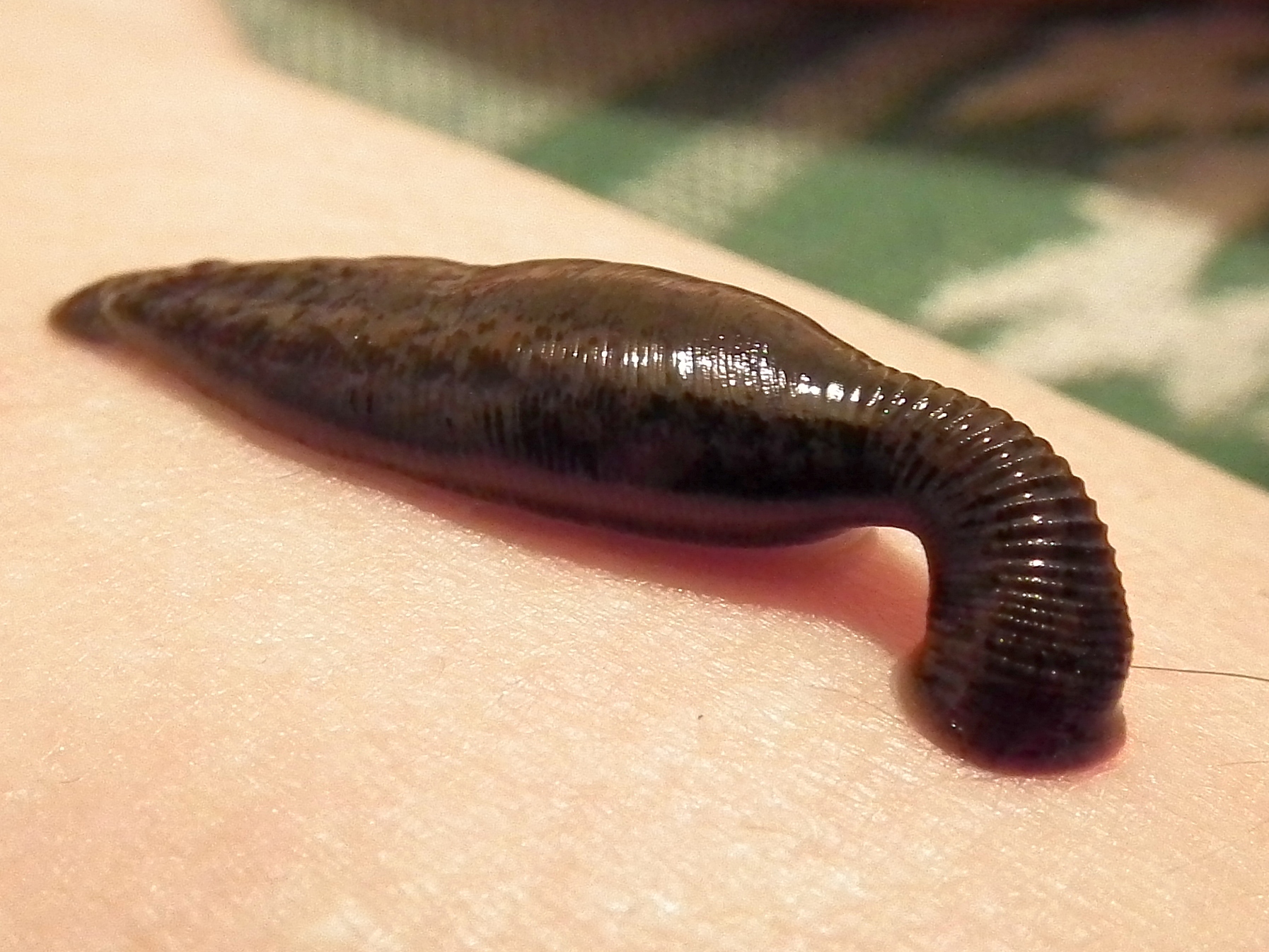
thick muscular bodies
no head
no tentacles
no parapodia
Hirudinea

worm with ring like segments
no parapodia
clitellum
earthworms
Simple diffusion
when a molecule pass straight through the cell membrane down a concentration gradient
Facilitated diffusion
uses a channel protein to allow large molecules to pass the cell membrane down a concentration gradient
Pseudoceolomate
the muscle only lines the ectoderm and not the intestine
Hypertonic in a plant cell
The higher amount of solute will draw water out from the cell which will cause the membrane to shrink away from the cell wall and clump up together in a process called plasmolysis
More quickly in high temperature
at higher temperature, the particles gain kinetic energy which causes the particles to move faster the faster movement increases the number of collisions which directly increase the change of particles moving across a permeable membrane
DI
the water is moving into the cell. You can tell the water has moved into the cell based on the appearance of the swollen central vacuole which has pushed the cell contents up against the cell wall
higher c and lower enviroment
The crab is hypertonic, this means the crab’s cells have a higher concentration of the solutes than the solution. This causes the water to be drawn into the cell through osmosis crabs lack a cell wall which may cause the cells to burst from pressure