Human Anatomy Study Guide 2 & 3
 Call Kai
 Learn
Learn Practice Test
 Spaced Repetition
 Match
Match Flashcards
 Knowt Play
1/58

There's no tags or description
Looks like no tags are added yet.
Name | Mastery | Learn | Test | Matching | Spaced | Call with Kai | Chat |
|---|
No analytics yet
Send a link to your students to track their progress
59 Terms

Simple Squamous description.
Single, flat layer of cells that’s this and permeable.

Simple Squamous function.
Function is to diffuse materials quickly. Found in the lung tissue and blood vessels.

Stratified Squamous description
This is thick layers. Its large and cube like at the bottom but the top layer is squeezed because that’s the dying skin. Think of it like stairs.

Stratified Squamous function
Function is to provide protection for underlying layers. Found in the epidermal layer of the skin.

Simple cuboidal description.
SIngle layer of cube shaped cells.

Simple cuboidal function
Function is to secrete substances.

where is the simple cuboidal found?
Found in tissues of the kidney

stratified cuboidal description
More than one layer of the cuboidal cells. (rare)

stratified cuboidal function
Function is to protect ducts

where is the stratified cuboidal found?
Found in the salivary and mammary glands.

Simple columnar cells description
Single layer of tall, tight cells. They have cilia and goblet cells that secrete mucus.

Simple columnar cells function
Function is to secrete mucus as a layer of protection against and absorption of substances. This is found in the lining of the digestive tract.

Stratified columnar cells description
the “free” surface is lined with columnar cells.(rare). Found in larynx and male urethra.

Transitional Epithelium description
Free surface cells that varies in size based on stretching of the tissue.

Transitional Epithelium function
this can change shape with elasticity (when you need to pee vs when you let it all out). Found in lining of urinary.

Pseudo stratified description
FAKE STRATIFIED, the nuclei are found at different levels to make it look stratified.

Pseudo stratified function
secretion and absorption
Found in upper respiratory tract

Exocrine Gland: merocrine
Cells will secrete substances through exocytosis. In sweat glands (heart)

Exocrine Glands: apocrine
Some of the cell pinches off with secreted products. In mammary glands (tip)

Exocrine Glands: holocrine
RUPTURE and he products spill into the duct. In sebaceous glands (whole)

Definition of Exocrine glands
These secrete hormones into the blood because that way they can be delivered over longer distances. Packed tightly with capillaries going through the glandular tissue. The cells are using exocytosis to put products into the blood. Seen in thyroid, thymus, adrenal glands and the pancreas.

Loose Connective Tissue: Areolar
open space that holds water and salt (this is for the surrounding tissues), located under epithelium, and around organs.

Loose Connective Tissue: Adipose
made of fat cells (adipocytes), large vacuoles to contain fat. Function is to insulate body, and provide nutrients.

Loose Connective Tissue: Reticular
has reticular fibers that create a framework for other cells. Helps support.

Regular Dense Connective Tissue
the collagen fibers are arranged in one direction. Function is to provide strength like a rope. Found in tendons and ligaments.
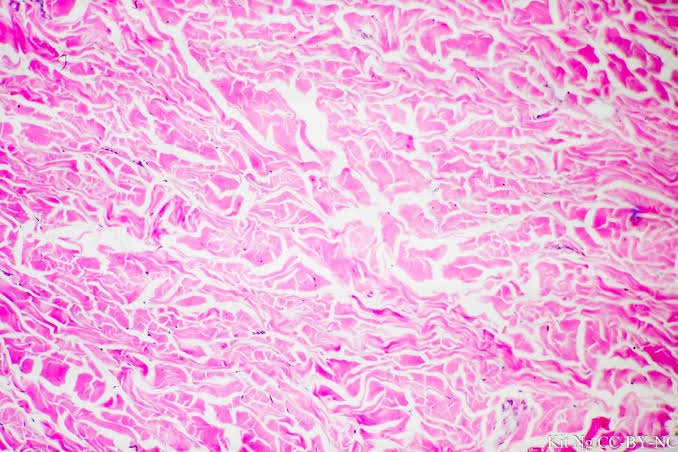
Irregular Dense Connective Tissue
Collagen Fibers are arranged in many directions. Function to provide strength in all directions instead of just one. Located in the capsules around organs.

Elastic Dense Connective Tissue
For flexible cushioning, located between vertebrae and inside the arteries.

Hyaline Cartilage
Has a glassy look with few collagen fibers. Has firm ground substances with space for cells. Located in larynx, nose bridge, and ribs.

Cartilage Fibrocartilage
Lots of collagen that runs parallel. Its found in intervertebral spaces.

Elastic Cartilage
very flexible with elastic fibers. Found in outer ear and tip of nose.
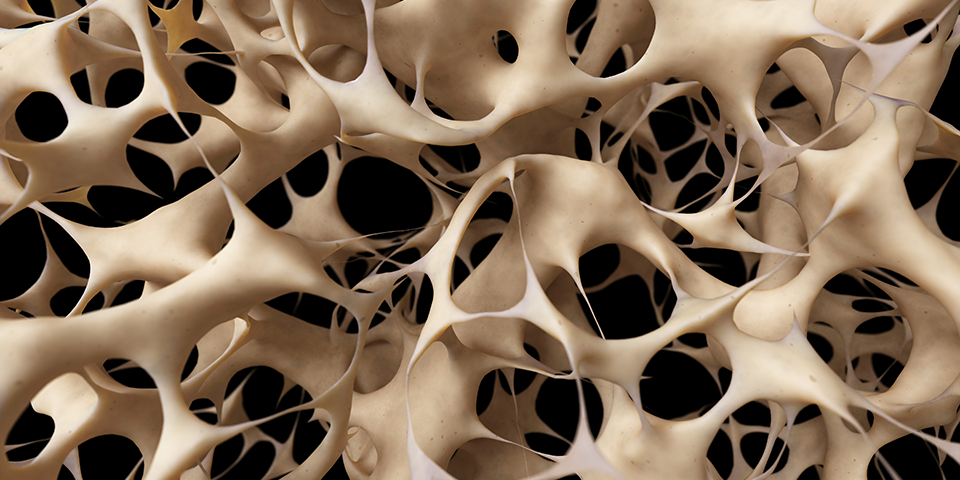
Osteosis Tissue
The osteocytes secrete ground substances, fibers, collagen and fluids. Then it becomes calcified. There’s both spongy and compact types.

Mast Cells
Has granules that put out inflammatory chemical and also detects foreign objects.

Macrophages
They look like circles/ blobs, and engulf anything it feels threatened or invaded by.

Blood Cells
erythrocytes have O2 in them (from the lungs oxygenating blood), and WBCs have leukocytes which help with immune response.
Smooth Muscle Tissue
This involuntarily contracts and is non striated, it has a very smooth look. Its located in walls of stomach, intestines, bladder, arteries, veins, and eyes.
Cardiac Muscle Tissue
Also involuntarily contacts but is striated. Its located in the heart muscle. The heart and brain work to get this muscle going.
Skeletal Muscle Tissue
This one contracts voluntarily and is striated. Its located on the bones and skeleton. The somatic nervous system helps it move.
Nervous Tissue, neurons
Made of 10% nerve cells. Looks like a tether.
Nervous tissue: Neurons function.
converts stimuli to nerve impulses, and passes impulses. Cannot regenerate.
Nervous Tissue Neuroglia
Made of 90% nerve cells. Looks like a snowflake.
Nervous Tissue Neuroglia function
protect neurons, doesn’t generate nerve impulses but CAN regenerate.
Epidermis Function
Protection, sensations, temperature regulation and excretion.
Melanocytes
spider shaped cells usually found in the bottom 2 layers. They produce pigment (melanin), this is what gives us our color.
Epidermis layers
Stratum corneum: dead tissue.
Stratum lucidum: translucent cells.
Stratum granulosum: flattened cells.
Stratum spinosum: spiny, irregular shape.
Stratum Basale: diveids, pushes layers up
Cancer
Melanoma is uncontrolled division of melanocytes, basal cell carcinoma is uncontrolled division of the cells in Stratum basc layer, Squamous cell carcinoma is uncontrolled division of cells in the stratum spinosum layer.
Dermis
This has dense, irregular, connective tissue with nerves, blood vessels, sweat glands and hair follicles. The thing between epi and dermis is the dermal papillae and it is the reason for fingerprints. Papillary layer and reticular layer. Have lines of cleavage.
Hypodermis
The subcutaneous layer isnt part of the skin, instead it’s actually loose, fatty connective tissue. Its function is to connect skin to muscle/ bone, insulate and hold nutrients.
Skin Glands: sudoriferous
the sweat glands, there’s apocrine (armpit, genital) and eccrine (palms, feel, forehead). Sweat is acidic, and is 99% water with salt, vitamins and waste.
Skin Glands: Sebaceous
the oil glands that produce sebum (oil). This is in our hair, scalp, and face. Function is to kill bacteria, and lubricate the skin.
Hair
made of hard keratin. Functions: head hair insulates and protects from sun, body alerts us when there’s insects, eyelashes protect eyes, nose prevents foreign objects coming in. Hair comes out of shaft and is protected by the cuticle. Grows from hair bulb
Nails
They protect us from danger. The free edge and body are visible and the root and nail bed are not visible. Nails grow from the matrix and it produces keratinized cells.
What does “COME” stand for in “Come lets get sunburned?”
Stratum corneum: layers of dead skin cells that shed from the body.
What does “LETS” stand for in “Come lets get sunburned?”
Stratum lucidum: translucent cells (THIS IS ONLY FOUND IN HANDS AND FEET!
What does “GET” stand for in “Come lets get sunburned?”
Stratum granulosum: cells flatten, this layer keeps the skin waterproof.
What does “SUN” stand for in “Come lets get sunburned?”
tratum spinosum:
Spiny, irregular shape, has pre keratin filament.
What does “BURNED” stand for in “Come lets get sunburned?”
Stratum basale:
Always dividing and pushing cells up.
1st degree burn
only affects epidermis (sunburn)
2nd degree
affects parts of dermis, red blisters, has a shiny white pus pocket, very painful.
3rd degree
down to the subcutaneous, very dry, however there is no pain because even the nerve endings are gone. Skin graft is used in most cases.
The rule of nines: assesses total body surface involved in burns.