Italy: Notable Writers inc. Poets and Playwrights (and their Works) and Stage Designers
 Call Kai
 Learn
Learn Practice Test
 Spaced Repetition
 Match
Match Flashcards
 Knowt Play
1/35

Earn XP
Description and Tags
Organized chronologically by death date / date of publication of work
Name | Mastery | Learn | Test | Matching | Spaced | Call with Kai | Chat |
|---|
No analytics yet
Send a link to your students to track their progress
36 Terms
Laudi (All Facts)
Italian for “praises to God,” it became a common form of religious song in Italy during the period following the death of St. Francis of Assisi
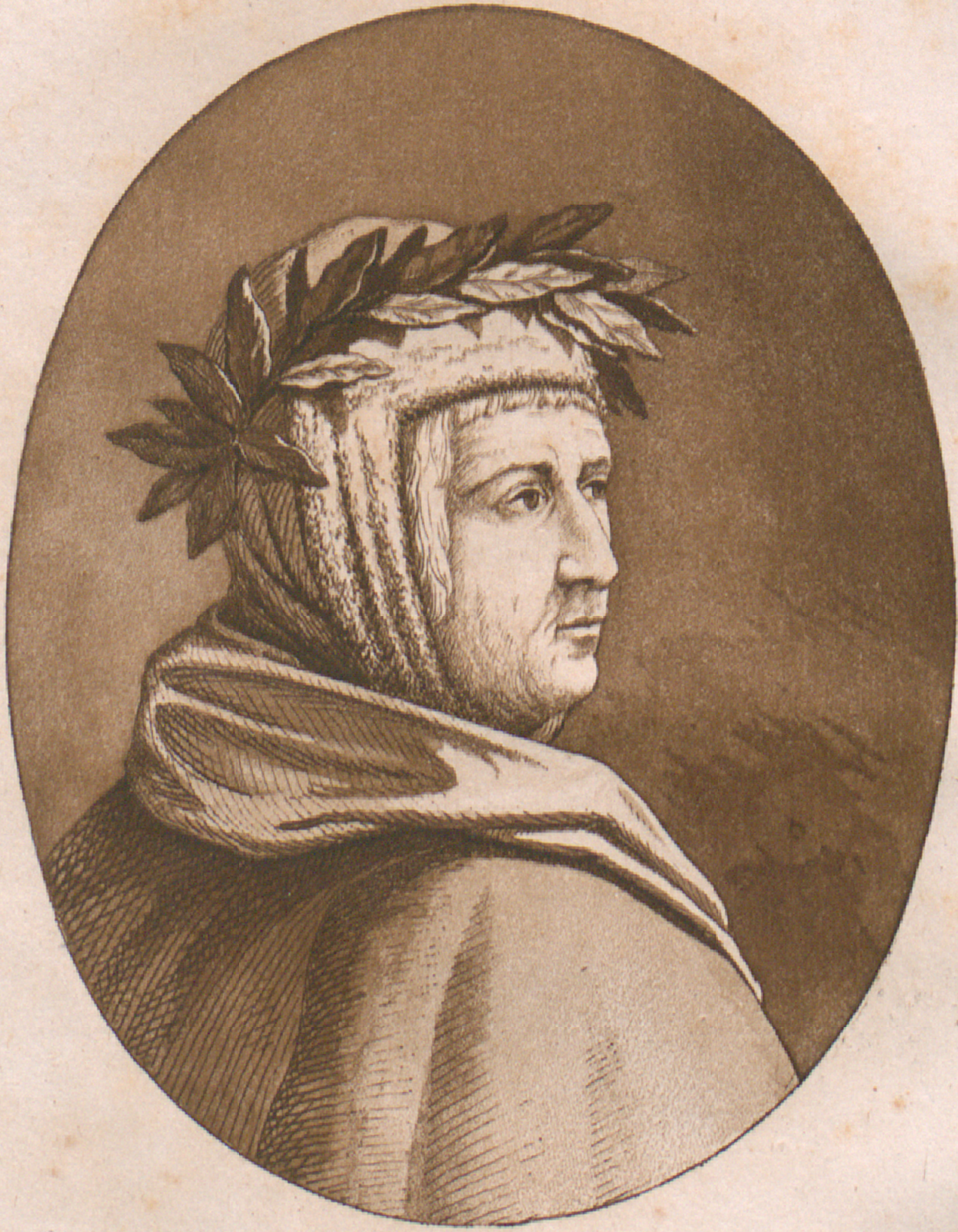
1260 - 1300 - Guido Cavalcanti (All Facts)
Italian Poet
He wrote in Tuscan
His themes of spiritual love were given expression by his friend and student, Dante Alighieri
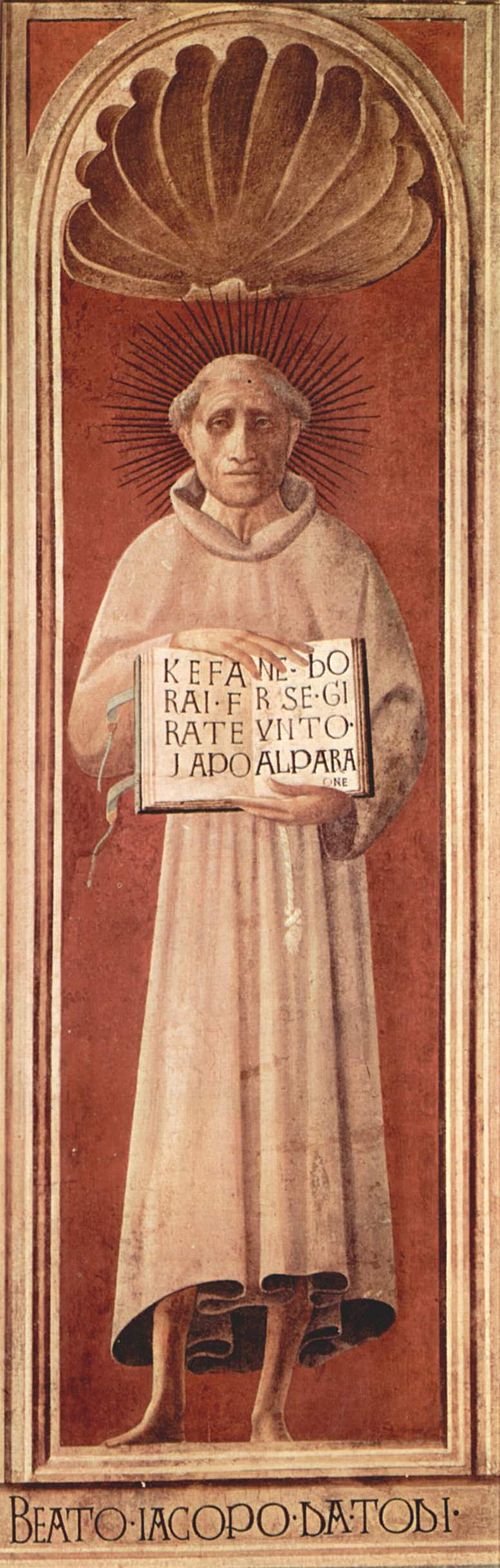
1230 - 1306 - Jacopone da Todi (All Facts)
Italian Franciscan Poet and Friar
He was from Umbria
He wrote several “Laudi” (songs in praise of the Lord) in the local vernacular, considered the greatest poet of that style
Written in an Umbrian dialect, his ardent mystical “Laudi” counterposed a love of God with a harsh awareness of the secular world
He was an early pioneer in Italian theatre, being one of the earliest scholars who dramatized the Gospels
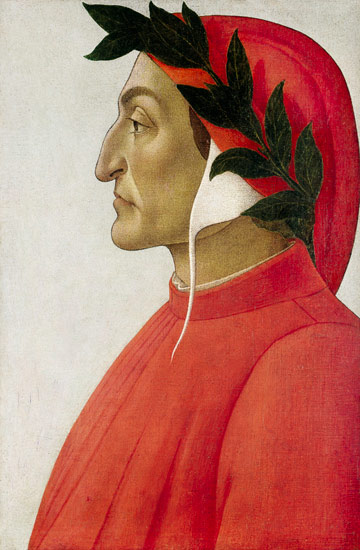
1265 - 1321 - Dante Alighieri (All Facts)
Italian Writer and Poet
He was from Florence
He established the Italian language as spoken in Italy as a vehicle for exquisite poetry
His was likely the most illustrious name of all of Florence’s citizens during his time
He died peacefully in the twentieth year of his exile from his native Florence
1294 - Dante Alighieri: New Life / Vita Nuova (All Facts)
Collection of poems by the namesake author to his beloved Beatrice that he published when he was 30 years old, after the death of his beloved Beatrice in her mid-20s
The namesake author tells us that he first set eyes on her when he was none years old and nursed a pure passion for her ever afterwards, although both underwent arranged marriages to others
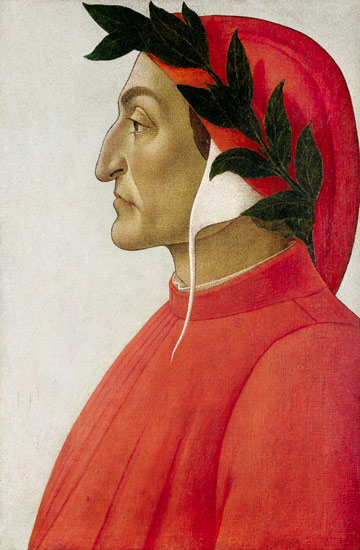
1321 - Dante Alighieri: The Divine Comedy (All Facts)
Work in which the namesake author describe his journey through “Inferno,” “Purgatorio,” and “Paradiso,” in which he provides insight on medieval views and religious beliefs
Work which essentially made Tuscan Italy’s literary medium
Work in which the namesake author voyages in the space of a week in 1300 through all the circles of Hell, or “Inferno,” meeting its famous inmates
Having passed through Purgatory, the namesake author met the shade of Beatrice, his real-life lover, whom he promised to say of her “What never yet was said of any woman”
Work in which the namesake author conducts the reader through the nine heavens to a vision of the river of light
1275 - 1342 - Marsilius of Padua (All Facts)
Italian Writer and Scholar
He was from Padua
1324 - Marsilius of Padua: The Defender of Peace / Defensor Pacis (All Facts)
Treatise espousing the supremacy of lay power over the Church
Claimed that all power derives from the people, from the ruler is a delegate
Considered by some to be the most revolutionary political treatise written in the later Middle Ages
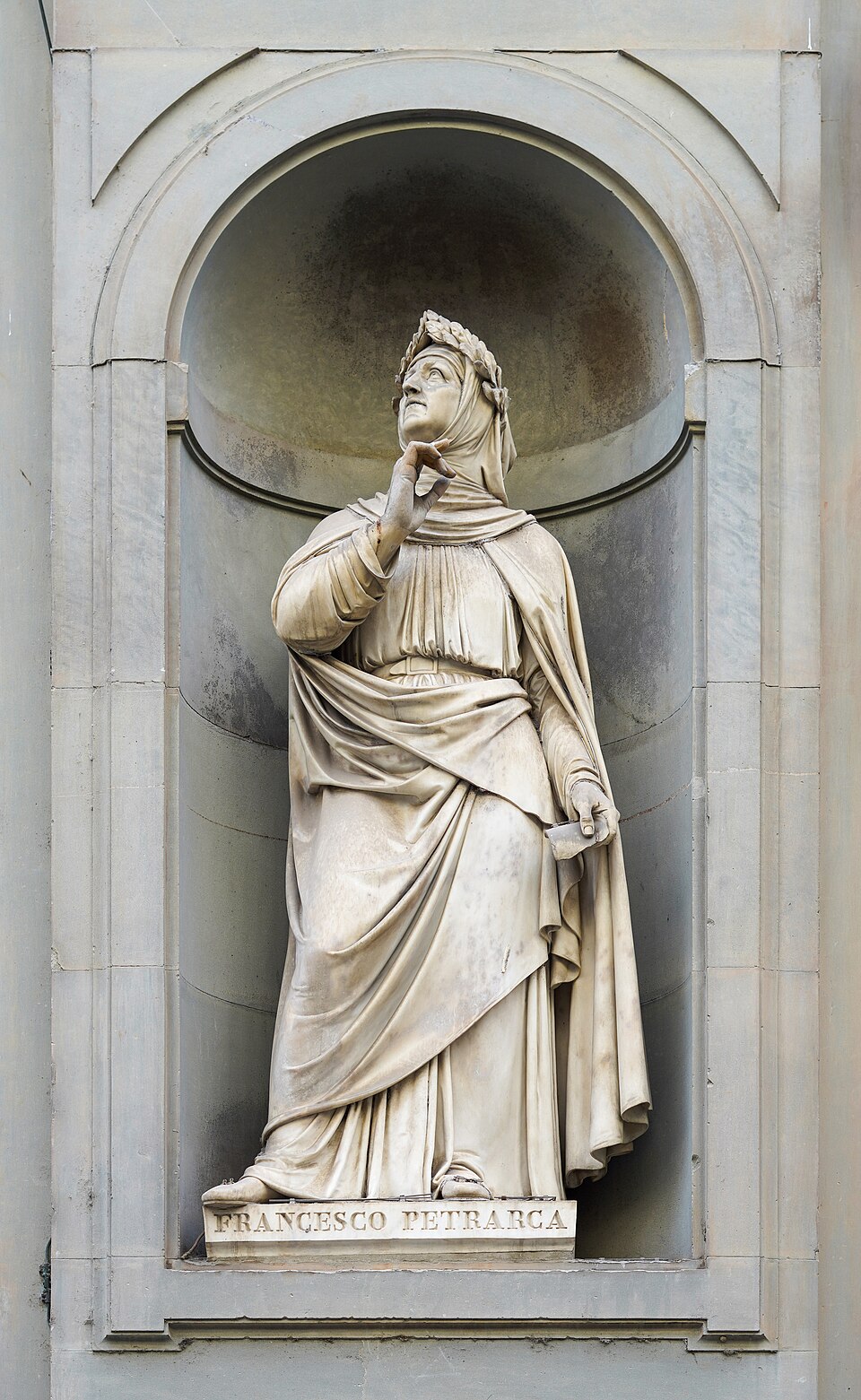
1304 - 1374 - Francesco Petrarch (All Facts)
Italian Renaissance Poet, Scholar (of the Classics), and Humanist
He was from Florence
His humanistic outlook, spurred by his admiration of Greek and Roman ideals, influenced other writers of the time
He was born in Arezzo
He was the son of a lawyer from Florence
He passed his early life at the papal court at Avignon in France as a churchman living on benefices from rich patrons
It was at Avignon that he saw Laura, the wife of Hugo de Sade, and conceived a passion for her which he celebrated in his poetry
He corresponded with his friend Giovanni Bocaccio
His fame was such that he was an honored guest at the courts of Europe where his hobby was to search libraries for forgotten Latin manuscripts
For example, in Verona, he discovered Cicero’s letters; or in Liege, where he discovered some of Cicero’s orations
He was crowned poet laureate on the Capitoline Hill in Rome on Easter, the first modern poet to be given that honor by the Roman Senate
He died in Arqua near Padua
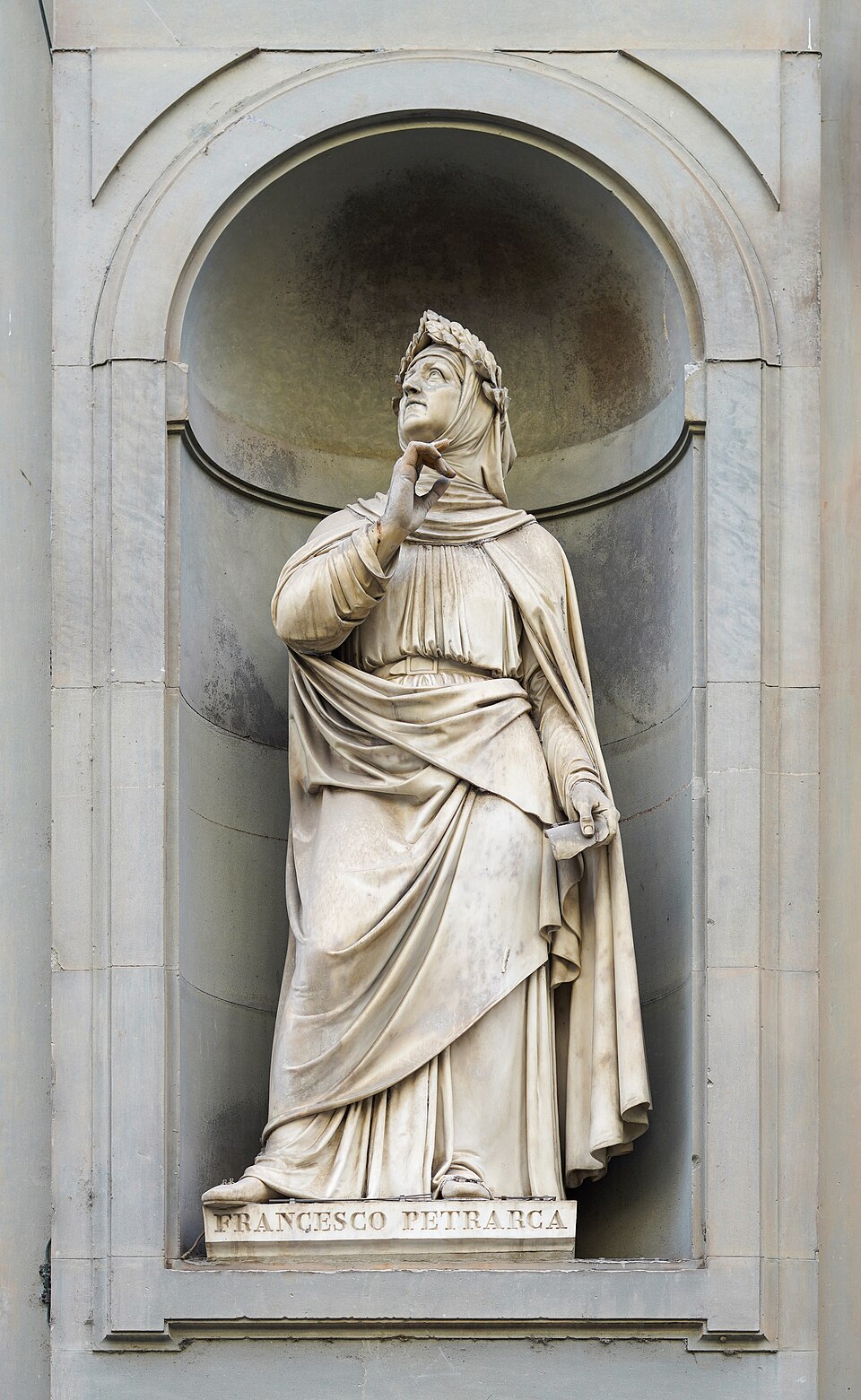
1304 - 1374 - Francesco Petrarch: Il Canzioniere (All Facts)
Collection of poems, madrigals, and sonnets which became famous for detailing the conceived passion the namesake author had for Laura, the wife of Hugo de Sade of France
Provided passionate form to Italian love poetry, of the aforementioned unrequited love
Like his contemporary Dante Alighieri’s love for Beatrice, the namesake’s love for Laura remained pure and distant
She became the mother of 11 children and died in the Black Death Death
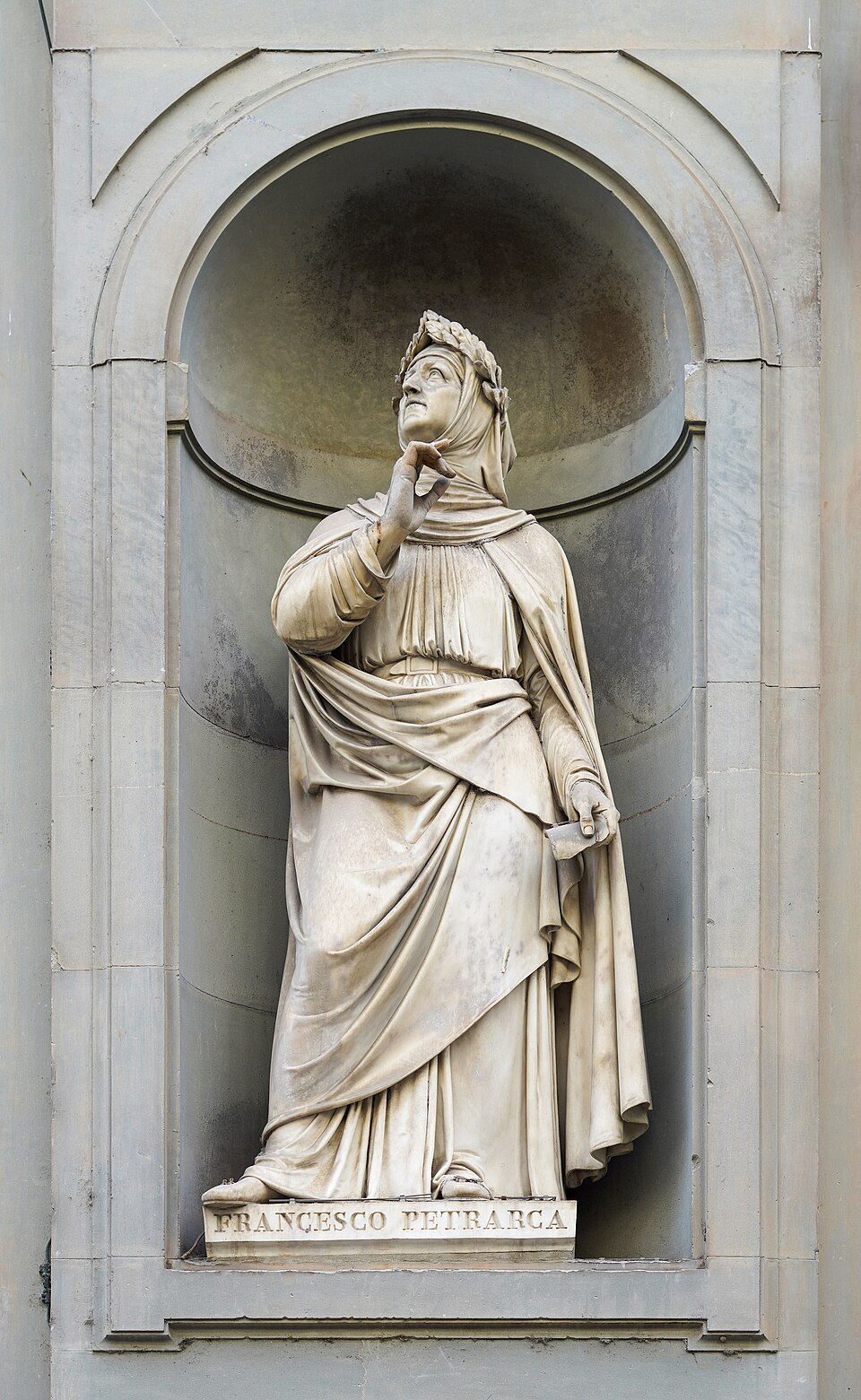
1304 - 1374 - Francesco Petrarch: Africa (All Facts)
Latin Epic Poem in honor of Scipio Africanus
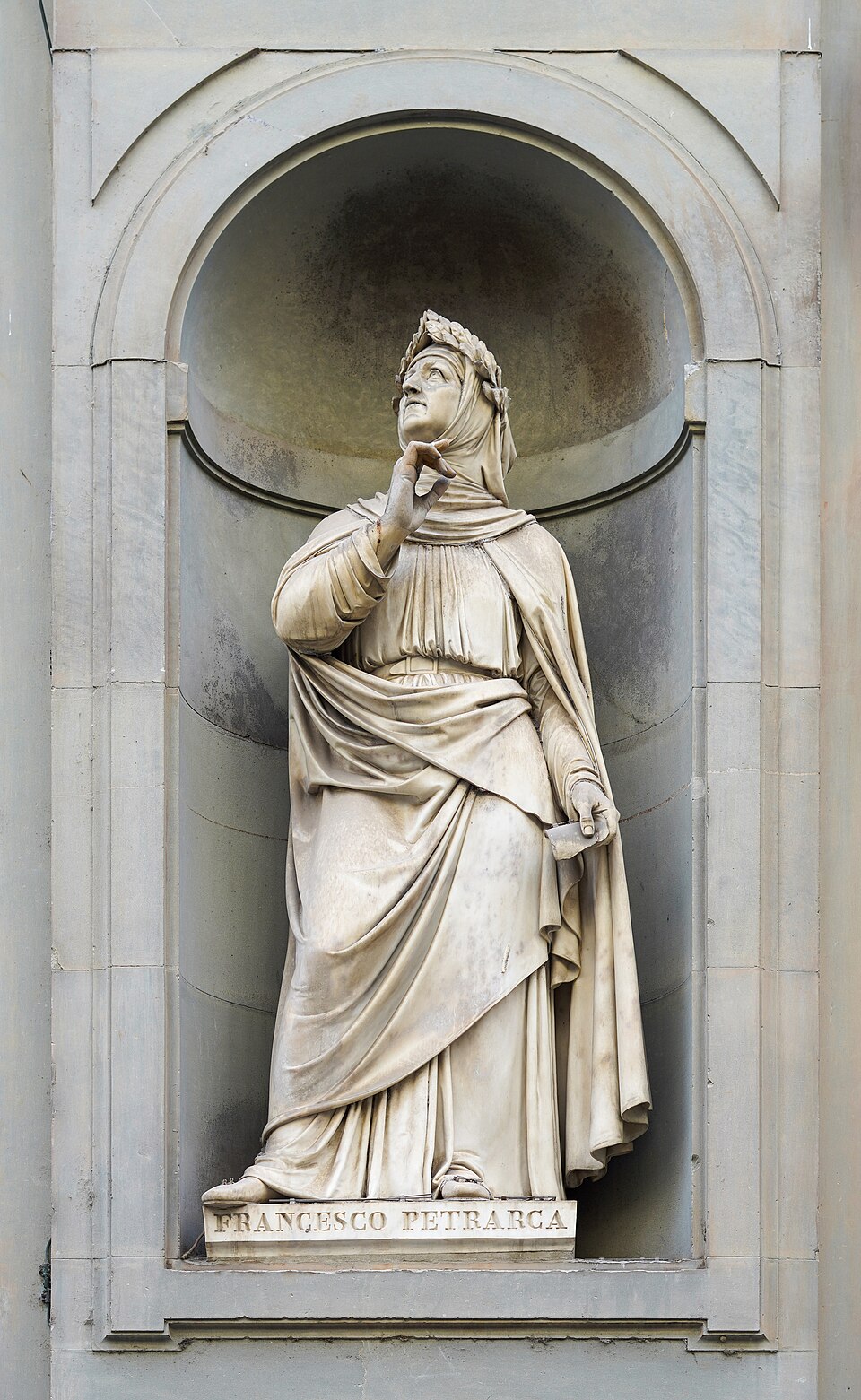
1304 - 1374 - Francesco Petrarch: On Illustrious Men / De Viris Illustribus (All Facts)
Collection of prose biographies of famous Romans, an Italian Renaissance equivalent to the Roman Writer Plutarch’s “Parallel Lives”
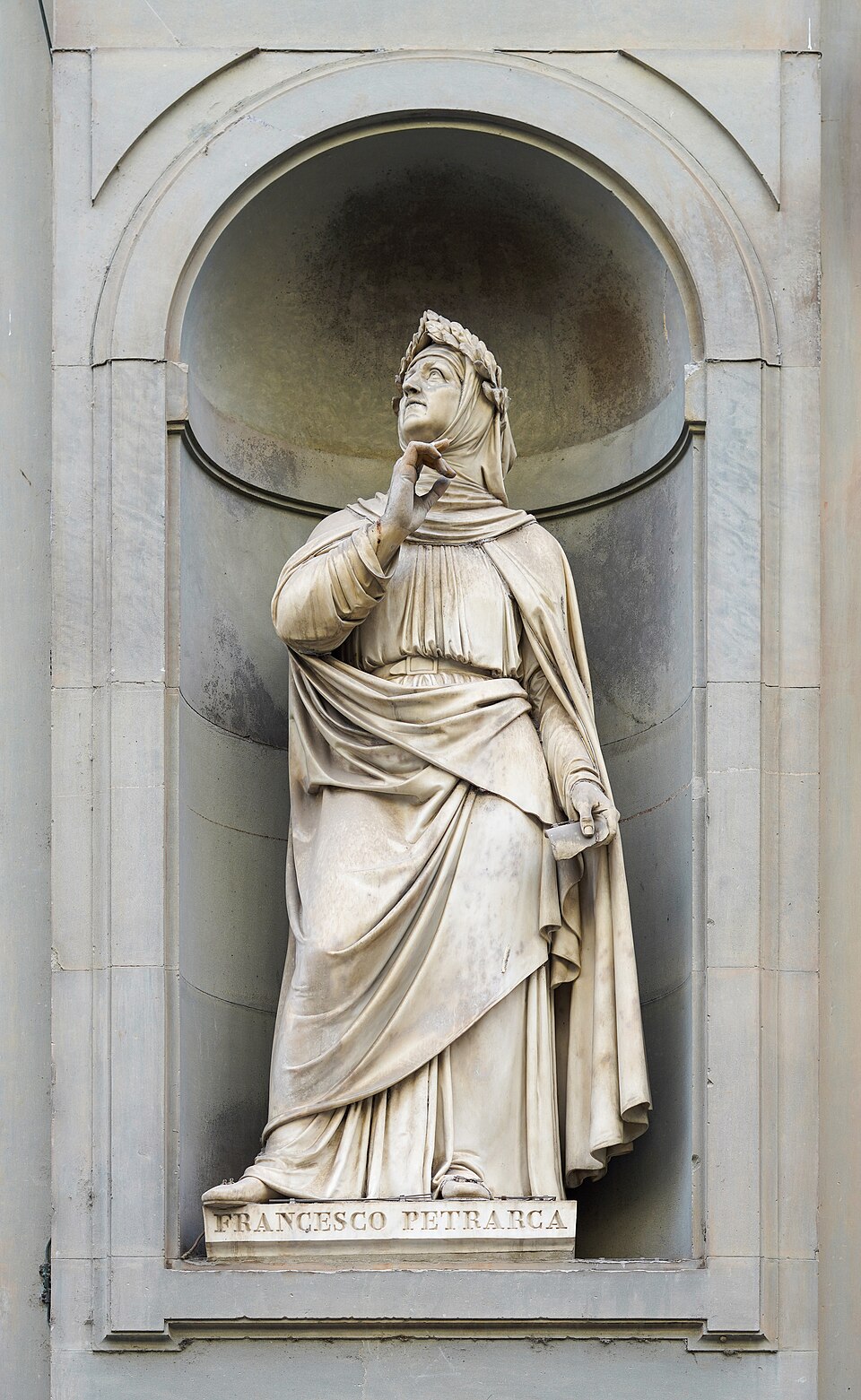
1304 - 1374 - Francesco Petrarch: On the Solitary Life (All Facts)
Treatise about the namesake subject
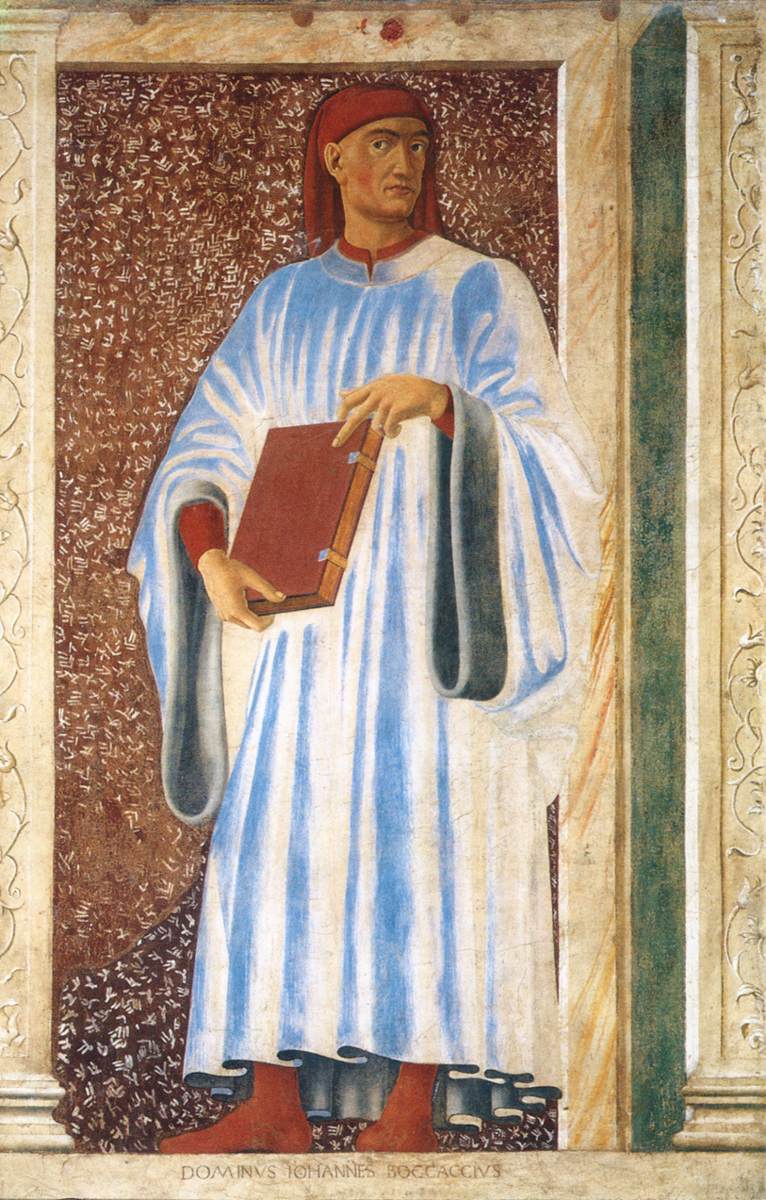
1313 - 1375 - Giovanni Bocaccio (All Facts)
Italian Renaissance Writer, Poet, and Humanist
He was from Tuscany
He developed the Italian novella through his most famous work
His father worked for the Bardi bankers
Despite hopes that he might join either the church or the business world, he preferred and pursued writing
He spent many years in Naples, where he moved in court society and launched his literary career
He died at Certaldo
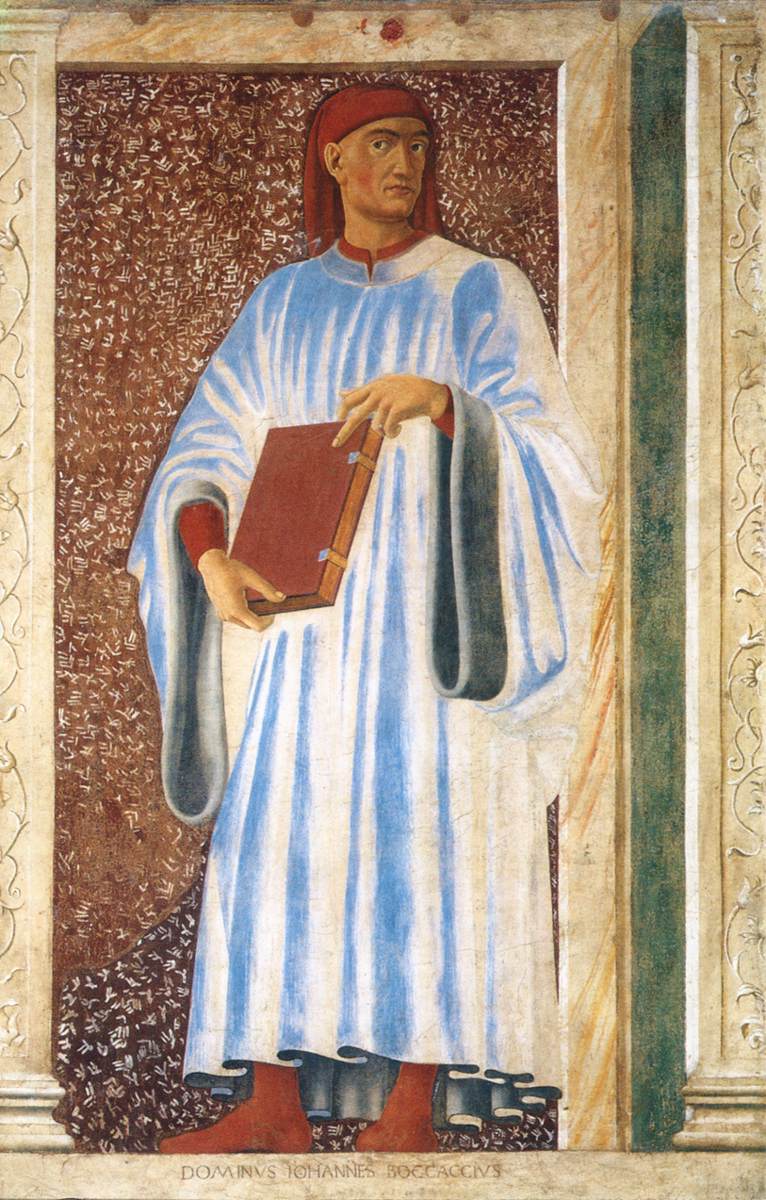
1353 - Giovanni Bocaccio: The Decameron (All Facts)
Book which was designed to combat the many horrors of the Black Death
It consists of 100 amusing, witty, and bawdy stories and tales, supposedly told by seven young ladies and three young men taking refuge from the Black Death in the country, and, according the namesake author, is meant to console all unhappy lovers
Its storytelling takes ten days, hence the namesake title, which in Italian means “ten days”
It is not all humorous, however as the namesake author recounts the loss of his own mother to the Black Plague, and the book’s introduction provides one of the finest eyewitness accounts to emerge from this terrible experience
Book whose stories’ humanism and breadth of social and psychological observations had an enormous influence on Italian Renaissance literature thereafter, himself influenced by Greco-Roman styles
Book through which the Italian novella was developed
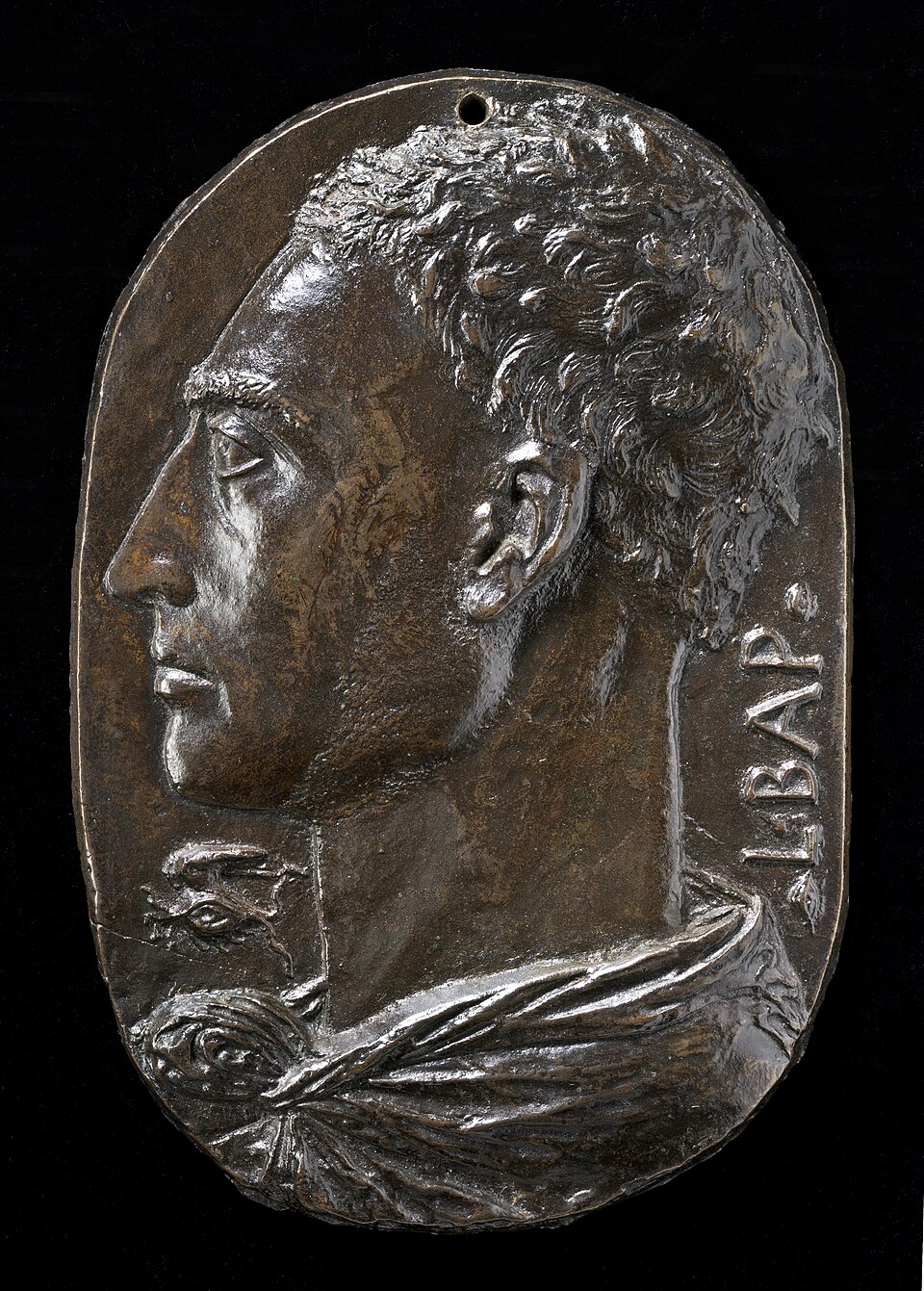
1404 - 1472 - Leon Battista Alberti (All Facts)
Italian Renaissance Writer and Polymath
He published works on ethics and jurisprudence
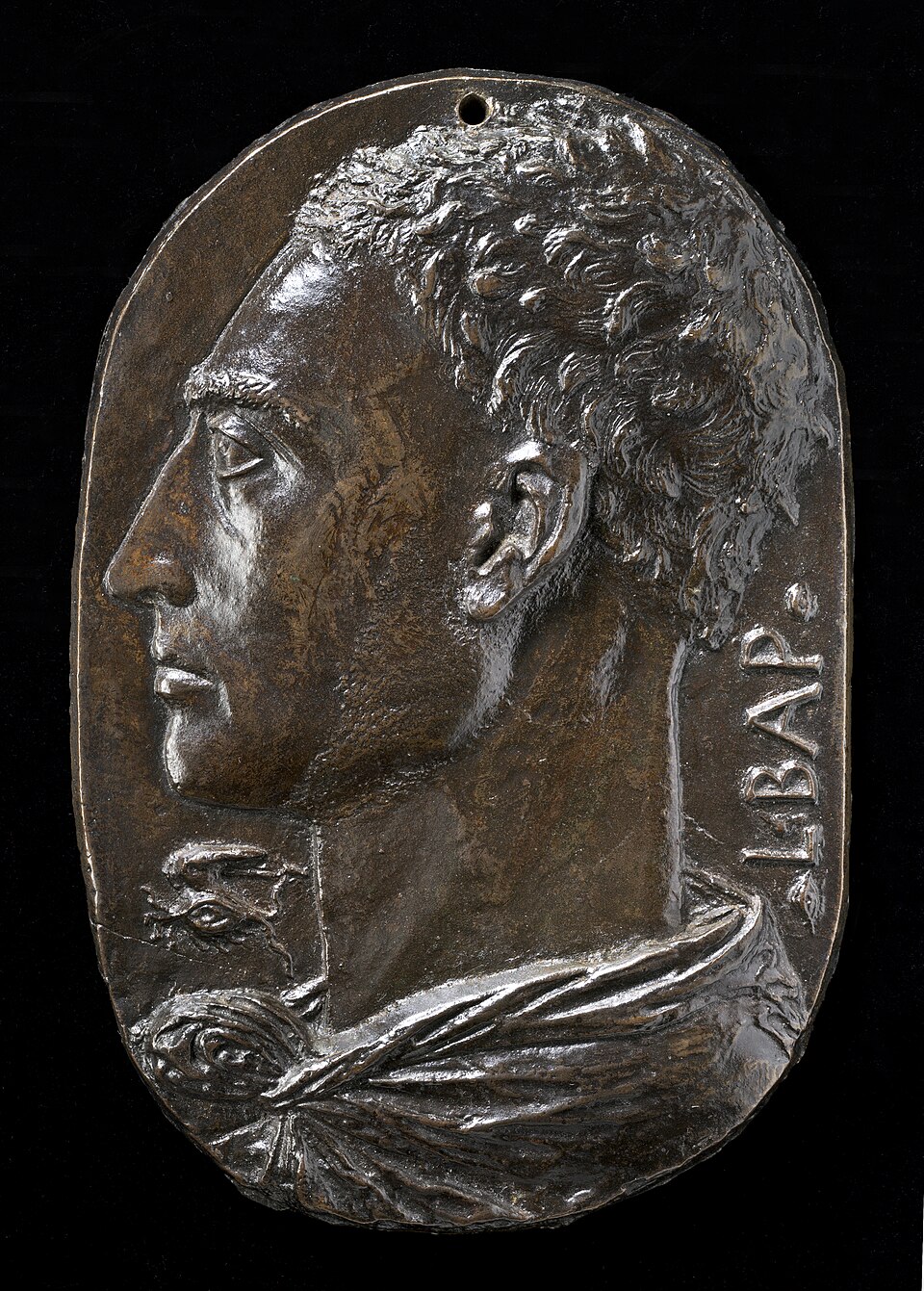
1434 - Leon Battista Alberti: On the Family / Della Famiglia (All Facts)
Work which contained a theoretical treatise within a discussion of household affairs
Styled on Latin models, it displayed a pessimistic view of contemporary life
1432 - 1484 - Luigi Pulci (All Facts)
Italian Renaissance Humanist and Poet
1483 - Luigi Pulci: Morgante Maggiore (All Facts)
Work which treated irreverently the heroic Charlemagne theme
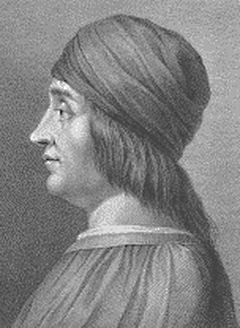
1440 - 1494 - Matteo Maria Boiardo (All Facts)
Italian Poet
He wrote Latin eulogies and lyric love poems
1483 - Matteo Maria Boiardo: Orlando in Love / Orlando innamorato (All Facts)
Epic Poem by the namesake author
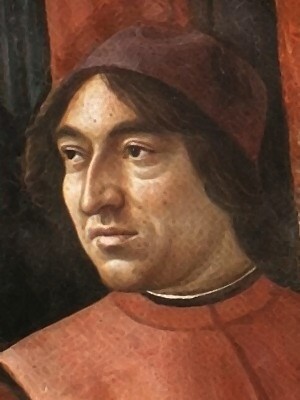
1454 - 1494 - Angelo Poliziano (All Facts)
Italian Renaissance Poet
He was from Florence
He was the official poet for Lorenzo de Medici
His poems inspired Sandro Botticelli to paint “Primavera” and “The Birth of Venus,” Botticelli’s two most famous paintings
He is most famous for writing the first secular play “Orfeo”
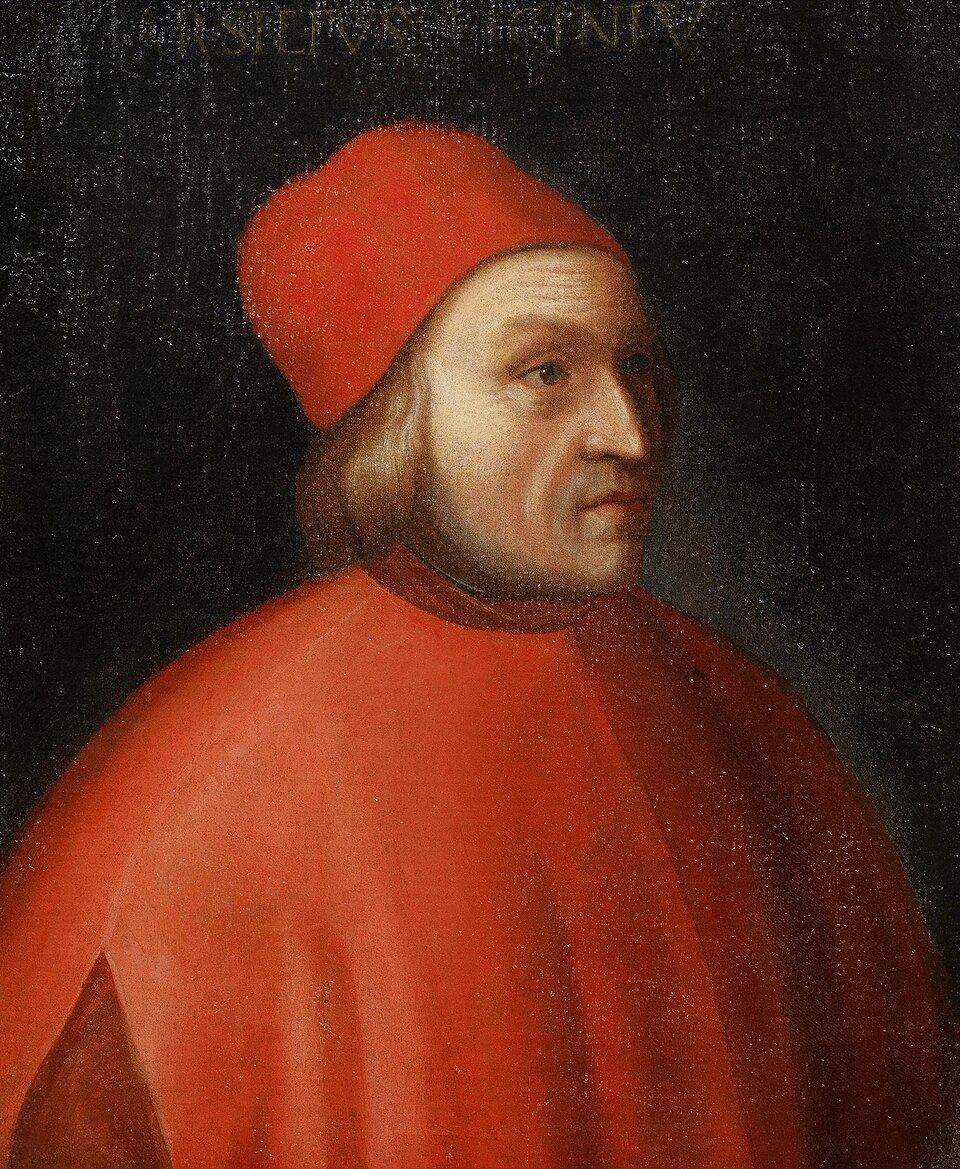
1433 - 1499 - Marsilio Ficino (All Facts)
Italian Scholar
He was from Florence
He was known for translating the complete works of Plato from Greek into Latin

1449 - 1515 - Aldus Manutius (All Facts)
Italian Printer and Humanist Scholar
He is famous for having introduced the small portable book format, the “Enchiridia,” the predecessor of the modern paperback book, which thus revolutionized personal reading
He is also famous for having helped to standardize the use of punctuation including the comma and the semicolon
He founded the Aldine Press, famous for having introduced italics into print
It published many classics of Italy during his age such as Baldassare Castiglione’s “The Book of the Courtier”
At one time, Desiderius Erasmus worked for him as a proof-reader
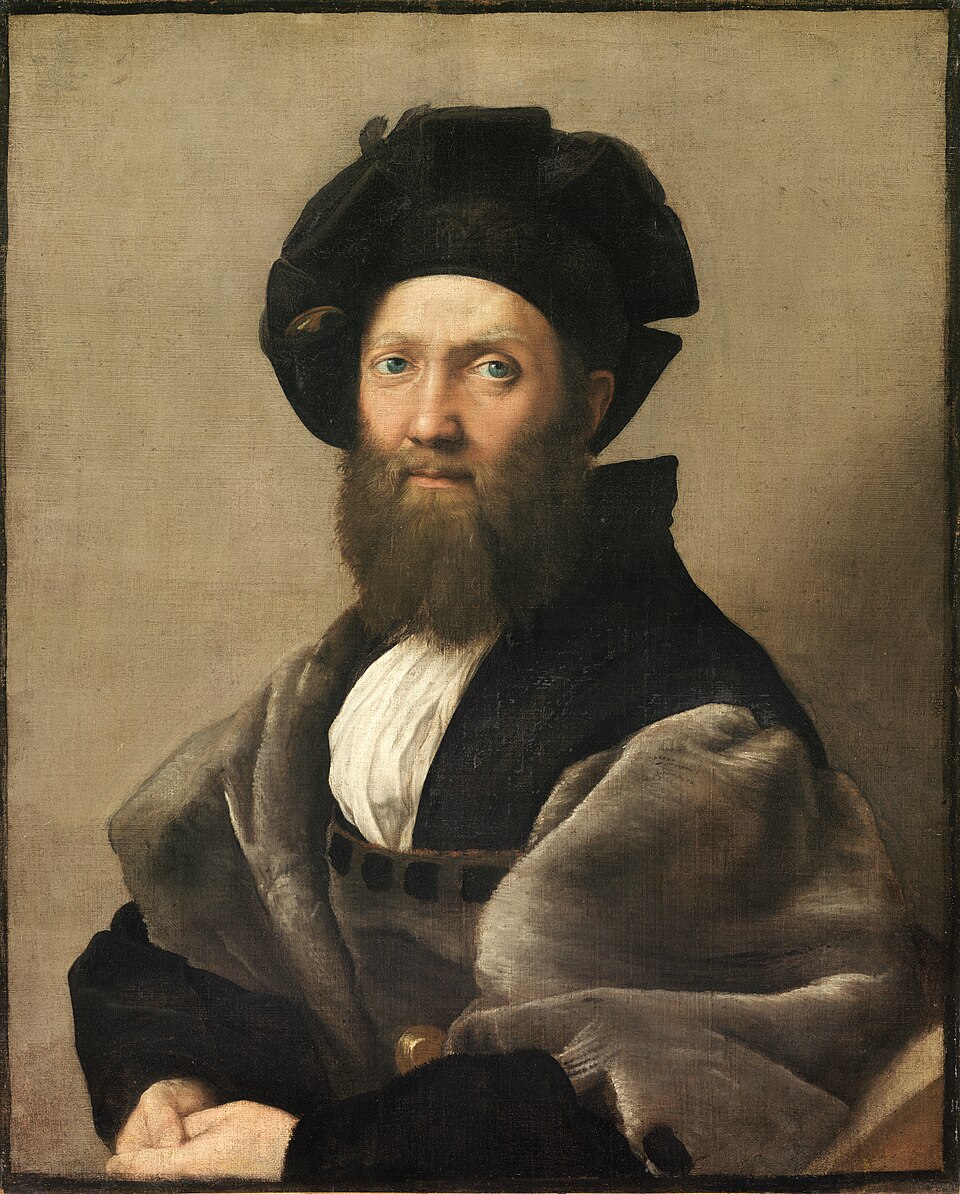
1478 - 1529 - Baldassare Castiglione (All Facts)
Italian Courtier and Writer
He was an accomplished courtier in the service of Guidobaldo de Montefeltro, the Duke of Urbino
He was a veteran of the courts of Pope Leo X and Pope Clement VII
He was also associated with the Medici Family

1528 - Baldassare Castiglione: The Book of the Courtier (All Facts)
Book about etiquette, which defines every aspect of a gentleman’s life and attitudes
Book which sets out the qualifications for good breeding, it
is concerned with neither politics nor morals, but with the lifestyle of the elite
portrays the namesake cultured figure as an idealized universal man or woman
Book which epitomized the thinking of “modern cultured people” of the day
Book based on the real-life experiences of the namesake author as the namesake in the service of Guidobaldo de Montefeltro, the Duke of Urbino upon the time of the namesake’s publication
Book whose writing style / form consisted of instructive dialogues
Book in which the namesake author drew on
Cicero
Plutarch
Livy
Pietro Bembo
Giuliano de Medici (Pope Clement VII)
Book in which the namesake author’s campaign to remove affectation from well-bred living had a profound effect on cultured society in Italy, and further afield in England and France
Book which was published in Venice

1474 - 1533 - Ludovico Ariosto (All Facts)
Italian Poet
He was employed by the d’Este family of the Duchy of Ferrara as a diplomat, administrator, and theatrical producer for thirty years
He dedicated his most famous poem to the d’Este family as a result

1516 / 1532 - Ludovico Ariosto: Orlando Furioso (All Facts)
Poem which celebrates, “the ladies, the knights, the battles, the loves, the courtesies and the bold exploits” of a by-gone era, the heroic age of the “Chanson de Roland” when France dominated Europe and the noble Roland, the namesake author’s namesake character, was a byword for chivalric perfection
Poem which was dedicated to the d’Este family who ruled the Duchy of Ferrara
Poem regarded by many as the finest of its era

1490 - 1527 - Vittoria Colonna (All Facts)
Italian Poetess and Noblewoman
She was the Marquess of Pescara
She was greatly admired by Michelangelo
She was the central figure in a group of intellectuals and artists at the time
She wrote poems in the style of Petrarch
She died in Rome

1492 - 1556 - Pietro Aretino (All Facts)
Italian author, playwright, poet, satirist and blackmailer
He was an outspoken critic of the powerful
He was friends with Titian

1511 - 1574 - Giorgio Vasari (All Facts)
Italian Art Historian
He was from Arezzo
He studied under and befriended Michelangelo
The perfection attained by him is the peak of his greatest work

1550 - Giorgio Vasari: Lives of the Most Excellent Painters, Sculptors, and Architects (All Facts)
Work which is considered the first coherent book of art history and criticism
Work which demonstrated the superiority of the artists of Tuscany
Popular book of biographies published in Florence
Work in which the namesake author travelled Italy collecting memories, anecdotes, and written memoirs to illustrate the rebirth of painting, from the time of Cimabue and Giotto to his own time

1544 - 1595 - Torquato Tasso (All Facts)
Italian Poet
He was summoned to Rome to be crowned poet laureate by Pope Clement VIII but he died in the monastery of Santo Onofrio before the ceremony could take place

1581 - Torquato Tasso: Jerusalem Delivered / The Liberation of Jerusalem / Gerusalemme Liberata (All Facts)
Epic Poem which tells of the triumph of good over evil, symbolized by the capture of Jerusalem by the crusader Godfrey de Bouillon
Epic Poem published while the namesake author was in a mental asylum
1608 - 1678 - Giacomo Torelli (All Facts)
Italian Stage Designer and Scenery Painter
He revolutionized theatrical tradition by introducing visible scene changes