BIO III - Animal Diversity Structure Identification
 Call Kai
 Learn
 Practice Test
 Spaced Repetition
 Match
 Flashcards
 Knowt Play
1/81

There's no tags or description
Looks like no tags are added yet.
82 Terms
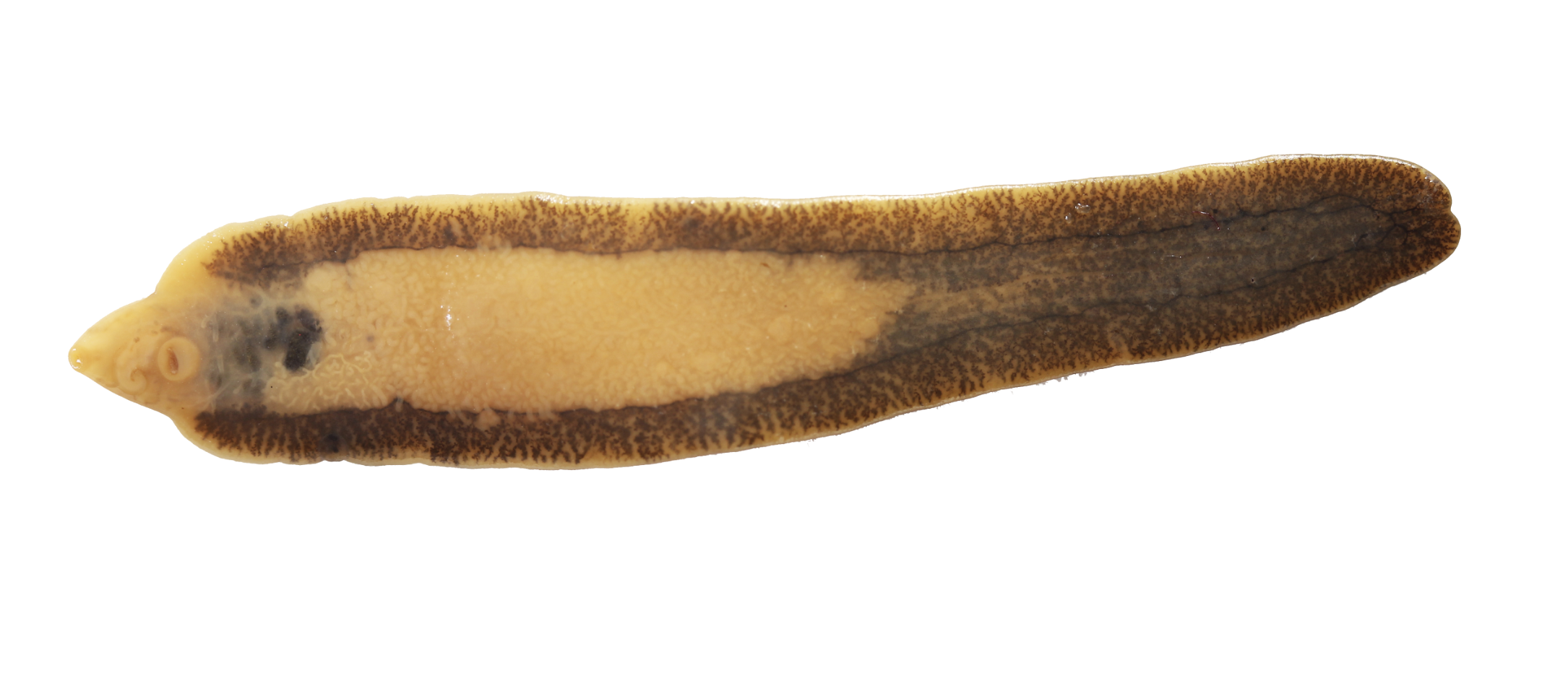
Trematoda
This adult is from the parasitic group of Platyhelminthes known as
Mesohyl
the “correct answer” arrow is highlighting which layer of the porifera body plan

Hydrozoa
This specimen is most likely a member of which group?

Mesohyl
the “correct answer” arrow is highlighting which layer of the porifera body plan

choanocytes
The “correct answer” arrow is highlighting which porifera body structure

Trematoda
This stage of the multi-host parasite is from a

Scolex
the “correct answer” arrow is highlighting which platyhelminthe body structure

Pinacoderm
the “correct answer” arrow is highlighting which layer of the porifera body plan

Cestoda
these are from what group of platyhelminthes?

Atrium
The “correct answer” arrow is highlighting which porifera body structure

Nematocyst
what cnidarian body structure is being shown here

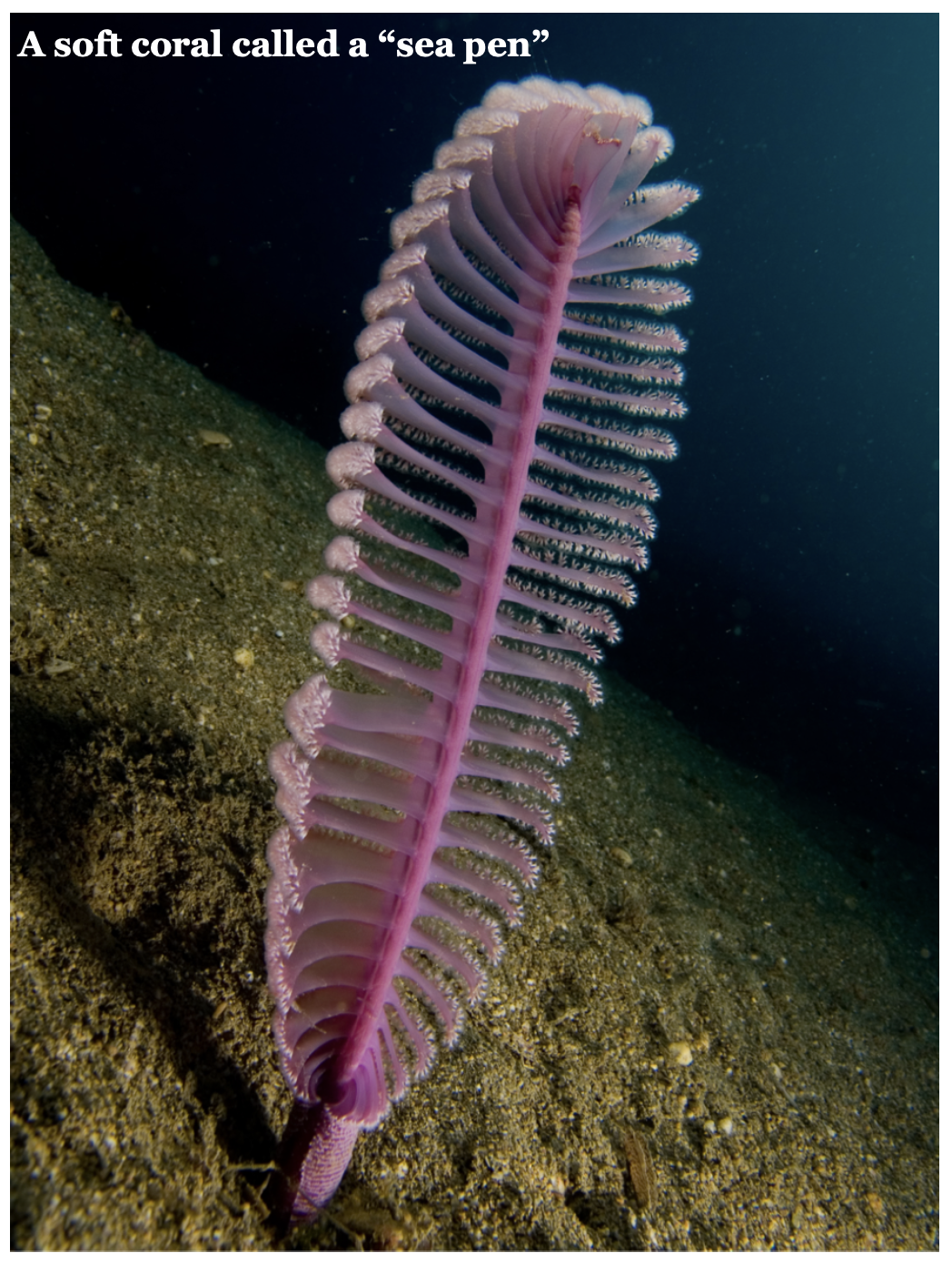
Anthozoa
This specimen is most likely a member of which group?
Scyphozoans
This specimen is most likely a member of which group?

Aboral
Which end of this specimen is the “correct answer” arrow highlighting

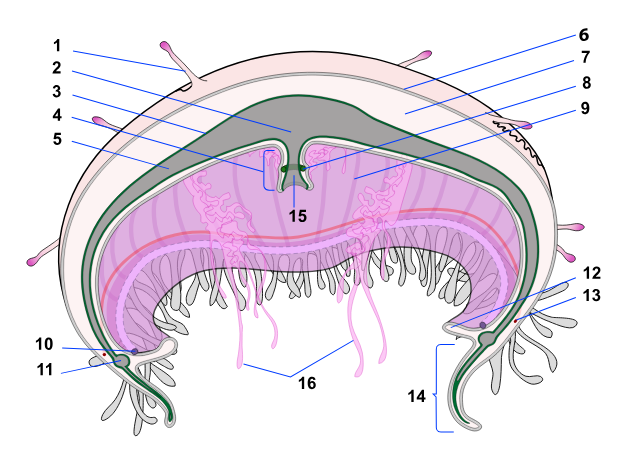
gastrovascular cavity
arrow #2, colored grey points to which cnidarian body structure
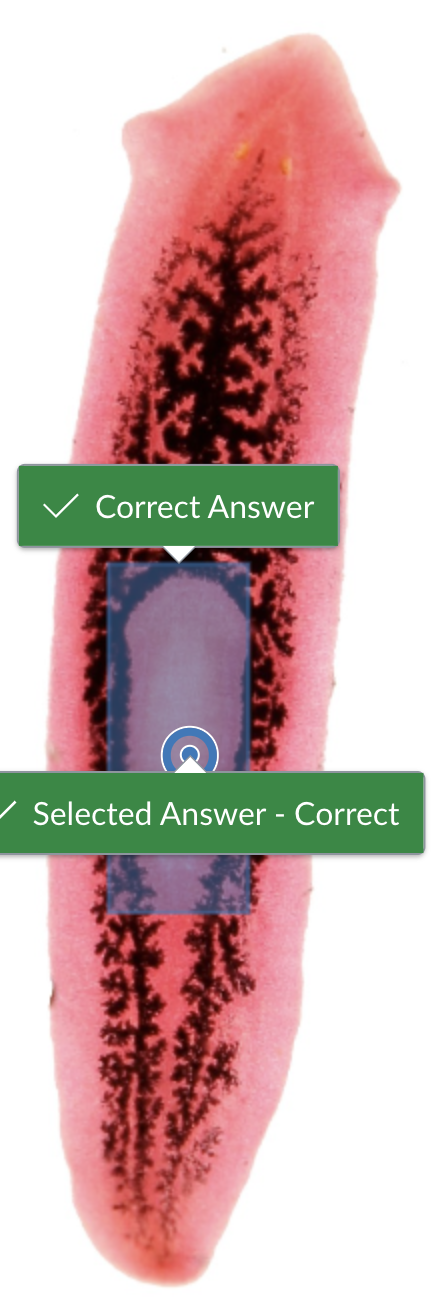
Pharynx
the “correct answer” arrow is highlighting which platyhelminthe (turbellarian) body structure
Progolottids
the “correct answer” arrow is highlighting with platyhelminthe (cestoda) body structure

Protonephridia
which platyhelminthe bodily structure is being shown here
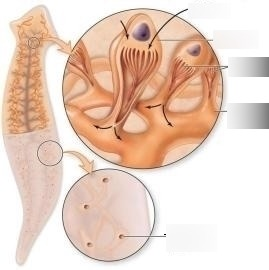
Turbellaria
This specimen is most likely a member of which group?

Cestoda
This specimen is most likely a member of which group?
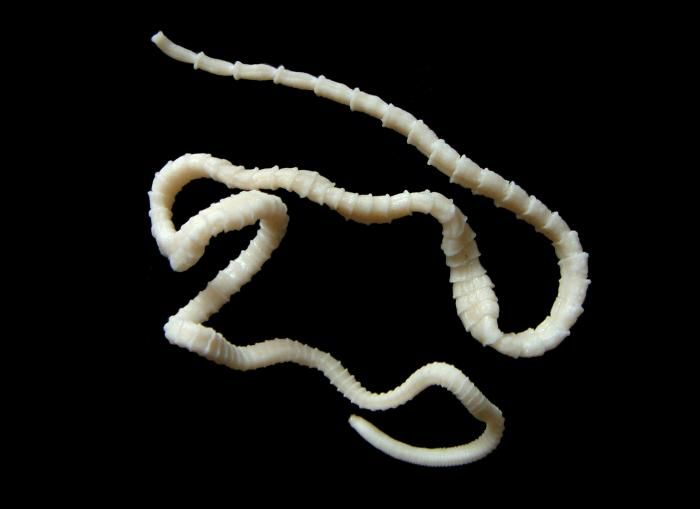
Turbellaria
This specimen is most likely a member of which group?

Trematoda
This specimen is most likely a member of which group?
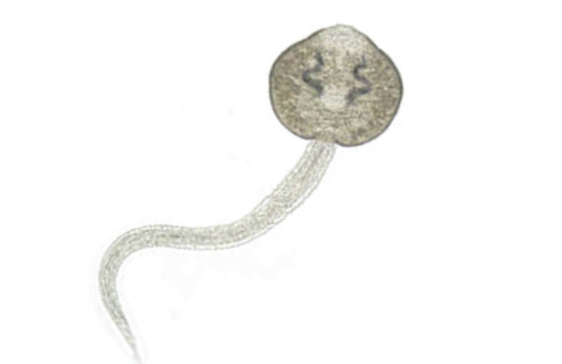
mesenchyme
which part of the platyhelminthe body plan is the red arrow pointing to

Mouth
which part of the platyhelminthe body plan is the red arrow/box pointing to

Suckers
what cestode body structures are the arrows pointing to

Foot
which part of the bivalve body plan is the “correct answer” arrow highlighting

Gills (Ctenidia)
which part of the bivalve body plan are the arrows stemming from the red box pointing to

Visceral Mass
which part of the bivalve body plan is the arrow stemming from the red box pointing to

Mantle
which part of the bivalve body plan is the red box covering

Cephalopod
This specimen is most likely a member of which group?

Parapodia
what polychaete body structure is this

Chaetae
What polychaete body structure is the arrows pointing to

Polychaete
This specimen is most likely a member of which group?
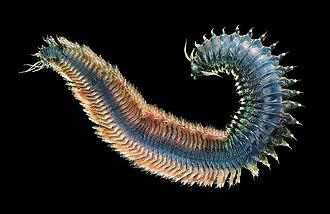
Metanephridia
what polychaete body structure is this

Clitellum
what annelid body structure is this

Oligochaeta
This specimen is most likely a member of which group?
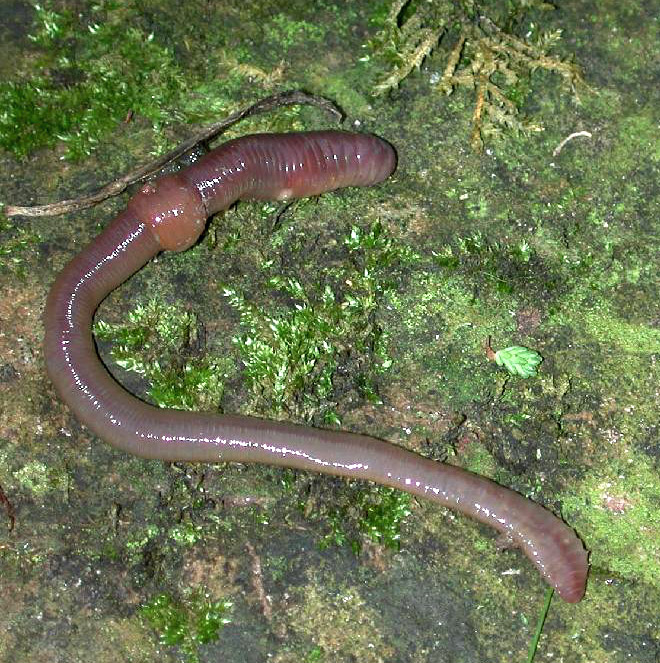
Hirudinea
This specimen is most likely a member of which group?

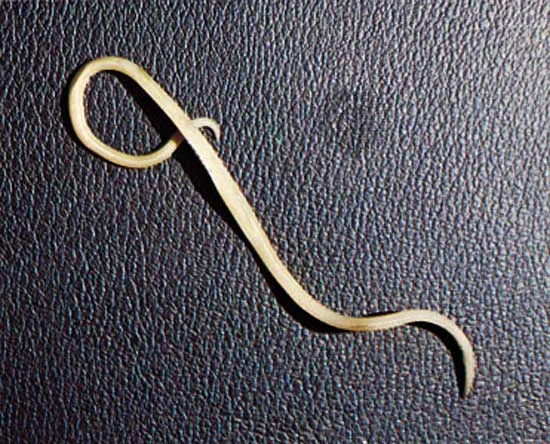
Female
What sex is this nematode specimen?

Nematoda
This specimen is most likely a member of which phylum?
Uteri
what nematode body structure are the arrows stemming from the red box pointing to

Testis
what nematode body structure is the arrow stemming from the red box pointing to

Chelicerata
This specimen is most likely a member of which phylum?

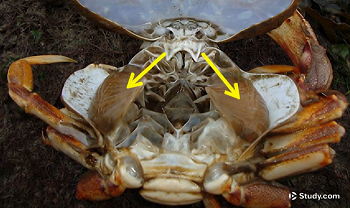
Gills
What crustacean body structure are the yellow arrows pointing to
Book gills
What chelicerate body structure is the arrow pointing to

Book lungs
What chelicerate body structure are the arrows pointing to

Chelicerae
What chelicerate body structure is shown here

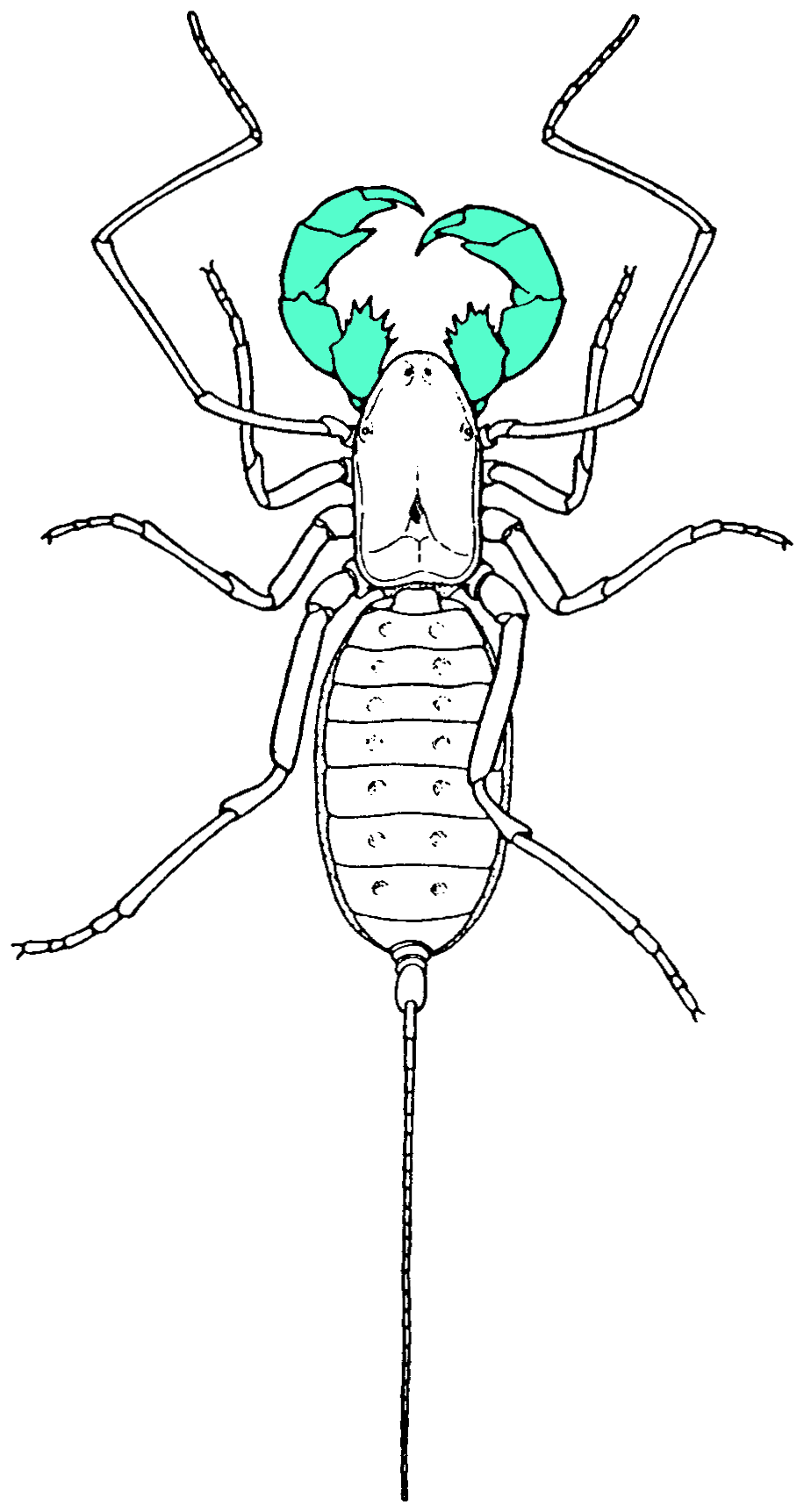
Pedipalps
What chelicerate body structure is shown here
Cephalothorax
What chelicerate body structure is the red circle highlighting

Cephalothorax
What chelicerate body structure is the red circle highlighting

Abdomen
What chelicerate body structure is the blue circle highlighting

Abdomen
What chelicerate body structure is the blue circle highlighting

Chelicerata
This specimens are most likely a member of which group?

Chelicerae
What chelicerate body structure are the arrows pointing to
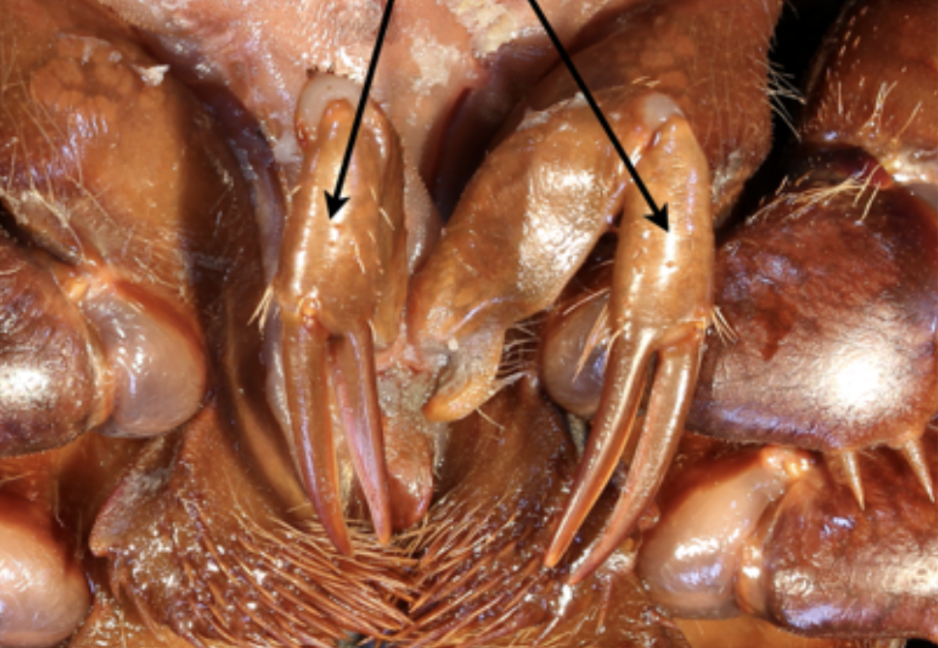
Pedipalp
What chelicerate body structure is the white border highlighting

Crustacea
This specimen is most likely a member of which group?

Decapods
What type of crustacea do these specimens represent

Millipede
These specimens are most likely members of which group?

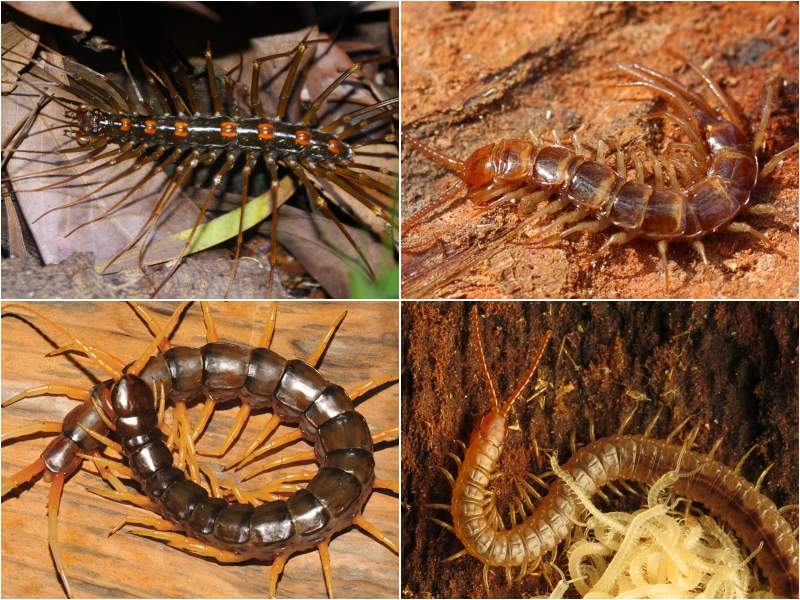
Centipedes
These specimens are most likely members of which group?
Stomatopod
What type of crustacea does this specimens represent

Spiracles
What insect body structure is circled here

Trachea
What insect body structure is being shown here

Madreporite
What echinoderm body structure is the red arrow pointing to

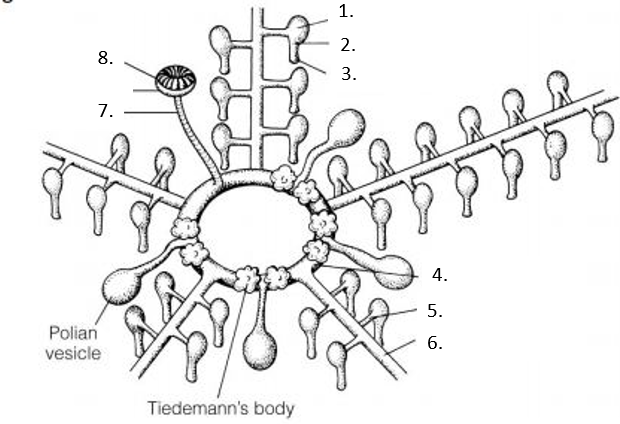
Ampulla
What part of the water vascular system is number 1

Tube foot
What part of the water vascular system is number 2
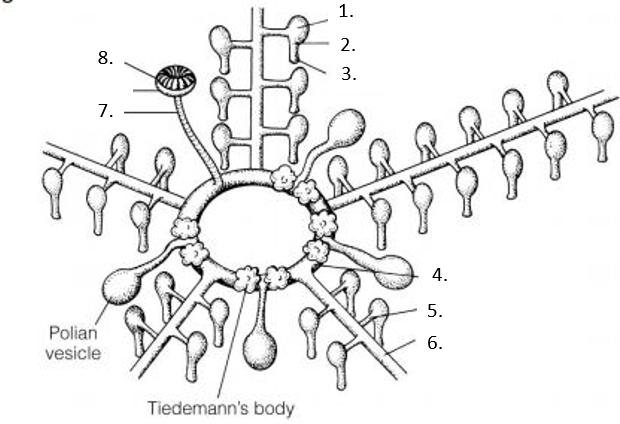
Sucker
What part of the water vascular system is 3

Madreporite
What part of the water vascular system is 8
Tube foot (podia)
What echinoderm body structure is the arrow pointing to

Ossicles
What echinoderm body structure are the orange arrows pointing to

Spines
What echinoidea body structure is being shown here

Anus
What asteroidea body structure is circled

Aboral
What end of this asteroidea is being shown here

Mouth
What asteroidea body structure is circled

Oral
What end of this asteroidea is being shown here

Central disk
What asteroidea body structure is circled

Test
What Echinoidea body structure is shown here

Epithelium
What Echinoidea body structure is the blue box attached to

Branched tentacle
What holothuroidea body structure is the red box attached to

Anus
What holothuroidea body structure is the red box attached to

Podia
What holothuroidea body structure is the red box attached to

Asteroidea
These specimens are most likely members of which group?

Echinoidea
These specimens are most likely members of which group?

Holothuroidea
These specimens are most likely members of which group?
