Soils Slideshow
 Call Kai
 Learn
 Practice Test
 Spaced Repetition
 Match
 Flashcards
 Knowt Play
1/65

There's no tags or description
Looks like no tags are added yet.
66 Terms

Describe the typical soil profile


What type of soil profile is this? Where is it found?
Chernozem. Grasslands.

What soils profile is this? Where is it found?
Podzol. Costal or mountains.

What might you consider when writing the code for this area?
zsgFAp-MBU

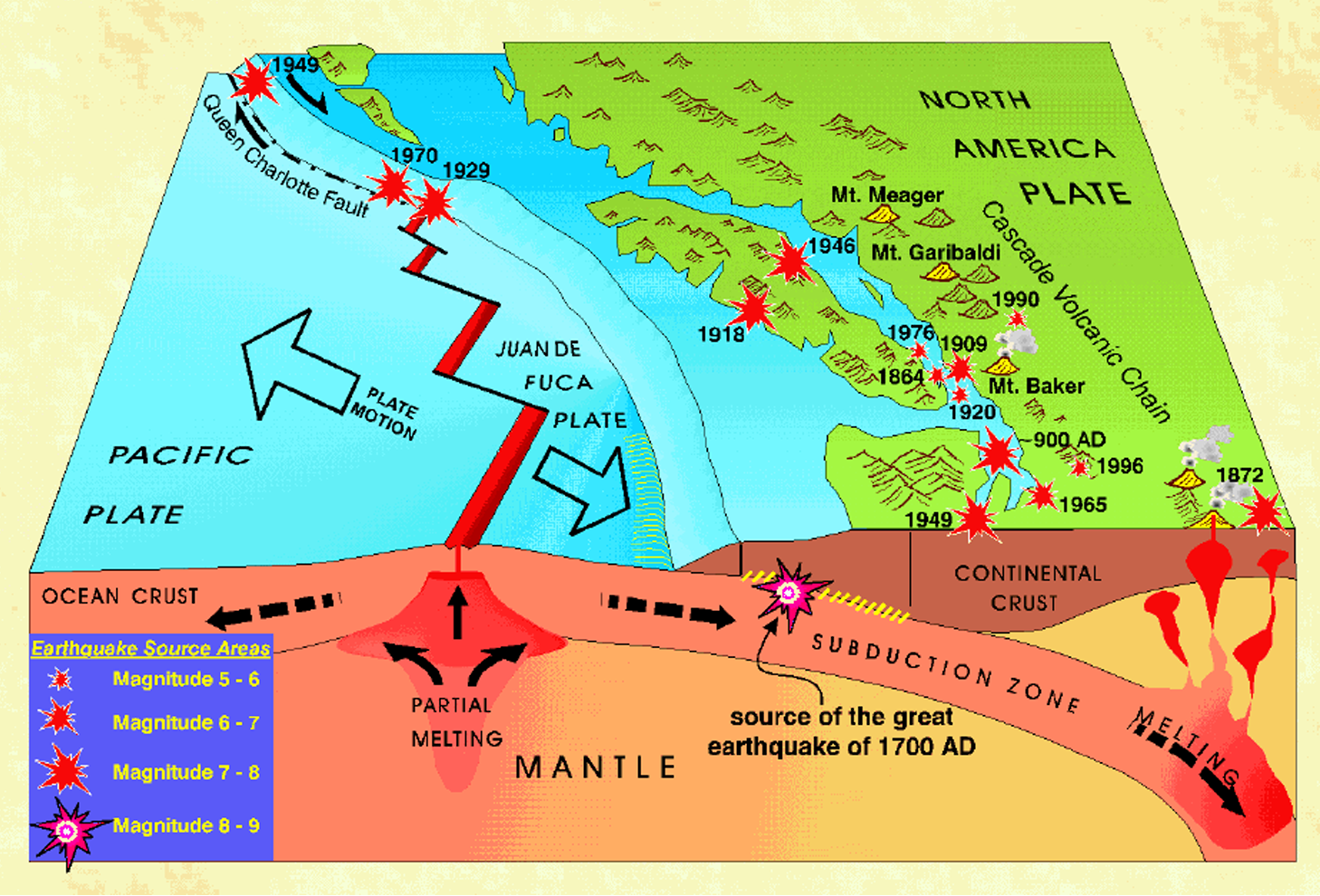
What are the three plate boundaries in this image?
Divergent, convergent, transform

What evidence is this for the tectonic plate theory?
Continental fit

How was this rock formed? What are its components?
Intrusive igneous.
Cooling slowly in the crust
Felsic
High silica content
rich in light coloured minerals (Quartz and feldspar)
Granite commonly

How was this rock formed? What is it made out of?
Igneous extrusive.
Lava cooling quickly with contact to air or water
Low silica content
rich in dark coloured minerals (iron and magnesium)
Basalt commonly
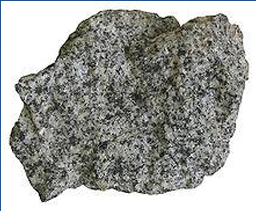
What is this rock made up of?
Moderate silica content
Hornblend, feldspar and biotite
Commonly diorite

What intrusive structure is the zebra wall?
Dike
What is this? How is it formed?
Sill. Magma injected along sedimentary layers.
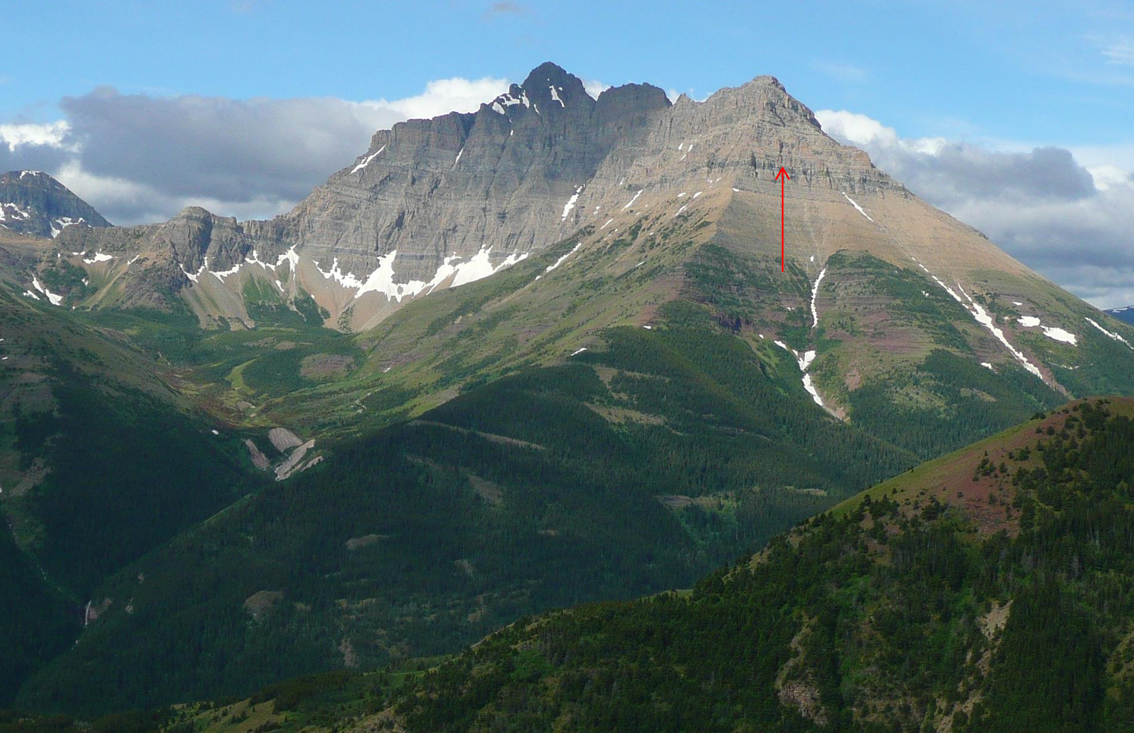
How were these mountains formed?
Sedimentary rocks.
surface processes such as mechanical and chemical weathering to pre-existing rocks or organic materials.
material is moved, accumulates and lithifies (Compaction and cementation)

This process is an example of what?
Lithification- compaction.

Gimli is an example of what rock forming process?
Metamorphic
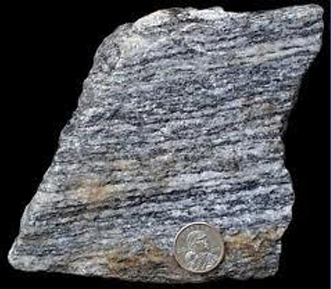
What is this? Why does it happen?
Foliation. Minerals in rock align with extreme pressure (Metamorphism)
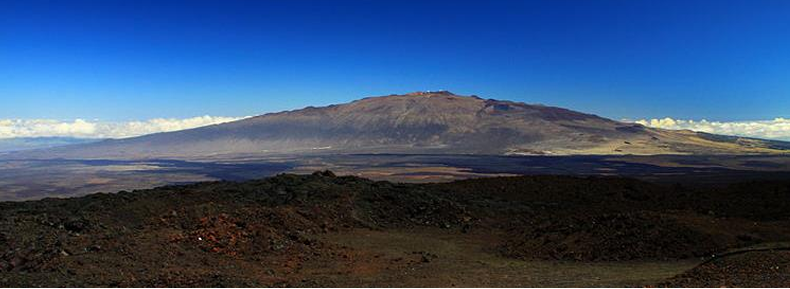
What kind of volcano is this? What is it made out of?
Shield volcano. Mafic lava (Runnier).

What kind of volcano is this? What is it made out of?
Composite. Felsic lava

What kind of volcano is this?
Dome.

What kind of volcano is this?
Cinder cone
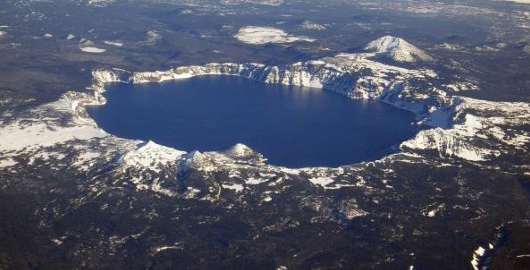
What kind of volcano is this?
Caldera

What is this? How is it formed? What is the process called?
Basalt columns. Lava extruded from narrow cracks in crust. Fissure eruptions.

What deformation fold is this?
Syncline
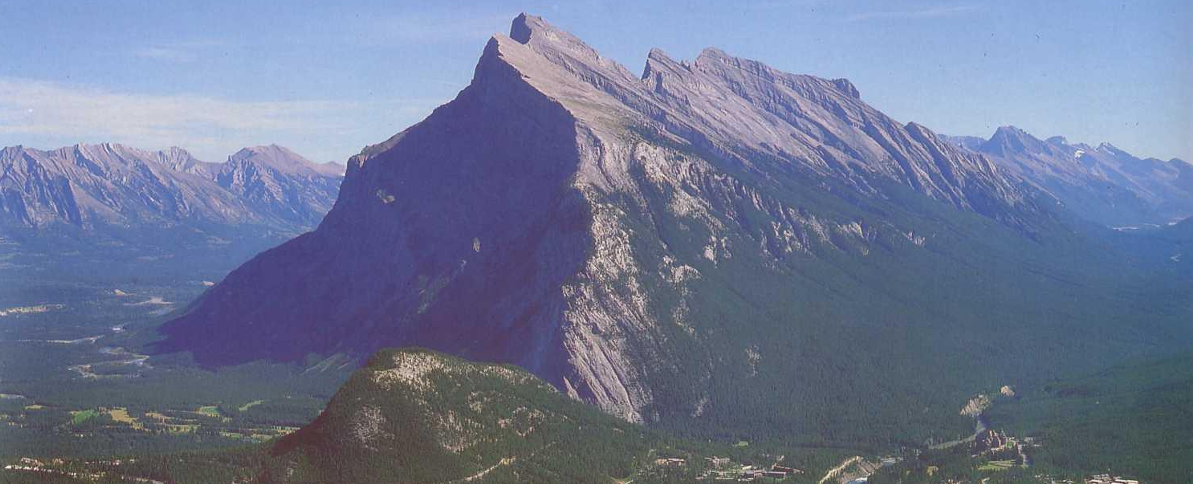
What kind of fault is this?
Thrust fault

What is going on with this rock?
Chemical weathering

What kind of weathering could this be?
mechanical frost weathering

What kind of weathering is this?
Mechanical- exfoliation due to pressure release
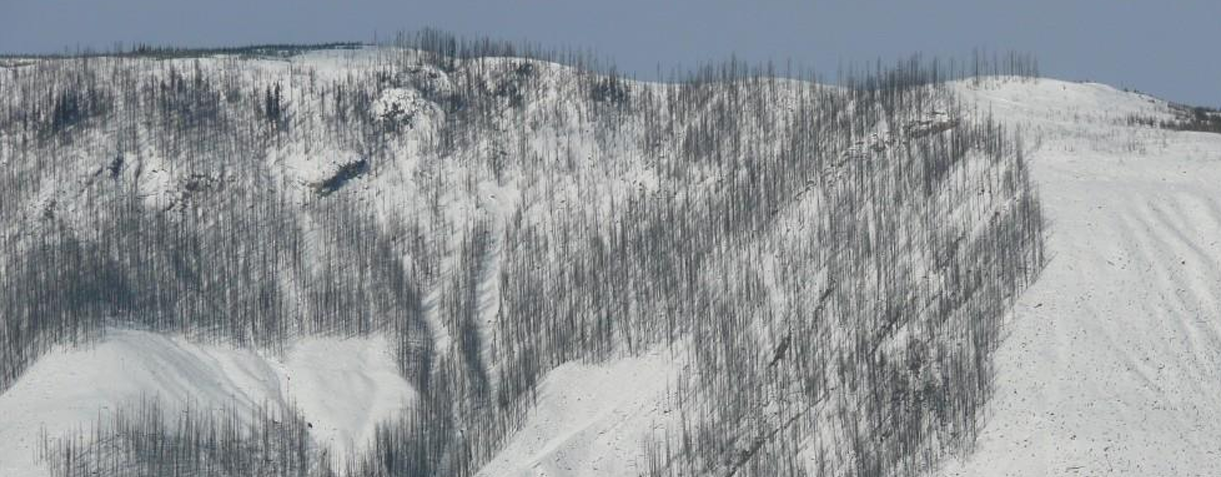
What kind of weathering could have occurred in these rocks?
mechanical- temperature due to fires/ extreme heat
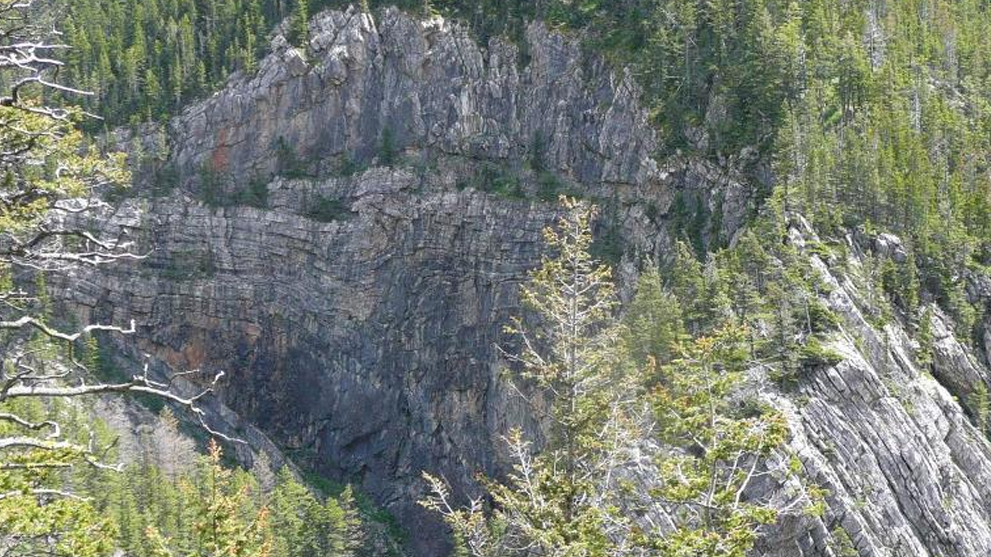
What kind of weathering could this be?
Mechanical- biota, rock cracks from roots growing

What kind of weathering is this?
Chemical- oxidization

What is this an example of? What could have caused this?
Mass movement.
Undercutting, saturation, logging(removal of vegetation), earthquake, overlaying material weight
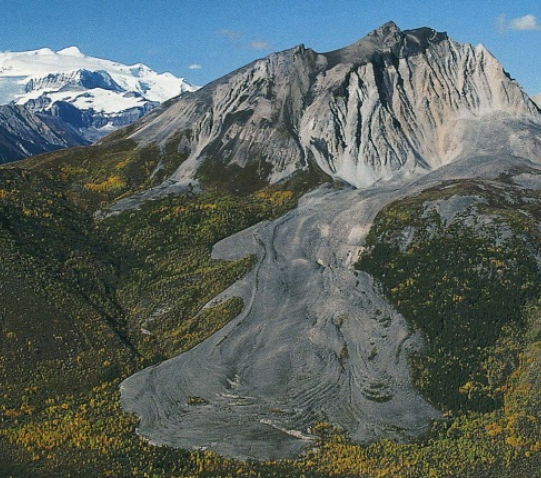
What is this
Rock glacier. Mainly rock some ice.

What is this? Why does it happen?
Slow mass movement- soil creep- pistol butt
Unstable slope

What is this?
Slow mass movement- soils creep- teracettes.

What is this? Why does it happen?
Slow mass movement- Soliflucation.
Melting permafrost(waterlogged layer) over frozen layer

What is this?
Rapid mass movement- rotational slump

What is Hope Slide an example of?
Rapid mass movement- rockfall

What is this? Why does it happen?
Rapid mass movement- Debris flow
Saturation

What and Why?
Rapid mass movement- Avalanche path
Weakness is snowpack

What surficial material is this? How is it deposited?
Colluvial.
Deposited by gravity
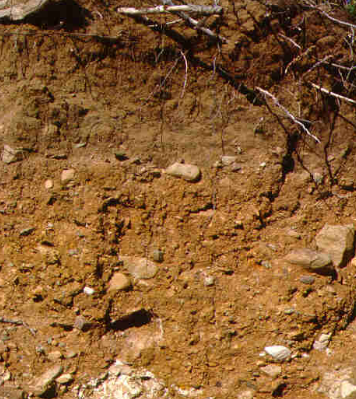
What surficial material is this? How was it deposited?
Morainal/till. Deposited directly by glaciers

What surficial material is this? How was it deposited?
Fluvial. Deposited by existing river
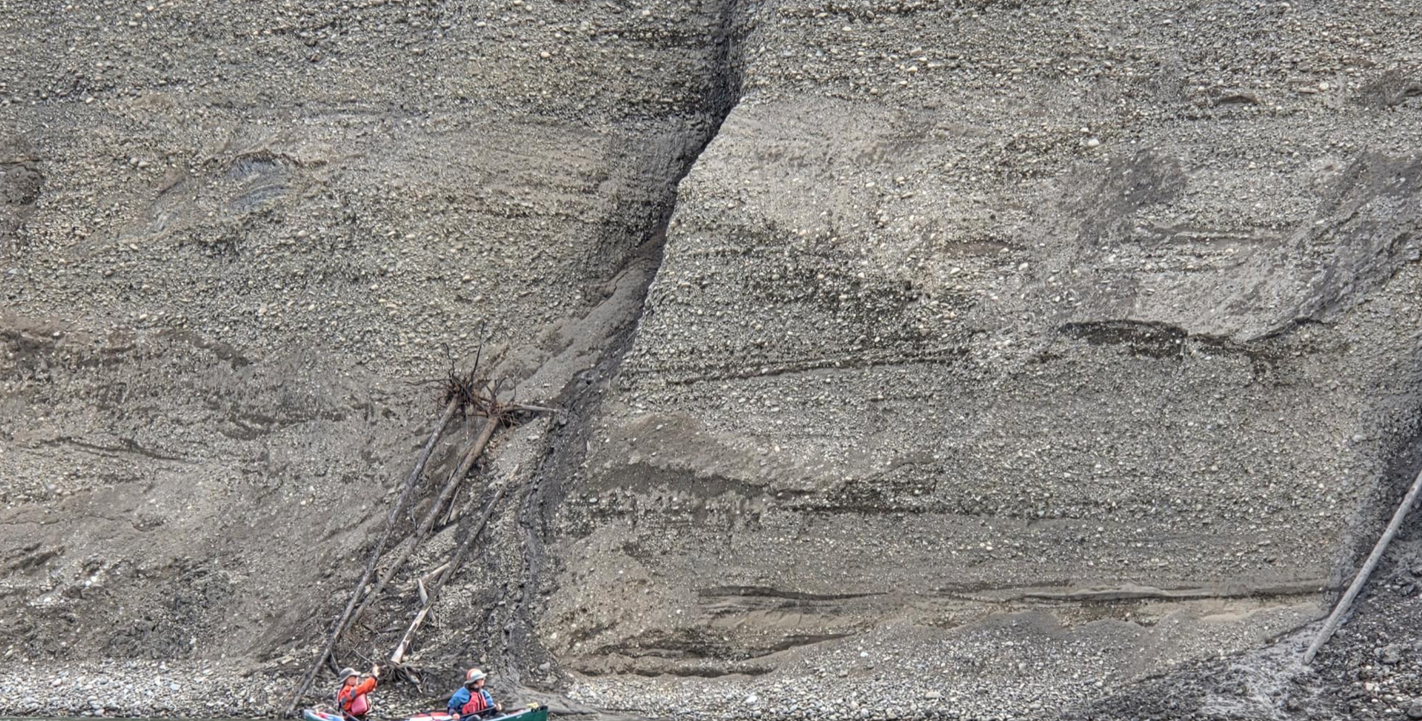
What surficial material is this? How was it deposited?
Glacial fluvial. River from melting glaciers

What kind of surficial material would be found in the lake? What kind of material would it consist of?
Lacustrine. Clay and silt, No rocks.
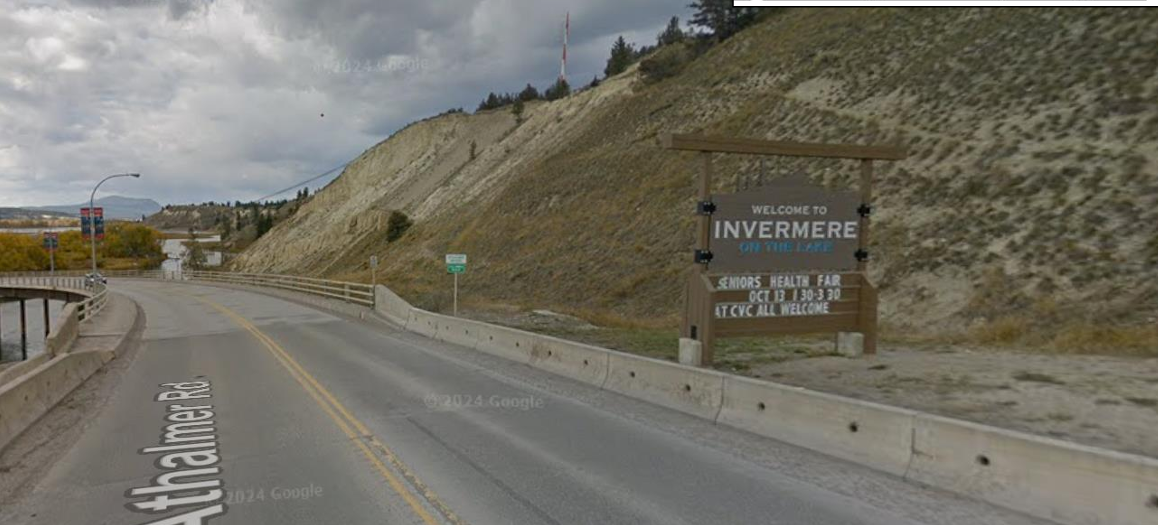
What surficial material is this? How was it deposited?
Glacial lacustrine. not from current lake.

What surficial material is this? How was it deposited?
Weathered bedrock. In situ- decomposing rock

What gives the river its red colour?
Iron rich suspended load.
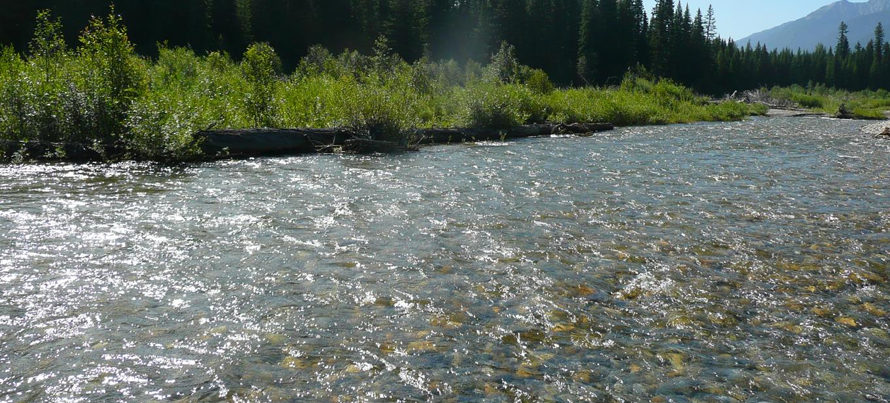
What kind of materials would make up this type of channel? Why?
Sand and gravel. They are non-cohesive and easily eroded making the channel shallow and narrow.

What are these called? How are they formed?
Oxbows. When the river breaks through the neck.
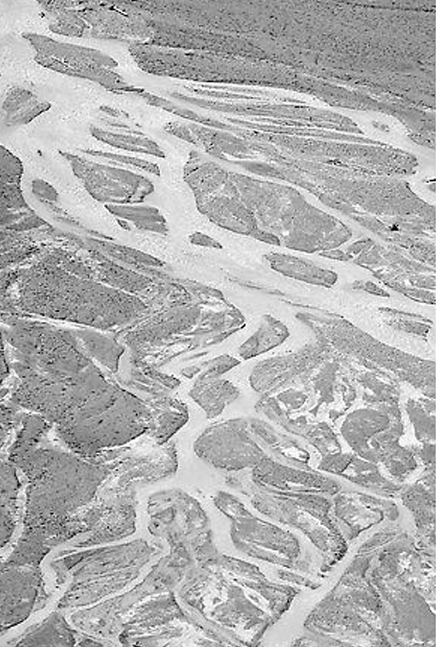
What is this? How would you make only one channel?
Braiding. Increase velocity or remove bed load.
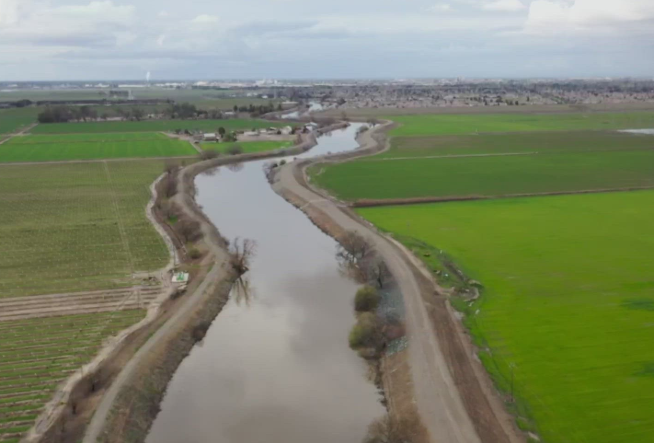
What is this? What materials would it be built up of? How does it happen?
Levee. Courser materials on the sides. Flooding multiple times
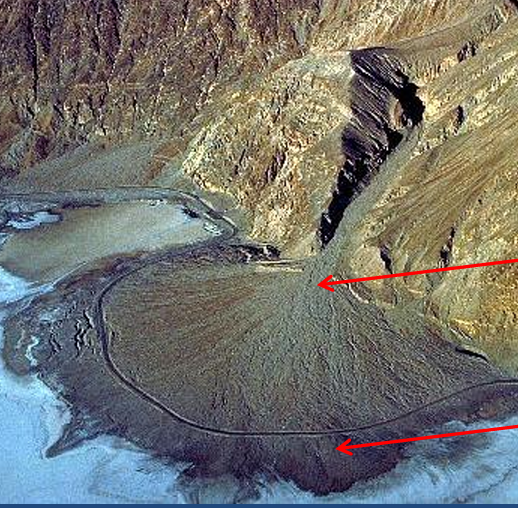
What is this? What would find at the arrows?
Fluvial fan.


What do the symbols mean in a typical terrain unit map?


Label
Colluvial cone and fluvial fan
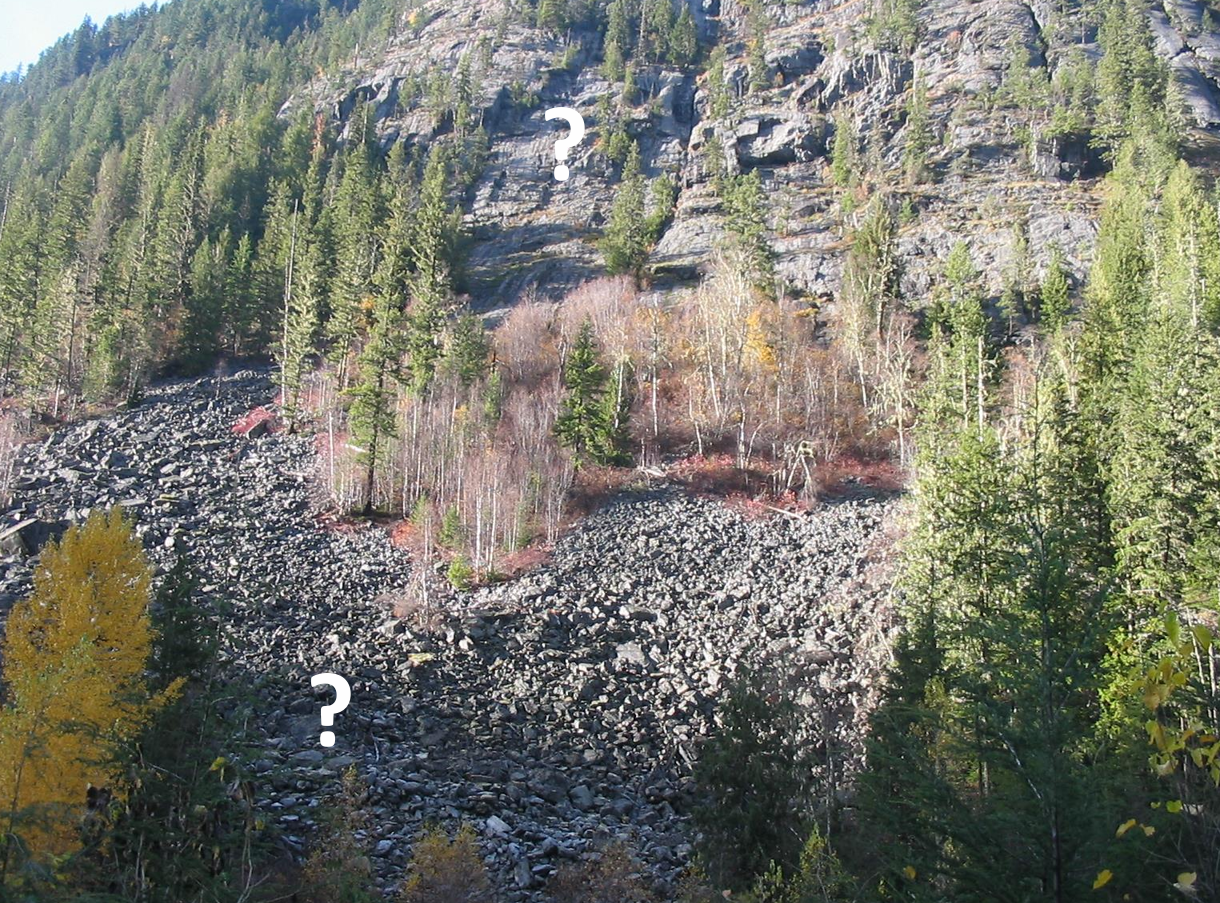
What would the soil texture codes be for these locations?
None- we do not know.

What is this?
Bergschrund- crevasse at junction of glacier and steep upper slope

What is this? How is it formed? Which direction is the movement of ice?
Roche moutonnee
glacier erroding bedrock feature by plucking bloulder.
right to left
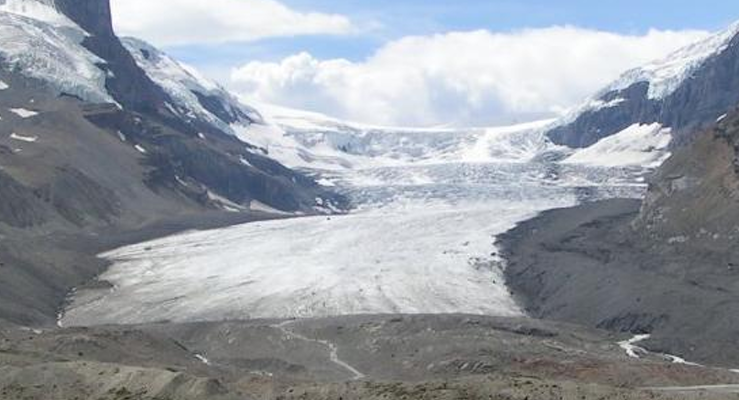
What kind of material would you expect to find here?
Non-selective. Debris, plucked and eroded material

Label

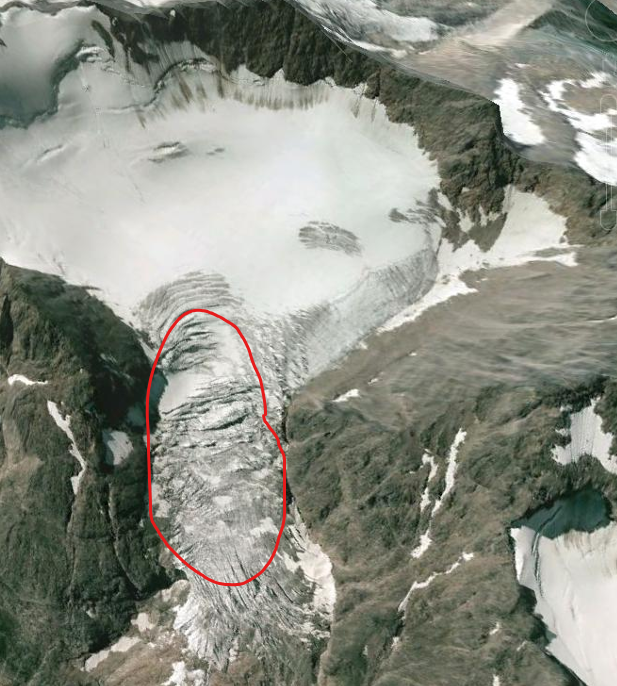
How was this ice formed?
Snow crystals deep in snowpack become rounded over time
Summer conditions=firn (dense granular snow- air forced out)
Accumulation of weight (Compaction)

What is this feature called? How was it formed?
Arete. Frost action and glaciation.

What is this feature? How was it formed?
Cirque. small glacier scouring and creates depression

What is this feature? How was it formed?
Horn. 3 or more cirque glaciers that sharpen a peak and frost action.

What is this feature? How was it formed?
Col. 2 cirque or valley glaciers cut through a ridge and form a pass.

What is this feature? How was it formed?
U-shaped valley. glacial erosion.

What is this feature? How was it formed?
V-shaped valley. Formed by moving water downcutting

What is this feature? How was it formed?
Hanging valley. Lots of ice in main valley results in deep cutting and side valleys are cut off.