HIST: The Sixties
 Call Kai
 Learn
 Practice Test
 Spaced Repetition
 Match
 Flashcards
 Knowt Play
1/23

There's no tags or description
Looks like no tags are added yet.
24 Terms
24th Amendment
Amendment in 1964 that made poll taxes, literacy test, and other methods of disenfranchisement illegal.
Brown v. Board of Education
1954 court case that overturned “separate but equal” in public schools.
Brown 2 decesion
1955 court case following brown v. board of education that ordered schools to integrate “with all deliberate speed”
Southern Manifesto
1956 manifesto written by white politicans in which they called the brown decision “abuse of judicial power.”
Autherine Lucy
1956 Enrolled at the University of Alabama and caused so much disruption as an African American woman that she stopped attending class.
Voting Rights Act
1965 act that Outlawed literacy tests. Empowered federal registration to enroll African American voters primarily in the South.
Bloody Sunday
First of the Selma to Montgomery marches. 600 marchers refused to turn around and were beaten by county and state officials.
Selma To Montgomery
Securing the right to vote nationwide. Three separate marches in response to police shooting black activists. 54 miles. 25,000 marchers
Civil Rights Act
(1964 Act) Proposed by Kennedy in 1963. Desegregated schools and hospitals, desegregated privately owned public facilities, restaurants, theaters, and hotels. Created the Equal Employment Opportunity Commission (EEOC); banned discrimination in employment on the grounds of both race and sex
Birmingham Campaign
Deliberate Choice “Bombingham” One of the most segregated cities in the South. Began as a series of marches through downtown and boycotts of merchants/ Arrests occurred, but the march continued. April 12, 1963: King was arrested
Freedom Summer
1964, a voter registration project in Mississippi in the summer of 64. Mississippi had only 7% of black people registered to vote.
March on Washington
campaign to protest Vietnam and segregation. MLK gave his famous “I Have a Dream” speech
Montgomery Bus Boycott
1955 Rosa Parks, a long-term member of the NAACP, prompted the formation of the Southern Christian Leadership Conference. Emergence of MLK Jr. as a leader
Great Society
Lyndon B. Johnson's attempt to reduce taxes, food stamps, Medicare, Medicaid, and environmental protection laws. Worked but cost a lot of money
War on Poverty
Idea from Lyndon B. Johnson to combat poverty by training the unemployed. Incentivized businesses to move into economically depressed areas
President Kennedy
Democratic president who was an Irish Catholic who led for 2 years before his assassination.
President Johnson
(1963-1968): Great Society, War on Poverty, Civil Rights Legislation, Vietnam War. 1964: First time the majority of the South voted for republicans

Daredevil Johnson
Political Ad depicting president johnson and his delecate balancing of civil rights legislation to get it approved in congress
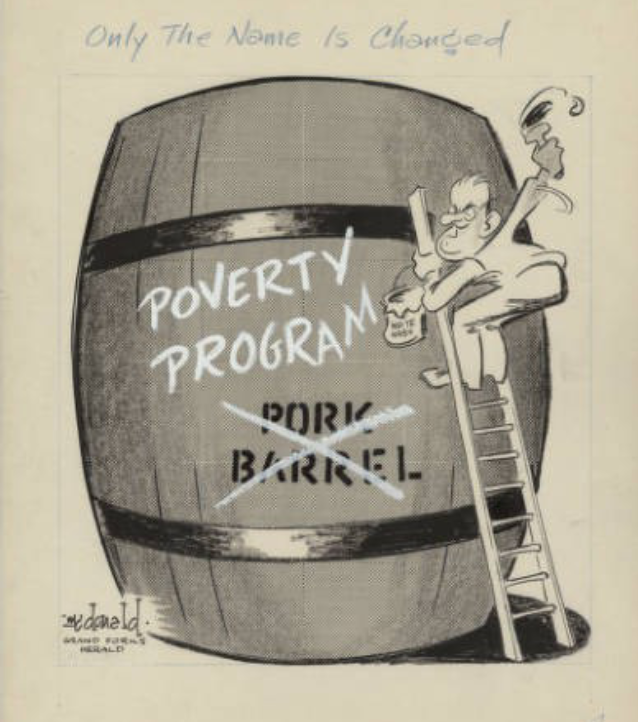
Pork Barrell
Political Ad that attacked johnsons war on poverty and great society ideas stating that it was just a distraction
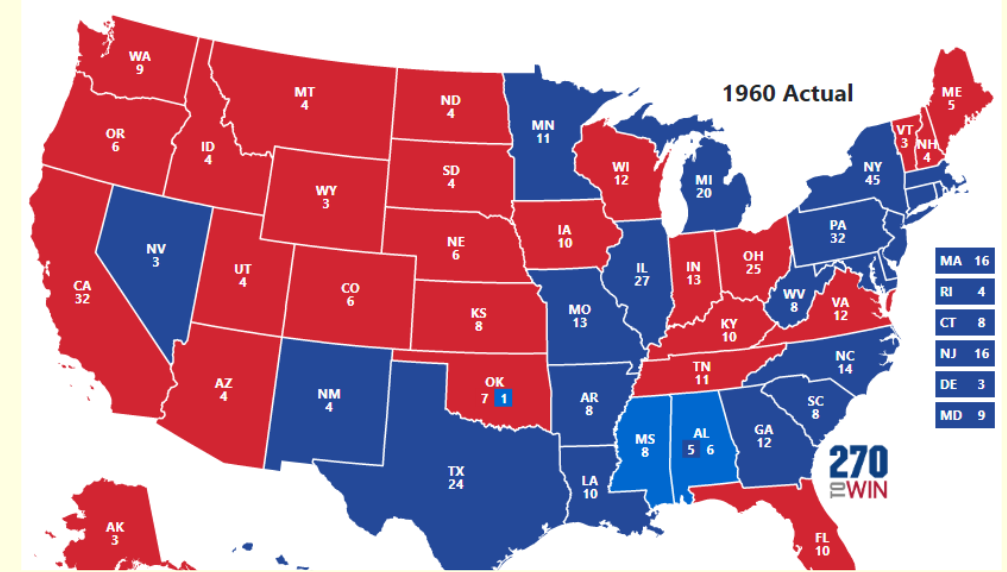
1960 Election
Election that put JFK into power a crucial election that begins the turn away of democrats in the South. The Popular Vote was extremely close. Electoral College was(K303-219-15)
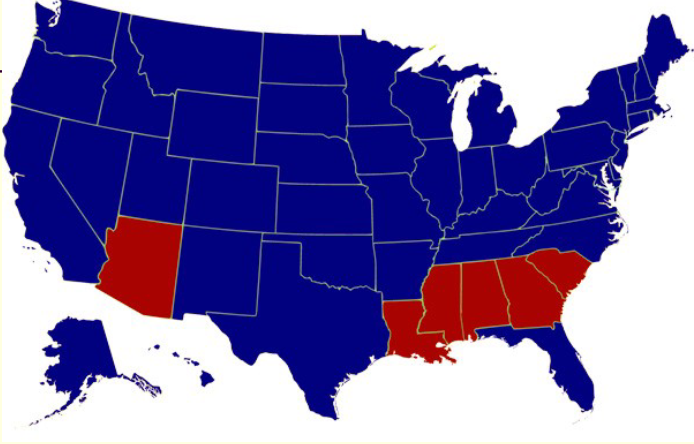
Election of 1964
Presidential election between Barry Goldwater and LBJ. Shows the first time that the south doesn’t vote blue. (represents the switching in party ideals)

Election of 1972
Election that put Nixon into power and showed a shift in popularity of Republican party & ideals. Nixon wins by a landslide. Deep South, he received over 70% of the popular vote

Election of 1980
Reagan v. Carter. Reagan won and recieved nearly all electoral college votes but barely won the popular vote.
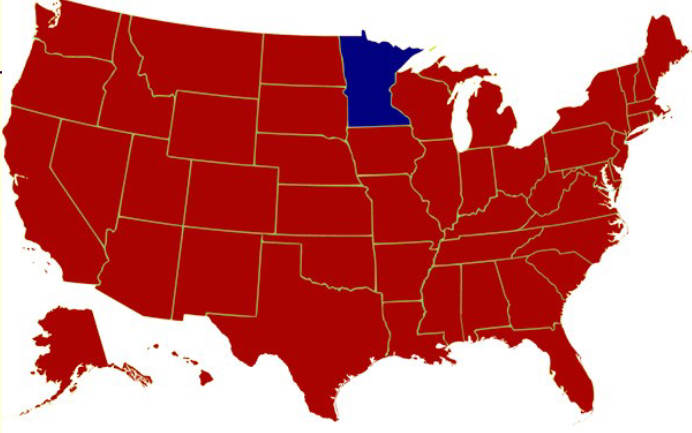
Election of 1984
Mondale v. Reagan. Reagan won and was releected